
REVIEW · KYOTO TEA CEREMONY EXPERIENCES
Private Kyoto Sushi Cooking Class & Tea Ceremony with Emika
Kyoto’s best food lessons often happen away from restaurant counters. In Emika’s home, you cook a meal together, sit down to eat it, and talk about Japanese food and daily life. You may prepare sushi, miso soup, seasonal vegetables, tofu dishes, or another agreed menu, then finish with matcha made by Emika or her father. Her own organic vegetables add a personal touch, while the private setting keeps the class relaxed.
I like two things right away: you learn dishes you can repeat at home, and you get a look at how local ingredients fit into Kyoto cooking. The market option is useful, too, since it takes you to the sort of supermarket and produce shop local residents use. The main consideration is location. The home is not at a sightseeing landmark, and the walk from Katsura Station can take about 10 to 15 minutes through winding residential streets.
In This Review
- Key points to know before booking
- Cooking Kyoto food in a private home
- Sushi, Obanzai, and the meaning of a Kyoto meal
- Seasonal vegetables from Emika’s garden
- Matcha, local drinks, and the tea ceremony
- Adding the supermarket and produce-market visit
- Getting to the home in Nishikyo Ward
- How private group size changes the class
- Communication and the pace of learning
- Who should book this Kyoto experience?
- Should you book Emika’s cooking class?
- FAQ
- How long does the private Kyoto cooking class last?
- Can I choose sushi or Obanzai cuisine?
- Is the experience private?
- Is the market visit before or after the meal?
- Are drinks included?
- Can dietary restrictions or allergies be accommodated?
- Is hotel transportation provided?
Key points to know before booking
- Cook in Emika’s Kyoto home: This is a private experience for your group, not a large demonstration class.
- Choose sushi or Obanzai: Tell Emika your preference when booking. The meal may include sushi, miso soup, vegetables, tofu, or another traditional main.
- Use seasonal and home-grown produce: Some vegetables come from Emika’s organic garden.
- Finish with Japanese tea: Matcha is prepared by Emika or her father, depending on the flow of the visit.
- Add the market option: After cooking and lunch, walk about 10 minutes to a local supermarket and produce store for a one-hour shopping lesson.
- Plan around a residential meeting point: There is no hotel pickup, and the activity ends where it begins.
Cooking Kyoto food in a private home
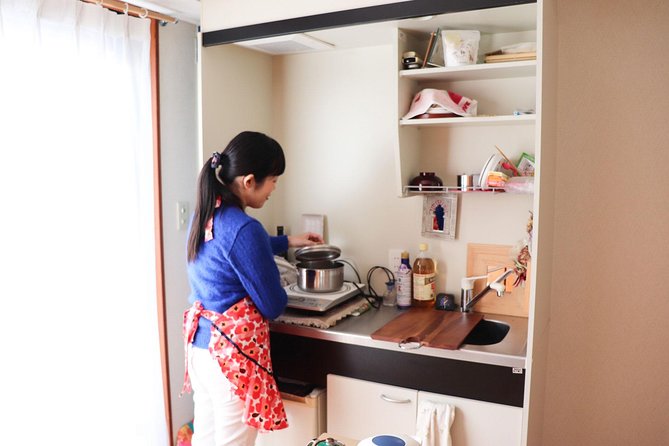
The appeal here is simple: you are not only shown a Japanese dish, you help make the meal and then eat it with the person teaching you. Emika welcomes you into her home in Kyoto’s Nishikyo Ward, where the setting feels more like a visit than a formal culinary school.
That difference matters. In a standard class, the menu and pace may be fixed for a room full of people. Here, only your group participates, so you can ask questions, slow down for a tricky step, or spend more time discussing ingredients and customs. Families, couples, and small groups can share the work without competing for counter space.
The experience lasts about three hours, with roughly an hour devoted to the main cooking work before the meal. The exact pace depends on your menu and group. Some cooking sessions have included sushi, miso soup, and two vegetable side dishes. Others have featured Osaka-style okonomiyaki or a traditional main course.
Because the menu can vary, contact Emika with your preference at booking. You can request sushi or Kyoto-style Obanzai cuisine. If you have allergies, dietary restrictions, or cooking preferences, share them early. A vegetarian diner has been accommodated, and dietary needs can be handled in the private format, but clear advance notice is important.
More tea ceremonies in Kyoto:
- Kyoto: Tea Ceremony in a Traditional Tea House in Kiyomizu
★ 4.9 · 3,519 reviews - Kyoto: Tea Ceremony Ju-An at Jotokuji Temple
★ 4.9 · 3,207 reviews - Kyoto: 45-Minute Tea Ceremony Lesson Experience
★ 4.3 · 2,378 reviews
Sushi, Obanzai, and the meaning of a Kyoto meal
Obanzai is home-style Kyoto cooking built around simple, seasonal ingredients. Think marinated mushrooms, slow-cooked vegetables, tofu dishes, miso soup, and other food that depends more on careful preparation than showy presentation.
That makes this class a good choice if you want more than a lesson in rolling sushi. You can learn how Japanese home cooking uses small side dishes to create a balanced meal. A few vegetables, soup, rice, and a main dish can feel complete without the heavy portions common in many Western meals.
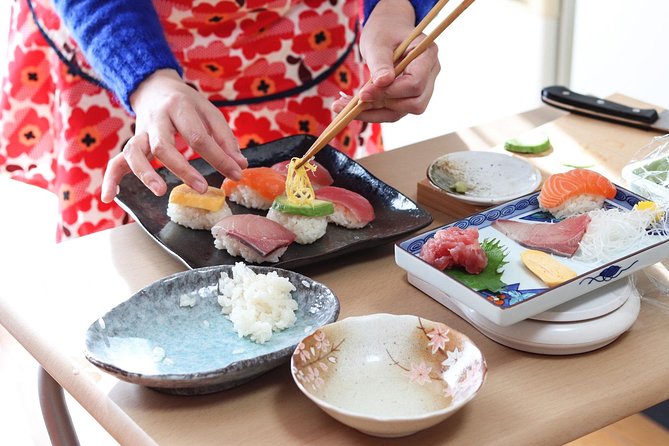
The sushi option is more hands-on. You may learn how to prepare sushi rice, shape rice by hand, and place fish on top for nigiri. Depending on the menu, nori may also be used. The point is not to produce restaurant-perfect pieces on your first try. It is to understand the rice, ingredients, and basic hand technique well enough to make sushi again.
You can also pick up practical advice about ingredients and supplies. Emika has shared tips on special seasonings and where to buy items for making sushi at home. That kind of information can be more useful than a recipe alone, especially if Japanese food is still unfamiliar to you.
Do not assume the class is limited to raw fish. The menu is arranged around your choice, and past sessions have included vegetable-focused dishes, miso soup, okonomiyaki, and other cooked foods. If someone in your party dislikes fish or needs a meat-free menu, say so before arriving.
Seasonal vegetables from Emika’s garden
One detail gives this experience a stronger connection to Kyoto: Emika grows organic vegetables herself, and some of them may be used in your meal. The produce depends on the season, so you should not expect a fixed list of vegetables.
That uncertainty is part of the charm. Japanese cooking places great value on seasonal food, and you get to see that idea in practice rather than only hear it explained. A vegetable served as a small side dish may be ordinary in appearance, but the preparation can show how much care goes into home cooking.
The dishes are also a useful lesson in restraint. Instead of covering every ingredient with strong sauce, the cooking may focus on texture, broth, miso, soy, or a light marinade. You learn how Japanese meals build flavor across several modest dishes.
This is a good match for you if you enjoy food stories and kitchen details. It is less suited to someone who wants a polished restaurant-style show with a fixed menu and elaborate presentation. The pleasure comes from participation, conversation, and learning how the food fits into everyday life.
Matcha, local drinks, and the tea ceremony
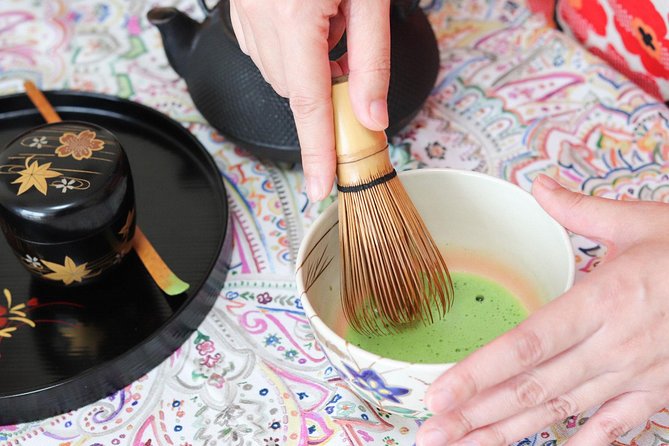
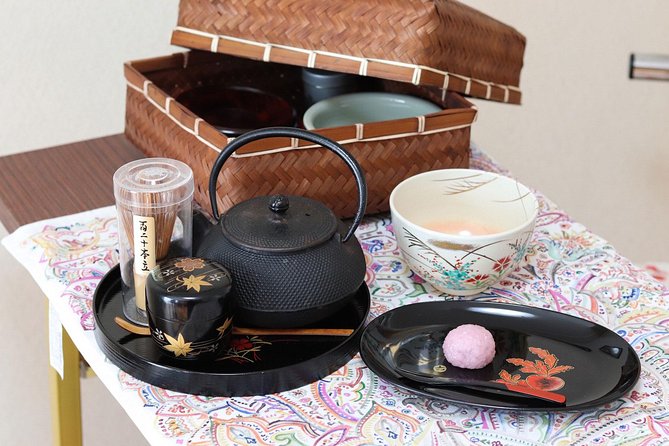
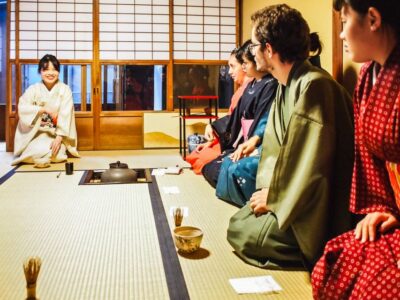
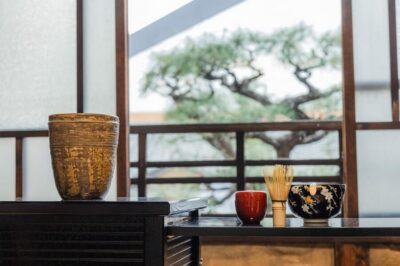
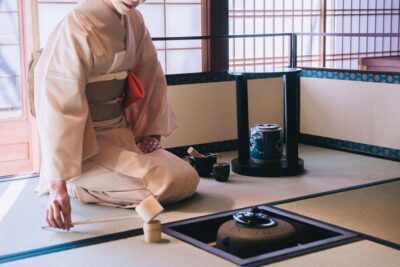
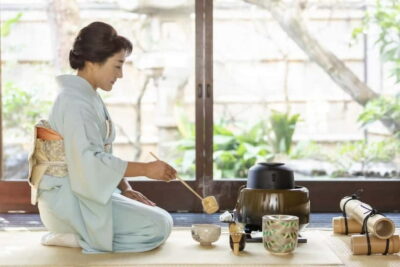
Tea frames the visit. You may receive a freshly prepared cup of matcha at the beginning or end, and the meal concludes with a tea ceremony. Emika or her father prepares the tea, adding a family element to the experience.
The ceremony gives the class a calmer finish. After chopping, shaping, stirring, and eating, you have time to focus on the tea itself and on the customs around serving it. If you have never had matcha prepared in a traditional setting, this is a pleasant way to encounter it without committing to a longer formal tea program.
Alcohol is also included. You can have one or two glasses of local alcohol with the meal, or choose matcha as your drink. The available option should be clarified with Emika if you have a strong preference.
I see the drink choice as a small but useful feature. Some people will enjoy pairing the meal with sake, while others may prefer to keep the visit centered on tea. The private format makes it easier for the group to choose what feels right.
More sushi counters and classes:
- Sushi Making in Kyoto! Same-day bookings welcome!
★ 5.0 · 713 reviews - The Original Small-Group Sushi Making Class in Kyoto
★ 5.0 · 436 reviews - Kyoto: Small-Group Authentic Sushi Making Workshop
★ 5.0 · 137 reviews - Sushi – Authentic Japanese Cooking Class – the best souvenir from Kyoto!
★ 5.0 · 93 reviews
Adding the supermarket and produce-market visit
The optional market tour is a practical extension of the cooking class. It happens after your cooking and meal, not before. You walk together for about 10 minutes to a supermarket and produce store used by local residents, then spend about an hour learning about Japanese ingredients and seasonings.
That order is worth noting. You first taste the food and learn how ingredients work, then see where to buy them. By the time you reach the store, you have a reason to recognize items rather than simply passing shelves of unfamiliar labels.
Emika can help you purchase ingredients to take home. This is especially useful if you want to try miso soup, sushi, or Japanese side dishes after returning home. You may also get help identifying spices, sauces, and other products that are hard to sort out in a Japanese supermarket.
The market option adds time and walking, so it is not necessary for everyone. Choose it if you enjoy food shopping and want take-home advice. Skip it if your Kyoto schedule is tight or you would rather spend the full afternoon at temples and museums.
Getting to the home in Nishikyo Ward
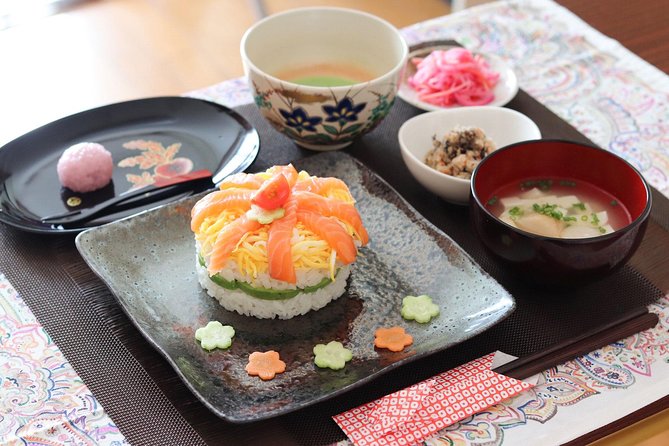
The meeting point is 31-30 Katsurainariyamacho, Nishikyo Ward, Kyoto, postal code 615-8025. Hotel pickup and drop-off are not included, so you need to reach the home independently.
The house is near public transportation, but allow time to find it. The walk from Katsura Station has been described as about 10 to 15 minutes, with winding streets through a pleasant residential area. Google Maps is useful here, especially because a residential address may not feel as obvious as a hotel or restaurant entrance.
This location is both a strength and a limitation. You see a quieter side of Kyoto and get a sense of ordinary neighborhood life. At the same time, it is not the most convenient choice if you are trying to fit several central attractions into a tightly packed morning.
Build the class into your day rather than treating it as a quick stop between major sights. Since the activity returns to the same meeting point, the market option also finishes near the home. Check your route and leave extra time for the walk.
How private group size changes the class
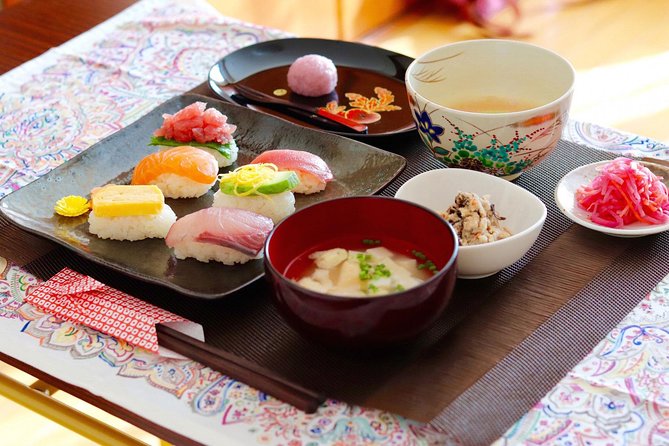
Only your group participates. That is important for the experience, especially if you are traveling with children, teenagers, or family members who have different levels of kitchen confidence.
You can ask Emika to repeat a technique or explain a food custom without worrying about holding up a large class. Children can take part in manageable steps, and teenagers have room to stay involved rather than watching from the edge.
The private format also helps with dietary requests. A vegetarian menu has been prepared successfully, and other allergies or restrictions can be discussed in advance. Still, this is a home kitchen, not a medical-grade allergen-free facility, so you should give precise information when booking and confirm the arrangements with your host.
Group discounts are available, which can improve the value for a small family or group of friends. At $109 per person, the price is higher than a casual meal, but it includes about three hours of personal instruction, a private host, the meal you prepare, matcha, and one or two glasses of local alcohol. The market visit is included if you select that option.
For two people, the price buys privacy and conversation as much as food instruction. For four or more, a group discount may make the cost easier to justify. You are paying for access to a home, a flexible menu, and direct help rather than only for a plate of sushi.
Communication and the pace of learning
Emika is described as patient, welcoming, and clear in her teaching. She also explains Japanese customs, food etiquette, and everyday ingredients during the cooking. The class is not only about following a recipe step by step.
You should still arrive ready for a hands-on lesson rather than a lecture. You may chop vegetables, prepare rice, shape sushi, stir soup, and assemble side dishes. The cooking portion can move quickly if the menu is ambitious, but Emika has been able to guide participants through a Japanese lunch in around an hour and a half.
The best questions are often the practical ones. Ask why a particular seasoning is used, how to find an ingredient at home, or how to adjust a dish for a vegetarian meal. Emika has also answered broader questions about Japanese culture and etiquette, so you can make the most of the conversation beyond the kitchen.
Who should book this Kyoto experience?
I would choose this class for you if you want contact with local life, enjoy eating what you make, and prefer a small setting to a polished group demonstration. It suits couples, families, food-focused visitors, and anyone who wants ideas to use after Japan.
It is also a strong option for a teenager who needs an activity with real participation. The sushi format gives younger cooks a clear task, while the shared meal and tea ceremony keep the experience connected to Japanese culture.
You may want another activity if your main goal is advanced sushi training, professional knife skills, or a formal tea ceremony lasting several hours. The class is designed for all skill levels, so experienced cooks may find it introductory.
Plan ahead if the date matters. The activity is booked, on average, 49 days before the visit. Free cancellation is available until 24 hours before the start time, but changes or cancellations inside that window are not accepted for a refund.
Should you book Emika’s cooking class?
Book it if you want a personal Kyoto memory built around food, conversation, and a real home setting. The strongest reasons are the private group format, seasonal vegetables from Emika’s garden, flexible menu choices, and the chance to learn what Japanese ingredients look like in a local supermarket.
Think carefully about the location and the price. You must make your own way to Nishikyo Ward, and $109 per person is a serious spend for a meal. Yet for a private three-hour visit with cooking instruction, drinks, tea, and the option of a market lesson, it offers good value for people who care about culture as much as cuisine.
FAQ
How long does the private Kyoto cooking class last?
The experience lasts approximately three hours. The cooking portion may take about one hour, followed by the meal and tea ceremony. The optional market tour adds a one-hour supermarket and produce-market visit after the meal.
Can I choose sushi or Obanzai cuisine?
Yes. You should tell Emika when booking whether you prefer sushi or a traditional Kyoto Obanzai menu. The cooking may also include miso soup, vegetables, tofu dishes, or another agreed main course.
Is the experience private?
Yes. Only your group participates in the cooking class and tea ceremony.
Is the market visit before or after the meal?
The market tour takes place after the cooking class and lunch. You walk about 10 minutes to a supermarket and produce store, where the tour lasts about one hour.
Are drinks included?
Yes. Local alcohol, usually one or two glasses, is included. You can also enjoy matcha paired with the food, and the experience includes a tea ceremony.
Can dietary restrictions or allergies be accommodated?
You should advise Emika about allergies, dietary restrictions, and cooking preferences when booking. A vegetarian menu has been accommodated, but your needs should be discussed in advance.
Is hotel transportation provided?
No. Hotel pickup and drop-off are not included. The meeting point is in Nishikyo Ward, and the activity ends back at that same meeting point.
More Workshops in Kyoto
- Kyoto : Chopsticks Making Workshop in Gion with Engraving Option
★ 5.0 · 958 reviews - Kyoto: Samurai Sword Class by Experts in Traditional Arts
★ 4.9 · 657 reviews - Ninja 1-hour Hands-on Lesson by Japanese master in Kyoto -Entry
★ 5.0 · 489 reviews - Kyoto: Afternoon Japanese Izakaya Cooking Class
★ 4.9 · 241 reviews
More Cooking Classes in Kyoto
- Kyoto: Ramen Cooking Class at a Ramen Factory with Souvenir
★ 4.9 · 532 reviews - Kyoto: Ramen, Gyoza, and Onigiri Cooking Class
★ 5.0 · 445 reviews - Kyoto: Japanese Washoku Bento Small Group Cooking Class
★ 5.0 · 380 reviews - Kyoto Ramen and Gyoza Cooking Class with Professional Chefs
★ 5.0 · 282 reviews
Recently added around Kyoto
- Higashiyama | Kyoto: Sakura Season Private Rickshaw Tour★ 5.0 · 3 reviews
- Kyoto Kimono Rental CHAMATSU|Kimono/Yukata Rental FamilyPlan★ 5.0 · 3 reviews
- Kyoto: Half-Day Private Guided Tour to the Old Town of Gion★ 4.4 · 3 reviews
- Nara Private Customizable Half Day Tour★ 5.0 · 3 reviews
- Kansai Region Hiking Adventure in Nara Kobe Kyoto and More★ 5.0 · 3 reviews
- Full Day Nara Deer, Temple, Shrine, Activities & Tea Ceremony★ 5.0 · 3 reviews
- Nara: Essential Private Tour with Deer Park and Temples★ 5.0 · 3 reviews
- Hiking Tour for Sacred Sites in Kyoto with a Guide★ 5.0 · 3 reviews
Kyoto Tea Ceremony Experiences, compared.
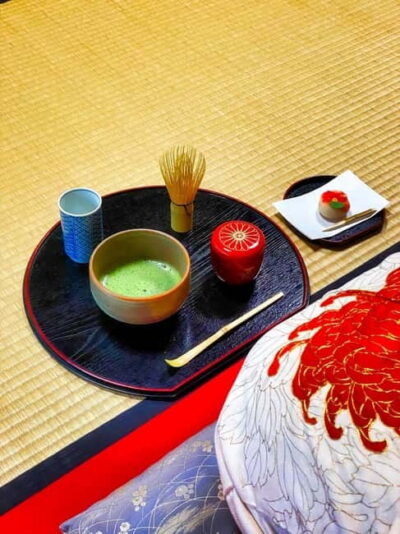
Tea Ceremony in a Traditional Tea House in Kiyomizu
Read our review →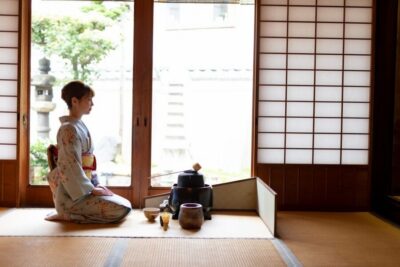
Tea Ceremony in 100-year-old Kyo-Machiya Townhouse
Read our review →
Browse the lists this tour appears in