
REVIEW · NARA DAY TRIPS
Nara: Essential Private Tour with Deer Park and Temples
Nara’s biggest attractions fit into a surprisingly compact walking tour, and this private outing links them in a sensible order. You’ll see deer in Nara Park, the pagoda at Kofuku-ji, and Todai-ji’s enormous Great Buddha without having to plan every turn yourself.
I like the personal format, especially if you want to ask questions or adjust your pace. I also like the range: a covered shopping arcade, Buddhist temples, a small shrine, open park paths, and Yoshikien Garden all appear in three hours.
The tradeoff is time. Three hours gives you an excellent first look, but it does not leave much room for lingering, shopping, or a long meal. You’ll also need moderate physical fitness for the walking between stops.
In This Review
- Key points to know before booking
- Why this three-hour Nara route works
- Starting under the arcade at Higashimuki Shopping Street
- Kofuku-ji and the Chukon Hall
- Meeting Nara’s deer in the open park
- A quiet pause at Himuro Shrine
- One full hour with Todai-ji’s Great Buddha
- Yoshikien Garden closes the route gently
- What the $127.55 price really buys you
- Walking, timing, and who should choose it
- Practical booking advice for a smoother visit
- Should you book this Nara tour?
- FAQ
- Where does the tour begin?
- Where does the tour end?
- How long does the tour last?
- Is this a private tour?
- Is admission included?
- Can I feed the deer?
- What sights are included?
- How much does the tour cost?
- Is the tour suitable for people with limited mobility?
- Can I cancel for a full refund?
Key points to know before booking
- The tour begins and ends at Kintetsu Nara Station, making the meeting point easy to locate and the return simple.
- Todai-ji receives the longest visit, with about an hour for its Great Buddha hall and grounds.
- Kofuku-ji and Todai-ji admissions are included, while the shopping street, park, Himuro Shrine, and Yoshikien are listed as free stops.
- A private guide gives your group the full attention, with guide Masa specifically connected to a highly praised experience.
- Nara Park includes freely roaming deer, with a chance to feed them and walk through the park.
- The $127.55 per-person price buys convenience and interpretation, though independent visitors can spend less if they are comfortable organizing the route alone.
Why this three-hour Nara route works
Nara was Japan’s first permanent capital, and its sights are not scattered across a huge area. That makes it a good place for a short, focused tour. Instead of spending your limited time figuring out directions, you can move from the station area into the temple district and park with a guide keeping the day on track.
The experience is private, so only your own group participates. That matters here because the route mixes formal temple visits with casual walking and deer watching. You can ask about Buddhist architecture at one moment, then pause for a photo or a closer look at the park the next.
The schedule is brisk rather than leisurely. The planned stops add up to about three hours, with 20 minutes at Higashimuki Shopping Street, 30 minutes at Kofuku-ji, 30 minutes in Nara Park, 20 minutes at Himuro Shrine, an hour at Todai-ji, and 20 minutes at Yoshikien. Walking between these places uses part of the overall time, so you should think of this as a well-packed introduction, not a full day in Nara.
A guide named Masa is associated with the experience, and the strongest praise centers on how much information the guide adds. The practical benefit is clear: Nara’s temples can look impressive even without explanation, but a good guide helps you understand why the buildings, statues, and grounds matter.
More day trips to Nara:
- World Heritage Kyoto & Nara Uji Authentic Matcha Experience
★ 5.0 · 1,573 reviews - Nara Half Day Trip Walking Tour (Private Option Available)
★ 5.0 · 937 reviews - Nara Early Morning Tour (Kyoto or Osaka Departure Available)
★ 5.0 · 676 reviews
Starting under the arcade at Higashimuki Shopping Street
The meeting point is the Tourist Information Centre at Kintetsu Nara Station, at 29 Higashimuki Nakamachi, on the first floor of the Kintetsu Nara Station building. The tour then begins with Higashimuki Shopping Street, a covered arcade close to the station.
This is a useful opening stop. You get your bearings in central Nara before heading into the temple district, and the arcade offers shops, cafés, restaurants, local food, and souvenirs. The scheduled 20 minutes is enough for a quick look, but not enough for a serious shopping session.
I like this start because it prevents the tour from feeling like a string of monuments with no connection to daily life. You see the commercial side of Nara first, then move toward the older religious sites. If you want to buy something, take note of what catches your eye, since the tour will continue quickly.
Do not expect this part to be a food tour. No tasting is specified, and the main purpose is orientation. It is best treated as a short introduction to the station area rather than a major attraction in its own right.
Kofuku-ji and the Chukon Hall
Kofuku-ji is the first major temple stop, with about 30 minutes set aside and admission included. The temple is one of Nara’s best-known Buddhist sites and a UNESCO World Heritage Site. Its grounds combine historic religious buildings with quiet spaces where you can pause away from the traffic near the station.
The towering pagoda is a key visual point. It gives the temple grounds a strong vertical marker and helps explain why Kofuku-ji is tied so closely to Nara’s spiritual identity. The visit is not only about taking a picture of the pagoda. Your guide can help place the architecture within the temple’s long role as a center of Buddhist practice and art.
The itinerary names the Chukon Hall, so expect attention to this part of the temple complex rather than a quick walk past the exterior. Thirty minutes is enough for an introduction, but you should not expect to examine every building or spend extended time in quiet reflection.
This is one area where a private guide earns its keep. You can ask what you are seeing instead of trying to decode signs on your own. If you care about temple design, Buddhist art, or the way religious sites shape Nara, Kofuku-ji gives the tour more substance than a simple deer-park outing.
Meeting Nara’s deer in the open park
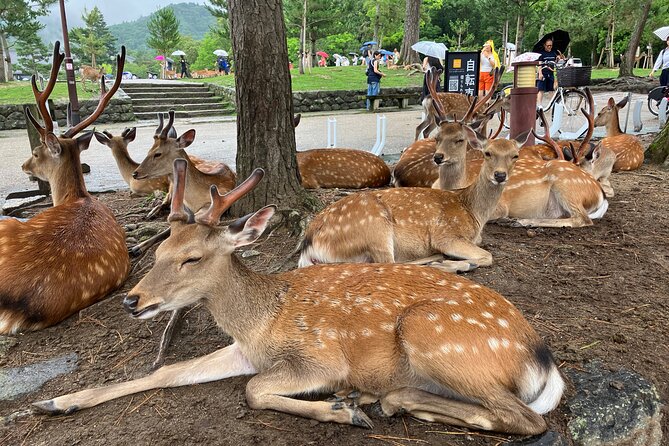
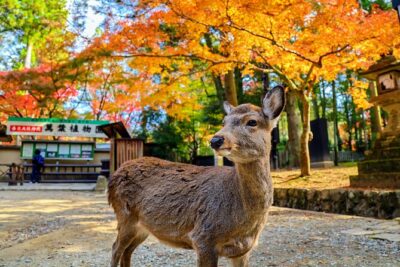
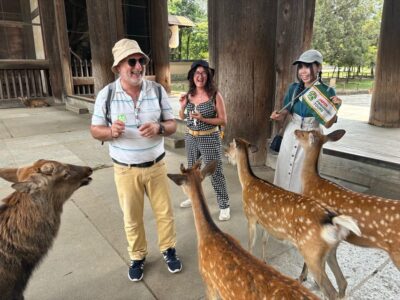
Nara Park is the tour’s most informal stop. About 30 minutes are allotted for walking through the park, seeing deer that roam freely, and taking in views toward the surrounding mountains.
The deer are not kept behind fences in a conventional zoo setup. They move through the public park, so the experience feels less staged. You have the chance to feed them, but the schedule is short, and the park contains historic temples and shrines beyond the section you may see on this tour.
This is a good place to slow down for a few minutes. The change from temple courtyards to open paths gives your eyes and legs a break. It also provides some of the trip’s most memorable photographs, especially if a deer wanders close.
Keep your expectations sensible. Thirty minutes is enough for a taste of Nara Park, not an extended exploration. If the deer are spread out or you want time for repeated photos, the stop may feel brief. The private format helps because your guide can keep the group moving while still allowing a short pause when something catches your attention.
The park is also where the tour feels most distinct from an ordinary city sightseeing walk. Nara’s appeal comes from the way nature, religious buildings, and public space overlap. You get a glimpse of that mix here.
More Kyoto temples worth a morning:
- Nara: Essential Private Tour with Deer Park and Temples
★ 5.0 · 24 reviews - Relax in Nara: Deer Park, Todai-ji Temple and Merchants’ Town
★ 5.0 · 6 reviews - Nara Heritage Walkabout from Nara Park to Todaji-ji temple
★ 5.0 · 5 reviews - Nara City Tour | Explore Temples, Park & Local Highlights
★ 4.8 · 5 reviews
A quiet pause at Himuro Shrine
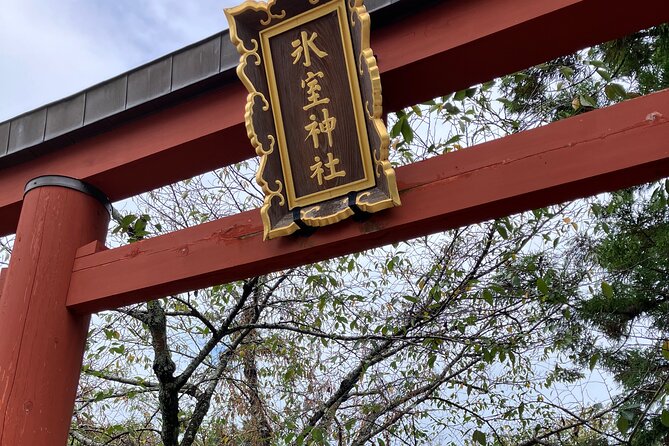
Himuro Shrine receives about 20 minutes. It is a smaller, historic shrine known for its connection to ancient ice storage traditions. That unusual detail makes it a useful contrast with the grand scale of Todai-ji.
You can expect a calmer stop, with traditional architecture, a peaceful setting, and seasonal festivals connected to the shrine. The short visit is enough to appreciate its atmosphere and hear why ice storage was important to its tradition.
I like the inclusion of Himuro Shrine because it keeps the route from becoming too predictable. Kofuku-ji and Todai-ji are the headline sites, while Himuro offers a more modest place with a distinctive story. You may find this stop especially appealing if you prefer smaller religious sites to famous monuments.
The possible drawback is that 20 minutes may feel too short if you want to study the shrine grounds closely. Still, as part of a three-hour route, it provides a welcome change of scale and pace.
One full hour with Todai-ji’s Great Buddha
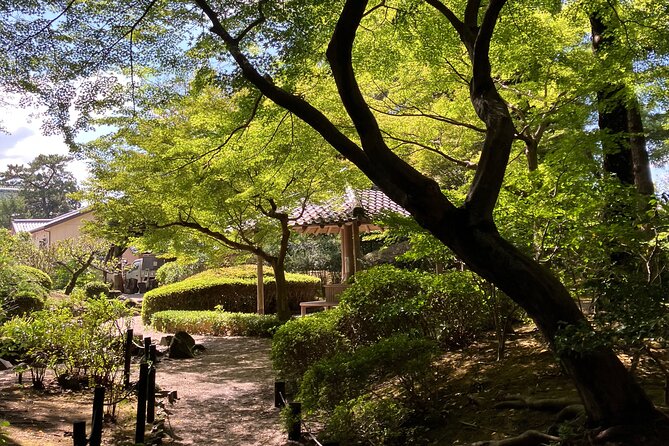
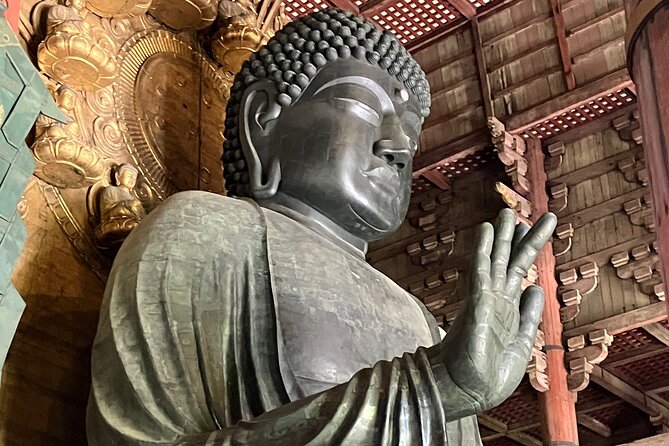
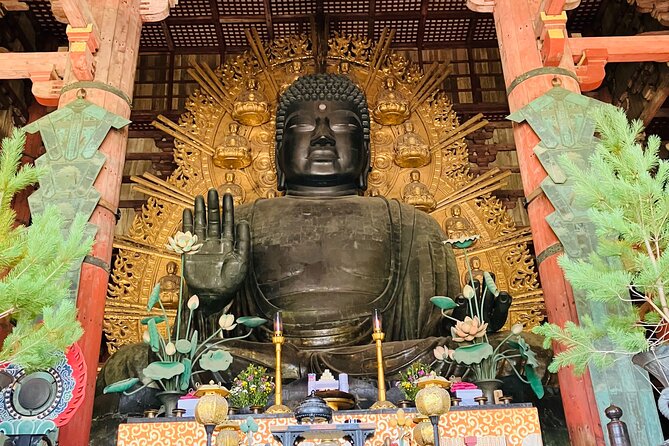
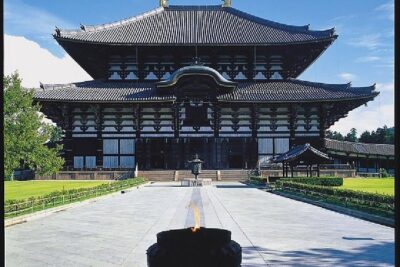
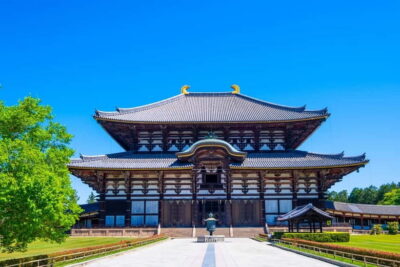
Todai-ji gets the largest time block, one hour, and that is the right choice. The temple is home to one of the world’s largest bronze Buddha statues, and the main hall gives the tour its grandest moment.
The first impression comes from size. Todai-ji is not simply another temple courtyard. Its great hall and bronze Buddha create a sense of scale that is difficult to grasp from a photograph. Give yourself time to look up, step back, and take in the relationship between the statue and the building around it.
Admission is included, which makes this stop easier to budget. Your guide can also explain the temple’s cultural and religious importance while you move through the site. That context matters because the Great Buddha is more than a large object for a photograph. It reflects the power, belief, and artistic ambition tied to Nara’s era as Japan’s capital.
One hour is a useful middle ground. You have time for the main hall and a measured look at the grounds, but not for every corner of the wider temple area. If Todai-ji is your chief reason for coming to Nara, you may want to return independently after the tour.
The scale can also make this the busiest-feeling portion of the route. A private tour does not mean you have the temple to yourself. It means your guide is focused on your group while you share the public site with other people.
Yoshikien Garden closes the route gently
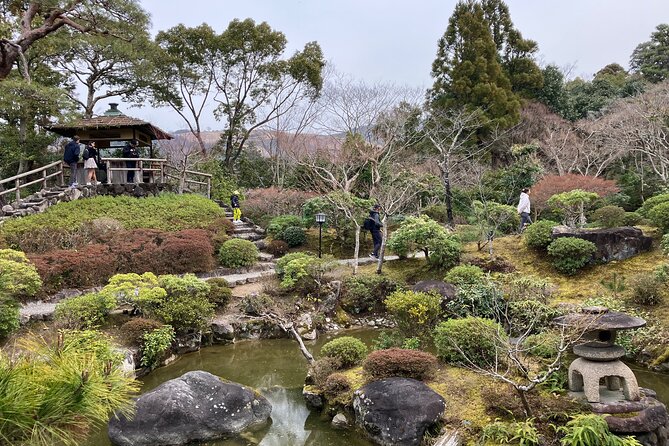
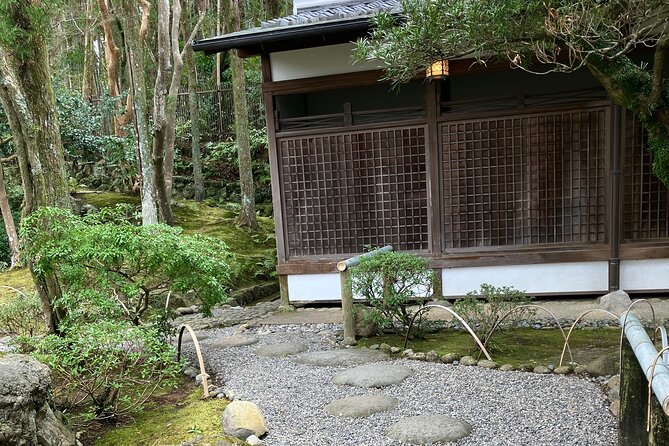
Yoshikien is the final stop, with about 20 minutes for its Japanese garden, moss-covered paths, ponds, and traditional tea house. The scheduled visit offers a quiet finish after the crowds and monumental architecture of Todai-ji.
The garden’s appeal changes with the season, so the exact view will depend on when you go. Its design is more intimate than the open park or the large temple compounds. You can expect a short stroll rather than a formal tea ceremony, since no ceremony is included in the tour details.
Ending here is a smart choice. After the visual force of the Great Buddha, Yoshikien lets you finish with smaller details: garden paths, water, moss, and traditional design. The 20-minute stop will not satisfy someone hoping for a long garden visit, but it gives the day a calmer final note.
Yoshikien is also listed as a free admission stop, which helps keep the included-cost structure straightforward. Your tour ends back at the Kintetsu Nara Station meeting point after this visit.
What the $127.55 price really buys you
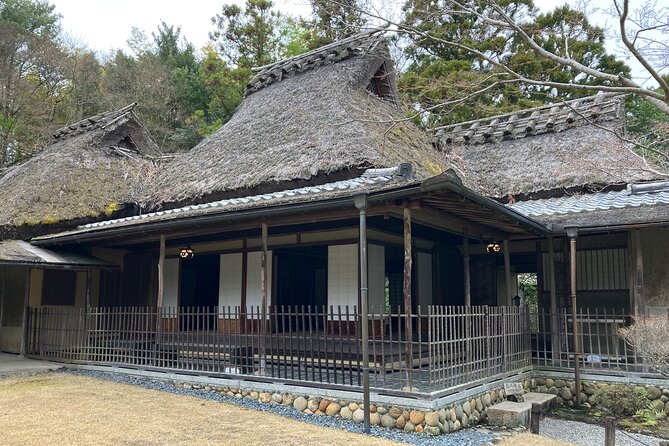
At $127.55 per person, this is not the cheapest way to see Nara. You can reach Nara on your own, walk between major sights, and choose only the places you want to enter. Independent touring makes more financial sense if you already know the route and do not need explanations.
The price becomes easier to defend if you value time and a private guide. You receive a planned route, a local guide, admission to Kofuku-ji’s Chukon Hall and Todai-ji, and a group-only experience. You are also less likely to miss smaller stops such as Himuro Shrine or Yoshikien while trying to fit Nara into a short visit.
Group discounts are available, though the exact discount is not specified. Because this is a private activity, the per-person cost may work better for a small group than for a solo participant. Confirmation arrives within 48 hours, subject to availability, so do not assume the booking is final until it is confirmed.
The tour is booked, on average, 56 days ahead. That suggests planning early is sensible, especially if you need a particular date or want to fit Nara into a tightly arranged Japan trip.
Walking, timing, and who should choose it
You should have moderate physical fitness. The tour includes walking through a shopping arcade, temple grounds, a large public park, a shrine, and a garden. Even though the duration is only about three hours, the route keeps you on your feet and includes several transitions.
The starting point is near public transportation, and the return to the same meeting point is convenient. That makes the experience a practical choice if you are visiting from Osaka or using Nara as part of a wider Kansai schedule, though the supplied details do not specify transportation from Osaka or the exact route to the meeting point.
I would choose this tour if you have only a short window in Nara, want a guide’s explanation, or prefer not to manage temple admissions and directions yourself. It also suits families or small groups who want a private pace, provided everyone can handle the walking.
I would look elsewhere if you want a slow temple study, extensive shopping, a long garden visit, or several hours with the deer. The route is designed to show you the essential sights, not to give each one a full afternoon.
Practical booking advice for a smoother visit
Meet at the Kintetsu Nara Station Tourist Information Centre, not simply somewhere near the station. The listed address is Japan, 630-8215 Nara, Higashimuki Nakamachi, 29, inside the station building on the first floor.
Wear comfortable shoes and keep your schedule open enough to avoid rushing after the tour. The route includes several stops with fixed time blocks, and the one-hour Todai-ji visit is the main opportunity for a longer look.
Ask your guide questions early. The route includes subjects ranging from shopping streets and deer to Buddhist temples, shrine traditions, and Japanese gardens. A private tour is most valuable when you use that access to connect the sights to your own interests.
Free cancellation is available if you cancel at least 24 hours before the local start time. Cancellations or changes made within 24 hours are not accepted for a refund, so check your plans before the cutoff.
Should you book this Nara tour?
Book it if you want a well-paced first visit to Nara and value a private guide more than the lowest possible price. The route covers the deer, Kofuku-ji, Himuro Shrine, Todai-ji, and Yoshikien in one compact outing, with Masa offering the kind of detailed guidance that can turn a quick tour into a more meaningful one.
Skip it if you have a full day and enjoy planning independently. You would have more time to wander Nara Park, shop, or return to Todai-ji at your own speed.
For a short stay, though, this is a sensible way to make three hours count. It gives you Nara’s major images, adds a few quieter corners, and returns you to the station without leaving the day’s route in your hands.
FAQ
Where does the tour begin?
It begins at the Kintetsu Nara Station Tourist Information Centre, located on the first floor of the Kintetsu Nara Station building at 29 Higashimuki Nakamachi, Nara.
Where does the tour end?
The activity ends back at the meeting point at Kintetsu Nara Station.
How long does the tour last?
The tour lasts approximately three hours.
Is this a private tour?
Yes. Only your group participates in the activity.
Is admission included?
Admission is included for Kofuku-ji Temple Chukon Hall and Todai-ji Temple. The other listed stops have no admission charge shown.
Can I feed the deer?
Yes. The Nara Park portion includes the chance to feed the freely roaming deer.
What sights are included?
The route includes Higashimuki Shopping Street, Kofuku-ji Temple Chukon Hall, Nara Park, Himuro Shrine, Todai-ji Temple, and Yoshikien Garden.
How much does the tour cost?
The listed price is $127.55 per person. Group discounts are available, though the discount amount is not specified.
Is the tour suitable for people with limited mobility?
The tour advises a moderate physical fitness level. It includes walking through temple grounds, Nara Park, a shrine, and a garden.
Can I cancel for a full refund?
Yes, if you cancel at least 24 hours before the experience start time. Cancellations made less than 24 hours in advance are not refundable.
Recently added around Nara
- Nara Private Customizable Half Day Tour★ 5.0 · 3 reviews
- Full Day Nara Deer, Temple, Shrine, Activities & Tea Ceremony★ 5.0 · 3 reviews
- Discover the Essence of Nara Ink Through Your Senses★ 5.0 · 3 reviews
- Private Journey in Nara’s Historical Wonder★ 5.0 · 3 reviews
- Nara:Private Tea Ceremony(Max 5 ppl) -Master Matcha Making-★ 5.0 · 3 reviews
- Nara Takayama Tea Whisk Craft and Tea Culture Experience★ 5.0 · 3 reviews
- Nara: Half-Day Private Tour of 4 Must-See Spots & Deer Park★ 5.0 · 3 reviews
- Udon and Tempura Cooking Class in Nara★ 5.0 · 3 reviews
Nara Day Trips, compared.
World Heritage Kyoto & Nara Uji Authentic Matcha Experience
Read our review →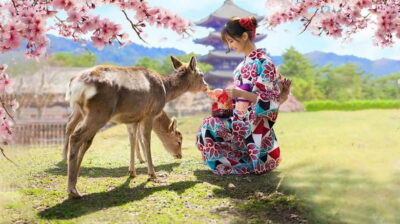
Kyoto/Osaka: Nara, Fushimi Inari Taisha, Arashiyama Bus Tour
Read our review →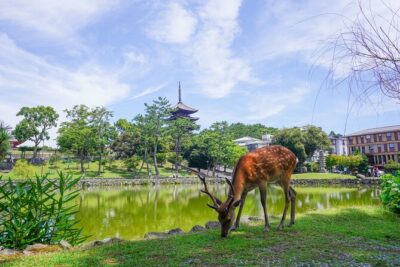
Nara Half Day Trip Walking Tour (Private Option Available)
Read our review →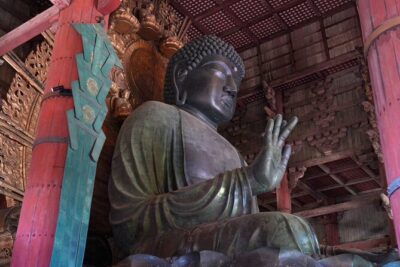
Nara Early Morning Tour (Kyoto or Osaka Departure Available)
Read our review →
Kyoto/Osaka: Kinkakuji, Bamboo Forest, and Nara Deer Park
Read our review →Browse the lists this tour appears in