
REVIEW · KYOTO TEA CEREMONY EXPERIENCES
Kyoto: 45-Minute Tea Ceremony Lesson Experience
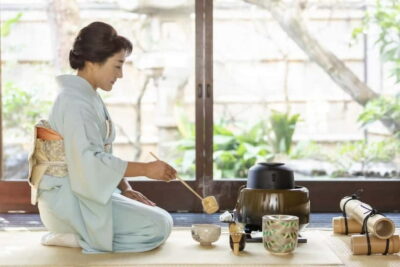
The most interesting part of this 45-minute Kyoto experience is that it teaches the full thin-tea ceremony, not a shortened photo stop made only for visitors. You sit on tatami, watch a licensed Urasenke tea master prepare matcha, learn the manners behind each movement, and then make your own tea.
I like two things right away: the lesson explains why the ceremony works as it does, and the $22 price includes two kinds of green tea plus Japanese sweets. The setting near Kinkakuji is also easy to reach. The main caution is time. Forty-five minutes goes quickly, and the welcome, lesson, tea preparation, and photos can feel tightly packed.
In This Review
- Key points to know before booking
- What makes this Kyoto tea lesson different
- Sitting on tatami and entering the tea house
- Watching the matcha preparation
- Making your own tea and tasting two flavors
- Choosing public, private, or candlelight tea
- Adding a kimono and taking photographs
- How much value do you get for $22?
- Planning it around Kinkakuji
- Who will enjoy this experience most?
- Practical details that improve the visit
- Should you book Tea Ceremony Koto?
- FAQ
- How long does the Kyoto tea ceremony experience last?
- Where does the tea ceremony take place?
- Is the experience offered in English?
- Can I wear a kimono during the tea ceremony?
- Can I take photographs or record video?
- What if I cannot sit on the tatami floor?
Key points to know before booking
- A real beginner’s lesson: You learn the rules and prepare matcha yourself rather than simply watching a performance.
- Led by an Urasenke tea master: Urasenke is Japan’s largest tea ceremony school, and the instructor teaches in English and Japanese.
- Two tea flavors and sweets included: The tasting gives you a useful sense of how preparation affects flavor.
- Three atmospheres available: Select a private session, a small public group, or a candlelight ceremony.
- Kimono rental is optional: Reserve it in advance and arrive 20 minutes early for dressing and photographs.
- One minute from Kinkakuji-Michi: You can combine the lesson with a visit to the Golden Pavilion, but allow time for the bus ride and temple crowds.
What makes this Kyoto tea lesson different
Many tea experiences in Kyoto focus on appearance: a beautiful room, a kimono, a bowl of green tea, and a few photographs. Tea Ceremony Koto takes a more serious route. You are expected to learn the basic rules, sit quietly, and follow the proper sequence.
That approach may suit you perfectly if you want to understand Japanese customs rather than simply collect a cultural photo. It can feel less casual than a quick tourist demonstration, but that is part of its value. The ceremony is built around attention, respect, and careful movement.
Your host is a licensed tea master from Urasenke, the largest school of tea ceremony in Japan. English is available, and the lesson explains both the practical steps and the spiritual side of the tradition. One instructor named Joseph is specifically noted for being friendly and helpful, while other sessions are led by female tea masters.
The teaching style can vary a little. Most visitors find the explanations clear and patient, but one account describes the host as abrupt. I would not book this expecting a loose, chatty class. The tone is formal, and the tea master may correct you directly because the purpose is to teach the custom properly.
More tea ceremonies in Kyoto:
- Kyoto: Tea Ceremony in a Traditional Tea House in Kiyomizu
★ 4.9 · 3,519 reviews - Kyoto: Tea Ceremony Ju-An at Jotokuji Temple
★ 4.9 · 3,207 reviews - Kyoto: Table-Style Tea Ceremony at a Kyo-Machiya
★ 4.9 · 1,211 reviews
Sitting on tatami and entering the tea house
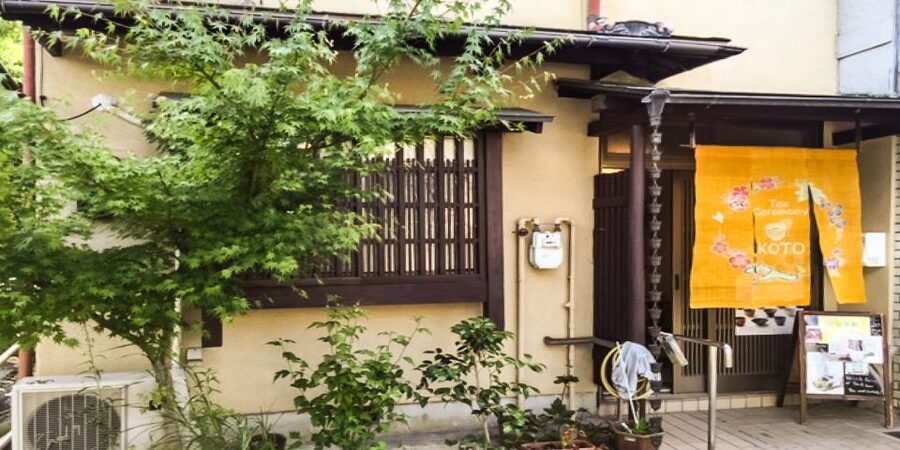
The venue is beside the gate of Kinkakuji, Kyoto’s famous Golden Pavilion. From the Kinkakuji-Michi city bus stop, it is about a one-minute walk. Enter through the sliding door with the orange curtain, and look beside the bicycle parking area if you are coming directly from the temple.
This location is useful for a day in northern Kyoto. City buses 204 and 205 take about 10 to 15 minutes from Kitaoji subway station or JR Enmachi. The area is not a good place to rely on a last-minute taxi call after the lesson, since taxi companies may not answer immediately. A large taxi stand is in front of the venue and usually opens around 5:30 p.m.
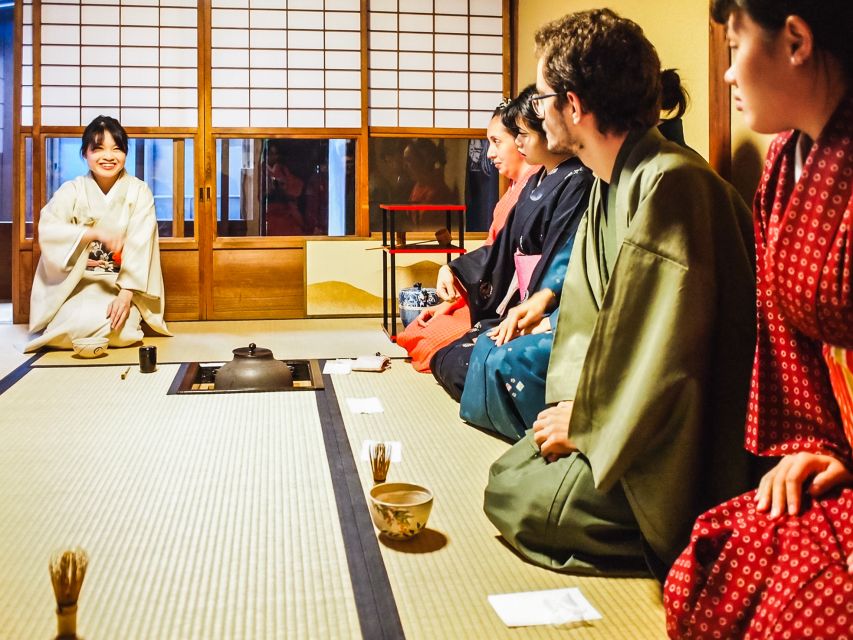
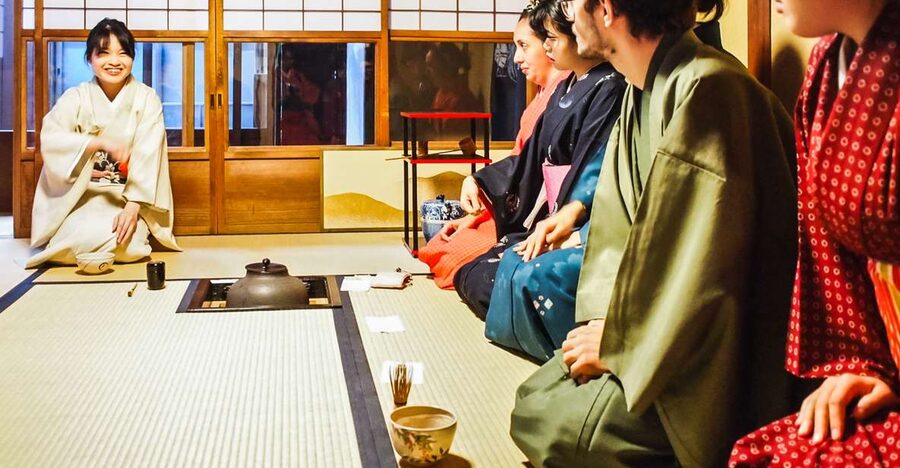
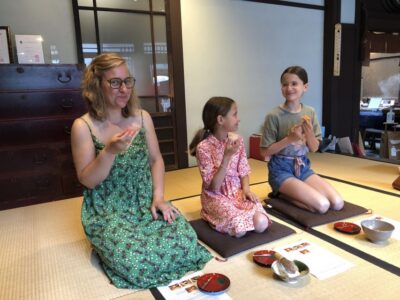
Inside, you take your place on tatami, the traditional woven floor mat. Sitting on the floor is part of the lesson, since posture and position matter in the ceremony. If your knees or hips make floor sitting difficult, tell the tea master in advance. Chairs can be provided.
There is no dress code. Still, comfortable clothing is sensible, especially if you plan to sit formally. Very short skirts or stiff clothing may make the floor portion less comfortable, though the activity does not set formal clothing rules.
Watching the matcha preparation
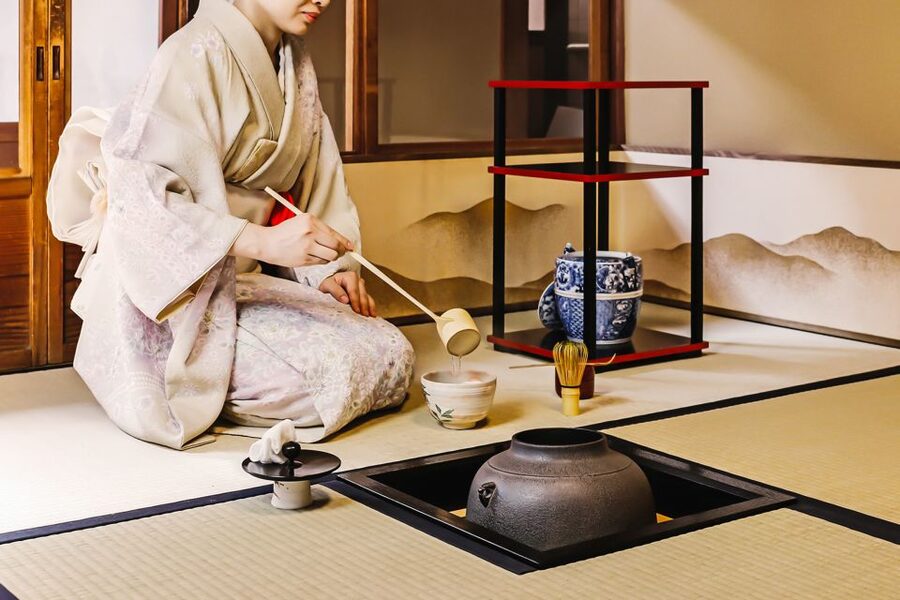
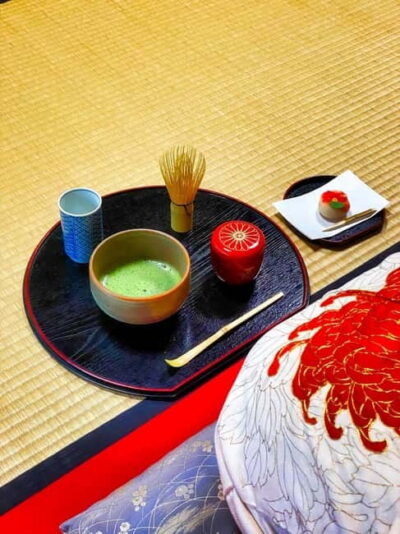
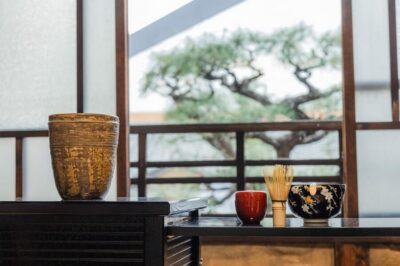
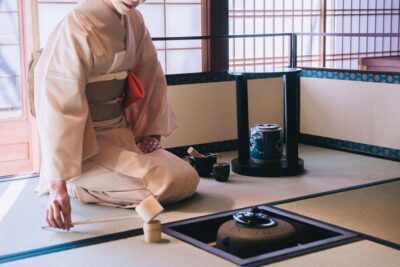
The lesson begins with the tea master demonstrating the ceremonial preparation of matcha. The pace is deliberate. The host handles the bowl, whisk, scoop, and other objects with set movements, and explains what each action means.
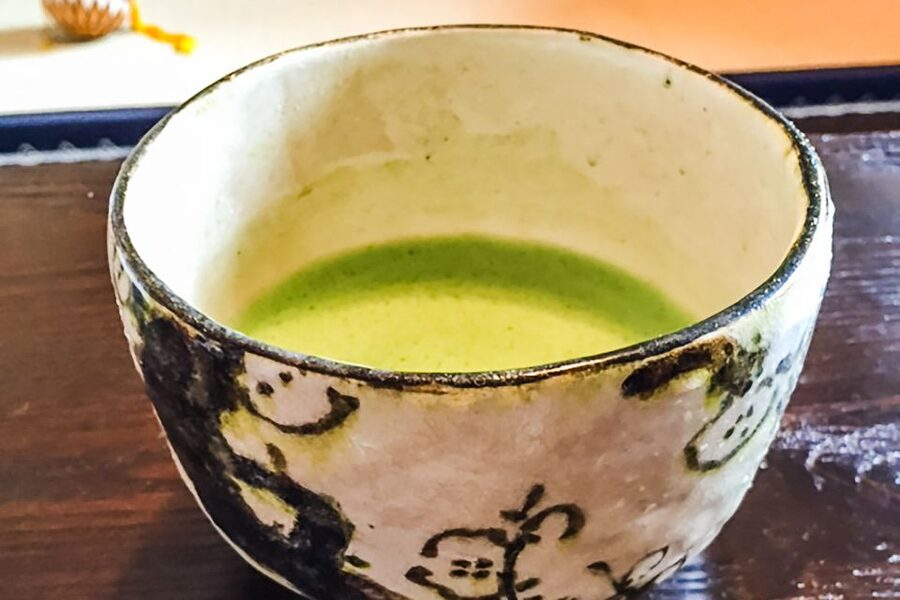
This is where the session gains its value. You are not only shown how to make a frothy cup. You learn that the way tea is scooped, measured, whisked, and served changes the final taste. The class also explains how the tea bowl and other ceramics fit into the ceremony.
The spiritual role of tea ceremony is another important part. The ritual is connected to respect, calm, and hospitality. The formal gestures may look small, but they create a shared sense of order between the person making the tea and the person receiving it.
You will also learn what to say and how to drink the tea. The rules are not difficult once shown, but they are precise. That precision is useful because it helps you take part without guessing or accidentally treating the ceremony like an ordinary café tasting.
The host speaks English and Japanese. English ability can differ slightly by instructor, but the experience is designed for English-speaking visitors, and the basic movements are demonstrated clearly. I would still watch carefully rather than depend on every spoken detail.
Making your own tea and tasting two flavors
After the demonstration, you prepare matcha yourself. The tea master guides you through the process and reminds you of the proper order. This hands-on section is the heart of the experience, since you move from watching a cultural practice to performing it.
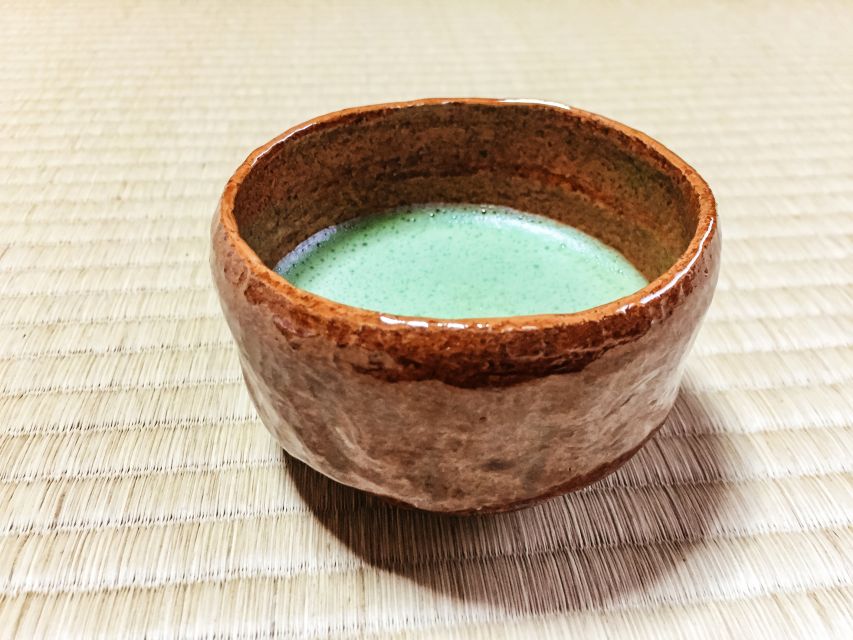
You receive two flavors of Japanese green tea. This gives the lesson a practical edge. Matcha can be bitter if you are used to sweetened drinks, but the preparation and quality affect the taste. One especially useful point from the session is that visitors who normally dislike matcha may find the ceremonial tea smoother and sweeter than expected.
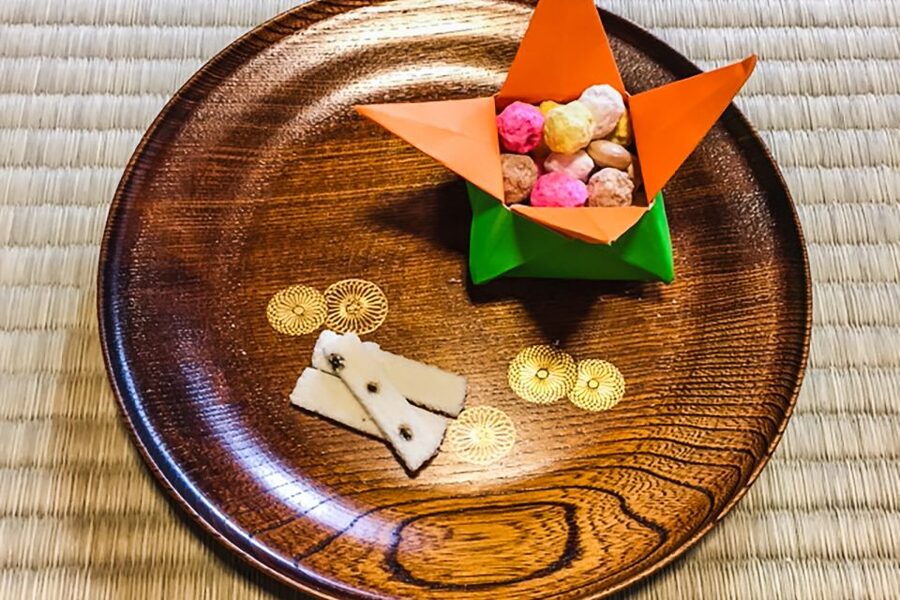
Traditional Japanese sweets are served with the tea. They are not just a snack. In the ceremony, the sweet balances the tea’s bitterness and prepares your palate for the drink. Take your time with this part, since it helps you understand why the food and tea are served together.
Do not expect a large meal. This is a lesson and tasting, not a food tour. If you need lunch or an afternoon snack, eat separately before or after the appointment.
More workshops and classes in Kyoto:
- Kyoto : Chopsticks Making Workshop in Gion with Engraving Option
★ 5.0 · 958 reviews - Kyoto: Samurai Sword Class by Experts in Traditional Arts
★ 4.9 · 657 reviews - Kyoto: Ramen Cooking Class at a Ramen Factory with Souvenir
★ 4.9 · 532 reviews - Ninja 1-hour Hands-on Lesson by Japanese master in Kyoto -Entry
★ 5.0 · 489 reviews
Choosing public, private, or candlelight tea
The booking choices change the mood more than the basic lesson.
A public ceremony places you in a small group with other beginners. This is likely the best value and the most natural choice if you enjoy learning alongside other people. You share the same instruction and take part in the ceremony together.
A private ceremony is reserved for you and your group. Couples, families, and anyone who wants a quieter pace may prefer it. A private format also gives you more room to ask questions and receive direct help from the tea master, though the lesson still lasts 45 minutes.
The candlelight ceremony is available as a special evening option. Traditional candlelight changes the room’s feel and gives the event an old-Kyoto atmosphere. It is a strong choice for a special occasion or a family outing after sunset, but the ceremony remains formal and quiet. It is not a loud entertainment show with tea added on.
The candlelight option can also pair with kimono rental. Families have used this combination as a memorable evening activity, and the warm light works well for photographs. Keep in mind that the ceremony itself does not allow video recording. Still photographs are permitted, including photographs taken after the lesson.
Adding a kimono and taking photographs
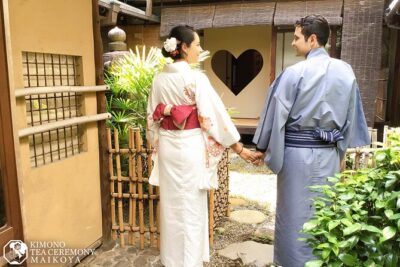
Kimono rental is not included in the $22 base price. You can add it during booking, but do not count on arranging it when you arrive. The staff needs time to prepare the clothing, and you must arrive 20 minutes before the tea ceremony begins.
The kimono adds a visual and physical connection to the occasion. You are not only watching a formal Japanese practice in ordinary sightseeing clothes. You are dressed for the setting and can take photographs afterward.
The dressing process can be quick, especially within a short appointment. That is useful for an efficient schedule, but do not expect a long costume session with elaborate hair styling. Hair setting is not included.
After the ceremony, you can photograph the room, examples of kimonos, and beautiful woven textiles from Kyoto’s Nishijin district. Nishijin is known for its textile work, so this short display adds context beyond the tea itself. You see how tea ceremony fits into a wider world of Japanese craft and dress.
If photographs matter to you, ask the host to take a few group pictures during the permitted photo time. The restriction is specifically on video recording, so keep your phone ready for still images but put it away during the ceremony.
How much value do you get for $22?
At $22 per person, this is one of the more affordable ways to receive direct instruction from a trained tea master in Kyoto. The fee includes the demonstration, your own tea preparation, two green tea flavors, and traditional sweets.
The strongest value comes from the teaching. You are not paying only for a bowl of matcha or access to a pretty room. You receive an explanation of etiquette, tea preparation, history, spiritual meaning, and the effects of different methods on flavor.
The short duration also helps your Kyoto schedule. You can fit the experience around Kinkakuji, though you should not book it so tightly that a delayed bus creates stress. Several people have been allowed to join after arriving a few minutes late, but that should not be treated as a promise. Missing the opening demonstration would weaken the lesson.
A private or candlelight option may cost more than the basic public session, and kimono rental adds another charge. Even so, the base activity offers solid value for couples, families, and first-time visitors who want a clear introduction without spending half a day.
Planning it around Kinkakuji
The tea house is almost beside Kinkakuji, so pairing both activities makes sense. Visit the Golden Pavilion before the tea lesson if you want to move from a major Kyoto sight into a quieter cultural activity.
Allow extra time for buses. Kyoto traffic can slow the 204 and 205 routes, and the Kinkakuji area can be busy. Arriving early is especially important if you rented a kimono, since you need to report 20 minutes before the scheduled start.
If you choose a late session, note the taxi information. A large taxi stand is located directly in front of the activity location and generally opens around 5:30 p.m., but calling a taxi immediately after the ceremony may be difficult.
The ceremony lasts 45 minutes, but the full outing can take longer if you include kimono dressing and photographs. I would leave a comfortable gap before your next reservation.
Who will enjoy this experience most?
I would choose this lesson if you want a calm, structured introduction to Japanese culture. It suits first-time visitors, couples, families, and anyone curious about the meaning behind formal hospitality.
Children can enjoy the hands-on matcha preparation, but the ceremony requires quiet attention and respect. A child expecting a playful cooking class may find the formal tone slow. Older family members can participate, and chairs are available for anyone who cannot sit comfortably on the floor.
The public version is best for keeping the price low. Choose private if you want more personal guidance, and choose candlelight if atmosphere matters as much as instruction.
This is less suitable if you want constant photographs, casual conversation, or a fast activity with no rules. The no-video policy is strict, and the class asks you to put your phone aside during the ritual.
Practical details that improve the visit
Before arriving, read the supplier’s instructions about tea ceremony manners and watch the short videos explaining what not to do. This is not busywork. The class teaches the proper form, so arriving with a basic idea of the rules lets you focus on the meaning and the taste.
Arrive on time, and arrive 20 minutes early with the kimono add-on. Enter through the orange-curtained sliding door rather than wandering around the building looking for a large sign.
Tell the supplier ahead of time if you need a chair. Wear clothing that allows comfortable movement, and remember that hair styling is not part of the package.
The tea master may correct you or ask you to follow a set sequence. Take that as part of the instruction. The point is not to perform perfectly, but to learn how Japanese beginners are taught to approach the ceremony.
Should you book Tea Ceremony Koto?
Yes, if you want a serious, affordable lesson near one of Kyoto’s best-known sights. The combination of hands-on matcha preparation, two teas, sweets, clear etiquette, and an Urasenke tea master gives you more than a quick cultural photo opportunity.
I would book the public option for the best value, private for a quieter family or couple experience, and candlelight for a special evening. Add the kimono only if you want photographs and are willing to arrive early.
Skip it if you dislike sitting on the floor, cannot spare a quiet 45 minutes, or want an informal tasting without rules. For everyone else, Tea Ceremony Koto offers a focused look at one of Japan’s most careful and graceful traditions, with enough practical instruction to keep the experience meaningful rather than merely decorative.
FAQ
How long does the Kyoto tea ceremony experience last?
The tea ceremony lesson lasts 45 minutes. A kimono add-on takes extra time because you must arrive 20 minutes before the scheduled ceremony.
Where does the tea ceremony take place?
It takes place near Kinkakuji in Kyoto. The entrance is through the sliding door with the orange curtain. The venue is about a one-minute walk from the Kinkakuji-Michi city bus stop and one minute from the gate of Kinkakuji.
Is the experience offered in English?
Yes. The instructors speak English and Japanese, and the lesson explains the ceremony, its history, etiquette, and tea preparation.
Can I wear a kimono during the tea ceremony?
Yes, but kimono rental is an optional add-on and must be reserved in advance. You need to arrive 20 minutes early for the dressing process. Hair styling is not included.
Can I take photographs or record video?
Photographs are allowed, including after the ceremony when you can see the kimonos and Nishijin textiles. Video recording is not allowed.
What if I cannot sit on the tatami floor?
Tell the supplier before the experience. Chairs can be provided for people who may have difficulty sitting on the floor.
Recently added around Kyoto
- Higashiyama | Kyoto: Sakura Season Private Rickshaw Tour★ 5.0 · 3 reviews
- Kyoto Kimono Rental CHAMATSU|Kimono/Yukata Rental FamilyPlan★ 5.0 · 3 reviews
- Kyoto: Half-Day Private Guided Tour to the Old Town of Gion★ 4.4 · 3 reviews
- Nara Private Customizable Half Day Tour★ 5.0 · 3 reviews
- Kansai Region Hiking Adventure in Nara Kobe Kyoto and More★ 5.0 · 3 reviews
- Full Day Nara Deer, Temple, Shrine, Activities & Tea Ceremony★ 5.0 · 3 reviews
- Nara: Essential Private Tour with Deer Park and Temples★ 5.0 · 3 reviews
- Photo Shoot with a Private Vacation Photographer in KYOTO, JAPAN★ 5.0 · 3 reviews
Kyoto Tea Ceremony Experiences, compared.
Tea Ceremony in a Traditional Tea House in Kiyomizu
Read our review →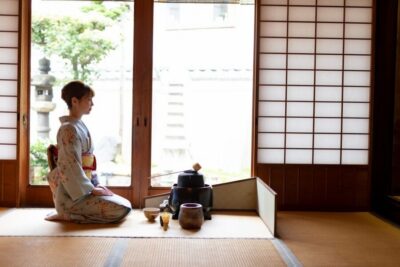
Tea Ceremony in 100-year-old Kyo-Machiya Townhouse
Read our review →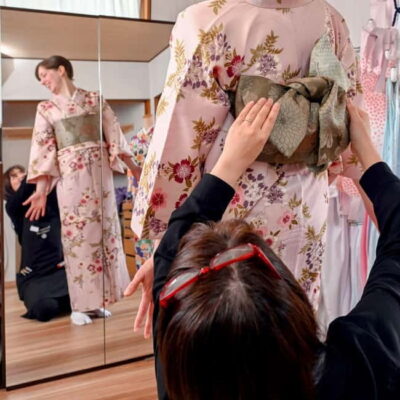
Tea Ceremony Meditation – Make Matcha with Tea Master
Read our review →Browse the lists this tour appears in