
REVIEW · COOKING CLASSES
Kyoto: Japanese Washoku Bento Small Group Cooking Class
A bento cooking class is a smart way to meet Japanese food as a complete meal, not just a parade of restaurant dishes. You make sushi rolls, tempura, tofu salad, and a Japanese rolled omelette, then arrange and eat your own box. I like the tiny groups of no more than five and the chance to learn dashi, the savory stock behind much Japanese home cooking.
I also like that the class teaches useful techniques rather than simply handing you a recipe. Ai, Miyu, and Rie are praised for clear English, patience, and warm teaching. The main drawback is the strict meeting rule: arrive more than 15 minutes late and the booking is canceled, with no same-day refund or schedule change.
In This Review
- Key points at a glance
- Why a bento class tells you more than a sushi lesson
- Meeting near Saiin Station
- The first lesson: washoku, dashi, and preparation
- Making the four bento dishes
- Sushi rolls
- Tempura
- Tofu salad
- Dashimaki tamago
- A small group makes a real difference
- What the teachers add
- Eating the bento you made
- Is $58 a fair price?
- Who should book this Kyoto cooking class?
- Practical details before you book
- Should you book it?
- FAQ
- Where does the Kyoto bento cooking class meet?
- How long does the cooking class last?
- What dishes will I make?
- How many people can join the class?
- Which languages are available?
- What is included in the price?
- What happens if I arrive late?
Key points at a glance
- Four dishes in 150 minutes: Make sushi rolls, tempura, tofu salad, and dashimaki tamago.
- A real washoku lesson: Learn how fresh ingredients, color, texture, and balanced flavors shape a Japanese meal.
- Personal instruction: The group is limited to five, so you get hands-on time with the chef.
- Useful skills for home: Practice knife handling, dashi stock, tempura frying, and rolled-omelette technique.
- A filling final meal: You eat the bento you prepare, and some classes provide recipes for making it again at home.
- Easy rail access: Meet at Kyoto Laundry Cafe, about five minutes from Saiin Station on the Hankyu Railway.
Why a bento class tells you more than a sushi lesson
The bento box is not just a container for lunch. It is a small study in Japanese cooking. Separate portions sit side by side, each with its own flavor, color, shape, and texture. A good bento might include rice, something fried, something savory, something fresh, and a rolled egg, all arranged so the meal feels varied without becoming heavy.
That makes this class a better fit for you if you want to understand everyday Japanese food. Sushi alone can narrow your view of the cuisine. Here, you work with dashi, tofu, egg, vegetables, batter, seasoning, and rice. The result is a broader lesson in how Japanese home-style dishes fit together.
The washoku approach also gives the class a useful focus. You learn to think about fresh and seasonal ingredients, gentle seasoning, and balance. The point is not to bury food in sauce. It is to bring out several small flavors and let them work together.
A short explanation of bento history is part of the experience. That context matters because it helps you see the box as part of Japanese daily life, not merely as a pretty lunch sold to tourists.
More cooking classes in Kyoto:
- Kyoto: Ramen Cooking Class at a Ramen Factory with Souvenir
★ 4.9 · 532 reviews - Kyoto: Ramen, Gyoza, and Onigiri Cooking Class
★ 5.0 · 445 reviews - Kyoto Ramen and Gyoza Cooking Class with Professional Chefs
★ 5.0 · 282 reviews
Meeting near Saiin Station
Your starting point is Kyoto Laundry Cafe, a short walk from Saiin Station on the Hankyu Railway. The stated walking time is about five minutes, making the location practical if you are staying near central Kyoto or using the Hankyu line.
The cafe is a meeting point rather than necessarily the full teaching venue. On the day of the class, the chef comes to collect you there and takes you to the cooking location. That means you should not wander off looking for a separate kitchen address.
Use Google Maps to find the cafe. The instructions specifically warn against using the map function on Instagram, so this is one of those small travel details worth following. Give yourself extra time, especially if you are unfamiliar with Saiin Station or are arriving during a busy part of the day.
Punctuality matters more here than on many sightseeing activities. If you arrive more than 15 minutes after the scheduled meeting time, the reservation is automatically canceled. You cannot count on a refund or a same-day change after that point. I would aim to reach the cafe at least 10 minutes early.
The first lesson: washoku, dashi, and preparation
Once the class begins, the chef introduces the food and the basic ideas behind washoku. The teachers named in the feedback include Ai, Miyu, and Rie, with Nana and Lausa also helping in some sessions. The common thread is a calm, personal teaching style, with explanations in English and Japanese.
Dashi is an early highlight. This stock often forms the quiet base of Japanese soups, sauces, egg dishes, and simmered foods. Learning how it is made gives you a better sense of why Japanese cooking can taste full without relying on strong spices or thick sauces.
You also begin working on preparation and knife handling. The class teaches a proper Japanese approach to using a knife, rather than assuming you already know how to slice and prepare ingredients. That is useful for beginners, but it should also keep experienced home cooks interested because the emphasis is on technique and control.
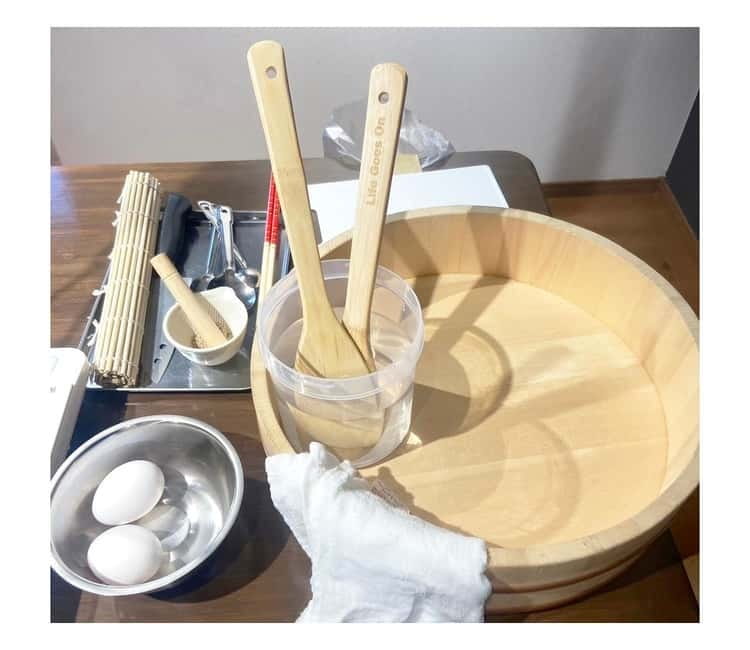
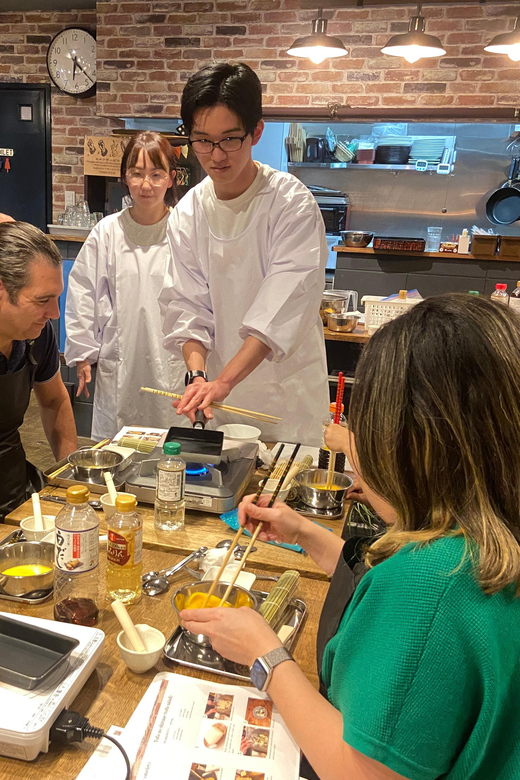
Aprons and cooking equipment are included. Ingredients are supplied, so you do not need to shop before arriving or bring special tools. The class is practical, and you spend much of the session doing the work yourself instead of watching a chef perform from a distance.
Making the four bento dishes
More workshops and classes in Kyoto:
- Kyoto: 45-Minute Tea Ceremony Lesson Experience
★ 4.3 · 2,378 reviews - Kyoto : Chopsticks Making Workshop in Gion with Engraving Option
★ 5.0 · 958 reviews - Kyoto: Samurai Sword Class by Experts in Traditional Arts
★ 4.9 · 657 reviews - Ninja 1-hour Hands-on Lesson by Japanese master in Kyoto -Entry
★ 5.0 · 489 reviews
Sushi rolls
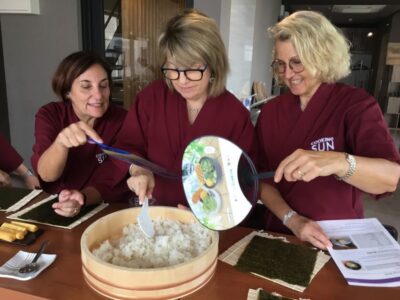
Sushi rolls give you a chance to work with rice and practice shaping food for a compact meal. In a bento, presentation matters because each item shares a small space with the others. You learn to make the rolls as part of the full box rather than as a stand-alone restaurant dish.
The task is hands-on, but the class is not described as a specialist sushi course. If your main goal is advanced fish preparation or knife-cutting for sashimi, this is not the right choice. The focus is a broad Japanese meal and the methods needed to make it at home.
Tempura
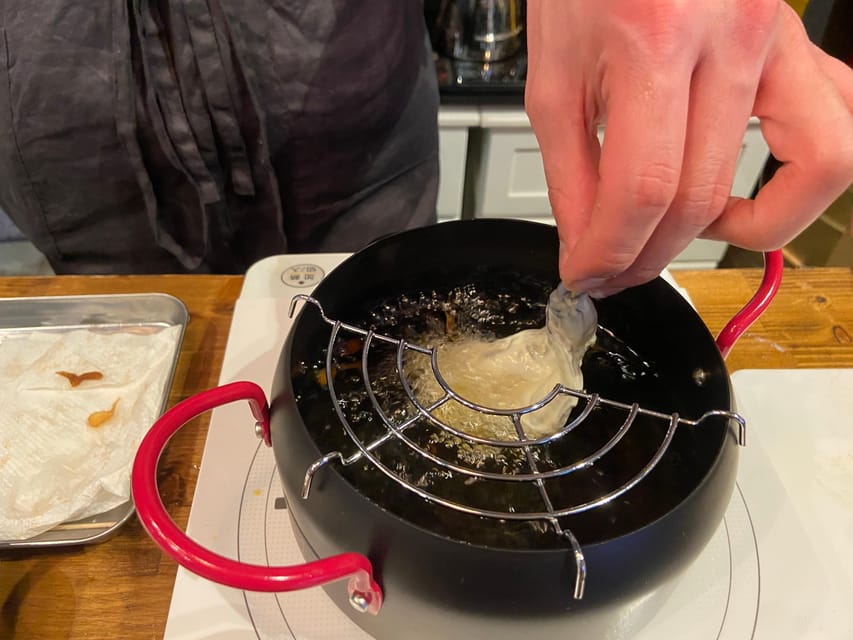
Tempura is where technique becomes especially important. The chef shows you how to fry it, including the basic approach to batter and cooking. Good tempura depends on timing and handling, so a demonstration followed by your own attempt is more useful than a short explanation in a guidebook.
You should expect the class to be active here. You are not simply tasting a finished piece. You are learning how a Japanese cook handles one of the bento’s crisp elements. The fried food also brings contrast to the softer rice, tofu, and egg.
Tofu salad
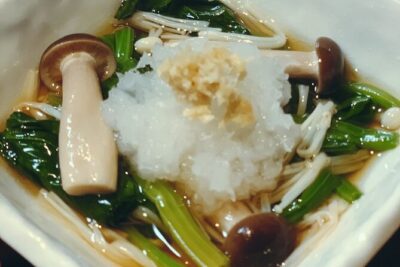
The tofu salad adds a cooler, softer component to the box. It also supports the washoku idea of balance. A bento needs more than one dominant taste or texture, and tofu helps keep the meal from becoming a collection of fried or heavily seasoned items.
This dish may be especially useful for you if you want to cook Japanese food without depending on meat. The class includes several different types of preparation, so you get a clearer picture of how tofu can be used in a larger meal.
Dashimaki tamago
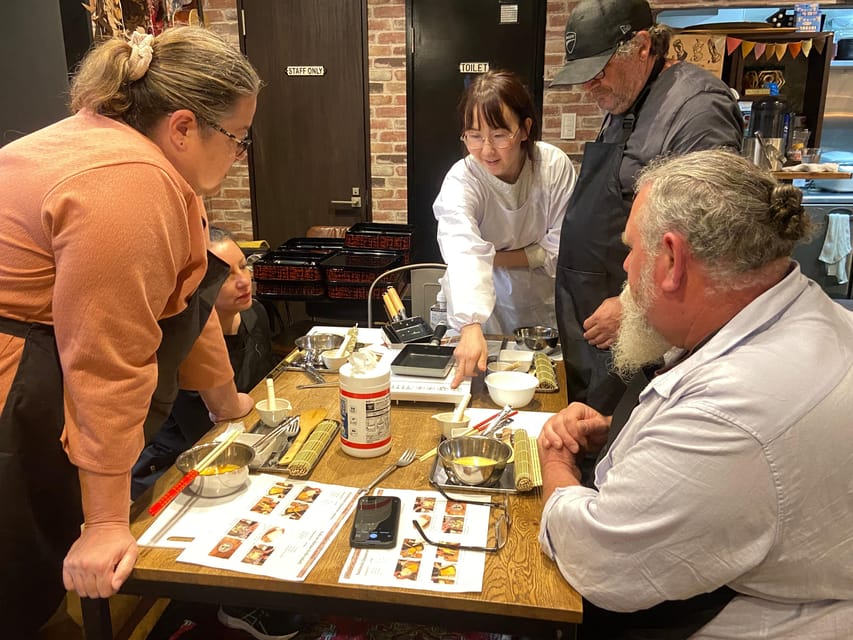
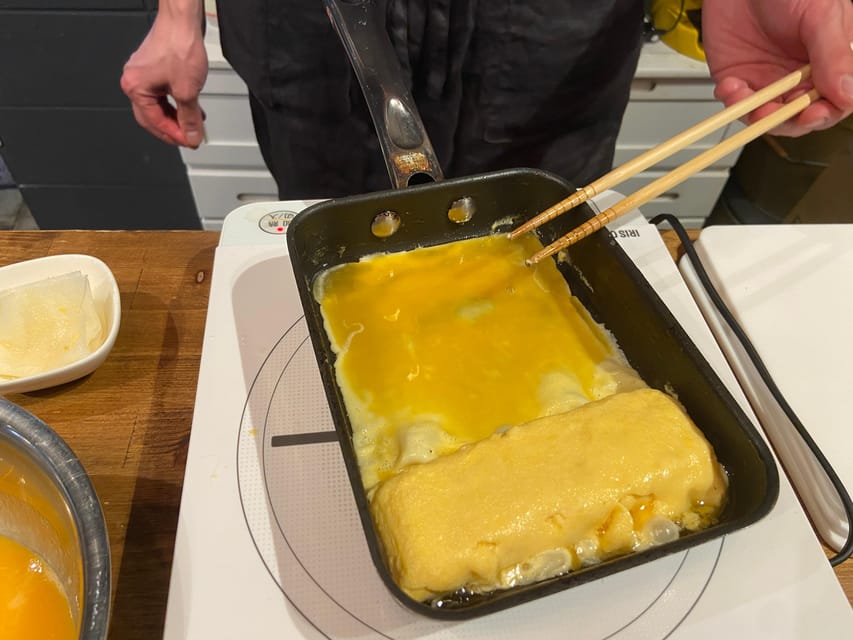
The Japanese rolled omelette, often called dashimaki tamago, is one of the most rewarding skills in the class. The egg is not just folded once like a western omelette. It is built in layers and rolled into a neat shape, with dashi adding a savory softness.
This can take practice. The class gives you a chance to try it under guidance, and the teachers explain the process step by step. Several people have found the recipe useful enough to repeat at home, making this one of the strongest take-home skills.
The omelette also shows why Japanese cooking is often about small details. The ingredients are familiar, but the method changes the texture and final appearance.
A small group makes a real difference
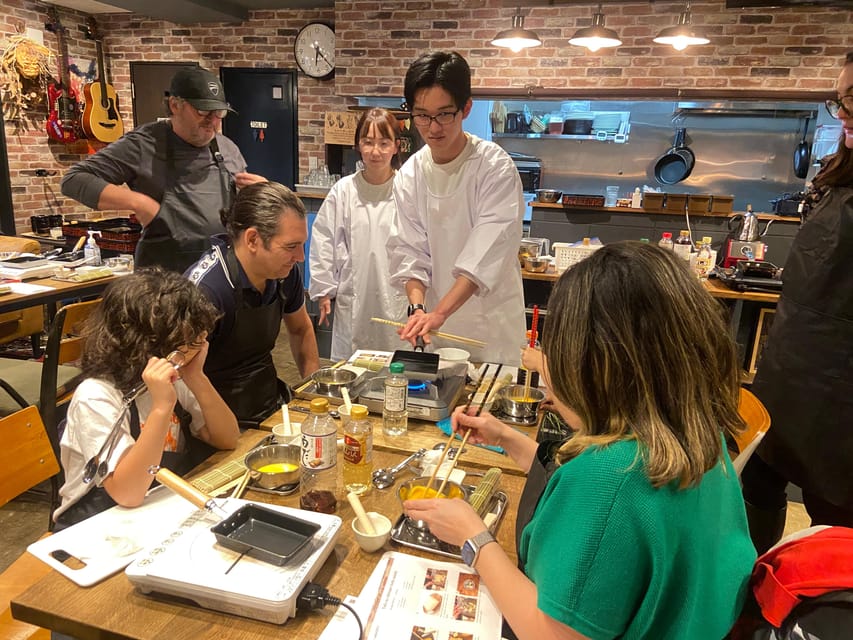
The class accepts no more than five participants. That limit matters because cooking lessons can become frustrating when one instructor is trying to monitor a large crowd around hot pans and sharp knives.
In a group of five, you have a better chance to ask questions and receive corrections. You can cook alongside the instructor rather than standing behind several other people. The small format also leaves room for conversation about Japanese food and culture.
It may be a particularly good choice for couples, families with older children, and solo visitors who like meeting people without joining a large tour. Some sessions are even private by chance when only one booking is made, but you should not assume that will happen.
The mood appears relaxed and social, with time to chat while the food is prepared and eaten. That is part of the value. You are learning from a local chef while sharing a meal with a few other people, not moving through a crowded sightseeing stop.
What the teachers add
The chef is the heart of this experience. Ai is repeatedly described as patient, clear, and good at explaining both ingredients and Japanese culture. Miyu is praised for friendly guidance and for making the cooking process easy to follow. Rie is noted for her warm manner, careful preparation, and strong teaching, especially with dashi and the rolled omelette.
English ability is important in a cooking class, and the available instruction is in English and Japanese. The teaching is not limited to commands such as cut this or fry that. You get explanations of bento history, food traditions, flavorings, and how these dishes fit into Japanese home cooking.
That cultural layer makes the class more useful than a recipe workshop alone. You learn why the food is arranged and seasoned in a certain way. You also hear about techniques you can repeat in your own kitchen.
One useful practical detail came from a participant with a shrimp allergy, who received a suitable substitution. That suggests the chef may be able to adjust some ingredients, but you should ask in advance rather than assume every dietary need can be handled. The activity is specifically listed as unsuitable for people with diabetes.
Eating the bento you made
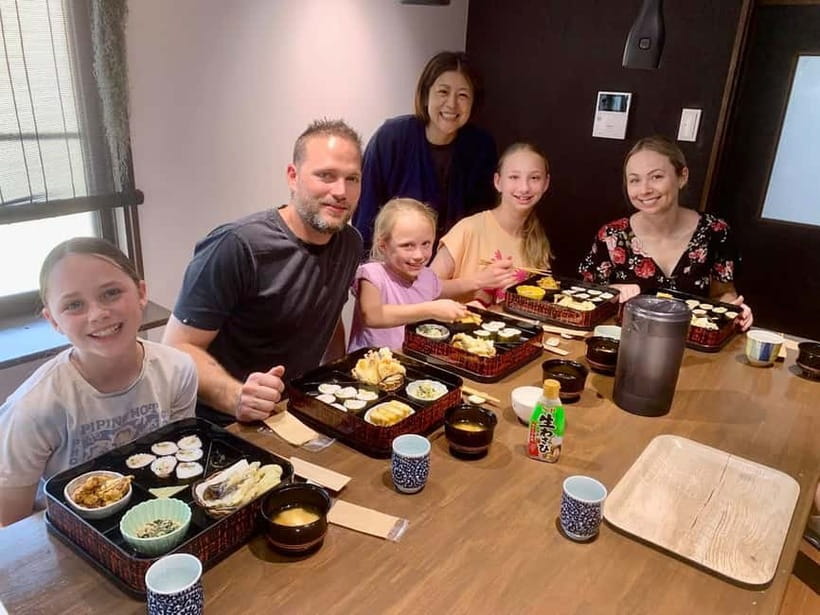
The final meal is not an afterthought. After preparing the four dishes, you arrange your bento and sit down to eat together. You get to see how the separate parts work as one meal, with crisp tempura beside soft egg, tofu, rice, and sushi.
Plan to arrive hungry. The portions are described as generous, and the meal can be substantial after two and a half hours of cooking. That is good value, but it also means this is not a quick snack stop to squeeze between lunch and dinner.
Eating at the end gives you a useful test of your new skills. You can taste the dashi, judge the texture of the tempura, and see how the omelette turned out. If something is imperfect, that is part of the lesson. You are learning to cook, not buying a polished bento from a shop.
Several participants received recipes after the class. That is an important benefit because the real test of a cooking experience is what you can do once you get home. Dashi and dashimaki tamago are especially practical choices for repeating Japanese-style lunches.
Is $58 a fair price?
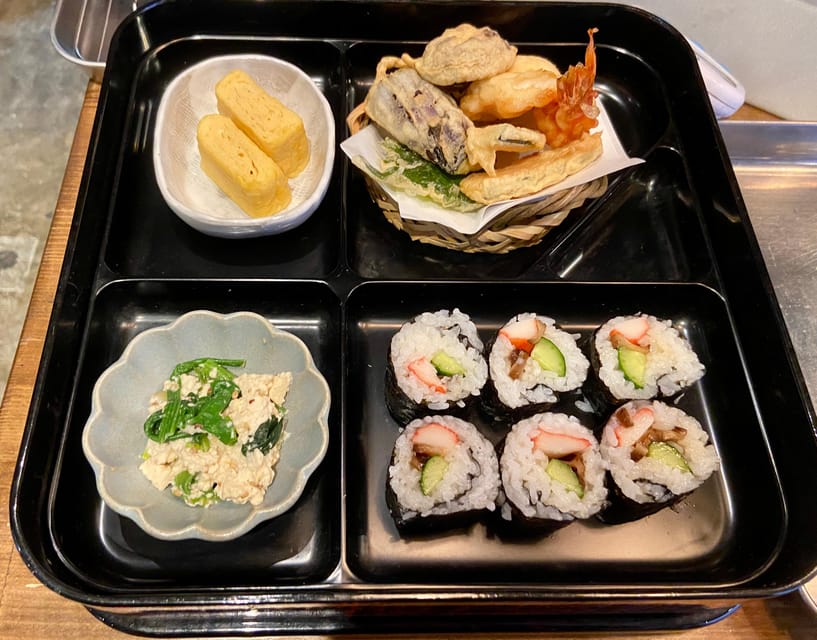
At $58 per person, the class is not the cheapest meal in Kyoto. You could buy an excellent bento for much less. But that comparison misses the point. The fee covers 150 minutes of instruction, ingredients, four dishes, equipment, an apron, and the meal you prepare.
The better comparison is with other small-group cooking classes. Here, your group is limited to five, and the lesson covers several techniques rather than one recipe. You get tempura frying, dashi preparation, knife work, sushi rolling, tofu preparation, and rolled egg. For someone who wants skills to take home, that makes the price reasonable.
The value is strongest if you enjoy cooking or want a food-focused activity with cultural context. It is weaker if you mainly want to eat and have little interest in preparation. In that case, a food tour or restaurant meal may suit you better.
Reserve now and pay later is available, which helps if you are arranging a complicated Japan itinerary. Free cancellation is available up to 24 hours before the class for a full refund. The late-arrival rule remains strict, so flexibility does not extend to missing the meeting time.
Who should book this Kyoto cooking class?
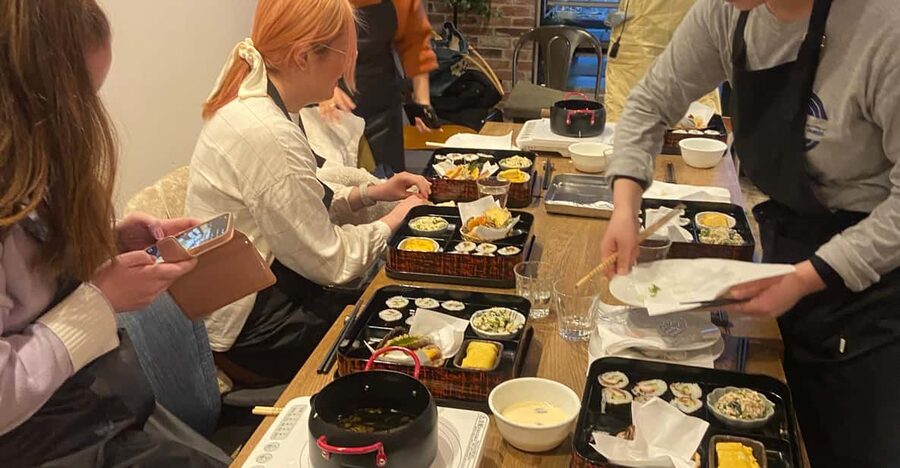
I would choose this class for you if you want an active break from temples and shopping. Kyoto can fill your days with beautiful sights, but two and a half hours at a kitchen table gives you a different connection to the city.
It suits beginners because the chefs demonstrate each step and explain the tools and methods. It also suits confident home cooks who want a closer look at Japanese approaches to dashi, egg, tempura, and meal balance.
Families can enjoy it too, although the age rules matter. The activity is not suitable for children under four, and babies and wheelchair users are also listed as unsuitable. A nine-year-old has taken part successfully with a parent, and teenagers have enjoyed it, but supervision and comfort around hot oil should be part of your decision.
You should also book it if you like leaving Japan with something more useful than photographs. The recipes and techniques can become part of your regular lunch routine, especially the dashi and rolled omelette.
Practical details before you book
- Location: Meet at Kyoto Laundry Cafe near Saiin Station on the Hankyu Railway.
- Meeting time: Check the available start time and arrive early. More than 15 minutes late means automatic cancellation.
- Duration: Allow 150 minutes from the scheduled start.
- Group size: Maximum five participants.
- Languages: English and Japanese.
- Included: Chef, instruction, ingredients, four dishes, apron, and cooking equipment.
- Food: Sushi rolls, tempura, tofu salad, and Japanese rolled omelette.
- Age and access: Not suitable for children under four, babies, wheelchair users, or people with diabetes.
- Dietary needs: Ask in advance about substitutions. Do not rely on a same-day adjustment.
Should you book it?
Book this Kyoto bento class if you want to cook, eat a substantial Japanese meal, and understand the everyday logic behind washoku. The small group, clear English instruction, and range of dishes give you more than a single recipe lesson.
Skip it if your schedule is too tight to reach Saiin Station early, if you need full wheelchair access, or if you would rather spend your food budget on a restaurant. For everyone else, $58 buys a personal, practical introduction to Japanese home cooking, with skills you can use long after your Kyoto visit.
FAQ
Where does the Kyoto bento cooking class meet?
You meet at Kyoto Laundry Cafe, located about five minutes from Saiin Station on the Hankyu Railway. The chef comes to collect participants there on the day of the class.
How long does the cooking class last?
The class lasts 150 minutes, or two and a half hours.
What dishes will I make?
You will make sushi rolls, tempura, tofu salad, and a Japanese rolled omelette. You will also learn how to make dashi stock.
How many people can join the class?
The class is limited to five participants, making it a small-group experience.
Which languages are available?
Instruction is available in English and Japanese.
What is included in the price?
The price includes the instructor, cooking lesson, ingredients, four dishes, aprons, and other cooking equipment.
What happens if I arrive late?
If you arrive more than 15 minutes after the scheduled meeting time, your reservation is automatically canceled. Same-day refunds and schedule changes are not available for late arrivals.
Recently added around Kyoto
- Higashiyama | Kyoto: Sakura Season Private Rickshaw Tour★ 5.0 · 3 reviews
- Kyoto Kimono Rental CHAMATSU|Kimono/Yukata Rental FamilyPlan★ 5.0 · 3 reviews
- Kyoto: Half-Day Private Guided Tour to the Old Town of Gion★ 4.4 · 3 reviews
- Nara Private Customizable Half Day Tour★ 5.0 · 3 reviews
- Kansai Region Hiking Adventure in Nara Kobe Kyoto and More★ 5.0 · 3 reviews
- Full Day Nara Deer, Temple, Shrine, Activities & Tea Ceremony★ 5.0 · 3 reviews
- Nara: Essential Private Tour with Deer Park and Temples★ 5.0 · 3 reviews
- Hiking Tour for Sacred Sites in Kyoto with a Guide★ 5.0 · 3 reviews
Cooking Classes, compared.
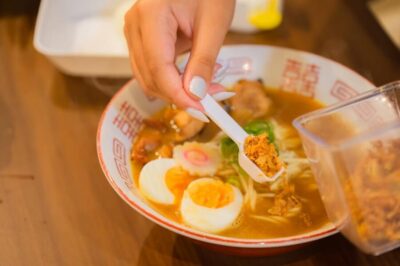
Ramen Cooking Class at a Ramen Factory with Souvenir
Read our review →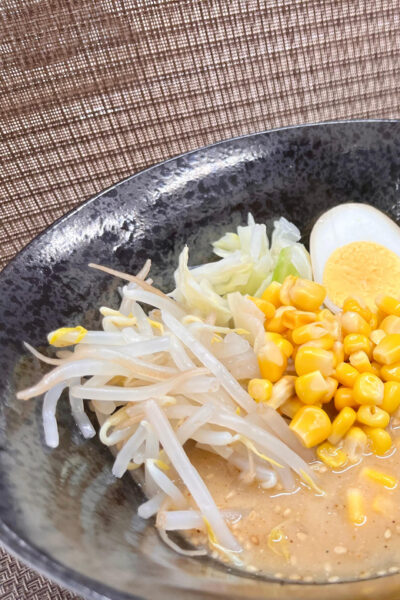
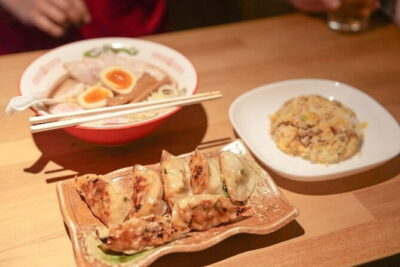
Kyoto Ramen and Gyoza Cooking Class with Professional Chefs
Read our review →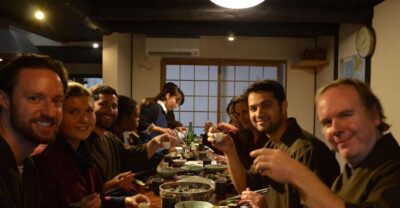
Gyoza Cooking Class in Kyoto: Traditional Japanese Dumplings
Read our review →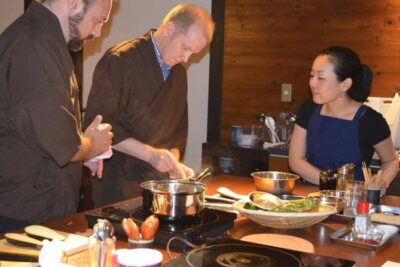
Browse the lists this tour appears in