
REVIEW · HIKING & TREKKING
Hiking Tour for Sacred Sites in Kyoto with a Guide
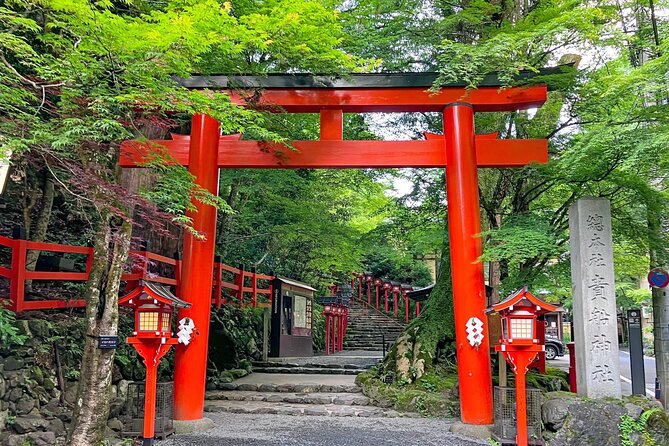
Kyoto’s northern mountains offer a welcome change from crowded temple lanes. This private tour takes you by train to Kurama, up to Kurama-dera, and along a roughly 4-kilometer forest trail to Kifune Shrine, linking Buddhist and Shinto traditions in one full day.
I like the steady, family-friendly pace and the fact that a licensed guide can explain what you are seeing instead of leaving you to guess. I also like that public transportation and admission fees are included, so the day feels organized without turning into a bus tour.
The main consideration is physical effort. You need moderate fitness for the uphill and downhill walk, and weather can change the route or timing. The total cost is also significant at $250 per person, especially since lunch is extra.
In This Review
- Key points at a glance
- Why this northern Kyoto route works
- Leaving Kyoto Station for Kurama
- Kurama-dera and its mountain setting
- Walking the 4-kilometer trail from Kurama to Kibune
- Kifune Shrine and the meaning of water
- Returning by bus and train
- What the $250 price includes
- Who will enjoy this hike most
- Practical preparation for the day
- Should you book the Kurama and Kifune hike?
- FAQ
- How long does the hiking tour last?
- Where does the tour begin?
- How far is the hike from Kurama to Kibune?
- Is the hike physically demanding?
- Are transportation costs included?
- Are admission fees included?
- Is lunch included?
- Can dietary requirements be accommodated?
- What happens if the weather is poor?
Key points at a glance
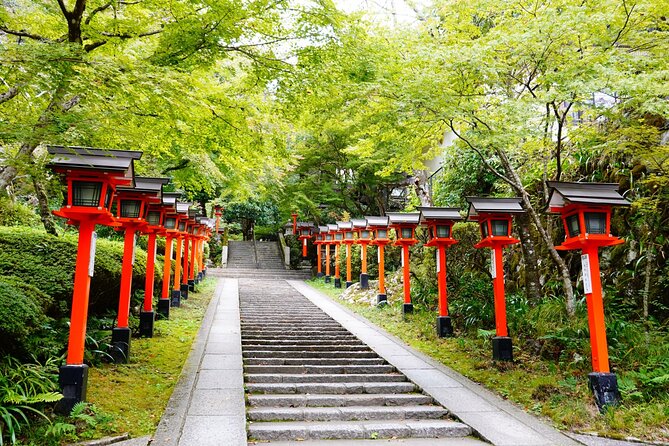
- A 4-kilometer mountain walk: The trail from Kurama to Kibune takes about 1.5 to 2 hours, with forest paths and changing elevation.
- Two kinds of sacred places: Kurama-dera introduces mountain Buddhism, while Kifune Shrine is linked to water worship.
- A private outing: Only your group participates, making it easier to set the pace and ask questions.
- Mark may guide your day: Mark is an English-speaking guide who has led this route and kept a family group moving comfortably, including children aged 7 and 15.
- Transit is part of the experience: You travel by train, bus, and other public transportation rather than staying inside a private vehicle.
- Plan for lunch separately: Expect about $10 to $20 for lunch, with vegetarian, vegan, and gluten-free needs accepted when noted during booking.
Why this northern Kyoto route works
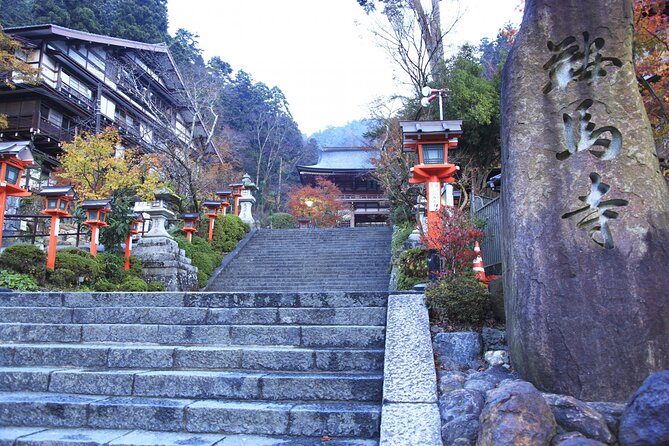
This is not a quick temple stop followed by a short stroll. It is a full-day outing that uses Kyoto’s public transportation network to reach a quieter mountain setting, then connects two important religious sites by foot.
I like the route because the transitions make sense. You begin with city travel, arrive at a mountain settlement, visit a Buddhist temple, walk through the woods, and finish at a Shinto shrine beside the Kifune area. The day has a clear story without feeling like a string of unrelated stops.
The guide matters here. Sacred sites in Japan often have layers of meaning that are easy to miss if you only take photographs. A National Licensed Guide Interpreter can explain the setting, the religious traditions, and the practical details of moving through the area.
You should also understand what this tour is not. It is not a relaxed sightseeing day with minimal walking, and it is not a private car excursion. You will use trains and buses, climb and descend on foot, and spend much of the day outdoors.
A few more Kyoto experiences worth comparing
- Fushimi Inari Hidden Hiking Tour (Private Option Available)
★ 5.0 · 1,750 reviews - Kyoto: 3-Hour Fushimi Inari Shrine Hidden Hiking Tour
★ 4.9 · 270 reviews - Kyoto Hiking Tour: The Nature and Legends of Kurama and Kibune
★ 5.0 · 75 reviews
Leaving Kyoto Station for Kurama
The day begins at the Kyoto Station Building, with about two hours allotted for the journey to Kurama. That sounds long, but it gives the route a useful local character. You are not being rushed from one attraction to another. You are using the same public transport system that links Kyoto with its northern mountain districts.
Pickup is offered, but the listed route begins at Kyoto Station. I would confirm the exact meeting point and pickup arrangement before the day, especially if you are staying away from the station or carrying day packs.
The long first segment also means you should arrive ready for a full day. Wear shoes suited to uneven paths, bring water, and keep your hands free for railings or walking poles if you use them. The tour provides transportation fees, but the day still depends on following the guide through regular public transit.
This part may feel less exciting than the mountain walk, but it gives your guide time to answer questions and set the scene. Since the itinerary can be adjusted to your interests, tell the operator in advance if you want more attention on religious customs, local geography, family pacing, or Kyoto beyond the main center.
Kurama-dera and its mountain setting
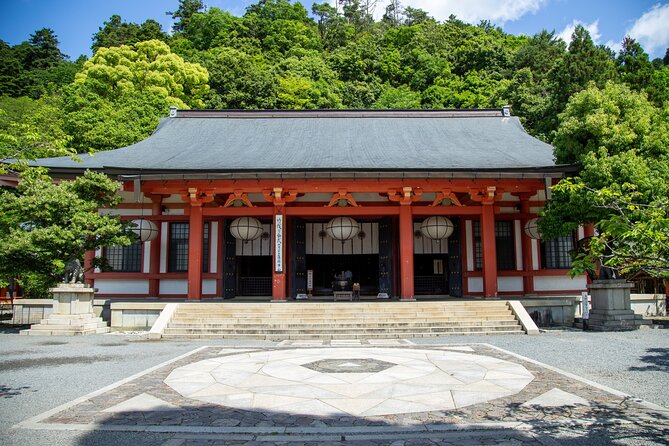
Kurama-dera is a historic Buddhist temple in the mountains north of Kyoto. Its appeal comes from the combination of spiritual atmosphere and natural surroundings. You are not visiting a single isolated building in a city district. The temple forms part of the mountain route itself.
About an hour is set aside here. That is enough time for a guided introduction and a closer look without making the temple the entire focus of the day. The admission fee is about 500 Japanese yen per person and is included in the tour price.
This is where a guide can add real value. A short explanation can help you understand how a mountain Buddhist temple differs from the Shinto shrine you will visit later. You can ask questions as they come up, rather than trying to decode signs or search for context on your phone.
Do not expect a flat, effortless temple visit. Kurama-dera is part of a mountain outing, so the approach and departure involve walking. The reward is a calmer setting than Kyoto’s central temple districts, but the tradeoff is that you need to be comfortable with slopes and steps.
If the weather is wet, the forest may feel especially quiet, with birds and the sound of rain adding to the mood. It also means slick surfaces are possible, so sturdy footwear matters. The operator can change the route because of weather or other conditions.
Walking the 4-kilometer trail from Kurama to Kibune
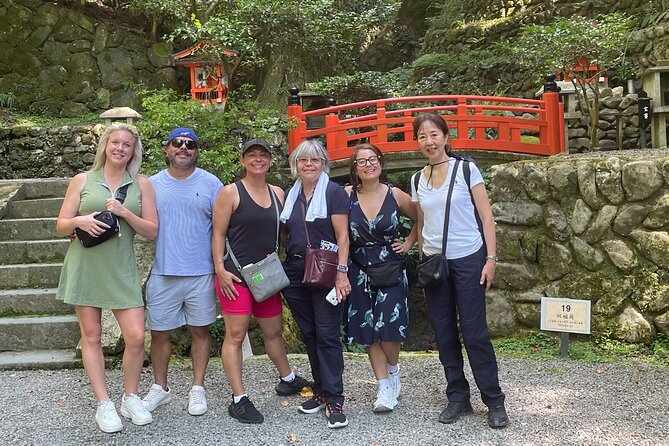
The main event is the hike from Mt. Kurama toward Kibune. The trail covers approximately 4 kilometers and takes about 1.5 to 2 hours, though the complete stop is listed at about two hours. Your pace, the weather, and the amount of explanation along the way will affect the timing.
I like this section because it connects the cultural sites naturally. You are not simply transported between two shrines. The forest walk becomes the bridge between them, and the change from temple grounds to wooded paths gives the day a strong rhythm.
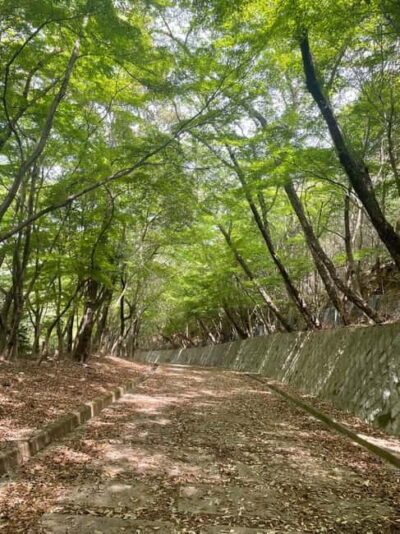
The route includes serene forest walking and attractive mountain views. Exact conditions can vary, but you should expect uneven ground and changes in elevation. This is why the tour asks for moderate physical fitness. The distance is manageable for many active families, yet it is not a casual pavement stroll.
A family group with children aged 7 and 15 completed the walk at a comfortable pace with Mark as guide. That is useful if you are considering the route with older children, though every family’s fitness level is different. The same outing also took place in rain, and the pace remained workable. Still, rain gear and careful footing are sensible choices.
The guide’s role is especially helpful on this section. A good pace lets you notice the setting instead of treating the trail as a race. You can stop for explanations, catch your breath, and keep the group together. Mark has been described as warm and well informed about both the route and Kyoto, which is a useful combination for a day that mixes outdoor walking with cultural interpretation.
You may find this hike is the part you remember most. The temple and shrine provide the destination points, but the birds, trees, quiet paths, and changing light give the day its feeling. At the same time, do not book it expecting a strenuous mountain challenge. The published distance is moderate, and the tour is designed as a cultural walk rather than a serious expedition.
A completely different side of Kyoto:
- PERFECT KYOTO 1-Day Bus Tour
★ 5.0 · 13,518 reviews - Kyoto: Fushimi Inari, Kinkakuji, Bamboo Grove 1 Day Bus Tour
★ 4.8 · 4,316 reviews - Kyoto: Tea Ceremony in a Traditional Tea House in Kiyomizu
★ 4.9 · 3,519 reviews - Kyoto Geisha Walking Tour: Gion District & Hidden Gems
★ 4.7 · 3,273 reviews
Kifune Shrine and the meaning of water
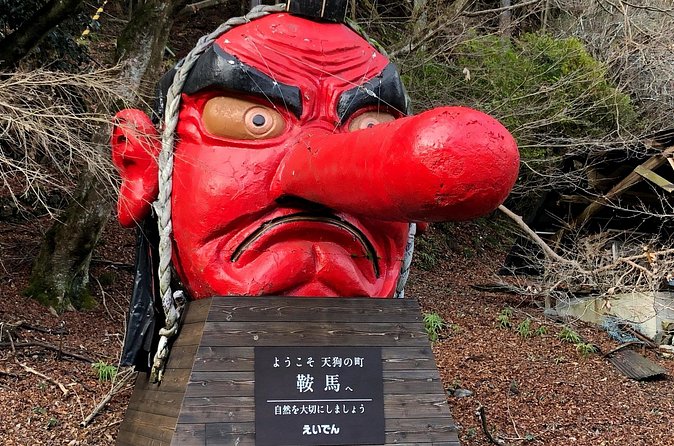
Kifune Shrine, also called Kifune-jinja, sits in the village of Kibune north of Kyoto. It is associated with water deities, and its position in a wooded mountain setting gives it a very different character from the city shrines around central Kyoto.
About an hour is planned here. That is enough for your guide to explain the shrine’s importance and for you to take in the setting without turning the stop into a rushed photo break. Admission is included.
The contrast with Kurama-dera makes this stop valuable. You have moved from a Buddhist temple to a Shinto shrine, and the guide can point out differences in religious customs and visual details. Even if you do not have a strong background in Japanese religion, the route gives you a clear way to compare the two traditions.
Kifune’s connection with water also fits the journey. After walking through the mountains, you arrive at a sacred place tied to one of the basic forces that shapes life in the region. The setting is part of the appeal, but the guide’s explanation helps keep the visit from becoming scenery without context.
The village stop may also be your best chance to think about lunch. Lunch is not included, and the stated estimate is about $10 to $20. Dietary needs such as vegetarian, vegan, and gluten-free meals can be accommodated if you include them in the booking details. Since meal arrangements are not described in detail, ask how lunch will fit into the day before departure.
Returning by bus and train
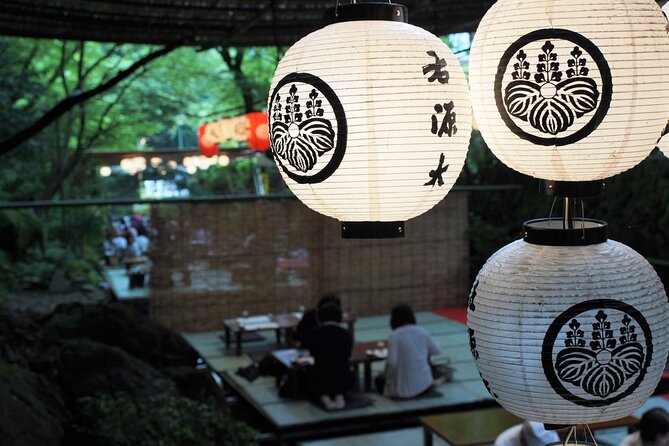
The return journey takes you from Kibune-guchi Station by bus, with a change at Kokusaikaikan Station before continuing toward Kyoto Station. About two hours are allotted for this final section.
This is another reason the tour feels like a proper day in the Kyoto area rather than a packaged attraction. You see how the mountain communities connect with the city, and your guide handles the transport sequence. Public transportation fees are included, with the listed estimate for this portion about 740 yen per person.
Still, allow for the fact that bus and train schedules, crowding, and weather can affect timing. The tour is approximately eight hours, not a promise of an exact eight-hour return. If you have evening reservations, leave a buffer rather than scheduling dinner immediately after the stated finish.
A private group makes this easier. Your guide can keep an eye on everyone, answer questions during the ride, and adjust the pace within the day’s limits. You are not waiting for a large coach group, but you are still working within public transport schedules.
What the $250 price includes
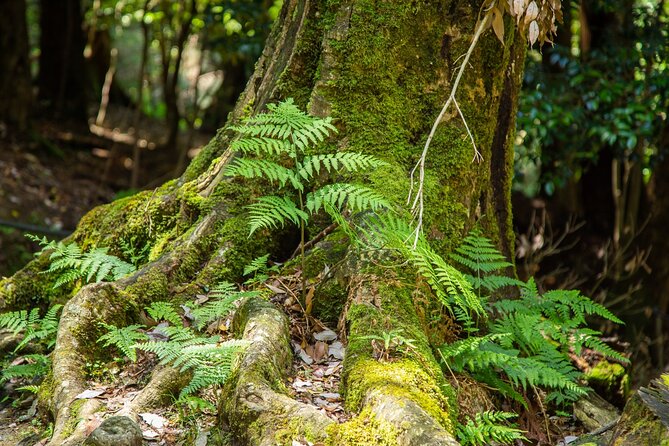
At $250 per person, this is not a budget walk. The value comes from combining several costs and services in one private experience:
- A National Licensed English Speaking Guide
- Admission fees
- Public transportation fees
- A private tour for your group only
- The chance to request another language
- Help shaping the itinerary around your interests
The price makes more sense for a small group that wants personal attention. If you are traveling alone or as a couple, the cost may feel high compared with taking the same general route independently. If you are a family or group, the private format can be more attractive because the guide can keep the pace suited to your party.
You still pay for lunch, souvenirs, and personal expenses. Plan on about $10 to $20 for lunch, then add anything else you expect to buy. The included transit and admissions remove some small decisions, but they do not make this an all-inclusive day.
The strongest value is the interpretation. You are paying for someone to connect Kurama-dera, the trail, and Kifune Shrine into one understandable experience. If you enjoy learning as you walk and want help with local transportation, that service may justify the price.
Who will enjoy this hike most
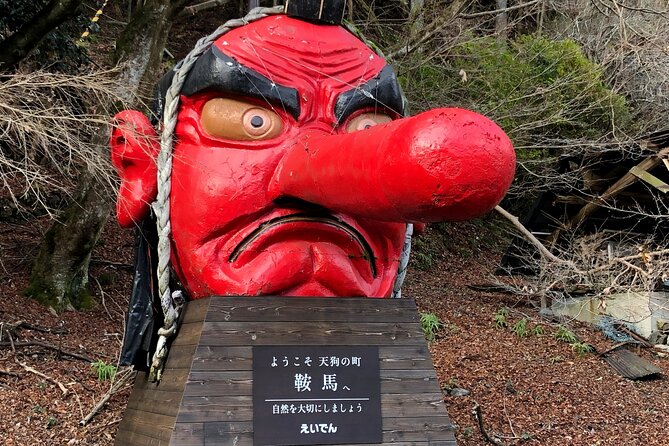
I would choose this tour if you want Kyoto beyond the central temple circuit and like the idea of pairing cultural sites with a real walk. It suits active couples, families with children who can handle moderate walking, and small groups that prefer a private guide.
The outing can work for children. A 7-year-old and a 15-year-old kept up on the route with Mark, but that should not be treated as a guarantee for every child. Consider your child’s comfort with slopes, uneven paths, weather, and a full eight-hour day.
It is less suitable if you have limited mobility, dislike public transportation, or want a slow day with plenty of sitting. The tour requires moderate physical fitness, and the route may change with weather. Anyone expecting a completely controlled indoor schedule should choose a different Kyoto activity.
The private format is also useful if your interests are specific. You can ask for more attention to Buddhism, Shinto, local nature, family needs, or Kyoto’s wider cultural setting. The operator says the sample itinerary can be changed on request, so make those requests before the tour rather than hoping to arrange everything on the morning.
Practical preparation for the day
Wear comfortable shoes with good grip. The exact trail conditions can change, and rain may make the route more demanding. Bring layers, water, and protection from the weather.
Keep lunch money available, and tell the operator about vegetarian, vegan, gluten-free, or other dietary needs when booking. Since the tour runs through remote-feeling mountain areas before returning to Kyoto, it is wise not to assume you can simply stop anywhere at the time you want.
The tour offers a mobile ticket and confirmation is normally received at booking. If you book within seven days of departure, confirmation may arrive within 48 hours and remains subject to availability.
Free cancellation is available up to 24 hours before the start time. Changes or cancellations inside that 24-hour period are not accepted for a refund, so check the local start time carefully.
Should you book the Kurama and Kifune hike?
Book it if you want a private, guided day that joins mountain walking, Buddhist culture, and Shinto tradition. The route is long enough to feel like a real excursion, yet moderate enough to suit an active family when the pace is handled well.
I especially like the combination of public transit and a forest trail. You get a more grounded sense of northern Kyoto than you would from a vehicle-based tour, and a guide such as Mark can keep the day clear and comfortable.
Skip it if $250 per person feels too steep for a walking day, or if you want minimal exertion. For the right group, the included guide, transit, admissions, and private pacing make the price defensible. For a solo visitor on a tight budget, independent travel may offer better value.
FAQ
How long does the hiking tour last?
The experience lasts approximately eight hours, including transportation from Kyoto, the visits to Kurama-dera and Kifune Shrine, the hike, and the return journey.
Where does the tour begin?
The listed starting point is the Kyoto Station Building. Pickup is offered, so confirm the exact meeting or pickup arrangement when booking.
How far is the hike from Kurama to Kibune?
The trail is approximately 4 kilometers and takes about 1.5 to 2 hours.
Is the hike physically demanding?
A moderate level of physical fitness is required. The route includes mountain walking, so it is not designed as a fully flat or low-effort sightseeing tour.
Are transportation costs included?
Yes. Public transportation fees are included. The route uses trains to Kurama, then a bus from Kibune-guchi Station with a change at Kokusaikaikan Station before continuing toward Kyoto Station.
Are admission fees included?
Yes. Admission fees are included. Kurama-dera’s admission is approximately 500 Japanese yen per person, and the listed return transportation estimate is about 740 Japanese yen per person.
Is lunch included?
No. Lunch is not included. The estimated cost is about $10 to $20.
Can dietary requirements be accommodated?
Yes. Vegetarian, vegan, gluten-free, and other dietary requirements can be accommodated when you note them in the special requirements during booking.
What happens if the weather is poor?
The itinerary may be changed because of weather or other conditions. The tour requires moderate fitness, so ask the operator about current route conditions if rain or other difficult weather is expected.
Recently added around Kyoto
- Higashiyama | Kyoto: Sakura Season Private Rickshaw Tour★ 5.0 · 3 reviews
- Kyoto Kimono Rental CHAMATSU|Kimono/Yukata Rental FamilyPlan★ 5.0 · 3 reviews
- Nara Private Customizable Half Day Tour★ 5.0 · 3 reviews
- Kyoto: Half-Day Private Guided Tour to the Old Town of Gion★ 4.4 · 3 reviews
- Kansai Region Hiking Adventure in Nara Kobe Kyoto and More★ 5.0 · 3 reviews
- Full Day Nara Deer, Temple, Shrine, Activities & Tea Ceremony★ 5.0 · 3 reviews
- Nara: Essential Private Tour with Deer Park and Temples★ 5.0 · 3 reviews
- Photo Shoot with a Private Vacation Photographer in KYOTO, JAPAN★ 5.0 · 3 reviews
Hiking & Trekking, compared.
Fushimi Inari Hidden Hiking Tour (Private Option Available)
Read our review →
Kyoto Hiking Tour: The Nature and Legends of Kurama and Kibune
Read our review →
Kyoto Arashiyama Bamboo Forest Hiking Tour(Hidden Temples)
Read our review →
Browse the lists this tour appears in