
REVIEW · KYOTO TEA CEREMONY EXPERIENCES
Kyoto: Tea Ceremony Ju-An at Jotokuji Temple
Kyoto’s Ju-An tea ceremony gives you more than a cup of matcha. You enter Jotokuji Temple, take part in a purification ritual, then sit inside a traditional tearoom while a tea master shows why every movement matters. It is a compact introduction to chanoyu, the Japanese way of tea.
I like the calm temple setting and the small group, capped at 10 people. I also like that you do not just watch: you learn the ritual, taste matcha and sweets, and prepare your own bowl with help from the hosts. The main drawback is practical rather than cultural: the tearoom has three steps, so it is not wheelchair accessible, even though the temple grounds are.
In This Review
- Key points
- Entering Jotokuji Temple before the tea
- The purification ritual sets the tone
- Removing your shoes and entering the Grand Tearoom
- Watching the tea master’s measured movements
- Making your own bowl of matcha
- Why the small group makes a difference
- A quiet break from Kyoto’s busy sights
- What the $29 price really buys
- Who should book this tea ceremony
- Practical tips for a smoother visit
- Should you book Ju-An at Jotokuji Temple?
- FAQ
- How long does the Kyoto tea ceremony last?
- How much does the tea ceremony cost?
- Where does the tea ceremony meet?
- Is the activity conducted in English?
- Can I take part if I cannot sit on the floor?
- Is the tea room wheelchair accessible?
Key points
- A 70-minute introduction to chanoyu: You learn the purpose and gestures of the tea ceremony without committing to a much longer formal gathering.
- A temple setting: The visit begins at Jotokuji Temple, with time to notice its architecture, purification fountain and quiet grounds.
- Hands-on matcha making: The tea master demonstrates the process, then helps you whisk your own tea.
- English guidance: Hosts such as Kate and Taka have led sessions with clear explanations and room for questions.
- Small groups of up to 10: The size makes it easier to follow the demonstration and receive help.
- Traditional seating with options: Stools and chairs can be provided if sitting on the floor is uncomfortable.
Entering Jotokuji Temple before the tea
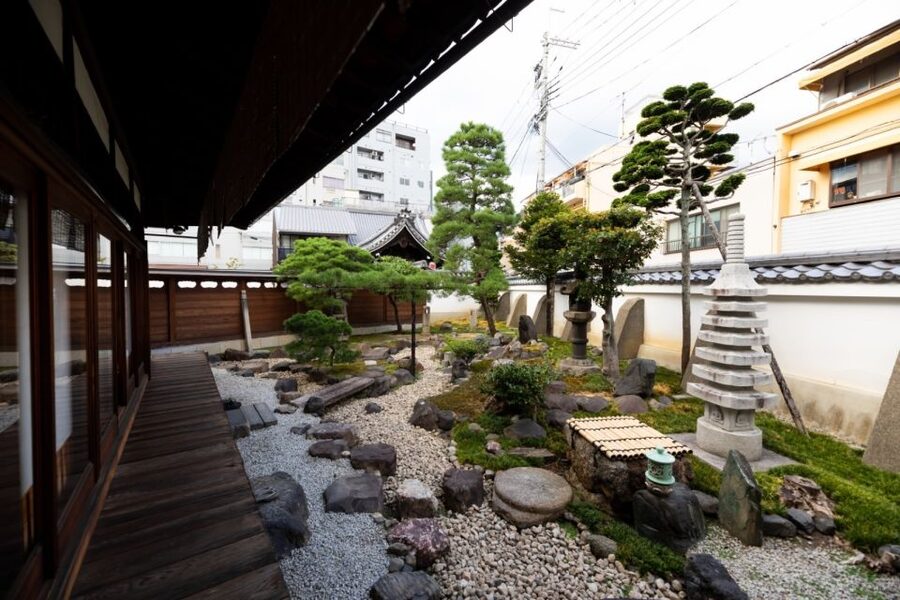
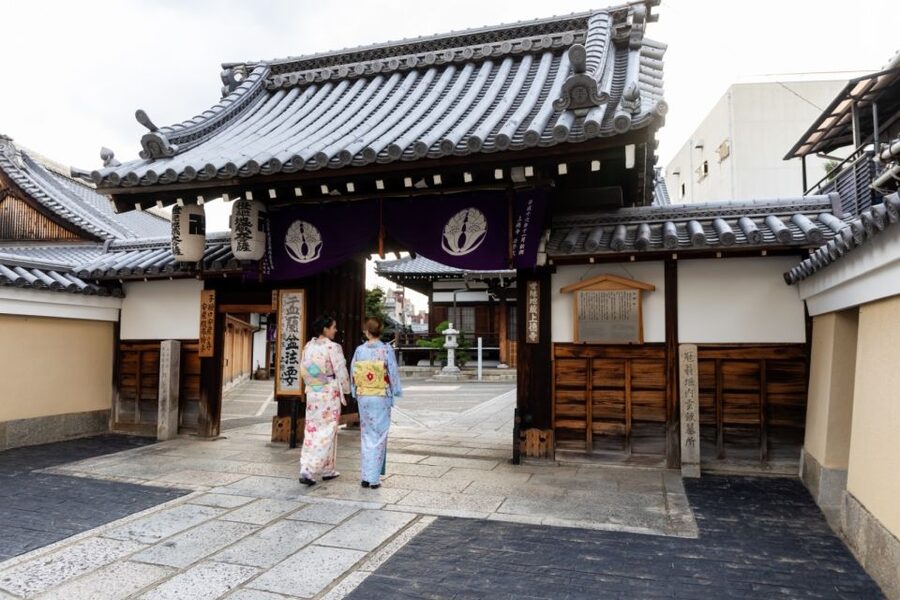
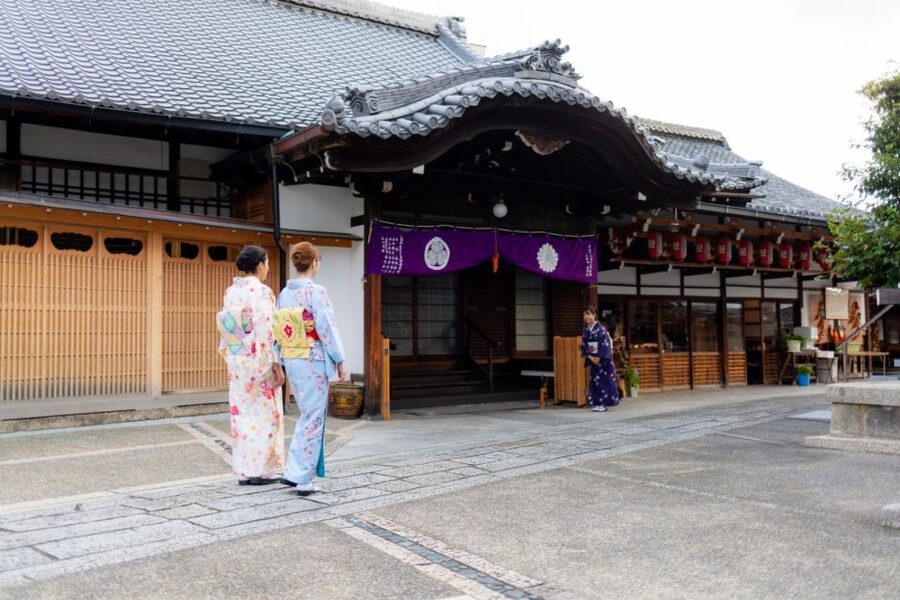
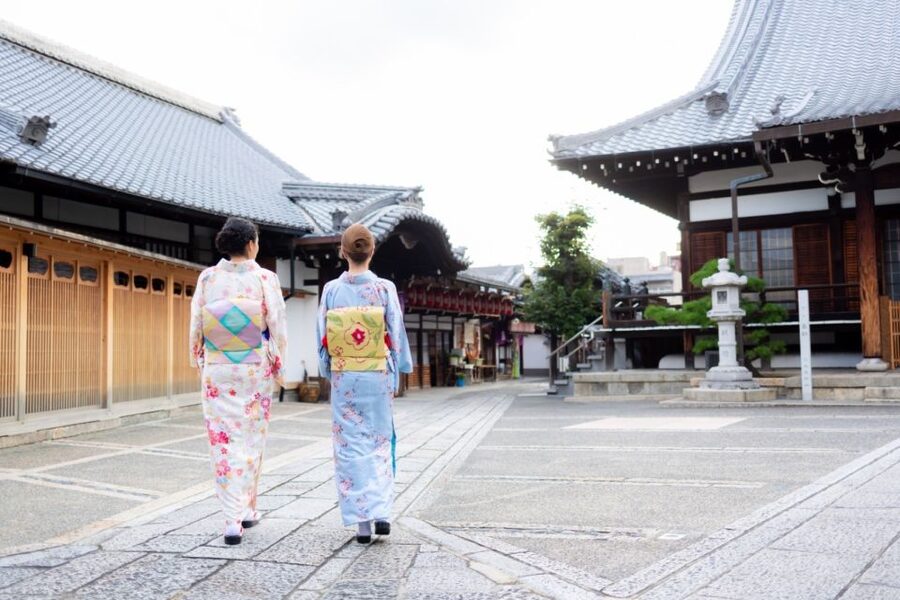
The experience starts at the main gates of Jotokuji Temple. Once inside, you face the Main Hall. Look to your left for a few steps leading toward the tea room, then make your way to the nearby red benches, where your guide waits.
This opening matters. You are not rushed straight into a staged performance. You get a moment to notice the temple, look at the architecture and pause beside the purification fountain. If the weather is pleasant, the red benches give you a simple place to sit and take in the atmosphere.
On a rainy day, the arrangement changes. You can wait beneath the shop’s gable or inside the Grand Tearoom. That is useful in Kyoto, where a clear morning can change quickly. Still, do not expect a long temple tour. The main purpose is the ceremony, so the time before it is a short orientation rather than a full visit to the temple complex.
The address supplied for the experience is Tea Ceremony Juan, 556 Gojo-sagaru, Tominokoji Dori, Shimogyo-Ku, Kyoto. Once inside the temple, use the Main Hall as your landmark and look left for the tea-room steps. I would allow a little extra time to locate the entrance, since meeting instructions inside a temple can be less obvious than a street-side storefront.
More tea ceremonies in Kyoto:
- Kyoto: Tea Ceremony in a Traditional Tea House in Kiyomizu
★ 4.9 · 3,519 reviews - Kyoto: 45-Minute Tea Ceremony Lesson Experience
★ 4.3 · 2,378 reviews - Kyoto: Table-Style Tea Ceremony at a Kyo-Machiya
★ 4.9 · 1,211 reviews
The purification ritual sets the tone
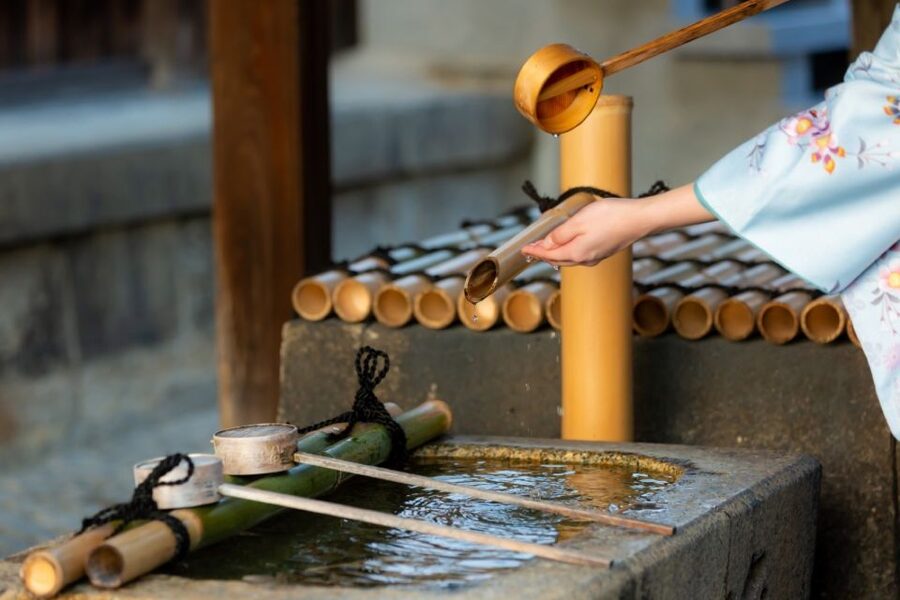
Before entering the tearoom, you take part in a traditional purification ritual. For many visitors from outside Japan, this is one of the most useful parts of the experience because it explains that the ceremony is not simply about drinking powdered tea.
The ritual gives you a physical way to shift gears. You leave the ordinary pace of Kyoto behind and pay attention to the setting, your movements and the objects being used. The hosts explain what you are doing, so you are not left guessing or worried about making a mistake.
That guidance is important. Japanese ceremonies can seem formal from the outside, and it is easy to become so concerned about etiquette that you miss the meaning. Here, the English-speaking instructor helps you understand the purpose behind the actions. Hosts named in sessions include Kate, Taka and Yaki, though the exact team may vary when you book.
I especially like this part for first-time visitors. You get cultural context before the matcha arrives, which makes the ceremony feel less like a demonstration and more like a lesson in Japanese ideas about respect, attention and welcome.
Removing your shoes and entering the Grand Tearoom
You remove your shoes at the entrance to the Grand Tearoom. This is a small detail, but it affects how you should dress. Easy-to-remove shoes make the transition smoother, and clean socks are a sensible choice since you will be inside the tearoom.
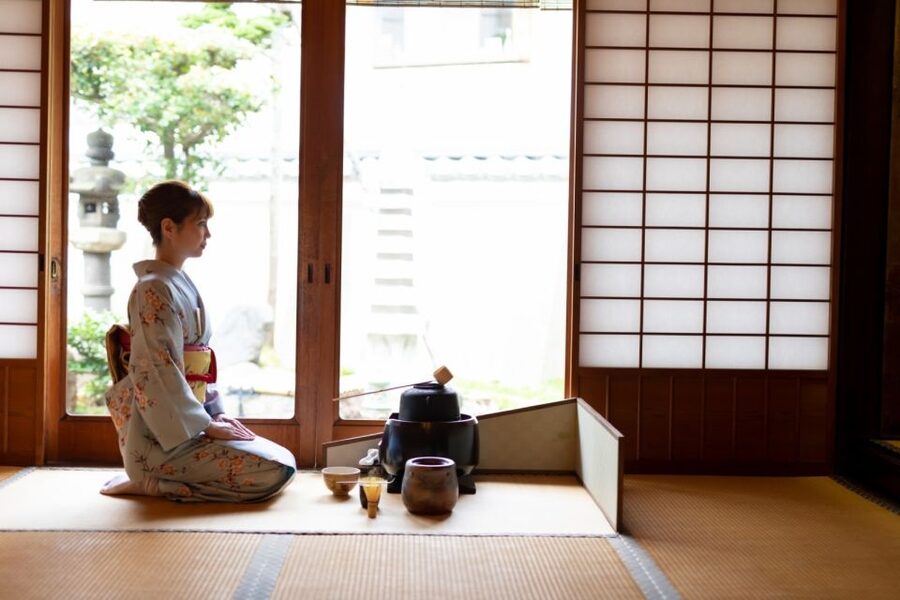
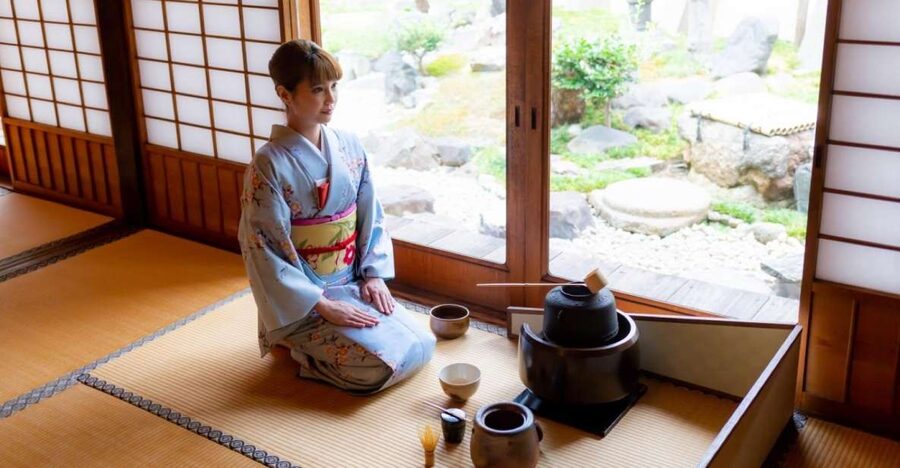
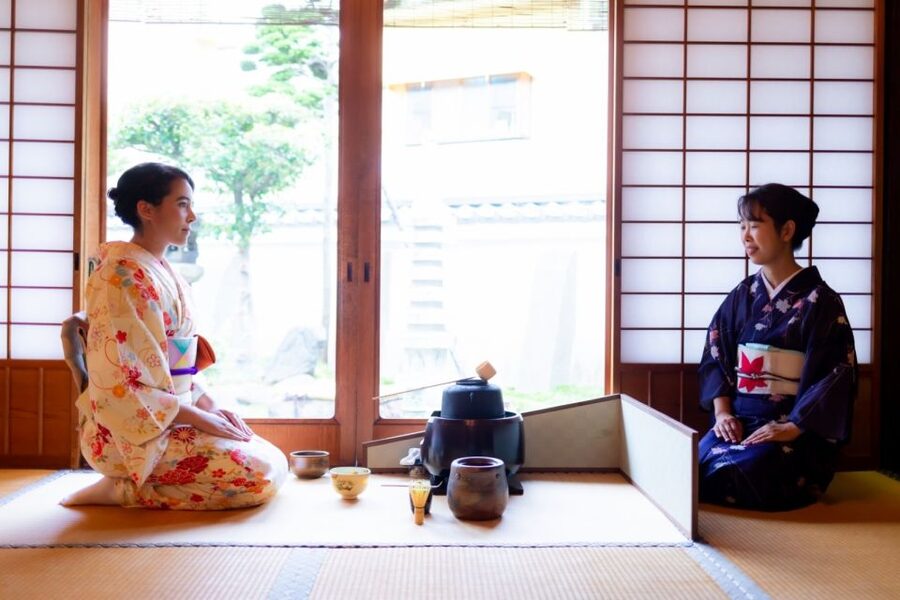
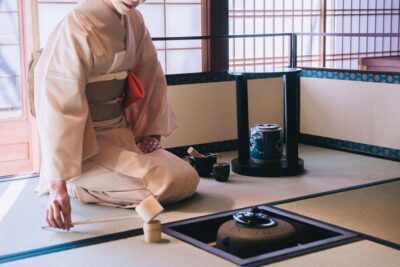
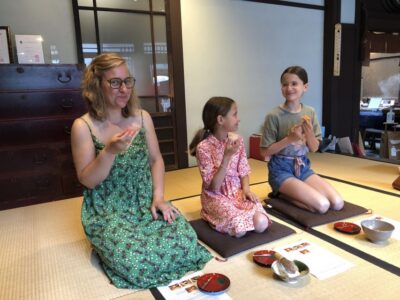
The room itself is the heart of the experience. You sit as a group while the tea master prepares the matcha and explains the order of the ceremony. The setting is traditional, and the quiet atmosphere helps you notice details that could be lost in a larger or noisier class.
Traditional tea ceremony seating is often associated with sitting on the floor in a formal position. You do not have to force yourself into an uncomfortable pose here. Seats and stools can be provided for people who find floor seating difficult. I would mention your needs to the host at the start so the arrangement is comfortable from the beginning.
The tearoom does have three steps, however. The temple itself is wheelchair accessible, but the tearoom is not, and the activity is listed as unsuitable for wheelchair users. This is the most important access point to understand before booking.
Watching the tea master’s measured movements
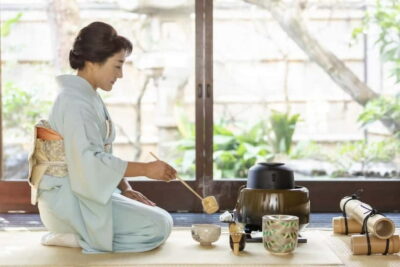
The tea master prepares matcha in front of you, explaining the tools and the sequence as the ceremony unfolds. The appeal is not speed. Each gesture is deliberate, and the presentation encourages you to watch closely.
You learn the fine art of drinking matcha, including the respectful way to receive and drink the tea. The host explains why the ceremony has its particular rhythm and why the preparation is treated with such care. The information is presented in English, with the guide available to clarify points and answer questions.
This is where the experience earns its price. At $29 per person, you are paying for more than a drink. You are getting access to a temple tearoom, an instructor-led cultural lesson and a guided activity that would be difficult to reproduce on your own. A bowl of matcha at a café costs less, but it will not normally explain the ritual, the gestures or the objects in this way.
The ceremony is also a useful bridge for people who know little about Japanese tea. You do not need prior knowledge, special clothing or an interest in collecting tea equipment. The hosts make the process approachable without stripping it of its formal character.
More Kyoto temples worth a morning:
- Arashiyama Bamboo, Temple, Monkeys, or Secret Sake Brewery
★ 4.8 · 886 reviews - Kyoto: Arashiyama Bamboo Forest, Monkeys, Matcha & Temple Tour
★ 5.0 · 759 reviews - Kyoto: Ninnaji Temple Entry Ticket
★ 4.2 · 650 reviews - Kyoto Zen Meditation & Garden Tour at a Zen Temple with Lunch
★ 5.0 · 441 reviews
Making your own bowl of matcha
After watching the demonstration, you get the chance to prepare your own tea. The tea master guides you through the process, so this is not a test of skill. You learn by handling the implements and following the same basic steps you have just seen.
This hands-on section is one of the strongest reasons to choose this experience over a ceremony that only asks you to sit and observe. You see the preparation from close range, then discover how much care goes into producing a smooth bowl. It also gives you a better sense of the ceremony’s physical rhythm.
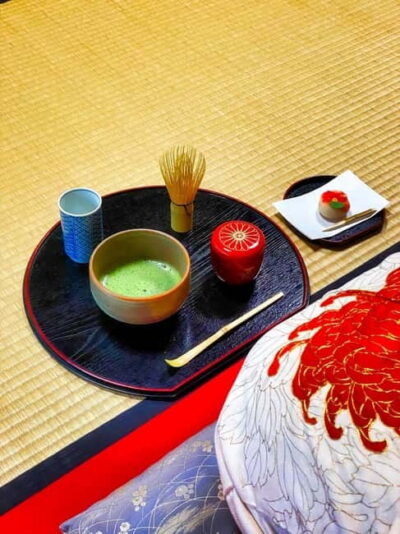
Matcha has a distinct taste. It can be grassy, bitter or pleasantly savory, depending on your palate. The sweets served with it help balance the flavor. You get to sample matcha at its best, along with traditional sweets, in a setting suited to slow drinking rather than a quick café stop.
The session leaves room for questions. That helps if you want to understand the symbolism, the history of the ritual or the reason for a particular gesture. The hosts are described as patient and encouraging, which is exactly what you want when trying an unfamiliar cultural practice.
Why the small group makes a difference
The group is limited to 10 participants. That is large enough to create the shared feeling of a ceremony, but small enough for the tea master and guide to keep an eye on everyone.
You can follow the demonstration without fighting for a view. When it is your turn to make tea, you are more likely to receive direct guidance rather than being hurried through a crowded workshop. The group size also leaves room for questions, which several sessions clearly make a priority.
The exact number may be smaller than the maximum, but you should plan for a group activity rather than a private ceremony. If you want complete silence or an individually tailored lesson, this may feel too social. If you want a welcoming introduction with other people learning alongside you, the format works well.
The English instruction is another strength. The host explains the ceremony as it happens, while the tea master focuses on the preparation. On sessions led by people such as Kate and Taka, that division helps keep the presentation clear and engaging.
A quiet break from Kyoto’s busy sights
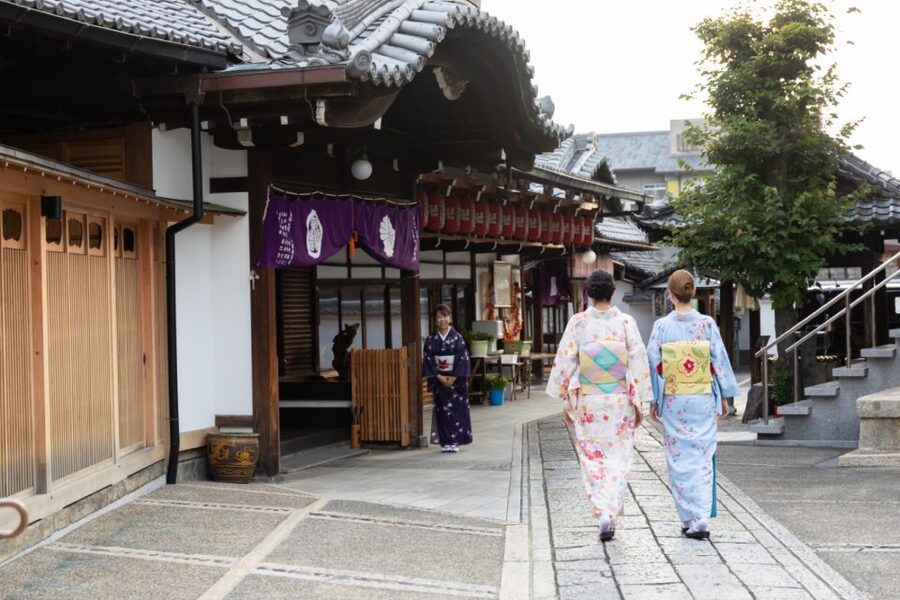
Kyoto can fill your day with temples, shopping streets and packed viewing spots. This ceremony offers a different pace. You sit, watch, listen and take part in a carefully ordered ritual.
I would place it after a busy morning or before another cultural visit, rather than treating it as a rushed stop between major sights. The 70-minute length is long enough to feel meaningful but short enough to fit into a full Kyoto itinerary.
The atmosphere is calm without becoming stiff. The hosts explain the tradition in a warm way, so you are not expected to already understand Japanese etiquette. That balance is valuable: you can respect the ceremony while still asking basic questions and making your own tea.
The experience also gives you a better lens for the rest of your time in Japan. You begin to notice the importance of presentation, hospitality and quiet attention in other settings. It is a small activity, but it can add context to a much larger trip.
What the $29 price really buys
At $29 per person, this is a good-value cultural activity if you want participation rather than a simple tasting. The fee includes a tour guide and the chanoyu workshop ceremony. Matcha and sweets are part of the experience, while meals are not included.
You are not paying for a long temple admission program or a complete four-hour formal tea gathering. The session is a shortened introduction, which is useful for most holiday schedules. One host explains that a fully formal ceremony can take around four hours, so this 70-minute format should be understood as an accessible starting point.
The value is strongest for first-time visitors. You receive the setting, the explanation, the demonstration and the chance to whisk your own tea. If you already practise tea ceremony or want advanced instruction, the class may feel basic.
Kimono rental is not included, but it can be arranged separately. You do not need a kimono to take part, and ordinary respectful clothing is enough. Avoid booking this as a meal replacement, since food is limited to the tea-related sweets rather than a full meal.
Flexible booking also helps. You can reserve now and pay later, and cancellation is allowed up to 24 hours before the activity for a full refund. Check the available starting times when choosing a date, since the duration is fixed at 70 minutes but start times vary.
Who should book this tea ceremony
I would recommend Ju-An to you if this is your first visit to Kyoto and you want a clear, friendly introduction to matcha. It suits couples, families with older children and solo visitors who like guided cultural activities.
It is also a good pick if you want something quieter than a standard sightseeing stop. The temple setting, purification ritual and traditional room give the session a sense of place that a modern classroom would not provide.
You should think twice if you dislike sitting indoors, removing your shoes or following formal instructions. The ceremony asks you to slow down and pay attention. That is the point, but it will not suit someone looking for a fast tasting or a casual drink.
Accessibility needs careful planning. The temple grounds are wheelchair accessible, but the tea room has three steps and is not wheelchair accessible. If floor seating is uncomfortable, ask for a stool or chair. The activity is not suitable for wheelchair users according to the stated conditions.
Practical tips for a smoother visit
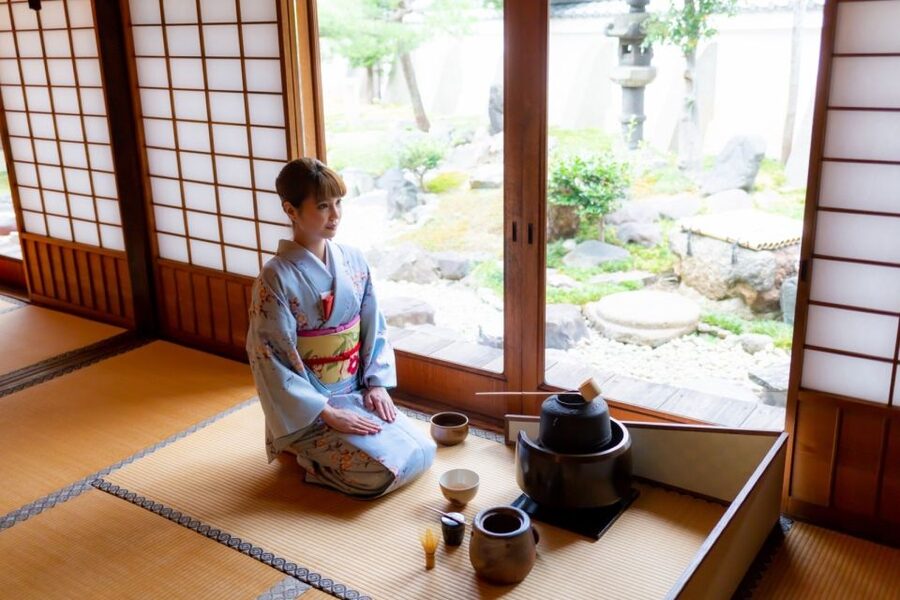
Arrive with enough time to find the meeting point inside the temple. Look for the Main Hall, then the steps on the left leading toward the tea room. The guide waits near the red benches, not necessarily at the street entrance.
Wear shoes you can remove easily. You will take them off before entering the Grand Tearoom, and the ceremony is more comfortable when you are not managing complicated footwear.
Dress for comfort and respect rather than costume. Kimono rental is separate, and no special outfit is required in the information provided. If you want to rent one, arrange it as an extra rather than expecting it to be part of the $29 price.
Keep your schedule flexible around the 70-minute session. The activity itself is not long, but a few spare minutes help you enjoy the temple entrance, settle into the group and avoid arriving flustered.
Finally, ask questions. The hosts are there to explain the meaning behind the ritual, not just to demonstrate it. The more curious you are, the more you will get from the ceremony.
Should you book Ju-An at Jotokuji Temple?
Book it if you want an affordable, hands-on introduction to Japanese tea ceremony in a real temple setting. The small English-speaking group, purification ritual, matcha tasting and guided preparation make this more useful than a quick tea stop.
I would not choose it for a full formal chanoyu training session, a meal or a wheelchair-accessible tearoom. For everyone else, especially first-time visitors, the 70-minute format is a sensible balance of culture, calm and participation. It gives you enough explanation to understand what you are seeing, then lets you take part yourself.
FAQ
How long does the Kyoto tea ceremony last?
The experience lasts 70 minutes.
How much does the tea ceremony cost?
The listed price is $29 per person.
Where does the tea ceremony meet?
Meet at Tea Ceremony Juan, 556 Gojo-sagaru, Tominokoji Dori, Shimogyo-Ku, Kyoto. Inside the temple, face the Main Hall and look to the left for the steps leading to the tea room. The guide waits near the red benches.
Is the activity conducted in English?
Yes. The instructor and guide provide the experience in English.
Can I take part if I cannot sit on the floor?
Yes. Seats and stools can be provided for people who are not comfortable sitting on the floor in the traditional position.
Is the tea room wheelchair accessible?
No. Jotokuji Temple is wheelchair accessible, but the Grand Tearoom has three steps and is not wheelchair accessible. The activity is listed as unsuitable for wheelchair users.
Recently added around Kyoto
- Higashiyama | Kyoto: Sakura Season Private Rickshaw Tour★ 5.0 · 3 reviews
- Kyoto Kimono Rental CHAMATSU|Kimono/Yukata Rental FamilyPlan★ 5.0 · 3 reviews
- Kyoto: Half-Day Private Guided Tour to the Old Town of Gion★ 4.4 · 3 reviews
- Nara Private Customizable Half Day Tour★ 5.0 · 3 reviews
- Kansai Region Hiking Adventure in Nara Kobe Kyoto and More★ 5.0 · 3 reviews
- Full Day Nara Deer, Temple, Shrine, Activities & Tea Ceremony★ 5.0 · 3 reviews
- Nara: Essential Private Tour with Deer Park and Temples★ 5.0 · 3 reviews
- Photo Shoot with a Private Vacation Photographer in KYOTO, JAPAN★ 5.0 · 3 reviews
Kyoto Tea Ceremony Experiences, compared.
Tea Ceremony in a Traditional Tea House in Kiyomizu
Read our review →
Tea Ceremony in 100-year-old Kyo-Machiya Townhouse
Read our review →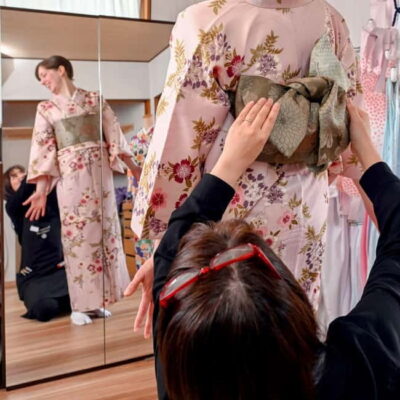
Tea Ceremony Meditation – Make Matcha with Tea Master
Read our review →Browse the lists this tour appears in