
REVIEW · KYOTO SUSHI EXPERIENCES
Sushi Making in Kyoto! Same-day bookings welcome!
Kyoto’s food culture can seem formal from the outside. This class lets you get your hands into it. In about 90 minutes, you learn a little about Japanese cuisine, practice sushi-making with English-speaking instructors, and eat the results for lunch. You make nigiri and rolls, with the advertised course offering 10 pieces.
I like the friendly teaching style, especially for children and first-time cooks. I also like that the class takes place in Kawaramachi, so you can pair it with a walk through central Kyoto. The main drawback is the location: the room is tucked inside a shopping center and can be hard to find, so arrive early.
In This Review
- Key points at a glance
- What the 90-minute sushi class is really like
- A short introduction to sushi and Japanese cuisine
- Learning sushi rice and basic shaping
- Nigiri, rolls, and the fun of making mistakes
- Eating your own sushi for lunch
- The instructors make the difference
- Finding Sushi Master Kyoto Kawaramachi
- Why Kawaramachi is a useful setting
- Is $53.72 good value?
- Who should book this experience?
- Small gifts and the sushi certificate
- Booking, timing, and cancellation
- My practical verdict
- FAQ
- How long does the sushi-making experience last?
- Where does the class take place?
- How can I find the meeting point?
- What types of sushi will I make?
- Is the class taught in English?
- Are sushi ingredients included?
- Can I eat the sushi I make?
- Are drinks included in the price?
- Can I request vegetarian or allergy-friendly ingredients?
- Is hotel pickup provided?
- What is the cancellation policy?
Key points at a glance
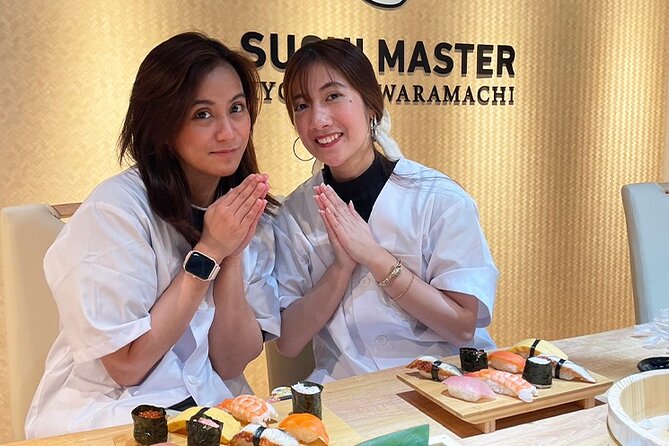
- Make and eat your own sushi: The course includes sushi ingredients, instruction, and the meal you prepare.
- Good for first-timers and families: Patient English-speaking instructors guide you through the basic techniques.
- A short, useful Kyoto activity: The class lasts about 90 minutes, making it easy to fit into a busy sightseeing day.
- Look for the tucked-away entrance: Find the shopping center on Google Maps, then check the second floor near the Skechers store and use the stairs.
- Sake is available but extra: You can order alcohol, soft drinks, or a sake flight during the meal.
- Plan for ingredient changes: Fish and other ingredients may vary with availability, and you should report allergies or vegetarian needs in advance.
What the 90-minute sushi class is really like
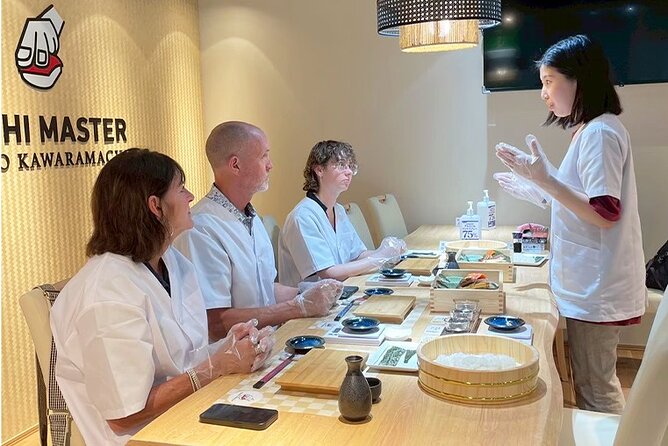
This is a hands-on food lesson, not a long cooking school. You get a short introduction to sushi and Japanese food culture, watch demonstrations, prepare several pieces, and then sit down to eat your work.
The course description lists nigiri and rolls, with 10 pieces in total. The exact format can vary. Some sessions have included three sushi styles and 12 pieces, while others have focused more heavily on nigiri or temari sushi. Ingredients also depend on what is available that day.
That variation is worth understanding before you book. You are paying for an approachable introduction to sushi, not a professional chef’s course covering every stage from market selection to knife skills. If your goal is to learn how to season sushi rice, slice fish, or prepare every ingredient from scratch, this class may feel light.
For a first taste of sushi-making, though, the plan works well. You get enough instruction to shape food with your own hands, and the reward comes quickly. There is no long wait between making the sushi and eating it.
More sushi counters and classes:
- The Original Small-Group Sushi Making Class in Kyoto
★ 5.0 · 436 reviews - Kyoto: Small-Group Authentic Sushi Making Workshop
★ 5.0 · 137 reviews - Sushi – Authentic Japanese Cooking Class – the best souvenir from Kyoto!
★ 5.0 · 93 reviews
A short introduction to sushi and Japanese cuisine
The class begins with a basic explanation of sushi and its place in Japanese food culture. This gives the activity some context instead of treating sushi as a simple assembly job.
You may watch a short video as part of the introduction. It covers sushi history and the different types of sushi, then the instructors show you how to handle the pieces. The lesson is brief, which helps keep the pace moving, but it also means the cultural section will not satisfy someone seeking a detailed food-history lecture.
I see this opening as a useful primer. You learn the difference between the main styles you will work with, then move on before the information becomes too much for children or tired sightseers. Families with children aged 6 to 11 have found the structure easy to follow, and the staff make an effort to include younger cooks.
Learning sushi rice and basic shaping
The course promises instruction on making perfect sushi rice, but the hands-on depth may be limited. The central focus is shaping and rolling rather than preparing rice entirely from raw ingredients.
You will be shown how to form nigiri and make rolls. The instructor demonstrates the movements, then gives you a chance to copy them. This is where the class earns its keep. Sushi looks simple until you try to make rice hold together while keeping the shape neat.
The instructors are described as patient and encouraging, with a playful manner that helps take the pressure off. English is used throughout the class, so you do not need to speak Japanese to follow the demonstrations.
You may also learn small practical tricks for different sushi types. The emphasis is on making something edible and attractive, not on strict culinary precision. That makes the class a good match for couples, families, and people who want an activity rather than a technical cooking qualification.
Nigiri, rolls, and the fun of making mistakes
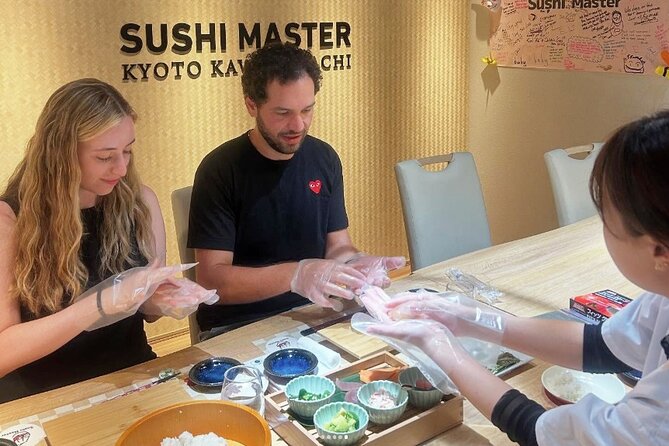
Nigiri gives you the clearest introduction to sushi technique. You work with rice and toppings, then try to shape the pieces so they hold together and look presentable.
Rolls offer a different challenge. You spread the ingredients, roll them, and cut the finished cylinder into pieces. Several children have especially enjoyed this stage because it feels like a small craft project, with an immediate meal at the end.
Some sessions have included temari sushi, a rounder style that can be easier for beginners to shape. Do not assume that every booking will include exactly the same sushi forms. The stated course is nigiri and roll, but the ingredients and teaching sequence can change.
The class is forgiving. You are not expected to produce restaurant-perfect sushi. The instructors step in when needed, and the tone stays light. I would choose this activity for a family that wants to do something together, rather than for a serious home cook seeking advanced instruction.
A completely different side of Kyoto:
- PERFECT KYOTO 1-Day Bus Tour
★ 5.0 · 13,518 reviews - Kyoto: Fushimi Inari, Kinkakuji, Bamboo Grove 1 Day Bus Tour
★ 4.8 · 4,316 reviews - Kyoto: Tea Ceremony in a Traditional Tea House in Kiyomizu
★ 4.9 · 3,519 reviews - Kyoto Geisha Walking Tour: Gion District & Hidden Gems
★ 4.7 · 3,273 reviews
Eating your own sushi for lunch
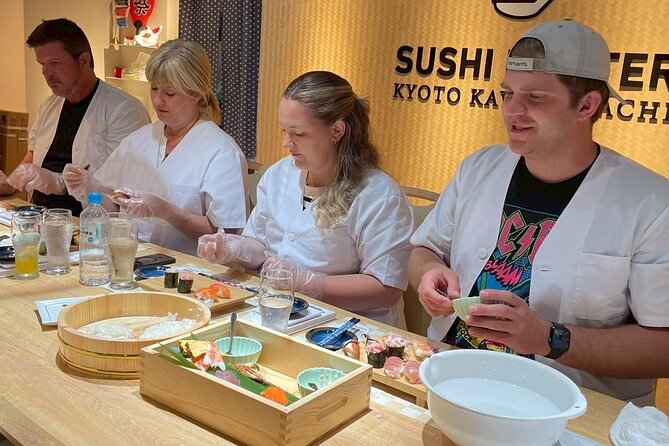
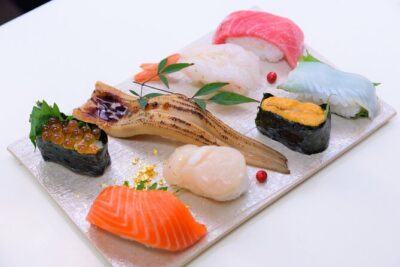
After the making is finished, you eat the sushi you prepared. This turns the lesson into a complete small meal and saves you from scheduling another lunch immediately afterward.
The included food is the sushi you make, so the value depends partly on how much you normally pay for lunch in central Kyoto. At $53.72 per person, the price is not simply a bargain meal. You are also paying for the instruction, ingredients, English support, and the activity itself.
The portion should be viewed as a light lunch rather than a large restaurant meal. Some people have found it satisfying, while others may want more food later, especially after a full morning of walking.
Drinks are not included. You can order soft drinks and alcohol, including sake. A sake sampler or flight can add a pleasant tasting element, but one useful caution is that drink prices and quality may not impress everyone. I would check the cost before ordering several glasses.
The instructors make the difference
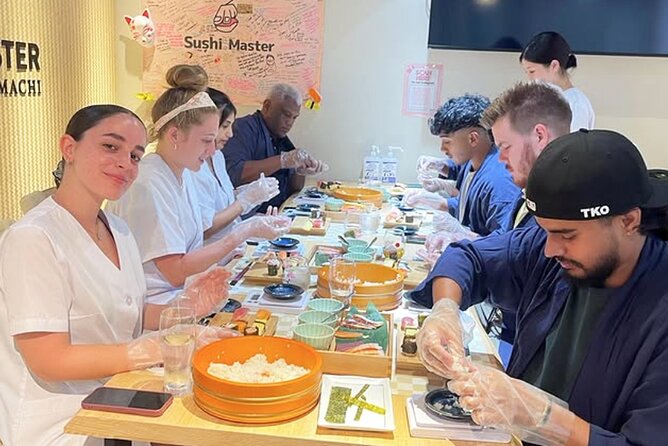
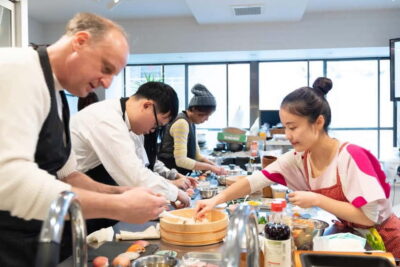
The teaching staff are a major strength of this experience. The class works best when the instructors are actively helping each person shape, roll, and cut the sushi, and the available feedback describes them as warm, patient, and clear in English.
Instructors named in class experiences include Kioko and Rio. You may meet them or other members of the team, depending on the session. The staff have worked well with young children, giving them simple tasks and plenty of encouragement.
That personal attention matters because sushi technique can be awkward at first. A patient teacher helps you avoid wasting rice, keeps the pace comfortable, and makes the class feel social rather than like a test.
The class can hold up to 30 people. That is a fairly large maximum for an activity advertised in a friendly, small-class style. A full session may feel less personal than a very small workshop, though the instructors appear used to moving around the room and helping beginners.
Finding Sushi Master Kyoto Kawaramachi
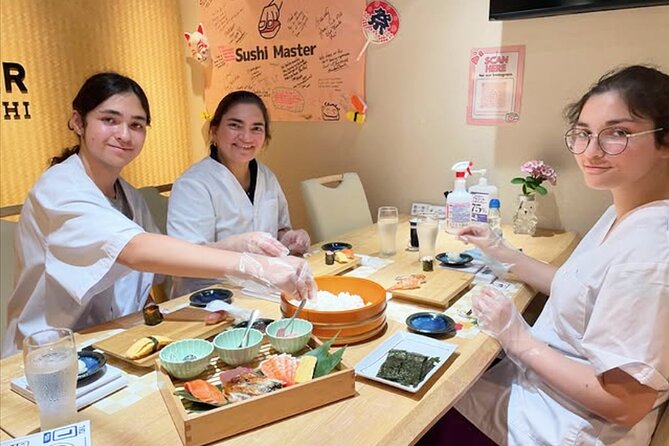
This is the practical weak spot. The address is in a building at 4071 Sakuranocho, Nakagyo Ward, Kyoto 604-8035, but the room is not obvious from the main street.
Search for Sushi Master Kyoto Kawaramachi on Google Maps rather than relying only on the street address. The venue is inside a shopping center, and directions point to the second floor near the Skechers store, with stairs leading up to the room.
Give yourself extra time. One person spent about an hour looking for the venue after arriving, while another found it easily by paying close attention to the location notes. That gap tells you what to do: do not cut it close, especially if you have children or a fixed schedule afterward.
The activity begins and ends at the same meeting point. There is no hotel pickup or drop-off, so you need to make your own way to central Kawaramachi.
Why Kawaramachi is a useful setting
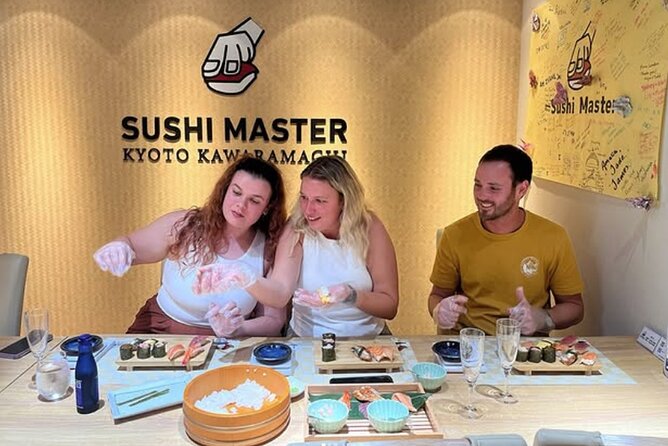
The central location makes this class easy to combine with other Kyoto plans. You can schedule it between shopping, temple visits, or a walk through the Kawaramachi area without committing to a half-day excursion outside the city.
It is also useful on a rainy or very hot day. The class gives you an indoor break without losing the connection to local food. A 90-minute session is short enough to fit into a packed itinerary, though you should allow extra time to find the room.
I would not choose this as your only food experience in Kyoto. It introduces sushi-making well, but it does not replace a quiet meal at a good sushi counter or a market visit. Think of it as a practical activity that adds context to the meals you will eat elsewhere.
Is $53.72 good value?
At $53.72, this is midrange for a guided food activity in a major tourist area. The fee includes ingredients, English-speaking instruction, the sushi meal, and special gifts. You also receive the entertainment value of making lunch yourself.
The value is strongest for families and couples who would otherwise pay for both a meal and a separate activity. Children often enjoy the process as much as the food, and the class gives everyone something to do together.
The value is weaker if you only want the cheapest sushi lunch or if you are already an experienced cook. The course does not appear designed to teach advanced rice preparation, fish cutting, or restaurant-level knife work.
You may also spend more if you add sake or other drinks. I would treat the included meal and lesson as the core price, then decide carefully about extras.
Who should book this experience?
I would recommend it most strongly for:
- Families with children who enjoy making things
- Couples seeking a short food activity
- First-time sushi makers
- Visitors who want an indoor Kyoto plan
- People who enjoy meeting other international participants
- Anyone curious about sushi but unsure where to begin
The class has worked well for children as young as 6, according to the supplied experiences, though younger children will likely need help with shaping and cutting. It also suits adults who want a relaxed introduction rather than a serious culinary course.
Professional cooks may find the lesson too basic. One experienced cook described it as more about having fun than gaining advanced technique. That is a fair way to frame it.
Vegetarians and people with allergies can still consider booking, but you must state those needs in the Special Requirements section ahead of time. Ingredients may change based on availability, so ask for arrangements before you arrive rather than assuming the standard menu will suit you.
Small gifts and the sushi certificate
The experience includes special gifts, and class participants have received a Sushi Master Certificate. These are lighthearted souvenirs rather than valuable keepsakes, but children in particular may enjoy taking home proof of their new title.
The certificate also adds a playful finish to the lesson. It works because the class does not take itself too seriously. You learn a few techniques, make lunch, and leave with a small reminder of the activity.
Booking, timing, and cancellation
Same-day bookings are welcome, subject to availability. Confirmation is provided when you book, and the ticket is mobile, so you do not need to print a voucher.
The activity lasts approximately 90 minutes. I would still build in extra time before the start because finding the building can be slow. If you have a train, dinner reservation, or timed attraction afterward, leave a generous gap.
Free cancellation is available if you cancel at least 24 hours before the local start time. Cancellations made within 24 hours are not refunded, and late changes are not accepted.
My practical verdict
I like this class because it delivers a clear reward in a short time: you learn a few sushi basics, make your own pieces, and eat them. The English-speaking instructors, family-friendly approach, central location, and included meal make it an easy addition to a Kyoto itinerary.
The limitations are just as clear. The lesson is introductory, not a full sushi apprenticeship. The location can be frustrating to find, drinks cost extra, and the exact sushi selection may change.
Book it if you want a cheerful, hands-on food activity and you are happy with a beginner-level lesson. Skip it if your priority is advanced technique, a large gourmet meal, or a perfectly calm arrival with no time spent hunting for the entrance.
FAQ
How long does the sushi-making experience last?
The activity lasts approximately 90 minutes, including the introduction, hands-on sushi preparation, and time to eat your creations.
Where does the class take place?
It takes place at Sushi Master Kyoto Kawaramachi in central Kyoto, at 4071 Sakuranocho, Nakagyo Ward, Kyoto 604-8035.
How can I find the meeting point?
Search for Sushi Master Kyoto Kawaramachi on Google Maps. The room is inside a shopping center, on the second floor near the Skechers store, and can be easy to miss.
What types of sushi will I make?
The advertised course includes nigiri and rolls, with 10 pieces listed. The exact styles and number may vary depending on the session and ingredient availability. Some sessions have included temari sushi and three sushi styles.
Is the class taught in English?
Yes. English-speaking instructors lead the sushi-making activity and explain the preparation steps.
Are sushi ingredients included?
Yes. The experience includes the sushi ingredients used during the class.
Can I eat the sushi I make?
Yes. The sushi you prepare is included as your meal at the end of the activity.
Are drinks included in the price?
No. Soft drinks and alcohol, including sake, are available to order separately.
Can I request vegetarian or allergy-friendly ingredients?
Yes, but you must provide allergy information or vegetarian preferences in the Special Requirements section in advance. Ingredients may vary with availability.
Is hotel pickup provided?
No. Hotel pickup and drop-off are not included. The experience starts and ends at the stated meeting point.
What is the cancellation policy?
You can cancel for a full refund up to 24 hours before the experience start time. Cancellations or changes made less than 24 hours before the start are not accepted for a refund.
Recently added around Kyoto
- Higashiyama | Kyoto: Sakura Season Private Rickshaw Tour★ 5.0 · 3 reviews
- Kyoto Kimono Rental CHAMATSU|Kimono/Yukata Rental FamilyPlan★ 5.0 · 3 reviews
- Kyoto: Half-Day Private Guided Tour to the Old Town of Gion★ 4.4 · 3 reviews
- Nara Private Customizable Half Day Tour★ 5.0 · 3 reviews
- Kansai Region Hiking Adventure in Nara Kobe Kyoto and More★ 5.0 · 3 reviews
- Full Day Nara Deer, Temple, Shrine, Activities & Tea Ceremony★ 5.0 · 3 reviews
- Nara: Essential Private Tour with Deer Park and Temples★ 5.0 · 3 reviews
- Hiking Tour for Sacred Sites in Kyoto with a Guide★ 5.0 · 3 reviews
Kyoto Sushi Experiences, compared.
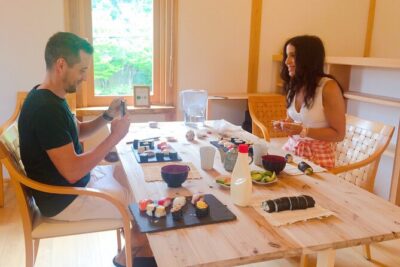
The Original Small-Group Sushi Making Class in Kyoto
Read our review →
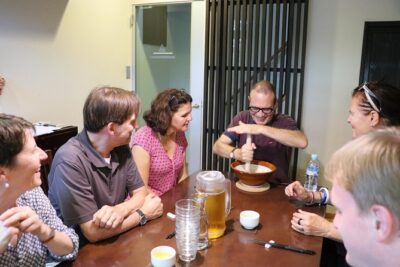
Sushi – Authentic Japanese Cooking Class – the best souvenir from Kyoto!
Read our review →
Private Kyoto Sushi Cooking Class & Tea Ceremony with Emika
Read our review →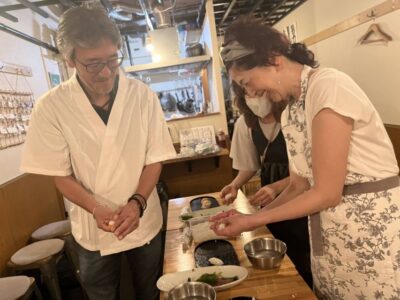
Enjoy Sushi & Market Tour! Best for Family & Couple!
Read our review →
Sushi or Traditional Japanese Cuisine in a Kyoto Home with Emika
Read our review →Browse the lists this tour appears in