
REVIEW · GION GEISHA DISTRICT TOURS
Kyoto: Kimono Tea Ceremony at Orizuruya Gion
Kyoto’s Gion district is a fine place to put on a kimono, but the best part of this experience comes after the dressing: you learn how to prepare your own bowl of matcha in a quiet tea room. An instructor explains the gestures, utensils, sweets, and customs so you can take part without worrying about a cultural mistake.
I like the large choice of more than 200 kimono designs, and I like the small maximum of 10 participants. The staff also take photos, help with simple hairstyling for women, and explain the ceremony in English. At $49 per person, the combination of clothing, hair, matcha, wagashi, and instruction is good value.
The main consideration is time. Dressing can take a meaningful part of the 90-minute visit, and sitting in a kimono may not suit everyone. If you want calligraphy as well, choose the two-hour option, and confirm how long you may keep the kimono afterward.
In This Review
- Key points at a glance
- Arriving at Gion Oritsuruya
- Choosing a kimono from 200 designs
- Entering the tea room and learning the rules
- Preparing matcha with a bamboo whisk
- Wagashi, questions, and the quietest part of the visit
- Adding Japanese calligraphy for two hours
- Wearing the kimono around Gion afterward
- What the staff add to the experience
- Is $49 a fair price in Kyoto?
- Who should book this Gion experience?
- Booking details worth knowing
- Should you book the Orizuruya tea ceremony?
- FAQ
- Where is the kimono tea ceremony held?
- How do I reach Gion Oritsuruya?
- How long does the tea ceremony take?
- How many people can join the activity?
- Is the instruction available in English?
- How many kimono designs are available?
- Is hairstyling included?
- What food and drink are included?
- Is Japanese calligraphy included?
- Can I cancel the booking?
Key points at a glance
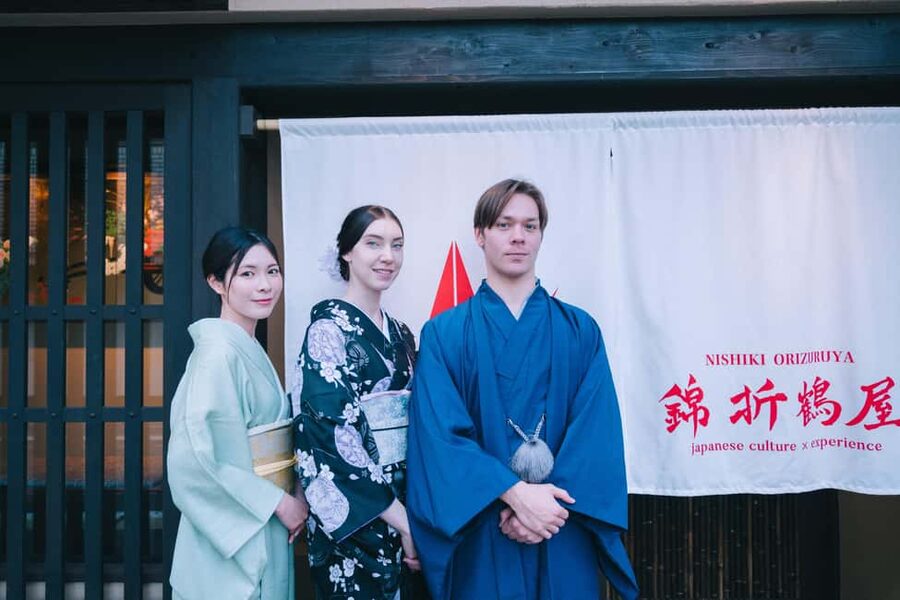
- Choose from more than 200 kimono designs: Staff help you select and dress in a traditional outfit.
- Learn to whisk your own matcha: The instructor shows you how to use a bamboo whisk called a chasen.
- Enjoy wagashi from a century-old confectionery: The sweet is served with your bowl of tea.
- Keep the group small: No more than 10 participants can join each session.
- Add Japanese calligraphy: The longer option lasts about two hours and includes the calligraphy set.
- Begin in central Gion: The shop is a 7-minute walk from Keihan Gion-Shijo Station and 10 minutes from Hankyu Kyoto-Kawaramachi Station.
Arriving at Gion Oritsuruya
The meeting point is Gion Oritsuruya at 572-7 Minamigawa, Gion-machi, Higashiyama-ku, Kyoto. This puts you in one of Kyoto’s most convenient areas for combining a cultural activity with sightseeing.
From Keihan Gion-Shijo Station, allow about seven minutes on foot. From Hankyu Kyoto-Kawaramachi Station, the walk takes about 10 minutes. You pay your own transport costs, but the central location means you can reach the appointment by train and continue exploring Gion afterward.
Plan to arrive ready for a little preparation. The experience lasts about 90 minutes for the tea ceremony alone and two hours when calligraphy is added. The dressing and hairstyling are part of the visit, not a quick photo stop, so avoid scheduling a temple admission or restaurant reservation too tightly afterward.
More evenings in Gion:
- Kyoto Geisha Walking Tour: Gion District & Hidden Gems
★ 4.7 · 3,273 reviews - Kyoto: Gion Magical Night Walking Tour with Geisha Trivia
★ 4.9 · 2,393 reviews - Kyoto: Gion Geisha District Walking Tour – Stories of Geisha
★ 4.7 · 2,187 reviews
Choosing a kimono from 200 designs
The dressing begins with the fun part: choosing what to wear. With more than 200 designs, you have plenty of room to find a color and pattern that suits you rather than being handed a single standard outfit.
Staff help you through the selection and dressing process. Their work is quick and practiced, which matters because a kimono has several layers and must be arranged properly. You do not need to know how to tie anything or worry about getting the details wrong.
For women, simple hairstyling is included. It completes the look without turning the activity into a full salon appointment. The styling is intentionally simple, so keep your expectations sensible. You receive a traditional appearance for the ceremony and photographs, not an elaborate bridal arrangement.
This stage is also useful for people who feel shy about dressing in traditional clothing. The staff are accustomed to helping international visitors, and the experience is set up so you can ask questions as you go. Some dressing-room staff speak little English, but their practical skill and friendly manner help keep the process clear.
Give yourself time to enjoy this portion. Choosing the kimono, seeing the finished outfit, and taking a few photographs can be as memorable as the tea itself.
Entering the tea room and learning the rules
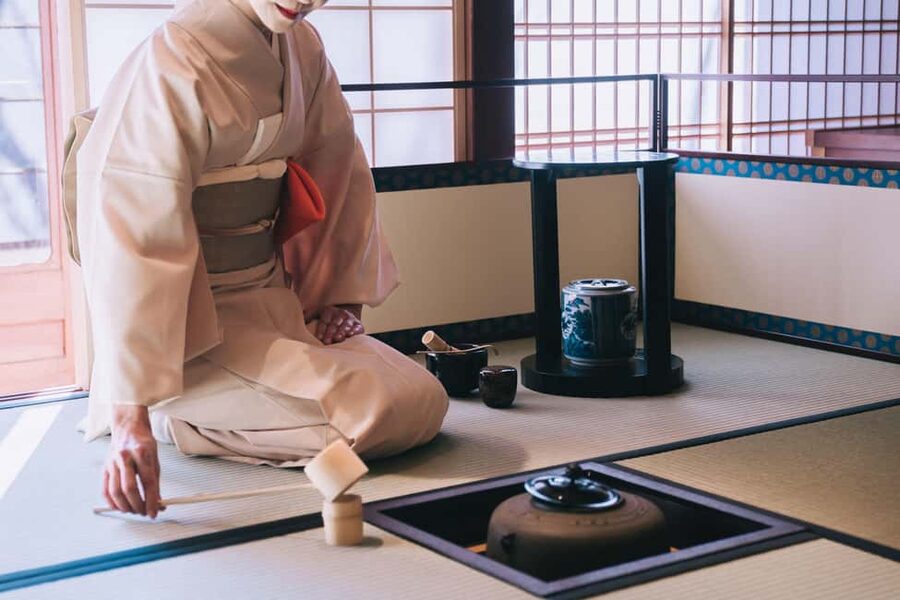
Once dressed, you move into a calm tea room for the ceremony. An English-speaking instructor guides you through the order of events and explains why each movement matters.
This is not a performance where you sit silently and watch from a distance. You learn how the tea is prepared, how the utensils are handled, and how the ceremony creates a quiet rhythm. The explanation also helps with the small points of etiquette that can make visitors nervous in a formal Japanese setting.
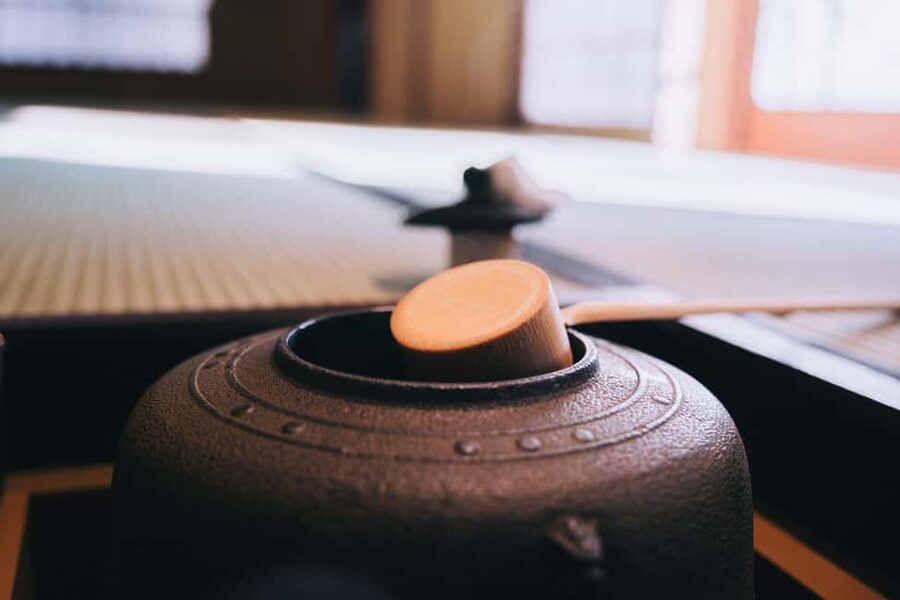
You will see the traditional bamboo whisk, or chasen, used to turn powdered green tea and hot water into matcha. The instructor demonstrates the technique before you try it yourself. The goal is not perfection. It is learning the basic method and understanding the care behind the preparation.
The small group makes a real difference here. With a maximum of 10 participants, you have a better chance to hear the explanations and ask questions. A private booking is not promised, but the group size is modest enough to keep the room personal. One booking even ended up with only one participant, though you should treat that as a possibility rather than a guarantee.
Preparing matcha with a bamboo whisk
The hands-on tea preparation is the heart of the experience. You receive the utensils and make your own bowl of matcha after watching the instructor.
The process gives you a practical skill you can repeat at home, provided you have matcha, hot water, and a whisk. More important, it changes the way you look at the tea ceremony. Instead of seeing only a graceful sequence of movements, you understand the physical work involved in creating the drink.
The instructor also explains matcha itself, including how different types can vary. That is a useful touch for anyone who has only encountered matcha in sweet drinks or modern café desserts. You get a short cultural lesson and a chance to taste the tea in its traditional form.
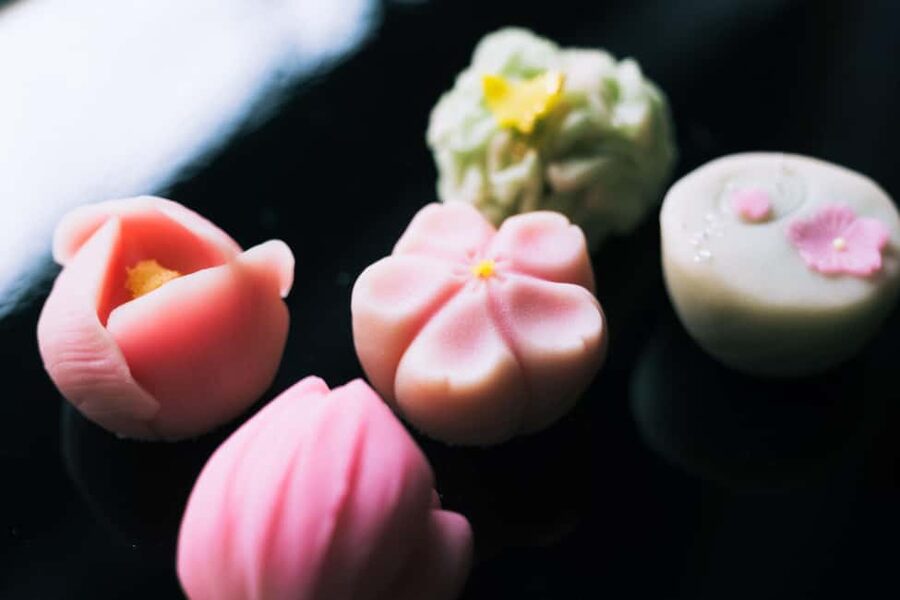
The flavor may be stronger and more bitter than you expect. The wagashi helps balance it. These Japanese sweets are made to accompany tea, not simply to provide dessert, and the pairing shows why the two are served together.
The sweets come from a confectionery with a history of about 100 years. That detail adds context without turning the activity into a lecture. You taste something designed for the ceremony while learning how tea and sweets work together.
More tea ceremonies in Kyoto:
- Kyoto: Tea Ceremony in a Traditional Tea House in Kiyomizu
★ 4.9 · 3,519 reviews - Kyoto: Tea Ceremony Ju-An at Jotokuji Temple
★ 4.9 · 3,207 reviews - Kyoto: 45-Minute Tea Ceremony Lesson Experience
★ 4.3 · 2,378 reviews - Kyoto: Table-Style Tea Ceremony at a Kyo-Machiya
★ 4.9 · 1,211 reviews
Wagashi, questions, and the quietest part of the visit
The tea room portion is peaceful, but it is not stiff. You can ask questions about tea preparation, the meaning of the gestures, and Japanese customs. The English instruction is aimed at international participants, so you are not expected to arrive with prior knowledge.
I especially like this balance. The session gives you a respectful introduction without demanding that you memorize a long list of rules. You learn enough to participate properly, then get to enjoy the moment.
The experience can also suit couples, friends, and families with older children. A 14-year-old participant was specifically noted as enjoying the activity, and the calligraphy lesson can give younger participants another hands-on task. Very young children may find the dressing and quiet ceremony less exciting, but the provided information does not set a minimum age, so check the current booking details before reserving.
Adding Japanese calligraphy for two hours
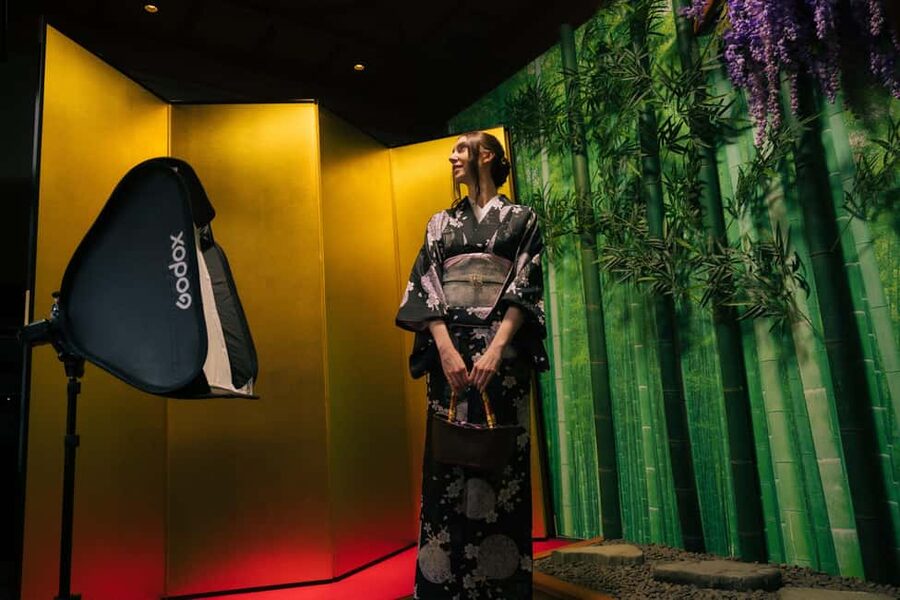
The tea ceremony option takes about 90 minutes. The longer tea ceremony and Japanese calligraphy option lasts about two hours and includes a calligraphy set rental.
Calligraphy changes the mood of the visit. Tea preparation is measured and quiet, while writing Japanese characters asks you to control the brush, ink, and pressure. It can be challenging for beginners, but the lesson is presented as a patient introduction rather than a test of artistic ability.
If you have room in your schedule, I would choose the calligraphy version. Several participants found this part especially memorable, and it gives you something different to do after the tea. You are not just putting on a kimono for photographs. You are learning two traditional skills in one sitting.
The longer booking also works well if you want a slower pace. The basic tea option is enough for a first cultural activity, but the extra half hour lets you spend more time asking questions and practicing. Check the price for the selected option at booking, since the listed $49 price may refer to the tea ceremony choice rather than every variation.
Wearing the kimono around Gion afterward
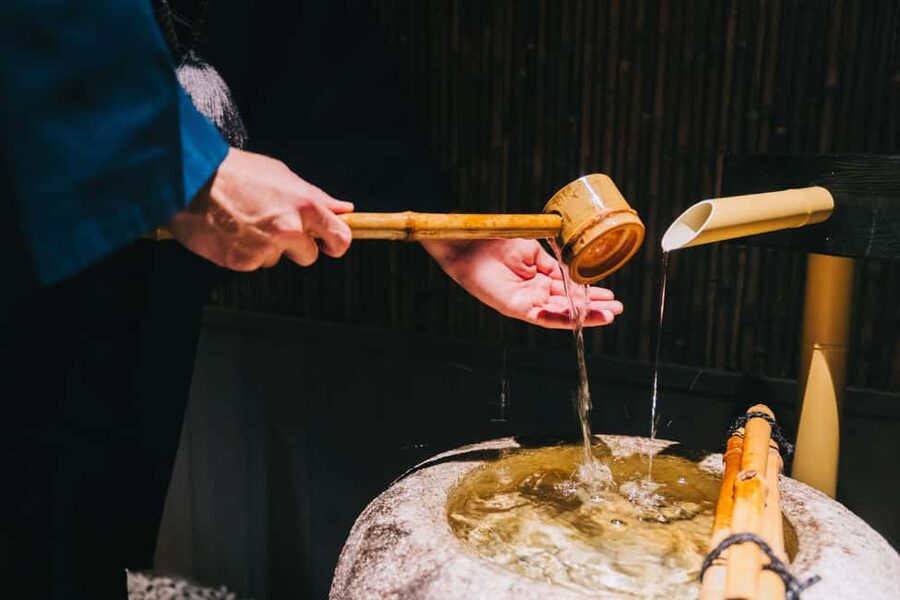
One of the most useful extras is the chance to continue wearing the kimono after the indoor program. Many bookings allow participants to keep the outfit until 5 p.m., though you should confirm the exact return arrangement for your selected time slot.
This can turn an hour and a half activity into part of a half-day Gion outing. An early appointment gives you time to take photographs, visit nearby sights, or walk through the area before returning the clothing. The shop is also close enough to a temple for a short post-ceremony visit, according to the practical directions provided during the experience.
There are limits to keep in mind. A kimono is not casual walking clothing, and you may feel restricted after a while. Kyoto’s weather can make the difference, too. One participant appreciated being able to keep the kimono on indoors during cold weather, while another enjoyed walking around the city in it.
Ask staff about the return time and the areas suitable for wearing it before you leave. If you plan to spend the afternoon sightseeing, choose comfortable footwear and keep your route manageable.
What the staff add to the experience
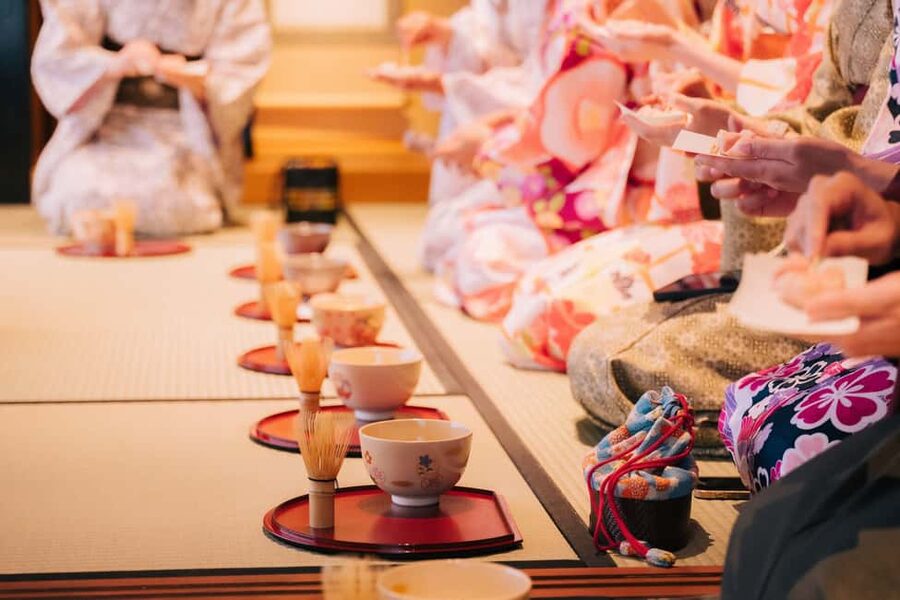
The staff receive the strongest praise for their warmth, patience, and care. The dressing team helps you feel comfortable, the tea instructor explains each stage clearly, and staff members take photographs during the visit.
Juki is mentioned by name as part of the team that helped make the tea experience special. Other staff members have also helped participants find restaurants, locate a bus stop, and take better photographs. Those small acts are valuable in Gion, where it is easy to spend the day surrounded by sights but still feel unsure about local details.
The atmosphere depends partly on the instructor leading your session, but the activity is designed around personal attention. English is the listed language, and the instruction covers both the practical steps and the cultural meaning behind them.
Do not expect every staff member to hold a long conversation in English. The tea instruction itself is provided in English, while the dressing process may rely on gestures and demonstration. That is usually enough, since the kimono fitting is hands-on.
Is $49 a fair price in Kyoto?
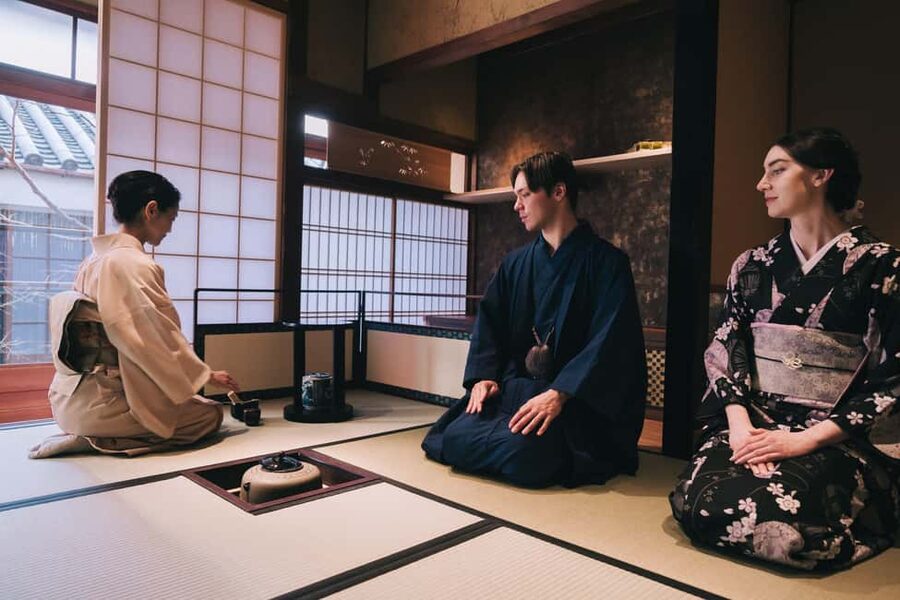
At $49 per person, the basic experience includes the kimono set rental, simple hairstyling, tea utensils, matcha, wagashi, a licensed guide, and all fees and taxes. You are paying for more than a bowl of tea. The clothing rental and dressing service alone add practical value, especially if you would otherwise book a separate kimono rental.
The price looks strongest for an early session that lets you wear the kimono afterward. If you use the outfit for a walk and photographs until the stated return time, the activity can replace a separate dressing and rental appointment.
The calligraphy version should be judged on its own price, since the supplied fare is listed at $49 and the calligraphy set is included only with that option. Compare the available choices before paying.
I would not book this solely for a free costume change. The real value comes from the instruction, the calm tea-room setting, and the chance to understand what you are wearing. If you want a fast photo session with no ceremony, a basic rental may suit you better.
Who should book this Gion experience?
I would recommend it to first-time visitors who want a clear introduction to Japanese customs. You get the visual pleasure of a kimono, but also a real activity with steps, meaning, and participation.
It is especially good for:
- Couples looking for a shared Kyoto memory
- Friends who want photographs with more substance than a costume rental
- Families with older children or teenagers
- Visitors curious about matcha and Japanese tea culture
- Anyone who wants an English-led cultural activity in central Gion
- People who would like to add calligraphy to a traditional experience
You may want to skip it if you dislike formal clothing, have trouble sitting comfortably, or have only a narrow window before another reservation. The ceremony is calm and guided, not fast-moving entertainment.
Booking details worth knowing
You can reserve now and pay later, which helps if your Kyoto schedule is still changing. Free cancellation is available up to 24 hours before the activity for a full refund.
Starting times vary, so check availability before planning your day. Transport to Gion Oritsuruya is not included. The maximum group size is 10, and the instructor language is English.
For the smoothest visit, wear clothing that is easy to change out of and avoid carrying more than you need. Since the kimono may be available for use after the ceremony, think about the weather and your planned walking route before choosing a morning slot.
Should you book the Orizuruya tea ceremony?
Yes, if you want a cultural activity that combines dressing, learning, tasting, and making something yourself. The most appealing part is the balance: the kimono provides the visual pleasure, while the matcha lesson and tea-room explanation give the visit substance.
Choose the 90-minute tea ceremony if you want a focused introduction. Choose the two-hour option if calligraphy interests you or you prefer a slower visit. An early booking offers the best value if the kimono can be kept until 5 p.m., but confirm that condition for your date.
At $49, this is a sensible choice for a first Kyoto cultural experience, particularly because it is near Gion and may serve as both a ceremony and a short kimono rental. It is not a substitute for a full study of tea practice, but it gives you a respectful, practical beginning without making etiquette feel intimidating.
FAQ
Where is the kimono tea ceremony held?
It is held at Gion Oritsuruya, 572-7 Minamigawa, Gion-machi, Higashiyama-ku, Kyoto-shi, Kyoto.
How do I reach Gion Oritsuruya?
The meeting point is about a 7-minute walk from Keihan Gion-Shijo Station and about a 10-minute walk from Hankyu Kyoto-Kawaramachi Station.
How long does the tea ceremony take?
The kimono tea ceremony lasts approximately 1 hour and 30 minutes. The tea ceremony with Japanese calligraphy lasts about 2 hours.
How many people can join the activity?
The group is limited to a maximum of 10 participants.
Is the instruction available in English?
Yes. The listed instructor language is English.
How many kimono designs are available?
You can choose from more than 200 kimono designs, with staff assistance during the selection and dressing process.
Is hairstyling included?
Yes. Simple hairstyling is included for women.
What food and drink are included?
The activity includes matcha and wagashi, a Japanese sweet served with tea. The sweets come from a confectionery with about 100 years of history.
Is Japanese calligraphy included?
Calligraphy is included only when you select the Japanese Calligraphy Experience option. That option also includes a Japanese calligraphy set rental.
Can I cancel the booking?
You can cancel up to 24 hours in advance for a full refund. You can also reserve now and pay later.
More Kimono Rentals in Kyoto
- Kimono Tea Ceremony at Kyoto Maikoya, NISHIKI
★ 5.0 · 911 reviews - Kyoto: Kimono Rental with Hairstyling and Accessories
★ 4.8 · 653 reviews - KYOTO Tea Ceremony with kimono near by Imamiya Jinjya Shrine
★ 5.0 · 343 reviews - Kyoto: Kimono and Tea Ceremony Experience at Cultural Asset
★ 4.3 · 306 reviews
Recently added around Kyoto
- Higashiyama | Kyoto: Sakura Season Private Rickshaw Tour★ 5.0 · 3 reviews
- Kyoto Kimono Rental CHAMATSU|Kimono/Yukata Rental FamilyPlan★ 5.0 · 3 reviews
- Kyoto: Half-Day Private Guided Tour to the Old Town of Gion★ 4.4 · 3 reviews
- Nara Private Customizable Half Day Tour★ 5.0 · 3 reviews
- Kansai Region Hiking Adventure in Nara Kobe Kyoto and More★ 5.0 · 3 reviews
- Full Day Nara Deer, Temple, Shrine, Activities & Tea Ceremony★ 5.0 · 3 reviews
- Nara: Essential Private Tour with Deer Park and Temples★ 5.0 · 3 reviews
- Hiking Tour for Sacred Sites in Kyoto with a Guide★ 5.0 · 3 reviews
Gion Geisha District Tours, compared.
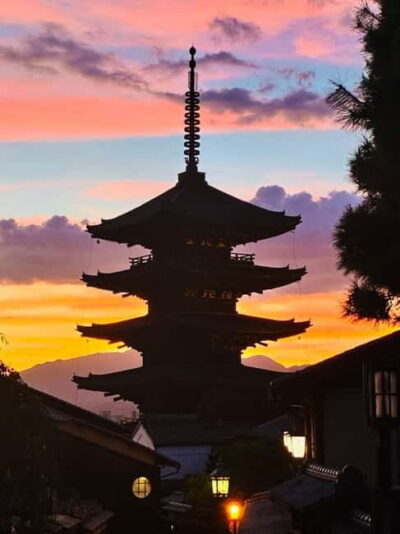
Kyoto Geisha Walking Tour: Gion District & Hidden Gems
Read our review →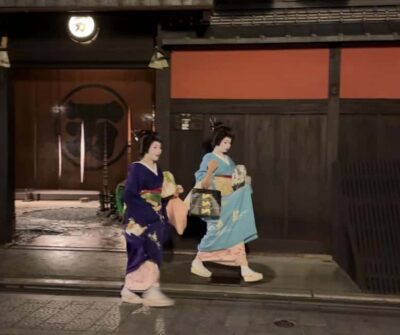
Gion Magical Night Walking Tour with Geisha Trivia
Read our review →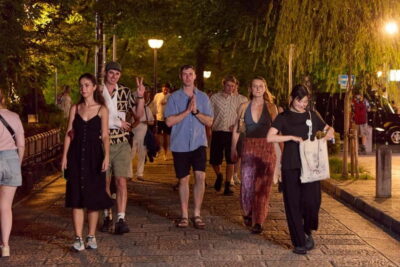
Gion Geisha District Walking Tour – Stories of Geisha
Read our review →
Best of Kyoto: Gion, Geisha, Pagodas & Cobblestones
Read our review →
Kyoto Night Foodie Tour in Gion (9+ dishes + 6 Sake tastings)
Read our review →
Kyoto Gion Geisha District Walking Tour – The Stories of Geisha
Read our review →
Kyoto Gion: 2-Hour Geisha Culture & History Walking Tour
Read our review →Browse the lists this tour appears in