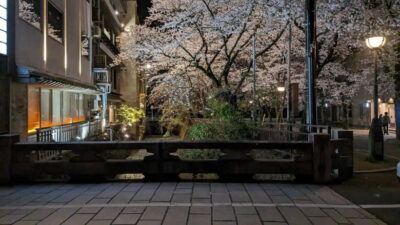
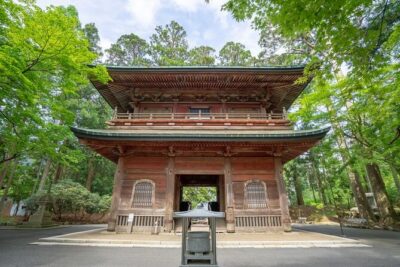
Kyoto keeps sixteen hundred temples. You have four days.
Which tea ceremony actually puts the whisk in your hand. What time to reach Fushimi Inari before the gates fill up. Whether Nara fits into an afternoon. Reviews of every tour you can book in Kyoto.
Fushimi Inari, a tea room, Gion at dusk, the train to Nara.
The four bookings a first Kyoto itinerary hangs off. What each one costs, and what the people who took it say.
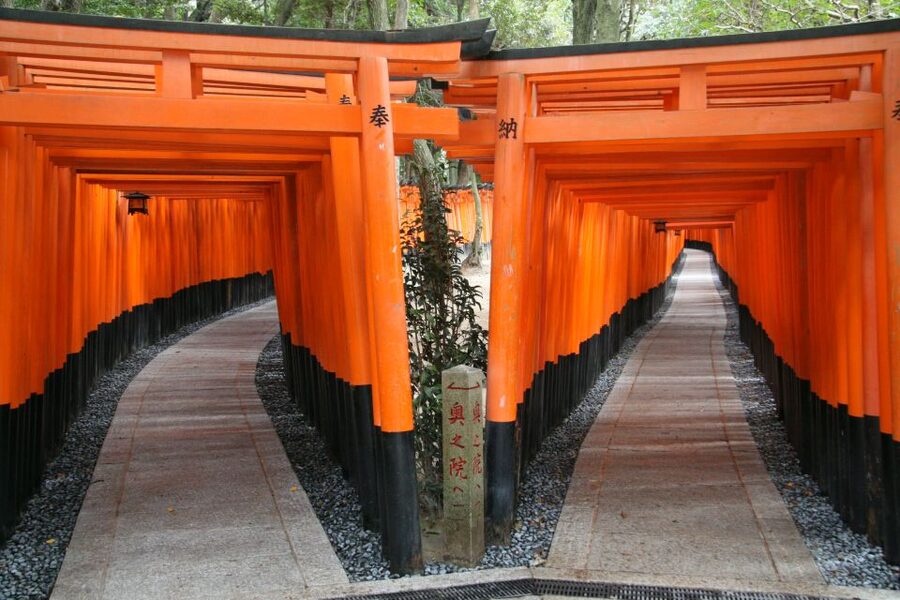 01The orientation dayFushimi Inari, Kinkakuji, Bamboo Grove 1 Day Bus TourFushimi Inari, Kinkaku-ji and the bamboo grove in one run, with the transport solved. Take it on day one and the rest of the week makes sense.
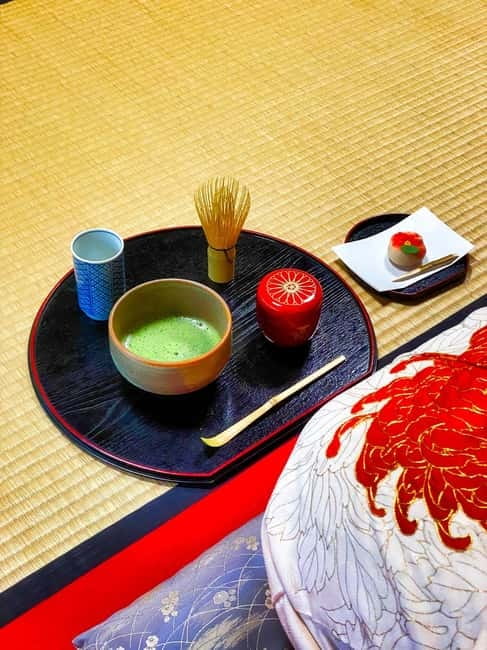 02The tea room hourTea Ceremony in a Traditional Tea House in KiyomizuA machiya tea house below Kiyomizu-dera, matcha whisked in front of you and a sweet chosen for the month.
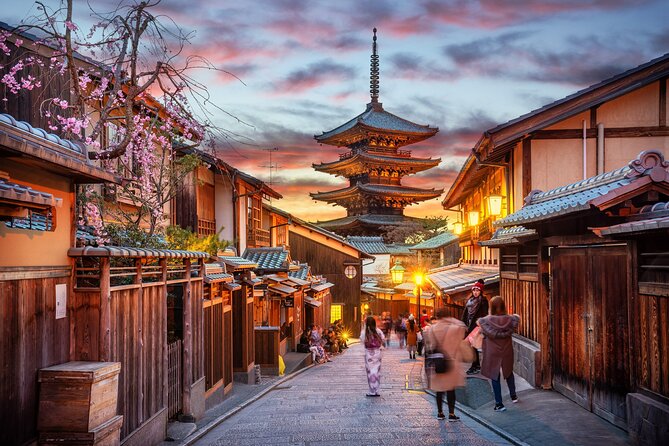
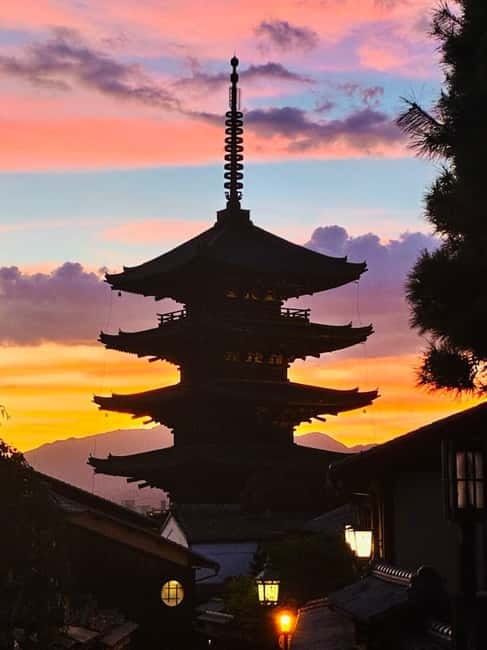 03The Gion eveningKyoto Geisha Walking Tour: Gion District & Hidden GemsTeahouse lanes, the Shirakawa canal and the hanamachi at the hour it starts working. Go at dusk, not at noon.
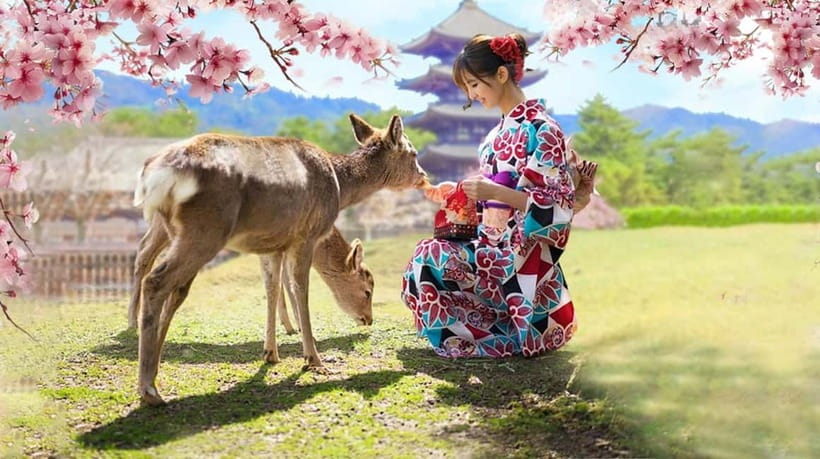 04The day out to NaraKyoto/Osaka: Nara, Fushimi Inari Taisha, Arashiyama Bus TourThe great bronze Buddha and the deer on the park lawns, with Fushimi Inari and Arashiyama folded into the same day.
Gion is a working district, not a set. Three ways to walk it.
The five hanamachi still put maiko on the street at six in the evening, on their way to appointments that have nothing to do with you. Three kinds of walk, what it costs to join each one, and the hour it suits.
★★★★★★★★★★ 4.7 · Kyoto Geisha Walking Tour: Gion District & Hidden Gems
 The daylight walkShirakawa canal, the teahouse fronts, and who the women in silk actually are.
 After darkLantern light on Pontocho and the back lanes, once the district goes to work.
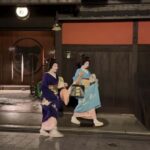 The whole eveningDinner, a performance, and a walk that finishes at the Yasaka gate.
All 141 walks through the hanamachi →
Six places to build a Kyoto day around.
A hillside of vermilion gates, a bamboo road on the west bank, stone lanes climbing to Kiyomizu-dera, five blocks of pickle stalls, the teahouse quarter, and the deer park an hour south. Start in one, and the best day out in each.
In Kyoto the day is measured in gates.
Kiyomizu-dera on its stilts over the hillside, the gold pavilion sitting in its own reflection, Nijo Castle with floors built to squeak underfoot, and Fushimi Inari climbing behind all of it. A guide is the difference between a nice photograph and knowing what you are looking at.
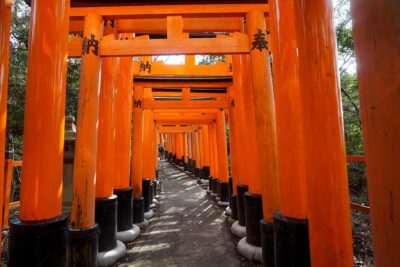
What everyone books first in Kyoto.
Every Kyoto tour we have reviewed →The days out more travellers take than anything else in the city, and what earns each of them the slot.
 1
PERFECT KYOTO 1-Day Bus Tour
See Kyoto’s major temples, shrines, Golden Pavilion, bamboo forest, and Fushimi Inari in one organized 8 to 9 hour bus tour.
From · $129
Read our review →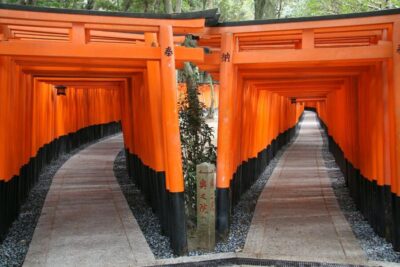 2
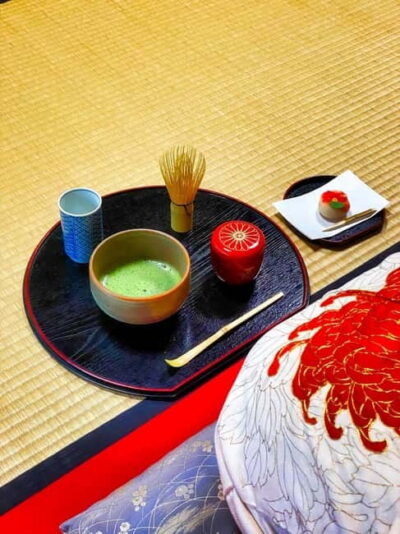
Fushimi Inari, Kinkakuji, Bamboo Grove 1 Day Bus Tour
from $122
 3
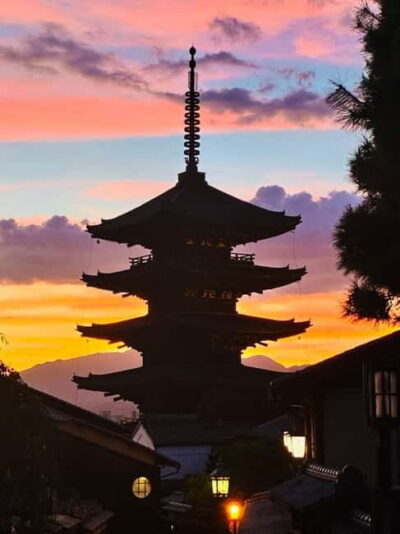
Tea Ceremony in a Traditional Tea House in Kiyomizu
from $49
 4
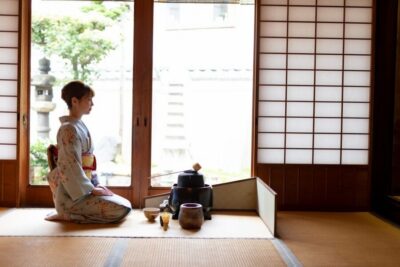
Kyoto Geisha Walking Tour: Gion District & Hidden Gems
from $25
 5
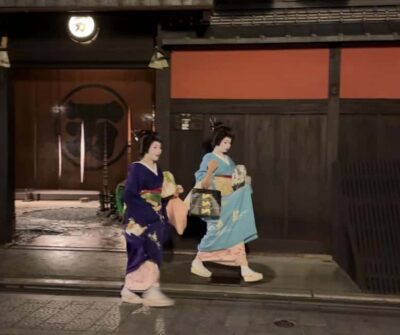
Tea Ceremony Ju-An at Jotokuji Temple
from $29
 6
Gion Magical Night Walking Tour with Geisha Trivia
from $24
 7
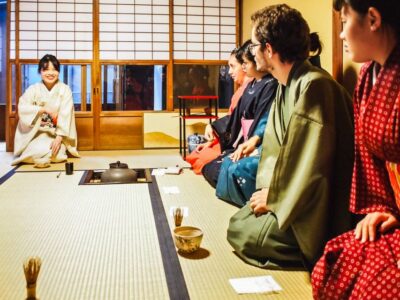
45-Minute Tea Ceremony Lesson Experience
from $22
 8
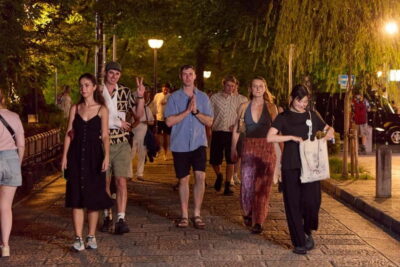
Gion Geisha District Walking Tour – Stories of Geisha
from $20
Kyoto invented the fuss around a bowl of tea. Sit down for it.
An hour in a tea room, a morning grinding your own matcha in Uji, an afternoon shaping seasonal sweets that only exist for three weeks of the year. This is the part of Kyoto that has to be booked, because it happens indoors and it seats eight.
What a day in Kyoto actually costs.
Every tour on the site, grouped by what it costs. A good number of the best Kyoto hours come in under the price of dinner.
Tea rooms, kimono for the day, district walks and the shrine and temple visits with a guide attached.
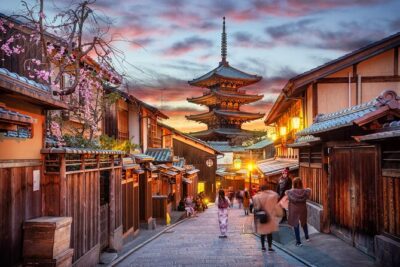
The full-day standards: the temple loop by bus, Arashiyama and Fushimi in one run, Nara and back.
- 1PERFECT KYOTO 1-Day Bus Tourfrom $129
- 2Fushimi Inari, Kinkakuji, Bamboo Grove 1 Day Bus Tourfrom $122
- 3Hidden Kyoto E-Biking tourfrom $116

Private guides for a whole day, a car and driver, kaiseki counters and the once-a-trip splurges that earn it.
Three things that only happen in Kyoto.
Old towns and good food exist all over Japan. A mountain wrapped in ten thousand donated gates, a road cut through sixty-foot bamboo, and a temple that will let you sit with its monks at dawn do not.
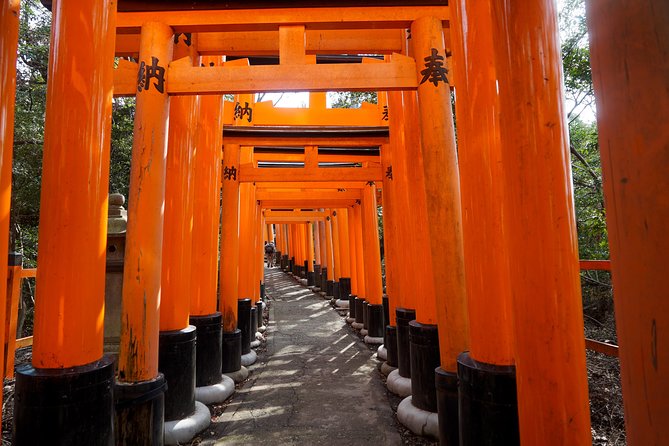
The Fushimi Inari Torii
Every gate on the mountain was paid for by a business asking Inari for a good year, and the donor’s name is painted down the back of each post. The path runs four kilometres to the summit and most people turn round at the Yotsutsuji viewpoint, which is where the crowd thins and the gates start to age. It is open all night and free, so the trick is the hour, not the ticket.
- 1Fushimi Inari, Kinkakuji, Bamboo Grove 1 Day Bus Tour★★★★★★★★★★ 4.8 · 4,316 reviews
- 2Fushimi Inari Hidden Hiking Tour (Private Option Available)★★★★★★★★★★ 5.0 · 1,750 reviews
- 3Kyoto/Osaka: Nara, Fushimi Inari Taisha, Arashiyama Bus Tour★★★★★★★★★★ 4.7 · 1,275 reviews
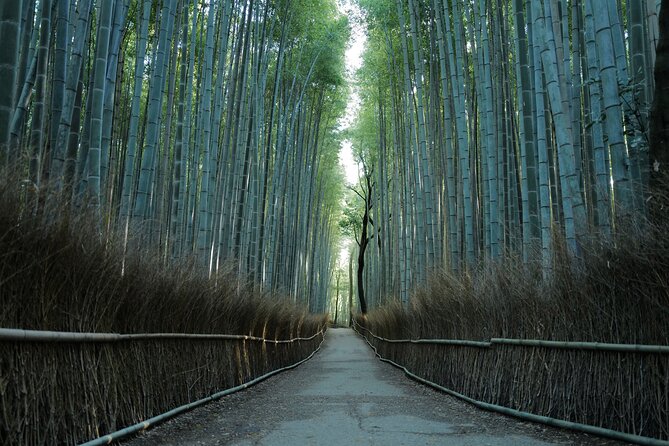
The Arashiyama Bamboo Road
The grove is a working plantation on the edge of the Saga hills, thinned every year so the light gets down to the floor. The path is short — ten minutes at a walk — which is why the hour matters more than the map: by nine it is shoulder to shoulder, and by five the coach parties have gone and the sound comes back.
- 1Fushimi Inari, Kinkakuji, Bamboo Grove 1 Day Bus Tour★★★★★★★★★★ 4.8 · 4,316 reviews
- 2Kyoto/Osaka: Nara, Fushimi Inari Taisha, Arashiyama Bus Tour★★★★★★★★★★ 4.7 · 1,275 reviews
- 3Kyoto Arashiyama Walking Tour: Bamboo, Monkeys, Gardens & Secrets★★★★★★★★★★ 5.0 · 1,216 reviews
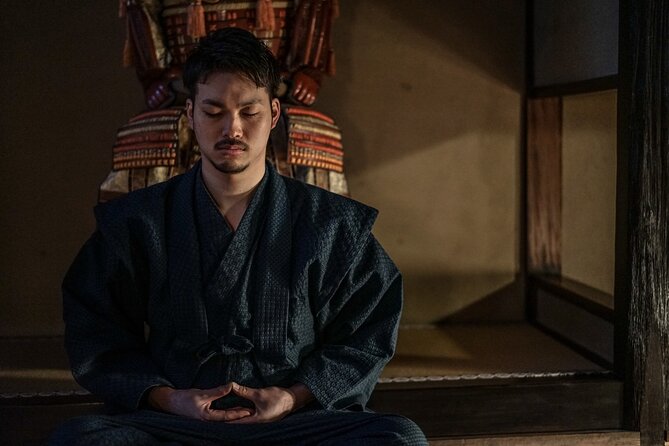
Zazen in a Working Temple
A handful of Rinzai temples open their hall to visitors for early zazen, half an hour of sitting followed by tea with the priest. Nobody is gentle about the posture and the stick is real, though you have to ask for it. It is the one hour in Kyoto where the point is that nothing photographs.
- 1Kyoto Zen Meditation & Garden Tour at a Zen Temple with Lunch★★★★★★★★★★ 5.0 · 441 reviews
- 2Zen Experience in a Hidden Temple★★★★★★★★★★ 5.0 · 437 reviews
- 3Tea Ceremony Meditation – Make Matcha with Tea Master★★★★★★★★★★ 4.8 · 406 reviews
Four Kyoto bookings that will not wait.
Most of this city can be arranged over breakfast. These four run on sittings, one daily departure and a shop that wants its silk back before closing, and none of them care when your shinkansen gets in.
- 01Tea Ceremony in a Traditional Tea House in KiyomizuA tea room seats a handful of guests and each sitting runs to a set hour. Turning up on the day is rarely a thing.
- 02Kyoto Early Morning Tour with English-Speaking GuideOne departure, before the gates fill. Miss it and the next chance is tomorrow morning.
- 03Kimono Tea Ceremony at Kyoto Maikoya, NISHIKIYou are fitted in the morning and the shop wants the silk back before it closes, so the good rental houses fill their day early.
- 04Kyoto Evening Gion Food Tour Including Kaiseki DinnerA counter kitchen seats about eight and buys in for the people it already knows are coming.
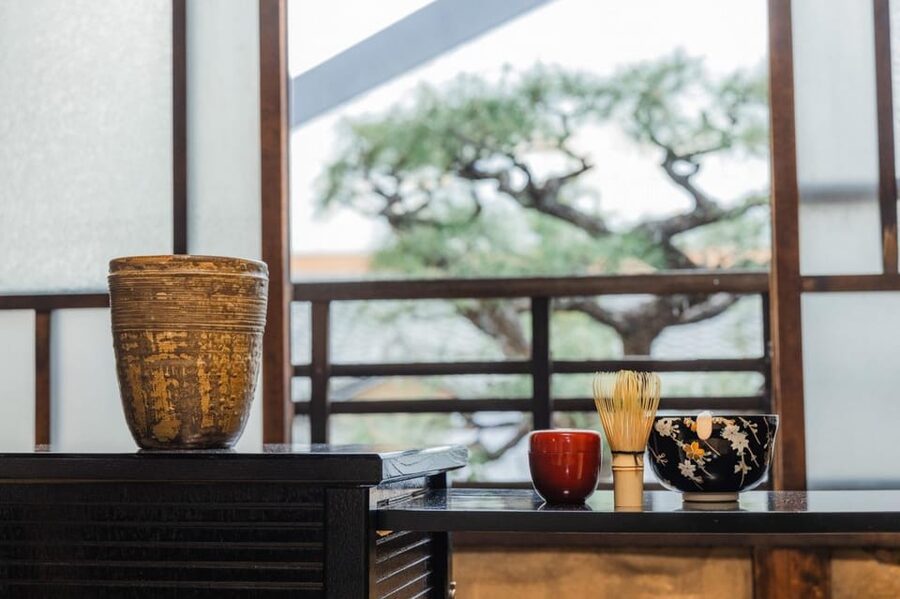
When the rain sets in over the Kyoto basin.
The city sits in a bowl with hills on three sides, which makes June wet and August airless. Both have the same answer: put the gardens off until the evening and spend the middle of the day indoors, with your hands busy. Tea rooms, kitchens, workshops and a couple of good collections.
By place — the districts and the day trips
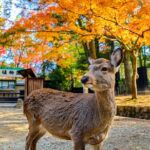
By kind of day — tea room, temple, kitchen or bicycle
Higashiyama, Gion, Fushimi Inari, Nara: the three days almost everybody does first.
The newest Kyoto tour reviews.
The rest of the new ones →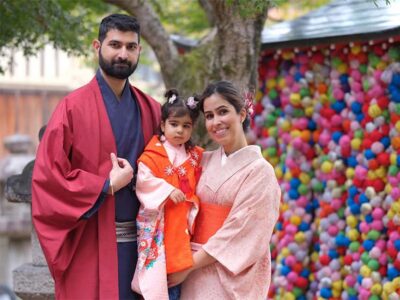
Kyoto Kimono Rental CHAMATSU|Kimono/Yukata Rental FamilyPlan
Read our review →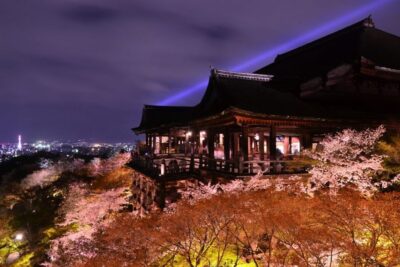
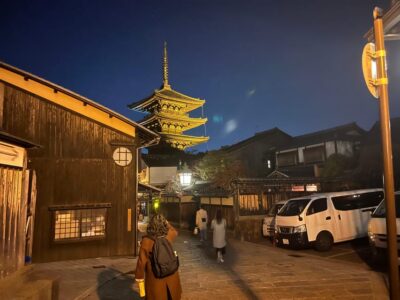
Half-Day Private Guided Tour to the Old Town of Gion
Read our review →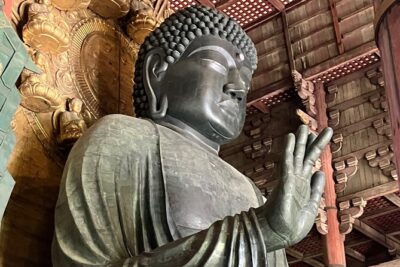
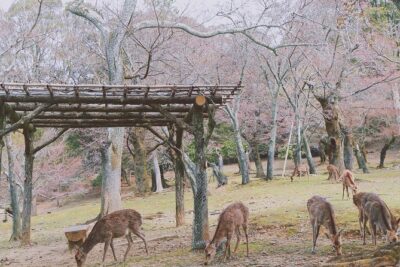
Essential Private Tour with Deer Park and Temples
Read our review →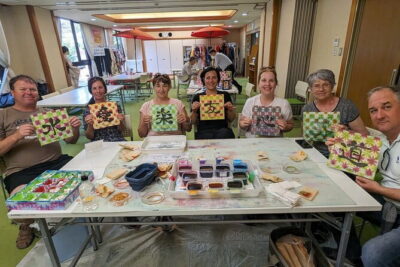
Full Day Nara Deer, Temple, Shrine, Activities & Tea Ceremony
Read our review →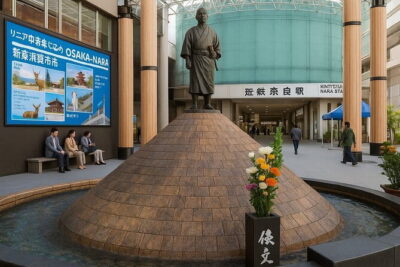
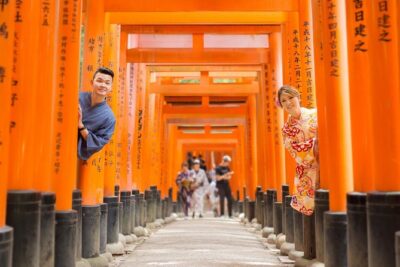
Photo Shoot with a Private Vacation Photographer in KYOTO, JAPAN
Read our review →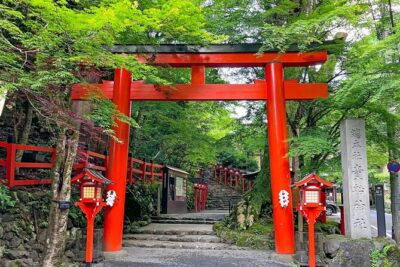
Hiking Tour for Sacred Sites in Kyoto with a Guide
Read our review →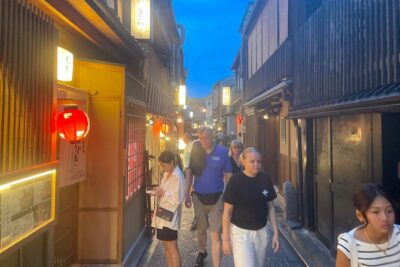
Kyoto Night Food & Izakaya Hopping Tour in Pontocho
Read our review →
Customized Private Kyoto Tour by a local tour guide
Read our review →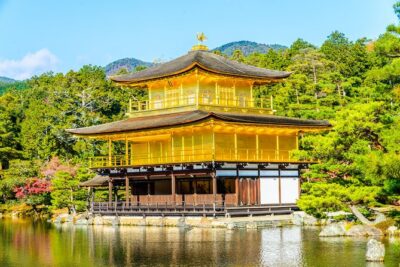
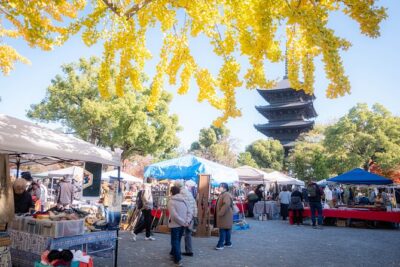
Kyoto Flea Market Cultural Exchange with English Learners
Read our review →