
REVIEW · KYOTO SAMURAI EXPERIENCES
Kyoto: Samurai Sword Class by Experts in Traditional Arts
A samurai sword class in Kyoto is less about wild sword swinging than controlled movement, ceremony, and Kenbu, the stylized sword dance passed down through Japanese tradition. You watch a short introduction, dress in samurai clothing, learn to bow to the sword, then practice drawing, striking, and sheathing it under close instruction.
I like the way the class mixes practical activity with a proper performance, so you see both the beginner’s version and the polished art. I also like the costume choice, photo session, souvenir tenugui towel, and certificate, which give the experience a satisfying finish. The main consideration is that this is a small indoor class with no observation-only option, and changing into costume takes some planning.
In This Review
- Key Points Before You Book
- What This Kyoto Sword Class Really Teaches
- From Street-Level Kyoto to the Dojo
- Choosing Your Costume and Preparing to Move
- Learning to Bow, Draw, Strike, and Sheathe
- Why the Small Group Size Matters
- The Photo Session Is Part of the Value
- The Kenbu Performance Changes the Picture
- Certificate, Towel, and the Final Bow
- Price, Timing, and Practical Value
- What Could Disappoint You
- Who Should Book This Experience?
- Should You Book the Kyoto Samurai Sword Class?
- FAQ
- Where does the samurai sword class take place?
- How long does the experience last?
- Is the class taught in English?
- What will I learn during the lesson?
- Is a performance included?
- Are costumes and photos included?
- Can children participate?
- Can I bring luggage or watch without participating?
Key Points Before You Book
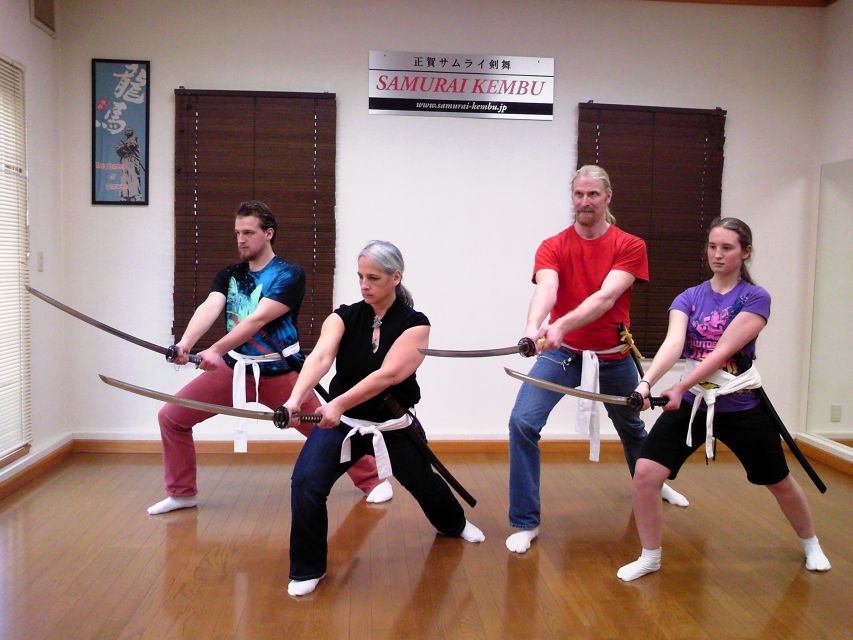
- Learn the formal basics: Bow correctly, handle the sword safely, draw it, perform stylized strikes, and return it to its scabbard.
- Meet instructors from the Kenbu tradition: English and Japanese instruction is available, with instructors including Kazu, Hoga, Kashin, Rui, and others.
- Wear traditional samurai clothing: You choose an outfit, then take individual and group photos during a short photo session.
- See the art performed properly: Depending on your booking, you can watch a 10-minute or 30-minute Kenbu performance with commentary.
- Keep useful souvenirs: The experience includes a completion certificate and traditional tenugui towel.
- Expect a small class: Groups are limited to 10, though a quiet time may give you more individual attention.
What This Kyoto Sword Class Really Teaches
The word samurai can bring movie battles to mind, but this class takes a calmer and more careful route. You study the manners and body control behind a sword art, not combat training in the modern sporting sense.
The focus is Kenbu, a performance tradition that combines sword movements, dance, posture, music, and expressive gestures. That distinction matters. You will learn a short sequence of formal movements, but you should not book this expecting a full martial arts course or advanced sword instruction.
The lesson begins with a four-minute film covering basic samurai background. It is brief, which works well in a 90-minute to two-hour activity. You get enough context to understand the ritual and movements without spending most of your appointment sitting in a lecture.
Your instructor then explains how to bow before beginning. This small detail sets the tone. The sword is treated as part of a formal practice, and the class asks you to pay attention to how you stand, where you look, and how you move your hands.
More samurai and sword sessions:
- Kyoto Samurai Experience
★ 5.0 · 1,294 reviews - Kyoto: Kendo and Samurai Experience with Uniform and Gear
★ 4.9 · 815 reviews - Skip the lines Basic Ticket at SAMURAI NINJA MUSEUM KYOTO
★ 4.5 · 632 reviews
From Street-Level Kyoto to the Dojo
The meeting point is the Samurai Kembu Theater in Kyoto, at 35-7 Sanchome, Higashi-iru, Sanjo-hanamikoji, Higashiyama-ku. The dojo is in the basement of the Gozan Building, so allow a little time to find the entrance and go downstairs.
This is a central Higashiyama location, making the class easy to pair with sightseeing in the area. The experience itself does not include hotel pickup or drop-off, so you need to make your own way there.
The room is a working activity space, not a lounge. There is no waiting room, and people without an appointment cannot wait inside. Large suitcases, travel bags, and oversized luggage do not fit the setup, so leave them at your accommodation or use a suitable storage option before arriving.
Arrive ready to participate. There is no option to sit on the side and watch while others take the lesson. If someone in your party wants only to observe, contact the provider before booking because the activity is designed for booked participants.
Choosing Your Costume and Preparing to Move
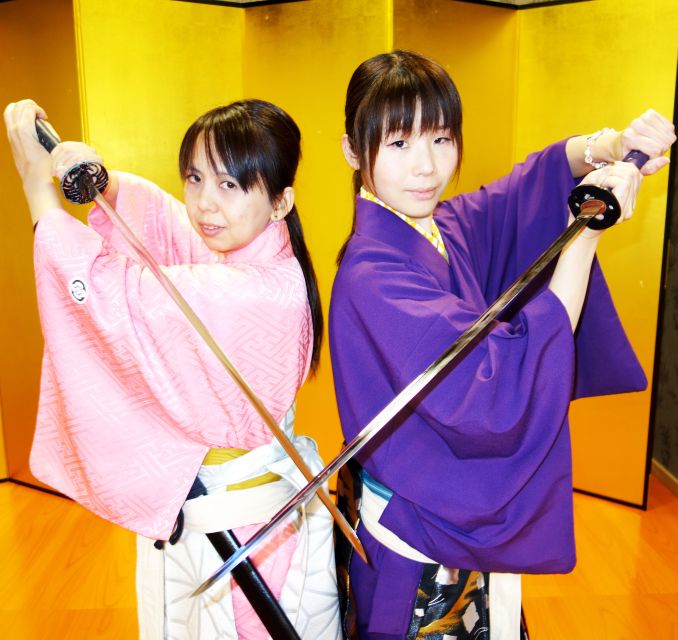
Part of the appeal is changing into traditional samurai clothing. You select your costume, and staff help prepare you for the lesson. The outfit makes the session feel more like a cultural activity than a simple photo opportunity.
Wear clothing that allows you to move. A single hoodie or tights are specifically poor choices for changing into the costume. Comfortable exercise clothing is the practical answer, especially since you will be stepping, turning, raising your arms, and handling a sword.
The costume is not just decoration. It gives you a sense of how posture and movement work together. Several people find that the clothing makes them more aware of balance and body position, which is exactly what the instructor is trying to teach.
You also receive a tenugui, a traditional Japanese towel. Some participants have found the towel, socks, or another small clothing item especially useful as a keepsake. The exact items you retain can depend on the arrangement on the day, but the tenugui is listed as included.
Learning to Bow, Draw, Strike, and Sheathe
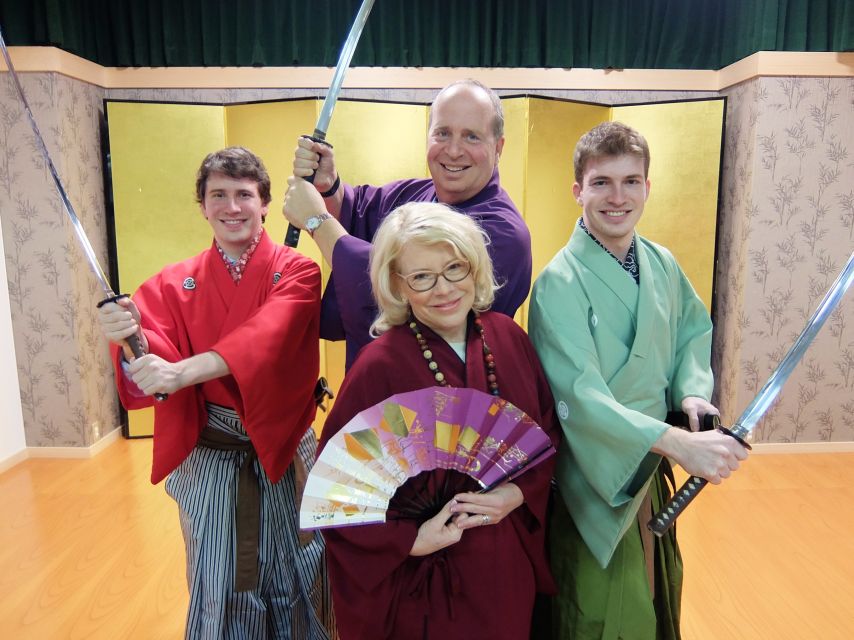
Once dressed, you take hold of a samurai sword and begin with the basic handling rules. The first lesson is not a dramatic slash. It is how to show respect before training begins.
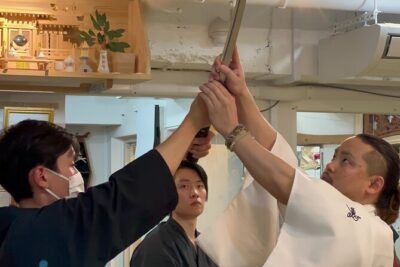
You learn the correct bow toward the sword and instructor, then practice drawing the sword from its scabbard. Drawing and replacing a sword look simple in a film, but the class breaks the action into parts so you can control your hands and stance.
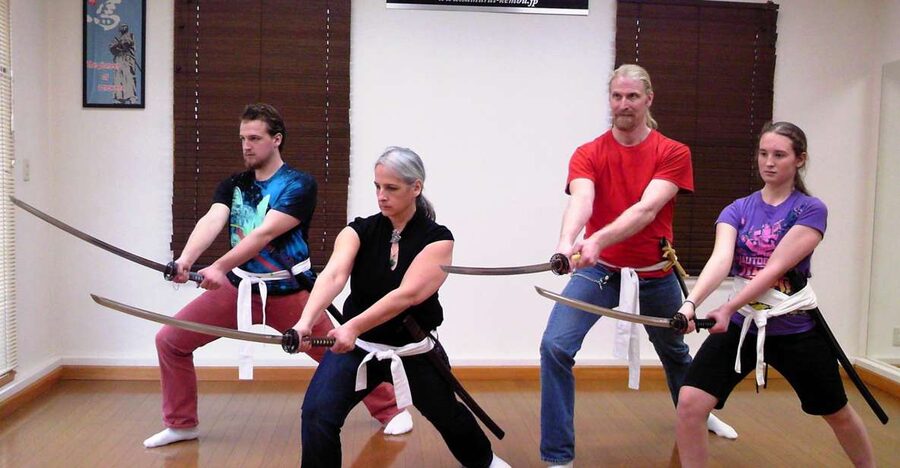
The instructor demonstrates each movement, then has you repeat it. Expect corrections on foot placement, arm position, timing, and the direction of your gaze. The goal is not speed. It is a clean, deliberate sequence.
You then learn several stylized strikes and a short Kenbu routine. The moves are designed for appearance and control, so you are practicing a choreographed art rather than striking another person. You also learn how to use the sword to show respect to an opponent, including a formal bow.
This is where the class can be more demanding than it first appears. You need to remember several steps while keeping your body relaxed and your sword pointed in the right direction. The challenge is physical, but it is also about concentration and rhythm.
Instructors have been praised for keeping the mood light while giving clear corrections. Kazu is frequently singled out for patience and humor, while Hoga and Kashin have also led sessions that combine careful teaching with a friendly approach. Rui has been noted for an entertaining style, and other instructors may lead your class depending on the schedule.
More workshops and classes in Kyoto:
- Kyoto: 45-Minute Tea Ceremony Lesson Experience
★ 4.3 · 2,378 reviews - Kyoto : Chopsticks Making Workshop in Gion with Engraving Option
★ 5.0 · 958 reviews - Kyoto: Ramen Cooking Class at a Ramen Factory with Souvenir
★ 4.9 · 532 reviews - Ninja 1-hour Hands-on Lesson by Japanese master in Kyoto -Entry
★ 5.0 · 489 reviews
Why the Small Group Size Matters
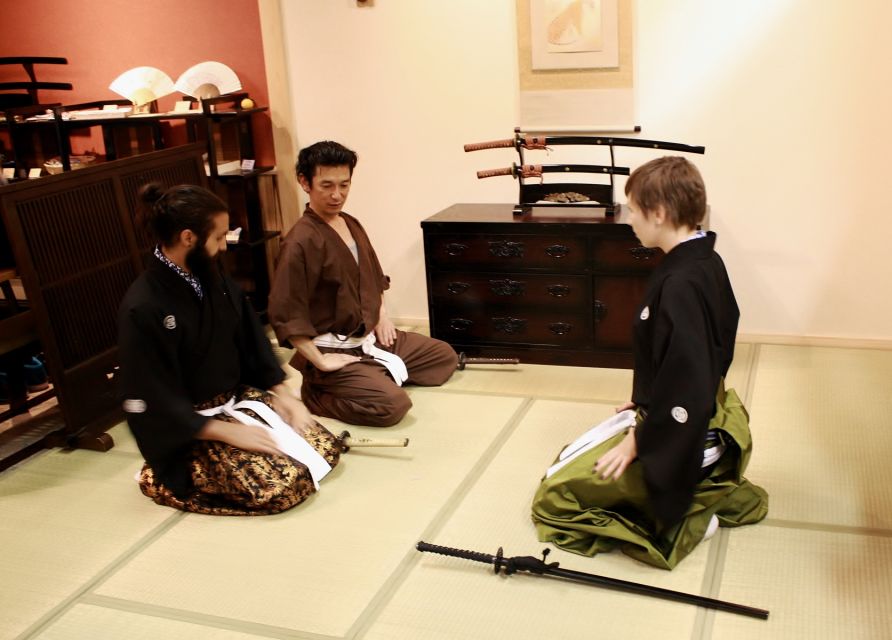
The class is limited to 10 participants. That is still large enough for a lively group atmosphere, but small enough for the instructor to see what each person is doing.
If you are nervous about looking awkward, the group format helps. Everyone is learning the same basic sequence, and nobody is expected to perform at a professional level. The instructor demonstrates, the group repeats, and you get time to refine the movements.
A quiet booking time may be even better. One participant who chose a less busy time received a one-to-one lesson, allowing the instructor to adjust technique at every stage. You cannot count on a private class, but starting-time availability may affect how much personal attention you receive.
Families can work well here, with one important condition: children under 4 are not suitable for the activity. Children aged 5 to 10 may participate, but the provider recommends that they have some martial arts experience or prior learning experience because the lesson is conducted alongside adults.
Older children and teenagers may particularly enjoy the mix of costume, movement, and performance. The activity has also worked for adults who are not normally interested in swords, since the focus is art and ceremony rather than fighting.
The Photo Session Is Part of the Value
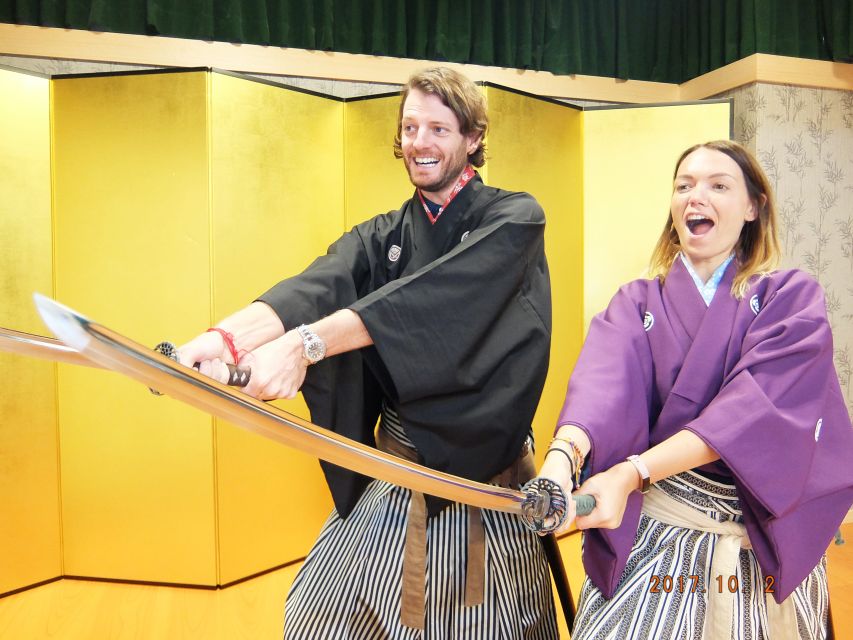
The costume photo session is short, but it is not an afterthought. Staff arrange time for individual groups to take pictures and videos, so you can leave with a clear memory of the experience.
This is one reason the $64 price feels reasonable for many visitors. You are not paying only for a short sword demonstration. The fee covers instruction, costume use, a photo session, a tenugui towel, and a completion certificate, with a performance included according to the option selected.
The photos also give you a chance to enjoy the costume without rushing. If you are visiting with family or friends, plan to take turns and listen carefully when staff direct you. The room is shared, and the session has to fit within the overall class schedule.
Do not arrive with the expectation that the photo session will replace the lesson. The best pictures come after you have learned how to stand, hold the sword, and use the costume with some confidence.
The Kenbu Performance Changes the Picture
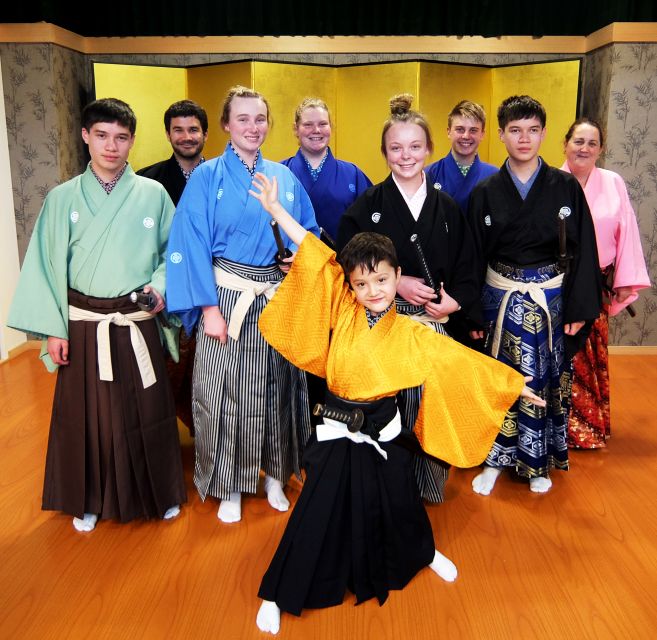
The most memorable part for many people is seeing an instructor perform Kenbu after the class. Your own movements are slow and carefully taught. The performance shows what the same ideas look like when handled by a trained artist.
Depending on your selected option, the performance lasts 10 or 30 minutes and includes commentary from a sword dance instructor. It helps explain the difference between sword combat as shown in popular entertainment and Kenbu as a stage art built on control, expression, and tradition.
The demonstrations can include strong, fast movements, but the point is not simple spectacle. You can watch how the performer uses pauses, direction, posture, and the sword’s path to create meaning.
Some options place the performance at the beginning, while others place it at the end. If you have a choice, I prefer the performance after the lesson. You will recognize the bow, draw, and strikes you have just practiced, and you will have a better sense of how much skill lies behind a smooth routine.
A 10-minute version gives you a useful introduction without taking over the class. The 30-minute option suits you if the cultural and performance side matters as much as the hands-on lesson.
Certificate, Towel, and the Final Bow
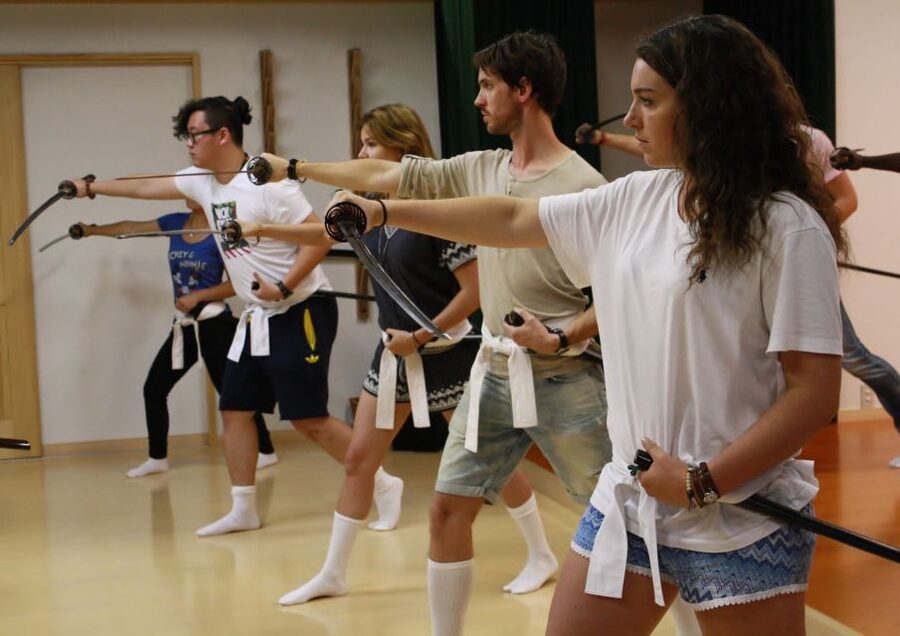
At the end, you bow respectfully to the instructor and receive a completion certificate. It is a small ceremony, but it gives the class a clear ending.
The certificate is not a professional qualification. Think of it as a cheerful record of taking part and completing the lesson. Along with the tenugui towel and photographs, it makes the experience easy to remember after you return home.
The final bow also reinforces the lesson’s central idea: the sword is handled with respect. That is a better takeaway than simply learning a few dramatic poses.
Price, Timing, and Practical Value
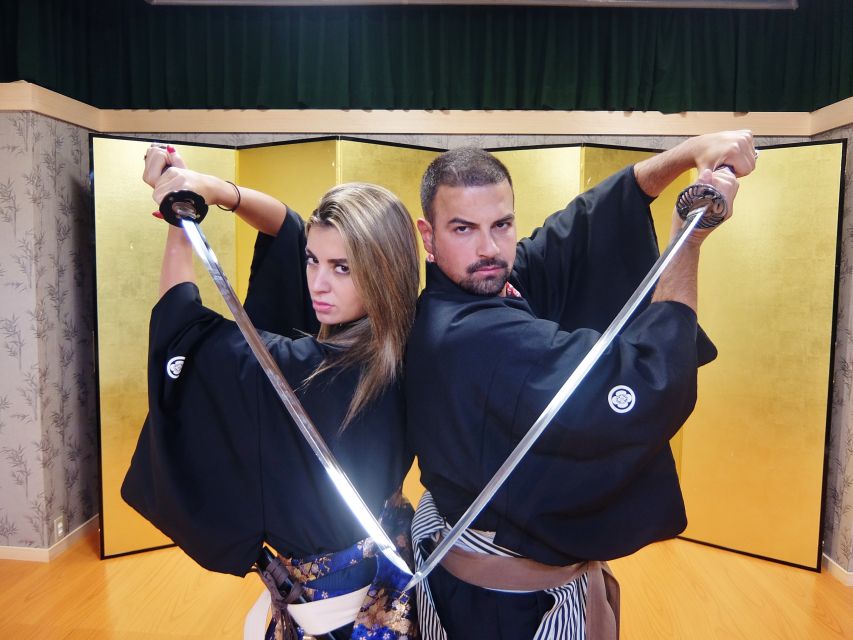
At $64 per person, this is not the cheapest short activity in Kyoto. It is, however, a solid value if you want an organized cultural experience with several parts included.
You receive an English-speaking instructor, though Japanese instruction is also available, plus costume use, hands-on teaching, photographs, a traditional towel, and a certificate. The performance option adds another layer, especially if you choose the 30-minute presentation.
The listed duration ranges from 90 minutes to two hours. That gives you enough time for the film, changing, instruction, photos, and performance without consuming half a day. It is a useful choice for a Kyoto schedule filled with temples, gardens, and meals.
Food and drinks are not included. You should also avoid arriving with alcohol in your system, and smoking is not allowed. Pets, sharp objects, weapons, large bags, food, alcohol, drugs, fireworks, and explosives are prohibited.
Cancellation is flexible up to 24 hours before the activity for a full refund, and you can reserve now and pay later. If you need to cancel, you must do it yourself through GetYourGuide. If the name of a participant changes, notify the provider ahead of time.
What Could Disappoint You
This class is a poor choice if you want advanced swordsmanship, sparring, or a long historical lecture. The history section is short, and the practical routine is designed for beginners.
You also need to be comfortable changing clothes and moving in a shared indoor space. The costume may feel restrictive if you arrive in unsuitable clothing, and there is no room for large luggage.
The class is structured, so you should follow the instructor rather than improvise with the sword. Safety instructions are part of the experience, not a nuisance. A participant who ignores them could spoil the activity for everyone.
The performance length depends on the option you choose. Check that detail before booking, since the shorter and longer versions offer different balances of practice and stage presentation.
Who Should Book This Experience?
I would book this for a first visit to Kyoto if you want an activity that is cultural, active, and easy to fit into a busy day. It works particularly well for families with older children, couples, friends, and solo visitors who want direct contact with a traditional art.
You do not need previous sword training. You only need to listen, move carefully, and accept that your first attempts may look stiff. The instructors are used to beginners and keep the mood approachable.
It also suits you if you enjoy photography but want more than a costume rental. Here, you learn the movements behind the poses, then see the art performed by someone with serious training.
I would skip it if you dislike group instruction, cannot change into a costume, or want a quiet museum-style presentation. The class requires participation from start to finish.
Should You Book the Kyoto Samurai Sword Class?
Yes, if you want a short, well-organized introduction to samurai ceremony and Kenbu. The strongest parts are the patient instruction, the chance to practice drawing and sheathing a sword, the costume photos, and the professional performance that puts your beginner routine into context.
Choose comfortable clothes, leave your luggage behind, and select the 30-minute performance if you care most about the art itself. Pick the 10-minute option if you want more time for the practical class while keeping the experience compact.
At $64, it offers more than a staged photo stop. You learn a sequence, handle the sword with care, meet an instructor such as Kazu or Hoga, take home a towel and certificate, and leave with a clearer idea of Kenbu as disciplined performance. For most Kyoto itineraries, that is a fair exchange for 90 minutes to two hours.
FAQ
Where does the samurai sword class take place?
The activity takes place at Samurai Kembu Theater, Kyoto dojo, at 35-7 Sanchome, Higashi-iru, Sanjo-hanamikoji, Higashiyama-ku, inside the B1F Gozan Building in Kyoto.
How long does the experience last?
The activity lasts between 90 minutes and two hours. The exact time depends on the selected option and performance length.
Is the class taught in English?
Yes. An English-speaking instructor is included, and instruction is available in English and Japanese.
What will I learn during the lesson?
You learn how to bow before the sword, draw it from its scabbard, perform stylized strikes, replace it in the scabbard, and show respect to an opponent with a formal bow.
Is a performance included?
A performance is available as part of the selected option. It lasts either 10 or 30 minutes and includes commentary from a sword dance instructor.
Are costumes and photos included?
Yes. Traditional samurai clothing, a short photo session, and a completion certificate are included. A traditional Japanese tenugui towel is also included.
Can children participate?
Children under 4 cannot participate. Children aged 5 to 10 may join, but prior martial arts or learning experience is recommended because the lesson takes place with adult participants.
Can I bring luggage or watch without participating?
Large luggage and travel bags are not allowed because there is no room for them. Observation only is not permitted, and all booked participants are expected to take part in the lesson.
Recently added around Kyoto
- Higashiyama | Kyoto: Sakura Season Private Rickshaw Tour★ 5.0 · 3 reviews
- Kyoto Kimono Rental CHAMATSU|Kimono/Yukata Rental FamilyPlan★ 5.0 · 3 reviews
- Kyoto: Half-Day Private Guided Tour to the Old Town of Gion★ 4.4 · 3 reviews
- Nara Private Customizable Half Day Tour★ 5.0 · 3 reviews
- Kansai Region Hiking Adventure in Nara Kobe Kyoto and More★ 5.0 · 3 reviews
- Full Day Nara Deer, Temple, Shrine, Activities & Tea Ceremony★ 5.0 · 3 reviews
- Nara: Essential Private Tour with Deer Park and Temples★ 5.0 · 3 reviews
- Hiking Tour for Sacred Sites in Kyoto with a Guide★ 5.0 · 3 reviews
Kyoto Samurai Experiences, compared.
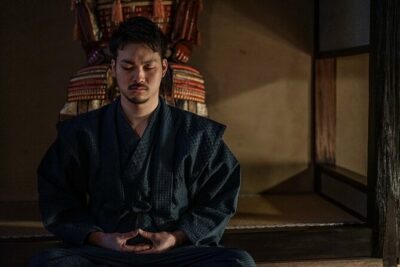
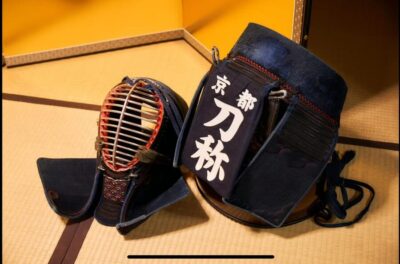
Kendo and Samurai Experience with Uniform and Gear
Read our review →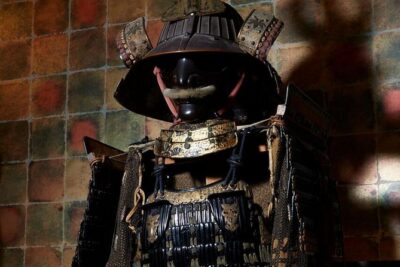
Skip the lines Basic Ticket at SAMURAI NINJA MUSEUM KYOTO
Read our review →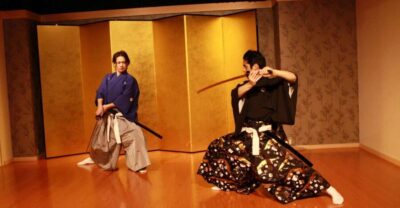
Samurai Training with Modern day Musashi in Kyoto
Read our review →
Private Tea Ceremony and Sake Tasting in Kyoto Samurai House
Read our review →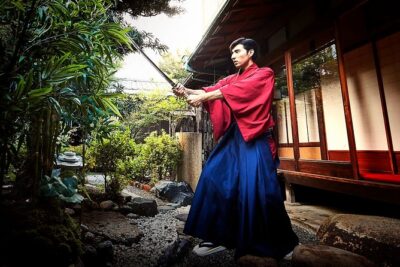
Kyoto Sword Experience – includes Museum Ticket/Ninja Experience
Read our review →Browse the lists this tour appears in