
REVIEW · KIYOMIZU-DERA TEMPLE TOURS
Kyoto: Tea Ceremony in a Traditional Tea House in Kiyomizu
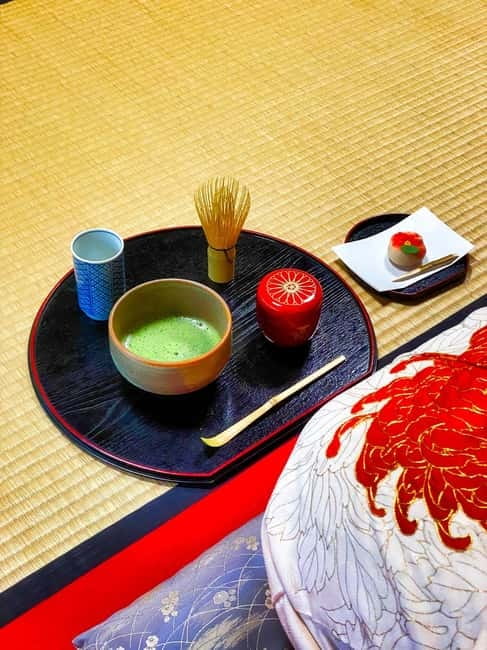
Kyoto’s most memorable cultural moments are often quiet ones. At Sakaguchian, a traditional tea house near Kiyomizu-Dera, you watch a tea master prepare matcha with careful, graceful movements, then try the process yourself while looking onto a garden designed by Ogawa Jihei VII. The busy Sannenzaka street is just outside, but the tea room feels pleasantly removed from it.
I especially like the small-group feel and the fact that you do more than watch. You receive one bowl prepared by the tea master, then whisk your own matcha and drink it with a customary sweet. The garden view is the other big draw. The main consideration is price: at $49 per person for 45 minutes, this is not a bargain activity, and kimono rental costs extra.
In This Review
- Key points at a glance
- Entering Sakaguchian from busy Sannenzaka
- A calm room beside a famous Kyoto sight
- The 500-year story behind the tea ceremony
- Watching the tea master prepare matcha
- Making your own bowl of matcha
- Why the garden view makes a difference
- Timing, group size, and the 45-minute format
- What the $49 price includes
- Who will enjoy this most
- Small practical details that improve the visit
- Should you book the Sakaguchian tea ceremony?
- FAQ
- Where does the tea ceremony take place?
- How do I find Sakaguchian?
- How long does the experience last?
- Is the activity conducted in English?
- How much does the tea ceremony cost?
- How much matcha do I receive?
- Are Japanese sweets included?
- Is a photograph included?
- Is kimono rental included?
- Can children join the tea ceremony?
- Can I bring luggage or a large bag?
- What happens if it rains?
- Can I cancel after booking?
- Do I have to pay immediately?
Key points at a glance
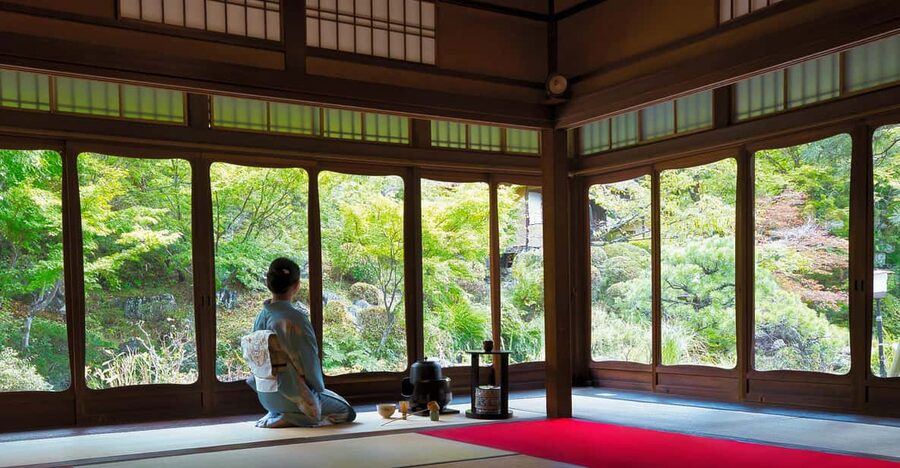
- Two cups of matcha: Taste tea prepared by the master, then make your own bowl.
- A garden by Ogawa Jihei VII: The tea house looks onto a carefully designed Japanese garden.
- A 500-year tradition: The introduction explains the ceremony’s long history and meaning.
- English instruction: The host and tea master guide you through the ritual and whisking process in English.
- A peaceful stop in Kiyomizu: The tea house sits near one of Kyoto’s busiest sightseeing areas but feels calm inside.
- A practical time commitment: The full experience lasts 45 minutes and includes a photo and Japanese sweet.
Entering Sakaguchian from busy Sannenzaka
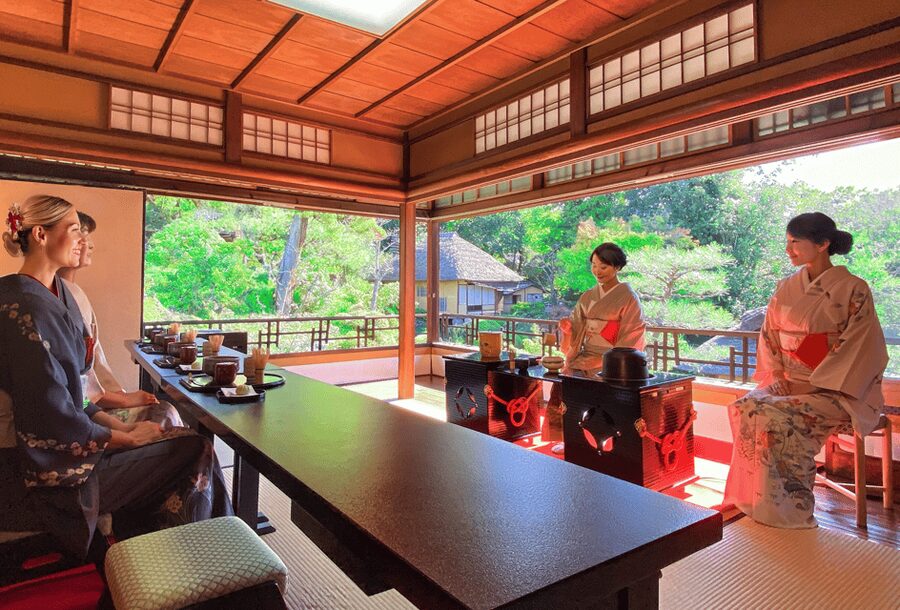
The meeting point is easy to miss if you rush along Sannenzaka. Walk down Sanneizaka near Kiyomizu-Dera Temple for about 50 meters, then look for a large gate on the right. From that entrance, you can see the Japanese garden. Go through the gate, continue about 10 meters, and use the white gate on the left to reach Sakaguchian.
One useful visual clue is the long entrance lane with lanterns. It sits back from the street, so do not expect a large sign directly on the main walkway. I would save the Japanese address, Kyoto-shi Higashiyama-ku Kiyomizu 3-334, on your phone before setting out.
By taxi, tell the driver to head toward Kodaiji Temple and get out at the intersection of Sanneizaka and Ishin-no-michi. This is a practical option if you are carrying shopping bags, though large bags and luggage are not allowed inside the activity. Since the tea house is in a pedestrian sightseeing area, allow extra time to walk from the drop-off point.
More visits to Kiyomizu-dera:
- Kyoto: Nijo Castle, Kiyomizu & Fushimi Inari Guided Tour
★ 4.7 · 700 reviews - Kyoto: Nijo, Kinkaku-ji, Arashiyama, Kiyomizu & Fushimi Inari
★ 5.0 · 699 reviews - Kyoto Tea Ceremony & Kiyomizu-dera Temple Walking Tour
★ 5.0 · 115 reviews
A calm room beside a famous Kyoto sight
The setting does much of the work here. Kiyomizu-Dera and the lanes of Higashiyama can be crowded, especially during popular sightseeing hours. Once you pass through the gate, the mood changes. You look into a tidy Japanese garden, sit in a traditional tea house, and focus on the sounds and movements of the ceremony.
The garden was created by Ogawa Jihei VII, a celebrated Japanese garden designer. You do not need to be a garden specialist to appreciate the view. Its value is simple: it gives you something quiet to look at while the host explains the ceremony and the tea master prepares the matcha.
The room itself is not presented as a museum display. That helps the experience feel less like looking at Japanese culture through glass and more like taking part in a living custom. You do not need to wear a kimono, and the standard activity does not include kimono rental. Some people may prefer dressing up for photographs, but others will appreciate the simpler, more natural format.
The 500-year story behind the tea ceremony
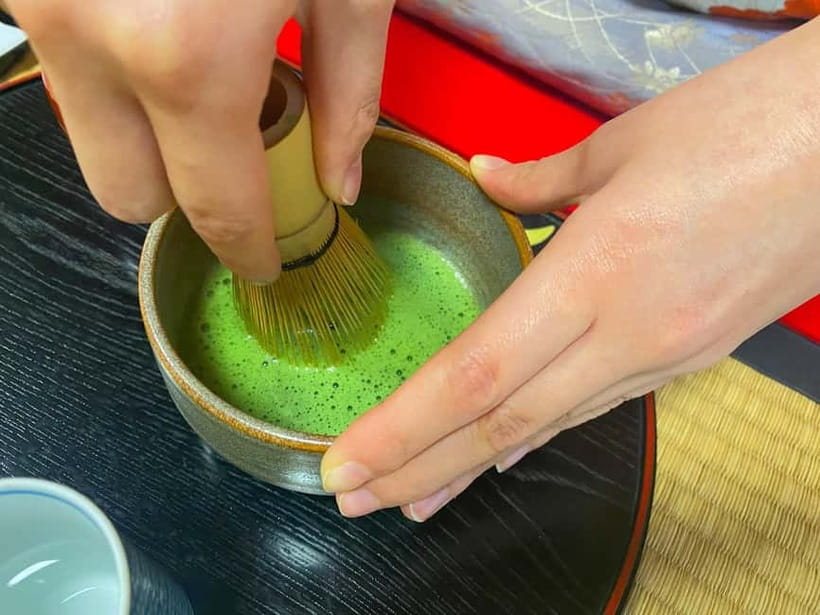
The session begins with a short introduction to the history and purpose of the tea ceremony. You learn that the custom reaches back about 500 years, along with some of the ideas behind its precise movements and polite approach.
This introduction matters because the ceremony can otherwise look like a series of formal gestures with rules you do not understand. The host explains what you are seeing and gives you a way to read the performance. In one session, the English-speaking host named May was praised for making the explanations clear, warm, and easy to follow.
The presentation is brief, which suits the 45-minute format. If you want a long academic lecture on tea schools, utensils, or Japanese religious history, this will feel too short. If you want enough background to understand the ritual before participating, the timing works well.
You may also hear about the years of training required to become a tea master. That helps explain why the preparation looks so controlled. The quiet handling of the bowl, whisk, scoop, and tea is not casual table service. Each movement has been practiced for a long time.
Watching the tea master prepare matcha
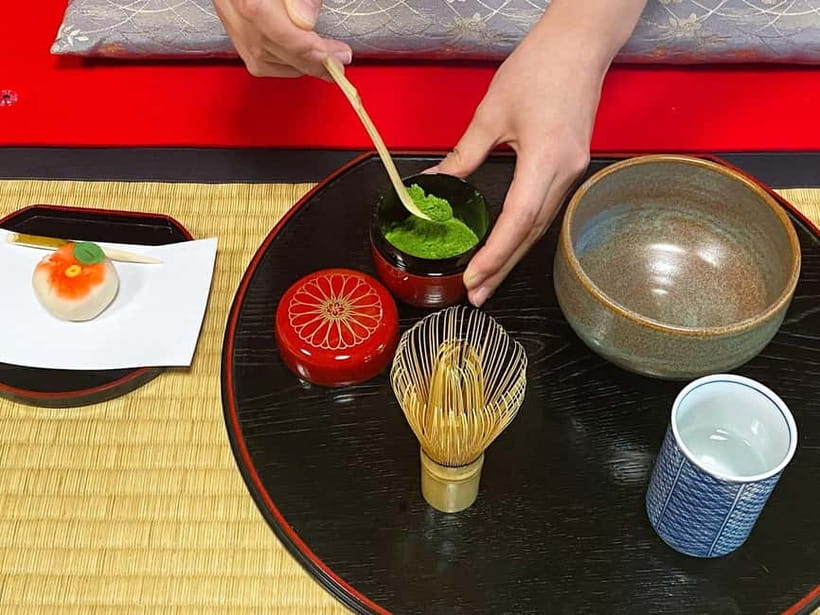
The central performance is the tea master’s preparation of matcha. You watch as she handles the utensils and turns powdered green tea and hot water into a smooth bowl of tea. The beauty is in the pace. Nothing feels rushed, and the deliberate movements give the room a restful rhythm.
The tea master’s formal manner is part of the appeal. You are not simply being shown a recipe. You are watching a traditional form of hospitality, where preparation, presentation, and the act of receiving the tea all matter.
The English-speaking host provides context, while the tea master demonstrates the technique. In some sessions, the tea master also answers questions afterward. You should feel free to ask about the utensils, the sequence, or the meaning behind a gesture, as the hosts are described as patient and willing to explain.
Your first bowl is prepared for you. That is an important part of the experience because it lets you taste matcha made by someone who has mastered the method. The tea is often less bitter than people expect, though matcha still has a distinct earthy flavor. If you normally avoid matcha, this guided introduction gives you a better chance to appreciate it.
More tea ceremonies in Kyoto:
- Kyoto: Tea Ceremony Ju-An at Jotokuji Temple
★ 4.9 · 3,207 reviews - Kyoto: 45-Minute Tea Ceremony Lesson Experience
★ 4.3 · 2,378 reviews - Kyoto: Table-Style Tea Ceremony at a Kyo-Machiya
★ 4.9 · 1,211 reviews - Kimono Tea Ceremony at Kyoto Maikoya, NISHIKI
★ 5.0 · 911 reviews
Making your own bowl of matcha
After watching the demonstration, you prepare your own tea. This turns the activity from a performance into a lesson. You are shown how to combine the matcha and water, then whisk it into a drinkable bowl.
Do not worry about producing a perfect froth on your first attempt. The point is to learn the basic action and understand how much care goes into a seemingly simple cup. The host gives practical tips, and the relaxed setting makes it easy to try without feeling tested.
You receive two cups of matcha in total: one prepared by the tea master and one that you make yourself. That comparison is useful. The first bowl shows you the desired result, while the second gives you a direct feel for the tools and technique.
A traditional Japanese sweet accompanies the tea. Its sweetness balances the strong, grassy taste of matcha and follows the customary order of taking a sweet before drinking. It is a small detail, but it helps connect the food and drink to the ceremony rather than treating them as separate refreshments.
Why the garden view makes a difference
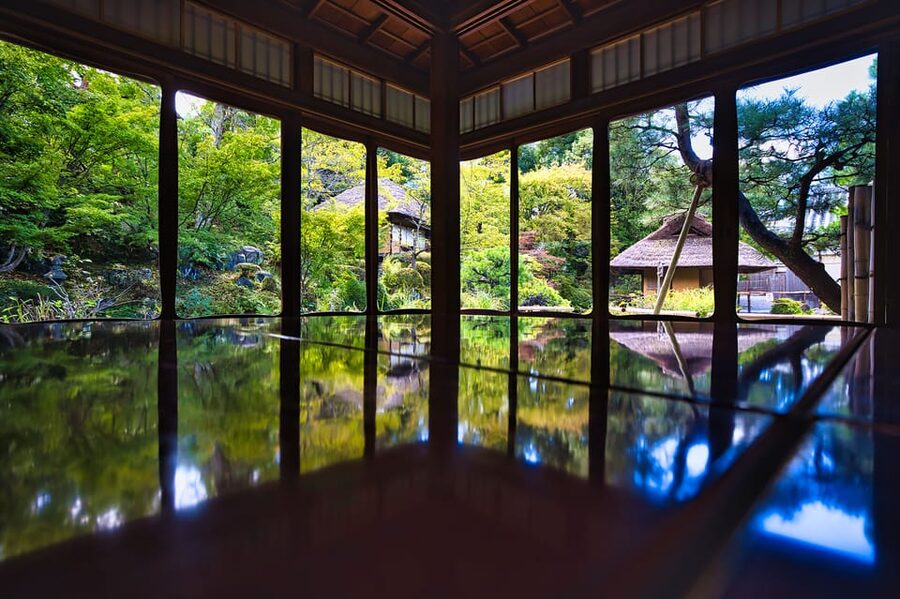
The garden is more than a pretty background for the final photograph. It changes the pace of the whole session. Looking out at the carefully arranged greenery gives you a visual pause between the lively streets of Higashiyama and the formal concentration of the tea room.
The view is especially valuable because the activity takes place in a major sightseeing district. You can combine the ceremony with Kiyomizu-Dera, Sannenzaka, and nearby Kodaiji without spending half a day on transport. At the same time, you get a genuine break from walking and crowds.
The garden also gives the ceremony a strong sense of place. This is not an ordinary room where a tea demonstration could happen in any city. You are in an old Japanese setting, close to one of Kyoto’s best-known temples, with a garden designed by a recognized landscape artist.
The experience takes place rain or shine. That is useful in Kyoto, where weather can change quickly, but it also means the garden view may look different from the bright, polished image you have in mind. Rain does not cancel the session, so bring suitable clothing and footwear for the walk through Sannenzaka.
Timing, group size, and the 45-minute format
The activity lasts 45 minutes. That makes it easy to fit between Kiyomizu-Dera and another Higashiyama stop. I would avoid scheduling it too tightly against a temple entry time, a meal reservation, or a train departure. Sannenzaka’s slopes and crowds can slow you down.
Group size appears to be modest, with one session described as having eight people and another as having about ten. The exact size can vary, but this is not presented as a private ceremony. You may share the room with couples, families, and other international visitors.
A small group helps in two ways. You can see the tea master’s hands without standing in a large crowd, and you have a better chance to ask questions. It also keeps the experience social rather than overly solemn. Families with children aged nine and thirteen had a good time, but children under seven are not suitable for this activity.
The 45-minute length is both a strength and a limit. It is long enough for an introduction, a full demonstration, your own tea, a sweet, and a photograph. It is not long enough for an extended lesson in tea ceremony etiquette or a detailed tour of the garden.
What the $49 price includes
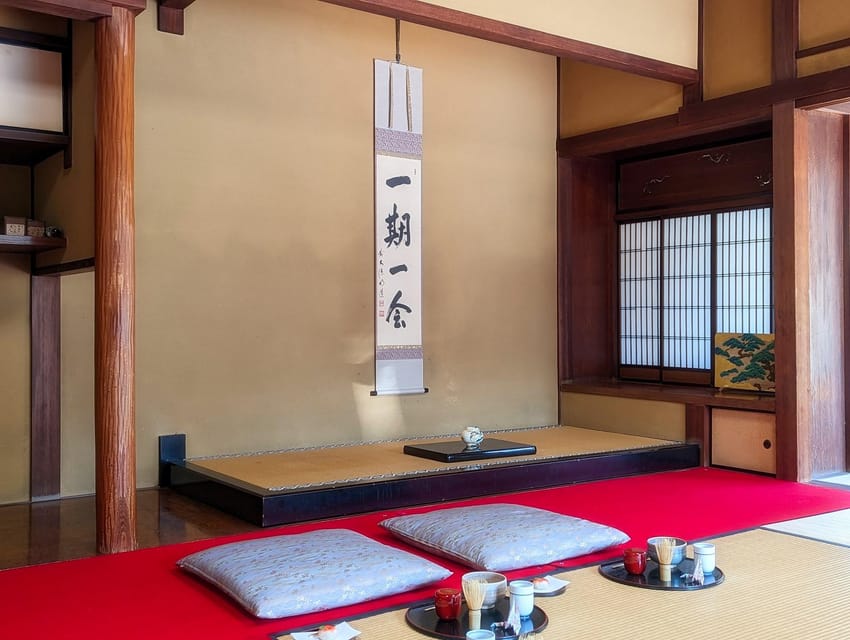
At $49 per person, the cost is reasonable if you want a guided cultural activity in a historic setting, but it is higher than the price of simply ordering matcha at a tea shop. You are paying for instruction, the tea master’s demonstration, the traditional setting, two bowls of matcha, a sweet, and a group photo.
The best value comes from the participation. If you only want to sip green tea with a garden view, cheaper options may suit you. If you want to understand the ritual, watch a trained tea master, and prepare your own bowl, the price makes more sense.
The included photograph adds a small but useful extra. It gives you a record of the visit without requiring you to interrupt the ceremony to take pictures. You can also pose with the group and the garden behind you at the end.
Kimono rental is not included. That keeps the standard price clear and avoids turning the activity into a costume package. You can book it as a cultural lesson rather than a photo shoot. If wearing a kimono is central to your plan, you will need to arrange that separately.
The booking terms are flexible: you can cancel up to 24 hours before the activity for a full refund, and you can reserve now and pay later. Check the available starting times before booking, since the duration alone does not tell you which appointments fit your day.
Who will enjoy this most
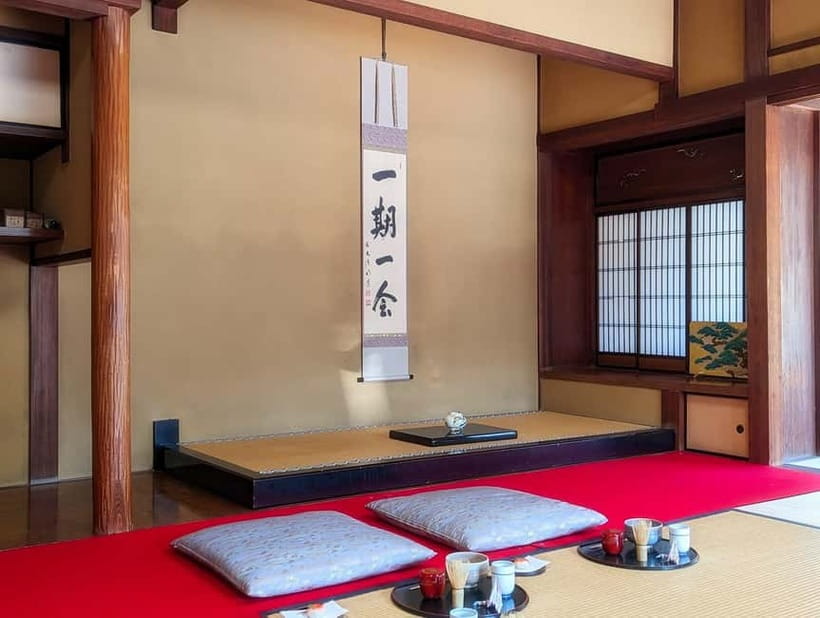
I would recommend this tea ceremony to first-time visitors who want a clear, friendly introduction to Japanese customs. The English instruction removes much of the uncertainty, and you are guided through the process rather than expected to know the correct way to sit, receive tea, or use the whisk.
It suits couples particularly well. The quiet setting and garden view create a shared experience without requiring a full-day tour. It also works for families with older children. Kids under seven are not allowed, and younger children may find the formal pace difficult even if they meet the age requirement.
This is a good choice for anyone who has already spent the morning sightseeing and wants an hour of calm. It is also useful for people who enjoy food and drink experiences but want more context than a standard café provides.
You may want to skip it if you dislike matcha, formal demonstrations, or sitting still while someone explains a tradition. The tea master’s movements are elegant and engaging, but the ceremony is intentionally measured. It is not a loud, hands-on workshop from start to finish.
Small practical details that improve the visit
Arrive with only what you need. Large bags and luggage are not allowed, and the narrow traditional setting is better enjoyed without bulky belongings.
Wear comfortable shoes for Sannenzaka. The approach includes a short walk through a sightseeing lane, and you may be visiting Kiyomizu-Dera before or after the ceremony.
Keep your phone quiet during the demonstration. One useful point of etiquette is not to walk around while the tea master is performing. You can take photographs at the designated moment, then ask the tea master questions after the formal part.
Do not judge your own tea against the master’s bowl too harshly. The activity is about learning the basic preparation and appreciating the skill involved, not passing a matcha exam.
If you are running late, contact the provider as soon as possible. One person was accommodated in a later session, but that should be treated as good fortune rather than a promise.
Should you book the Sakaguchian tea ceremony?
I would book this if you want a short, well-structured cultural experience in the Kiyomizu area. The garden, traditional tea house, English guidance, and chance to prepare your own matcha give it more substance than a quick tea tasting.
The main question is value. At $49, it is not the cheapest way to drink matcha in Kyoto. But it is a fair price for a tea master’s demonstration, two cups, a Japanese sweet, a photograph, and a calm setting near Kiyomizu-Dera.
Book it for the meaning and the setting, not only the drink. If you give the ceremony your attention, the 45 minutes can provide a welcome pause in a busy Kyoto day and a clear introduction to one of Japan’s most formal traditions.
FAQ
Where does the tea ceremony take place?
It takes place at Sakaguchian, a traditional tea house in Sannenzaka near Kiyomizu-Dera Temple in Kyoto.
How do I find Sakaguchian?
Walk down Sanneizaka near Kiyomizu-Dera for about 50 meters and enter the large gate on the right. Continue straight for about 10 meters, then go through the white gate on the left.
How long does the experience last?
The tea ceremony lasts 45 minutes.
Is the activity conducted in English?
Yes. The instructor language is English.
How much does the tea ceremony cost?
The listed price is $49 per person.
How much matcha do I receive?
You receive two cups of matcha. One is prepared by the tea master, and you prepare the other yourself.
Are Japanese sweets included?
Yes. A traditional Japanese sweet is included.
Is a photograph included?
Yes. A photo of your group with the garden as a backdrop is included.
Is kimono rental included?
No. Kimono rental is not included in the activity.
Can children join the tea ceremony?
Children under seven cannot join. Older children can participate, though the activity includes a formal demonstration and a quiet tea-preparation lesson.
Can I bring luggage or a large bag?
No. Luggage and large bags are not allowed.
What happens if it rains?
The activity takes place rain or shine.
Can I cancel after booking?
You can cancel up to 24 hours in advance for a full refund.
Do I have to pay immediately?
No. The reserve now and pay later option allows you to hold your place without paying at the time of booking.
Recently added around Kyoto
- Higashiyama | Kyoto: Sakura Season Private Rickshaw Tour★ 5.0 · 3 reviews
- Kyoto Kimono Rental CHAMATSU|Kimono/Yukata Rental FamilyPlan★ 5.0 · 3 reviews
- Kyoto: Half-Day Private Guided Tour to the Old Town of Gion★ 4.4 · 3 reviews
- Nara Private Customizable Half Day Tour★ 5.0 · 3 reviews
- Kansai Region Hiking Adventure in Nara Kobe Kyoto and More★ 5.0 · 3 reviews
- Full Day Nara Deer, Temple, Shrine, Activities & Tea Ceremony★ 5.0 · 3 reviews
- Nara: Essential Private Tour with Deer Park and Temples★ 5.0 · 3 reviews
- Hiking Tour for Sacred Sites in Kyoto with a Guide★ 5.0 · 3 reviews
Kiyomizu-dera Temple Tours, compared.
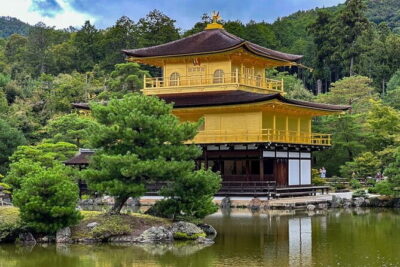
Nijo, Kinkaku-ji, Arashiyama, Kiyomizu & Fushimi Inari
Read our review →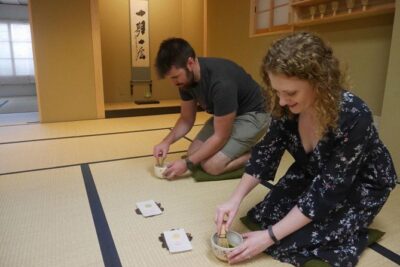
Kyoto Tea Ceremony & Kiyomizu-dera Temple Walking Tour
Read our review →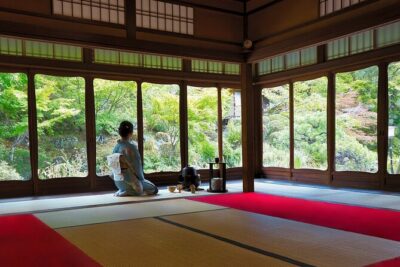
Kyoto Kiyomizu Tea Ceremony with Scenic Garden Views
Read our review →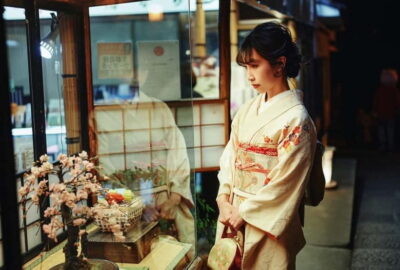
Kimono/Yukata Rental 5 Minute from Kiyomizu-dera
Read our review →
Kiyomizu Temple and Backstreets of Gion, Half Day Group Tour
Read our review →
Best of Kyoto: Red Gates of Fushimi Inari & Kiyomizu Temple
Read our review →
Kyoto kiyomizu Temple : Maiko and Samurai Couple Photoshoot
Read our review →
Kiyomizu-dera, Fushimi Inari & Gion Geisha District
Read our review →Browse the lists this tour appears in