
REVIEW · NARA DAY TRIPS
Nara: Cooking class, learning how to make authentic sushi
Making sushi here means more than rolling rice and seafood. You learn the small but important first step, preparing shari, the vinegar-seasoned rice that gives sushi its balance. Then you shape and top eight pieces yourself, wearing a traditional Japanese happi coat while an English-speaking instructor guides the class.
I like two things right away: the class uses special ingredients such as fatty tuna and sweet red shrimp, and it is built for beginners with pre-cut ingredients. You can also ask to learn fish-cutting techniques, and the menu can be adjusted for vegetarians, vegans, Muslims, shellfish allergies, gluten-free diets, and non-raw preferences.
The main caution is timing. The advertised class lasts 90 minutes, but one detailed experience ran close to three hours after extra fish cutting, photographs, framing, and the graduation ceremony. If your Nara afternoon is tightly planned, leave a generous buffer.
In This Review
- Key points at a glance
- From Shin-Omiya Station to the sushi school
- Putting on a happi before the lesson
- Learning the part most beginners skip: shari
- Shaping eight pieces of sushi
- Fish-cutting instruction, if you ask
- Food choices for different diets
- The closing ceremony and what you take home
- Is $113 a fair price?
- How long should you set aside?
- Who will get the most from this class?
- Practical booking advice for your Nara day
- Should you book this sushi class in Nara?
- FAQ
- Where is the sushi-making class located?
- How long does the class last?
- How much does the activity cost?
- Is the instructor able to teach in English?
- How many sushi pieces will I make and eat?
- Are drinks included?
- Can vegetarians and vegans join?
- Can the class accommodate allergies or non-raw preferences?
- Is the activity suitable for young children?
- Is the building wheelchair accessible?
Key points at a glance
- Start with proper sushi rice: You learn how to mix freshly cooked rice with specially blended sushi vinegar, including the technique that keeps it from turning heavy or soggy.
- Make eight pieces yourself: This is hands-on from the start, so your meal is also the final lesson.
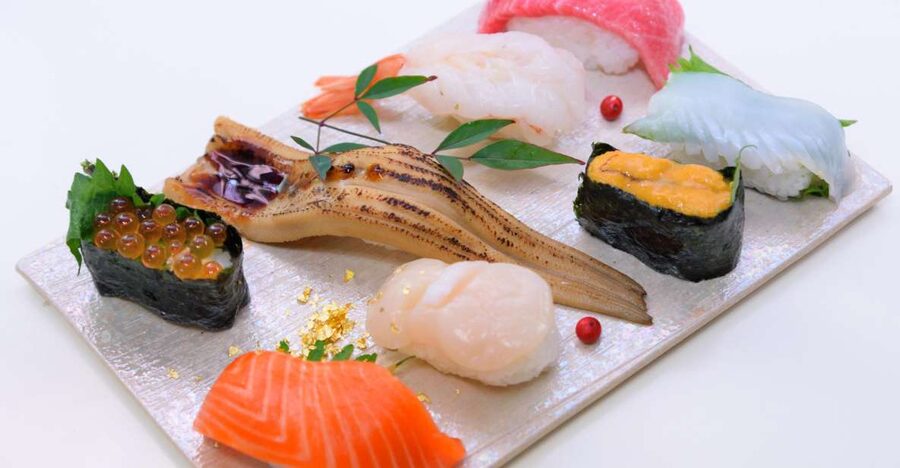
- Try premium toppings: Fatty tuna and sweet, creamy red shrimp may appear, though toppings change with the season.
- Wear a happi coat: Choose from several traditional garments for a playful Japanese-style photo.
- Ask for food adjustments: Vegetarian, vegan, Muslim-friendly, allergy-aware, gluten-free, and non-raw choices are available.
- Expect a possible time extension: The formal class is 90 minutes, but added demonstrations and the closing ceremony can make it much longer.
From Shin-Omiya Station to the sushi school
The meeting point is easy to reach if you follow the directions carefully. Get off at the south entrance of Shin-Omiya Station on the Kintetsu Line, turn right into the narrow street, and continue until you reach a railroad crossing.
Turn right at the crossing. The school is near Nara Loyal Hotel, behind a parking area. The building is close to public transport, which makes this a sensible cooking stop before or after sightseeing in Nara.
You will need to go upstairs because there is no elevator. Staff can help older people and people with disabilities up the stairs, and the activity is listed as wheelchair accessible. I would still contact the provider ahead of time if stair assistance is important for you, since the access details depend on staff support rather than a lift.
The class runs in all weather, so rain does not normally affect the plan. Pets are not allowed indoors, apart from assistance dogs, and smoking is not permitted inside.
More day trips to Nara:
- World Heritage Kyoto & Nara Uji Authentic Matcha Experience
★ 5.0 · 1,573 reviews - Nara Half Day Trip Walking Tour (Private Option Available)
★ 5.0 · 937 reviews - Nara Early Morning Tour (Kyoto or Osaka Departure Available)
★ 5.0 · 676 reviews
Putting on a happi before the lesson
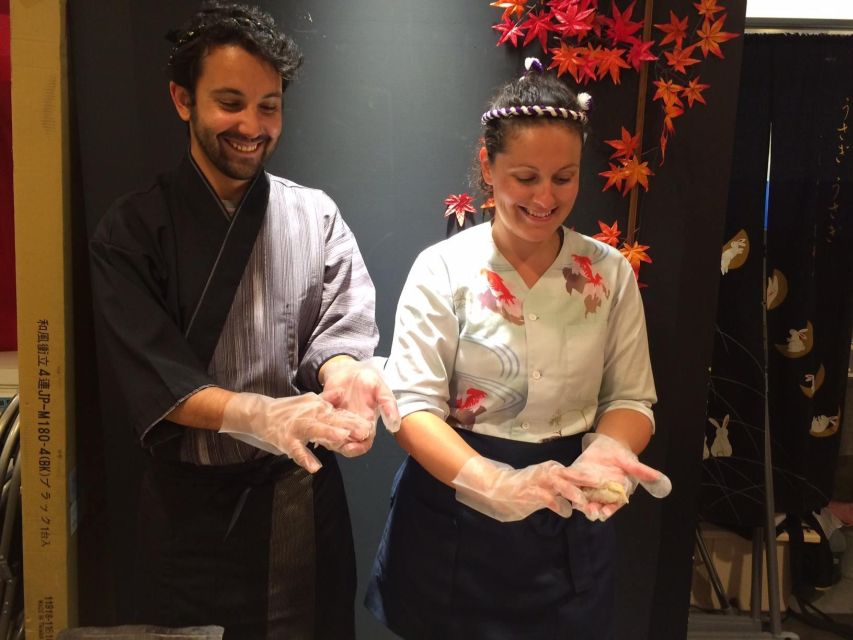
The class begins with a bit of ceremony and costume. You can choose from several happi coats, traditional work-style garments often associated with festivals and local groups.
This is not just a photo prop. Wearing the happi helps set the tone for a lesson about Japanese food culture rather than a quick tourist demonstration. You are invited to experience Japanese spirit while making sushi, though that phrase refers to the atmosphere and cultural setting, not an included alcoholic drink. Drinks are not part of the price.
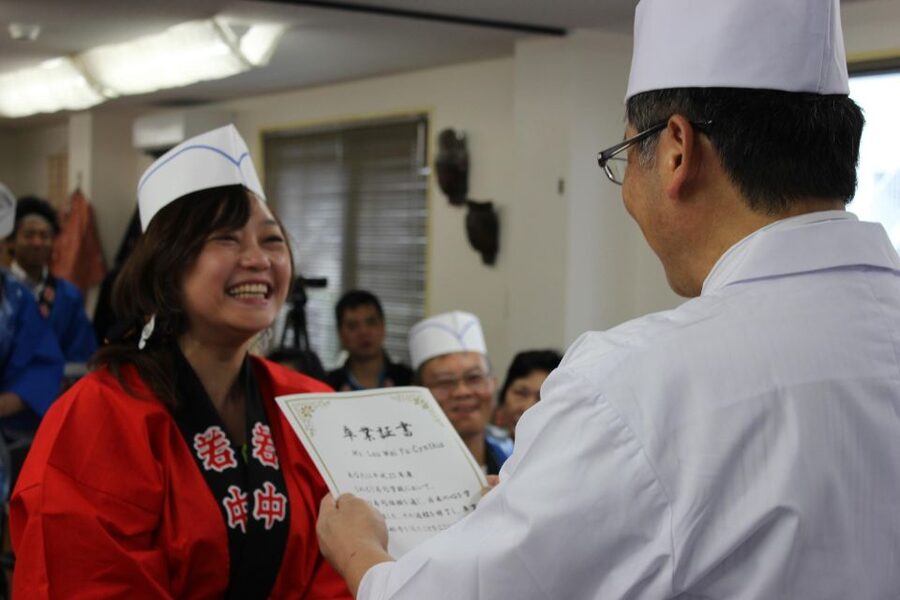
The school provides souvenir photography. A completion certificate and graduation ceremony come at the end, giving the class a clear beginning and finish. If you enjoy keepsakes, these extras add charm. If you prefer to spend every minute cooking, they may feel like a little ceremony too far.
One useful timing point comes from the detailed account of the class running long. The fish-cutting instruction, diploma, picture, and framing process added considerable time. You can ask in advance how much of the closing program is planned for your session.
Learning the part most beginners skip: shari
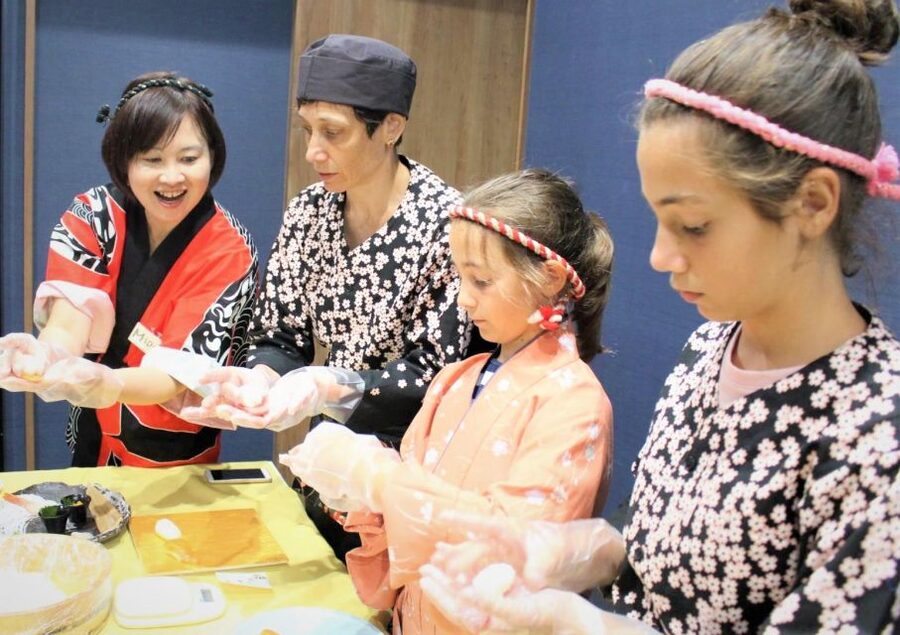
Before you shape sushi, you learn to prepare shari, also called sumeshi. This is freshly cooked rice mixed with a specially blended sushi vinegar.
It sounds simple, but the mixing technique matters. You need to distribute the vinegar without crushing the grains or leaving some parts too sharp and others too plain. This is one of the most useful skills to take home because good toppings cannot rescue poorly seasoned rice.
The ingredients are prepared in advance, which keeps the class friendly for first-timers. You are not expected to spend the short session washing, chopping, or organizing a professional kitchen. Instead, the instructor can focus on the methods that make the finished sushi taste right.
This setup also explains why the class can suit families and mixed-ability groups, although children under three are not accepted. The lesson is practical rather than intimidating. You get to handle the rice and toppings without needing prior knife skills.
Shaping eight pieces of sushi
After the rice lesson, you make eight sushi pieces. The supplied information does not specify that every session uses the same style or exact topping list, and the ingredients change with the season.
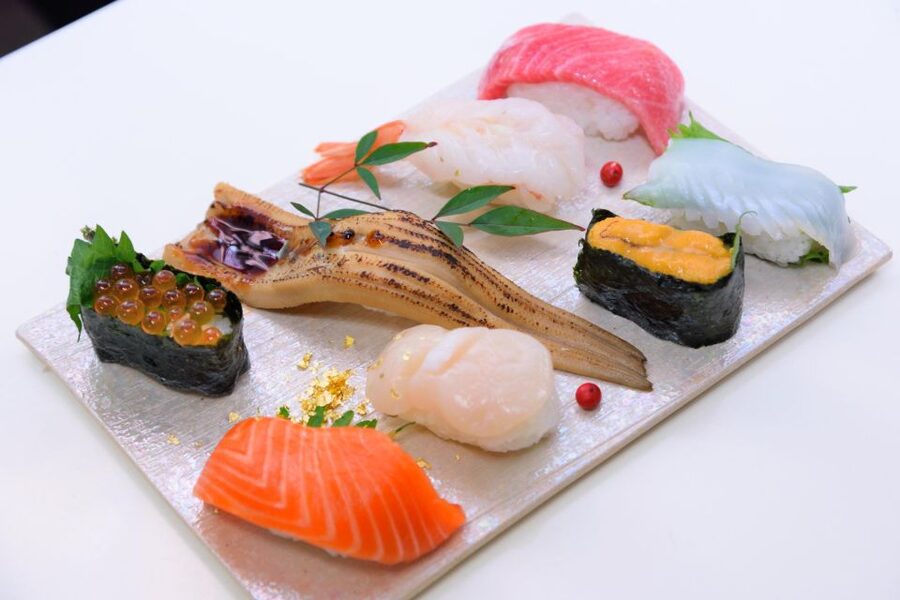
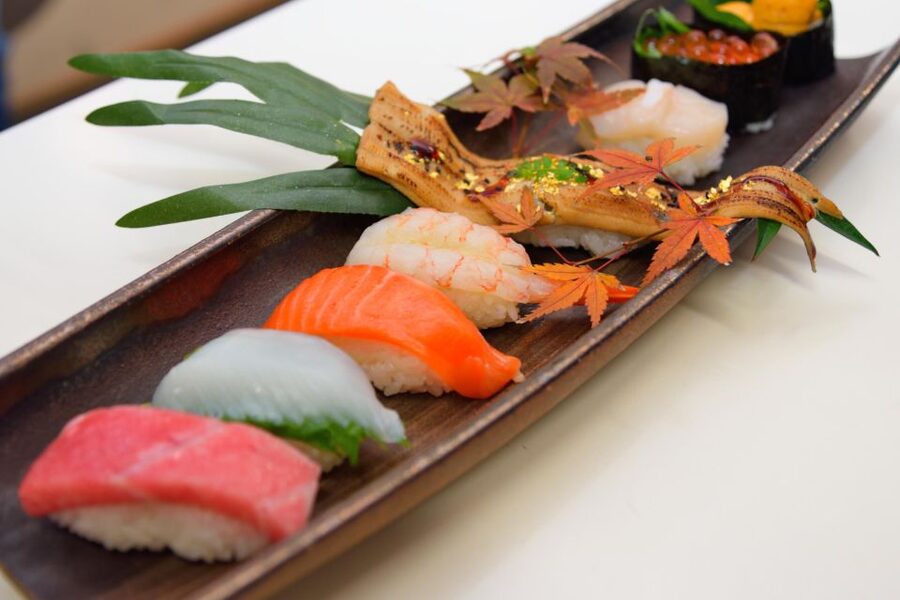
You can expect a selection of sushi toppings, along with choices such as green onion and ginger. The school may offer premium ingredients including extra-fatty tuna and fresh red shrimp, described as sweet and almost creamy. Those ingredients give the class a special-food element without turning it into a formal restaurant meal.
The key value is that you eat what you make. Eight pieces are enough to give you a proper taste and a sense of achievement, but this is not designed as a large lunch. If you have a serious appetite, warm udon and other Japanese dishes such as tempura, tofu, or pork shabu-shabu are listed as optional additions. They cost extra and are not included in the $113 price.
I like the balance here. You do not simply watch a chef prepare beautiful sushi while you receive a finished plate. Your hands are involved, your shapes may be imperfect, and the final meal shows exactly what you learned. That is part of the fun.
More sushi counters and classes:
- Sushi Making Experience Luxury Course in Nara
★ 5.0 · 36 reviews - Sushi Making in Kyoto! Same-day bookings welcome!
★ 5.0 · 713 reviews - The Original Small-Group Sushi Making Class in Kyoto
★ 5.0 · 436 reviews - Kyoto: Small-Group Authentic Sushi Making Workshop
★ 5.0 · 137 reviews
Fish-cutting instruction, if you ask
The basic class uses ingredients that have already been cut, which is sensible for a 90-minute beginner lesson. It lets you concentrate on rice, shaping, and toppings rather than rushing through knife work.
If fish preparation interests you, ask the instructor about learning cuts. The school says it will try to meet individual needs as much as possible.
This extra lesson can be valuable, but it is also the clearest reason your session might last well beyond 90 minutes. One detailed account described thorough instruction on preparing rice and cutting different seafood items, with the full visit stretching close to three hours.
That extended version sounds useful if sushi technique is your main reason for booking. It is less convenient if you have a fixed temple visit, train departure, or dinner reservation. I would choose one or two fish-cutting examples rather than trying to cover every possible cut in a short class.
Food choices for different diets
The school makes a clear effort to handle dietary needs. Vegetarian, vegan, Muslim-friendly, allergy-conscious, gluten-free, and non-raw options are available.
You should state your needs when booking or contact the provider before the class. The supplied information says allergies and other options are available, but it does not give a fixed alternative menu. Toppings depend on the season, so your exact plate may vary.
A shellfish allergy was accommodated successfully in one session, which is useful practical evidence. Still, tell the instructor clearly and early. Sushi can involve several seafood ingredients, and avoiding one topping may require changing the whole selection.
There are no special infant meals, and children under three are not suitable for the activity. For older children, the hands-on format may work well, but the food preparation and stair access are worth considering before you book.
The closing ceremony and what you take home
The final stage includes eating your sushi, souvenir photography, a completion certificate, and a graduation ceremony. The certificate is playful rather than a professional qualification, but it gives the session a satisfying finish.
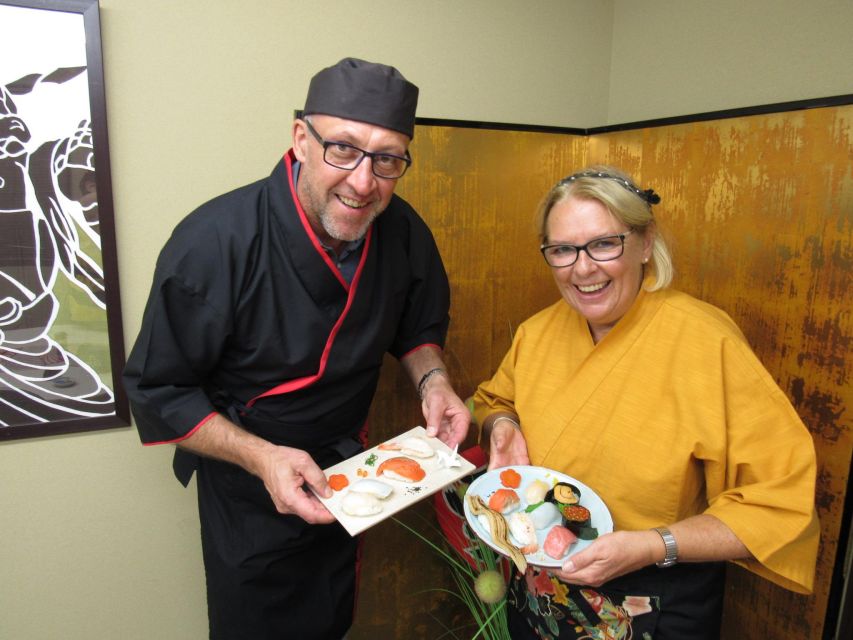
The photos are useful if you are traveling light and want a record of the happi outfit and your finished sushi. The framing process may add time, so ask about it if you have plans afterward.
The strongest practical benefit is the method you can repeat at home. You leave knowing how to season the rice and how to assemble sushi with prepared ingredients. You may not return home ready to run a sushi counter, but you can recreate the basic process with accessible toppings.
That makes the class more useful than a meal alone. A restaurant gives you polished results. This school gives you a technique, a meal, and a little confidence to try again.
Is $113 a fair price?
At $113 per person, this is not a cheap way to eat eight pieces of sushi. You can find less expensive meals in Japan, and drinks are not included. Optional udon, tempura, tofu, pork shabu-shabu, and other food also cost extra.
The price makes more sense when you count what is included: an English-speaking instructor, a lecture, hands-on preparation, eight pieces of sushi, happi rental, topping choices, souvenir photos, a certificate, and the closing ceremony.
The food itself is part of the appeal, especially when premium seafood is available. But I would not book this solely for the amount of sushi. Book it for the lesson, the costume, the cultural setting, and the chance to make your own meal.
Value depends on your goals. If you want a relaxed, social activity and a skill to take home, the price is easier to justify. If you want a fast lunch or a professional chef demonstration with no extras, it may feel high.
How long should you set aside?
The official duration is 90 minutes. That should be your minimum planning figure, not necessarily the time you will spend inside.
A straightforward class may cover the rice, sushi assembly, meal, and basic closing activities within the stated period. Extra fish cutting can add a great deal. The certificate, graduation ceremony, photos, and framing may also extend the visit.
I would protect at least half a day around this activity if your schedule allows. That gives you room for a longer lesson without forcing you to rush away before the last photo.
This matters in Nara, where sightseeing plans often include several temples and parks spread across the city. The school is near a station, but a convenient location does not erase the need for time. Avoid placing a timed reservation immediately afterward.
Who will get the most from this class?
I would recommend it most strongly to:
- First-time sushi makers who want clear instruction rather than a chef show
- Couples, families with children over three, and friends looking for a shared activity
- Visitors who enjoy Japanese food culture and want a keepsake
- People who want vegetarian, vegan, allergy-conscious, gluten-free, Muslim-friendly, or non-raw options
- Home cooks who want to learn proper sushi rice and basic assembly
- Anyone who likes a playful costume and a formal certificate at the end
It is less suitable for someone looking only for a quick meal. It may also disappoint you if you expect a full professional sushi apprenticeship, since the standard class uses pre-cut ingredients and lasts 90 minutes.
For serious food students, ask about fish cutting before you arrive. That can turn a simple beginner class into a more technical session, but it may also make the timing less predictable.
Practical booking advice for your Nara day
Reserve with the cancellation terms in mind. You can cancel up to 24 hours ahead for a full refund, and the reserve-now, pay-later option lets you hold a place without paying immediately.
The class is taught in English and Japanese. The English-speaking instructor makes the activity workable for international visitors, while the Japanese setting keeps it connected to local food culture.
Wear something comfortable for going upstairs and handling food. The happi coat is provided, and you can choose the style offered on the day. Since topping choices change by season, do not book with one specific fish in mind unless the school confirms it.
If you have allergies or dietary restrictions, communicate them before the session rather than waiting until the ingredients are laid out. The school can make adjustments, but it needs to know what you cannot eat.
The building has no elevator. Staff can help older or disabled participants on the stairs, but anyone requiring step-free entry should confirm the arrangement before booking.
Should you book this sushi class in Nara?
Book it if you want an active food lesson, a Japanese costume, and a meal you prepare yourself. The instruction on sushi rice is especially useful, and the option to ask about fish cuts gives the class more substance than a simple rolling activity.
I also like the clear attention to dietary needs and the friendly beginner setup. The strongest sessions will be the ones where you arrive with time to spare, tell the instructor your food requirements, and decide in advance if you want extra fish-cutting instruction.
Skip it if your Nara schedule is packed, you only want to eat sushi, or you dislike formal photos and certificates. The listed 90 minutes may not be the full door-to-door commitment.
For most food-minded visitors, this is a fun and practical way to spend part of a Nara day. Just leave room for the class to run at its own pace, especially if you want the full ceremony and extra instruction.
FAQ
Where is the sushi-making class located?
The school is near Shin-Omiya Station on the Kintetsu Line in Nara. Exit at the south entrance, turn right into the narrow street, continue to the railroad crossing, then turn right. It is near Nara Loyal Hotel and behind a parking area.
How long does the class last?
The advertised duration is 90 minutes. The session can run longer if you request fish-cutting instruction or take part in extended photos, framing, and the graduation ceremony.
How much does the activity cost?
The listed price is $113 per person.
Is the instructor able to teach in English?
Yes. Instruction is available in English and Japanese, and an English-speaking instructor is included.
How many sushi pieces will I make and eat?
Eight pieces of sushi are included.
Are drinks included?
No. Drinks are not included in the activity price.
Can vegetarians and vegans join?
Yes. Menus friendly to vegetarians and vegans are available. You should provide your dietary needs in advance.
Can the class accommodate allergies or non-raw preferences?
Yes. Allergy-conscious, gluten-free, and non-raw options are available. A shellfish-free adjustment can also be requested.
Is the activity suitable for young children?
Children under three are not suitable for this activity. No special infant meals are provided.
Is the building wheelchair accessible?
The activity is listed as wheelchair accessible, but the building has no elevator. Staff can help elderly or disabled participants up the stairs, so confirm your access needs before booking.
More Workshops in Nara
- Hammer a Pattern on Your Ring Workshop
★ 5.0 · 57 reviews - Kyoto: 45-Minute Tea Ceremony Lesson Experience
★ 4.3 · 2,378 reviews - Kyoto : Chopsticks Making Workshop in Gion with Engraving Option
★ 5.0 · 958 reviews - Kyoto: Samurai Sword Class by Experts in Traditional Arts
★ 4.9 · 657 reviews
More Cooking Classes in Nara
- Nara: Authentic Onigiri Cooking Class & Meal in a Local Home
★ 5.0 · 4 reviews - Udon and Tempura Cooking Class in Nara
★ 5.0 · 3 reviews - Kyoto: Ramen Cooking Class at a Ramen Factory with Souvenir
★ 4.9 · 532 reviews - Kyoto: Ramen, Gyoza, and Onigiri Cooking Class
★ 5.0 · 445 reviews
Recently added around Nara
- Nara Private Customizable Half Day Tour★ 5.0 · 3 reviews
- Full Day Nara Deer, Temple, Shrine, Activities & Tea Ceremony★ 5.0 · 3 reviews
- Nara: Essential Private Tour with Deer Park and Temples★ 5.0 · 3 reviews
- Discover the Essence of Nara Ink Through Your Senses★ 5.0 · 3 reviews
- Private Journey in Nara’s Historical Wonder★ 5.0 · 3 reviews
- Nara:Private Tea Ceremony(Max 5 ppl) -Master Matcha Making-★ 5.0 · 3 reviews
- Nara Takayama Tea Whisk Craft and Tea Culture Experience★ 5.0 · 3 reviews
- Nara: Half-Day Private Tour of 4 Must-See Spots & Deer Park★ 5.0 · 3 reviews
Nara Day Trips, compared.

World Heritage Kyoto & Nara Uji Authentic Matcha Experience
Read our review →
Kyoto/Osaka: Nara, Fushimi Inari Taisha, Arashiyama Bus Tour
Read our review →
Nara Half Day Trip Walking Tour (Private Option Available)
Read our review →
Nara Early Morning Tour (Kyoto or Osaka Departure Available)
Read our review →



Kyoto/Osaka: Kinkakuji, Bamboo Forest, and Nara Deer Park
Read our review →Browse the lists this tour appears in