
REVIEW · NARA DAY TRIPS
Sushi Making Experience Luxury Course in Nara
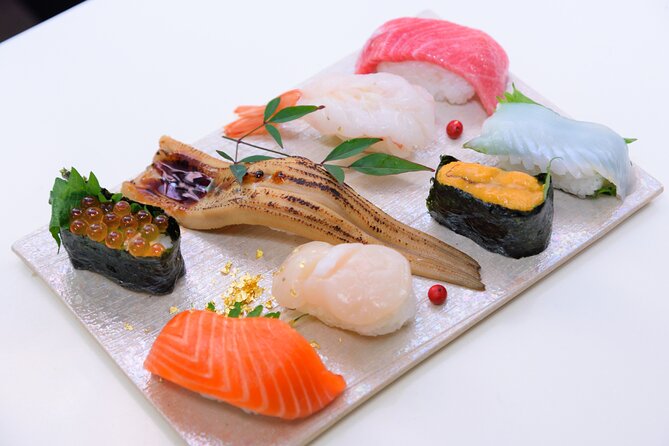
Sushi here is more than lunch. At Umemori Sushi School, you work through the full process, from seasoning rice to shaping nigiri, then sit down to eat eight pieces of premium sushi that you made yourself. The class also brings in Japanese customs, traditional clothing, and a small graduation ceremony.
I especially like the hands-on details: grating fresh wasabi and learning to cut sushi-grade fish give the class real substance. I also like the friendly teaching style, including Okashi, who helps make the session playful and approachable. The main consideration is time. At about 90 minutes, this is a compact introduction, not a long culinary course, and arriving late can mean missing key steps.
In This Review
- Key points to know before booking
- Making sushi in the heart of Nara
- Step 1: Getting the shari right
- Step 2: Grating fresh wasabi
- Step 3: Preparing sushi-grade fish
- Step 4: Shaping and assembling eight pieces
- Traditional clothing, photos, and the graduation moment
- How the instruction feels for beginners
- Is $115.96 a fair price?
- Timing, arrival, and practical details
- Who will get the most from this class?
- My final booking advice
- FAQ
- Where does the sushi-making class take place?
- How long does the experience last?
- How much does the experience cost?
- How many pieces of sushi are included?
- What will I learn during the class?
- Are drinks included?
- Are other Japanese dishes included?
- Can dietary requirements be accommodated?
- What happens if I arrive late?
- Is cancellation free?
Key points to know before booking
- You make sushi from start to finish: Prepare shari, grate wasabi, cut fish, and shape the finished pieces.
- Eight pieces of premium sushi are included: The ingredients and toppings can change with the season.
- Okashi brings a warm, light touch: English support is available for questions and instructions.
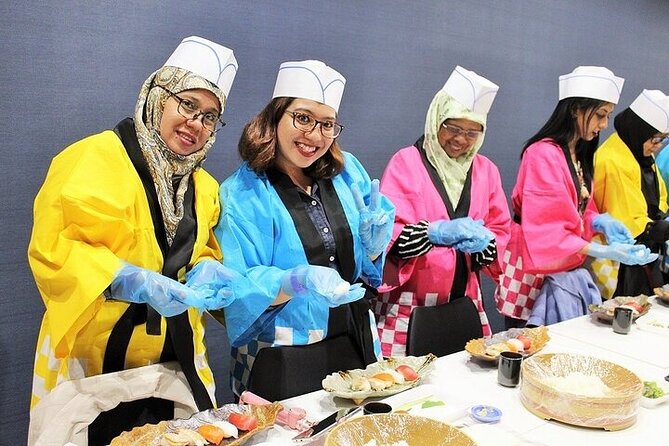
- Traditional clothing is part of the fun: You can choose from several rental cloth options.
- The class ends with a certificate and photos: It gives the experience a cheerful sense of occasion.
- Plan your arrival carefully: Up to 15 minutes late requires a call, while more than 30 minutes is treated as a cancellation.
Making sushi in the heart of Nara
This class takes place at 221 Hokkejichō, Nara, near public transportation. The meeting point is also the end point, so you do not need to arrange a separate ride after eating.
The setting gives the class a useful sense of place. You are not simply following a recipe in a generic cooking studio. You are learning a food craft closely tied to daily life and ceremony in Japan, with instructors explaining not only the steps but also the cultural meaning behind them.
The activity lasts about one hour and 30 minutes. That makes it easy to fit around sightseeing in Nara, though you should leave enough time to reach the address without rushing. The class is booked, on average, about 40 days ahead, which suggests that planning early is wise if your Nara dates are fixed.
The listed maximum is 200 participants. That is a large possible capacity, so I would not book this expecting a private lesson unless your reservation confirms a smaller group. The experience does promise instruction suited to different skill levels, but the exact class size on your date is not stated.
More day trips to Nara:
- World Heritage Kyoto & Nara Uji Authentic Matcha Experience
★ 5.0 · 1,573 reviews - Nara Half Day Trip Walking Tour (Private Option Available)
★ 5.0 · 937 reviews - Nara Early Morning Tour (Kyoto or Osaka Departure Available)
★ 5.0 · 676 reviews
Step 1: Getting the shari right
The class begins with shari, or sushi rice. This is the quiet foundation of good sushi, and it is also the part many home cooks rush.
You learn how the rice is prepared and seasoned so it holds together without becoming heavy. That matters when you later shape nigiri by hand. The rice must be firm enough to keep its form, yet balanced enough to let the fish remain the focus.
For a beginner, this is a useful lesson because sushi often looks simple from the outside. A piece of nigiri may contain only rice and fish, but the rice controls the texture of the whole bite. The class lets you see that sushi making is built on small, careful movements rather than complicated equipment.
The instruction is presented in a practical way, so you are not expected to arrive with cooking experience. One of the strongest reasons to choose this class is that anyone can begin here. You receive guidance as you work instead of watching a chef do everything for you.
Step 2: Grating fresh wasabi
Next comes fresh wasabi. You grate it yourself and get the sharp, clean aroma that bottled versions rarely provide.
This is a small step, but it gives the class a memorable sensory moment. Freshly grated wasabi changes quickly after preparation, so using it during the class connects the ingredient to the sushi rather than treating it as a decorative green paste.
The activity also shows how much care can go into a familiar condiment. You may already know wasabi as the hot green item beside a sushi tray. Here, you see its place in the preparation process and can choose how much to use with your finished pieces.
The class includes toppings such as green onion and ginger, with choices available for your preferences. Toppings can vary by season, so the exact selection is not fixed. That is worth keeping in mind if you are booking because of a particular fish or garnish shown in a promotional photo.
Step 3: Preparing sushi-grade fish
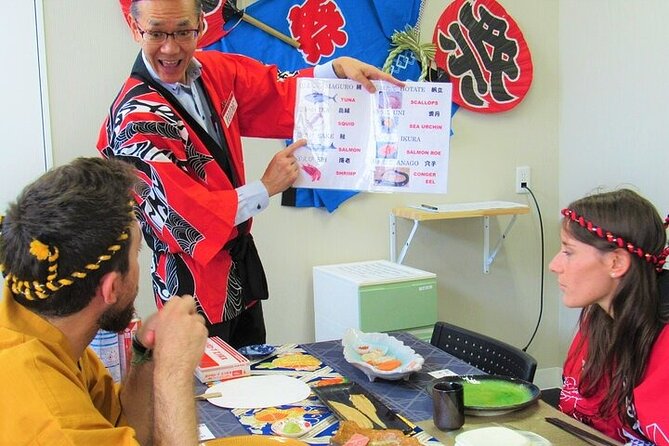
Fish preparation is the most technical part of the session. You learn how to handle and cut sushi-grade seafood before assembling it.
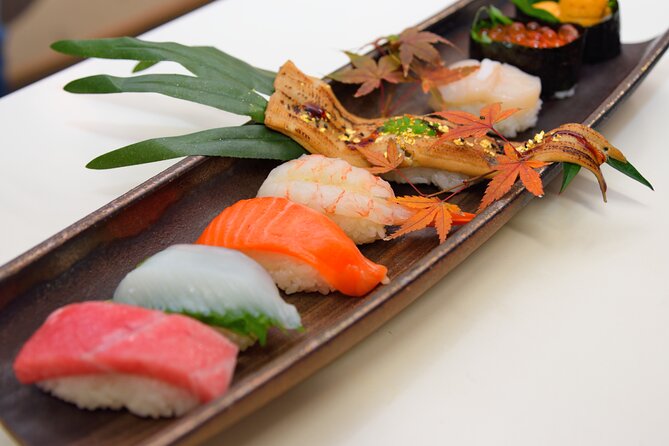
The course description does not promise a specific fish selection, and ingredients may change with the season. That is normal for a food class built around fresh supplies, but it means you should not assume the exact toppings pictured will be served on your date.
This step gives you a better sense of knife work and portion control. Sushi slices need to be suitable for the rice and easy to eat. The instructor guidance matters here, especially if you have never handled fish for nigiri before.
You do not need professional cooking skills. The class is designed for beginners as well as people who already enjoy sushi. English is available for instruction and questions, and the teaching team has enough English to guide the main activities. If you have a particular dietary need, contact the organizer before class rather than waiting until you arrive.
More sushi counters and classes:
- Nara: Cooking class, learning how to make authentic sushi
★ 5.0 · 5 reviews - Sushi Making in Kyoto! Same-day bookings welcome!
★ 5.0 · 713 reviews - The Original Small-Group Sushi Making Class in Kyoto
★ 5.0 · 436 reviews - Kyoto: Small-Group Authentic Sushi Making Workshop
★ 5.0 · 137 reviews
Step 4: Shaping and assembling eight pieces
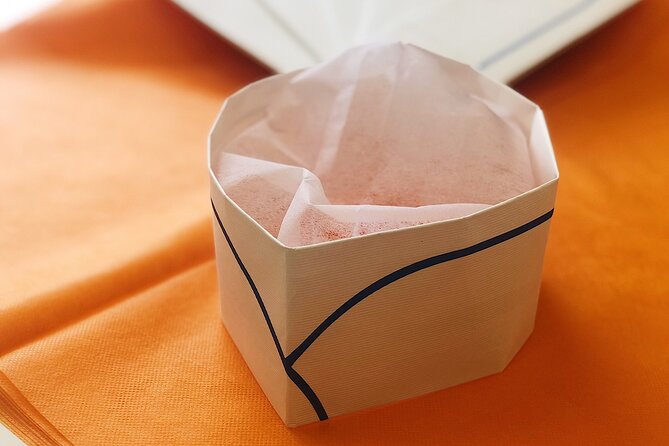
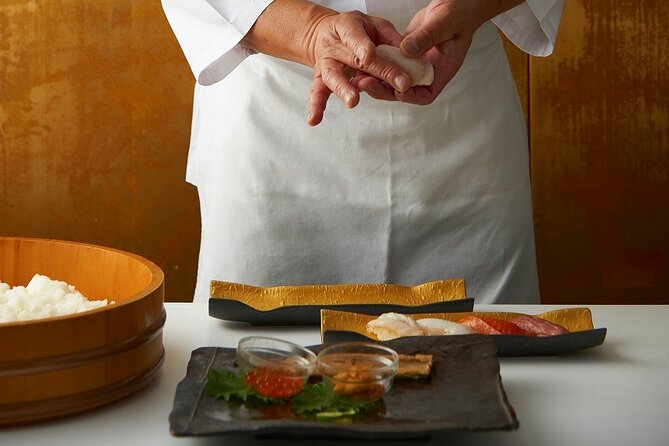
After the rice, wasabi, and fish are ready, you shape the sushi. This is the part most people picture when they think of a sushi class, but it works better because you have already prepared the main parts yourself.
You learn how to form the rice and place the fish on top. The goal is not only to make an attractive piece. You are also learning how the rice, fish, wasabi, and toppings fit together in one bite.
The included meal is eight pieces of premium sushi. That is enough to make the food feel like a proper tasting rather than a single sample, while keeping the activity within its 90-minute schedule.
Drinks are not included. Other Japanese foods, such as tempura, tofu, and pork shabu-shabu, are also outside the package. This is important when comparing the price with a full meal. You are paying for instruction and participation as much as for the food, so the value is strongest if you want a cultural activity rather than simply the cheapest sushi lunch.
Traditional clothing, photos, and the graduation moment
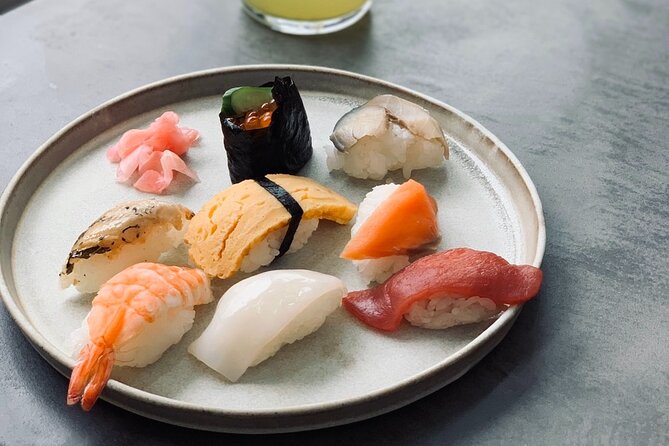
A playful cultural element is the rental cloth. Several kinds are available, so you can choose what to wear during the class. Dressing in traditional Japanese clothing adds visual interest and helps the session feel different from a standard kitchen lesson.
The clothing is not just a photo prop. It gives you a small connection to Japanese presentation and ceremony while you learn the food. The experience also includes souvenir photography, so you can leave with a record of the class rather than relying only on your own phone.
At the end, you receive a certificate of completion. The graduation ceremony is lighthearted, but it gives the class a clear finish. After making the sushi, eating your work, and taking photographs, the certificate marks the activity as something you completed, not simply a meal you attended.
This works especially well for couples, families, and small groups of friends. Solo visitors can enjoy it too, particularly if they like meeting instructors and taking part in a structured activity. The ceremony also gives children and first-time cooks a simple achievement to take home.
How the instruction feels for beginners
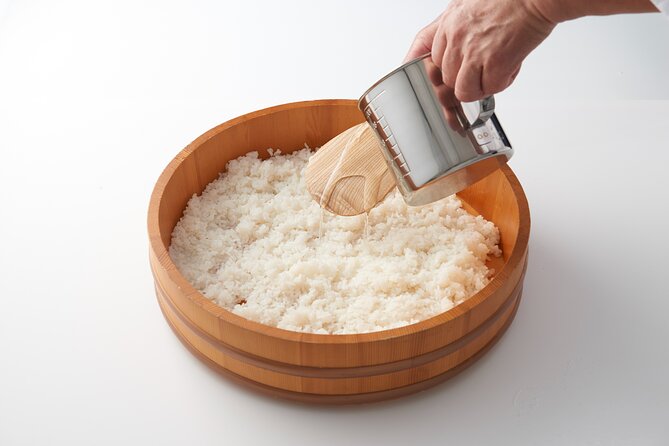
You do not need to know Japanese cooking terms before arriving. The class explains each stage and guides you through the actions. One useful feature is that you learn words and movements connected with traditional sushi preparation, not just a list of ingredients.
Okashi is named as one of the people who helps create the welcoming tone. The teaching style is described as fun and encouraging, with traditional clothing and sushi vocabulary adding to the experience. The instructors can answer questions and guide you in English, though the information provided does not promise fully fluent English at every moment.
That distinction matters. You should be able to follow the planned steps, but this is not necessarily the right pick if you want a long lecture in detailed culinary English. The class is practical first. You learn by doing, with explanations alongside the work.
The experience also offers a range of food adjustments. Vegetarian, vegan, and Muslim-friendly options are available, as are allergy-conscious, non-raw, and gluten-free choices. You must tell the organizer before the class. The stated options are helpful, but you should still explain your needs clearly when booking, especially for serious allergies.
Is $115.96 a fair price?
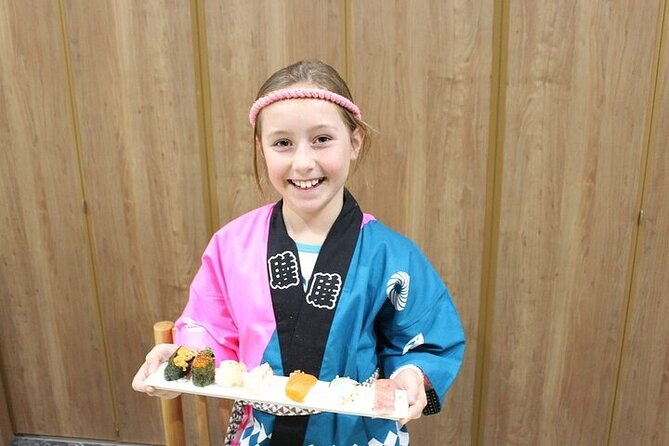
The listed price is $115.96 per person. That is not a bargain if you judge the activity only by the eight pieces of sushi. It becomes more reasonable when you count the instruction, ingredients, clothing rental, chosen toppings, fresh wasabi, souvenir photography, certificate, and cultural teaching.
You are buying a 90-minute experience, not simply a restaurant meal. The most valuable part is the skill you can repeat later at home. You learn how to prepare sushi rice, work with fish, use wasabi, and shape nigiri. Those lessons can make the cost worthwhile if you enjoy cooking or want a memorable food activity during a Japan trip.
The price may be harder to justify if you only want to eat premium sushi or if your schedule is already full of cooking classes. The meal portion is limited to eight pieces, drinks cost extra, and other Japanese dishes are not included.
I would compare it with the price of a quality meal plus the cost of a cultural activity in Nara. If you would otherwise book both, this class offers a practical combination. If you are watching every yen and mainly want dinner, choose a restaurant instead.
Timing, arrival, and practical details
The class begins and ends at the Nara meeting point, 221 Hokkejichō. It is near public transportation, and directions are reported to be clear and easy to follow. Still, leave a buffer for finding the building and getting upstairs.
If you are delayed by up to 15 minutes, call the emergency number at +81-742-34-5789. The organizers cannot shift the schedule for late arrivals because other people will be taking part. Arriving late can mean missing some activities, with no partial refund.
More than 30 minutes late is treated as a cancellation, and no refund is issued in that case. The experience offers free cancellation if you cancel at least 24 hours before the local start time. Changes or cancellations inside that window are not accepted for a refund.
There is no elevator, but staff can help you with the stairs. Service animals are allowed. These details are easy to overlook, but they can affect your plans, so check them before booking.
Who will get the most from this class?
I would choose this experience for you if you want food, culture, and a clear activity in one booking. It suits first-time sushi makers especially well because you do not need prior skill, and the instructors guide each stage.
It is also a good fit for:
- Couples who want a shared activity beyond sightseeing
- Families looking for hands-on participation
- Solo visitors who enjoy structured cultural classes
- Home cooks who want sushi skills they can use later
- People seeking vegetarian, vegan, Muslim-friendly, gluten-free, or non-raw arrangements, with advance notice
It may be less suitable if you want an intimate private lesson, since the maximum capacity can reach 200 participants. It may also disappoint if you expect a long menu of Japanese dishes, a full restaurant meal, or a guaranteed set of fish and toppings.
The class is not a substitute for visiting Nara’s temples and parks. Instead, it gives you a different way to spend part of the day, one that focuses on a food tradition you can understand through your hands.
My final booking advice
I recommend the Umemori Sushi School class if you want to learn by doing and value the cultural side of a meal. The strongest features are the full preparation process, the fresh wasabi, the chance to work with sushi-grade fish, and the friendly help from instructors such as Okashi.
Book it early if your dates are fixed, and arrive on time. Tell the organizer about dietary needs before the class, do not count on drinks or extra dishes being included, and confirm the group arrangement if a small class matters to you.
For a first sushi-making experience in Nara, the combination of practical skills, traditional clothing, photos, eight pieces of sushi, and a certificate makes this a memorable choice. Just make sure you want an activity and a lesson, not merely a meal.
FAQ
Where does the sushi-making class take place?
The class takes place at 221 Hokkejichō, Nara, 630-8001, Japan. It is near public transportation.
How long does the experience last?
The class lasts approximately one hour and 30 minutes.
How much does the experience cost?
The listed price is $115.96 per person.
How many pieces of sushi are included?
The package includes eight pieces of premium sushi.
What will I learn during the class?
You learn to prepare sushi rice, grate fresh wasabi, cut sushi-grade seafood, and shape and assemble sushi.
Are drinks included?
No. Drinks are not included in the listed package.
Are other Japanese dishes included?
No. Foods such as tempura, tofu, and pork shabu-shabu are not included. Optional menus may be available separately.
Can dietary requirements be accommodated?
Vegetarian, vegan, Muslim-friendly, allergy-conscious, non-raw, gluten-free, and other options are available. You must inform the organizer before the class.
What happens if I arrive late?
If you are delayed by up to 15 minutes, contact the organizer at +81-742-34-5789. Arriving more than 30 minutes late is treated as a cancellation, and late arrivals are not eligible for a refund.
Is cancellation free?
You can cancel for a full refund up to 24 hours before the experience start time. Cancellations or changes made less than 24 hours before the start are not refunded.
Recently added around Nara
- Nara Private Customizable Half Day Tour★ 5.0 · 3 reviews
- Full Day Nara Deer, Temple, Shrine, Activities & Tea Ceremony★ 5.0 · 3 reviews
- Nara: Essential Private Tour with Deer Park and Temples★ 5.0 · 3 reviews
- Discover the Essence of Nara Ink Through Your Senses★ 5.0 · 3 reviews
- Private Journey in Nara’s Historical Wonder★ 5.0 · 3 reviews
- Nara:Private Tea Ceremony(Max 5 ppl) -Master Matcha Making-★ 5.0 · 3 reviews
- Nara Takayama Tea Whisk Craft and Tea Culture Experience★ 5.0 · 3 reviews
- Nara: Half-Day Private Tour of 4 Must-See Spots & Deer Park★ 5.0 · 3 reviews
Nara Day Trips, compared.

World Heritage Kyoto & Nara Uji Authentic Matcha Experience
Read our review →
Kyoto/Osaka: Nara, Fushimi Inari Taisha, Arashiyama Bus Tour
Read our review →
Nara Half Day Trip Walking Tour (Private Option Available)
Read our review →
Nara Early Morning Tour (Kyoto or Osaka Departure Available)
Read our review →



Kyoto/Osaka: Kinkakuji, Bamboo Forest, and Nara Deer Park
Read our review →Browse the lists this tour appears in