
REVIEW · NARA DAY TRIPS
Nara Takayama Tea Whisk Craft and Tea Culture Experience
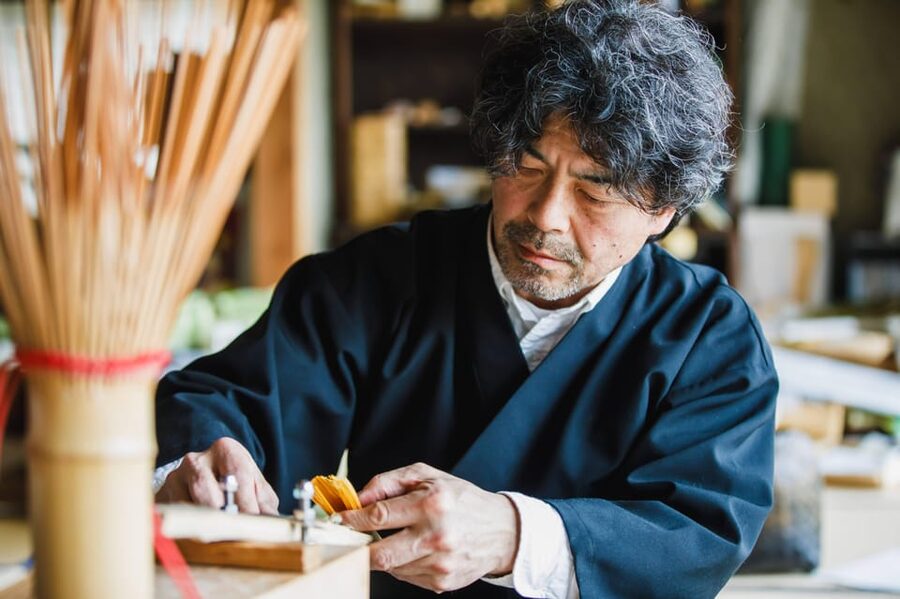
Takayama, Nara, is the birthplace of Japan’s traditional tea whisk, and this visit takes you straight into the workshop of Tango Tanimura, the family’s 20th-generation head. You’ll watch him turn bamboo into a fine chasen, then choose your own hands-on activity. I like the direct contact with a living craft tradition, and I like that you can shape the visit around your interests instead of paying for activities you do not want. The main drawback is the workshop’s location: getting there by public bus can be awkward, so arrange your route carefully.
I also like the small-scale setting. This is not a large demonstration staged for a crowd, but a visit to a working family home and workshop, with English and Japanese guiding available. The Premium Plan gives you the fullest day, but at $141 per person, it makes the most sense if you want the tea ceremony, lunch, both craft projects, and matcha preparation in one sitting.
In This Review
- Key points to know before booking
- Why Takayama is the right place for tea whisk making
- Watching Tango Tanimura shape a single piece of bamboo
- Three ways to shape your visit
- Carve a chashaku, the tea scoop
- Make your own chasen
- Join a tea ceremony
- What you receive with the Premium Plan
- The practical challenge: reaching the Tanimura workshop
- How the visit flows from arrival to finished craft
- What to wear and how to behave in the workshop
- Who will get the most from this experience
- How the experience compares with an ordinary tea ceremony
- Booking, cancellation, and the final choice
- FAQ
- Where does the tea whisk experience take place?
- Who demonstrates the tea whisk craft?
- What activities can I choose from?
- What does the Premium Plan include?
- Is transportation to the workshop included?
- How long does the experience last?
- Are English-speaking guides available?
- Can I take photographs during the visit?
- Can I cancel for a refund?
Key points to know before booking
- See a 20th-generation tea whisk master at work: Tango Tanimura demonstrates techniques passed through his family for centuries.
- Choose your own focus: Select chashaku carving, chasen making, or a traditional tea ceremony.
- The Premium Plan covers the full program: It adds lunch, both craft activities, tea ceremony, and matcha whisking.
- Plan transportation with care: The workshop is in Takayama, and one guide, Yoshi, provided train-station pickup for a smoother arrival.
- Expect a quiet, respectful setting: You may take photographs, but recording the artisan’s demonstration is not allowed.
- Allow between 2.5 and 5.5 hours: Your exact duration depends on the option you choose.
Why Takayama is the right place for tea whisk making
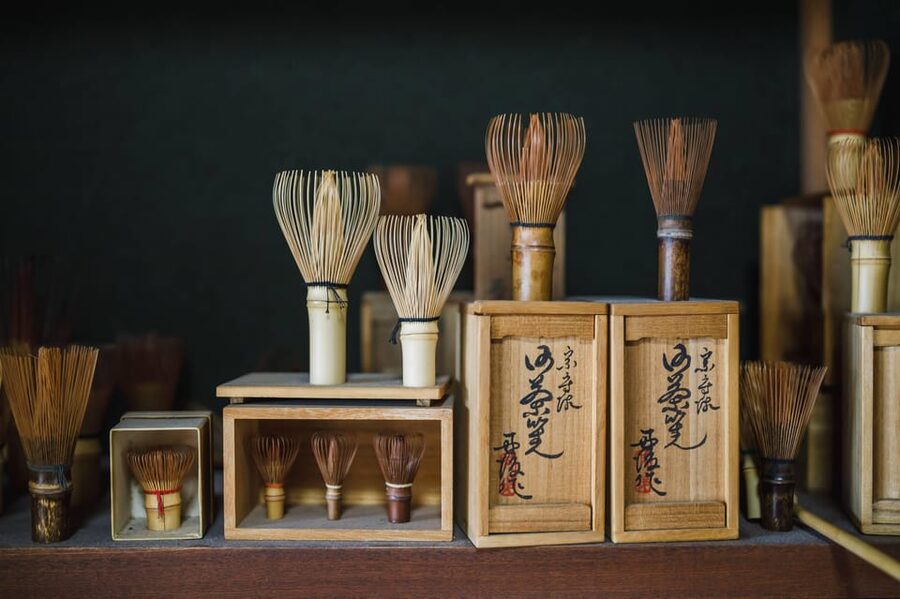
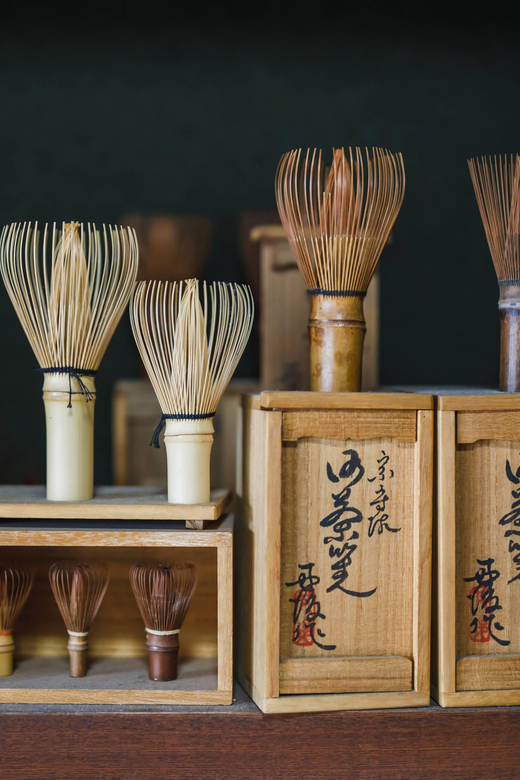
A chasen is easy to overlook until you watch one being made. It is a small bamboo tool with dozens of fine, flexible tines, used to whisk matcha into a smooth, foamy drink. In Takayama, this is not a souvenir industry invented for sightseeing. Tea whisk production began in this bamboo-growing village about 500 years ago, and the craft remains part of the local identity.
That setting gives the experience its real value. You are not simply learning how to handle a craft tool. You are seeing why the tool matters, how much care goes into it, and how a family workshop protects a process that depends on patience and touch.
The Tanimura family is one of only 18 tea whisk-making families still working in Japan. That number helps put the visit in perspective. A tea ceremony can be found in many Japanese cities, but the chance to watch a master chasen maker in his own workshop is much less common.
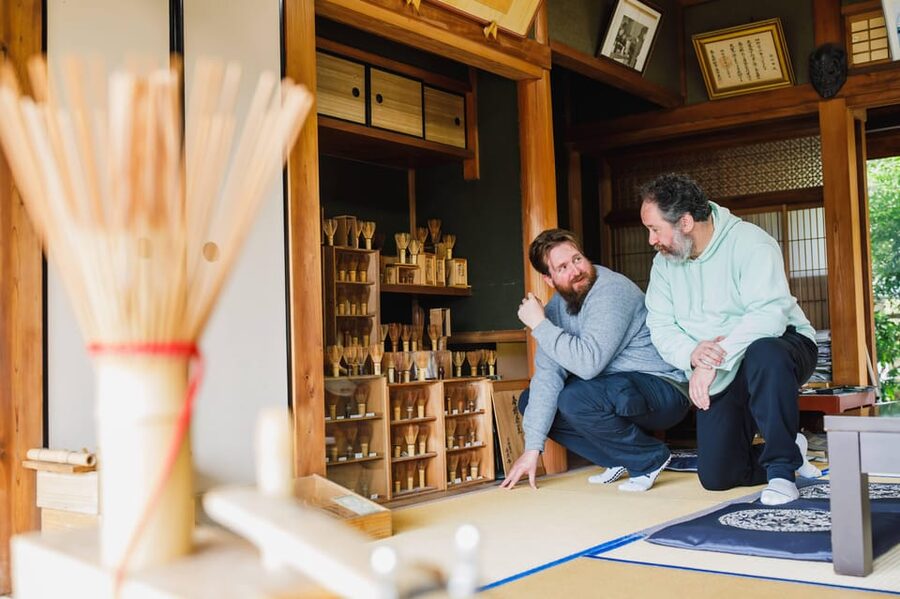
The workshop is also the family home of Tango Tanimura. You should expect a personal setting rather than a polished museum. Finished whisks fill the space, and the mood is quiet and focused. That can be a strength if you want a close look at Japanese workmanship. It may feel less convenient if you prefer a fast-moving tour with many different sights.
More day trips to Nara:
- World Heritage Kyoto & Nara Uji Authentic Matcha Experience
★ 5.0 · 1,573 reviews - Nara Half Day Trip Walking Tour (Private Option Available)
★ 5.0 · 937 reviews - Nara Early Morning Tour (Kyoto or Osaka Departure Available)
★ 5.0 · 676 reviews
Watching Tango Tanimura shape a single piece of bamboo
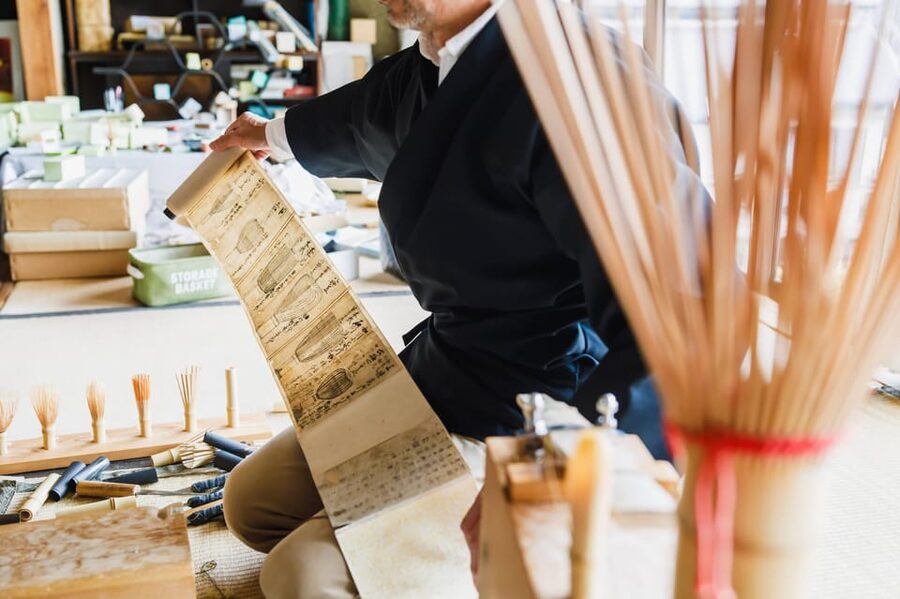
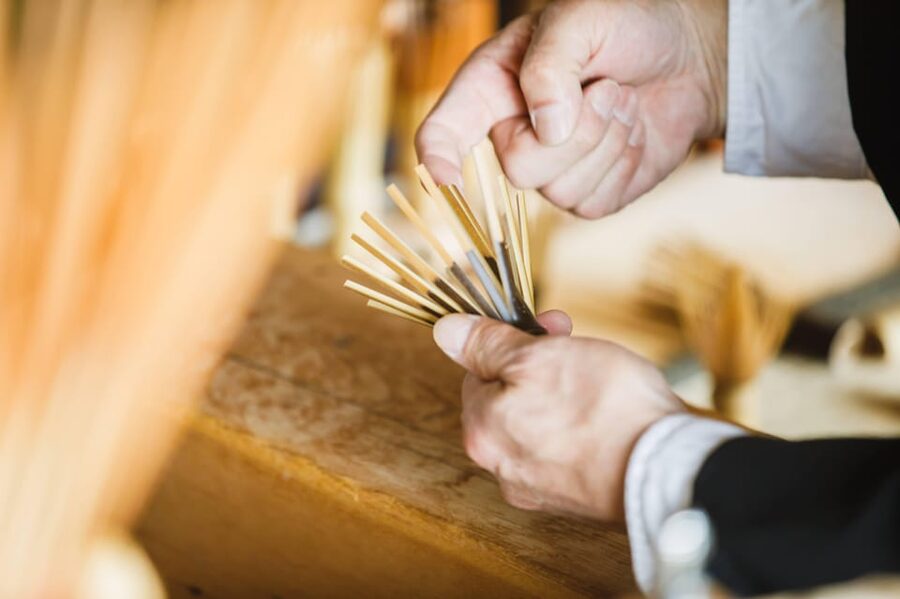
The demonstration is included with every option, so you do not need to choose the most expensive package to see the central craft. Tango Tanimura shows how a single piece of bamboo becomes an elegant, useful tea whisk through a series of careful steps.
The appeal is in the hands-on detail. The work calls for control, precision, and a feel for the bamboo. Small changes affect the shape and flexibility of the finished whisk. Watching the process helps you understand why a handmade chasen costs more than a factory-made substitute.
I would treat this demonstration as the heart of the visit, even if you choose the tea ceremony rather than a craft project. It gives the tea tools a human story. You see that the whisk is not just another utensil placed beside a bowl of matcha. It is the result of a demanding skill taught across generations.
Photography is allowed, but you need to respect the artisan’s privacy. Do not record the demonstration. That rule is worth noting before you arrive, especially if you are accustomed to filming every stage of a workshop. Keep your camera ready for still photographs, then put it away when the demonstration begins so you can watch closely.
Three ways to shape your visit
After the demonstration, you choose one main activity under the standard plan. Each option gives you a different way to understand tea culture.
Carve a chashaku, the tea scoop
The chashaku is the narrow scoop used to measure matcha into the tea bowl. Carving one is a good choice if you enjoy woodwork but do not want the longer, more demanding process of making a whisk.
The activity lets you focus on the shape and feel of a tool used in the tea ceremony. Under the master’s guidance, you work by hand and leave with an object that has a clear purpose. It is a quieter souvenir than a mass-produced magnet, and it connects directly to what you have seen in the workshop.
Choose this option if you want a manageable craft project or if the idea of making dozens of tiny whisk tines sounds too fiddly. You still receive the full chasen demonstration, so you will not miss the signature part of the visit.
A completely different side of Nara:
- Kyoto/Osaka: Kinkakuji, Bamboo Forest, and Nara Deer Park
★ 4.4 · 265 reviews - Nara 6hr Private Tour with Government-Licensed Guide
★ 5.0 · 219 reviews - E-Bike Nara Highlights – Todaiji, Knives, Deer, Shrine
★ 4.8 · 186 reviews - Nara Early Bird Tour (Kyoto Departure Option Available)
★ 4.9 · 142 reviews
Make your own chasen
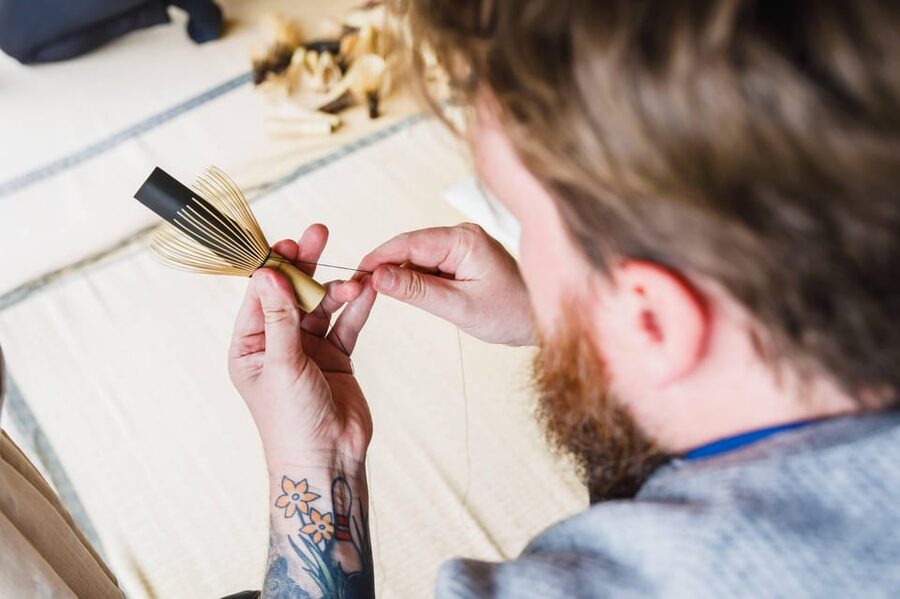
Making a chasen offers the strongest hands-on link to the workshop’s main craft. You work with guidance to create your own tea whisk and take it home afterward.
This is the best pick if you want a lasting souvenir and enjoy learning through your hands. The finished piece will also remind you of the difference between seeing a skill and trying it yourself. You may gain a new respect for the master’s work when your own version proves less simple than it first appeared.
Crafting can take concentration, so wear comfortable clothes suitable for workshop activity. The supplied information does not promise a particular level of difficulty or a specific finished style, so think of this as a guided cultural craft rather than a chance to produce a perfect professional-grade whisk.
Join a tea ceremony
The tea ceremony option shifts attention from making tools to using them. You learn how tea tools, etiquette, and hospitality fit together in a formal setting.
This is the right choice if you are curious about Japanese tea culture but do not want a craft project. The chasen demonstration still comes first, giving you useful context when you see the whisk used in the ceremony.
A tea ceremony rewards patience. It is not designed as a quick cup of matcha between sightseeing stops. The value lies in observing the movements, the tools, and the care given to a simple act of serving tea.
What you receive with the Premium Plan
The Premium Plan combines everything into one longer visit. It includes the tea ceremony, a seasonal boxed lunch, a chasen workshop, chashaku carving, and a matcha whisking lesson.
This is the fullest way to experience the workshop. You first see the master’s technique, then try both tools yourself, take part in the ceremony, and prepare matcha using utensils tied to this place. The lunch adds another pause in the day and makes the visit feel like a special outing rather than a short class.
The plan lasts as long as 330 minutes, or five and a half hours. That is a large block of time, so check your wider Nara schedule before booking. If you only want one activity, the shorter options can be more practical. If you are making a dedicated trip to Takayama, the Premium Plan gives the area and the craft enough time to justify the journey.
At $141 per person, the price deserves a careful look. It is not a budget activity, and you are paying for access to a rare artisan, personal instruction, several activities, lunch, and a small-group or private format. The value is strongest for people who would otherwise book separate tea and craft experiences.
The standard option may be the better buy for a focused visit. You receive the demonstration plus one selected activity, which may be all you need. I would choose the Premium Plan for a major celebration, a serious interest in matcha, or a day built around traditional crafts. I would choose the single-activity plan if you are watching costs or have only part of an afternoon.
The practical challenge: reaching the Tanimura workshop
All activities take place at Tanimura Tango. The meeting point is in front of Tango Tanimura’s house, where your guide will hold a sign with the DeepExperience logo.
Transportation to and from the workshop is not included. This matters because Takayama is a village area, and reaching the workshop by bus may not be simple. One visitor had Yoshi pick them up from a train station and considered that help essential. Pickup is not listed as a standard inclusion, so you should confirm the meeting and transport details when you reserve rather than assume a station transfer comes with the booking.
Yoshi is one named guide associated with the experience, and Benoit is another. Yoshi was praised for strong English and local recommendations, while Benoit was described as helpful and professional. Guides can vary, but English and Japanese support are available.
The duration ranges from 150 to 330 minutes. Check the available start times and match the activity to your transport plan. A 2.5-hour visit may fit neatly into a half-day, while the Premium Plan can occupy most of a day once you add travel time.
Private and small-group formats are available. That is useful here because the workshop depends on close viewing and personal instruction. Ask for the group format at booking if privacy or a quieter pace matters to you.
How the visit flows from arrival to finished craft
Your guide meets you outside the house and workshop. From there, the visit stays at Tanimura Tango, so you do not spend the session moving between several locations.
You begin with the demonstration. This is the shared element across all plans and introduces the bamboo, the tools, and the skill behind the chasen. Give it your full attention. The work is delicate, and the small movements are easier to appreciate when you are not trying to take constant video.
Next comes your selected activity. Chashaku carving gives you a compact project. Chasen making puts you closer to the workshop’s main tradition. The tea ceremony gives you a formal look at how the finished tools are used.
The Premium Plan adds each of these pieces, along with lunch and matcha whisking. That structure lets you move from watching, to making, to using. It also explains the longer duration and higher price.
You finish at the same workshop, with your crafted item if you selected a making activity. The experience has two possible drop-off references, both at Tanimura Tango, so do not expect transport to a separate station or sightseeing area unless that has been arranged separately.
What to wear and how to behave in the workshop
Wear comfortable clothing that allows you to work with your hands. You do not need formal clothing for the craft portion, and comfort will matter more if you choose the longer Premium Plan.
The setting calls for courtesy. Photography is permitted, but respect the artisan’s privacy. Recording the demonstration is prohibited. I would also avoid treating the workshop like a production line. Watch the pace of the work, listen to the guide, and allow the master to show the process without interruption.
The tea ceremony has its own etiquette, which the guide will explain as part of the activity. You do not need to arrive as a tea expert. The point is to learn how the tools, gestures, and hospitality work together.
Who will get the most from this experience
This visit suits you if matcha is more than a drink stop on your Japan itinerary. It is also a strong choice if you like traditional crafts, family workshops, or souvenirs that you make yourself.
Couples, small groups, and private parties can make good use of the flexible options. A craft-focused family might prefer the chashaku or chasen workshop, while someone interested in Japanese customs may choose the tea ceremony.
The experience is less suitable if you want a quick activity near Nara’s main sights or if you dislike planning transport. The workshop’s rural location is part of its appeal, but it also adds time and effort. You should not book it as a last-minute filler between major attractions.
The Premium Plan especially suits you if you want a slow, substantial cultural day. The standard options are better for a tighter schedule or a lower total cost.
How the experience compares with an ordinary tea ceremony
A standard tea ceremony teaches you how tea is prepared and served. This experience adds the missing backstory: how the whisk and scoop came into being.
That difference matters. Once you have watched bamboo become a chasen, the ceremony has more meaning. You can look at the whisk as a handmade object rather than a generic part of the setting. If you make one yourself, you also understand the patience behind its fine shape.
The experience does not replace a broader visit to Nara. It focuses tightly on one craft and one family workshop. That focus is its strength. You will not see a long list of temples or local attractions, but you will leave with a clearer sense of how one Japanese tradition is kept alive.
Booking, cancellation, and the final choice
You can cancel up to 24 hours in advance for a full refund, and the reserve-now, pay-later option lets you hold a place without paying immediately. These policies help if your Japan route is still shifting, though you still need to check the available start time and arrange transportation.
I would book this experience if you want direct contact with a rare Japanese craft and are willing to travel to Takayama. The demonstration by Tango Tanimura is the strongest reason to go, while the choice of a handmade whisk, scoop, or tea ceremony lets you set the tone.
Choose the standard plan if you want the best balance of time and cost. Choose Premium if you want the complete program and can spare up to 5.5 hours. Skip it if you are mainly looking for a central Nara sightseeing stop or a simple cup of matcha. For anyone who values careful workmanship, personal instruction, and an authentic workshop setting, this is one of the more distinctive cultural activities you can add to a Japan itinerary.
FAQ
Where does the tea whisk experience take place?
All activities take place at Tanimura Tango in Takayama, Nara. The meeting point is in front of Tango Tanimura’s house.
Who demonstrates the tea whisk craft?
Tango Tanimura, the 20th-generation head of the family, demonstrates the chasen-making process.
What activities can I choose from?
You can choose chashaku carving, a chasen-making workshop, or a tea ceremony. The Premium Plan includes all of these activities.
What does the Premium Plan include?
It includes the tea ceremony, lunch, chasen workshop, chashaku carving, and matcha whisking.
Is transportation to the workshop included?
No. Transportation to and from Tanimura Tango is not included. One guide, Yoshi, provided train-station pickup for a booking, but you should confirm any pickup arrangement in advance.
How long does the experience last?
The duration ranges from 150 to 330 minutes, depending on the option selected and the available starting time.
Are English-speaking guides available?
Yes. The experience is offered in English and Japanese. Guides named in the available information include Benoit and Yoshi.
Can I take photographs during the visit?
Yes, photography is allowed. You must respect the artisan’s privacy, and you may not record the demonstration.
Can I cancel for a refund?
Yes. You can cancel up to 24 hours in advance for a full refund. A reserve-now, pay-later option is also available.
Recently added around Nara
- Nara Private Customizable Half Day Tour★ 5.0 · 3 reviews
- Full Day Nara Deer, Temple, Shrine, Activities & Tea Ceremony★ 5.0 · 3 reviews
- Nara: Essential Private Tour with Deer Park and Temples★ 5.0 · 3 reviews
- Discover the Essence of Nara Ink Through Your Senses★ 5.0 · 3 reviews
- Private Journey in Nara’s Historical Wonder★ 5.0 · 3 reviews
- Nara:Private Tea Ceremony(Max 5 ppl) -Master Matcha Making-★ 5.0 · 3 reviews
- Nara: Half-Day Private Tour of 4 Must-See Spots & Deer Park★ 5.0 · 3 reviews
- Udon and Tempura Cooking Class in Nara★ 5.0 · 3 reviews
Nara Day Trips, compared.

World Heritage Kyoto & Nara Uji Authentic Matcha Experience
Read our review →
Kyoto/Osaka: Nara, Fushimi Inari Taisha, Arashiyama Bus Tour
Read our review →
Nara Half Day Trip Walking Tour (Private Option Available)
Read our review →
Nara Early Morning Tour (Kyoto or Osaka Departure Available)
Read our review →


Kyoto/Osaka: Kinkakuji, Bamboo Forest, and Nara Deer Park
Read our review →Browse the lists this tour appears in