
REVIEW · ARASHIYAMA BAMBOO GROVE TOURS
Kyoto/Osaka: Kinkakuji, Bamboo Forest, and Nara Deer Park
Kyoto’s Golden Pavilion and Arashiyama bamboo grove are two of Japan’s most photographed sights, but fitting them together with Nara’s deer and Great Buddha in one day takes careful planning. This tour handles the long connections by coach, leaving you to focus on the sights rather than train changes.
I like the clear variety: quiet bamboo, polished temple gardens, then free-roaming deer in a broad park. I also like the guides’ practical help, from explaining how to pray at a temple to giving clear meeting instructions. The tradeoff is time. With three major stops in one day, you may feel hurried, especially when crowds slow you down.
In This Review
- Key points to know before booking
- What this Kyoto and Nara day trip covers
- Starting from Osaka or Kyoto
- Arashiyama bamboo forest and Togetsukyo Bridge
- Kinkaku-ji and its mirror pond
- Nara Park, deer, and the Great Buddha
- The schedule: efficient, but not leisurely
- Guides, group care, and the English commentary
- Lunch, transport, and what the $69 price buys
- Who should book this tour
- Should you book it?
- FAQ
- Where does the tour depart from in Kyoto?
- Where does the tour depart from in Osaka?
- Does the tour include hotel pickup?
- What places does the tour visit?
- Is lunch included?
- Are Kinkaku-ji and Todaiji admission tickets included?
- Can I request a vegetarian lunch?
- Can I feed the Nara deer?
- Are infants allowed on the tour?
- Can I bring a stroller?
- What should I bring?
- What happens if traffic or weather changes the schedule?
Key points to know before booking

- Three famous sights in one day: Arashiyama, Kinkaku-ji, and Nara Park are covered without arranging several separate train journeys.
- The Golden Pavilion includes its gardens: You do not just stop for a photograph, but walk through the original garden design around the pond.
- Nara deer crackers can sell out: Bring only the special shika-senbei for feeding, and try to buy them early.
- Lunch is optional: The buffet is convenient, though food quality and dining conditions can vary, and halal or vegan meals are not available.
- The day begins early: Meet at 8:50 AM in Osaka or 9:05 AM at Kyoto Station, then return to the original meeting point.
- This is a sightseeing sampler: It suits first-time visitors who want broad coverage more than long, quiet visits at each place.
What this Kyoto and Nara day trip covers
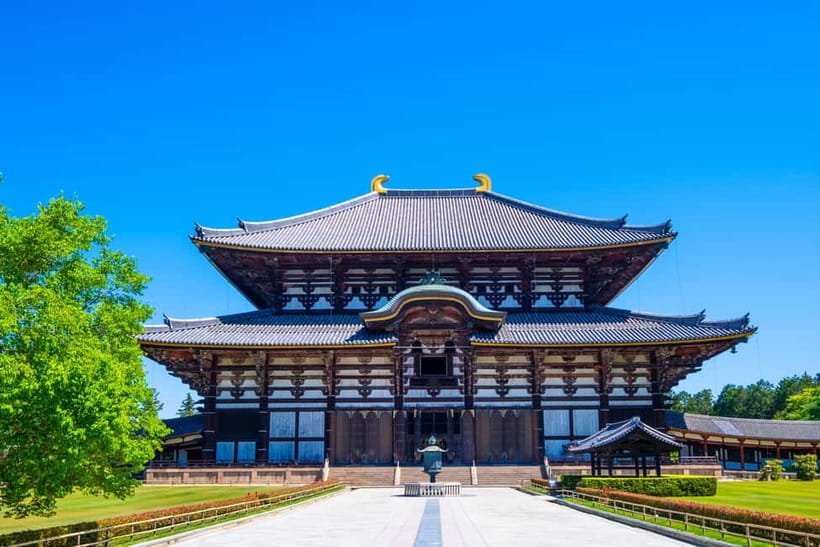
The route links three very different places in western Japan. Arashiyama gives you bamboo and river scenery. Kinkaku-ji offers one of Kyoto’s most polished temple views. Nara adds open parkland, tame-looking deer, and Todaiji’s huge bronze Buddha.
At $69 per person, the main value comes from the transport and organization. Public transport can take you to all three places, but you would need to work out the order, handle crowded stations, pay separate fares, and keep an eye on the clock. This tour removes much of that friction.
The price is not equally attractive for every booking option. Lunch and admissions may depend on the package you select, so check exactly what is included before paying. If you prefer choosing your own restaurant and moving at your own speed, the basic tour option may make more sense.
The experience is conducted in English, and guides have included Eiko, Yuki, Jewel, Maki, Satoshi, Kan, Winnie, and others. Guide quality can vary by departure, but the strongest part of the guiding is practical: directions, meeting points, cultural explanations, and help keeping the group together.
More of Arashiyama and the bamboo grove:
- Kyoto: Fushimi Inari, Kinkakuji, Bamboo Grove 1 Day Bus Tour
★ 4.8 · 4,316 reviews - Kyoto/Osaka: Nara, Fushimi Inari Taisha, Arashiyama Bus Tour
★ 4.7 · 1,275 reviews - Kyoto Arashiyama Walking Tour: Bamboo, Monkeys, Gardens & Secrets
★ 5.0 · 1,216 reviews
Starting from Osaka or Kyoto
The Osaka departure meets at OCAT Building 1F at 8:50 AM. The Kyoto departure meets at the Kyoto Station Hachijo Exit Tourist Bus Parking at 9:05 AM. Hotel pickup is not included, so you must reach one of these meeting points on your own.
The Kyoto meeting point is at a major station, but Kyoto Station is large enough to cause confusion if you arrive at the last minute. Give yourself time to find the Hachijo Exit and the tourist bus parking area. One useful lesson from the day is simple: save the meeting-point details on your phone and confirm the tour staff or bus before setting off.
The Osaka option can be useful if your base is in Namba or nearby. One guide suggested Osaka as the better starting point for some visitors, but the right choice depends on where you are staying and where you want to finish. The activity ends back at the meeting point, so think about the return journey before booking.
The coach is air-conditioned and has Wi-Fi. That matters here because the day includes several long road sections. Traffic can affect the schedule, and the route may change for safety in poor weather. The vehicle is more comfortable than piecing the route together by local trains, though no coach can avoid Kyoto’s traffic completely.
Arashiyama bamboo forest and Togetsukyo Bridge
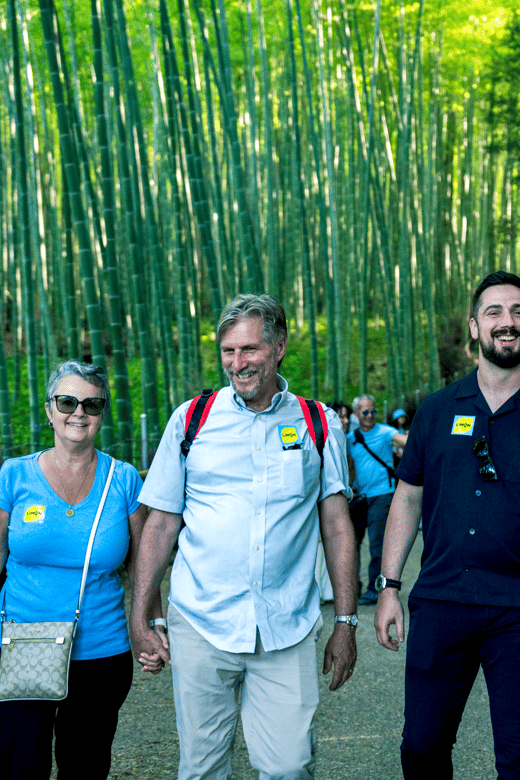
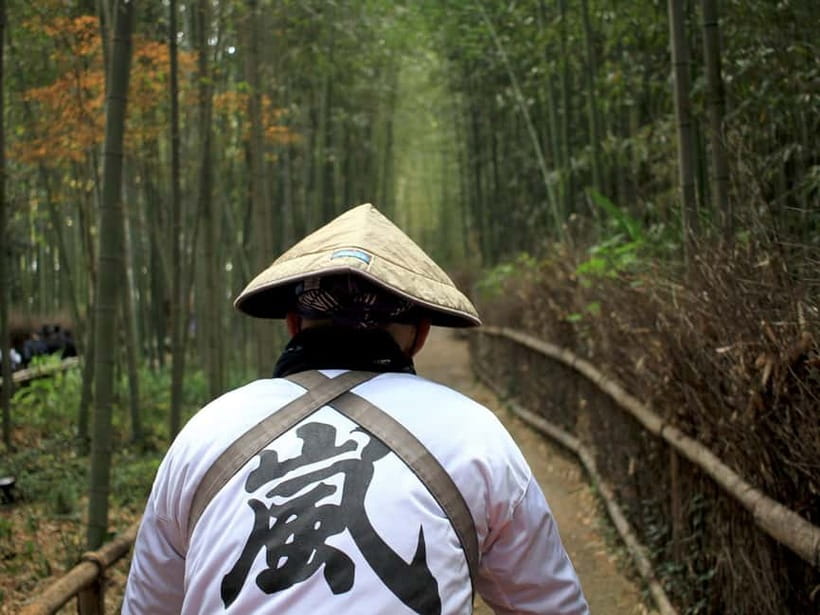
Arashiyama is usually the first major stop. The Sagano Bamboo Forest is a short but memorable walk through tall bamboo stalks that filter the light and make a soft rustling sound overhead. The grove is not a remote nature walk. It is a famous public sight, and crowded conditions are possible, especially around the main path.
I like this stop because it gives you a quick change of pace after the morning departure. The green bamboo corridor feels different from the temples that follow, and the walk is easy for most people who can manage ordinary sightseeing on foot.
You may also have time to see Togetsukyo, the Moon Crossing Bridge, and the Katsura River. The bridge and river provide a wider view after the narrow bamboo path. In cherry-blossom season, the area can be especially attractive, though that also means more people and slower movement.
A traditional Japanese lunch featuring seasonal Kyoto specialties may be arranged before exploring Arashiyama if you select the lunch option. The meal has been described as a buffet with many choices, while other diners found it cramped and closer to basic institutional food than a special Kyoto meal. I would treat lunch as a convenience, not the main reason to book.
There is an important food limitation. Halal and vegan lunches are not available. Vegetarian requests must be sent to the activity provider at least three days ahead, so do not wait until the morning of the tour.
Kinkaku-ji and its mirror pond

After Arashiyama, the coach crosses Kyoto to Kinkaku-ji, the Golden Pavilion. The temple’s upper levels are covered in gold leaf, and the building is reflected in the pond in front of it. On a bright day, this is one of the easiest photographs to recognize in Japan.
The visit includes more than the famous front view. You follow a garden route around the pond and through grounds that retain their original design from the fourteenth century. The garden is carefully maintained, with arranged plantings, water, and viewpoints that frame the pavilion.
Kinkaku-ji is not a place where you enter and wander freely through every room. The pleasure is in seeing the pavilion from several angles and understanding how the building, pond, and garden work together. The gold can look almost too perfect, but the surrounding garden gives the visit more substance than a simple photo stop.
Entry to Kinkaku-ji depends on the option booked, so check the inclusions. The same applies to Todaiji later in the day. If admissions are included, the price becomes more attractive because you avoid separate ticket queues and extra small payments.
This stop can feel rushed. The route is popular, and large numbers of people moving along the paths make it hard to pause wherever you want. I recommend taking your main photo early, then listening for the guide’s meeting instructions before wandering farther into the garden.
More day trips to Nara:
- World Heritage Kyoto & Nara Uji Authentic Matcha Experience
★ 5.0 · 1,573 reviews - Nara Half Day Trip Walking Tour (Private Option Available)
★ 5.0 · 937 reviews - Nara Early Morning Tour (Kyoto or Osaka Departure Available)
★ 5.0 · 676 reviews - Nara 6hr Private Tour with Government-Licensed Guide
★ 5.0 · 219 reviews
Nara Park, deer, and the Great Buddha
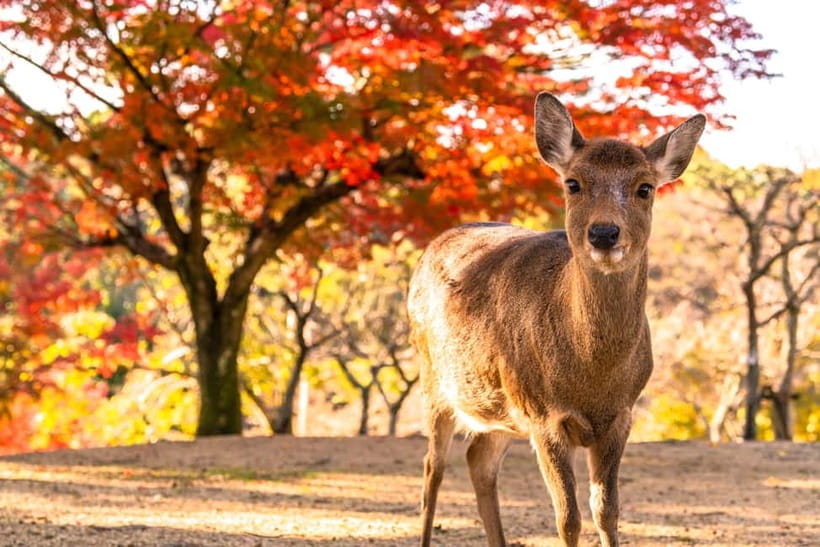
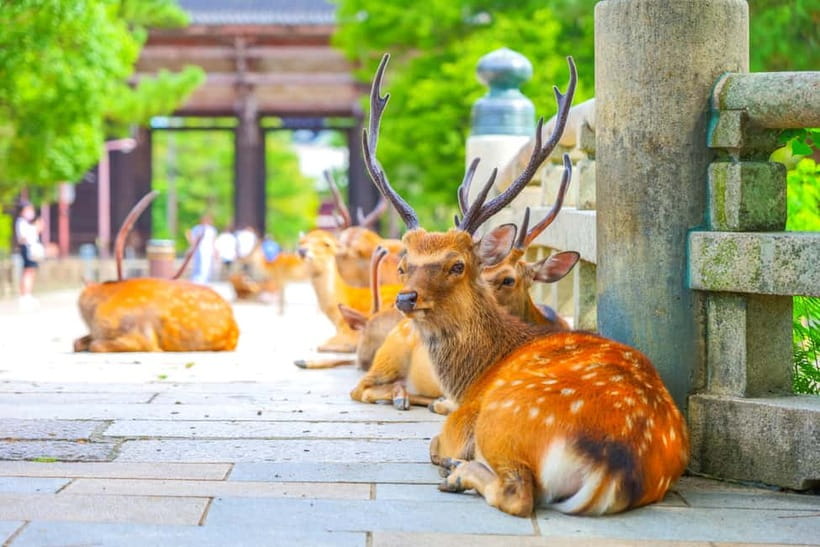
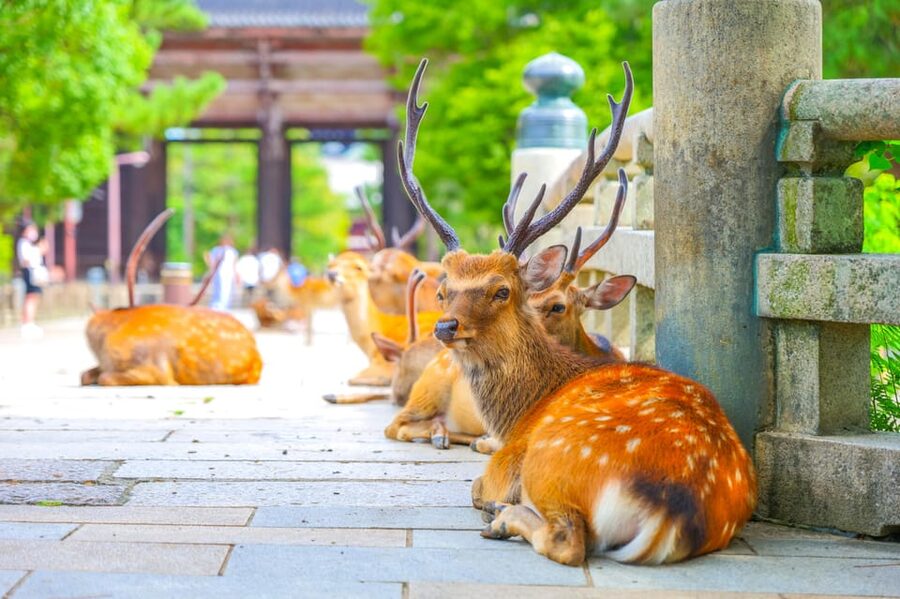
The final major area is Nara Park, where around 1,200 wild deer live freely. The deer are used to people and may approach when they see food. You can buy special rice crackers called shika-senbei and feed them, but you must not offer anything else.
The famous deer bowing gesture is entertaining, but remember that these are still animals, not trained performers. Hold the crackers carefully, feed them one at a time, and put your hands up to show you have run out. A small group can gather quickly once the food appears.
Buy crackers as soon as you have the chance. Shops may be sold out late in the afternoon, especially when the park is crowded. One guide managed to find some for the group at around 4 PM, but that was helpful luck rather than something you should count on.
Nara can feel more open and relaxed than the bamboo grove. The deer spread through the park, and the broad paths make it easier to get close to them. Rain can change the feel of the stop, but one wet day left the park notably quiet. Bring water and comfortable shoes, since you will walk between the park, deer areas, and temple grounds.
Within the park is Todaiji Temple, home to one of Japan’s three enormous Great Buddha statues. The bronze Buddha inside the temple hall gives this visit a sense of scale that photographs struggle to capture. The hall itself is also an important part of the experience, so allow enough time to look upward and take in the building rather than rushing straight through.
Admission to Todaiji is included only with certain options. Confirm this at booking, especially if you are comparing the $69 base price with a package that includes lunch and both temple tickets.
The schedule: efficient, but not leisurely
This tour works because it puts several difficult-to-connect sights into one organized day. It does not work as well if your ideal visit means sitting beside a pond, taking slow photographs, or exploring every side lane in Arashiyama.
The timing has received mixed reactions for a good reason. Some guides, including Hama and Morgan’s guide, kept the day moving with clear instructions and helped the group reach sites before the worst crowds. Other departures felt rushed, with too little time for photos or quiet exploration.
Expect the guide to lead you for part of each visit, explain the setting, and then give you free time before a fixed meeting point. You need to listen carefully. Nara Park is large and crowded, and it is possible to lose sight of the group or miss the final bus.
The strongest practical advice is to photograph the meeting point, keep the guide’s instructions visible, and return early. One person missed the bus after becoming lost among the crowds and had to arrange the return to Kyoto independently. The guide may provide a plan for finding the station, but you should not assume the bus can wait.
Some departures use a train for part of the route before continuing by bus, while the advertised experience centers on coach transport. Follow the specific instructions given at your meeting point, since the exact transport plan can vary.
Guides, group care, and the English commentary
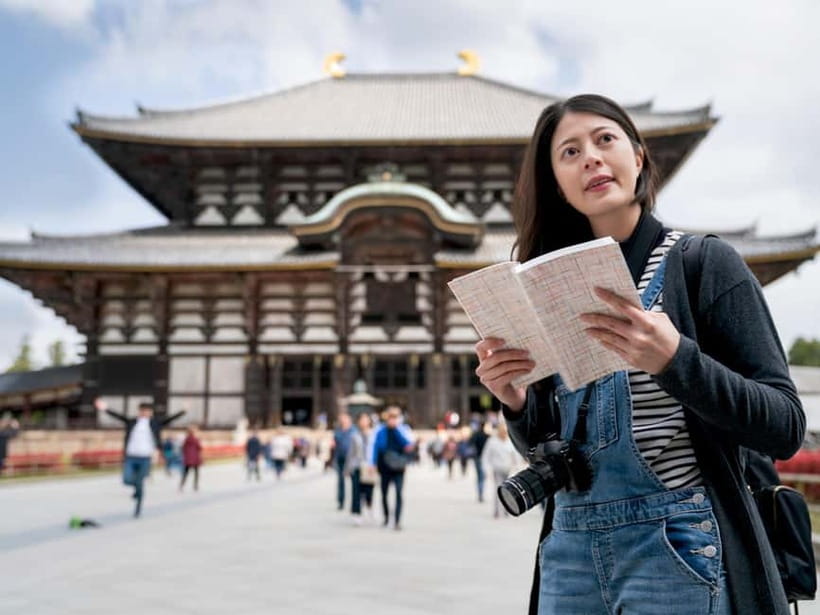
The guide can make a major difference on a tightly timed day. Eiko, Yuki, Jewel, Satoshi, Maki, Kan, Winnie, and others have been praised for cultural explanations, patience, friendliness, and clear directions. Several guides took photographs, explained prayer customs, and checked on people who needed extra care.
The best commentary is not just a list of dates. It connects the buildings to local customs, such as how to pray at a shrine or temple, and points out stories tied to sacred places. On the coach, the guide may explain the stops and give you a plan for the day, which helps you use free time without guessing.
English ability can differ between guides. One departure had a first guide who was difficult for some people to understand, while a second guide spoke more clearly. That is not a reason to reject the tour, but it is worth remembering that the quality of spoken explanation is not fully predictable.
The guides generally keep the day orderly, but you still have a duty to stay aware. This is a group tour, not a private escort. If you want to stop for every detail, the schedule will feel tight.
Lunch, transport, and what the $69 price buys
The air-conditioned bus is the practical heart of the tour. Kyoto and Nara are not impossibly hard to visit independently, but moving between Arashiyama, northern Kyoto, and Nara in one day takes time and attention. The coach lets you rest between stops and carry less concern about changing trains.
Wi-Fi is listed on the coach, though you should still bring a charged phone. You need it for meeting details, maps, and contacting the provider if instructions are unclear.
The lunch buffet is optional. Some people found it delicious and appreciated the wide selection. Others disliked the crowded tables and basic quality. If you have firm dietary needs, skip the meal unless the provider has confirmed a suitable vegetarian arrangement in advance.
At $69, the tour is good value for a first visit if your package includes lunch, Kinkaku-ji entry, and Todaiji entry. It is especially useful for solo visitors, families who do not want to manage complicated transport, and anyone with only one free day for Kyoto and Nara.
The value is weaker for repeat visitors or people who already know the train system. You may prefer to spend a full morning in Arashiyama or a longer afternoon in Nara rather than follow the fixed route.
Who should book this tour
I would choose this tour if you want the headline sights with minimal transport planning. It is a strong fit for a first visit, a short stay, or a family group that values a clear route and an air-conditioned ride.
It also suits solo visitors. Guides can help with photographs, explain what to look for, and make the day less awkward than navigating four major sights alone. The group setting gives you structure without requiring you to stay beside the guide every minute.
I would hesitate if you dislike crowds or need a slow pace. Arashiyama and Kinkaku-ji can be packed, and three major stops leave little room for lingering. I would also think twice if you need halal or vegan food, since those lunch options are not available.
Wear comfortable shoes and bring water. Pets, smoking in the vehicle, and oversized luggage are not allowed. Only foldable strollers are accepted, and they are stored under the bus.
Should you book it?
Book this day trip if your priority is seeing bamboo, the Golden Pavilion, Nara deer, and the Great Buddha in one sweep. The transport, English guidance, and optional admissions offer solid value, and the best guides add useful cultural detail rather than simply pointing out buildings.
Skip it if your ideal day means lingering, choosing your own food, or avoiding fixed meeting times. For most first-time visitors with limited time, though, this is a sensible way to cover western Japan’s biggest sights without spending the whole day studying train maps.
You can reserve now and pay later, and cancellation is free up to 24 hours before departure. The main decision is not the price. It is whether you are happy trading personal freedom for a well-organized route.
FAQ
Where does the tour depart from in Kyoto?
The Kyoto departure meets at the Kyoto Station Hachijo Exit Tourist Bus Parking at 9:05 AM.
Where does the tour depart from in Osaka?
The Osaka departure meets at OCAT Building 1F at 8:50 AM.
Does the tour include hotel pickup?
No. Hotel pickup and drop-off are not included. You must reach the assigned meeting point.
What places does the tour visit?
The route includes Arashiyama’s Sagano Bamboo Forest, Kinkaku-ji, Nara Park, and Todaiji Temple with its Great Buddha Statue.
Is lunch included?
Lunch is included only if you select an option that includes it. The meal is a traditional Japanese lunch or buffet-style meal, depending on the arrangement.
Are Kinkaku-ji and Todaiji admission tickets included?
Entry tickets depend on the option booked. Check the selected package to see which admissions are included.
Can I request a vegetarian lunch?
Yes, but you must contact the activity provider at least three days before the tour. Halal and vegan lunches are not available.
Can I feed the Nara deer?
Yes. You may feed them special shika-senbei rice crackers. Do not feed the deer anything else.
Are infants allowed on the tour?
Children aged 0 to 2 can join free, but they do not receive a seat or meal and must sit on an adult’s lap.
Can I bring a stroller?
Only foldable strollers are allowed. They are stored under the bus with the luggage.
What should I bring?
Bring comfortable shoes and water. You should also keep the meeting instructions with you throughout the day.
What happens if traffic or weather changes the schedule?
The schedule may change because of traffic or weather conditions, especially when changes are needed for safety.
Recently added around Nara
- Nara Private Customizable Half Day Tour★ 5.0 · 3 reviews
- Nara: Essential Private Tour with Deer Park and Temples★ 5.0 · 3 reviews
- Full Day Nara Deer, Temple, Shrine, Activities & Tea Ceremony★ 5.0 · 3 reviews
- Discover the Essence of Nara Ink Through Your Senses★ 5.0 · 3 reviews
- Private Journey in Nara’s Historical Wonder★ 5.0 · 3 reviews
- Nara:Private Tea Ceremony(Max 5 ppl) -Master Matcha Making-★ 5.0 · 3 reviews
- Nara Takayama Tea Whisk Craft and Tea Culture Experience★ 5.0 · 3 reviews
- Nara: Half-Day Private Tour of 4 Must-See Spots & Deer Park★ 5.0 · 3 reviews
Arashiyama Bamboo Grove Tours, compared.
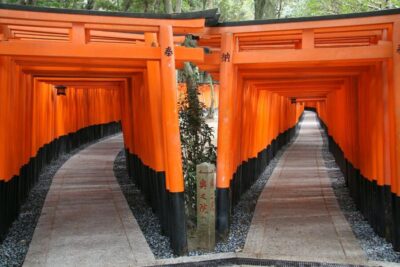
Fushimi Inari, Kinkakuji, Bamboo Grove 1 Day Bus Tour
Read our review →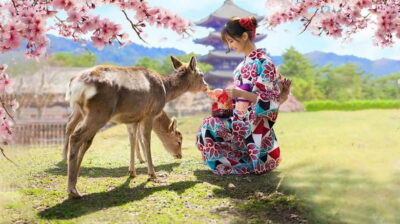
Kyoto/Osaka: Nara, Fushimi Inari Taisha, Arashiyama Bus Tour
Read our review →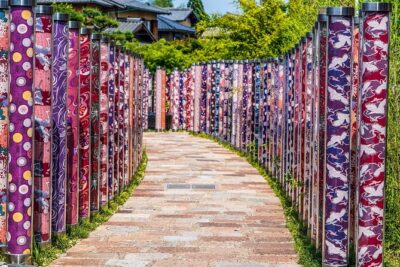
Kyoto Arashiyama Walking Tour: Bamboo, Monkeys, Gardens & Secrets
Read our review →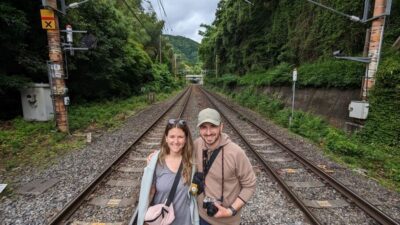
Arashiyama Bamboo, Temple, Monkeys, or Secret Sake Brewery
Read our review →
Arashiyama Bamboo Forest, Monkeys, Matcha & Temple Tour
Read our review →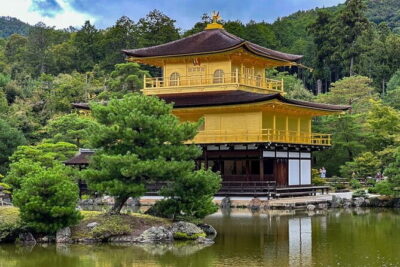
Nijo, Kinkaku-ji, Arashiyama, Kiyomizu & Fushimi Inari
Read our review →
Kyoto Ghost Tour: Dark Tales, Urban Legends, Bamboo Forest Night
Read our review →
Arashiyama Bamboo Forest & Hidden Gems Bike Tour (Early Bird)
Read our review →Browse the lists this tour appears in