
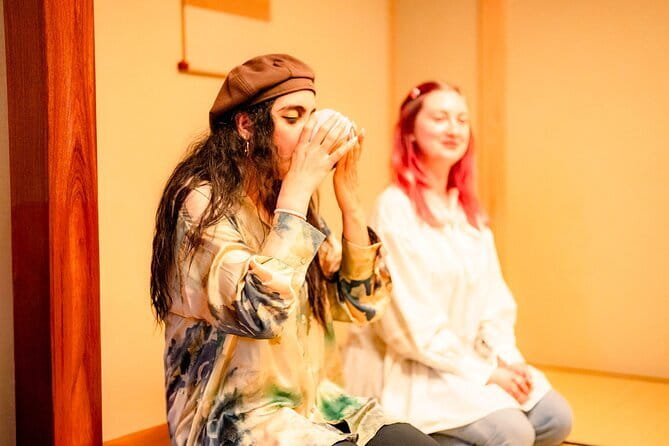
REVIEW · NARA DAY TRIPS
Nara:Private Tea Ceremony(Max 5 ppl) -Master Matcha Making-
The most memorable part of this Nara experience is not simply drinking tea. It is sitting in a tiny tea room inside a 120-year-old Japanese house, where a tea master shows you how a few quiet movements can turn a powdered drink into a focused ritual. You watch the demonstration, learn the meaning behind the tools, then make your own cup.
I like the private group size, capped at five people, because it gives you room to ask questions instead of watching from the back. I also like the chance to compare two single-origin Nara matchas, then whisk one yourself with a bamboo chasen. The main consideration is time: at about one hour, this is a compact introduction, not an extended study of tea ceremony.
In This Review
- Key Points
- Entering a 120-Year-Old House in Nara
- Meeting the Tea Master and Seeing the Ritual
- Comparing Two Nara Single-Origin Matchas
- Whisking Your Own Matcha With a Chasen
- A Quiet Break From Nara Sightseeing
- Why the Private Group Size Matters
- Is $50.85 Per Person Good Value?
- Who Will Enjoy This Tea Ceremony Most?
- Practical Tips for Making the Hour Count
- Should You Book This Nara Matcha Lesson?
- FAQ
- Where does the tea ceremony take place?
- How long does the experience last?
- How many people can join the private activity?
- What matcha will I taste?
- Will I make my own matcha?
- Are children welcome?
- Is transportation included?
- Can I cancel for a full refund?
Key Points
- A 120-year-old Japanese house: The setting gives the lesson a sense of place that a modern café cannot match.
- Two Nara matchas to compare: Taste and smell two single-origin teas before choosing your favorite.
- Private group of up to five: You get direct attention from the tea master and space for questions.
- Hands-on chasen practice: Learn to whisk your own matcha rather than only watching a demonstration.
- A calm, family-friendly lesson: Young children are welcome, and the quiet format can work well for parents and older children.
- Simple one-hour format: It fits neatly into a day of sightseeing in Nara, though it leaves little time for a long ceremony.
Entering a 120-Year-Old House in Nara
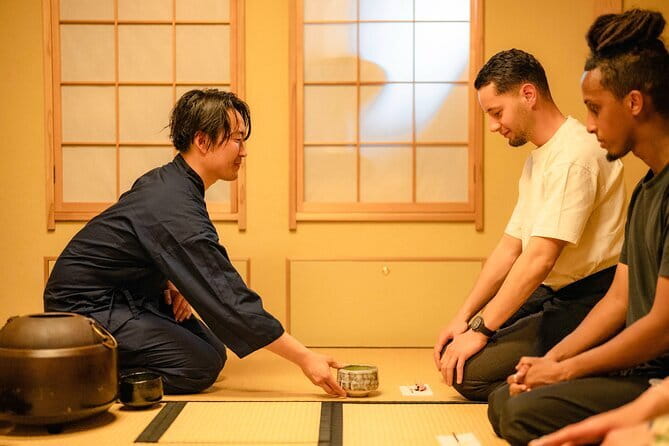
The setting does much of the work here. You meet at Guesthouse Naramachi, at 30 Kitakyōbatechō in Nara, then take part in the tea experience inside a traditional Japanese house that is about 120 years old.
That age matters. A tea ceremony is built around attention to small things: the sound of water, the movement of a bamboo whisk, the way a bowl is held, and the quiet between steps. An old house gives those details a proper backdrop. You are not simply stopping at a counter for a matcha drink. You are entering a place designed to slow you down.
The tea room is described as tiny, which is worth keeping in mind. Tiny can mean intimate and atmospheric, but it also means the experience is not suited to people who want lots of room or a large theatrical presentation. With a maximum of five people in your private group, the small space should feel personal rather than crowded.
The experience ends back at the meeting point. Transportation is not included, so you need to arrange your own way to Guesthouse Naramachi. The location is near public transportation, which makes the meeting point practical for a day in Nara, but your ticket does not cover the journey.
More day trips to Nara:
- World Heritage Kyoto & Nara Uji Authentic Matcha Experience
★ 5.0 · 1,573 reviews - Nara Half Day Trip Walking Tour (Private Option Available)
★ 5.0 · 937 reviews - Nara Early Morning Tour (Kyoto or Osaka Departure Available)
★ 5.0 · 676 reviews
Meeting the Tea Master and Seeing the Ritual
The lesson begins with a tea master’s demonstration. You watch the preparation before trying it yourself, giving you a clear picture of the movements and manners involved.
That order is useful. Matcha preparation can look simple until you try to make the whisk move properly. A demonstration lets you see how the utensils are handled and how the tea is prepared without having to figure out every step on your own.
The tea master also explains the basics of tea ceremony, including its history, etiquette, and the proper use of the utensils. The experience is not presented as a formal performance that you silently observe from start to finish. It is a private lesson, and you are encouraged to ask as many questions as you like.
Mike is the guide named in the available experience details. His approach is described as earnest and generous, with plenty shared during the visit. That personal quality matters in a lesson like this. The best tea ceremony introduction is not only about getting the hand movements right. It helps you understand why the ceremony values calm, respect, and attention.
You should expect a relaxed pace rather than a long lecture. The full activity lasts about one hour, so the explanation needs to remain focused. That makes it approachable for first-time visitors, though anyone seeking a detailed historical or technical course will likely want more time.
Comparing Two Nara Single-Origin Matchas
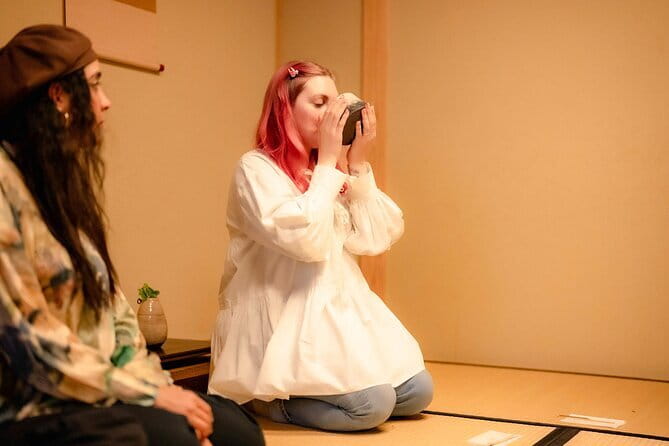
One of the strongest features is the tasting of two types of Nara single-origin matcha. Instead of treating matcha as one uniform flavor, the experience lets you compare the teas directly.
You can pay attention to differences in aroma, flavor, and personal preference. One may appeal to you more than the other, and that simple comparison can make the drink feel less mysterious. You begin to see that matcha has its own range of character, rather than being only a bright green powder with a bitter taste.
This is also a good part of the experience for people who already drink matcha. You get a chance to compare two teas from the same region, while beginners have a clear way to form an opinion. The tasting is more useful than being handed one cup and told to decide if you like matcha.
The tea is served with a Japanese sweet. That pairing gives you another way to notice the tea’s flavor and makes the tasting feel like a small meal ritual rather than a quick sample. The included items also list coffee and/or tea, along with the two matchas and Japanese sweet.
The information does not specify the exact sweet or explain the precise differences between the two teas in advance. That is not a problem for most people, since the point is to taste and compare for yourself. Just do not book this expecting a full tea-pairing menu.
Whisking Your Own Matcha With a Chasen
After watching the tea master, you get to prepare your own matcha. The key tool is the chasen, the traditional bamboo whisk used to mix the powder and water into a smooth, foamy drink.
This is where the lesson becomes more than a cultural demonstration. You have to concentrate on the whisking motion, but the task is gentle and repetitive. That combination gives the activity its calm quality. You are doing something with your hands, yet the setting encourages you to slow down rather than rush.
The tea master provides the full set of tea ceremony utensils, so you do not need to bring equipment. You can focus on the feel of the process and on following the instruction.
Do not worry about producing a perfect bowl on your first attempt. The value is in learning the movement and understanding the care involved. If your matcha is not as smooth as the tea master’s, that is part of the lesson, not a failure.
The experience also creates a useful balance between watching and doing. A demonstration alone can feel passive, especially for children and teenagers. Making the tea yourself gives younger participants a reason to stay engaged. A 17-year-old joined the activity with his mother and became involved in the ritual, which suggests that the quiet format can work well beyond the usual tea enthusiast.
More tea ceremonies in Nara:
- Nara:Authentic Tea Ceremony(Max 5 ppl) -Master Matcha Making
★ 5.0 · 119 reviews - Nara:5 Type of Tea Tasting & Mindful Tea Ceremony
★ 5.0 · 28 reviews - Nara:Tea Tasting&Private Tea Ceremony -Master Matcha Making-
★ 5.0 · 19 reviews - Full Day Nara Deer, Temple, Shrine, Activities & Tea Ceremony
★ 5.0 · 3 reviews
A Quiet Break From Nara Sightseeing
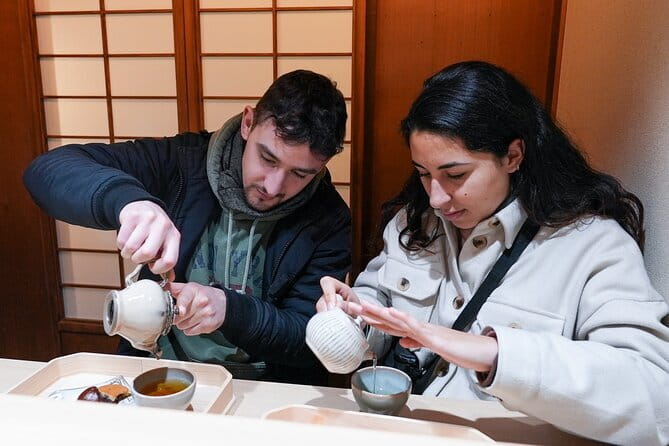
Nara is full of major sights, walking routes, and outdoor activity. This tea ceremony offers a different kind of pause. You sit quietly, listen, handle the utensils, and focus on one cup of tea.
The quiet is not empty. It is part of the experience. The lesson encourages a heart-to-heart connection through serene silence, which may sound lofty, but the practical meaning is simple: you are given permission to stop talking, stop checking your schedule, and pay attention.
That can be especially welcome in the middle of a busy sightseeing day. A one-hour activity is long enough to reset your pace without taking over your itinerary. Since the tour begins and ends at the same meeting point, you do not have to manage a complicated transfer between the lesson and the rest of your plans.
The setting is also a good choice if you want an experience that feels tied to Japan rather than designed only for quick entertainment. You learn etiquette, use traditional tools, taste local matcha, and sit in an old house. None of those elements needs a large production.
Still, the quiet atmosphere will not suit everyone. If you want a lively food tour, a broad introduction to Nara, or a long list of attractions, this is the wrong activity. The appeal is focus and restraint.
Why the Private Group Size Matters
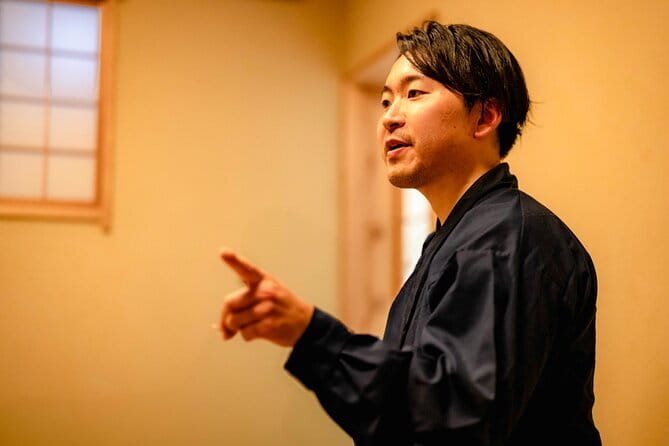
The activity is private, and only your group participates. The maximum is five people, which gives you a useful middle ground. You have more personal attention than in a large class, but the experience does not require you to book a one-person lesson.
For a couple, family, or small group of friends, this arrangement makes it easier to ask basic questions without feeling self-conscious. You can also move through the hands-on portion at a pace that fits your group.
The private format is particularly useful for families. Young children are welcome, and parents can share the activity with them rather than leaving them to watch a formal ceremony from a distance. Children may not follow every rule perfectly, but they can see the tools, taste the tea, and try whisking.
I would still think about your child’s temperament before booking. The experience depends on quiet attention, and a one-hour lesson in a small tea room may be difficult for a child who needs constant movement. The family-friendly policy means children are allowed, not that the activity is built around games or noise.
The private setting also lets you ask about the points that interest you most. You may want to know more about the matcha, the house, the bamboo whisk, or the etiquette. With the tea master available for questions, you do not need to save everything for later.
Is $50.85 Per Person Good Value?

At $50.85 per person, this is not the cheapest way to drink matcha in Nara. You can find tea for less in a café. The price makes more sense when you view the activity as a private cultural lesson that includes instruction, utensils, two matchas, and a Japanese sweet.
You are paying for several things at once:
- A private activity for your group of up to five
- A lesson with a tea master
- Access to a traditional 120-year-old house and small tea room
- A demonstration of tea preparation and etiquette
- Hands-on use of a bamboo whisk
- Two types of Nara single-origin matcha
- A Japanese sweet
- Coffee and/or tea
The value is strongest if you want participation rather than a drink. You leave with a better sense of how matcha is prepared and why the ceremony is shaped around deliberate actions. The price is less compelling if you only want to sample matcha or take a quick photograph in a traditional room.
The activity is booked about 18 days ahead on average, so planning early is sensible if your Nara schedule is fixed. Confirmation is received at booking, and the ticket is mobile, which keeps the arrival process simple.
Free cancellation is available if you cancel at least 24 hours before the start time. Cancellations made less than 24 hours before the activity are not refunded, and late changes are not accepted. The cut-off follows local Nara time.
Who Will Enjoy This Tea Ceremony Most?
I would recommend this experience to first-time visitors who want a gentle introduction to tea ceremony without committing to a long formal session. The one-hour length keeps the activity manageable, and the hands-on whisking gives you something concrete to do.
It is also a strong choice for:
- Couples looking for a quiet cultural activity
- Families with young children or teenagers
- Small groups who prefer a private lesson
- Matcha drinkers curious about regional differences
- Visitors who enjoy traditional homes and craft-based activities
- Anyone wanting a peaceful break from sightseeing
The experience may be less suitable if you dislike bitter or unfamiliar drinks, though tasting two varieties gives you a fairer chance to find one you prefer. It may also disappoint people expecting an elaborate, full-length tea ceremony with many courses and extended formal rules. The supplied details describe a focused introduction, not a half-day ceremony.
If you are visiting with someone who has mobility or other access needs, the available information does not provide detailed accessibility guidance. You should confirm practical arrangements with Tea Lounge Navi Cafe before booking.
Practical Tips for Making the Hour Count
Arrive with enough time to find Guesthouse Naramachi at 30 Kitakyōbatechō. Since transportation is not included, check your route before the activity begins rather than relying on a last-minute search.
Wear something that allows you to sit comfortably and use your hands. The activity centers on handling tea utensils and whisking matcha, so you will get more from it if you are ready to participate rather than simply observe.
Ask questions during the lesson. The private format is one of the main reasons to choose this activity, and the tea master welcomes questions. You might ask about the two Nara matchas, the history of the ceremony, the role of each utensil, or how the whisking technique affects the drink.
Give yourself room afterward if you want to reflect or continue exploring the Naramachi area. The activity ends back at the meeting point, so it is easy to build into a larger day, but the calm atmosphere may make you want a few unhurried minutes before rushing to the next sight.
Should You Book This Nara Matcha Lesson?
Book it if you want a small, personal introduction to Japanese tea ceremony rather than a quick cup of matcha. The old house, private group, two local teas, and hands-on chasen practice give the hour real substance. The experience is especially well suited to families, couples, and curious first-time visitors.
Skip it if your main goal is a cheap drink, a large meal, or a long formal ceremony. At $50.85 per person, the value comes from the setting, instruction, and participation. For the right audience, that makes it a thoughtful addition to a Nara itinerary.
FAQ
Where does the tea ceremony take place?
The meeting point is Guesthouse Naramachi, 30 Kitakyōbatechō, Nara, 630-8322, Japan. The activity takes place in a traditional Japanese house that is about 120 years old.
How long does the experience last?
The tea ceremony and matcha-making experience lasts approximately one hour.
How many people can join the private activity?
The private activity allows a maximum of five people. Only your group participates.
What matcha will I taste?
You will taste two types of Nara single-origin matcha and compare their flavors and aromas.
Will I make my own matcha?
Yes. After watching the tea master’s demonstration and learning the basics, you will whisk your own matcha using a bamboo chasen.
Are children welcome?
Yes. Families with young children are welcome to join the activity.
Is transportation included?
No. Transportation fees are not included. You need to make your own way to the meeting point.
Can I cancel for a full refund?
Yes, if you cancel at least 24 hours before the experience start time. Cancellations made less than 24 hours before the start time are not refunded, and late changes are not accepted.
More Kyoto Matcha Experiences in Nara
- Kyoto: Arashiyama Bamboo Forest, Monkeys, Matcha & Temple Tour
★ 5.0 · 759 reviews - Kyoto: Tea Museum Tickets and Matcha Grinding Experience
★ 4.9 · 739 reviews - Kyoto: Tea Ceremony Meditation – Make Matcha with Tea Master
★ 4.8 · 406 reviews - Kyoto: Arashiyama Bamboo, Matcha, Monkeys & Temple Tour
★ 4.9 · 291 reviews
Recently added around Nara
- Nara Private Customizable Half Day Tour★ 5.0 · 3 reviews
- Full Day Nara Deer, Temple, Shrine, Activities & Tea Ceremony★ 5.0 · 3 reviews
- Nara: Essential Private Tour with Deer Park and Temples★ 5.0 · 3 reviews
- Discover the Essence of Nara Ink Through Your Senses★ 5.0 · 3 reviews
- Private Journey in Nara’s Historical Wonder★ 5.0 · 3 reviews
- Nara Takayama Tea Whisk Craft and Tea Culture Experience★ 5.0 · 3 reviews
- Nara: Half-Day Private Tour of 4 Must-See Spots & Deer Park★ 5.0 · 3 reviews
- Udon and Tempura Cooking Class in Nara★ 5.0 · 3 reviews
Nara Day Trips, compared.
World Heritage Kyoto & Nara Uji Authentic Matcha Experience
Read our review →
Kyoto/Osaka: Nara, Fushimi Inari Taisha, Arashiyama Bus Tour
Read our review →
Nara Half Day Trip Walking Tour (Private Option Available)
Read our review →
Nara Early Morning Tour (Kyoto or Osaka Departure Available)
Read our review →
Kyoto/Osaka: Kinkakuji, Bamboo Forest, and Nara Deer Park
Read our review →Browse the lists this tour appears in