
REVIEW · FUSHIMI INARI SHRINE TOURS
Kyoto/Osaka: Nara, Fushimi Inari Taisha, Arashiyama Bus Tour
Nara’s free-roaming deer, Fushimi Inari’s endless red gates, and Arashiyama’s bamboo paths make this a big day with three very different faces of Japan. You move from friendly animals to sacred mountainside shrines, then finish among Zen gardens, river views, and old Kyoto streets.
I like the air-conditioned bus because it removes a lot of train changes and station confusion. I also like the generous mix of guided help and free time, especially at Arashiyama, where you can choose between temples, food, shopping, photographs, or a longer walk.
The trade-off is pace. You get a useful first look at three major sights, but not enough time to explore every temple or climb far up Mount Inari. Traffic can also affect the return time, so this works best when you value ease and coverage over setting your own schedule.
In This Review
- Key points at a glance
- Why this route works from Osaka or Kyoto
- Nara Park and the deer encounter
- Fushimi Inari Taisha and the red gate tunnel
- Arashiyama gives you the longest stop
- Nonomiya Shrine
- Tenryu-ji Temple
- Togetsukyo Bridge
- Kimono Forest and the station footbath
- What the guide adds to a self-guided day
- Is $52 a fair price?
- Who should book this day trip?
- Should you book it?
- FAQ
- How long does the tour last?
- Where can I join the tour?
- What time does the tour leave Osaka and Kyoto?
- Can I finish the tour in Kyoto if I start in Osaka?
- Is Tenryu-ji Temple included in the price?
- Are meals included?
- What languages are available?
- Is the tour suitable for wheelchair users?
Key points at a glance
- Three famous sights in one day: Visit Nara Park, Fushimi Inari Taisha, and Arashiyama without planning separate transport.
- Deer feeding in Nara: Buy special shika senbei and meet more than 1,000 deer regarded as divine messengers.
- A short but memorable Fushimi Inari walk: Enter the famous corridor of vermilion torii gates with about 70 minutes to explore.
- Free time in Arashiyama: See the bamboo forest, Nonomiya Shrine, Togetsukyo Bridge, and Kimono Forest, with Tenryu-ji available for an extra fee.
- Helpful guides and smooth coordination: Guides including Amy, Willa, Christine, Fiona, Laura, and others are praised for clear instructions, humor, and keeping departures on time.
- Good value at $52: Transport, guide service, fuel, parking, taxes, and handling charges are included, but meals and admission extras are not.
Why this route works from Osaka or Kyoto
This tour solves a real Japan planning problem. Nara, southern Kyoto, and western Kyoto sit in different directions, and fitting them into one day by train requires careful connections, station walks, and close attention to departure times. Here, you board in Osaka at 8:00 AM or in Kyoto at 9:00 AM, then let the driver handle the road.
You choose from two pickup areas: Harimaya Nippombashi 1-chome in Osaka or the Sunken Garden at Kyoto Station’s Hachijo Entrance Square. You also need to tell the operator in advance where you want to be dropped off, Osaka or Kyoto. If you do not specify, the return is set for your pickup point.
The day lasts about 9 to 10 hours. That sounds long, but much of it includes road time between districts. You should arrive 10 to 15 minutes early because the bus leaves on time, not when the last person happens to appear.
The vehicle is air-conditioned, and the driver is an important part of the experience. Several guides have been praised for careful coordination and smooth driving, including Mr. Wu, Mr. Yoshi, Mr. Ricky, Mr. Dragon, and Mr. A. The exact guide and driver vary, but the repeated strength is clear communication before each stop and firm reminders about when to return to the bus.
More ways to walk Fushimi Inari:
- Kyoto: Fushimi Inari, Kinkakuji, Bamboo Grove 1 Day Bus Tour
★ 4.8 · 4,316 reviews - Fushimi Inari Hidden Hiking Tour (Private Option Available)
★ 5.0 · 1,750 reviews - Kyoto: Nijo Castle, Kiyomizu & Fushimi Inari Guided Tour
★ 4.7 · 700 reviews
Nara Park and the deer encounter
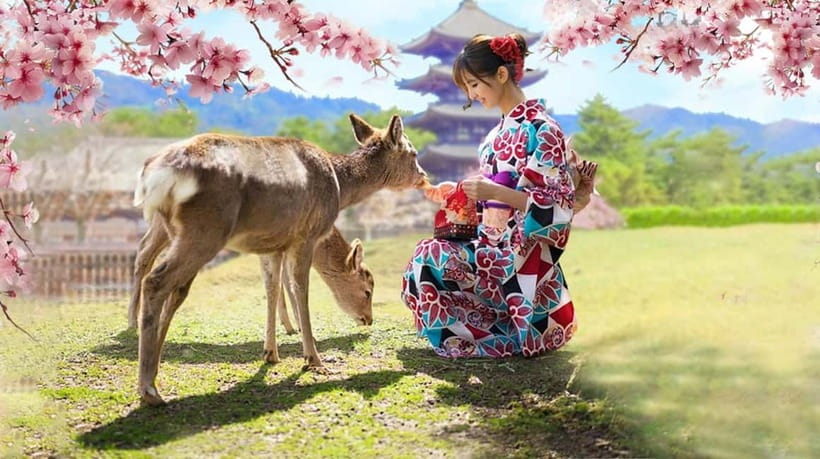
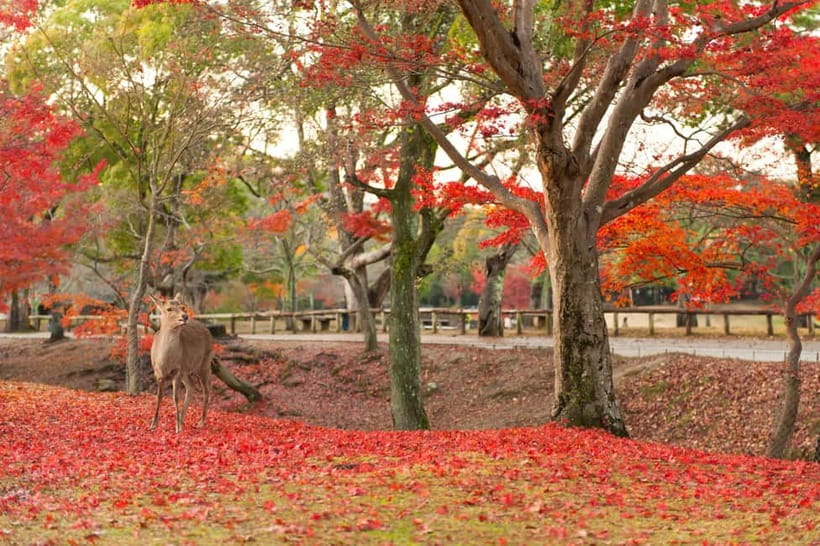
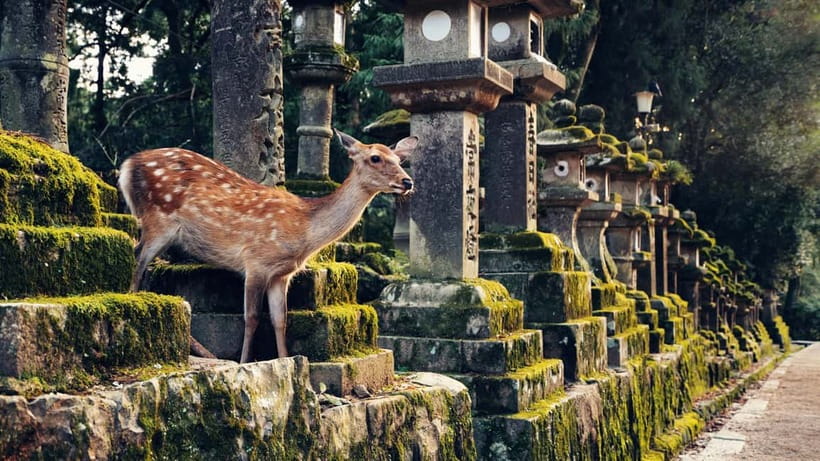
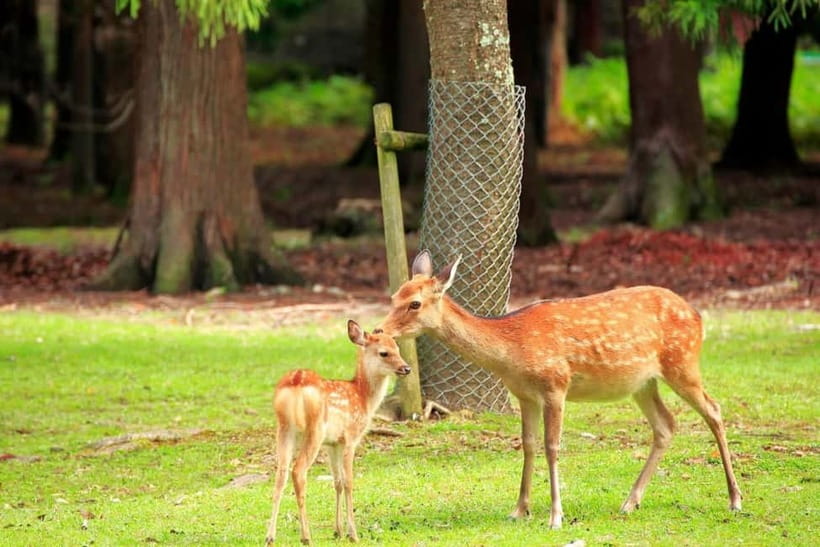
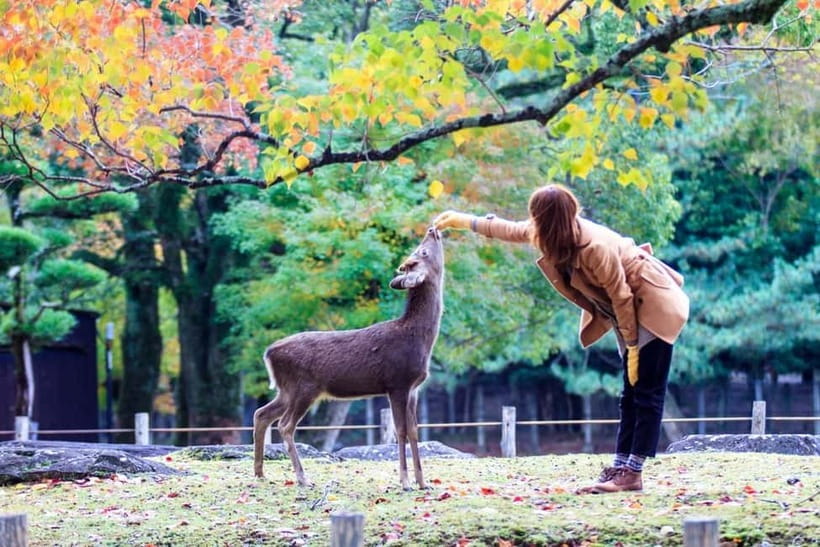
Nara Park is the day’s easiest crowd-pleaser. More than 1,000 deer roam freely through the park, around temple grounds, paths, and busy visitor areas. In local tradition, they are sacred messengers of the gods, which gives this familiar animal encounter more meaning than a simple wildlife photo stop.
You have about one hour here. The main activity is buying shika senbei, the special deer crackers, then offering them carefully to the animals. Deer often recognize the crackers quickly, so keep the stack hidden until you are ready. Once the food is gone, showing your empty hands can help make clear that there is nothing left.
This is a good stop for families and first-time visitors, but it is not a quiet meeting with nature. The park can feel very tourist-oriented, especially near the feeding areas, and the deer are accustomed to people. You should still treat them with care, avoid teasing them with food, and give them space if they become impatient.
One hour gives you enough time for feeding, photographs, and a short walk. It does not allow a proper visit to every major temple or corner of the park. If Nara is your main interest, you would gain more by spending a full day there. If you want a lively introduction before moving on, this timing is sensible.
Fushimi Inari Taisha and the red gate tunnel
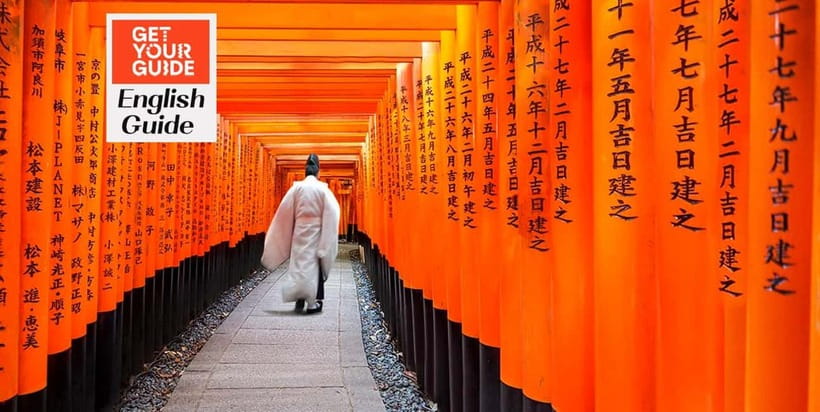
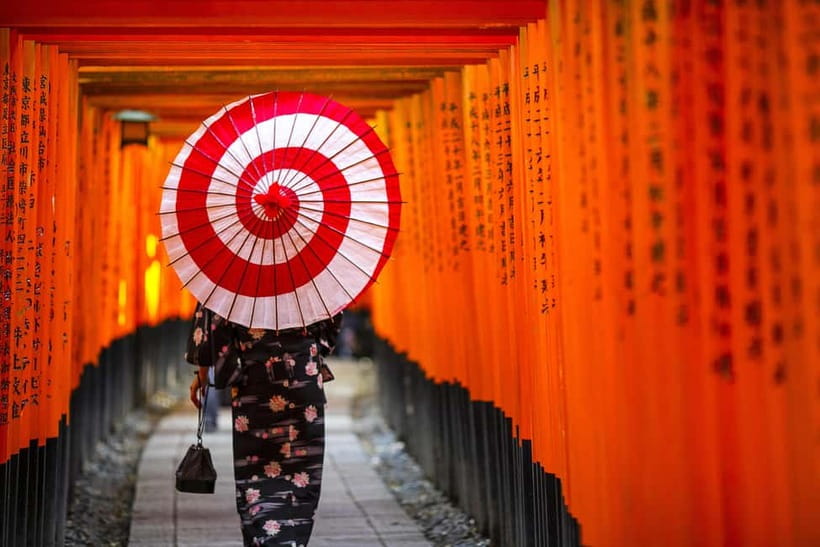
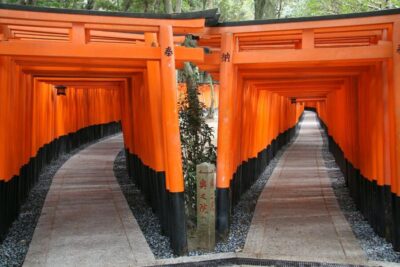
Fushimi Inari Taisha is the most atmospheric stop on the route. The shrine honors Inari, a deity linked with prosperity, business, and rice. Its famous torii gates were donated over time by individuals and companies seeking good fortune, creating a long corridor of red-orange gateways up the wooded mountain.
The tour allows about 70 minutes. That is enough to enter the main shrine area, walk through an impressive section of gates, and take photographs without trying to reach the mountain summit. The gates become quieter as you walk farther uphill, but the full mountain path takes much longer than the allotted stop.
The first section is usually the busiest and most photographed. I would walk beyond the opening cluster if your legs and schedule allow. The changing light between the gates creates the mysterious mood that makes Fushimi Inari so memorable, even when the lower path is crowded.
Wear shoes with a good grip. The route includes steps and an uphill walk, and you will want both hands free for photographs and shrine etiquette. The tour is not designed for people with mobility impairments or wheelchair users, and the operator specifically says the activity is not suitable for them.
Fushimi Inari is also a place to slow your behavior, even during a fast tour. You are passing through a working religious site, not only a photo set. A guide can explain the symbols and customs before you enter, while you get a short but useful taste of one of Kyoto’s most recognizable sacred places.
Arashiyama gives you the longest stop
Arashiyama receives the most time, with roughly two and a half hours across the area, although the detailed schedule breaks the visit into shorter sections. This is where you get the most freedom. You can follow the planned sights, spend longer in the bamboo forest, pay to enter Tenryu-ji, or use your free time for food and shopping.
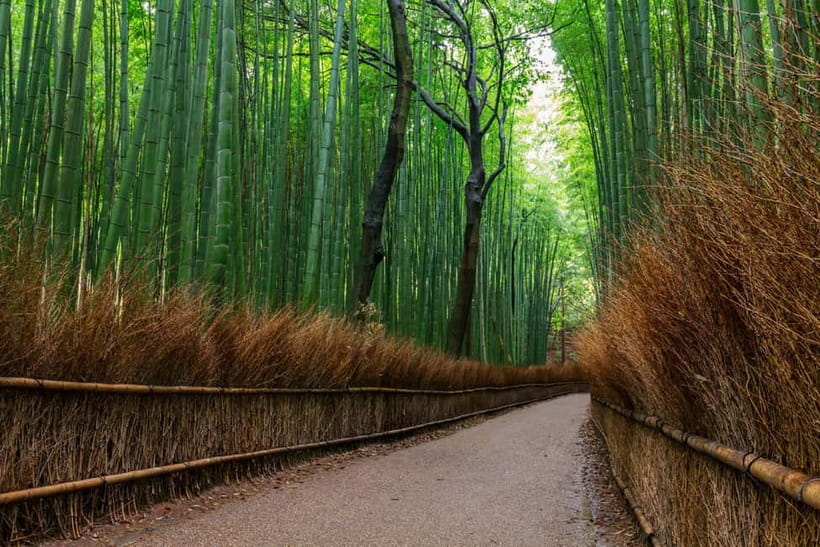
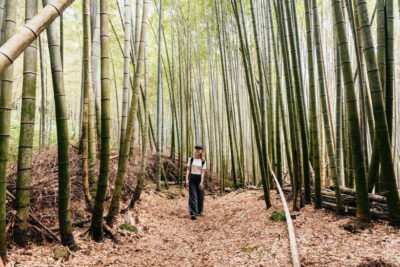
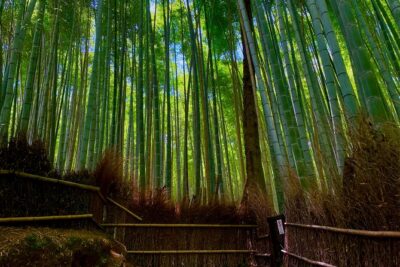
The famous Arashiyama Bamboo Forest is the first priority for many people. Tall bamboo stalks line a narrow path, filtering light and creating a hushed, almost theatrical setting. The official stop is about 15 minutes, so think of it as a focused walk and photo opportunity rather than an extended forest hike.
The path can be crowded, and the most famous section is not huge. Still, the atmosphere changes quickly once you are among the bamboo. I would arrive with a simple plan: take your photos, keep moving with the group, and use the wider Arashiyama free time for anything you want to see at a slower pace.
More of Arashiyama and the bamboo grove:
- Kyoto Arashiyama Walking Tour: Bamboo, Monkeys, Gardens & Secrets
★ 5.0 · 1,216 reviews - Arashiyama Bamboo, Temple, Monkeys, or Secret Sake Brewery
★ 4.8 · 886 reviews - Kyoto: Arashiyama Bamboo Forest, Monkeys, Matcha & Temple Tour
★ 5.0 · 759 reviews - Kyoto: Nijo, Kinkaku-ji, Arashiyama, Kiyomizu & Fushimi Inari
★ 5.0 · 699 reviews
Nonomiya Shrine
Nonomiya Shrine sits within the Arashiyama area and dates from the Heian Period, more than 1,000 years ago. It is associated with love and academic blessings, and its unpainted Kuroki Torii is a rare sight in a city known for bright vermilion shrine gates.
You have about 15 minutes here. That is enough to look around, notice the dark wooden gate, and understand why this small shrine fits so well beside the bamboo path. It is not a large complex, so the short stop makes sense, especially when the day already includes two major shrines.
Tenryu-ji Temple
Tenryu-ji is the major optional cultural stop in Arashiyama. This UNESCO World Heritage Site is a Zen Buddhist temple known for its Sogenchi Garden, where ponds, rocks, trees, and the surrounding hills are arranged in a calm composition.
Admission costs extra, so you need to decide how to spend your limited time. If gardens and temple design matter to you, Tenryu-ji is likely the best use of that fee. If you prefer street food, the river, or the bamboo forest, you may choose to stay outside.
The garden is especially appealing in autumn, when the trees add strong seasonal color. The temple grounds also provide a welcome change from the narrow bamboo path. You can step into a quieter, more deliberate space without leaving Arashiyama.
Togetsukyo Bridge
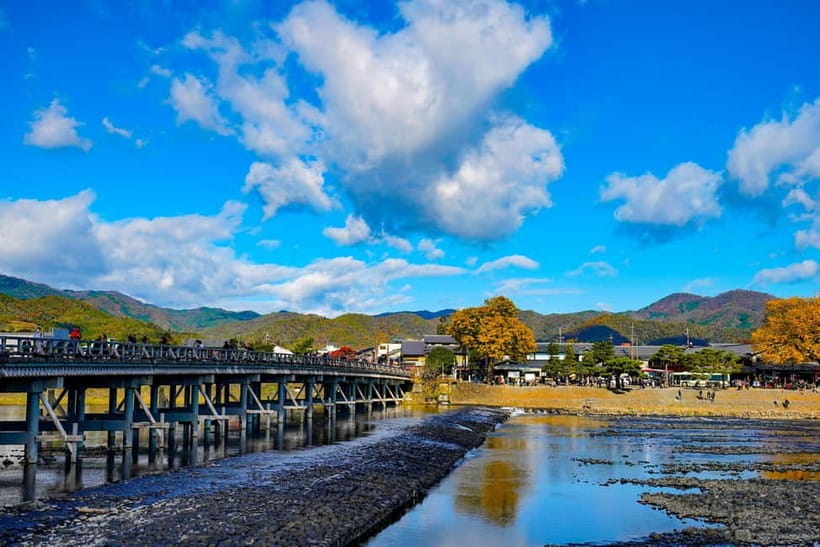
Togetsukyo Bridge offers one of the clearest views of Arashiyama’s setting. From the bridge and riverbanks, you see the water, wooded hills, and the old-fashioned movement of passing rickshaws. The scheduled visit is about 15 minutes, which is enough for photographs and a quick walk across part of the bridge.
This is a good place to stop trying to collect attractions. Look up, watch the river, and notice how different the open view feels after the enclosed bamboo grove. Rickshaws add a nostalgic touch, though the bridge area can be busy.
Kimono Forest and the station footbath
Near Arashiyama Station, Kimono Forest is a modern art installation made from 600 pillars covered in Kyoto Kyo-Yuzen textile patterns. It is an easy photo stop and a playful contrast to the old shrine and temple architecture.
You may also have time for local snacks, restaurants, the Rilakkuma Tea House, or the Arashiyama Station footbath. The supplied schedule lists free time for the footbath, but it does not promise that every option will fit into your visit. Choose one or two priorities instead of trying to do everything.
The footbath can be a pleasant way to rest after walking, but food and drinks are not included. Bring water, and plan to pay separately for anything you buy in Arashiyama.
What the guide adds to a self-guided day
The best part of the guided format is not simply getting from one place to another. It is the steady flow of practical information. Guides such as Amy, Willa, Christine, Fiona, Laura, Frederick, and Anson have been praised for explaining each stop clearly, giving restaurant suggestions, sharing history and cultural details, and keeping the group together.
Amy, sometimes identified by the friendly nickname Happy Bunny, is repeatedly praised for her energy, organization, humor, and photo help. Willa is noted for warmth and clear explanations, while Christine is praised for keeping departures orderly even in rainy weather. These names do not guarantee who will lead your departure, but they show the kind of guide service you can expect from the team.
The guide also helps with a common day-trip problem: knowing when to stop looking at the view and head back to the bus. You will receive reminders about meeting points and return times, which lets you enjoy your free time without constantly checking the clock.
The bus format also makes solo travel easier. One recent account describes solo guests being seated with other solo participants, though seating arrangements can vary. You should see this as a social day with shared transport, not a private tour.
Is $52 a fair price?
At $52 per person, the tour offers good practical value if you are starting in Osaka or need to move between Osaka and Kyoto. The price includes the English or Chinese speaking guide, air-conditioned transport, taxes, parking, fuel, and handling charges. Those costs add up quickly when you arrange several separate journeys.
The value is strongest for first-time visitors who want the major sights without learning several train routes. You also save planning time, and the guide gives you enough context to make short visits meaningful.
The price does not include meals, drinks, personal purchases, or the extra admission fee for Tenryu-ji. You should budget separately for deer crackers, lunch, temple entry, snacks, and any shopping. The tour is also less valuable if you already know Kyoto well or want to spend half a day at one shrine.
Who should book this day trip?
I would choose this tour if you have limited time in the Kansai region and want a broad introduction. It suits first-time visitors, families who prefer organized transport, solo visitors who like some company, and anyone who would rather look out the bus window than navigate multiple train connections.
It is also useful if you are relocating from Osaka to Kyoto. You can visit major sights along the way, then select Kyoto or Osaka for drop-off, provided you communicate your preference when booking.
I would hesitate if you dislike fixed departure times, want long temple visits, or prefer to linger over meals. The route covers a lot, but each stop has a clear limit. One person described the timing as slightly stressful because there is so much to see, while another felt the free time was well judged. Both reactions are reasonable.
Comfortable shoes, water, an umbrella, and comfortable clothing are sensible choices. Smoking is not allowed. The operator asks anyone traveling with an infant, stroller, or large luggage to state this at booking so suitable transport arrangements can be made. Japanese traffic rules count babies as passengers, so accurate information matters.
The itinerary can change because of weather, traffic, or other unexpected delays. Rain does not erase the appeal of the shrines and bamboo, but it can make walking less pleasant and may push the return later. Visitors who are pregnant or 70 and older are asked to sign a waiver on arrival.
Should you book it?
Book this tour if your priority is seeing the main sights efficiently. Nara’s deer, Fushimi Inari’s gates, and Arashiyama’s bamboo forest are three strong introductions to Japan, and the bus keeps the day simple.
Skip it if you want depth rather than range. A self-guided plan gives you more time at Nara Park, a longer climb at Fushimi Inari, or a slower Arashiyama visit. For $52, though, this is a sensible way to cover a lot of ground, especially on a first Kyoto and Osaka visit.
FAQ
How long does the tour last?
The tour lasts about 9 to 10 hours. The return time can change because of traffic, weather, and other unforeseen conditions.
Where can I join the tour?
You can join at Harimaya Nippombashi 1-chome in Osaka or at the Sunken Garden in Kyoto Station’s Hachijo Entrance Square. The exact meeting point depends on the option you book.
What time does the tour leave Osaka and Kyoto?
The Osaka departure is scheduled for 8:00 AM. The Kyoto departure is scheduled for 9:00 AM.
Can I finish the tour in Kyoto if I start in Osaka?
Yes. You should tell the operator your preferred drop-off point, Osaka or Kyoto, when you make the reservation. If you do not provide this information, drop-off defaults to the pickup point.
Is Tenryu-ji Temple included in the price?
No. Tenryu-ji requires an additional admission fee. Food, drinks, and other personal expenses are also separate.
Are meals included?
No. Food and beverages are not included. You have free time in Arashiyama to choose local street food or a restaurant.
What languages are available?
The live tour guide service is available in English and Chinese.
Is the tour suitable for wheelchair users?
No. The activity is not suitable for wheelchair users or people with mobility impairments. Comfortable shoes are recommended because the day includes walking at shrines, through the bamboo forest, and around Arashiyama.
More Day Trips to Nara
- World Heritage Kyoto & Nara Uji Authentic Matcha Experience
★ 5.0 · 1,573 reviews - Nara Half Day Trip Walking Tour (Private Option Available)
★ 5.0 · 937 reviews - Nara Early Morning Tour (Kyoto or Osaka Departure Available)
★ 5.0 · 676 reviews - Kyoto and Nara Day Trip from Kyoto
★ 4.5 · 445 reviews
Recently added around Kyoto
- Higashiyama | Kyoto: Sakura Season Private Rickshaw Tour★ 5.0 · 3 reviews
- Kyoto Kimono Rental CHAMATSU|Kimono/Yukata Rental FamilyPlan★ 5.0 · 3 reviews
- Kyoto: Half-Day Private Guided Tour to the Old Town of Gion★ 4.4 · 3 reviews
- Nara Private Customizable Half Day Tour★ 5.0 · 3 reviews
- Kansai Region Hiking Adventure in Nara Kobe Kyoto and More★ 5.0 · 3 reviews
- Full Day Nara Deer, Temple, Shrine, Activities & Tea Ceremony★ 5.0 · 3 reviews
- Nara: Essential Private Tour with Deer Park and Temples★ 5.0 · 3 reviews
- Hiking Tour for Sacred Sites in Kyoto with a Guide★ 5.0 · 3 reviews
Fushimi Inari Shrine Tours, compared.
Fushimi Inari, Kinkakuji, Bamboo Grove 1 Day Bus Tour
Read our review →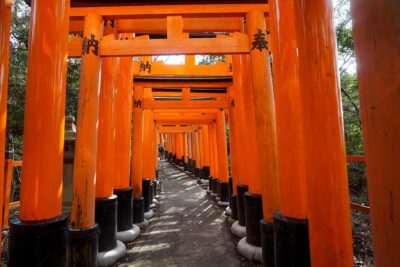
Fushimi Inari Hidden Hiking Tour (Private Option Available)
Read our review →
Nijo, Kinkaku-ji, Arashiyama, Kiyomizu & Fushimi Inari
Read our review →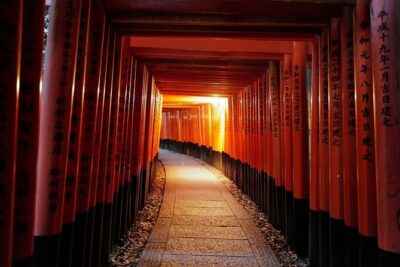
Kyoto Early Bird English Tour: Fushimi-Inari and Arashiyama
Read our review →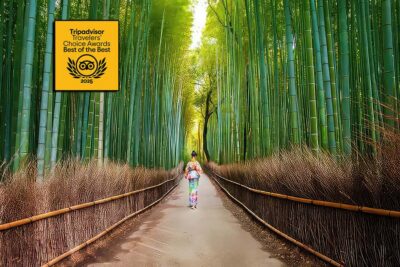
Fushimi, Arashiyama – Bamboo, Monkey, Torii & Secrets
Read our review →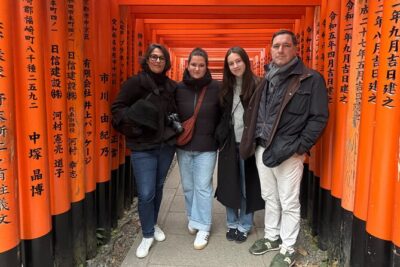
Kyoto Early Bird English Tour: Fushimi Inari & Gion(Private opt)
Read our review →Browse the lists this tour appears in