
REVIEW · KYOTO RAMEN TOURS
Private Ramen or Gyoza Cooking Class in Kyoto with Chef Midori
The best part of this Kyoto cooking class is its private, home-style setting. Chef Midori welcomes your party with Japanese tea, then teaches the building blocks of everyday cooking before guiding you through a complete meal. You are not watching from the back of a crowded kitchen. You are standing beside the person teaching you.
I like the one-on-one help and the chance to choose your menu in advance. I also like the practical advice that comes with the meal, from food shopping to restaurant choices and even dinner reservations. The main consideration is the price, $169 per person, which is a serious spend for two and a half hours. It makes the most sense if you value personal instruction and cultural contact, not just a quick meal.
In This Review
- Key points to know before booking
- A private Kyoto kitchen instead of a group demonstration
- Starting with tea and the four basics
- Choosing between ramen, gyoza, and five menus
- The 90-minute cooking session
- Sitting down to eat what you prepared
- Why Chef Midori is a major part of the value
- Price, timing, and who gets good value
- Small details that may affect your decision
- Should you book Chef Midori’s cooking class?
- FAQ
- Where does the cooking class take place?
- How long does the experience last?
- Is the cooking class private?
- Who teaches the class?
- What menus can I choose from?
- Are vegetarian and vegan options available?
- Do I need to choose my menu before the class?
- Is the class suitable for beginners?
- Is there a cat at the cooking studio?
- Can I cancel for a refund?
Key points to know before booking
- Chef Midori has more than 30 years of cooking experience, and the class combines demonstrations with hands-on work.
- Your group has the studio to itself, making this a good choice for couples, families, and small private parties.
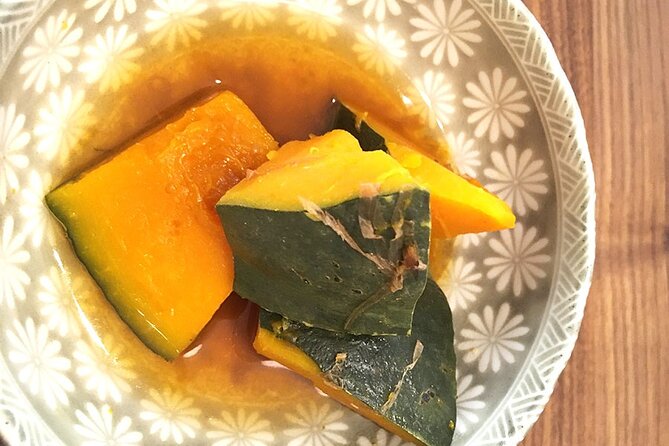
- You choose from five set menus, with options that include ramen, gyoza, sushi, teriyaki chicken, tonkatsu, and Kansai street foods.
- Vegetarian, vegan, kosher, and halal diets can be accommodated when you provide the details at booking.
- The class lasts about 2.5 hours, including about 1.5 hours of cooking and a meal afterward.
- The cat stays upstairs, away from the kitchen and dining area, but this is still important to know if you have allergies.
A private Kyoto kitchen instead of a group demonstration
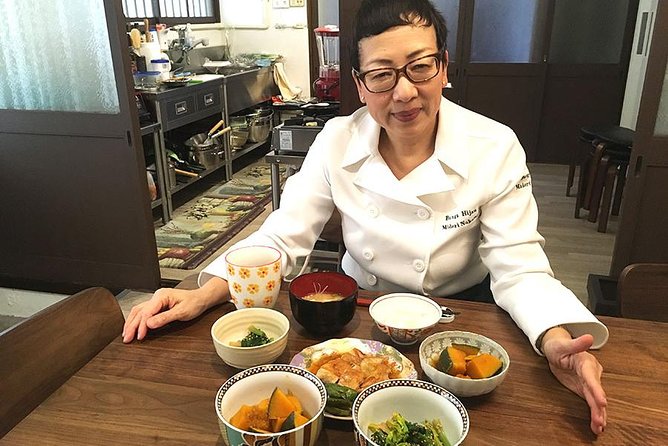
Many food classes show you a recipe, hand you a small task, and move on to the next group. This one is different in a useful way. Chef Midori teaches only your party, so you can ask questions as they come up and get help with each step.
That private format matters most if you are new to Japanese cooking. You can ask why a certain ingredient is added, how a texture should feel, or what to do if your dough, sauce, or batter looks wrong. You do not have to worry about slowing down a room full of strangers.
The setting is a local cooking studio near Gion, with the meeting address in Kyoto’s Shimogyo Ward. The experience begins and ends at the meeting point. It is also described as easy to reach by train, and public transportation is nearby, which helps when you are planning this between sightseeing stops.
You should allow the full two and a half hours rather than treating the class as a quick activity. The cooking itself takes about 90 minutes, followed by time to sit down and eat what you have made. That slower pace is part of the appeal. It gives the food lesson room to become a conversation about daily life in Kyoto.
More Kyoto ramen crawls:
- Kyoto: Ramen Cooking Class at a Ramen Factory with Souvenir
★ 4.9 · 532 reviews - Kyoto: Ramen, Gyoza, and Onigiri Cooking Class
★ 5.0 · 445 reviews - Kyoto Ramen and Gyoza Cooking Class with Professional Chefs
★ 5.0 · 282 reviews
Starting with tea and the four basics
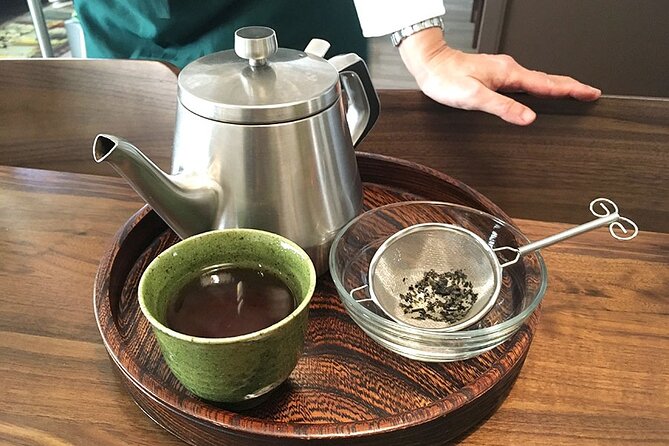
Chef Midori begins with a cup of Japanese tea and a warm welcome. This small opening sets the tone. You are entering a personal space, not simply checking in at a commercial kitchen.
She then introduces four ingredients that shape much of Japanese home cooking: soy sauce, mirin, sake, and miso. If those names are familiar, the useful part is learning how they work together and how they affect salt, sweetness, depth, and aroma.
I like this foundation because it gives you a way to understand the recipes instead of copying them blindly. A good cooking class should leave you able to make sensible choices at home. Knowing the role of miso or mirin is more useful than memorizing one fixed measurement.
Chef Midori uses live demonstrations as well as hands-on instruction. You watch a technique, try it yourself, and receive direct correction when needed. The class is designed around straightforward recipes, so you should not need advanced cooking skills to take part.
Choosing between ramen, gyoza, and five menus
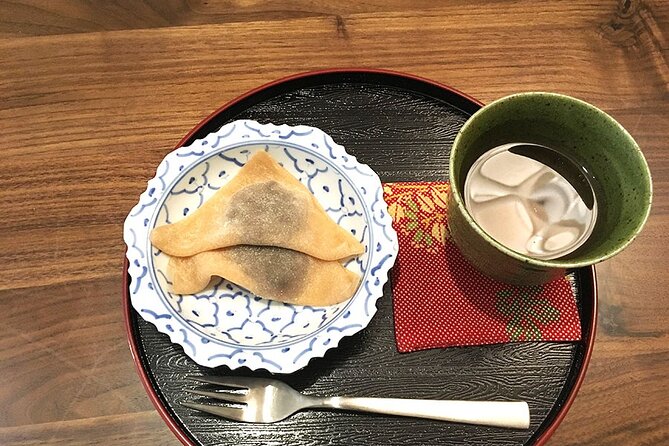
You select one of five set menus and should write your choice in the special requirements section when booking. The available selections include several familiar Japanese favorites, such as ramen, gyoza, sushi, teriyaki chicken, tonkatsu, and Kansai street foods.
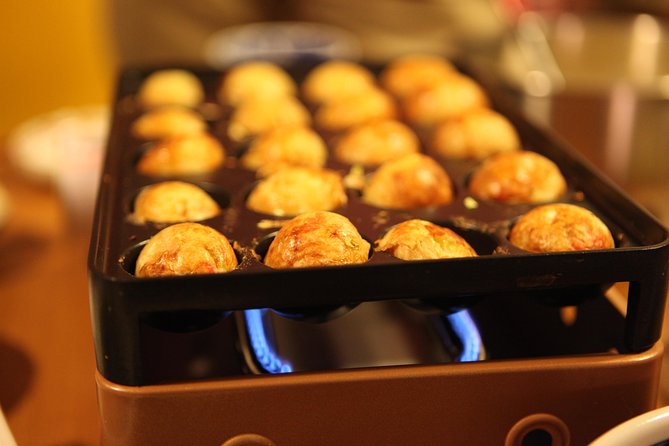
The information provided specifically highlights ramen or gyoza cooking, but the broader menu list gives you more ways to match the class to your interests. Kansai-style choices can include gyoza, takoyaki, and okonomiyaki. Other menus may focus on dishes such as tonkatsu or sushi.
This choice is worth thinking about before you book. If you already eat a lot of ramen, gyoza may teach you a different set of skills. If you want a familiar dish that is easy to repeat, teriyaki chicken or tonkatsu may suit you better. Families may enjoy takoyaki or okonomiyaki because the preparation feels social and hands-on.
Vegetarian and vegan menus are available, along with kosher and halal options. You need to provide those requirements in advance. Do not wait until the class begins, since the host needs to plan the ingredients and menu.
The recipes are intended to be practical. You are not being trained for restaurant work. You are learning dishes that you can try again at home, using techniques and ingredients that Chef Midori can explain in plain terms.
The 90-minute cooking session
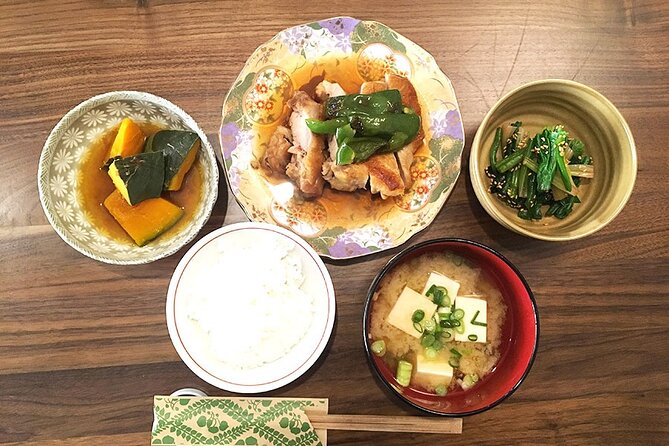
The cooking portion lasts about an hour and a half. You can expect a mixture of demonstration and participation rather than a lecture. Chef Midori shows you how to handle the ingredients, then gives you time to prepare the dish with her guidance.
That structure works well for different skill levels. Confident cooks can ask more detailed questions, while beginners can take their time. The private format also means Chef Midori can adjust her help to your party instead of teaching to an average group.
Past participants were allowed to record the lesson for future use, according to one experience. If this matters to you, ask Chef Midori at the start rather than assuming recording is always permitted. A short video of a folding method or sauce technique could be useful when you try to repeat the recipe later.
The class also appears well suited to people who want to understand ingredients rather than simply taste them. Chef Midori can explain shopping choices connected to your cooking goals. That is a practical benefit, especially if you plan to visit a Japanese market or look for ingredients after the class.
Keep in mind that the dishes you make depend on the menu you select. If you book expecting a specific recipe, confirm your choice in advance. The five-menu format gives you flexibility, but it also means the exact food on your table is not identical for every booking.
More gyoza nights:
- Gyoza Cooking Class in Kyoto: Traditional Japanese Dumplings
★ 5.0 · 210 reviews - Home style Ramen and Homemade Gyoza in Kyoto
★ 5.0 · 152 reviews - Kyoto Ramen & Gyoza Cooking Class with Professional Chefs
★ 4.8 · 100 reviews - Ramen Gyoza Onigiri Japanese Cooking Class in Kyoto
★ 5.0 · 44 reviews
Sitting down to eat what you prepared
After the cooking session, you eat the finished dishes at the studio. This meal is not an afterthought. It gives you a chance to see how the separate steps came together and to ask questions while the details are still fresh.
There is also a simple satisfaction in eating food you helped prepare. You notice texture and seasoning differently when you have shaped the dumplings, mixed the sauce, or followed the cooking process yourself.
The meal creates time for a more personal exchange with Chef Midori. She shares recommendations for local restaurants, food shopping, and souvenirs in Kyoto. She has also helped with dinner reservations and suggested places in other Japanese cities, which can be valuable if your class falls early in your trip.
I would use this time well. Bring a short list of food questions or neighborhoods you plan to visit. Ask where to shop for the ingredients connected to your chosen menu. The class is not only about the food on the table. It can also help you make better choices for the rest of your Kyoto stay.
Why Chef Midori is a major part of the value
The food matters, but the teacher is the reason this experience feels more personal than a standard cooking lesson. Chef Midori has taught Japanese cooking for more than 30 years, and her approach is described as warm, funny, and highly interactive.
That combination is important. A teacher can know a great deal and still make a class stiff. Here, the tone is more like cooking with a friend or visiting family, while still receiving clear instruction.
She takes an interest in the people in front of her. That can lead to useful conversations about your trip, your food preferences, and the places you want to visit. For couples on a honeymoon, this offers a relaxed shared activity. For families, it gives everyone something concrete to do together.
The class has earned a five-star rating from 18 ratings, with 100 percent recommending it. Those numbers suggest a very consistent experience, though you should still consider the price and the home setting before booking. This is personal and informal, not a polished restaurant show.
Price, timing, and who gets good value
At $169 per person, the class is not a budget meal. You are paying for private instruction, the ingredients, the meal, and time with a local chef. You are also paying for flexibility, since your party can choose from five menus and ask questions without competing for attention.
For two people, the total cost is substantial. I would book it if you want a meaningful food activity and expect to use the skills or advice after the class. If you only want to eat ramen or gyoza, a restaurant will cost much less.
The price is easier to justify for a family or small group that would otherwise pay for several separate activities. The private arrangement lets your group share one experience at its own pace. It is also a good pick for repeat visitors who have already seen Kyoto’s main sights and want a more ordinary, local activity.
The class takes about 2.5 hours, so it fits best as a planned half-day block. Do not squeeze it between two fixed reservations. You need time to reach the studio, cook, eat, and return to your sightseeing plans without rushing.
Free cancellation is available if you cancel at least 24 hours before the start time. Changes or cancellations inside that window are not accepted, and the payment is not refunded.
Small details that may affect your decision
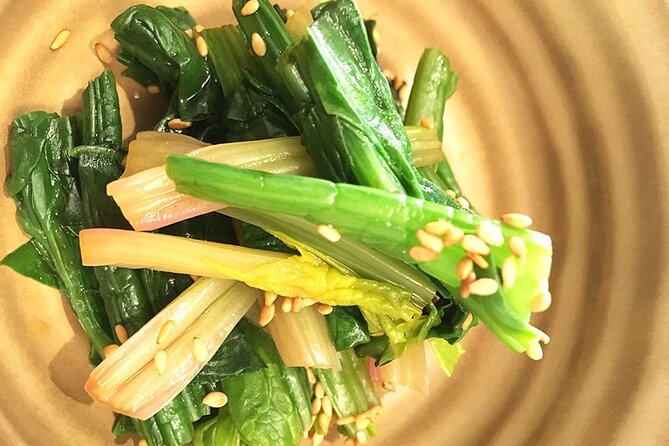
The class is private, so only your group takes part. That is a strong advantage for anyone who dislikes large organized activities or wants to ask many questions.
Service animals are allowed, and the studio is near public transportation. The home has a cat, but it remains upstairs and does not enter the kitchen or dining area. If you have a serious allergy, contact the provider before booking rather than relying only on the cat’s location.
The experience is suitable for couples, families, and people with a serious interest in Japanese food. It is also a good fit for honeymooners, since the class offers a shared activity and a relaxed setting. People who want a fast, highly structured demonstration may find the pace less suitable.
Dietary requirements need advance notice. Vegetarian, vegan, kosher, and halal menus can be arranged, but the host cannot respond properly to restrictions that are not provided before the class.
Should you book Chef Midori’s cooking class?
I would book this class if you want more than a food tasting. The strongest reasons are the private setting, Chef Midori’s long teaching experience, the choice of menu, and the useful Kyoto advice that comes during the meal.
I would skip it if $169 feels too high for a two-and-a-half-hour activity or if you prefer to spend your food budget sampling several restaurants. Also check the menu before you confirm, especially if ramen or gyoza is the main reason you are interested.
For the right person, this is a friendly way to connect Japanese food with everyday life. You leave with a meal in your memory, techniques you can try at home, and practical ideas for eating and shopping in Kyoto.
FAQ
Where does the cooking class take place?
The class takes place at a local cooking studio in Kyoto’s Shimogyo Ward. The meeting address is 713-7 Chudoji Mibukawacho, Kyoto, 600-8806, Japan.
How long does the experience last?
The full experience lasts about 2 hours and 30 minutes. The cooking session lasts about 1.5 hours, followed by a meal featuring the food you prepared.
Is the cooking class private?
Yes. Only your group participates in the activity.
Who teaches the class?
Chef Midori teaches the class. She has more than 30 years of experience teaching Japanese cooking.
What menus can I choose from?
You choose from five set menu options. Choices include ramen, gyoza, sushi, teriyaki chicken, tonkatsu, and Kansai street foods such as takoyaki and okonomiyaki.
Are vegetarian and vegan options available?
Yes. Vegetarian and vegan options are available. Kosher and halal options can also be arranged if you provide the details when booking.
Do I need to choose my menu before the class?
Yes. You should select one of the five set menus and include your choice in the special requirements section of the booking.
Is the class suitable for beginners?
The class includes demonstrations, hands-on cooking, and personal guidance from Chef Midori. The recipes are described as simple and suitable for recreating at home.
Is there a cat at the cooking studio?
Yes. A cat lives in the home, but it remains upstairs and does not enter the kitchen or dining area.
Can I cancel for a refund?
You can cancel for a full refund up to 24 hours before the experience start time. Cancellations or changes made less than 24 hours before the start time are not accepted and are not refunded.
More Workshops in Kyoto
- Kyoto: 45-Minute Tea Ceremony Lesson Experience
★ 4.3 · 2,378 reviews - Kyoto : Chopsticks Making Workshop in Gion with Engraving Option
★ 5.0 · 958 reviews - Kyoto: Samurai Sword Class by Experts in Traditional Arts
★ 4.9 · 657 reviews - Ninja 1-hour Hands-on Lesson by Japanese master in Kyoto -Entry
★ 5.0 · 489 reviews
More Cooking Classes in Kyoto
- Kyoto: Japanese Washoku Bento Small Group Cooking Class
★ 5.0 · 380 reviews - Kyoto: Afternoon Japanese Izakaya Cooking Class
★ 4.9 · 241 reviews - Izakaya Style Cooking Class
★ 5.0 · 219 reviews - Bento Box Cooking Class
★ 5.0 · 171 reviews
Recently added around Kyoto
- Higashiyama | Kyoto: Sakura Season Private Rickshaw Tour★ 5.0 · 3 reviews
- Kyoto Kimono Rental CHAMATSU|Kimono/Yukata Rental FamilyPlan★ 5.0 · 3 reviews
- Kyoto: Half-Day Private Guided Tour to the Old Town of Gion★ 4.4 · 3 reviews
- Nara Private Customizable Half Day Tour★ 5.0 · 3 reviews
- Kansai Region Hiking Adventure in Nara Kobe Kyoto and More★ 5.0 · 3 reviews
- Full Day Nara Deer, Temple, Shrine, Activities & Tea Ceremony★ 5.0 · 3 reviews
- Nara: Essential Private Tour with Deer Park and Temples★ 5.0 · 3 reviews
- Hiking Tour for Sacred Sites in Kyoto with a Guide★ 5.0 · 3 reviews
Kyoto Ramen Tours, compared.
Ramen Cooking Class at a Ramen Factory with Souvenir
Read our review →
Kyoto Ramen and Gyoza Cooking Class with Professional Chefs
Read our review →
Kyoto Michelin Ramen Workshop or Painting Ramen Essentials
Read our review →Kyoto Ramen & Gyoza Cooking Class with Professional Chefs
Read our review →
Browse the lists this tour appears in