
REVIEW · KYOTO RAMEN TOURS
Kyoto Ramen Noodle Making Class
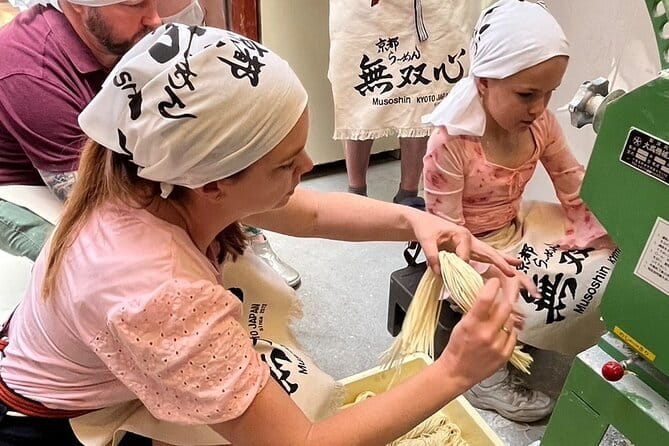
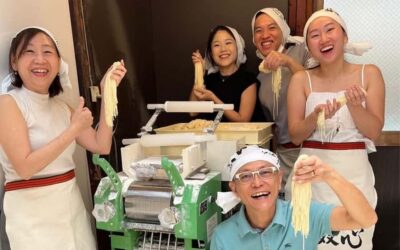
Kyoto’s Musoshin Gion turns ramen into a hands-on lesson. You mix water with two types of wheat flour, knead the dough, then use a professional machine to roll and cut it into chewy noodles. The best part comes after the work: a bowl of ramen prepared by the restaurant’s chef.
I like the small group size, capped at six, and the fact that you get to handle each stage instead of simply watching a demonstration. I also like the local touches, including Kyotamba rice and condiments from Kyoto makers. The main thing to know is that this is a noodle-making workshop, not a full cooking class. The chef prepares the broth and final bowl for you.
In This Review
- Key points to know before booking
- Making ramen in Kyoto’s Gion district
- Mixing two flours and learning the noodle basics
- Kneading, rolling, and cutting with the noodle machine
- Local ingredients and the final bowl
- What this class is, and what it is not
- Vegetarian, vegan, and pescetarian options
- Who will enjoy the one-hour format
- Price, group size, and overall value
- Booking and cancellation details
- Should you book the Musoshin Gion class?
- FAQ
- Where does the Kyoto ramen noodle-making class take place?
- How long does the experience last?
- What will I do during the workshop?
- Is this a full ramen cooking class?
- Is the class taught in English?
- Are vegetarian and vegan options available?
- What is included in the price?
Key points to know before booking
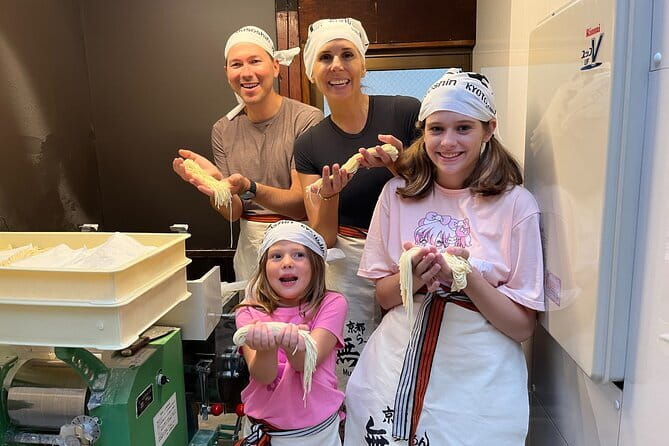
- You make the noodles from scratch: Mix, knead, roll, and cut dough made with two types of wheat flour.
- A professional machine does the heavy work: You get hands-on time without spending the whole hour rolling dough by hand.
- The class takes place at Musoshin Gion: Be careful not to go to Musoshin Ramen Academy.
- The tasting is chef-prepared: Your final bowl includes broth made from vegetables, plus a soft drink.
- The group is limited to six people: That keeps the instruction personal and helps families or small groups work together.
- You receive the workshop bandana: It is included as a souvenir, along with a rental apron during the class.
Making ramen in Kyoto’s Gion district
The class meets at Musoshin Gion, at 558-2 Komatsuchō in Kyoto’s Higashiyama Ward. This puts the activity in central Kyoto and near public transportation, which makes it a practical stop during a day in the Gion area.
The setting matters. Gion is known for traditional streets and old-style architecture, but it is also a working part of the city with restaurants and everyday businesses. A ramen workshop here gives you a closer look at a modern Japanese food tradition rather than another passive sightseeing stop.
The activity lasts about one hour. That is short enough to fit into a busy Kyoto schedule, but long enough to cover the main steps of noodle production and sit down for a bowl afterward. You return to the same meeting point when the class ends.
One small logistical warning can save you trouble: the class is held at Musoshin Gion, not at Musoshin Ramen Academy. Check the address before setting out, especially if you are navigating Kyoto’s busy central streets.
More Kyoto ramen crawls:
- Kyoto: Ramen Cooking Class at a Ramen Factory with Souvenir
★ 4.9 · 532 reviews - Kyoto: Ramen, Gyoza, and Onigiri Cooking Class
★ 5.0 · 445 reviews - Kyoto Ramen and Gyoza Cooking Class with Professional Chefs
★ 5.0 · 282 reviews
Mixing two flours and learning the noodle basics
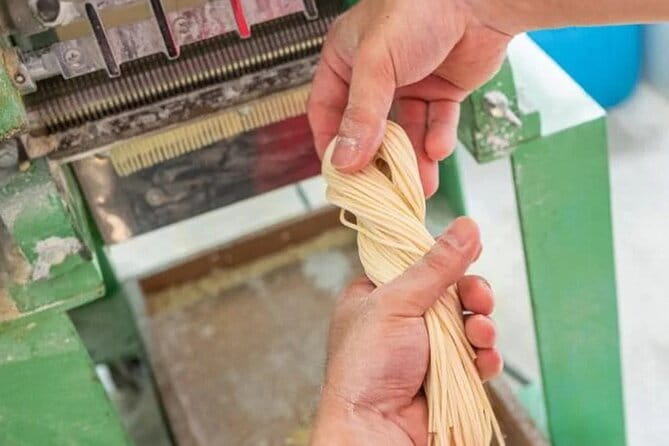
Your instructor begins with dough made from two kinds of wheat flour. You add the water, then work the mixture as instructed. This is a simple step, but it helps you understand why ramen noodles are not just ordinary pasta cut into thin strips.
The flour blend affects the texture, while the amount of water and the work put into the dough help shape the final bite. You will not leave as a trained ramen chef after an hour, but you will see why noodle texture is such a central part of the dish.
The class is conducted in English. Kaz is one instructor associated with the experience, while Azu and Amiru have also led sessions. The important point for you is that the lesson is designed for English-speaking participants and includes clear demonstrations of the process.
This is where the class earns its value. You are not only eating ramen. You are learning how the base ingredient is made and how physical work changes the dough. The process gives you something to talk about at the meal instead of simply waiting for food to arrive.
Kneading, rolling, and cutting with the noodle machine
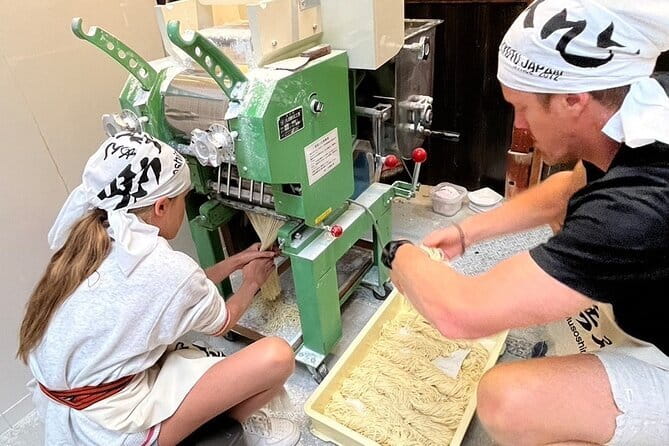
After the water and flour are combined, you knead the dough before moving on to the machine. The machine rolls the dough and cuts it into noodles, giving you a close look at the equipment used in a professional ramen kitchen.
The hands-on element is important. You pour the water, knead the dough, and guide it through the rolling and cutting stages. The machine keeps the class manageable, especially within a one-hour schedule, while still allowing you to take part in the work.
You should expect a guided activity rather than free-form cooking. The instructor leads you through each stage, demonstrates the correct method, and helps you produce noodles with the right shape and texture. That makes this suitable for first-time cooks and families.
The small maximum group of six is another plus. A large class can turn a practical lesson into a series of people waiting their turn. Here, you have a better chance to see what is happening and get help when the dough needs attention.
The experience is also a good fit for people who want an activity that feels different from a standard restaurant meal. You are still getting food at the end, but you have earned a better sense of what goes into it.
Local ingredients and the final bowl
Musoshin Gion adds regional character with high-quality Kyotamba rice and condiments from local makers. These details may sound small, but they give the tasting portion a clearer Kyoto identity.
The broth is prepared by Musoshin’s ramen chef. It is made from a blend of vegetables and has a savory profile. You do not prepare the broth yourself, so the class keeps its focus on the noodles rather than trying to cover every part of ramen production in a single hour.
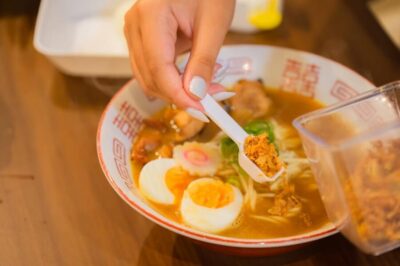
At the end, you sit down to a steaming bowl of ramen made by the chef. This is a strong finish because the food is not simply a sample of your work. You get to compare your freshly cut noodles with a complete bowl prepared by someone who works in the restaurant’s kitchen.
The included soft drink rounds out the tasting. Personal expenses beyond the listed inclusions are not covered, so you should budget separately if you want anything else.
The final bowl is also the part that makes the price easier to judge. At $48.27 per person, you are paying for instruction, ingredients, equipment, an apron, the noodle-making activity, the meal, and a drink. It is more expensive than simply ordering ramen, but it offers an activity as well as food.
More workshops and classes in Kyoto:
- Kyoto: 45-Minute Tea Ceremony Lesson Experience
★ 4.3 · 2,378 reviews - Kyoto : Chopsticks Making Workshop in Gion with Engraving Option
★ 5.0 · 958 reviews - Kyoto: Samurai Sword Class by Experts in Traditional Arts
★ 4.9 · 657 reviews - Ninja 1-hour Hands-on Lesson by Japanese master in Kyoto -Entry
★ 5.0 · 489 reviews
What this class is, and what it is not
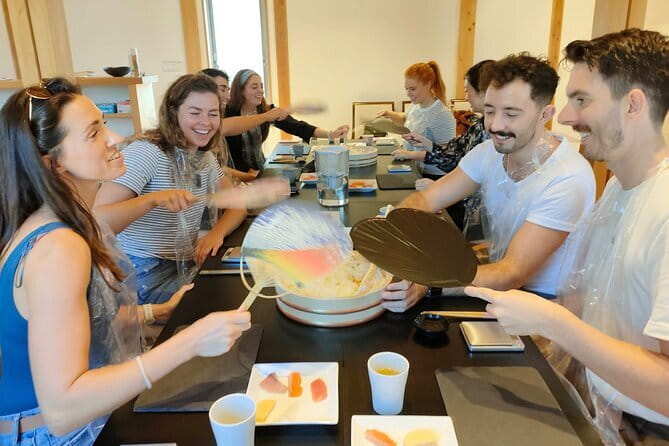
The wording can create confusion, so keep the distinction clear. This is a noodle-making experience, not a full ramen cooking class.
You make the noodles. The chef handles the broth and prepares the final bowl. You are not being taught to create a complete ramen recipe from start to finish, including stock preparation, seasoning, toppings, and kitchen timing.
That limitation is not a flaw if your goal is to understand noodle production and enjoy a restaurant-quality bowl. It may disappoint you if you specifically want to learn how to cook ramen broth at home.
I see the format as a smart choice for Kyoto visitors with limited time. Making broth properly can take far longer than an hour, while the dough work gives you a clear, tactile activity that fits into a compact schedule.
The setup also avoids some of the mess and uncertainty of a longer cooking lesson. You get the fun part of making noodles, then a chef-prepared meal with a consistent result.
Vegetarian, vegan, and pescetarian options
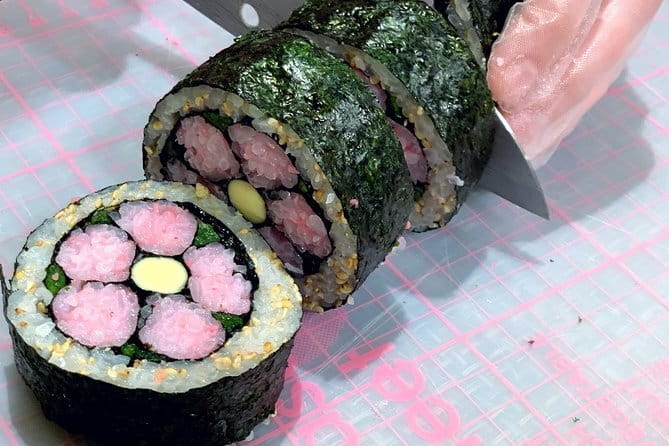
The tasting session can accommodate vegetarian, vegan, and pescetarian diets. You need to tell the provider about your dietary restrictions in advance.
The noodles themselves are made from wheat flour. That means this activity is not suitable for anyone who must avoid wheat or gluten, based on the ingredients provided.
The dietary flexibility is useful for mixed groups. One person can take the class with meat-eating friends while choosing an appropriate tasting option. Still, you should give clear information ahead of time rather than assuming the kitchen will know your needs when you arrive.
The activity information specifically mentions vegetarian, vegan, and no meat or fish options for the tasting. If you have another allergy or restriction, the supplied details do not confirm that it can be handled, so ask before booking.
Who will enjoy the one-hour format
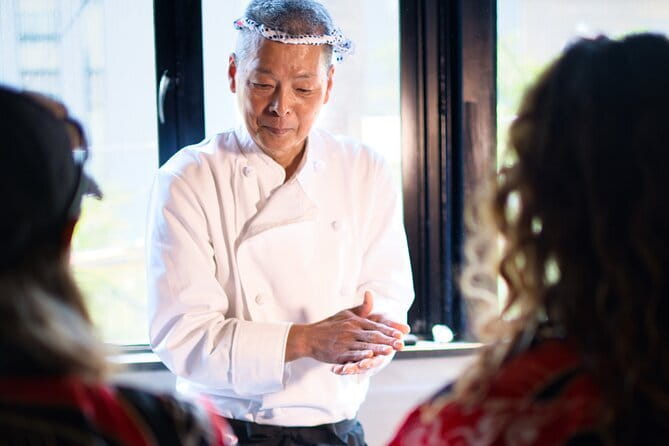
I would recommend this experience most strongly to people who want a short food activity with real participation. You get enough practical work to feel involved, but you do not need to devote half a day to a cooking school.
Families are a natural fit. The class allows people to work together, and the small group limit should make it easier for everyone to take part. Children may enjoy the machine and the transformation from dough to noodles, though the supplied information does not set a specific minimum age.
It also suits couples, friends, and solo visitors who enjoy learning how familiar foods are made. Ramen fans will get more from the class than people who simply want a quick meal, since the main reward is understanding the process.
The activity may be less appealing if you want a quiet, formal meal or a long culinary lesson. It has a practical, workshop-style format. You should expect to handle ingredients, follow instructions, and share the space with a small group.
English-speaking visitors will find the format especially convenient. The instructors, including Kaz, Azu, and Amiru, are described as friendly and clear in English, which matters when the lesson depends on timing and technique.
Price, group size, and overall value
At $48.27 per person, the experience sits above the cost of an ordinary bowl of ramen in Japan. The comparison is not quite fair, though, because the fee covers a guided activity, ingredients, tools, a rental apron, a soft drink, and the final bowl.
The group cap of six improves the value. You are not paying for a large demonstration where you stand at the back and watch. You get a chance to perform the key steps yourself and ask for help from the instructor.
The included bandana is a nice extra. You wear it during the workshop and take it home afterward, giving you a practical souvenir instead of a generic shop purchase.
The one-hour duration also affects the value in a good way. You can fit it between other Kyoto plans, and the activity ends back at the starting point. There is no extra transfer to arrange after the meal.
Still, price-sensitive visitors should think about their main goal. If you want only lunch, this is not the cheapest way to eat ramen. If you want food plus a hands-on cultural activity in Gion, the cost is easier to justify.
Booking and cancellation details
Confirmation is sent within 48 hours of booking, subject to availability. The experience has a maximum of six people, so you should provide your preferred date and dietary information early.
Free cancellation is available up to 24 hours before the start time for a full refund. Cancellations or changes made less than 24 hours before the local start time are not accepted for a refund.
The tour uses a mobile ticket. Keep the booking information available on your phone when you arrive.
Should you book the Musoshin Gion class?
Book this class if you want to make ramen noodles yourself, enjoy a chef-prepared bowl, and fit the activity into a compact Kyoto itinerary. The small group, English instruction, local ingredients, and included meal make it a practical choice for families and food-focused visitors.
Skip it if you are looking for a complete ramen cooking course or need to avoid wheat. The chef prepares the broth, and the noodles use wheat flour.
For most people who like food, short workshops, and a meal with some context, I think the experience offers solid value. You leave with a better idea of how ramen noodles are made, a bowl to enjoy, and a bandana that recalls the work long after the last noodle is gone.
FAQ
Where does the Kyoto ramen noodle-making class take place?
The class takes place at Musoshin Gion, located at 558-2 Komatsuchō, Higashiyama Ward, Kyoto, 605-0811, Japan. It is near public transportation.
How long does the experience last?
The activity lasts approximately one hour and ends back at the meeting point.
What will I do during the workshop?
You will pour the water, knead dough made with two types of wheat flour, and use a professional noodle-making machine to roll and cut the noodles.
Is this a full ramen cooking class?
No. This is a noodle-making workshop. The Musoshin chef prepares the vegetable-based broth and the final bowl of ramen.
Is the class taught in English?
Yes. An English-speaking noodle-making instructor leads the activity. Instructors associated with the class include Kaz, Azu, and Amiru.
Are vegetarian and vegan options available?
Yes. Vegetarian, vegan, pescetarian, and no meat or fish options are available for the tasting session. You must provide your dietary restrictions in advance.
What is included in the price?
The price includes the English-speaking instructor, noodle-making ingredients and tools, a rental apron, one bowl of ramen, one soft drink, and the bandana used during the workshop as a souvenir.
Recently added around Kyoto
- Higashiyama | Kyoto: Sakura Season Private Rickshaw Tour★ 5.0 · 3 reviews
- Kyoto Kimono Rental CHAMATSU|Kimono/Yukata Rental FamilyPlan★ 5.0 · 3 reviews
- Nara Private Customizable Half Day Tour★ 5.0 · 3 reviews
- Kyoto: Half-Day Private Guided Tour to the Old Town of Gion★ 4.4 · 3 reviews
- Kansai Region Hiking Adventure in Nara Kobe Kyoto and More★ 5.0 · 3 reviews
- Full Day Nara Deer, Temple, Shrine, Activities & Tea Ceremony★ 5.0 · 3 reviews
- Nara: Essential Private Tour with Deer Park and Temples★ 5.0 · 3 reviews
- Hiking Tour for Sacred Sites in Kyoto with a Guide★ 5.0 · 3 reviews
Kyoto Ramen Tours, compared.
Ramen Cooking Class at a Ramen Factory with Souvenir
Read our review →
Kyoto Ramen and Gyoza Cooking Class with Professional Chefs
Read our review →
Kyoto Michelin Ramen Workshop or Painting Ramen Essentials
Read our review →Kyoto Ramen & Gyoza Cooking Class with Professional Chefs
Read our review →
Ramen Gyoza Onigiri Japanese Cooking Class in Kyoto
Read our review →Browse the lists this tour appears in