
REVIEW · KYOTO RAMEN TOURS
Home style Ramen and Homemade Gyoza in Kyoto
The best part of this Kyoto experience is that you make a real Japanese meal in Nariko’s home kitchen, not just watch a chef perform. You prepare the soup, mix and roll gyoza wrappers, shape the dumplings, make cucumber pickles, and sit down to eat what you cooked.
I like two things right away: the small class size, which gives you room to work, and the useful recipes you can repeat at home. Nariko is praised for calm, clear instruction, and her mother’s ramen soup recipe gives the meal a personal touch.
The main consideration is dietary. The ramen broth uses dried fish, so this class cannot be made vegetarian. You also do not make ramen noodles from flour, and the knife work means participants must be older than 10.
In This Review
- Key points
- A Kyoto morning in Nariko’s kitchen
- Building ramen from the broth up
- Making gyoza wrappers by hand
- Cucumber pickles and the final meal
- Why the home setting matters
- A realistic look at the three and a half hours
- What the $118.92 price really buys
- Who should book this Kyoto cooking class
- Practical details before you reserve
- Should you book Nariko’s Kitchen?
- FAQ
- Where does the class take place?
- What time does the activity begin?
- How long does the experience last?
- What dishes do you make?
- Are ramen noodles made from scratch?
- Is the class vegetarian?
- What is the minimum age?
- How many people can join?
- Can I cancel or change my booking?
Key points
- A genuine home setting: You cook in Nariko’s clean, welcoming Kyoto home rather than a commercial school.
- Three dishes in one class: Make ramen soup, gyoza with homemade skins, and cucumber pickles.
- Hands-on from start to finish: You prepare ingredients, work the dough, shape dumplings, and cook the meal.
- A small group of up to eight: The format allows Nariko to demonstrate techniques and help individuals.
- Useful recipes for home: The class focuses on simple ingredients and methods you can try after Japan.
- A fixed 10:00 am start: Plan your morning around the 3.5-hour session and arrive at the meeting point in Sakyo Ward.
A Kyoto morning in Nariko’s kitchen
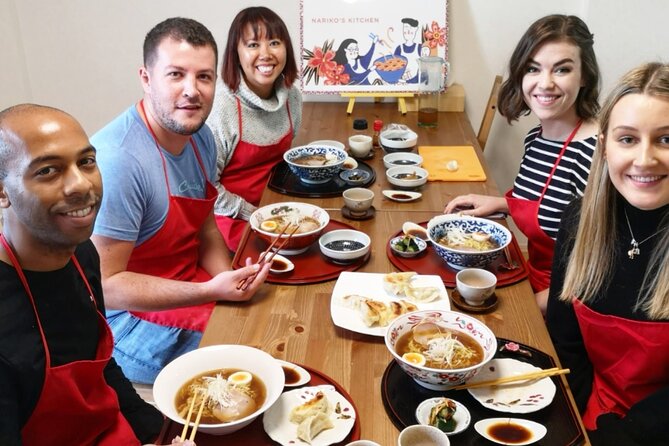
This is the kind of food class that gives you a look at ordinary Japanese home cooking. The setting matters. You are not seated at a restaurant counter watching someone assemble a finished bowl. You work in a private kitchen, with ingredients laid out for you and enough time to handle the food yourself.
The class begins at 10:00 am and lasts about three and a half hours. The meeting point is 5-6 Matsugasaki Rokunotsubochō in Kyoto’s Sakyo Ward, near public transportation. The activity ends at the same place, so you do not need to work out a second pickup point.
The group can hold up to eight people. That is small enough to feel personal but large enough to add a social side, especially if you are meeting people from different countries during your trip. Some sessions have had only four people, while others have been fuller.
Nariko’s teaching style is one of the strongest reasons to book. She demonstrates each step, keeps the pace manageable, and makes room for questions. You should expect an active morning, not a lecture. The more willing you are to chop, mix, knead, fold, and taste, the more you will get from it.
More Kyoto ramen crawls:
- Kyoto: Ramen Cooking Class at a Ramen Factory with Souvenir
★ 4.9 · 532 reviews - Kyoto: Ramen, Gyoza, and Onigiri Cooking Class
★ 5.0 · 445 reviews - Kyoto Ramen and Gyoza Cooking Class with Professional Chefs
★ 5.0 · 282 reviews
Building ramen from the broth up
The ramen portion begins with soup made from Nariko’s mother’s recipe. The class uses simple ingredients, including vegetables, meat, and dried fish. You take part in preparing the broth, which makes this more useful than a session that simply hands you a packet of seasoning and a bowl.
There is an important limit here: ramen noodles are not made in class. You use prepared noodles with the soup. That is not a flaw if your goal is to learn a practical home meal. Fresh noodles require extra time and equipment, and the class instead puts its attention on the broth and the complete dish.
The soup is also the point to think carefully about food restrictions. Dried fish is essential to the ramen stock used here, and the host cannot prepare the ramen without it. This is not a vegetarian class. Tell Nariko about any dietary needs before booking, but do not assume every restriction can be handled.
Once the broth is ready, you assemble the ramen and taste it as part of the final meal. The value is in learning how the pieces come together. At home, you can adapt toppings and quantities, but the class gives you a reliable base.
Making gyoza wrappers by hand
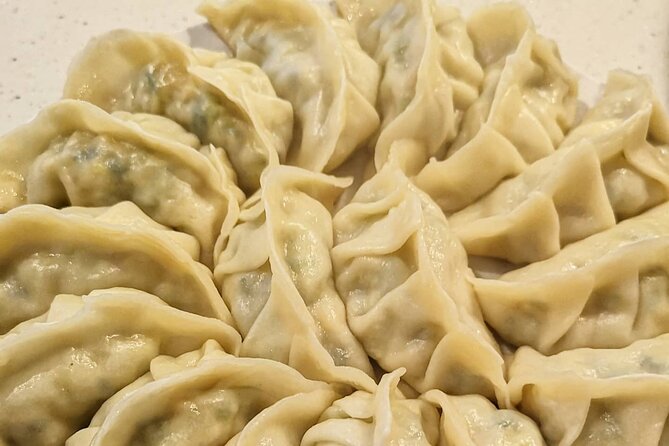
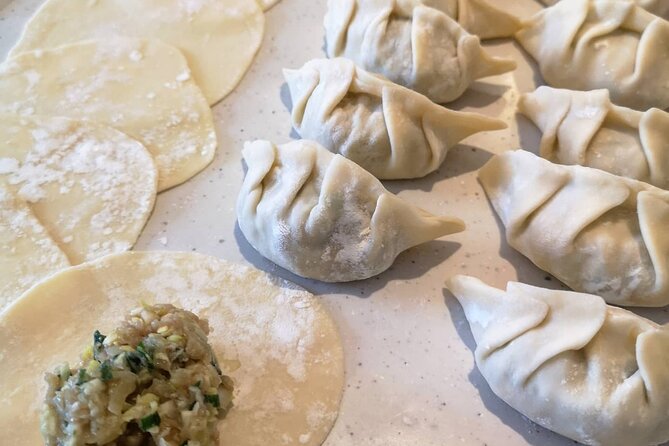
The gyoza is the most hands-on part of the morning. You make the filling, prepare the dough, and roll the wrappers yourself. Shaping dumplings can look simple until the first wrapper sticks to the counter or the filling refuses to stay inside. Nariko’s step-by-step approach helps take the pressure off.
The homemade skins are a special feature. Many introductory dumpling classes use bought wrappers because they are fast and consistent. Here, you get to practice the dough, which gives you a better sense of texture and thickness. It also makes the recipe more useful if you live somewhere that does not sell fresh gyoza skins.
You then fill and fold the dumplings before cooking them. The class prepares them fried rather than boiled, giving the bottoms a crisp finish. This is a small but helpful piece of technique you can carry into your own kitchen.
Expect a few imperfect shapes. That is part of the fun, and the class is designed for first-timers. The emphasis is on learning a repeatable method, not producing restaurant-perfect dumplings. With Nariko nearby, you can get help with the folding and learn how to keep the filling from escaping.
Cucumber pickles and the final meal
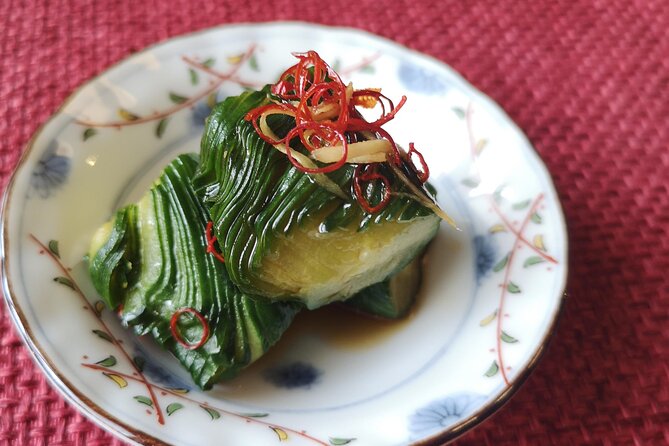
The cucumber pickles provide a quick side dish and a useful contrast to the rich ramen and gyoza. They are simple to prepare, so they help round out the class without adding a second complicated recipe.
After the cooking is done, you eat your own work. The meal includes the ramen, fried gyoza, and cucumber pickles, served in the home setting. Several parts of the experience point to a generous portion, so you should arrive ready for a full lunch rather than a small tasting.
This final meal is more than a reward. It lets you judge the balance of the dishes while the methods are fresh in your mind. You can compare the soup, dumpling texture, and pickles, then ask Nariko how you might repeat the meal at home.
The home table also gives the class a relaxed social finish. It is a chance to talk with Nariko and the other participants instead of rushing straight back onto the sightseeing route.
More gyoza nights:
- Gyoza Cooking Class in Kyoto: Traditional Japanese Dumplings
★ 5.0 · 210 reviews - Kyoto Ramen & Gyoza Cooking Class with Professional Chefs
★ 4.8 · 100 reviews - Ramen Gyoza Onigiri Japanese Cooking Class in Kyoto
★ 5.0 · 44 reviews - Private Ramen or Gyoza Cooking Class in Kyoto with Chef Midori
★ 5.0 · 18 reviews
Why the home setting matters
Kyoto has no shortage of restaurants serving ramen and gyoza. If all you want is a bowl of noodles, this class is not the efficient choice. A restaurant meal will cost less and take far less time.
The point here is access to a domestic kitchen and a personal recipe. You see how a Japanese host handles ordinary ingredients, organizes several dishes, and teaches techniques used at home. That is a different experience from eating at a famous noodle shop.
Nariko also makes the class feel personal. She is described as friendly, patient, and easy to talk with, and she takes time to explain techniques rather than hurrying everyone through a preset show. Her help with practical Kyoto questions, including restaurant reservations, can be useful, though the cooking remains the main reason to come.
The setting is reported to be spotless and arranged for teaching. That matters when several people are sharing counters, utensils, and work areas. It also helps first-time cooks feel comfortable handling dough and knives.
A realistic look at the three and a half hours
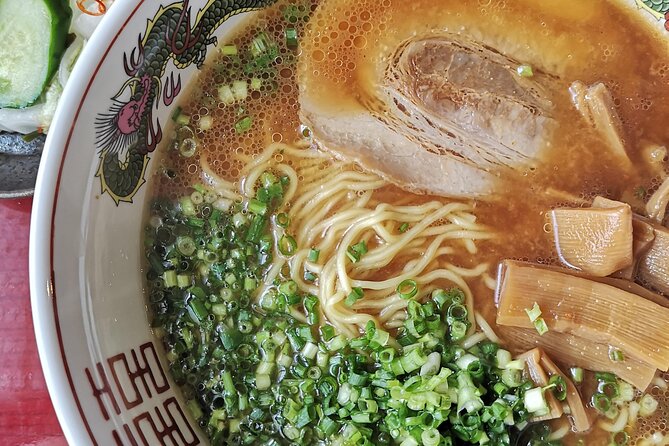
The schedule is long enough to make the meal properly, but it will occupy most of your morning. You meet at 10:00 am, walk or travel to the home if that is part of your meeting arrangement, and then begin preparing the dishes.
The class moves through several small jobs rather than one long recipe. You work on ramen soup, prepare gyoza filling and dough, roll the skins, fold the dumplings, make pickles, and cook the finished food. The variety keeps the session moving, but you should not book another tight appointment immediately afterward.
Knife use is part of the work. The stated minimum age is older than 10, and children must be able to use a knife. This is not a passive family show where young children simply watch adults cook. Families with older children can find it a fun shared activity, while families with younger children should choose something else.
Only people taking part in the class may attend. There is no room for spectators, so every person who enters should be included in the booking and ready to participate.
What the $118.92 price really buys
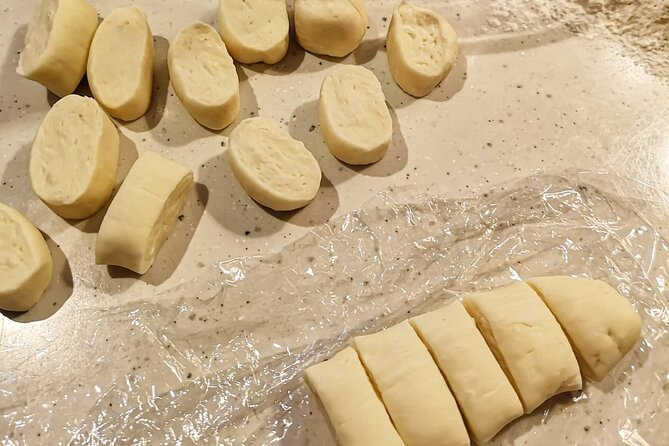
At $118.92 per person, this is not a bargain meal. You can eat ramen and gyoza in Kyoto for much less. The price makes more sense when you count the instruction, the ingredients, the private home setting, the small group, and the full meal at the end.
I would compare it with other hands-on food classes, not with a restaurant lunch. You are paying for several hours of teaching and for recipes you can use after your trip. The homemade gyoza wrappers add real value because they involve a technique you are unlikely to learn from simply ordering dumplings.
The class also works well for couples and families who want one shared activity. Two people can spend the morning cooking together, while a larger group can enjoy the social side of a class capped at eight. Solo participants should also fit in comfortably, since the small format encourages conversation and shared work.
The price is harder to justify if you dislike cooking, have strict dietary requirements, or mainly want to see Kyoto sights. It is also less useful if you already make ramen and gyoza regularly. For curious home cooks, though, the practical take-home value is stronger than the price of the meal alone suggests.
The experience is often booked about 24 days ahead. That is a useful planning clue, especially if your Kyoto dates are fixed. Confirmation arrives within 48 hours of booking, subject to availability, so do not leave this until the last morning of your trip.
Who should book this Kyoto cooking class
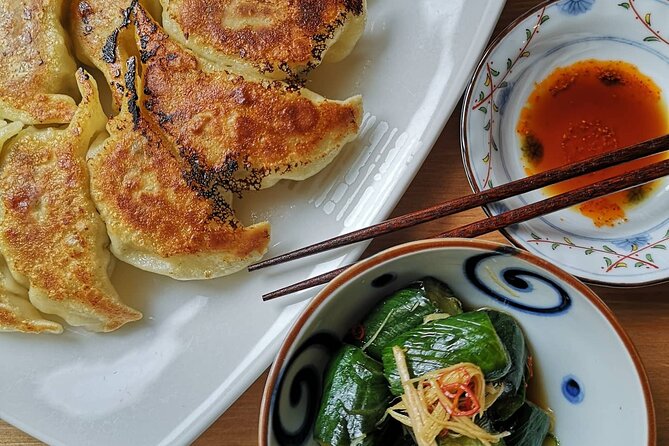
I would recommend it to you if you enjoy food, prefer small groups, and like taking a practical skill home from a trip. It suits couples, families with children older than 10, and solo visitors who want a friendly morning with a local host.
It is especially good for cooks at the beginner or intermediate level. You do not need to arrive with advanced knife skills or dumpling experience. The method is broken into manageable steps, and the class lets you learn by doing.
You should think twice if you want to make ramen noodles from scratch. That is not included. You should also skip it if you need a vegetarian ramen broth, since dried fish is required.
The class is a better fit for a relaxed Kyoto day than for a packed sightseeing schedule. Three and a half hours is a meaningful block of time, but you finish with lunch and a new set of recipes rather than simply checking off another attraction.
Practical details before you reserve
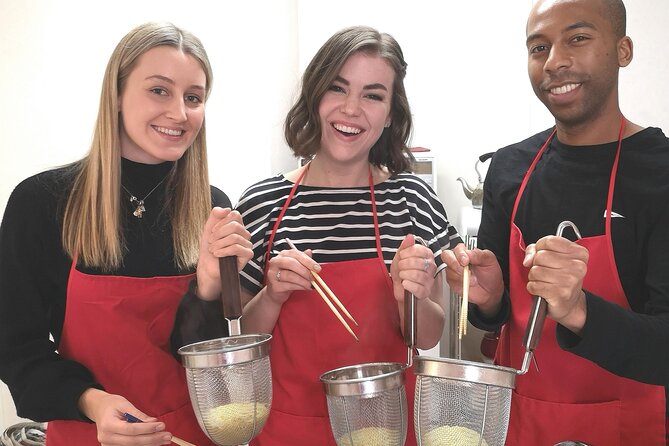
The start point is in Matsugasaki Rokunotsubochō, Sakyo Ward, Kyoto, postal code 606-0915. The activity begins at 10:00 am and returns to the meeting point. A mobile ticket is provided.
The maximum group size is eight. Confirmation is sent within 48 hours, subject to availability. The booking is non-refundable and cannot be changed for any reason, so check your dates, meeting point, food needs, and party size before paying.
If the minimum number of participants is not reached and the class is canceled, you are offered another date or experience, or a full refund. That protection applies to a cancellation by the provider, not to a change of your own plans.
Bring an appetite and clothes you can work comfortably in. The supplied information does not specify a dress code or equipment list, so you should rely on the booking instructions for any final meeting details.
Should you book Nariko’s Kitchen?
Book it if you want to learn a Japanese meal you can repeat at home, not just eat one. The strongest reasons are Nariko’s patient teaching, the small group, the homemade gyoza wrappers, and the chance to cook in a real home.
Skip it if you need vegetarian ramen, want handmade ramen noodles, or would rather spend the morning sightseeing. At $118.92, the value depends on your interest in the cooking itself.
For the right person, this is a warm, useful Kyoto experience. You leave with a full meal, practical techniques, and a better sense of how ramen and gyoza fit into home cooking in Japan.
FAQ
Where does the class take place?
The class takes place in Nariko’s home in Kyoto’s Sakyo Ward. The listed meeting point is 5-6 Matsugasaki Rokunotsubochō, Kyoto, 606-0915, Japan.
What time does the activity begin?
The class starts at 10:00 am.
How long does the experience last?
The cooking experience lasts approximately 3 hours and 30 minutes.
What dishes do you make?
You make ramen soup, gyoza with homemade wrappers, and cucumber pickles. You then eat the food you prepare.
Are ramen noodles made from scratch?
No. The class makes the ramen soup but does not make ramen noodles. The gyoza wrappers are made from scratch.
Is the class vegetarian?
No. The ramen soup uses dried fish, and the host cannot make the ramen broth without it.
What is the minimum age?
Participants must be older than 10 and able to use a knife.
How many people can join?
The class has a maximum of eight participants.
Can I cancel or change my booking?
The experience is non-refundable and cannot be changed for any reason. If the provider cancels because the minimum number of participants is not reached, you are offered another date or experience, or a full refund.
Recently added around Kyoto
- Higashiyama | Kyoto: Sakura Season Private Rickshaw Tour★ 5.0 · 3 reviews
- Kyoto Kimono Rental CHAMATSU|Kimono/Yukata Rental FamilyPlan★ 5.0 · 3 reviews
- Kyoto: Half-Day Private Guided Tour to the Old Town of Gion★ 4.4 · 3 reviews
- Nara Private Customizable Half Day Tour★ 5.0 · 3 reviews
- Kansai Region Hiking Adventure in Nara Kobe Kyoto and More★ 5.0 · 3 reviews
- Full Day Nara Deer, Temple, Shrine, Activities & Tea Ceremony★ 5.0 · 3 reviews
- Nara: Essential Private Tour with Deer Park and Temples★ 5.0 · 3 reviews
- Hiking Tour for Sacred Sites in Kyoto with a Guide★ 5.0 · 3 reviews
Kyoto Ramen Tours, compared.
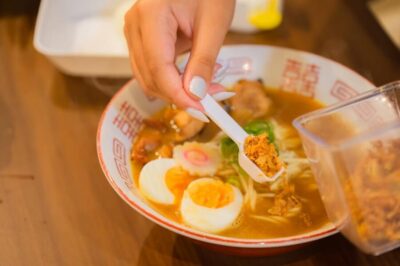
Ramen Cooking Class at a Ramen Factory with Souvenir
Read our review →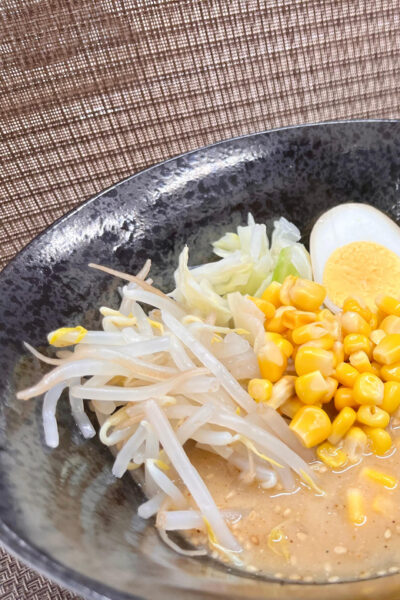
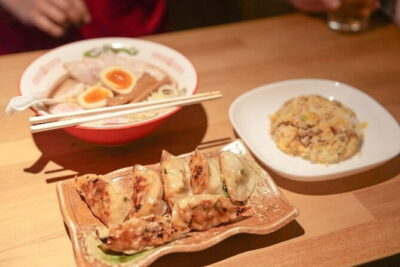
Kyoto Ramen and Gyoza Cooking Class with Professional Chefs
Read our review →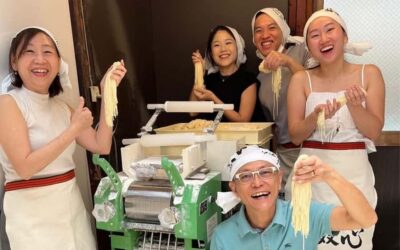
Kyoto Michelin Ramen Workshop or Painting Ramen Essentials
Read our review →Kyoto Ramen & Gyoza Cooking Class with Professional Chefs
Read our review →
Ramen Gyoza Onigiri Japanese Cooking Class in Kyoto
Read our review →Browse the lists this tour appears in