
REVIEW · COOKING CLASSES
Bento Box Cooking Class
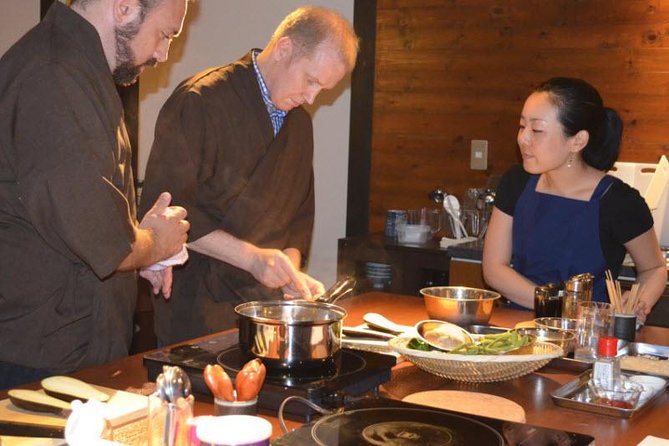
Kyoto’s bento cooking class gives you more than a meal. You learn why this neat little box matters in Japanese daily life, then prepare several dishes yourself before sitting down to eat the finished result. It is a hands-on morning built around food, technique, and a little cultural context.
I especially like the small-class attention and the range of dishes. You may make rolled egg, teriyaki chicken, tempura vegetables, sushi, spinach with sesame, and miso soup in one session. The recipes go home with you, so the class keeps working after your Kyoto visit.
The main consideration is timing. The session begins at 9:30 a.m., lasts about three to three and a half hours, and the menu changes with the seasons. You also need to arrive at the Cooking Sun studio yourself, rather than relying on hotel pickup.
In This Review
- What makes this Kyoto bento class worth your morning
- Arriving at Cooking Sun Kyoto at 9:30 a.m.
- A short lesson on the history of bento
- Watching the chefs before you cook
- Making the dishes in your own bento
- Sitting down to eat what you made
- What you take home besides a full stomach
- Food allergies, group size, and practical limits
- Is $71.35 a fair price?
- Who should book this experience?
- Should you book the Kyoto bento cooking class?
- FAQ
- Where does the cooking class take place?
- What time does the class start?
- How long does the experience last?
- Is lunch included?
- Are ingredients provided?
- Is an English-speaking instructor provided?
- Do I receive an apron?
- Can I share dietary requirements?
- How many people can join the class?
- Can I cancel for a refund?
What makes this Kyoto bento class worth your morning
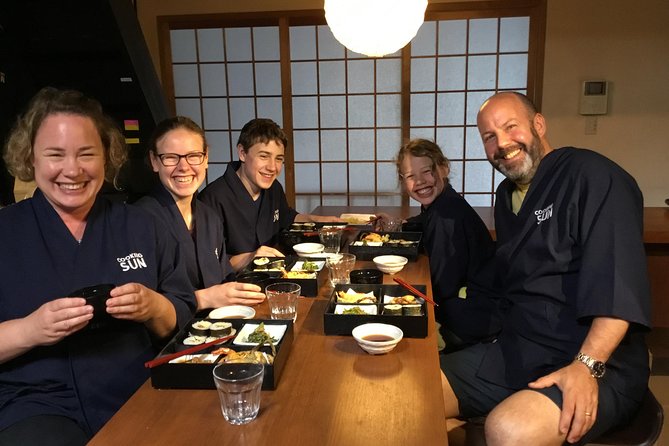
- You prepare a full Japanese lunch: The class can include miso soup, tempura, teriyaki chicken, rolled omelet, sushi, and vegetable side dishes.
- The menu changes every three months: Seasonal ingredients keep the lesson tied to what is best available in Japan at that time.
- You get practical cooking help: Instructors demonstrate more technical jobs, such as rolling egg and sushi, then guide you as you try them.
- You learn the meaning behind the box: The session covers bento’s origins and its place in everyday Japanese food culture.
- The meal is part of the lesson: You eat the bento you prepared, which makes portioning, presentation, and balance easier to understand.
- Recipes are included: You can repeat the dishes at home instead of leaving the class with only photographs.
Arriving at Cooking Sun Kyoto at 9:30 a.m.
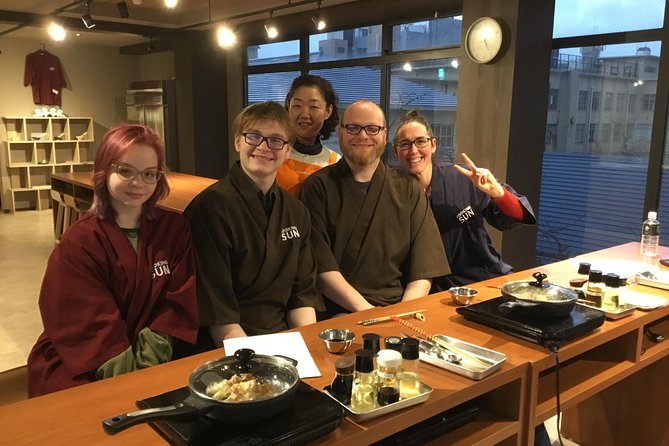
Your morning starts at Cooking Sun Kyoto, at 679 Funayacho in Kyoto’s Shimogyo Ward. The studio is near public transportation, but hotel pickup and drop-off are not included, so plan your route before class day. The listed start time is 9:30 a.m., giving you a useful morning activity before an afternoon of sightseeing.
The course runs for about three hours, though the full description allows three to three and a half hours. That small difference matters if you have a tight booking afterward. I would leave a little breathing room before your next fixed appointment, especially since the class ends with a sit-down lunch rather than simply handing you food and sending you on your way.
The booking information lists a maximum of eight people. Some class descriptions refer to larger sessions supported by several instructors, so group size may vary by booking arrangement. If personal attention is important to you, check the group details when reserving.
You receive an apron and all cooking ingredients. Lunch is included in the form of the food you prepare. Extra food and drinks are not included unless specifically stated, so do not assume that breakfast or other refreshments are part of the package.
More cooking classes in Kyoto:
- Kyoto: Ramen Cooking Class at a Ramen Factory with Souvenir
★ 4.9 · 532 reviews - Kyoto: Ramen, Gyoza, and Onigiri Cooking Class
★ 5.0 · 445 reviews - Kyoto: Japanese Washoku Bento Small Group Cooking Class
★ 5.0 · 380 reviews
A short lesson on the history of bento
Before the knives and frying pans come out, you receive background on bento. The course connects the modern boxed meal with a long tradition of portable, carefully arranged food. The word bento is linked in the lesson to a 13th-century Song Dynasty slang term for something convenient.
That detail helps explain why bento is more than a lunch packed into a container. It is practical, but it also depends on balance, variety, color, and presentation. A good box gives you several flavors and textures in one meal, with each item placed so it remains appealing and easy to eat.
I like this opening because it gives purpose to the cooking. You are not just preparing unrelated Japanese dishes. You are learning how separate items work together as one compact meal, which makes the final presentation feel more intentional.
The cultural background is brief rather than academic. That is a strength for most people visiting Kyoto, since the class keeps the focus on cooking. If you want an extended lecture on Japanese food history, this is not that kind of experience. The emphasis is on useful context followed by action.
Watching the chefs before you cook
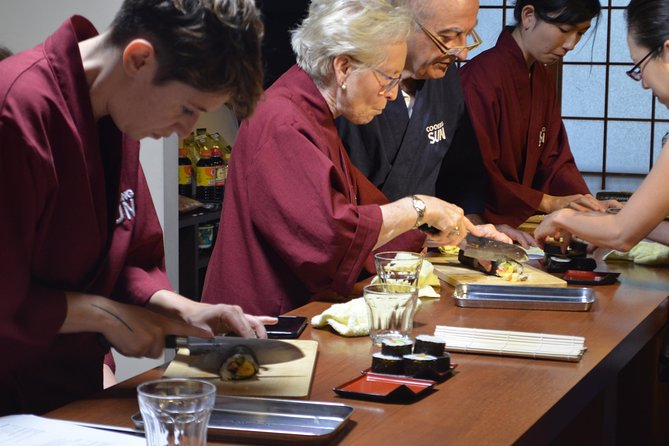
The Japanese master chef begins with demonstrations of key techniques. This is helpful because several bento dishes look simple until you try them. Rolled omelet, sushi rolling, tempura, and dashi all reward careful handling, and a clear demonstration can save you from guessing at the important steps.
The instructors speak English and guide you through the recipes in a relaxed, patient way. The class format gives you a balance of explanation and practice. You watch the technique, attempt it yourself, and can ask questions about ingredients or methods as you work.
The demonstrations are particularly useful for the rolled egg. Japanese omelet is made in layers, and getting the shape right takes more control than a basic scrambled egg. The class also covers sushi rolling, another task that is easy to understand in theory but less easy to perform neatly on your first try.
You may also learn about dashi, the savory stock used in many Japanese dishes, and how different soy sauces can be used. These small details are valuable because they change the way you cook at home. Instead of simply following a recipe, you gain a better sense of why an ingredient belongs in a dish.
Making the dishes in your own bento
The menu changes every three months to use seasonal ingredients, so the exact dishes can differ. The core idea remains the same: you prepare several small items that fit together in one box. That variety is one of the strongest reasons to choose this class over a lesson focused on a single dish.
Possible dishes include:
- Miso soup
- Tempura vegetables and, in some sessions, tempura shrimp
- Japanese rolled omelet
- Teriyaki chicken
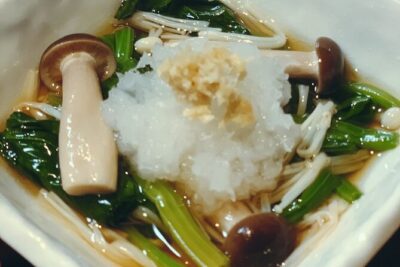
- Spinach with sesame
- Sushi rolls
You may not perform every chopping task from the beginning. Ingredients are prepared in advance to keep the class moving, which is practical when you are making many dishes in one morning. This does mean the lesson is not a full professional kitchen simulation. You get meaningful hands-on work, but not every ingredient necessarily begins whole and untouched.
That trade-off works well for a compact class. You spend your time on techniques that define the dishes instead of losing the morning to repetitive preparation. The result is a satisfying number of finished foods without making the session feel rushed.
For beginners, the structure should feel manageable. For experienced home cooks, there is still plenty to learn in the details: how to build flavor with dashi, how to handle tempura batter, how to shape an omelet, and how to place different foods in a compact box.
The instructors also help with presentation. Bento is partly about appearance, and a box can look far better when you consider color and spacing. Even if your first attempt is not perfectly symmetrical, the class gives you a clearer sense of how Japanese meals are arranged.
More workshops and classes in Kyoto:
- Kyoto: 45-Minute Tea Ceremony Lesson Experience
★ 4.3 · 2,378 reviews - Kyoto : Chopsticks Making Workshop in Gion with Engraving Option
★ 5.0 · 958 reviews - Kyoto: Samurai Sword Class by Experts in Traditional Arts
★ 4.9 · 657 reviews - Ninja 1-hour Hands-on Lesson by Japanese master in Kyoto -Entry
★ 5.0 · 489 reviews
Sitting down to eat what you made
When the cooking is finished, you put away the apron and sit down for lunch with the other people in the class. This is not a quick taste at the counter. You eat the bento you prepared, along with the soup and other dishes made during the session.
Plan to arrive having eaten at least a light breakfast. Cooking for several hours while waiting for the final meal can leave you very hungry, and the lunch comes at the end rather than throughout the lesson. At the same time, the finished meal is substantial. The combination of rice, protein, vegetables, soup, tempura, omelet, and sushi can be more than you expect.
This final meal gives you a chance to judge the techniques while they are still fresh. You can notice the difference between a crisp piece of tempura and one that has softened, or see how the sweet-savory flavor of teriyaki works beside simpler vegetable dishes.
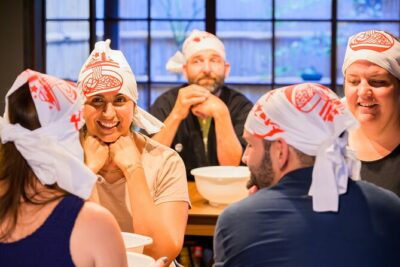
It also makes the class social without forcing a separate dining event into your schedule. You have already spent the morning working together, so lunch feels like a natural finish.
What you take home besides a full stomach
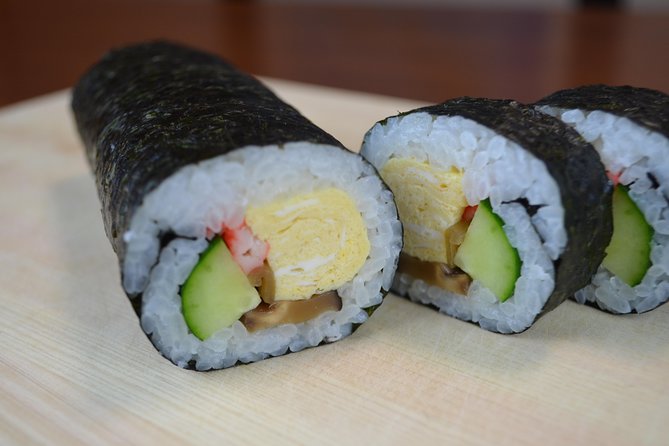
The recipes are provided at the end of the class. That is a real benefit, since Japanese home cooking often depends on small decisions that are hard to remember from a demonstration alone.
The recipe sheets let you repeat dishes such as teriyaki chicken, miso soup, tempura, or sushi at home. You can also use the techniques separately. A lesson on dashi may improve noodle soups, sauces, and simmered dishes, while the omelet method can become part of a packed lunch even when you do not prepare a full bento.
I would keep the recipes somewhere easy to find and write notes on them while the class is still fresh in your mind. The seasonal menu means your exact version may not be available at every time of year, but the underlying methods remain useful.
This is also a good activity for families with older children and teenagers. The food is varied, the tasks change often, and the final meal gives everyone a clear reward. Younger children may find a three-hour class demanding, but the provided information does not set a minimum age, so ask the provider if age is an important factor for your group.
Food allergies, group size, and practical limits
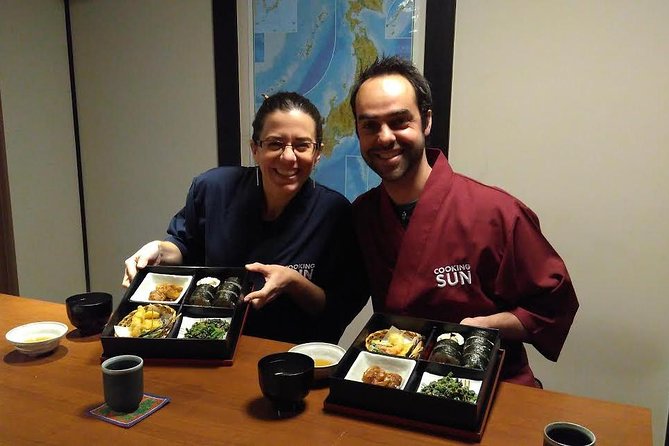
Tell Cooking Sun about specific dietary requirements when you book. The staff are described as careful and helpful with food allergies, but you should still give clear details before arrival rather than waiting until the class begins.
The available information confirms that service animals are allowed and that the studio is near public transportation. It does not provide a full list of dietary substitutions, kitchen access details, or seating arrangements. If you have a serious allergy, ask what can be changed before you commit.
The activity is listed as having a maximum of eight participants, and the booking limit is also eight people. Several class accounts describe three instructors helping larger groups, which suggests the teaching team can be strong even when a session includes more people. Still, confirm the expected group size if close supervision is a priority.
There is no hotel transfer, so this is best for you if you are comfortable navigating Kyoto independently. The meeting point is supplied after booking details are available, and the activity ends back at that same location.
Is $71.35 a fair price?
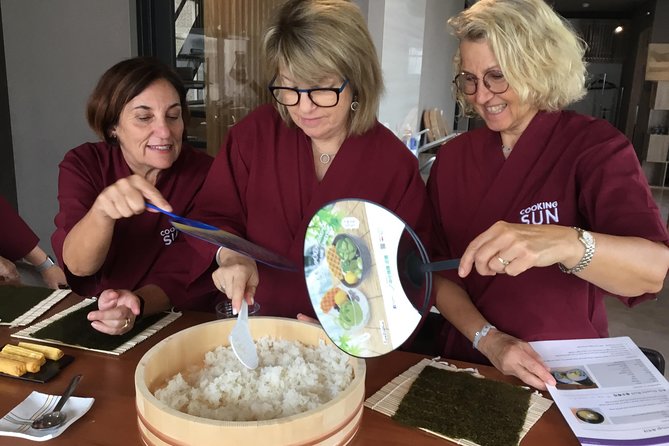
At $71.35 per person, this is not the cheapest lunch in Kyoto. You can buy a ready-made bento for far less, and food markets offer plenty of inexpensive ways to sample Japanese cooking.
The value comes from the combination of food, instruction, cultural background, ingredients, apron, and recipes. You are effectively paying for a full meal plus a guided lesson in several techniques. Since the class lasts about three hours and covers more than one dish, the price is easier to justify than it would be for a short demonstration with a small tasting.
I see the strongest value for couples, families, and people who like to cook at home. If you simply want to eat a bento, spend the money at a market or department-store food hall. If you want to understand how the dishes are made and take the methods home, this class offers more lasting value.
Group discounts are available, which may improve the price for families or larger parties. The exact discount is not specified, so check the booking terms rather than assuming a particular saving.
Who should book this experience?
I would choose this class if you want a practical morning with a clear connection to Japanese daily food culture. It suits beginners because the instructors demonstrate each step, but experienced cooks can still pick up useful methods for sushi, tempura, dashi, and rolled egg.
It is also a smart option for a busy Kyoto schedule. You get breakfast-time cultural context, several cooking projects, and lunch in one compact block. Just remember that the class itself takes most of the morning, so do not place an important timed attraction immediately afterward.
This experience may not suit you if you dislike group activities, cannot eat the menu without substantial changes, or want to prepare every ingredient entirely from scratch. The class is designed for efficient teaching, so some food preparation is done in advance.
Free cancellation is available up to 24 hours before the start time for a full refund. Changes or cancellations made less than 24 hours ahead are not accepted for a refund, and the cut-off follows Kyoto local time.
Should you book the Kyoto bento cooking class?
Book it if you want to make several Japanese dishes, eat a filling lunch, and leave with recipes you can use at home. The patient English-speaking instruction, seasonal menu, and hands-on format make this a stronger choice than a class built around watching someone else cook.
I would be especially happy to recommend it to food-focused couples, families with teenagers, and home cooks who want more than a standard sightseeing stop. Check the group size and allergy arrangements before paying, arrive ready for a full morning, and eat a little breakfast first.
If that sounds like your kind of Kyoto memory, $71.35 is a reasonable price for a meal you prepare yourself and skills that last beyond the trip.
FAQ
Where does the cooking class take place?
The class takes place at Cooking Sun Kyoto, 679 Funayacho, Shimogyo Ward, Kyoto, Japan.
What time does the class start?
The listed start time is 9:30 a.m.
How long does the experience last?
The experience lasts about three hours. The detailed description gives an estimated duration of three to three and a half hours.
Is lunch included?
Yes. You eat the bento and related dishes you prepare during the class. Additional food and drinks are not included unless specified.
Are ingredients provided?
Yes. All ingredients needed for the cooking lesson are included.
Is an English-speaking instructor provided?
Yes. An English-speaking cooking instructor is included.
Do I receive an apron?
Yes. An apron is provided for the cooking session.
Can I share dietary requirements?
Yes. You should advise Cooking Sun of specific dietary requirements when booking.
How many people can join the class?
The booking information lists a maximum of eight people per booking and a maximum of eight participants for the activity.
Can I cancel for a refund?
You can cancel at least 24 hours before the start time for a full refund. Cancellations or changes made less than 24 hours before the start time are not accepted for a refund.
Recently added around Kyoto
- Higashiyama | Kyoto: Sakura Season Private Rickshaw Tour★ 5.0 · 3 reviews
- Kyoto Kimono Rental CHAMATSU|Kimono/Yukata Rental FamilyPlan★ 5.0 · 3 reviews
- Kyoto: Half-Day Private Guided Tour to the Old Town of Gion★ 4.4 · 3 reviews
- Nara Private Customizable Half Day Tour★ 5.0 · 3 reviews
- Kansai Region Hiking Adventure in Nara Kobe Kyoto and More★ 5.0 · 3 reviews
- Full Day Nara Deer, Temple, Shrine, Activities & Tea Ceremony★ 5.0 · 3 reviews
- Nara: Essential Private Tour with Deer Park and Temples★ 5.0 · 3 reviews
- Hiking Tour for Sacred Sites in Kyoto with a Guide★ 5.0 · 3 reviews
Cooking Classes, compared.
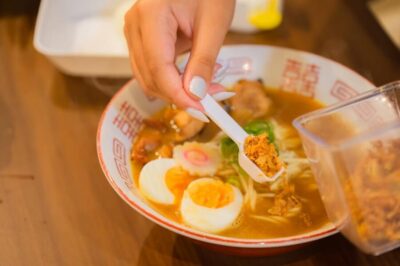
Ramen Cooking Class at a Ramen Factory with Souvenir
Read our review →
Japanese Washoku Bento Small Group Cooking Class
Read our review →
Kyoto Ramen and Gyoza Cooking Class with Professional Chefs
Read our review →
Gyoza Cooking Class in Kyoto: Traditional Japanese Dumplings
Read our review →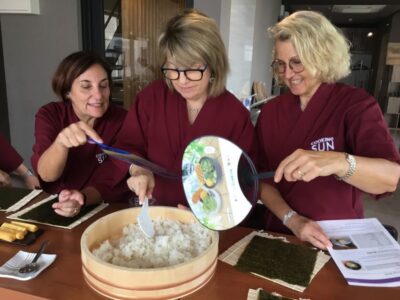
Browse the lists this tour appears in