
REVIEW · KYOTO GYOZA EXPERIENCES
Gyoza Cooking Class in Kyoto: Traditional Japanese Dumplings
Making gyoza from scratch is the heart of this Kyoto class, but the fun comes from doing every part yourself. You choose a filling, mix and shape the dough, learn the folding technique, and cook roughly 10 to 12 dumplings per person. I like that the class gives you a useful skill to take home, not just a few photos. The optional samurai armor photos add a playful cultural extra.
I also like the setting: a traditional Kyoto townhouse with a personal work station for each participant. Instructors including Hama, Maya, Ryo, and YO are praised for making the steps clear and easy in English. The main consideration is the price, $118.19 per person, which is high for a short cooking class. It makes the most sense if you value instruction, cultural context, souvenirs, and a hands-on activity rather than simply a meal.
In This Review
- Key points at a glance
- What the 90-minute Kyoto gyoza class is really like
- Choosing a filling and making the dough
- Folding 10 to 12 dumplings by hand
- Cooking the dumplings with the provided equipment
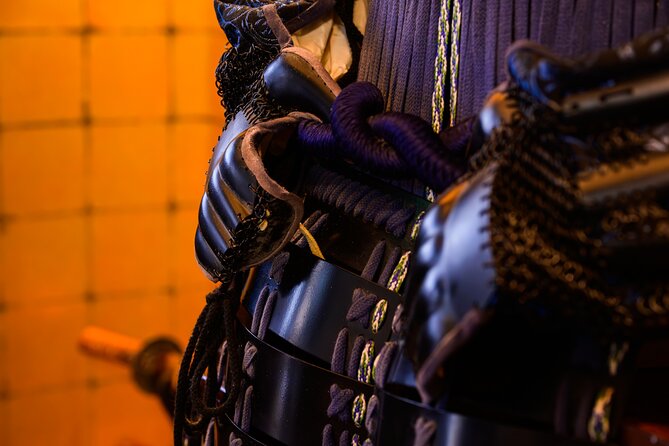
- Samurai culture and the optional armor photos
- The townhouse setting and group size
- The instructors: Hama, Maya, Ryo, and YO
- Who will get the most from this experience
- Practical planning for the meeting point and timing
- Is the Kyoto gyoza class worth booking?
- FAQ
- Where does the gyoza cooking class take place?
- How long does the activity last?
- Does the class end at the meeting point?
- Is transportation included?
- Is the class taught in English?
- What will I learn to make?
- How many gyoza will I make?
- Are cooking tools provided?
- Is samurai armor included?
- What is the cancellation policy?
Key points at a glance
- Make wrappers from scratch: This is more than a folding demonstration. You work with the dough yourself.
- Choose your filling: You have some control over what goes inside your dumplings.
- Cook about 10 to 12 gyoza: The class ends with a proper meal you helped prepare.
- Learn in a Kyoto townhouse: The setting gives the activity a local feel without requiring a long trip outside the city.
- Try samurai armor afterward: Armor dress-up is optional and provides a memorable photo opportunity.
- Take home an apron: The souvenir apron and headband add value, and the recipe may be available if you request it.
What the 90-minute Kyoto gyoza class is really like
This is a compact, hands-on food activity designed for visitors who want to do more than eat Japanese food in a restaurant. The class takes place at 230-1 Kamimyōkakujichō in Nakagyo Ward, Kyoto. It ends at the same location, and the meeting point is near public transportation.
The advertised duration is about one hour and 30 minutes. One class account described the full experience as closer to two hours, so I would avoid booking another activity immediately afterward. The extra time may come from the cooking, questions, photos, or the samurai option.
You receive a mobile ticket, and an English-speaking instructor leads the class. The tools are provided, so you do not need to bring cooking equipment. The group can include up to 20 people, though smaller classes may feel more personal. At least one evening class had only one participant, creating a private lesson. You should not count on that, but it is possible when bookings are light.
The class has a friendly, practical feel. Hama, Maya, Ryo, and YO are named instructors associated with especially warm teaching. The instructor for your session can vary, but the format stays focused on clear steps and active participation.
More gyoza nights:
- Kyoto: Ramen, Gyoza, and Onigiri Cooking Class
★ 5.0 · 445 reviews - Kyoto Ramen and Gyoza Cooking Class with Professional Chefs
★ 5.0 · 282 reviews - Home style Ramen and Homemade Gyoza in Kyoto
★ 5.0 · 152 reviews
Choosing a filling and making the dough
Gyoza began in China, then developed into a popular Japanese dish with its own styles and sizes. That background gives the class a useful bit of context before you start cooking. You learn why Japanese gyoza are familiar, yet not simply the same as their Chinese relatives.
The first cooking choice is the filling. The information provided does not list the exact filling options, so you should ask the instructor what is available when you arrive. Having a choice makes the class more personal and gives you a chance to think about the flavors you prefer.
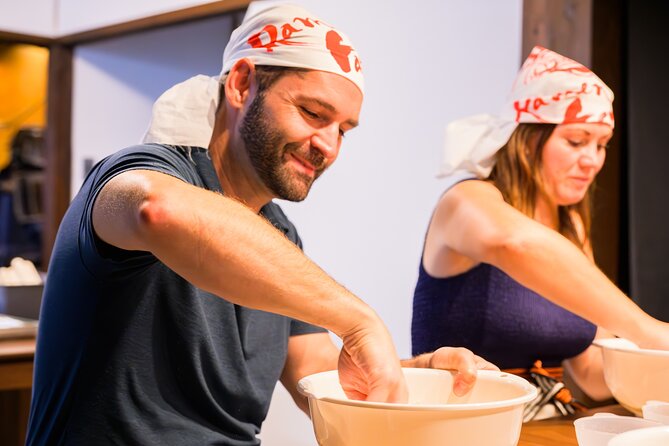
Next comes the wrapper. Many short food classes hand you ready-made wrappers and focus only on folding. Here, you make the wrappers from scratch. That adds work, but it also helps you understand why dough thickness and size matter.
Expect flour, shaping, and a little trial and error. You do not need advanced cooking skills. The class is built for beginners, and the instructors explain the process in English. Several participants found the steps easy to follow, which is important when you are learning both dough preparation and dumpling assembly in a short session.
Paper practice may also be part of the instruction. That is a smart touch because folding a neat gyoza takes some coordination. You can practice the shape before using the actual wrapper, saving ingredients and reducing pressure.
Folding 10 to 12 dumplings by hand
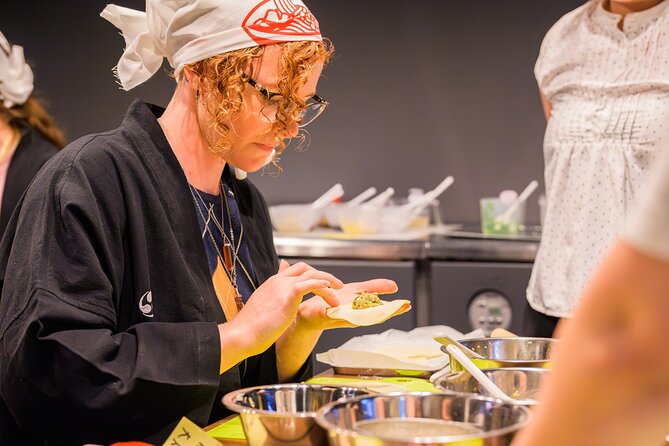
Folding is the most recognizable part of gyoza making, and it is where the class becomes social and entertaining. You place the filling in the wrapper, seal the edges, and form the pleats. Your first dumpling may look uneven. That is normal and part of the point.
You will likely make about 10 to 12 gyoza per person. That is enough for a satisfying serving and enough repetition to improve your technique. The number also gives you room to experiment. Your early dumplings may be loose or lopsided, while later ones often look more controlled.
I like this part because it turns a familiar restaurant dish into something you can repeat at home. You learn the basic sequence rather than watching someone else perform it at a distance. The lesson is simple enough for older children and teenagers, and a family with a 10-year-old enjoyed the activity together.
The class is also suitable for couples, solo visitors, and small groups of friends. A solo participant may appreciate the chance to meet other people, though the maximum group size of 20 means the amount of individual attention can depend on attendance. A small class should feel more relaxed, while a full session may be livelier.
Cooking the dumplings with the provided equipment
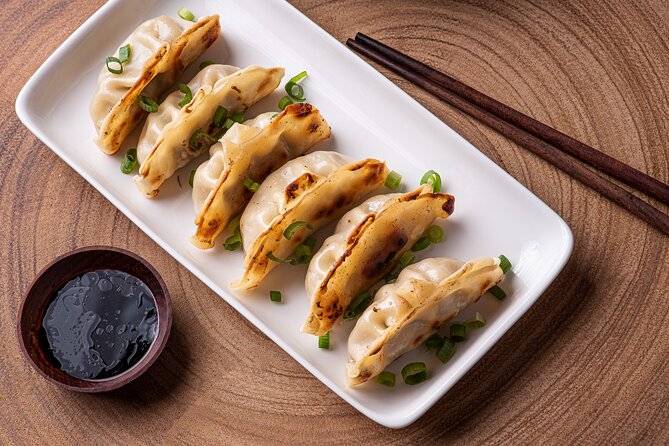
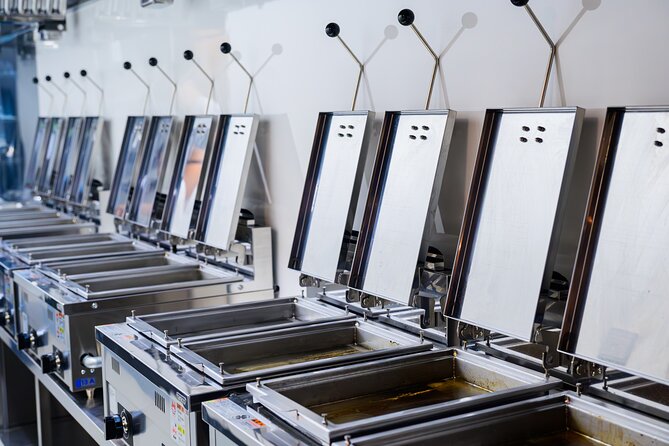
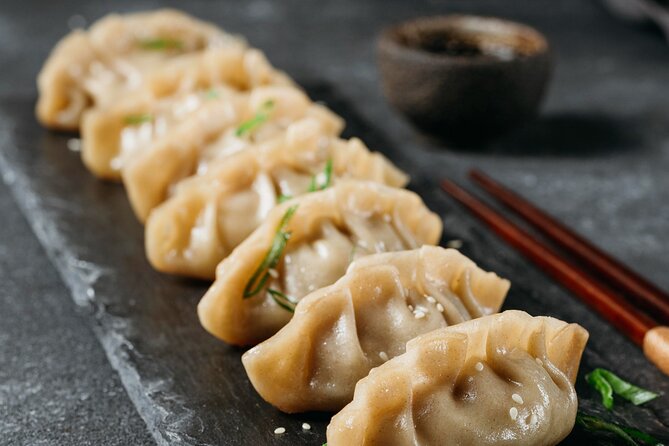
After folding, you cook the gyoza using a professional baking machine. The supplied information does not explain the machine in detail, so the instructor will be your best source for the exact cooking method. The important point is that you do not leave with raw dumplings or a demonstration meal prepared by someone else. You cook what you made.
This final step gives the class a clear payoff. You can taste the wrappers, filling, and folding work together. If a few dumplings are less tidy than others, they can still be delicious.
The food is also the reason to arrive hungry. The amount of gyoza is substantial enough to count as a light meal for many people, though the class does not promise a broader menu. If you want a full Kyoto dinner afterward, you may still need another meal.
That limitation matters when comparing the price. At $118.19, you are not paying only for ingredients. You are paying for instruction, the townhouse setting, cooking tools, cultural information, and the activity itself. Still, if your priority is the cheapest way to eat gyoza, a restaurant will cost less. This class earns its price through participation and the skill you can use later.
More cooking classes in Kyoto:
- Kyoto: Ramen Cooking Class at a Ramen Factory with Souvenir
★ 4.9 · 532 reviews - Kyoto: Japanese Washoku Bento Small Group Cooking Class
★ 5.0 · 380 reviews - Kyoto: Afternoon Japanese Izakaya Cooking Class
★ 4.9 · 241 reviews - Izakaya Style Cooking Class
★ 5.0 · 219 reviews
Samurai culture and the optional armor photos
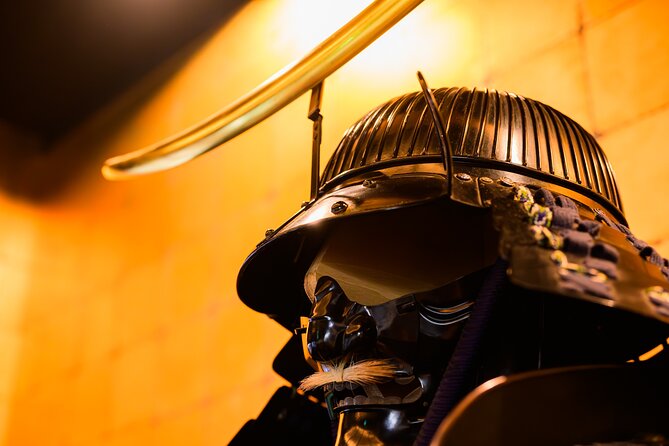
The cooking lesson includes some information about samurai culture and Japanese history. This is not presented as a full historical tour, and you should not expect a long lecture. Instead, the cultural material gives the food activity a wider Kyoto setting.
After cooking, you can optionally dress in samurai armor and take photos. This part will appeal most to families and anyone who enjoys a light, theatrical souvenir. It is not required, so you can keep the focus on food if costumes are not your style.
The samurai option also helps explain why this is more than a standard cooking lesson. You get a small cultural activity paired with a practical recipe. The combination works well on an evening when you want something relaxed and different from temple visits.
I would treat the armor as an extra, not the main reason to book. The gyoza instruction is the core experience. The costume photos are a bonus that can make the class more memorable, especially for children and teens.
The townhouse setting and group size
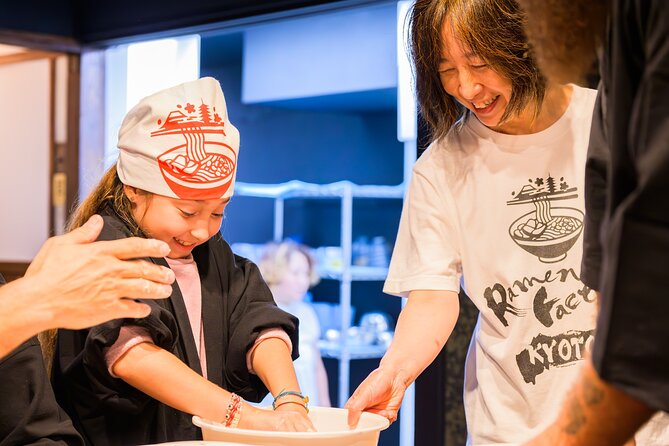
The traditional Kyoto townhouse is a good match for the class. It gives you a more characterful place to cook than a generic classroom, while keeping the activity close to central Kyoto transport links.
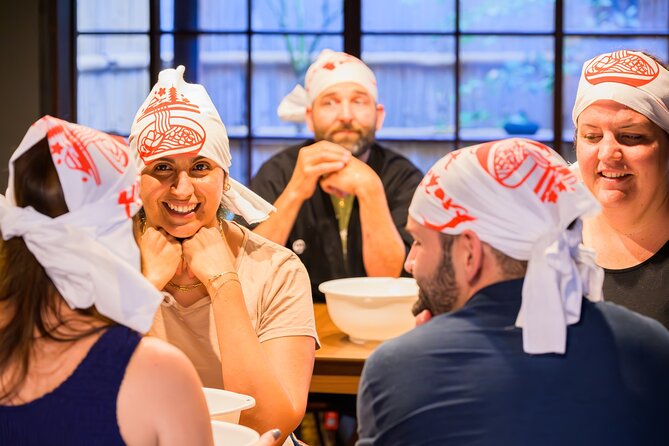
Each participant may have a personal work station. That matters because cooking classes can become frustrating when several people share one small surface or wait for their turn. A personal station lets you shape your own dough and dumplings from start to finish.
The maximum group size is 20. That is not a tiny private workshop, so you should set your expectations accordingly. The instructor will guide the group, demonstrate the steps, and answer questions, but the level of personal help can change with attendance.
Small-group sessions can be especially good for solo visitors. A single participant had a private evening class and received extra historical information, an apron, and a headband. That experience is not guaranteed, but booking an off-peak time may give you a better chance of a quieter class.
The instructors: Hama, Maya, Ryo, and YO
The instructor makes a big difference in a short class. Hama is praised for being a strong teacher and for making the activity enjoyable. Maya is described as clear in English, friendly, and easy to learn from. Ryo is noted for a personable approach that worked well for older children and teenagers. YO is associated with a simple, fun class in an ideal setting.
Those names are useful to know, but you may not be able to select your instructor. The booking information identifies the experience provider as Japan food entertainment Ltd, and the instructor can vary by session.
The common thread is a teaching style aimed at beginners. You are shown the steps, given time to practice, and guided through cooking. If you want to recreate the dish at home, ask for the recipe before leaving. One participant forgot to ask and was told the recipe could be sent afterward.
You may also receive an apron as a souvenir, and some sessions include a headband. These are small items, but they make the class feel more complete and give you something practical to take home.
Who will get the most from this experience
I would recommend this class to you if you enjoy food, prefer active activities, or want a break from sightseeing. It is especially well suited to:
- Families with older children and teenagers
- Couples looking for a shared evening activity
- Solo visitors who like meeting people through food
- Beginners who want a recipe they can repeat at home
- Anyone interested in Japanese food and a small amount of cultural background
The class is less suitable if you want a long culinary workshop, a large multi-course meal, or a detailed study of samurai history. The 90-minute format keeps the activity approachable, but it also limits how far the teaching can go.
You should also consider the cost. At $118.19 per person, this is a premium activity. I see better value if you will use the recipe, enjoy the apron souvenir, appreciate the setting, and take part in the samurai photos. If you only want to taste gyoza, spend the money at a restaurant instead.
Practical planning for the meeting point and timing
The meeting point is 230-1 Kamimyōkakujichō, Nakagyo Ward, Kyoto, postal code 604-0025. The activity returns to that point, so you do not need to arrange transport between the start and end.
Private transportation is not included. Since the location is near public transportation, you will need to make your own way there. Give yourself enough time to find the townhouse, especially if you are coming from another part of Kyoto.
Confirmation arrives when you book, and the ticket is mobile. Keep your phone charged and make sure you can open the booking details before setting out.
The cancellation terms are forgiving if your plans change early. You can cancel at least 24 hours before the local start time for a full refund. Changes or cancellations inside that 24-hour window are not accepted for a refund.
Is the Kyoto gyoza class worth booking?
Book it if you want to learn a useful Japanese dish, eat what you make, and enjoy a compact cultural activity in a Kyoto townhouse. The personal stations, English instruction, optional samurai armor, and take-home apron give the class more substance than a simple food tasting.
I would be more cautious if your budget is tight or if you are expecting a long professional cooking lesson. The price is high for the length, and group size can reach 20 people. Still, the class has a clear purpose and a good family-friendly format.
For my money, the strongest reason to book is the chance to leave with a repeatable skill. You can make gyoza with friends and family after returning home, which gives this experience a longer life than a meal that ends at the restaurant door.
FAQ
Where does the gyoza cooking class take place?
The class takes place at 230-1 Kamimyōkakujichō, Nakagyo Ward, Kyoto, 604-0025, Japan.
How long does the activity last?
The advertised duration is approximately one hour and 30 minutes. You should allow some extra time, since one class account described the full experience as about two hours.
Does the class end at the meeting point?
Yes. The activity ends back at the same meeting point.
Is transportation included?
No. Private transportation is not included. The meeting point is near public transportation.
Is the class taught in English?
Yes. An English-speaking instructor leads the cooking class.
What will I learn to make?
You will learn to make Japanese-style gyoza from scratch, including selecting a filling, making wrappers, folding the dumplings, and cooking them.
How many gyoza will I make?
The class information indicates that you may make about 10 to 12 gyoza per person.
Are cooking tools provided?
Yes. Cooking tools are provided for the class.
Is samurai armor included?
Trying on samurai armor is optional and takes place after the cooking class for photos.
What is the cancellation policy?
You can cancel at least 24 hours before the experience start time for a full refund. Cancellations or changes made less than 24 hours before the start time are not accepted for a refund.
More Workshops in Kyoto
- Kyoto: 45-Minute Tea Ceremony Lesson Experience
★ 4.3 · 2,378 reviews - Kyoto : Chopsticks Making Workshop in Gion with Engraving Option
★ 5.0 · 958 reviews - Kyoto: Samurai Sword Class by Experts in Traditional Arts
★ 4.9 · 657 reviews - Ninja 1-hour Hands-on Lesson by Japanese master in Kyoto -Entry
★ 5.0 · 489 reviews
Recently added around Kyoto
- Higashiyama | Kyoto: Sakura Season Private Rickshaw Tour★ 5.0 · 3 reviews
- Kyoto Kimono Rental CHAMATSU|Kimono/Yukata Rental FamilyPlan★ 5.0 · 3 reviews
- Kyoto: Half-Day Private Guided Tour to the Old Town of Gion★ 4.4 · 3 reviews
- Nara Private Customizable Half Day Tour★ 5.0 · 3 reviews
- Kansai Region Hiking Adventure in Nara Kobe Kyoto and More★ 5.0 · 3 reviews
- Full Day Nara Deer, Temple, Shrine, Activities & Tea Ceremony★ 5.0 · 3 reviews
- Nara: Essential Private Tour with Deer Park and Temples★ 5.0 · 3 reviews
- Hiking Tour for Sacred Sites in Kyoto with a Guide★ 5.0 · 3 reviews
Kyoto Gyoza Experiences, compared.
Kyoto Ramen and Gyoza Cooking Class with Professional Chefs
Read our review →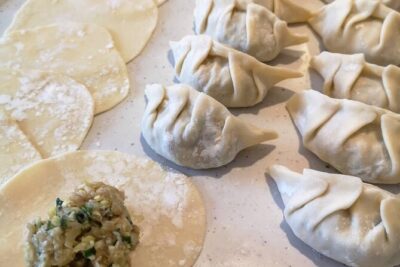
Kyoto Ramen & Gyoza Cooking Class with Professional Chefs
Read our review →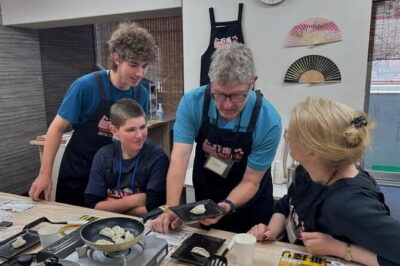
Ramen Gyoza Onigiri Japanese Cooking Class in Kyoto
Read our review →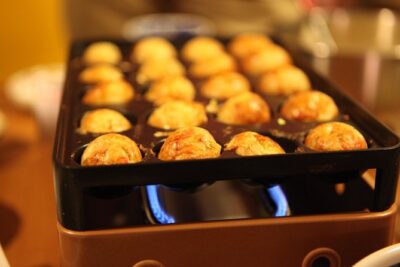
Private Ramen or Gyoza Cooking Class in Kyoto with Chef Midori
Read our review →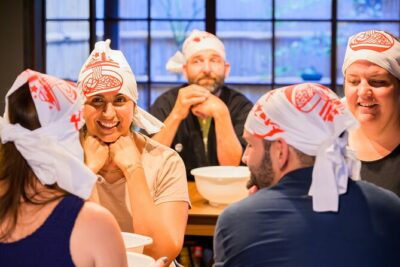
Gyoza Cooking Class in Kyoto: Traditional Japanese Dumplings
Read our review →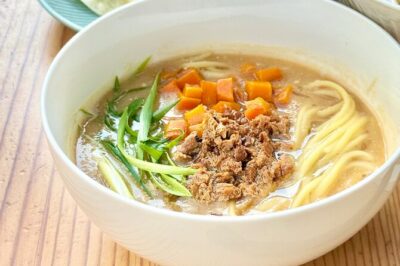
Browse the lists this tour appears in