
REVIEW · KYOTO RAMEN TOURS
Kyoto: Ramen Bowl Painting and Michelin Cooking Class
The clever idea here is simple: paint your own ramen bowl, then use it to assemble and eat a bowl made with Musoshin’s handmade noodles, long-cooked broth, roast pork, and house soy sauce. The class runs about an hour to 90 minutes, so it fits neatly into a Kyoto sightseeing day.
I like the personal souvenir, especially since Musoshin will fire the ceramic for free if you want to use it for meals. I also like the warm, hands-on teaching from Shin and his team, who take photos, explain the ingredients, and make room for children to help. The main drawback is that this is more of a ramen assembly class than a from-scratch cooking lesson. The broth and sauces are prepared before you arrive.
In This Review
- Key points at a glance
- Painting your own ramen bowl in Kyoto
- From restaurant kitchen to workshop table
- Assembling ramen with Shin
- The bowl of ramen is the real payoff
- Why families tend to enjoy this activity
- Time, price, and overall value
- What the workshop atmosphere is like
- Who should book this Kyoto ramen class?
- Final verdict: a tasty souvenir with a clear limit
- FAQ
- How long does the ramen and bowl painting class last?
- How much does the experience cost?
- Can I paint a ramen bowl?
- Can I paint something smaller than a bowl?
- Can the painted ceramic be used for eating?
- When can I collect the fired bowl or spoon?
- Can I take the painted item home immediately?
- Are vegetarian, vegan, or gluten-free ramen options available?
- Is the experience suitable for children?
- Is the class taught in English?
- Is the ramen made from scratch during the class?
- Can my fired ceramic be shipped to another hotel?
Key points at a glance
- Paint a bowl or spoon: Create a useful, personal souvenir instead of buying another generic Kyoto gift.
- Eat Musoshin ramen: The ingredients come from the Musoshin Gion restaurant, including handmade noodles and 12-hour broth.
- Choose your ramen style: Gluten-free, vegetarian, and vegan options are available.
- Family-friendly format: Children can paint, assemble toppings, and take part in the cooking steps.
- Free kiln firing: Leave the ceramic for firing and collect it the next day, or use it as decoration immediately.
- Small-group feel: The workshop can accommodate small groups, and some sessions may feel nearly private.
Painting your own ramen bowl in Kyoto
The class begins with the creative part. You receive a ceramic ramen bowl or, depending on your selected option, a ceramic ramen spoon to decorate with your own design. This is a relaxed start, and it gives the experience a useful rhythm: first make something personal, then eat from it.
You will want to have a rough design in mind before you arrive. One participant found the painting time fairly tight, while another appreciated being given a few extra minutes to finish. That tells you what to expect: this is not a long pottery workshop, but there is enough time for a simple drawing, pattern, name, or travel symbol.
The spoon is a smart choice if luggage space matters. It is a full-size ceramic spoon rather than a small plastic restaurant spoon, and several families liked how manageable it was for children. A bowl makes the stronger visual souvenir, but a spoon is easier to pack.
The paint selection may not be huge. One participant wished for more colors, though the staff were willing to help when asked. If your design depends on a particular shade, ask early. You can also keep the artwork simple and graphic, which tends to work better when you have limited time.
Your ceramic can go home the same day as a decorative piece. If you want to eat from it, Musoshin will fire it in a kiln at no extra charge. It should be ready for collection after the next day. Shipping to a later hotel is possible if requested, but shipping costs are not included, so confirm the arrangement before you leave.
More Kyoto ramen crawls:
- Kyoto: Ramen Cooking Class at a Ramen Factory with Souvenir
★ 4.9 · 532 reviews - Kyoto: Ramen, Gyoza, and Onigiri Cooking Class
★ 5.0 · 445 reviews - Kyoto Ramen and Gyoza Cooking Class with Professional Chefs
★ 5.0 · 282 reviews
From restaurant kitchen to workshop table
Musoshin began in Kyoto in 2022 and now has six restaurants in Kyoto and Toronto. The Toronto restaurant has received Michelin nominations for three consecutive years, and the Kyoto workshop uses the same recipe.
That background matters because this is not a generic cooking studio using instant noodles and a packet of soup. Musoshin says it makes its ingredients in-house. The restaurant produces noodles each morning, rests them overnight, cooks the soup for 12 hours, and prepares the ramen soy sauce and roast pork by hand.
You do not make every component from raw ingredients during the class. That would take far longer than 60 to 90 minutes, and a 12-hour broth is not practical for a short activity. Instead, the professionally prepared ingredients arrive from the Musoshin Gion location, and you learn how the finished bowl comes together.
I see this as a fair trade. You get to understand the labor behind the dish without spending half a day simmering stock. The class also lets you taste restaurant-quality ramen at the point when the noodles, broth, toppings, and seasoning are assembled.
Assembling ramen with Shin
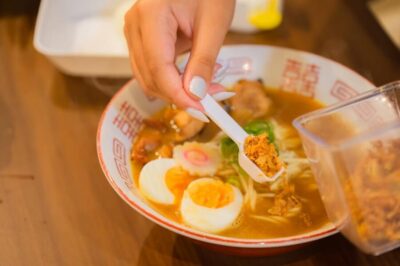
After painting, the pace changes. Shin demonstrates the ramen process, explains the ingredients, and guides you through the quick steps needed to produce a good bowl. You may handle the noodles in hot water, arrange the toppings, and torch the meat. The staff help you at each stage, so this is accessible even if you have never cooked ramen.
Shin is repeatedly praised for being patient, friendly, and good with children. He also takes photos during the activity, including pictures of you painting and assembling the ramen. Those photos can be a nice extra record of the experience, especially for families who otherwise struggle to get everyone in one picture.
The cooking is interactive, but you should set your expectations correctly. You are not learning to make Musoshin’s broth, soy sauce, or roast pork from scratch. You are learning the final construction of the dish, along with the reasons each part matters.
One useful feature is that Shin answers questions in detail. You can ask about the noodles, broth, toppings, and preparation, though the exact restaurant recipes remain proprietary. You receive the experience of making the bowl, but not necessarily a complete recipe that lets you reproduce the ramen at home.
The bowl of ramen is the real payoff
Once your ramen is assembled, you eat it as part of the class. The ingredients are sourced from the Gion restaurant, and the broth has already had its long cooking time. Your work comes in the final seasoning, noodle preparation, topping arrangement, and timing.
The most consistent praise goes to the flavor. Many people describe it as among the best ramen they ate in Japan, and one family visited the regular Musoshin restaurant the following day after enjoying the workshop. That is a strong sign that the food is not merely a prop for the activity.
The meal also feels more personal because you have just handled the final stages yourself. A bowl assembled with your own toppings and served in a ceramic piece you painted has more meaning than a standard restaurant lunch. It is still a meal, but it is also the conclusion of the class.
Vegetarian and vegan ramen are available, as are gluten-free options. Mention your dietary needs when booking or at the beginning of the class so the appropriate ingredients can be prepared. The supplied information does not list every possible allergen or substitution, so ask specific questions if your diet is medically restricted.
More cooking classes in Kyoto:
- Kyoto: Japanese Washoku Bento Small Group Cooking Class
★ 5.0 · 380 reviews - Kyoto: Afternoon Japanese Izakaya Cooking Class
★ 4.9 · 241 reviews - Izakaya Style Cooking Class
★ 5.0 · 219 reviews - Gyoza Cooking Class in Kyoto: Traditional Japanese Dumplings
★ 5.0 · 210 reviews
Why families tend to enjoy this activity
This is one of the stronger Kyoto activities for mixed-age groups. Young children can paint, help with toppings, and watch the cooking demonstration. Older children and teenagers get enough food and practical work to avoid the feeling that they are simply being taken along to an adult lecture.
The class also gives families a shared task without requiring advanced cooking skills. Parents can help with the quicker steps while children focus on decoration and assembly. Shin and the other staff are attentive, take photos, and explain what is happening in a way that works for both children and adults.
Ages are not specified, so you should use your judgment for the hot-water and torching portions. The workshop is family-friendly, but children still need supervision around heat and kitchen equipment.
Couples and solo visitors can enjoy it too. One solo participant found the format comfortable, and small bookings can create an intimate session. It is not only a family attraction.
Time, price, and overall value
The price is $64 per person, and the activity lasts about one to 90 minutes. That is a reasonable amount for Kyoto if you want both a meal and a creative activity, particularly because the painted ceramic can be fired without an added fee.
The value improves if you would otherwise buy a ramen lunch and a souvenir separately. Here, you receive a substantial meal, instruction, a bandana, painting materials, and either a bowl or spoon option depending on your booking. The free kiln firing adds real value, though you need to plan for collection the next day or pay shipping to another hotel.
This is not the cheapest way to eat ramen. A regular bowl at a restaurant will cost less and take less time. You are paying for the food plus the workshop, the staff’s attention, the ceramic, and the memory of making the meal.
The experience can also work well on a hot afternoon because the workshop provides an indoor activity. Keep in mind that ramen itself is hot and filling, so you may prefer to schedule it before a lighter evening meal.
Free cancellation is available up to 24 hours before the start time, and you can reserve now and pay later. Starting times vary, so check availability when choosing your day.
What the workshop atmosphere is like
The class takes place at Musoshin’s ramen workshop, with ingredients professionally prepared at the Gion location. The setting has Japanese decor, and one participant particularly enjoyed the traditional atmosphere, including samurai swords.
The workshop can host small groups. Some sessions may have only one booking or a single family, while other times may bring several parties together. That makes the class flexible: you might receive close attention, but you should not assume every booking is private.
English and Japanese instruction is available. Shin and the other staff use demonstrations and direct help, which makes the class workable even when technical cooking vocabulary is limited. Still, if you have a complex dietary request or want detailed culinary instruction, explain that clearly at the start.
The staff’s hospitality is part of the appeal. They are described as attentive, patient, and willing to take photos. One group arrived late and received some accommodation, but I would not plan on relying on extra time. Your painting period is limited, and the class has a set pace.
Who should book this Kyoto ramen class?
I would choose this activity if you want a souvenir with a personal story. Painting a bowl or spoon is more memorable than picking up a mass-produced gift, and the option to fire the piece for actual use makes it practical.
It is especially suitable for:
- Families with children or teenagers
- Couples who want a shared activity
- Solo visitors who enjoy food classes
- Ramen fans interested in restaurant preparation
- Visitors needing vegetarian, vegan, or gluten-free ramen
- Anyone looking for an indoor Kyoto activity lasting less than two hours
I would skip it if your main goal is a full technical cooking course. You will not make the broth, sauces, noodles, or roast pork from raw ingredients. You will learn how the finished ramen is assembled, with some hands-on cooking rather than a complete recipe lesson.
I would also think twice if you cannot return the next day and do not want to arrange shipping. The ceramic can go home as decoration immediately, but the fired version requires collection after the next day.
Final verdict: a tasty souvenir with a clear limit
This Musoshin class earns its strong reputation through three things: very good ramen, kind instruction, and a souvenir you actually make yourself. Shin’s patient teaching and the staff’s willingness to include children make the experience feel personal rather than mechanical.
The important qualification is the word cooking. Think of it as ramen assembly with a short cooking demonstration, not a from-scratch culinary course. Once you understand that, the format makes sense. The long-prepared broth and handmade ingredients are the reason the meal tastes so good, even though you do not produce every component yourself.
At $64, I consider it good value for families, couples, and food-focused visitors who want more than lunch. Book it if you like the idea of painting, eating excellent ramen, and taking home a ceramic reminder of Kyoto. If you only want a bowl of noodles, visit a Musoshin restaurant instead.
FAQ
How long does the ramen and bowl painting class last?
The activity lasts about one hour to 90 minutes. Starting times vary, so check availability for your preferred date.
How much does the experience cost?
The listed price is $64 per person.
Can I paint a ramen bowl?
Yes. You can paint a Musoshin ramen bowl and create your own design.
Can I paint something smaller than a bowl?
A ramen spoon is also available as an option. It is a practical choice if you want a lighter souvenir for your luggage.
Can the painted ceramic be used for eating?
Yes. Musoshin can fire the painted ceramic in a kiln so it can be used for meals. The firing is free.
When can I collect the fired bowl or spoon?
The fired ceramic is ready to be picked up after the next day.
Can I take the painted item home immediately?
Yes. You can take it home the same day as a decorative piece, even if you do not wait for kiln firing.
Are vegetarian, vegan, or gluten-free ramen options available?
Yes. Vegetarian, vegan, and gluten-free ramen options are available.
Is the experience suitable for children?
Yes. The activity is family-friendly, and children can take part in painting and ramen assembly. Adults should supervise children around hot water and kitchen equipment.
Is the class taught in English?
The available instruction languages are English and Japanese.
Is the ramen made from scratch during the class?
The ramen components are professionally prepared in advance. Musoshin makes its noodles in-house, rests them overnight, cooks the soup for 12 hours, and prepares the soy sauce and roast pork by hand. During the class, you take part mainly in the final cooking and assembly.
Can my fired ceramic be shipped to another hotel?
Shipping to your next hotel can be requested, but the shipping cost is not included.
More Workshops in Kyoto
- Kyoto: 45-Minute Tea Ceremony Lesson Experience
★ 4.3 · 2,378 reviews - Kyoto : Chopsticks Making Workshop in Gion with Engraving Option
★ 5.0 · 958 reviews - Kyoto: Samurai Sword Class by Experts in Traditional Arts
★ 4.9 · 657 reviews - Ninja 1-hour Hands-on Lesson by Japanese master in Kyoto -Entry
★ 5.0 · 489 reviews
Recently added around Kyoto
- Higashiyama | Kyoto: Sakura Season Private Rickshaw Tour★ 5.0 · 3 reviews
- Kyoto Kimono Rental CHAMATSU|Kimono/Yukata Rental FamilyPlan★ 5.0 · 3 reviews
- Kyoto: Half-Day Private Guided Tour to the Old Town of Gion★ 4.4 · 3 reviews
- Nara Private Customizable Half Day Tour★ 5.0 · 3 reviews
- Kansai Region Hiking Adventure in Nara Kobe Kyoto and More★ 5.0 · 3 reviews
- Full Day Nara Deer, Temple, Shrine, Activities & Tea Ceremony★ 5.0 · 3 reviews
- Nara: Essential Private Tour with Deer Park and Temples★ 5.0 · 3 reviews
- Hiking Tour for Sacred Sites in Kyoto with a Guide★ 5.0 · 3 reviews
Kyoto Ramen Tours, compared.
Ramen Cooking Class at a Ramen Factory with Souvenir
Read our review →
Kyoto Ramen and Gyoza Cooking Class with Professional Chefs
Read our review →
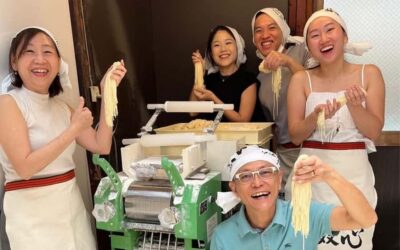
Kyoto Michelin Ramen Workshop or Painting Ramen Essentials
Read our review →Kyoto Ramen & Gyoza Cooking Class with Professional Chefs
Read our review →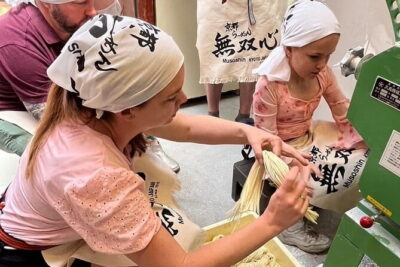
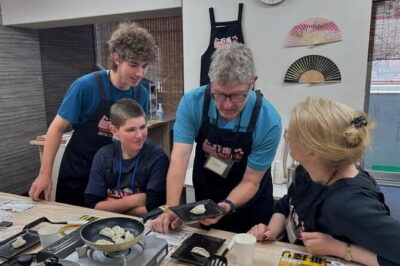
Ramen Gyoza Onigiri Japanese Cooking Class in Kyoto
Read our review →Browse the lists this tour appears in