
REVIEW · KYOTO WAGASHI SWEETS CLASSES
Kyoto Wagashi(Japanese sweets) Cooking Class near Fushimiinari
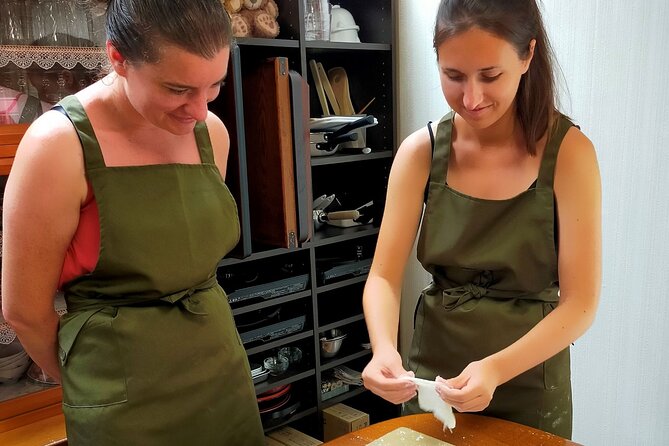
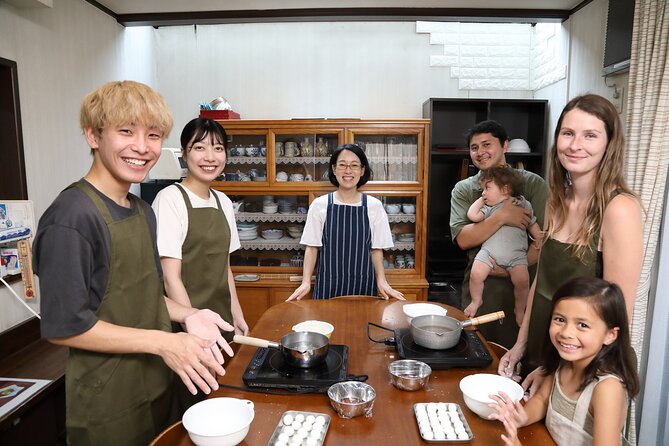
Making wagashi in a real Japanese home gives you more than a cooking lesson. Near Fushimi Inari, you’ll prepare three traditional sweets, then sit in a Japanese room with a garden view to eat them with matcha. It feels personal, calm, and far removed from a standard kitchen workshop.
I like the six-person maximum, which gives the instructor room to demonstrate each technique and help you shape the sweets. I also like that Miho’s class includes recipes, so you can try making the treats again for family and friends. The main consideration is timing: at about two and a half hours, this is a slow, focused activity rather than a quick stop between major Kyoto sights.
In This Review
- Key points at a glance
- A quiet wagashi class near Fushimi Inari
- What happens when you arrive
- Preparing three Japanese sweets by hand
- Matcha, garden views, and the tasting table
- Why the small group size matters
- The value of the $79.26 price
- Planning the class around Kyoto sightseeing
- Who will enjoy this experience most
- Should you book the Kyoto wagashi class?
- FAQ
- Where does the wagashi cooking class take place?
- How long does the class last?
- How many people can join the class?
- Is the class taught in English?
- Are vegetarian and vegan participants welcome?
- What is included in the price?
Key points at a glance
- A home-style setting near Fushimi Inari: The class takes place in an authentic Japanese-style house rather than a large commercial studio.
- Three wagashi to prepare: You learn several methods, with mitarashi dango and black sesame mochi among the sweets highlighted by the instructor.
- Small groups of up to six: You receive more direct help than in a large cooking class.
- Matcha and a garden view: The tasting portion takes place in a traditional Japanese room after the cooking is finished.
- English instruction: The class is conducted in English by licensed guide interpreters.
- Vegetarian and vegan friendly: Dietary restrictions can be accommodated when you mention them in advance.
A quiet wagashi class near Fushimi Inari
Fushimi Inari is one of Kyoto’s busiest sightseeing areas, known for its long path of red torii gates. This class offers a useful change of pace. Instead of spending the whole visit outdoors, you can settle into a traditional home nearby and work with your hands.
The meeting point is 38-4 Fukakusa Watamoricho in Fushimi Ward. The experience begins and ends there, and public transportation is nearby. You do not receive hotel pickup, so you’ll need to make your own way to the house and allow time to find the address.
The setting matters. Wagashi are closely tied to Japanese tea culture, seasonal customs, and careful presentation. Preparing them in a Japanese room helps you understand why these sweets are valued for more than their sugar. Shape, texture, color, and the ritual of serving all play a part.
I would schedule this class before or after visiting Fushimi Inari, not in the middle of a packed sightseeing route. The class lasts about 2 hours and 30 minutes, and its relaxed pace works best when you are not watching the clock.
More wagashi sweet-making classes:
- Kyoto Food Tour of 10 Tastings with Wagyu, Mochi & More Surprises
★ 5.0 · 85 reviews - Kyoto: Wagashi (Japanese sweets) Cooking near Fushimiinari
★ 5.0 · 40 reviews - 2 Types of Japanese Sweets making and Tea Ceremony
★ 4.6 · 17 reviews
What happens when you arrive
The lesson begins with time to relax in a traditional Japanese room. This is not simply a place to wait for the cooking to start. The room and garden view help set the mood, giving you a chance to experience the feeling of being welcomed into a Japanese home for tea.
Your instructor then explains the sweets you will make and demonstrates the methods in front of you. The demonstrations are important because wagashi often depend on small details: how ingredients are combined, how a dough is handled, and how a finished sweet is shaped.
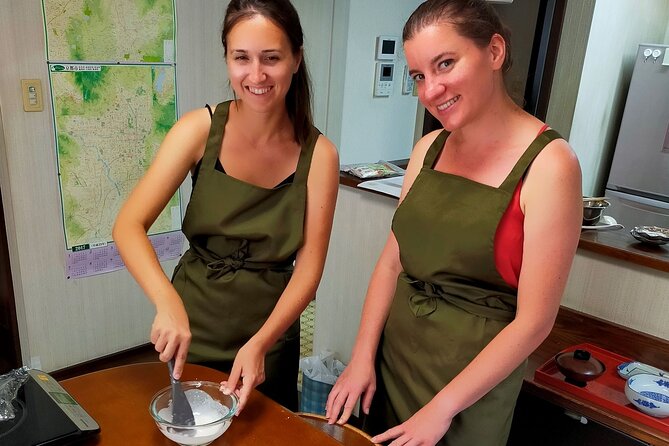
You may work alone or with a partner. Since the group is limited to six people, you should have a fair chance to follow the process closely and ask for help. That small size also makes the class a good choice if you are traveling alone. You will not be placed in a large crowd where it is easy to lose track of the steps.
The instruction is entirely in English. The instructors are licensed guide interpreters, which should make the explanations easier to follow, especially when the class moves beyond simple mixing and into technique. Non-English speakers are welcome, but the listed teaching language is English, so you should be comfortable following spoken English during the demonstrations.
Preparing three Japanese sweets by hand
The heart of the experience is making about three different types of wagashi. The exact selection can vary, but the class has included mitarashi dango, a chewy rice dumpling served with a sweet soy-based glaze, and black sesame mochi, a combination that earned special praise for its nutty flavor.
The black sesame mochi is a useful example of what makes this class worthwhile. It is not the sort of flavor many visitors encounter in ordinary Western dessert shops, and the recipe gives you something distinctive to recreate at home. If you like sesame, pay close attention to the instructor’s tips and save the recipe for later.
Mitarashi dango provides a different lesson in texture. You work with soft dumplings and a glossy sauce, learning how a simple-looking sweet depends on balance between chewiness and sweetness. The class is not only about following a recipe. It also shows you how Japanese sweets can use a few ingredients with care.
You should expect hands-on preparation rather than a demonstration where you only watch. The instructor first shows you what to do, then you prepare the sweets yourself or with your partner. That format makes the lesson practical, though it also means you should be ready for a little trial and error. The results do not need to look perfect to taste good, and the class is designed as a friendly activity rather than a professional pastry exam.
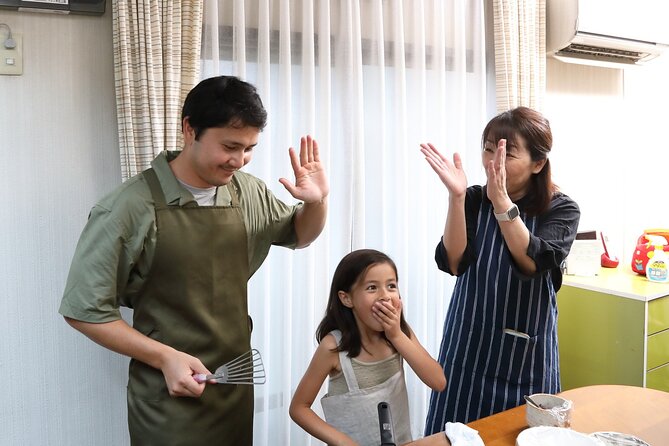
Families can enjoy this format, especially with teenagers. The cooking is active enough to hold attention, and the tasting at the end gives everyone a clear reward for finishing the work. It is also a sensible choice for couples, friends, and solo visitors who want a shared cultural activity without a large group.
Matcha, garden views, and the tasting table
After the cooking, you sit together in the Japanese room and eat the wagashi you prepared. The sweets are served with matcha, coffee, and/or tea, depending on the class arrangement.
This final sitting is one of the best parts of the schedule because it connects the cooking to Japanese tea customs. You are not simply packing your sweets into a box and leaving. You get time to look at what you made, compare the different textures, and enjoy the garden view.
The garden setting also gives the class a gentle ending. Kyoto sightseeing can involve long walks, crowds, and constant movement. Here, the last part asks you to slow down. I would especially value this pause after visiting Fushimi Inari, where the paths can be busy and the climb can take more energy than expected.
The tasting also helps you understand the point of the recipes. A sweet that seemed unfamiliar during preparation may make more sense once you try it with matcha. The mild bitterness of the tea can balance the sugar and make the flavors easier to appreciate.
More cooking classes in Kyoto:
- Kyoto: Ramen Cooking Class at a Ramen Factory with Souvenir
★ 4.9 · 532 reviews - Kyoto: Ramen, Gyoza, and Onigiri Cooking Class
★ 5.0 · 445 reviews - Kyoto: Japanese Washoku Bento Small Group Cooking Class
★ 5.0 · 380 reviews - Kyoto Ramen and Gyoza Cooking Class with Professional Chefs
★ 5.0 · 282 reviews
Why the small group size matters
A maximum of six people is a strong feature at this price. Wagashi preparation often involves visual details that are hard to catch from the back of a crowded room. In a small class, you can watch the instructor’s hands and get corrections while you work.
The size also affects the mood. You are likely to share the table with a few other people rather than a tour bus full of strangers. That makes it easier to ask questions, laugh at imperfect shapes, and enjoy the tasting without feeling rushed.
Still, a small class is not the same as a private lesson. You may work with a partner, and the instructor’s attention will be shared among the group. If you want one-on-one teaching or advanced pastry instruction, this is probably not the right format.
For most visitors, the limit of six offers a good middle ground. You get personal help while retaining the social side of a group activity.
The value of the $79.26 price
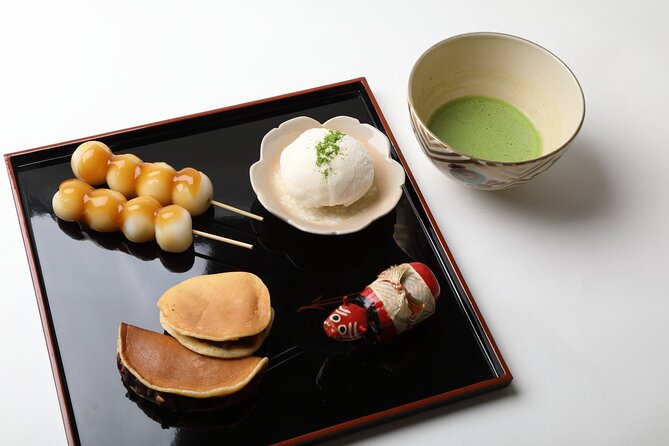
At $79.26 per person, this is not the cheapest food activity in Kyoto. The value comes from what is included and from the type of setting. Ingredients, seasonings, taxes, an English-speaking instructor, and tea or coffee are covered, so there should be no surprise class fees when you arrive.
You are also paying for a two-and-a-half-hour experience in a traditional home with a very small group. The recipes add practical value because you can take the techniques back home rather than leaving with only a memory and a few photographs.
I would consider the price fair for visitors who want a focused cultural activity. It is less appealing if you only want a quick taste of wagashi or if your schedule is already full of paid attractions. The class takes a meaningful block of time, and the value depends on your interest in learning rather than simply eating.
The included recipes matter most for people who cook. They let you repeat the experience for friends and family, and the unusual black sesame mochi could be a fun way to introduce Japanese flavors at home. Vegetarians and vegans are welcome, but you should share dietary restrictions in advance so the instructor can prepare properly.
Planning the class around Kyoto sightseeing
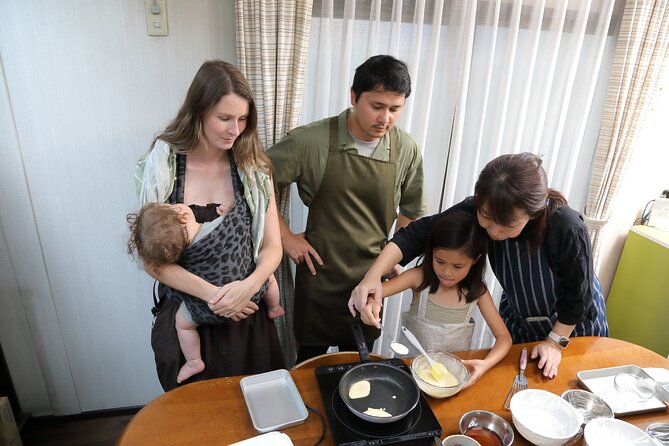
The location near Fushimi Inari makes this activity easy to pair with one of Kyoto’s best-known sights. You can visit the shrine area and then use the class as a calmer part of the day, or attend the lesson first and continue sightseeing afterward.
I would not assume the class ends at another sightseeing location. It returns to the original meeting point, so plan your route from there. Since there is no hotel transfer, check your transport before leaving and keep the full address available on your mobile ticket.
The class is booked around 29 days in advance on average, which is a useful warning for peak Kyoto periods. With only six places, popular dates can fill early. If the class fits your schedule, booking ahead is sensible, especially during spring and autumn.
The experience requires good weather according to its booking conditions, even though the cooking takes place indoors. If poor weather causes a cancellation, you are offered another date or a full refund. You can cancel for a full refund up to 24 hours before the start time. Changes or cancellations inside that window are not accepted, so check your plans carefully.
Who will enjoy this experience most
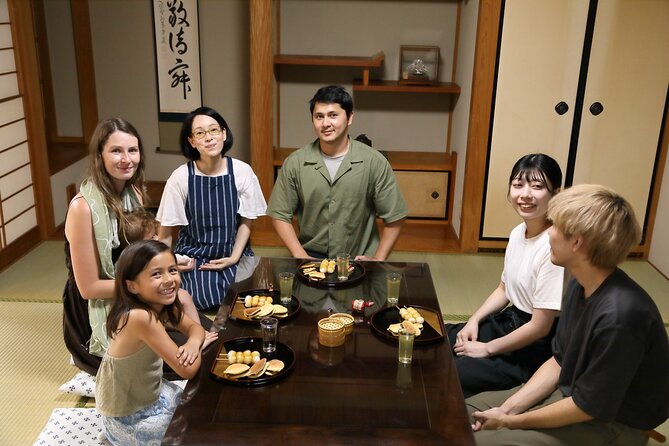
I would recommend this class to you if you want a hands-on activity with a strong sense of place. It suits people who like food, Japanese design, tea culture, and small-group experiences.
It is particularly good for:
- Families with teenagers
- Couples looking for a quiet shared activity
- Solo visitors who want an easy social setting
- Vegetarians and vegans who provide advance notice
- Anyone curious about sweets seen in Japanese anime or manga
- Visitors who want recipes they can use at home
The class may be less suitable if you dislike sweet foods, prefer fast-paced sightseeing, or need a fully private lesson. It is also not a hotel-based activity, so you must be comfortable reaching the meeting point independently.
The English-language format makes the class approachable for international visitors. The instructors are friendly and want you to have a memorable time, but the real strength is the combination of clear demonstrations, practical work, and time to eat what you make.
Should you book the Kyoto wagashi class?
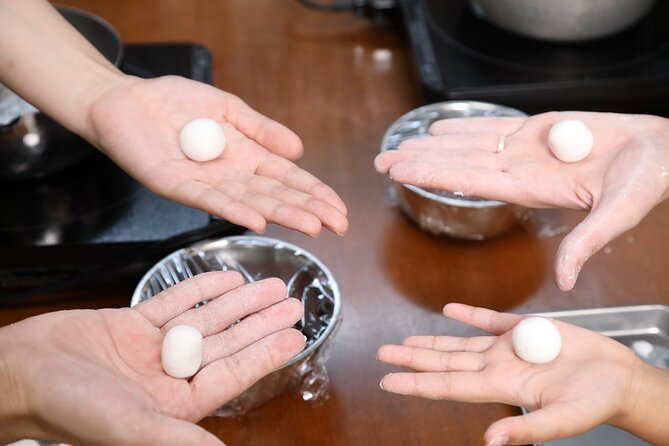
Book it if you want more than a shop-bought souvenir from Kyoto. You will spend time in a traditional Japanese house, learn three sweets, receive the recipes, and finish with matcha and a garden view. The small group and English instruction make the lesson easy to follow, while the location near Fushimi Inari fits well into a sightseeing day.
Skip it if your priority is a short food tasting or if you prefer to keep every hour for temples and shrines. At $79.26, the class earns its price through the setting, personal instruction, ingredients, and hands-on practice. For a relaxed Kyoto afternoon with something unusual to take home, I would make room for it.
FAQ
Where does the wagashi cooking class take place?
The class takes place at 38-4 Fukakusa Watamoricho, Fushimi Ward, Kyoto, 612-0022, Japan. It is near public transportation and close to the Fushimi Inari area.
How long does the class last?
The experience lasts approximately 2 hours and 30 minutes.
How many people can join the class?
The group has a maximum of six travelers.
Is the class taught in English?
Yes. The classes are conducted entirely in English, and the instructors are licensed guide interpreters.
Are vegetarian and vegan participants welcome?
Yes. Vegetarians and vegans are welcome. You should tell the instructor about dietary restrictions in advance.
What is included in the price?
The price includes all cooking ingredients and seasonings, an English-speaking instructor, taxes and fees, and coffee and/or tea. Hotel pickup, hotel drop-off, and gratuity are not included.
More Workshops in Kyoto
- Kyoto: 45-Minute Tea Ceremony Lesson Experience
★ 4.3 · 2,378 reviews - Kyoto : Chopsticks Making Workshop in Gion with Engraving Option
★ 5.0 · 958 reviews - Kyoto: Samurai Sword Class by Experts in Traditional Arts
★ 4.9 · 657 reviews - Ninja 1-hour Hands-on Lesson by Japanese master in Kyoto -Entry
★ 5.0 · 489 reviews
More Dessert Tours in Kyoto
- Kyoto: Japanese Traditional Sweets Making and Tea Ceremony
★ 4.4 · 314 reviews - Kyoto: Traditional Tea Ceremony with Matcha & Sweets in Gion
★ 4.9 · 27 reviews - Japanese Traditional Sweets ”Nerikiri” making
★ 4.3 · 17 reviews - Traditional Tea Ceremony with Matcha and Sweets in Kyoto
★ 5.0 · 13 reviews
Recently added around Kyoto
- Higashiyama | Kyoto: Sakura Season Private Rickshaw Tour★ 5.0 · 3 reviews
- Kyoto Kimono Rental CHAMATSU|Kimono/Yukata Rental FamilyPlan★ 5.0 · 3 reviews
- Kyoto: Half-Day Private Guided Tour to the Old Town of Gion★ 4.4 · 3 reviews
- Nara Private Customizable Half Day Tour★ 5.0 · 3 reviews
- Kansai Region Hiking Adventure in Nara Kobe Kyoto and More★ 5.0 · 3 reviews
- Full Day Nara Deer, Temple, Shrine, Activities & Tea Ceremony★ 5.0 · 3 reviews
- Nara: Essential Private Tour with Deer Park and Temples★ 5.0 · 3 reviews
- Hiking Tour for Sacred Sites in Kyoto with a Guide★ 5.0 · 3 reviews
Kyoto Wagashi Sweets Classes, compared.
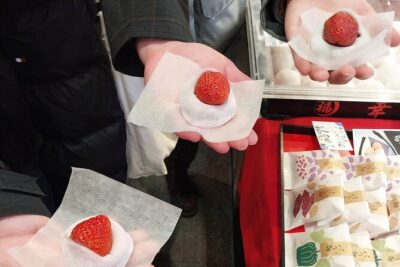
Kyoto Food Tour of 10 Tastings with Wagyu, Mochi & More Surprises
Read our review →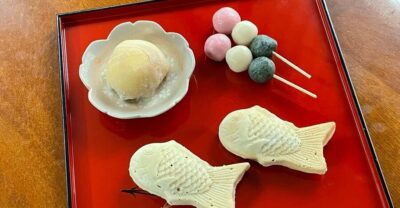
Wagashi (Japanese sweets) Cooking near Fushimiinari
Read our review →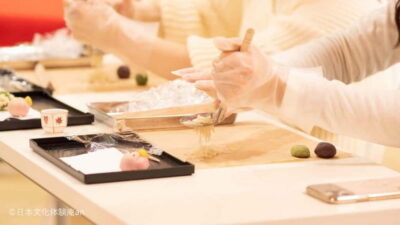
2 Types of Japanese Sweets making and Tea Ceremony
Read our review →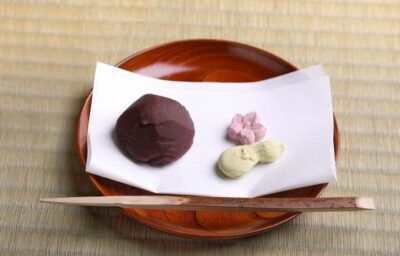
Kyoto Fushimiinari:Wagashi Making & Small Group Tea Ceremony
Read our review →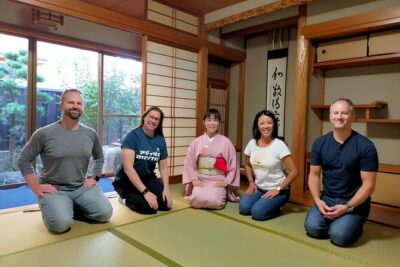
Kyoto near Fushimiinari Wagashi making&Small Group Tea Ceremony
Read our review →Browse the lists this tour appears in