
REVIEW · KYOTO WAGASHI SWEETS CLASSES
Kyoto: Wagashi (Japanese sweets) Cooking near Fushimiinari
Japanese sweets are often as pretty as small works of art, but they can seem mysterious behind a shop counter. This class lets you get your hands on the ingredients and learn how three types of wagashi are made inside a real Japanese home. Miho leads the session in clear English, with plenty of help and time to ask questions.
I like the hands-on format, since you actually prepare the sweets instead of watching a demonstration and going home hungry. I also like the calm finish: you sit in a traditional Japanese room, look out at the garden, and eat your creations with matcha. The main consideration is the price, $84 per person, which is fair for a small class and cultural setting but more than a simple sweets tasting.
In This Review
- Key points at a glance
- A sweet break near Fushimi Inari
- What happens during the 150-minute class
- 1. Settle into the traditional room
- 2. Watch the demonstrations
- 3. Prepare roughly three sweets
- 4. Learn about matcha
- 5. Sit down for the final tasting
- Why Miho makes a difference
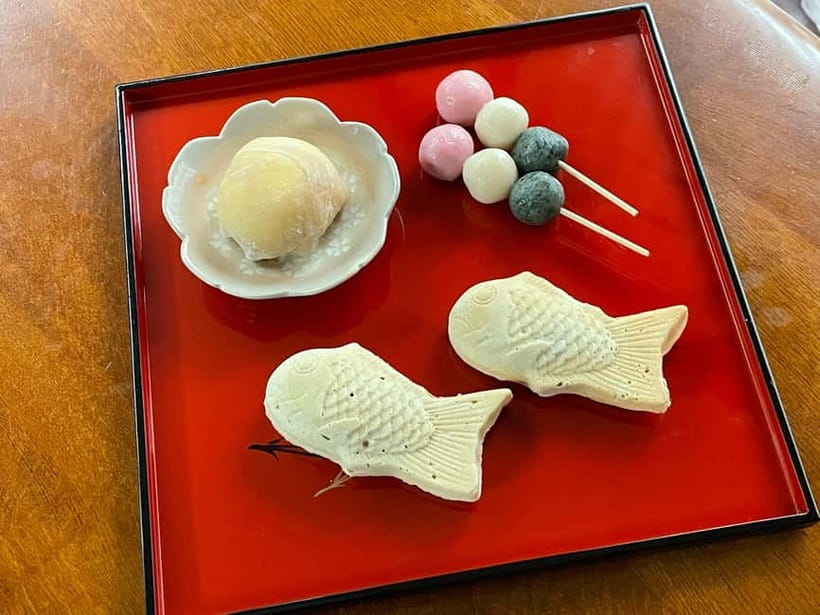
- The sweets: what you may make
- The tea room finish is the real setting
- Is $84 a good value?
- Families, solo visitors, and food restrictions
- How to fit it into a Kyoto day
- What you take home
- Booking and cancellation details
- Who should book this class?
- FAQ
- How long does the wagashi cooking class last?
- How much does the class cost?
- Is the class taught in English?
- How many people can join the class?
- What sweets will I make?
- Can vegetarians and vegans participate?
- Can children join the activity?
Key points at a glance
- Make about three sweets yourself: Depending on the season, the menu can include mochi, dango, dorayaki, or other wagashi.
- Learn with Miho in English: She explains the ingredients, techniques, and cultural background in a friendly, easy-to-follow way.
- Finish with matcha in a washitsu: Your sweets are served in a traditional Japanese room with a garden view.
- Small groups keep it personal: The class is limited to six participants, and some dates may operate almost like a private lesson.
- Good for families with older children: Children aged 12 and below need a guardian, while children under 6 cannot participate.
- Vegetarian and vegan friendly: Tell the studio about food restrictions ahead of time so the menu can be handled properly.
A sweet break near Fushimi Inari
The class takes place near Fushimi Inari, one of Kyoto’s most visited areas. That location makes the activity easy to pair with sightseeing, but the class itself offers a change of pace from shrine paths and crowded streets.
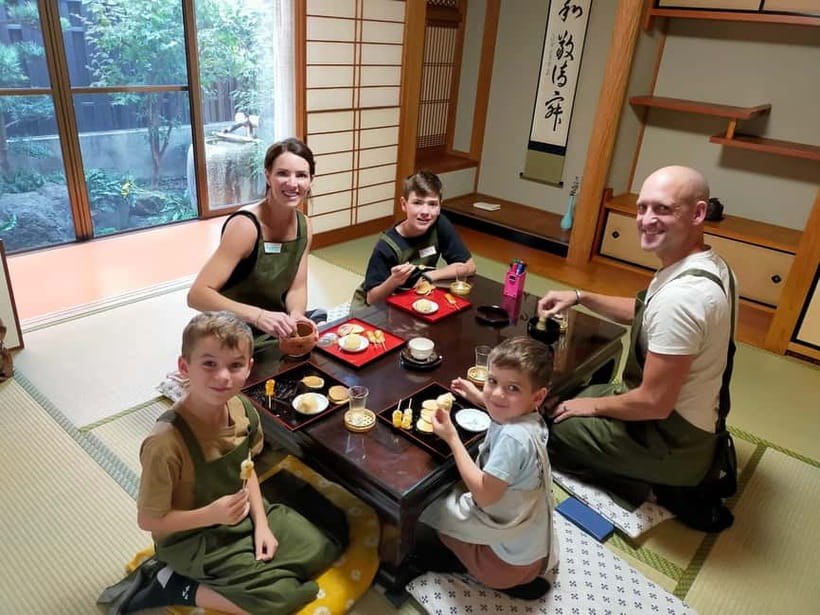
You enter an authentic Japanese room rather than a polished restaurant classroom. Expect tatami-style surroundings, a garden view, and the simple comfort of sitting down with tea. The setting matters here. Wagashi is tied to tea culture, seasonality, hospitality, and careful presentation, so making sweets in a traditional home gives the food more meaning than buying a packaged treat at a station.
You do not need prior cooking experience. The instructor demonstrates each stage before you try it. Then you work alone or with a partner, depending on your booking and the group around you. The instructions are in English, and Miho’s teaching style is patient and practical.
More wagashi sweet-making classes:
- Kyoto Food Tour of 10 Tastings with Wagyu, Mochi & More Surprises
★ 5.0 · 85 reviews - Kyoto Wagashi(Japanese sweets) Cooking Class near Fushimiinari
★ 5.0 · 60 reviews - 2 Types of Japanese Sweets making and Tea Ceremony
★ 4.6 · 17 reviews
What happens during the 150-minute class
The full session lasts two and a half hours. That is long enough for real preparation, conversation, tea, and tasting without turning the activity into an all-day commitment.
1. Settle into the traditional room
The class begins in the Japanese house, where you have a chance to relax before cooking. Tea is part of the welcome and the final tasting, giving the session a gentle rhythm rather than a rushed start.
This first part also helps you understand the setting. You are not simply entering a kitchen to follow a recipe. You are being welcomed into a home with a traditional room and garden view. That atmosphere is one of the strongest reasons to choose this class over a standard cooking workshop.
2. Watch the demonstrations
Miho demonstrates the methods before you begin. This is especially useful for wagashi, since the texture and shape of the dough matter as much as the ingredient list.
The class can introduce you to techniques for working with mochi, forming dango, preparing dorayaki, or making other sweets included on the seasonal menu. The exact selection can change during the year, so you should not book expecting one fixed set of recipes.
You also learn about the ingredients and the role they play. Participants have been shown where to find ingredients and how to repeat the recipes at home. That practical advice gives the class value beyond the afternoon itself.
More cooking classes in Kyoto:
- Kyoto: Ramen Cooking Class at a Ramen Factory with Souvenir
★ 4.9 · 532 reviews - Kyoto: Ramen, Gyoza, and Onigiri Cooking Class
★ 5.0 · 445 reviews - Kyoto: Japanese Washoku Bento Small Group Cooking Class
★ 5.0 · 380 reviews - Kyoto Ramen and Gyoza Cooking Class with Professional Chefs
★ 5.0 · 282 reviews
3. Prepare roughly three sweets
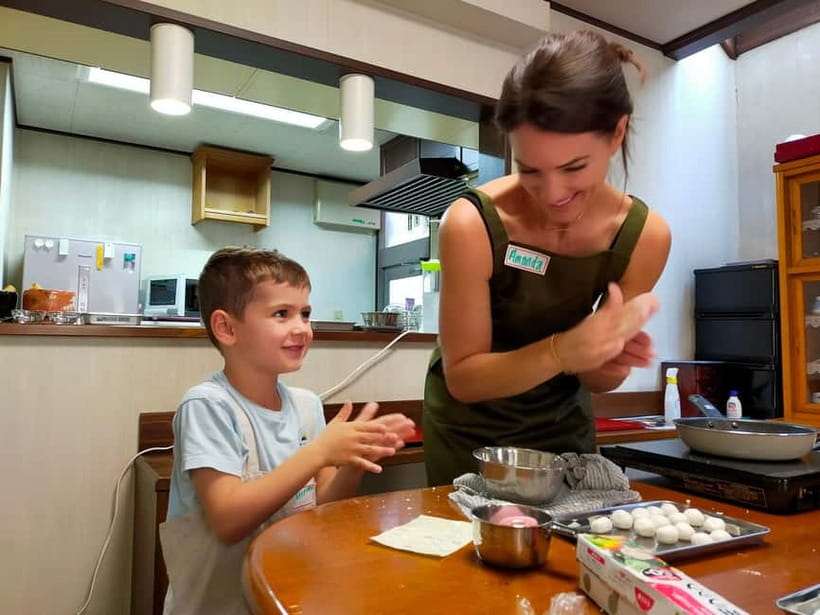
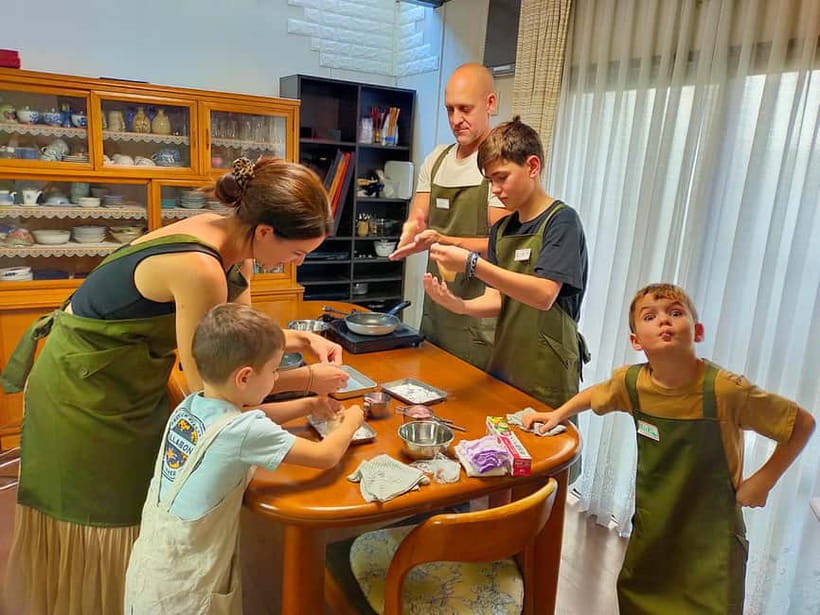
After the demonstration, you take over. The format is properly hands-on, with each participant involved in mixing, shaping, cooking, or assembling the sweets.
That distinction matters. Some cooking activities let you perform one small task while the instructor does the rest. Here, the teaching is designed so you can make the items yourself, with Miho stepping in when you need a correction or a tip.
A few sweets may feel easier than expected. Mochi, for example, can seem difficult when you see it in a shop, but the class explains a manageable way to prepare it. Dango and dorayaki also offer different kinds of work: one focuses on shaping and texture, while the other gives you a better sense of cooking batter and assembling a finished sweet.
The recipes are not just for display. You eat what you make, and you may have enough to take some away. That depends on the day’s menu and the amount prepared, so treat takeaway sweets as a possible bonus rather than a guaranteed inclusion.
4. Learn about matcha
The tea portion is more than a cup poured at the end. You may receive an introduction to whisking matcha, including the basic method for preparing the powder tea.
This short lesson gives the sweets their proper partner. Matcha’s bitter, grassy taste balances the sweetness of mochi, dango, and dorayaki. It also helps explain why wagashi is often served in small portions with tea. The point is not simply to eat as much as possible, but to notice the balance of flavor, texture, season, and presentation.
5. Sit down for the final tasting
At the end, you arrange your sweets and tea on a tray and sit in the traditional room. The garden view turns the final tasting into a quiet pause.
This is the part that gives the class its sense of place. You have made the food, learned how matcha is prepared, and then enjoyed both in a Japanese room rather than standing around a work counter. If your Kyoto schedule has been full of temples and major sights, this slower ending can be welcome.
Why Miho makes a difference
The instructor is Miho, and the class is conducted entirely in English. She is also a licensed guide interpreter, which means the session includes more than recipe instructions.
Miho explains Japanese culture alongside the cooking. You can ask about ingredients, wagashi, tea, and other aspects of life in Japan. Her English is described as clear, and the teaching style is patient enough for beginners.
The small group limit of six is important. With fewer people, you have a better chance to receive individual help when shaping dough or adjusting a technique. If demand is light on your date, you might even receive a private lesson. That has happened to solo participants, allowing the pace and conversation to follow their interests.
A private class is not guaranteed, of course. Bookings determine the final group size. Still, the six-person limit keeps the activity personal even when the class is full.
The sweets: what you may make
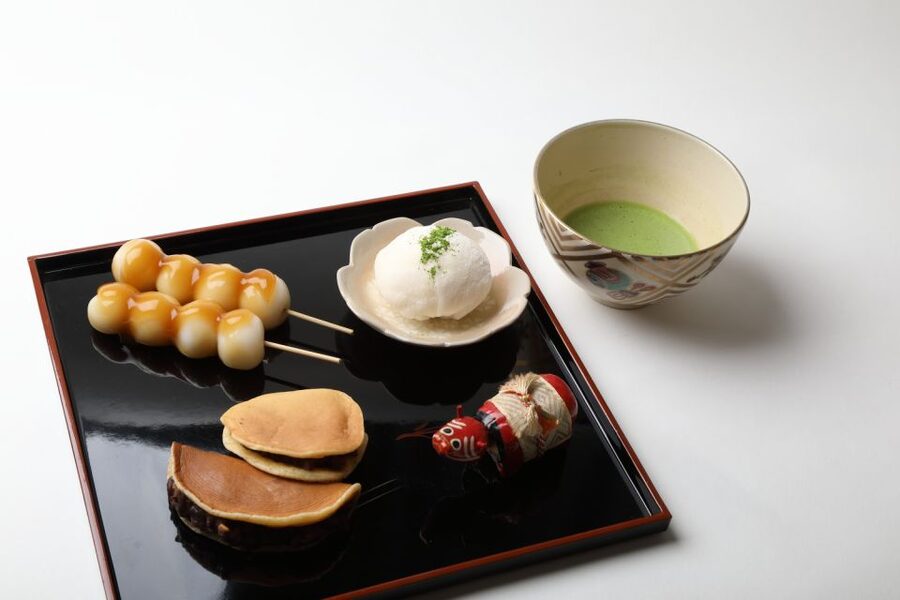
The menu changes with the season. This is a plus for repeat visitors and for anyone who wants a more seasonal connection to Japanese food, but it also means the exact recipes are not fixed.
Possible sweets include:
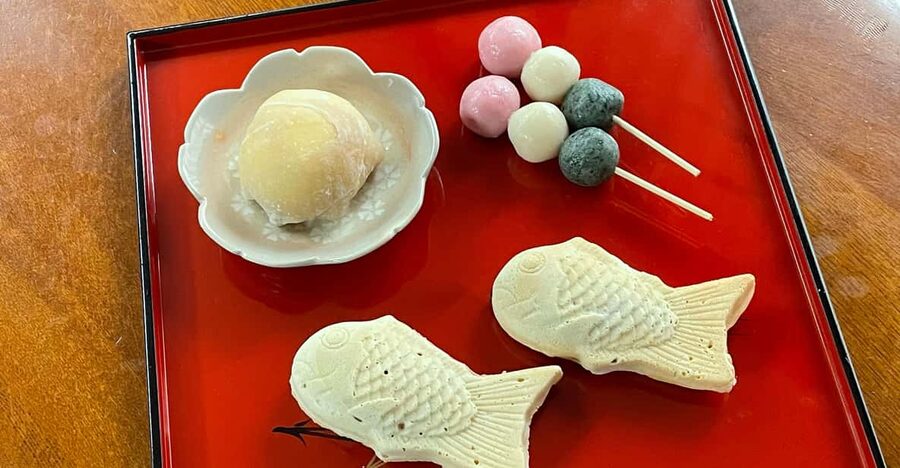
- Mochi: Soft, chewy rice-based sweets that are often filled or shaped in different ways.
- Dango: Small rice-flour dumplings formed into balls and served together.
- Dorayaki: A sweet made with two small pancake-like layers and a filling.
- Mochi ice cream: An especially popular variation for participants who enjoy a cold filling inside a chewy outer layer.
You should think of these examples as likely possibilities rather than a promised menu. The important point is the variety. Making three types gives you a chance to compare different textures and methods in one session.
The sweets are also approachable for people who are not expert cooks. Miho demonstrates first, then guides you through the work. You are not expected to know Japanese culinary terms or bring special equipment.
The tea room finish is the real setting
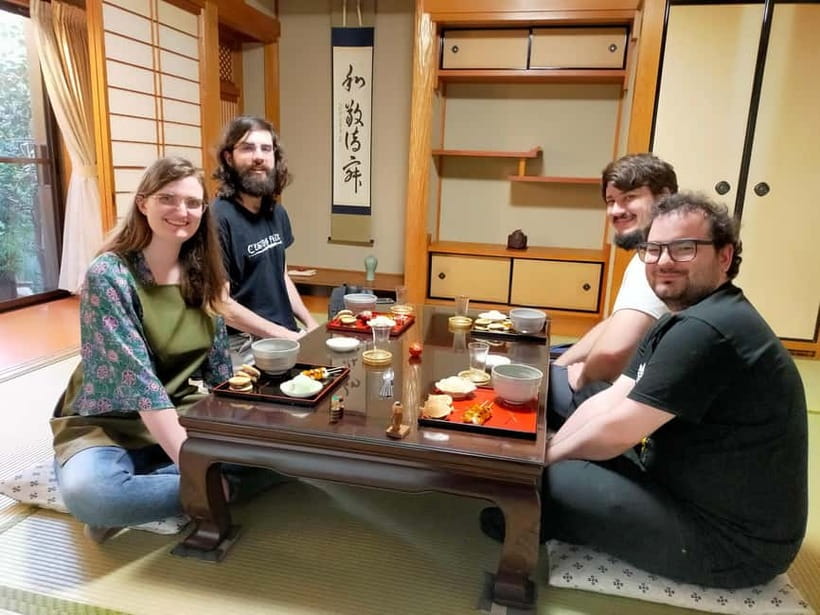
Many Kyoto food activities happen in commercial spaces. This one uses a home with authentic Japanese rooms and a garden view, which changes the tone.
You sit on the floor in a washitsu-style room, arrange the sweets, and drink matcha in a setting connected to traditional Japanese hospitality. The garden is not just decoration. It gives you something peaceful to look at while you taste the food and talk with the instructor or other participants.
The experience works especially well if you are interested in the connection between food and daily culture. You learn not only how to make a sweet, but also how it can be served and enjoyed.
There is no need to dress up or understand tea ceremony rules. This is a cooking class with a traditional tea setting, not a formal tea ceremony. That makes it easier for first-time visitors.
Is $84 a good value?
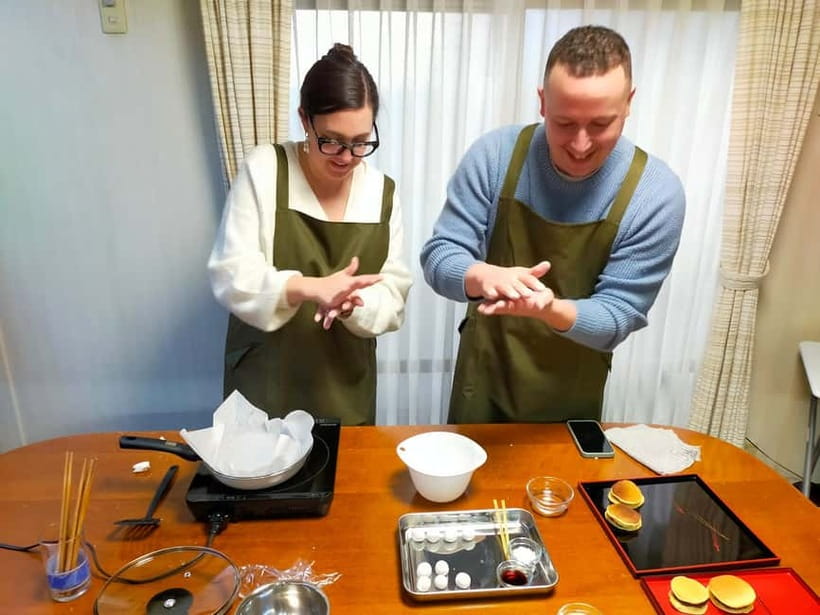
At $84 per person, this is not the cheapest food activity in Kyoto. You could buy several wagashi from a shop for far less. The price makes more sense when you count the full package: 150 minutes, all ingredients and seasonings, an English-speaking instructor, tea, the use of a traditional home, and a small group capped at six.
You are also paying for instruction rather than just food. If you want to repeat the recipes at home, the tips about ingredients and technique have lasting value. The class can be particularly worthwhile for people who enjoy cooking, food photography, Japanese culture, or learning a skill while on holiday.
The value is weaker if you only want to sample sweets quickly. This is not a grab-and-go tasting. You spend much of the session preparing food, and the setting and personal teaching are central to the price.
The class includes all fees and taxes. Hotel pickup and drop-off are not included, so you arrange your own way to the studio near Fushimi Inari.
Families, solo visitors, and food restrictions
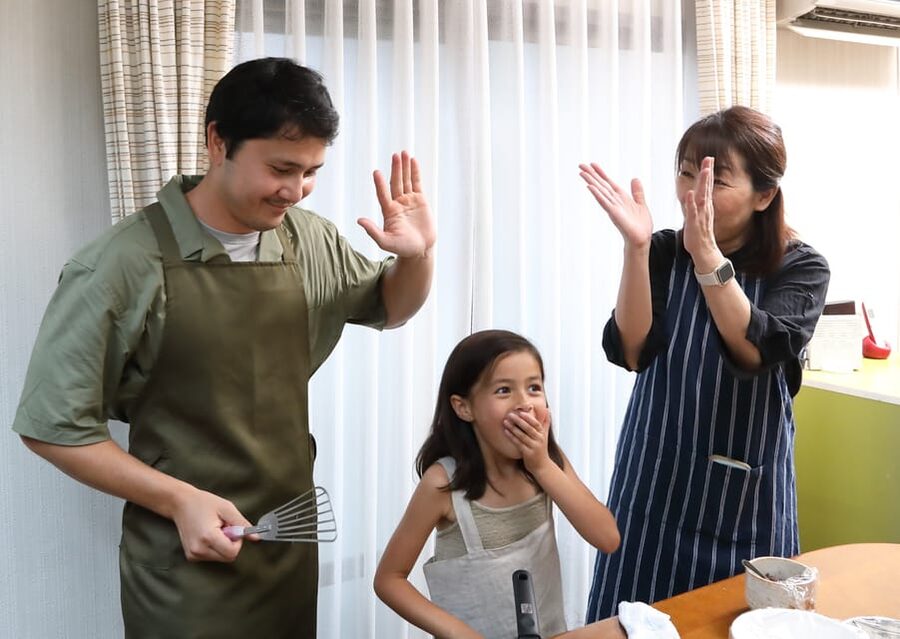
Families can take part, but age rules matter. Children under 6 are not suitable for the activity. Children aged 12 and below must participate with a guardian.
The format can work well for a family with older children because the tasks are practical and varied. Younger participants can help mix, shape, and assemble, while adults handle the steps that need more care. Every child must have a guardian present.
Solo visitors should not assume they will be left on the edge of a group. The limited capacity allows for conversation and personal instruction, and on a quiet date you might end up with a private class.
Vegetarians are welcome, and the class is vegan friendly. You must tell the studio about food restrictions in advance. Do not wait until you arrive, since the seasonal menu and ingredients may need to be adjusted.
The activity is not suitable for wheelchair users. The traditional Japanese room may also require sitting on the floor, so consider your comfort with that style of seating before booking.
How to fit it into a Kyoto day
The class is near Fushimi Inari, so it pairs naturally with a visit to the shrine area. You could schedule the cooking activity before or after exploring the torii gates, depending on the available start time.
Allow enough time to reach the meeting point without rushing. Hotel transportation is not provided, and the exact starting time depends on availability.
I would avoid placing this class between two tightly timed attractions on the opposite side of Kyoto. Cooking has a set pace, and the final tea time is part of the experience. Give yourself room to arrive calmly and enjoy the last half hour rather than watching the clock.
It can also be a useful indoor plan if the weather is unpleasant. The food and garden views remain the focus, and the two-and-a-half-hour length gives you a solid block of activity without requiring a full day indoors.
What you take home
The clearest souvenir is the knowledge of how the sweets are made. You may also have some of your finished wagashi to take away, depending on the quantity prepared.
The recipes are described as practical enough to repeat at home, though you may need an Asian supermarket or a specialist grocery store for some ingredients. That makes this more useful than a class where the food is too difficult to recreate outside Japan.
You also take home a better sense of how wagashi fits with matcha. The class shows the food in its natural setting, then lets you taste the result while it is fresh.
Booking and cancellation details
The activity costs $84 per person and lasts 150 minutes. It is offered in English, with a small group of up to six participants.
You can reserve now and pay later, which helps if your Kyoto plans are still shifting. Free cancellation is available up to 24 hours before the activity for a full refund. Check the available starting times when you choose your date, since the schedule is not listed as one fixed daily departure.
Who should book this class?
You should book it if you want a quiet, personal Kyoto activity that combines cooking, conversation, tea, and a traditional home setting. It is a strong choice for people who already enjoy Japanese sweets, families with children over 6, couples, solo visitors, and anyone who prefers active cultural experiences to simple sightseeing.
I would be less keen to recommend it if you are looking only for a quick tasting, dislike hands-on cooking, cannot sit comfortably in a traditional room, or need wheelchair access. The value depends on your interest in learning, not just on how many sweets you eat.
For most visitors with a soft spot for mochi, dango, or matcha, the class offers a memorable way to understand wagashi from the inside. You leave with new recipes, a full afternoon of activity, and a better idea of why these small sweets matter in Japanese culture.
FAQ
How long does the wagashi cooking class last?
The activity lasts 150 minutes, or two and a half hours.
How much does the class cost?
The listed price is $84 per person.
Is the class taught in English?
Yes. The class is conducted in English, and the instructor is an English-speaking licensed guide interpreter.
How many people can join the class?
The class is limited to six participants.
What sweets will I make?
You will prepare about three types of wagashi. The menu changes by season and may include sweets such as mochi, dango, dorayaki, or mochi ice cream.
Can vegetarians and vegans participate?
Yes. Vegetarians are welcome, and the class is vegan friendly. Tell the studio about any food restrictions in advance.
Can children join the activity?
Children under 6 cannot participate. Children aged 12 and below must join with a guardian.
More Dessert Tours in Kyoto
- Kyoto: Japanese Traditional Sweets Making and Tea Ceremony
★ 4.4 · 314 reviews - Kyoto: Traditional Tea Ceremony with Matcha & Sweets in Gion
★ 4.9 · 27 reviews - Japanese Traditional Sweets ”Nerikiri” making
★ 4.3 · 17 reviews - Traditional Tea Ceremony with Matcha and Sweets in Kyoto
★ 5.0 · 13 reviews
Recently added around Kyoto
- Higashiyama | Kyoto: Sakura Season Private Rickshaw Tour★ 5.0 · 3 reviews
- Kyoto Kimono Rental CHAMATSU|Kimono/Yukata Rental FamilyPlan★ 5.0 · 3 reviews
- Kyoto: Half-Day Private Guided Tour to the Old Town of Gion★ 4.4 · 3 reviews
- Nara Private Customizable Half Day Tour★ 5.0 · 3 reviews
- Kansai Region Hiking Adventure in Nara Kobe Kyoto and More★ 5.0 · 3 reviews
- Full Day Nara Deer, Temple, Shrine, Activities & Tea Ceremony★ 5.0 · 3 reviews
- Nara: Essential Private Tour with Deer Park and Temples★ 5.0 · 3 reviews
- Hiking Tour for Sacred Sites in Kyoto with a Guide★ 5.0 · 3 reviews
Kyoto Wagashi Sweets Classes, compared.
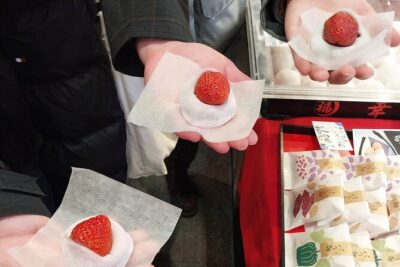
Kyoto Food Tour of 10 Tastings with Wagyu, Mochi & More Surprises
Read our review →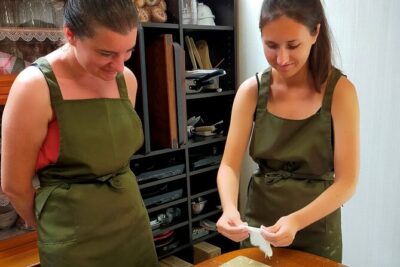
Kyoto Wagashi(Japanese sweets) Cooking Class near Fushimiinari
Read our review →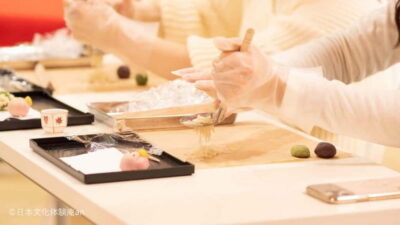
2 Types of Japanese Sweets making and Tea Ceremony
Read our review →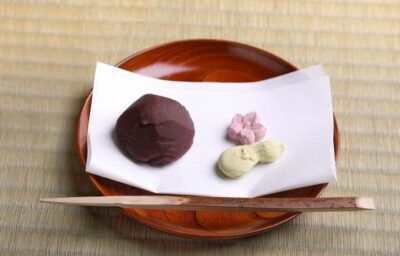
Kyoto Fushimiinari:Wagashi Making & Small Group Tea Ceremony
Read our review →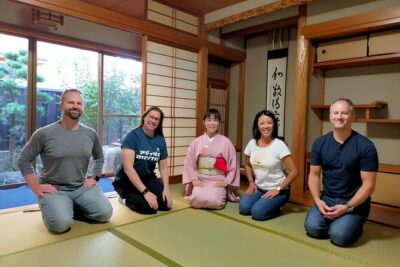
Kyoto near Fushimiinari Wagashi making&Small Group Tea Ceremony
Read our review →Browse the lists this tour appears in