
REVIEW · KYOTO TEA CEREMONY EXPERIENCES
Kyoto: Japanese Traditional Sweets Making and Tea Ceremony
The best part of this Kyoto activity is that you do not just eat a pretty Japanese sweet, you shape two seasonal nerikiri yourself. You color white bean paste, form it into flowers or fruit, and then pair your creations with matcha you whisk on your own. I like the use of bean paste from long-established Kyoto shops, and I like the easy walk from Gojo Station. The main thing to know is that this is a short, practical introduction rather than a lengthy formal tea ceremony.
I also like the price. At $18 for 95 minutes, it gives you a real hands-on activity without taking half a day from temple visits. The class is friendly to beginners and children, though English support can vary, and some sessions may be louder or less calm when another group is using the same room.
- Seasonal nerikiri: Make two high-grade Japanese sweets shaped around the time of year.
- Kyoto bean paste: Work with white or red bean paste made by established Kyoto shops.
- Uji matcha: Prepare single-origin matcha and enjoy it with your finished sweets.
- Central location: The venue is a one-minute walk from Exit 1 of Gojo Station.
- Japanese-led class: English translation is available as much as possible, but you should be ready to follow visual demonstrations too.
- Good budget value: The session costs $18, with a 100-yen take-out box and 300-yen completion certificate available separately.
In This Review
- Making Kyoto Sweets Near Gojo Station
- Coloring and Shaping Two Seasonal Nerikiri
- Why Kyoto Bean Paste Makes a Difference
- Preparing Single-Origin Uji Matcha
- A Japanese-Led Class With Uneven English Support
- Group Size, Noise, and the Feel of the Session
- Is the $18 Price a Good Deal?
- Who Will Enjoy This Most?
- Practical Details Before You Book
- Should You Book This Kyoto Sweets and Matcha Class?
- FAQ
- Where does the Japanese sweets and tea activity take place?
- How long does the activity last?
- How much does the experience cost?
- What sweets will I make?
- Are the ingredients made in Kyoto?
- What type of matcha is used?
- Is the class taught in English?
- Can I take my sweets home?
- Is the venue wheelchair accessible?
Making Kyoto Sweets Near Gojo Station
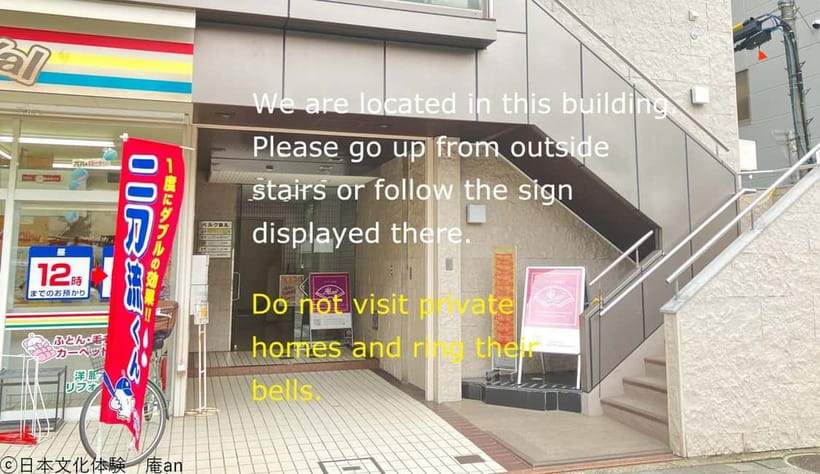
This class takes place in central Kyoto, one minute from Exit 1 of the Subway Karasuma Line’s Gojo Station. The entrance faces Gojo-dori, the main street, so the location is practical for a rainy afternoon or a break between sightseeing stops.
You should allow time to find the exact entrance and arrive early. The class cannot be held for late arrivals, and the operator does not adjust the session for delays. That matters in Kyoto, where a train connection, a crowded platform, or a wrong turn can quickly cost you several minutes.
The building has no elevator, and you need to use stairs to reach the venue. The activity is described as wheelchair accessible, but this stair access is an important point to confirm before booking if you use a wheelchair or have difficulty with stairs.
The space itself is a working classroom rather than a grand tea house. That keeps the cost down and makes the activity approachable, but it also means you should not expect a silent room with a highly formal setting.
Coloring and Shaping Two Seasonal Nerikiri
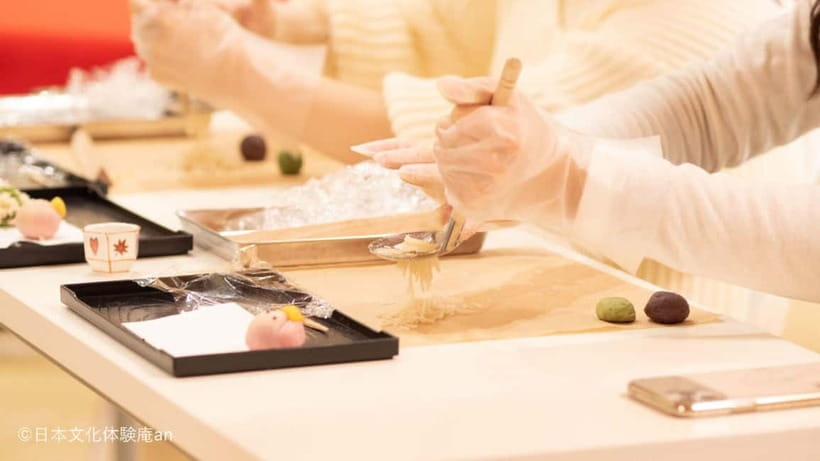
The sweet-making portion begins with white bean paste. You start by adding color, then shape the paste into nerikiri, a refined Japanese confection often made to resemble seasonal flowers, fruit, or other natural forms.
This is not a baking class. The basic ingredients are prepared for you, and your work focuses on coloring, handling, and shaping the paste. That is good news if you want a relaxed activity with no complicated kitchen equipment. It also means the class gives you a glimpse of wagashi craft rather than a full confectionery apprenticeship.
The shapes change with the season. In autumn, for example, the sweets may reflect autumn themes. The result is designed to be attractive, but do not worry if your flower looks slightly lopsided. The fun is in seeing the form take shape under your hands, not in producing a perfect shop display.
The instructor breaks the process into small steps. You can watch the demonstration, copy the hand movements, and ask for help as you go. One useful point from the class format is that visual learning matters here. Even when the spoken explanation is brief, the instructor’s hands show you how to press, fold, pinch, and finish the sweet.
You make two sweets, which gives you enough time to understand the process without turning the activity into repetitive work. The first attempt helps you learn the texture. The second lets you adjust your technique and pay more attention to the decorative details.
More tea ceremonies in Kyoto:
- Kyoto: Tea Ceremony in a Traditional Tea House in Kiyomizu
★ 4.9 · 3,519 reviews - Kyoto: Tea Ceremony Ju-An at Jotokuji Temple
★ 4.9 · 3,207 reviews - Kyoto: 45-Minute Tea Ceremony Lesson Experience
★ 4.3 · 2,378 reviews
Why Kyoto Bean Paste Makes a Difference
The class uses white and red bean paste produced by long-established Kyoto shops. That is more meaningful than it may sound. Bean paste is the central flavor in many traditional Japanese sweets, and its smooth texture and gentle sweetness are meant to balance tea rather than overpower it.
If you already enjoy anko, the sweet red bean paste used in many Japanese desserts, you will probably be comfortable with the flavor. If you do not like bean paste, the taste may be the limiting factor. The sweets are not chocolate pastries or Western-style cakes. Their appeal comes from a restrained sweetness, soft texture, and careful shape.
The white bean paste used for nerikiri is especially suited to coloring and molding. It gives you a smooth, pale base that can be turned into seasonal designs. The finished sweets look delicate, but the class itself is not precious or intimidating. You can take part even if your hands are not especially artistic.
A take-out box costs 100 yen if you want to save the sweets. The activity is built around eating them with your matcha, though, and that pairing is a key part of the experience.
Preparing Single-Origin Uji Matcha
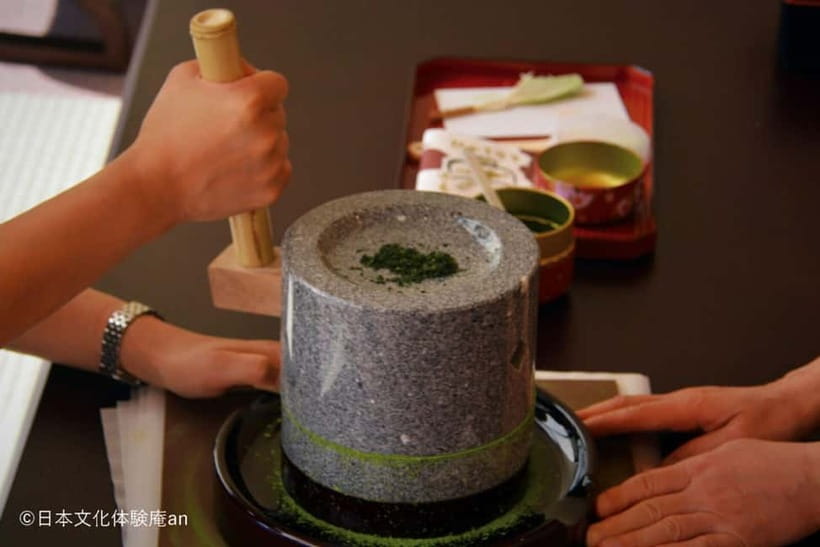
After the sweets are ready, the class moves to matcha. You prepare your own tea using single-origin Uji matcha, connecting the drink with the tea-growing area near Kyoto.
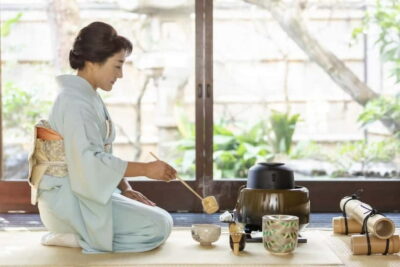
The session introduces basic tea etiquette and the method for preparing matcha. You learn how to handle the bowl, how to approach the drink, and how to whisk the powdered tea into a frothy beverage. The instruction is simple enough for first-time matcha drinkers, and you do not need prior knowledge.
This section is best understood as a matcha lesson with tea ceremony elements. It teaches the manners and process associated with a tea ceremony, but it is not the same as attending a long, formal ceremony in a traditional tea room. The tea portion can be fairly quick, especially if the group is large or the schedule is running tightly.
That distinction is important. If you want to learn how to make and drink matcha, this class offers good value. If your main goal is a quiet, highly ritualized ceremony with extended attention to every movement, you may find this format too brief.
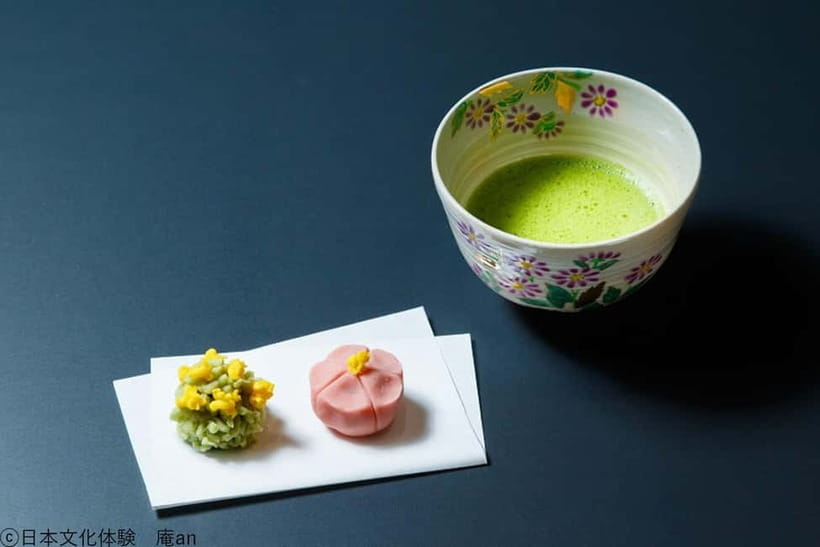
The instructor explains the reason behind some of the etiquette, including how to turn the bowl before drinking. You then enjoy the matcha with the two sweets you made. Their sweetness softens the tea’s more bitter notes, while the matcha keeps the bean paste from tasting overly heavy.
A Japanese-Led Class With Uneven English Support
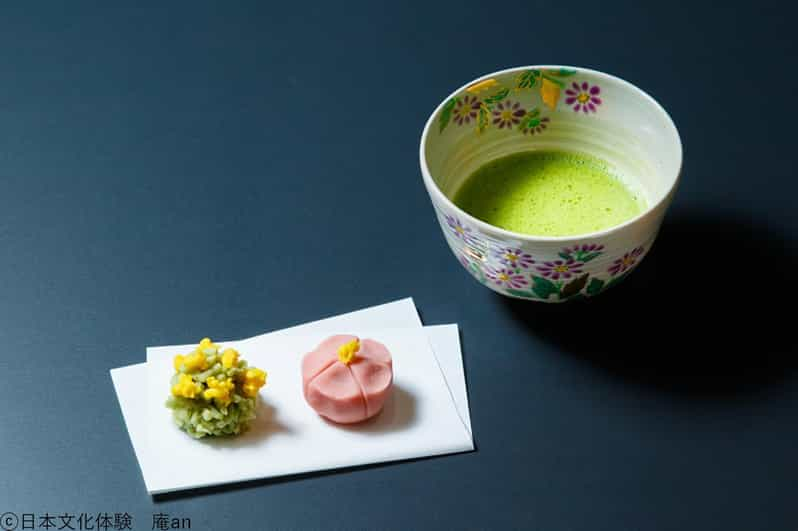
The official class language is Japanese. English translation is provided as much as possible, and you can contact the operator in advance if you want to request English assistance.
In practice, the amount of English depends on the instructor and the group. Some instructors have explained each step in both Japanese and English, and some have adapted well when they noticed that participants did not speak Japanese. Other sessions have offered less detail in English, leaving students to watch the demonstration and copy the motions.
You can still manage the activity without fluent Japanese because the process is hands-on and highly visual. The steps are broken into clear actions, and the instructor can often show you what to do directly. Still, if you want detailed explanations about matcha production, tea history, or Japanese confectionery, ask questions early and do not assume every point will be translated.
The teaching style also varies. Many sessions move at a comfortable pace, with the instructor checking that people are keeping up. A few accounts describe rushed instruction, weak English guidance, or trouble hearing when another class was taking place in the same room. These are not reasons to reject the activity, but they are good reasons to arrive on time, sit where you can see the demonstration, and treat the class as a friendly introduction rather than a private lesson.
A few more Kyoto experiences worth comparing
- Kyoto Wagashi(Japanese sweets) Cooking Class near Fushimiinari
★ 5.0 · 60 reviews - Kyoto: Wagashi (Japanese sweets) Cooking near Fushimiinari
★ 5.0 · 40 reviews - Kyoto: Traditional Tea Ceremony with Matcha & Sweets in Gion
★ 4.9 · 27 reviews - Japanese Traditional Sweets ”Nerikiri” making
★ 4.3 · 17 reviews
Group Size, Noise, and the Feel of the Session
The class can feel small and personal, but group size is not guaranteed to remain consistent during every part of the experience. A small sweets group may be joined by a larger group for the matcha section, including Japanese students.
That mix can be a plus. You may find yourself taking part alongside local junior high students, which gives the class a more everyday Japanese feel than an activity made only for international tourists. It can also make the room noisier and reduce the sense of a quiet ceremony.
Some sessions have shared space with a private class. If that happens, hearing the instructor may be harder. The issue is less serious during the shaping work, when you can watch the hands-on demonstration, but it matters more during the tea explanation.
The experience provider is B.B.Advisors Inc. AN KYOTO. Guides are not named in the booking information, so you cannot choose a particular instructor. The teaching team has generally been described as warm, patient, and willing to help, but English fluency is not uniform.
Is the $18 Price a Good Deal?
Yes, for most people, the price is strong. You receive two hands-on sweets, a matcha preparation lesson, tea etiquette, and time to eat what you made. At 95 minutes, the activity is long enough to feel like a real part of your Kyoto day without requiring a major schedule change.
The value is especially good for families and first-time visitors. You get an activity that is low intensity, indoors, and creative. It works well when the weather is poor or when you need a slower break after several temples and shrines.
You should keep the limits in mind. The class does not provide a full lesson in Japanese confectionery, and the tea ceremony is a brief introduction. The ingredients are ready for shaping, so you are not starting with raw beans or learning every stage of production.
Optional extras are modest: a take-out box costs 100 yen, and a completion certificate costs 300 yen. Neither is required. I would consider the box if you want to keep one sweet for later, but the certificate is mainly a souvenir choice.
Who Will Enjoy This Most?
I would recommend this for families with school-age children, couples, solo visitors who like making things, and anyone looking for a short cultural activity near central Kyoto. Children can take part in the shaping work, and one account found the challenge suitable for children aged 10 and 14.
It is also a good fit if you want to understand matcha beyond ordering a green drink at a café. You prepare the tea yourself and learn the basic etiquette, so you leave with a method you can repeat at home.
The class is less suited to you if you dislike red bean paste, need a fully English-speaking instructor, or want a formal tea ceremony in a hushed traditional setting. It may also disappoint if you expect to make every ingredient from scratch.
For English speakers, I would contact the provider before booking and request translation. The booking information says help is available as much as possible, but it does not promise a fully English-led class.
Practical Details Before You Book
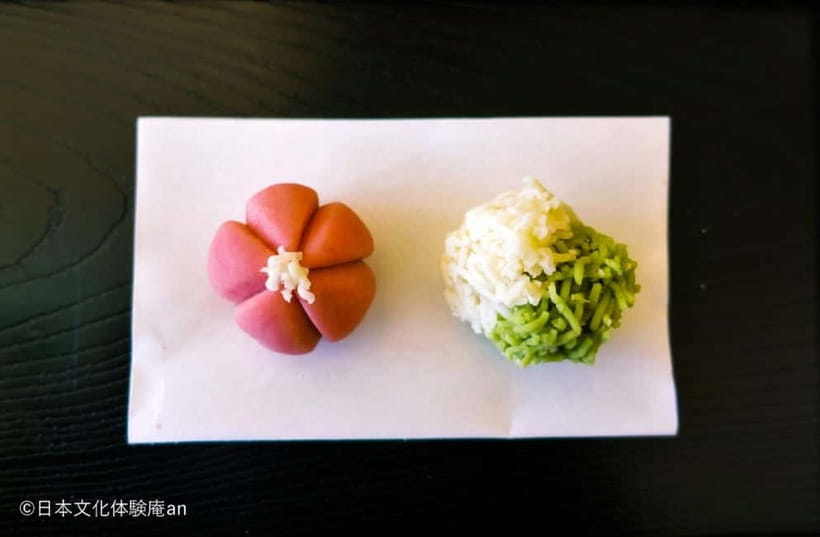
The activity operates from 10:00 to 17:00. Reservations received after 17:00 are handled the following day, so do not expect a late-night booking request to receive an immediate response.
You can reserve now and pay later, which is useful when you are still arranging your Kyoto schedule. Free cancellation is available up to 24 hours before the activity for a full refund. After that point, cancellation charges apply, and changing the date or time after a fee has been incurred can also bring a specified charge.
Plan your route carefully. The operator will not hold the class for late arrivals, and travel costs are not refunded if you cancel. Non-participants cannot enter, so everyone in your party who enters needs a reservation.
Children under two years old who sit on a parent’s lap are free. The activity is wheelchair accessible according to the booking details, but remember that the building has no elevator and requires stairs to reach the venue.
Should You Book This Kyoto Sweets and Matcha Class?
Book it if you want a hands-on Kyoto food experience at a very low price. The two seasonal nerikiri sweets give you something creative to do, while the Uji matcha lesson adds useful cultural context. The location near Gojo Station makes it easy to fit into a central Kyoto itinerary.
Go in with the right expectations. This is a Japanese-led class with English support, not a guaranteed full-English lesson. It is also a short matcha introduction, not an elaborate formal ceremony. If you can accept those limits, the combination of making, learning, and eating your own sweets is a pleasant way to slow down for 95 minutes.
FAQ
Where does the Japanese sweets and tea activity take place?
It takes place one minute from Exit 1 of Gojo Station on Kyoto’s Subway Karasuma Line. The entrance faces Gojo-dori, the main street.
How long does the activity last?
The scheduled duration is 95 minutes.
How much does the experience cost?
The listed price is $18 per person.
What sweets will I make?
You will make two seasonal nerikiri sweets using colored white bean paste. The designs may reflect seasonal flowers or fruit.
Are the ingredients made in Kyoto?
The white and red bean paste comes from long-established Kyoto shops.
What type of matcha is used?
The class uses single-origin Uji matcha.
Is the class taught in English?
The instructor teaches in Japanese. English translation is provided as much as possible, and you should contact the provider if you want to request English assistance.
Can I take my sweets home?
Yes. A sweets take-out box is available for 100 yen.
Is the venue wheelchair accessible?
The activity is described as wheelchair accessible, but the building has no elevator and you need to use stairs to reach the venue. Confirm that the access arrangements suit your needs before booking.
Recently added around Kyoto
- Higashiyama | Kyoto: Sakura Season Private Rickshaw Tour★ 5.0 · 3 reviews
- Kyoto Kimono Rental CHAMATSU|Kimono/Yukata Rental FamilyPlan★ 5.0 · 3 reviews
- Kyoto: Half-Day Private Guided Tour to the Old Town of Gion★ 4.4 · 3 reviews
- Nara Private Customizable Half Day Tour★ 5.0 · 3 reviews
- Kansai Region Hiking Adventure in Nara Kobe Kyoto and More★ 5.0 · 3 reviews
- Full Day Nara Deer, Temple, Shrine, Activities & Tea Ceremony★ 5.0 · 3 reviews
- Nara: Essential Private Tour with Deer Park and Temples★ 5.0 · 3 reviews
- Hiking Tour for Sacred Sites in Kyoto with a Guide★ 5.0 · 3 reviews
Kyoto Tea Ceremony Experiences, compared.
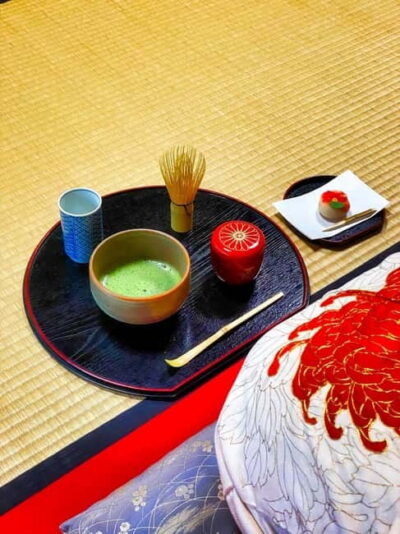
Tea Ceremony in a Traditional Tea House in Kiyomizu
Read our review →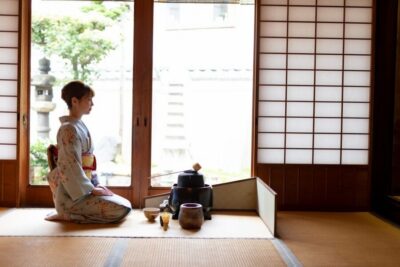
Tea Ceremony in 100-year-old Kyo-Machiya Townhouse
Read our review →
Browse the lists this tour appears in