
REVIEW · KYOTO TEA CEREMONY EXPERIENCES
Traditional Tea Ceremony with Matcha and Sweets in Kyoto
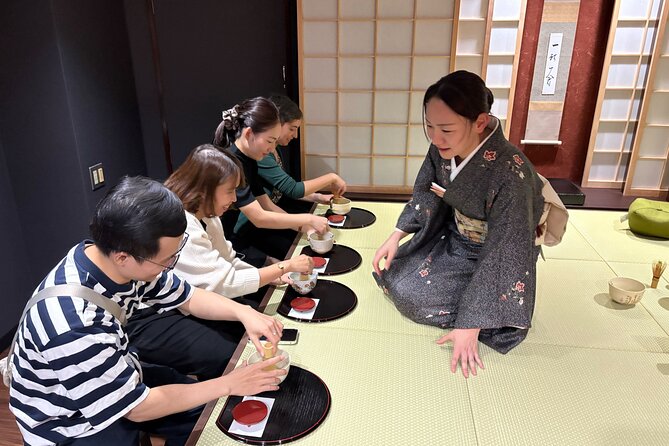
Kyoto’s tea ceremony is often pictured as a very formal affair on tatami mats, with rules that can leave a first-timer nervous. This one-hour experience in Gion takes a friendlier route: you sit on chairs, watch a tea master work up close, then prepare your own bowl of matcha.
I like two things right away. First, the session gives you useful cultural context, including the history of tea, Zen ideas, and omotenashi, the Japanese spirit of hospitality. Second, it combines watching with doing, so you taste traditional sweets and whisk your own matcha instead of simply observing a performance.
The main consideration is its short length. At about an hour, this is an introduction rather than a full study of tea ceremony. That makes it a good fit for a busy Kyoto day, but anyone seeking a long, highly formal ceremony may find the presentation deliberately compact.
In This Review
- Key points to know before booking
- Why this Gion tea ceremony works for first-time visitors
- The opening lesson: tea, Zen, and hospitality
- Watching the tea master work up close
- Traditional sweets from long-established makers
- Whisking your own bowl of premium matcha
- The final questions and what you take away
- Price, timing, and practical value
- Who will enjoy this experience most
- Booking advice and cancellation
- Should you book this Kyoto tea ceremony?
- FAQ
- Where does the tea ceremony take place?
- How long does the experience last?
- How much does the experience cost?
- Is the activity suitable for someone unfamiliar with Japanese tea ceremony?
- Do participants make their own matcha?
- Are traditional Japanese sweets included?
- Do I need to sit on the floor?
- How many people can join the activity?
- Can I cancel for a full refund?
Key points to know before booking
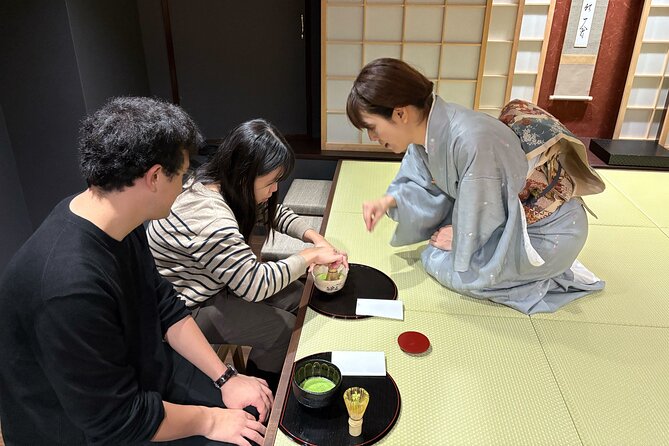
- Chairs instead of floor seating: You can take part without sitting on your knees or managing tatami-floor posture.
- A hands-on finish: You make your own bowl of matcha after watching the tea master’s demonstration.
- Guides with a clear passion for the subject: Instructors named in the experience include Mitsune and Yuki.
- Traditional sweets from established artisans: The sweets are part of the lesson, not just a snack on the side.
- A central Gion meeting point: The activity begins and ends at 1 Yamatocho, Higashiyama Ward, Kyoto 605-0802.
- A small group capped at 13 people: The size should allow you to see the techniques without being in a huge room.
Why this Gion tea ceremony works for first-time visitors
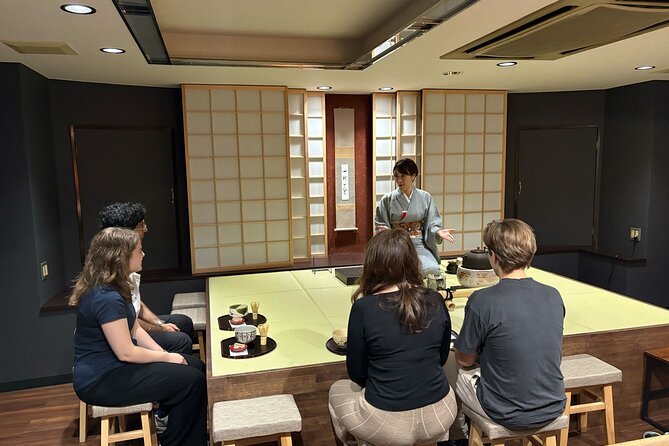
This activity puts the tea ceremony in Kyoto’s historic Gion district, one of the city’s best-known areas for traditional culture. The exact experience takes place at the stated meeting point in the Gion area, and it begins and ends there, so you do not need to manage a second pickup location or a complicated transfer afterward.
The clever part is the balance between tradition and comfort. You see authentic tea-making techniques, but you do not need prior knowledge of chanoyu, the Japanese tea ceremony. You also sit on chairs rather than the floor. That matters if you have limited mobility, dislike kneeling, or simply want to focus on the lesson instead of wondering how long your legs can last.
I also like the size limit of 13 participants. It is not a private lesson, but it is small enough that the tea master’s movements should remain visible. Tea ceremony depends on small actions: how a bowl is held, how utensils are placed, and how matcha is whisked. A very large group would make those details harder to catch.
The mood is intended to be calm and welcoming, not stiff. That does not mean the ceremony loses its form. Instead, the experience explains the meaning behind the gestures, helping you understand why the tea ceremony values care, attention, and respect.
More tea ceremonies in Kyoto:
- Kyoto: Tea Ceremony in a Traditional Tea House in Kiyomizu
★ 4.9 · 3,519 reviews - Kyoto: Tea Ceremony Ju-An at Jotokuji Temple
★ 4.9 · 3,207 reviews - Kyoto: 45-Minute Tea Ceremony Lesson Experience
★ 4.3 · 2,378 reviews
The opening lesson: tea, Zen, and hospitality
The first part sets up the ideas behind what you are about to see. You learn how tea developed in Japan and how Zen philosophy helped shape the ceremony’s focus on presence, discipline, and quiet appreciation.
This background is important because tea ceremony can otherwise look like a string of beautiful movements without a clear purpose. The explanation gives those movements a frame. You begin to see that the point is not merely to make a powdered drink. It is also about how the host prepares a moment for another person.
The lesson also introduces omotenashi, often translated as Japanese hospitality. Here, hospitality is not just smiling service. It is the careful thought put into preparing the space, choosing the sweets, handling the utensils, and serving the tea. Once you hear that idea, the ceremony becomes easier to read.
The instructors named in the experience include Mitsune and Yuki. Mitsune is associated with an informative and welcoming presentation. Yuki is noted for her insight into the philosophy of sado, or the way of tea, and for making the connection between the ceremony and its underlying ideas clear.
Because the activity is short, the teaching has to stay focused. You should expect a useful introduction, not an academic history of Japanese tea. That is a fair trade for anyone who wants cultural context without giving up half a day.
Watching the tea master work up close
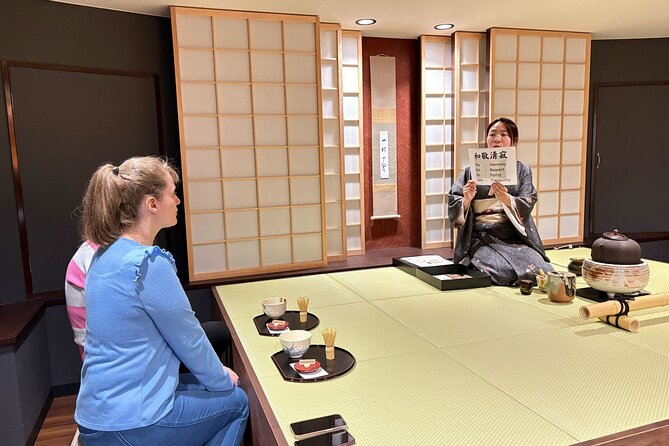
The tea master then demonstrates the ceremony. This is the quiet center of the experience, and it gives you a chance to watch before attempting the process yourself.
Pay attention to the order of the actions. Tea ceremony is not rushed. The host handles each item with intention, and the placement of the utensils is part of the visual language. You may find that the slower pace feels unusual at first, especially if your Kyoto schedule is packed with temples and train connections.
That slower pace is exactly the point. The demonstration asks you to notice details that daily life usually sweeps aside. The sound of whisking, the shape of the bowl, and the way the tea is presented all become part of the occasion.
You are not expected to know the rules in advance. The presentation is designed to make the ceremony approachable, so you can watch without worrying about making a mistake. If you are curious about a gesture or a utensil, the session ends with questions, giving you a chance to clear up details while the demonstration is still fresh.
The best value here comes from seeing the technique at close range, then trying to copy its care in the hands-on section. You get both the polished version and the beginner’s version, which makes the art more understandable.
Traditional sweets from long-established makers
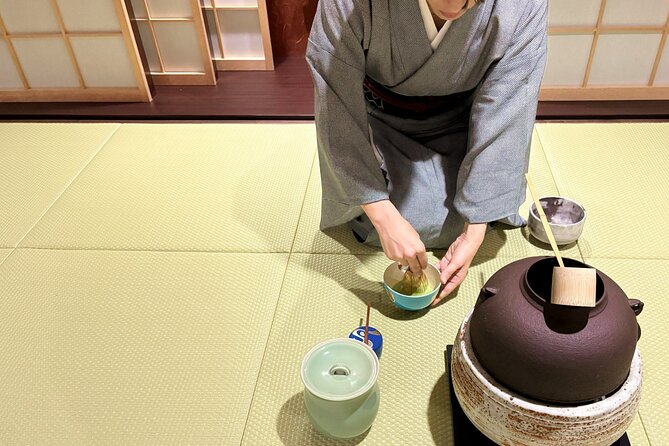
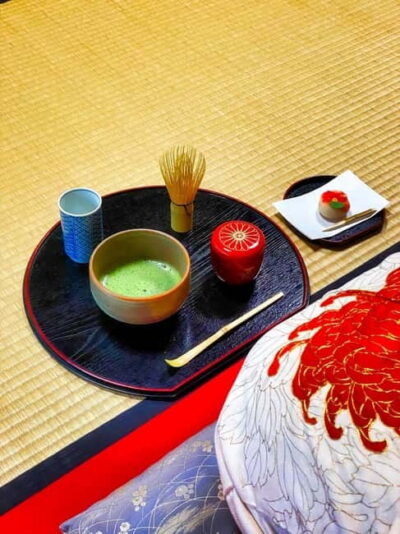
The second half includes carefully selected Japanese sweets from long-established artisans. These sweets are not an unrelated dessert course. In a tea ceremony, sweetness helps balance the strong, grassy flavor of matcha.
You will want to taste the sweet before drinking your tea, as that pairing is part of the experience. The sugar softens your palate, allowing the matcha’s bitterness and aroma to come through in a more pleasant way.
The information provided does not identify the exact sweets served, so you should not book this expecting a particular confection. What you can count on is the role they play: they are chosen as a traditional partner for the matcha and help you understand how the ceremony treats food and drink as one carefully planned moment.
This part also gives the class a pleasant change of pace. After watching the formal movements, you get something familiar and enjoyable to taste. It keeps the experience from feeling like a lecture.
More matcha tastings and workshops:
- World Heritage Kyoto & Nara Uji Authentic Matcha Experience
★ 5.0 · 1,573 reviews - Kyoto: Arashiyama Bamboo Forest, Monkeys, Matcha & Temple Tour
★ 5.0 · 759 reviews - Kyoto: Tea Museum Tickets and Matcha Grinding Experience
★ 4.9 · 739 reviews - Kyoto: Tea Ceremony Meditation – Make Matcha with Tea Master
★ 4.8 · 406 reviews
Whisking your own bowl of premium matcha
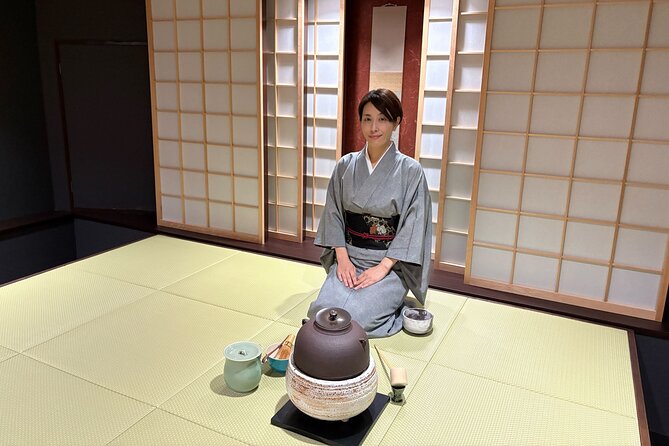
The hands-on section is where you move from spectator to participant. You prepare your own bowl of matcha using premium tea sourced from a family-run farm.
The value is not in producing a perfect bowl on your first attempt. It is in feeling how the powder, water, and whisk come together. Matcha preparation looks simple until you try it. The whisking motion takes control, and the texture changes as you work.
You should expect instruction before you begin, with the tea master showing the basic method. Follow the guidance rather than treating it like a race. The aim is to make and enjoy the tea with awareness, not to prove how fast you can create foam.
The matcha is described as delicious in the supplied experience details, but taste is personal. Matcha has a distinctive flavor that can be grassy, bitter, creamy, or slightly sweet depending on the tea and preparation. If you already know you dislike green tea, this may be less appealing than the sweets. If you enjoy trying local food traditions, making the bowl yourself is one of the strongest reasons to choose this activity.
Using tea from a family-run farm also adds a useful human detail. You are not simply drinking an anonymous green powder. The experience connects the bowl in front of you with the people who grow and prepare the tea, even though it does not provide more specific farm information.
The final questions and what you take away
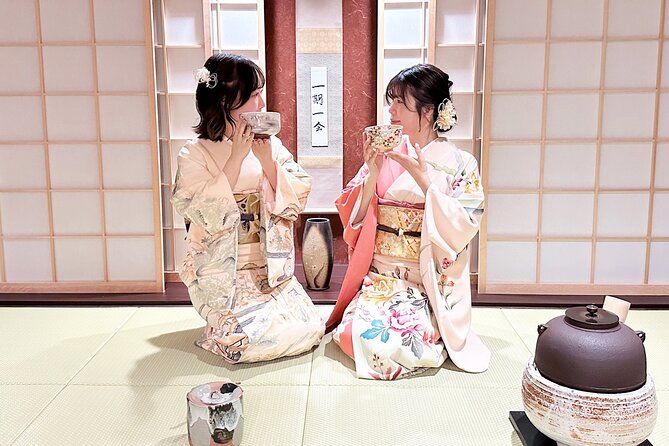
The session closes with a question-and-answer period. This is a small but valuable feature, especially if you have never seen a tea ceremony before.
You can use this time to ask about the philosophy, the utensils, the sweets, the proper way to enjoy matcha, or anything that seemed unclear during the demonstration. The exact questions depend on the group, but the format gives you a natural ending rather than sending you out as soon as the tea is finished.
The activity aims to be the beginning of your interest in Japanese tea culture, not the final word. That is the right promise for a one-hour class. You will leave with a basic understanding of the ceremony’s ideas and a memory of preparing matcha in Kyoto, but you will not become a tea master in sixty minutes.
I would treat it as a cultural primer. It can help you notice tea-related details later in Japan, and it gives you enough vocabulary and context to understand why the ceremony matters.
Price, timing, and practical value
At $22.86 per person, the experience offers solid value for a one-hour activity in central Kyoto. You receive instruction, a demonstration, traditional sweets, premium matcha, and a hands-on preparation session. The cost is modest compared with longer cultural workshops, though the compact duration naturally limits how much can be covered.
The price makes the most sense if you want a focused activity between sightseeing stops. You can fit it into a day without committing to a full cultural course. It also works well if someone in your party wants an introduction to Japanese customs but would not enjoy a long, silent ceremony.
The short format has a downside. You may wish for more time to practice or ask questions, particularly if the subject captures your interest. The group maximum of 13 helps, but this is still a shared session rather than a private appointment.
A mobile ticket is included, and confirmation is received at booking. The meeting point is near public transportation, though the supplied details do not identify a specific station or route. Allow time to find the stated address in Gion rather than assuming the building will be obvious from a major landmark.
The activity ends back at the meeting point. That is convenient if you plan to continue exploring Gion afterward, but it also means you should arrange your next stop from that same area.
Who will enjoy this experience most
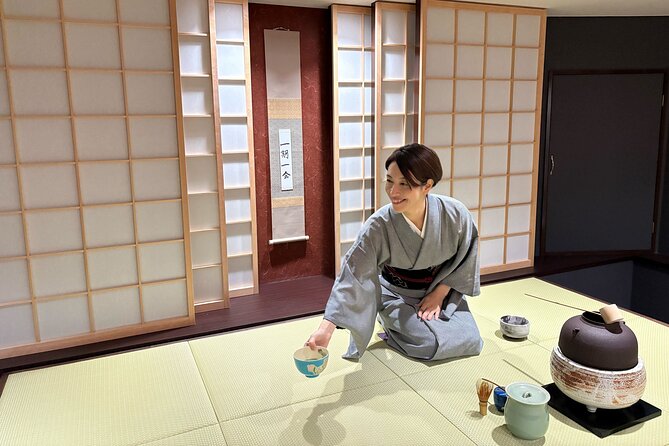
I would recommend this tea ceremony to you if you want a clear, approachable introduction to Japanese culture. It is especially suitable for first-time visitors who want more than a photo but less than a full-day class.
It is also a good choice for:
- Anyone interested in Zen ideas and Japanese hospitality
- People who want to taste matcha in Kyoto rather than only buy it
- Participants who prefer chairs to floor seating
- Couples, families, or small groups looking for a calm one-hour activity
- Visitors who want a compact cultural stop in Gion
- Anyone curious about the difference between watching a ceremony and taking part in one
You may want something else if you are seeking an elaborate, highly formal ceremony with extended rules, detailed practice, or a long period in a traditional floor-seated room. This experience intentionally removes some barriers, and that accessibility is a strength, but it also means the session is not designed as an advanced study.
Booking advice and cancellation
You can cancel for a full refund if you do so at least 24 hours before the experience’s start time. Cancellations or changes made less than 24 hours before the start are not accepted for a refund, and the cut-off follows Kyoto local time.
The activity is provided by Japan Wonder Travel. With a maximum of 13 participants, availability may be limited on popular dates, so you should check the timing against your temple visits and evening plans before booking.
Should you book this Kyoto tea ceremony?
Book it if you want to understand the ideas behind tea ceremony, meet an experienced instructor such as Mitsune or Yuki, taste traditional sweets, and prepare matcha yourself without sitting on the floor. The combination of cultural explanation and hands-on practice gives the $22.86 price real value.
Skip it if you want a long, formal ceremony or advanced instruction. For most visitors, though, this is a sensible first step into Kyoto’s tea culture: short, practical, welcoming, and tied to the city’s Gion setting.
FAQ
Where does the tea ceremony take place?
The meeting point is Japan, 605-0802 Kyoto, Higashiyama Ward, Yamatocho, 1, at the Gion Tanakaya Building. The activity ends back at the meeting point.
How long does the experience last?
The activity lasts approximately one hour.
How much does the experience cost?
The listed price is $22.86 per person.
Is the activity suitable for someone unfamiliar with Japanese tea ceremony?
Yes. The experience explains the history of tea, Zen philosophy, Japanese hospitality, and the ceremony itself in an approachable format.
Do participants make their own matcha?
Yes. In the second half, you prepare your own bowl of matcha using premium tea sourced from a family-run farm.
Are traditional Japanese sweets included?
Yes. The experience includes carefully selected traditional sweets from long-established artisans.
Do I need to sit on the floor?
No. Participants sit on chairs, making the activity easier for anyone unfamiliar with floor seating or with limited mobility.
How many people can join the activity?
The maximum group size is 13 participants.
Can I cancel for a full refund?
Yes, if you cancel at least 24 hours before the experience start time. Cancellations or changes made less than 24 hours before the start are not accepted for a refund.
More Dessert Tours in Kyoto
- Kyoto: Japanese Traditional Sweets Making and Tea Ceremony
★ 4.4 · 314 reviews - Kyoto Wagashi(Japanese sweets) Cooking Class near Fushimiinari
★ 5.0 · 60 reviews - Kyoto: Wagashi (Japanese sweets) Cooking near Fushimiinari
★ 5.0 · 40 reviews - Kyoto: Traditional Tea Ceremony with Matcha & Sweets in Gion
★ 4.9 · 27 reviews
Recently added around Kyoto
- Higashiyama | Kyoto: Sakura Season Private Rickshaw Tour★ 5.0 · 3 reviews
- Kyoto Kimono Rental CHAMATSU|Kimono/Yukata Rental FamilyPlan★ 5.0 · 3 reviews
- Kyoto: Half-Day Private Guided Tour to the Old Town of Gion★ 4.4 · 3 reviews
- Nara Private Customizable Half Day Tour★ 5.0 · 3 reviews
- Kansai Region Hiking Adventure in Nara Kobe Kyoto and More★ 5.0 · 3 reviews
- Full Day Nara Deer, Temple, Shrine, Activities & Tea Ceremony★ 5.0 · 3 reviews
- Nara: Essential Private Tour with Deer Park and Temples★ 5.0 · 3 reviews
- Hiking Tour for Sacred Sites in Kyoto with a Guide★ 5.0 · 3 reviews
Kyoto Tea Ceremony Experiences, compared.
Tea Ceremony in a Traditional Tea House in Kiyomizu
Read our review →
Tea Ceremony in 100-year-old Kyo-Machiya Townhouse
Read our review →
Browse the lists this tour appears in