
REVIEW · GION GEISHA DISTRICT TOURS
Kyoto: Traditional Tea Ceremony with Matcha & Sweets in Gion
In Kyoto’s Gion district, this tea ceremony gives you something many formal demonstrations do not: a chance to watch careful tea-making up close, then whisk your own bowl. Chair seating keeps the experience comfortable, while the tone stays friendly rather than stiff. I especially like the local matcha and the sweets chosen from long-established confectioners. One consideration: the session can last anywhere from one hour to 150 minutes, depending on the option you book, so check the exact time before planning the rest of your day.
I also like the open Q&A with the tea master. You are not left simply watching a set performance. You hear how tea ceremony connects with Zen, learn the practical steps, and leave with a recipe you can use at home. English instruction is provided, and the small-group option can make it easier to ask questions.
In This Review
- Key points to know before booking
- A calm introduction to tea ceremony in Gion
- What you see when the tea master performs
- Learning why sweets come before matcha
- Making your own bowl with local matcha
- A useful Q&A instead of a rushed farewell
- How long the experience takes
- Choosing the kimono option in Gion
- Is $22 a fair price?
- Who will enjoy this tea ceremony most
- Practical advice for fitting it into your Kyoto day
- Should you book it?
- FAQ
- How much does the Kyoto tea ceremony cost?
- How long does the tea ceremony last?
- Is the tea ceremony held in English?
- Do I need to sit on the floor?
- Is matcha included?
- Can young children take part?
Key points to know before booking
- Watch first, then whisk your own matcha: You see refined tea techniques before trying them yourself.
- Chair seating in Gion: You do not need to sit on the floor, which helps if tatami seating is uncomfortable or difficult.
- Matcha from a family-run tea farm: Your drink uses locally sourced powder rather than an unspecified blend.
- Traditional sweets with a purpose: Sweets from established Japanese confectioners balance matcha’s bitter edge.
- A relaxed lesson, not a solemn test: The atmosphere is welcoming and informal enough for beginners.
- Kimono timing needs care: With the kimono option, your ceremony time is tied to your rental start time, and the kimono must be returned by 5:30 p.m.
A calm introduction to tea ceremony in Gion
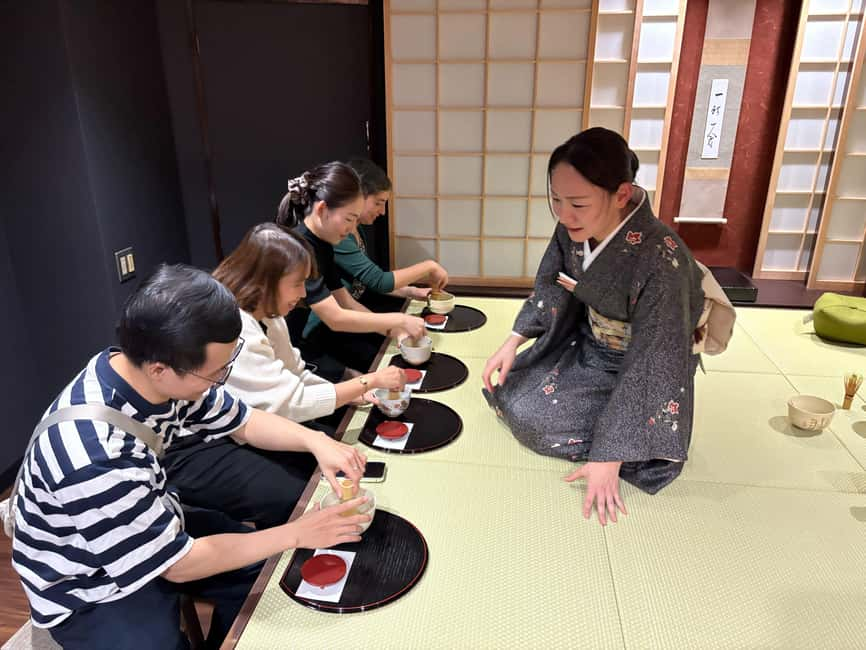
Gion is one of Kyoto’s best-known traditional districts, so the location fits the subject. Yet this is not presented as a grand, intimidating ritual reserved for experts. The aim is to show you the beauty of tea ceremony while explaining what you are seeing in plain English.
You begin in a quiet, elegant space with a tea master. The session introduces the history of tea in Japan and the ideas that shape the ceremony, including the influence of Zen. That background matters because the gestures are not random decoration. The movements, pauses, utensils, and presentation all point to care, attention, and hospitality.
I like this format for a first encounter with matcha. A full formal tea ceremony can be difficult to follow if you do not know why each step matters. Here, the explanation gives the ritual a readable shape without requiring you to memorize rules or behave like a tea-school student.
The tone also seems to be one of the experience’s strongest points. Mai, named in the feedback as the host, is described as approachable, hospitable, and passionate about her work. Another booking praised the clear explanation of both tea history and the way the ceremony is carried out. That combination is useful: you get cultural context, but you also get a person who can help you feel at ease.
More evenings in Gion:
- Kyoto Geisha Walking Tour: Gion District & Hidden Gems
★ 4.7 · 3,273 reviews - Kyoto: Gion Magical Night Walking Tour with Geisha Trivia
★ 4.9 · 2,393 reviews - Kyoto: Gion Geisha District Walking Tour – Stories of Geisha
★ 4.7 · 2,187 reviews
What you see when the tea master performs
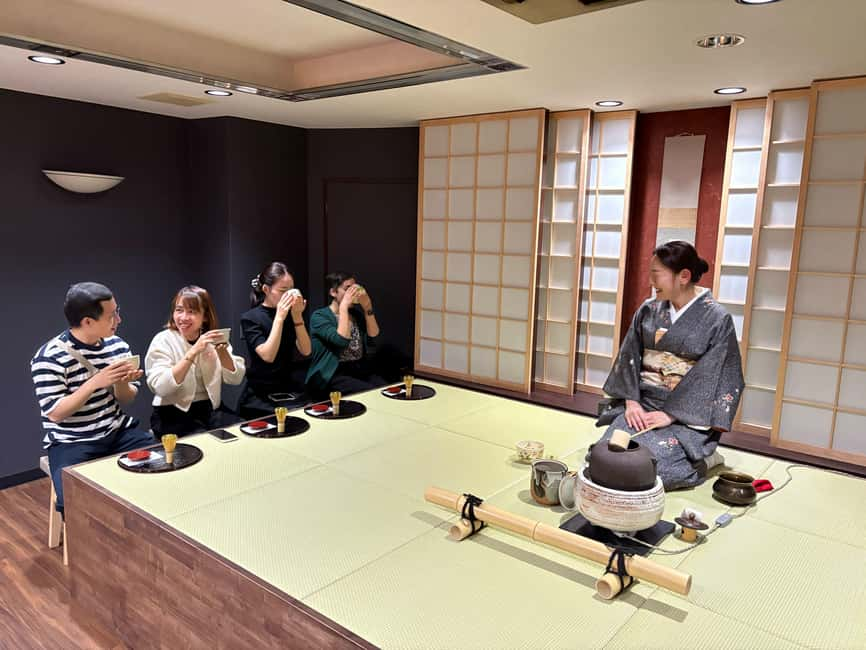
The first half centers on watching the tea master prepare tea. You can expect an elegant demonstration of authentic techniques performed close enough for you to notice the small details.
The point is not speed. Tea ceremony asks you to pay attention to the order and quality of each action. The tea master handles the tools carefully, prepares the bowl, and shows how matcha becomes a smooth drink rather than a pile of green powder at the bottom.
For a visitor, this is the part that can feel most different from an ordinary café stop. You are not simply ordering a matcha latte. You are being shown a cultural practice shaped over centuries, with manners and movement carrying as much meaning as the drink itself.
The presentation is still accessible. You are not expected to know the correct gestures before you arrive. The instructor explains the process and the reasons behind it, which helps you watch with more understanding.
A practical note: the experience uses chairs rather than floor seating. That choice gives up some of the visual feel of a traditional tatami ceremony, but it makes the session easier for many people. If kneeling or sitting on the floor would take your attention away from the ceremony, the chairs are a sensible trade.
Learning why sweets come before matcha
Japanese tea sweets are part of the experience, not a side snack added at the last minute. The tea master selects traditional sweets from long-established confectioners, and you taste them before or alongside the matcha portion of the ceremony.
This pairing teaches you something with very little lecture. Matcha has a strong, bitter flavor. A sweet bite prepares your palate and makes the tea taste more balanced. The sweets also show how Japanese confectionery can be tied to season, presentation, and tea culture.
Do not expect a large dessert course. The value is in the connection between the food and the tea. If you are looking for a filling meal, this is not it. Have lunch or a snack separately, especially if you book the experience around midday.
I find this small food element helpful because it gives your hands and taste buds a role in the lesson. You are not sitting through a talk about tea. You are tasting the reason certain foods belong with it.
Making your own bowl with local matcha
In the second half, you prepare your own bowl of matcha. The tea powder comes from a family-run tea farm, giving the hands-on part a clear local connection.
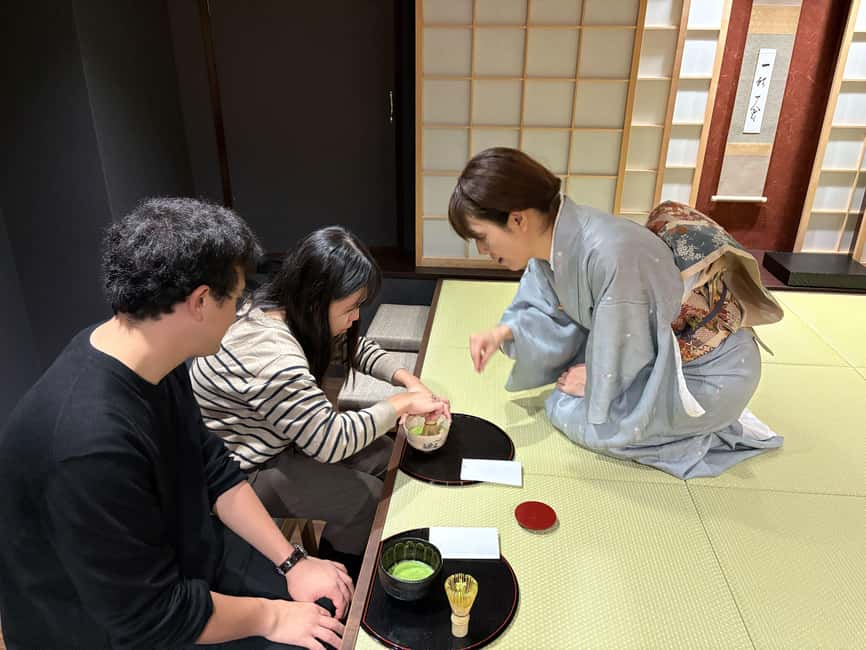
The instructor guides you through the process of mixing the powder into a frothy drink. One piece of feedback specifically noted learning how to properly mix quality matcha into bubbles. That is a useful skill because the texture makes a big difference. Poorly mixed matcha can be lumpy or harsh, while careful whisking produces the smooth, airy surface you are aiming for.
This is a beginner-friendly activity. You do not need previous experience, and the tea master demonstrates the technique before you try. Expect to make a few imperfect bubbles. That is part of the fun, and the relaxed atmosphere means you do not need to worry about getting every movement right.
You then drink the matcha you prepared. That simple change, from watching to doing, gives the session more value than a demonstration alone. You remember the hand position, the whisking motion, and the taste because you took part in making it.
The matcha also contains caffeine. The experience specifically advises against matcha for children under five. Infants and toddlers can attend free, but if they want to try making tea, they must use a parent or guardian’s bowl and will not receive their own matcha.
More tea ceremonies in Kyoto:
- Kyoto: Tea Ceremony in a Traditional Tea House in Kiyomizu
★ 4.9 · 3,519 reviews - Kyoto: Tea Ceremony Ju-An at Jotokuji Temple
★ 4.9 · 3,207 reviews - Kyoto: 45-Minute Tea Ceremony Lesson Experience
★ 4.3 · 2,378 reviews - Kyoto: Table-Style Tea Ceremony at a Kyo-Machiya
★ 4.9 · 1,211 reviews
A useful Q&A instead of a rushed farewell
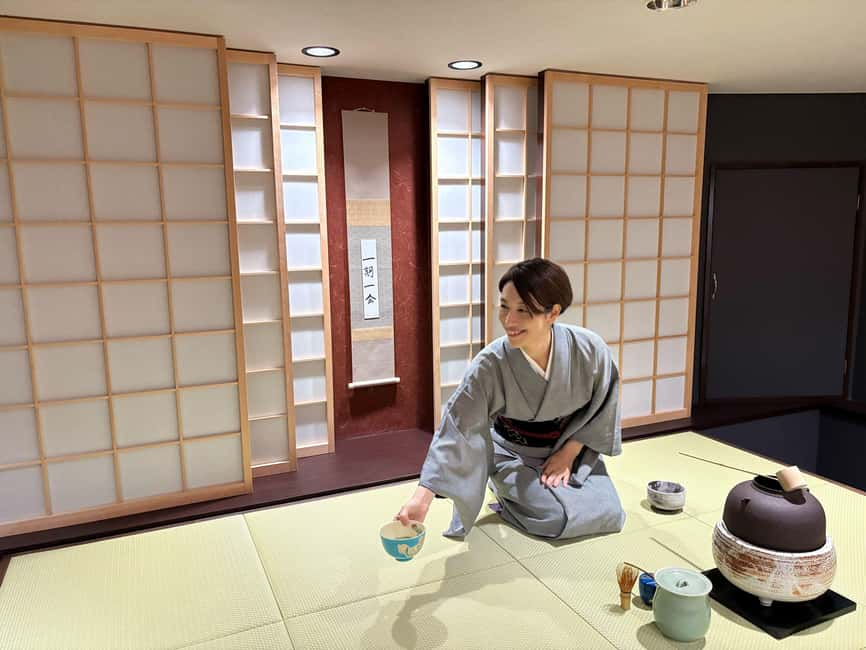
The session ends with time for questions to the tea master. This is where you can ask about the tools, tea preparation, ceremony customs, Zen influence, or anything that was unclear during the demonstration.
I value this feature because tea ceremony has many details that may not fit neatly into the main presentation. A question period lets you follow your own curiosity instead of receiving a fixed speech and being sent on your way.
The guide’s English instruction is especially important here. Tea ceremony vocabulary can be unfamiliar, and a chance to ask for clarification helps you leave with a more accurate understanding. The experience is available in English, and a small group option may make this part more personal.
You also receive a simple matcha recipe for daily use. This is not a grand souvenir, but it is a practical one. Back home, you can repeat the basic preparation rather than letting the experience remain a one-time holiday memory.
How long the experience takes
The advertised duration ranges from one hour to 150 minutes. That is a fairly wide spread, so check the exact option and start time carefully before booking.
The shorter format may suit you if you want a focused cultural activity between Gion sightseeing stops. The longer version gives you more time for explanations, the demonstration, your own preparation, sweets, and questions.
I would avoid placing a tight reservation immediately afterward. The experience is designed to be calm, and rushing out because of a restaurant booking or train connection would spoil part of its appeal. Allow a little breathing room, especially if you choose the longer option.
The meeting point can vary by option. Read the booking details closely rather than assuming every version begins at the same location.
Choosing the kimono option in Gion
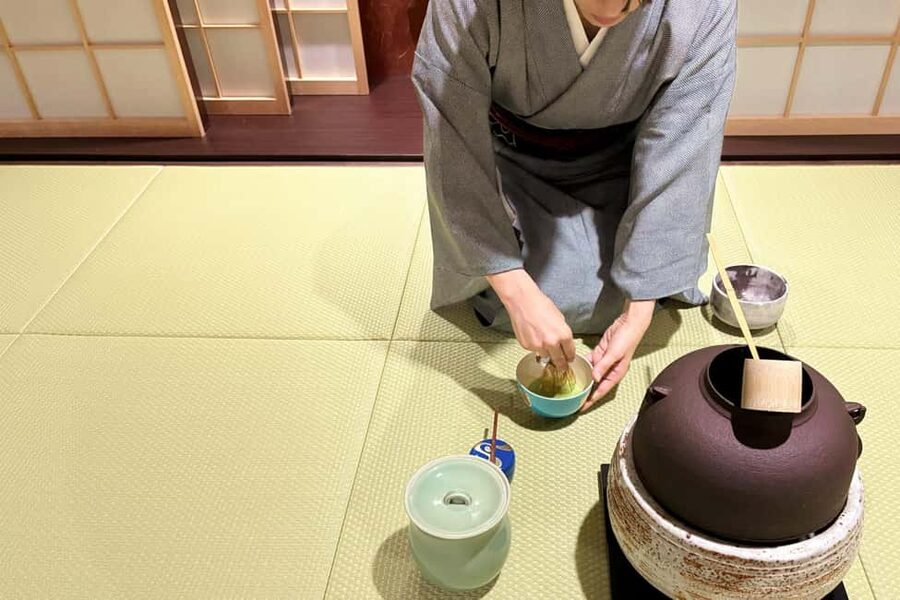
A kimono option is available, but it adds a few timing rules. You first go to the Kimono Rental Wargo Gion store, change there, and then walk to the tea ceremony meeting point. You must arrive at the meeting point 10 minutes before the ceremony begins.
The tea ceremony time is fixed according to the kimono start you select:
- An 11:00 kimono start connects to the 12:30 tea ceremony.
- A 12:00 kimono start connects to the 14:00 tea ceremony.
- A 14:00 kimono start connects to the 15:30 tea ceremony.
After the experience, the kimono must be returned by 5:30 p.m. That final deadline is easy to miss, especially with the later ceremony. If you choose this option, plan your Gion walk around the rental return rather than treating the kimono as an all-day outfit.
The kimono can add a memorable visual element to the ceremony, but it is not necessary to appreciate the tea lesson. Choose it for the clothing experience and photographs, not because you need it to take part.
Is $22 a fair price?
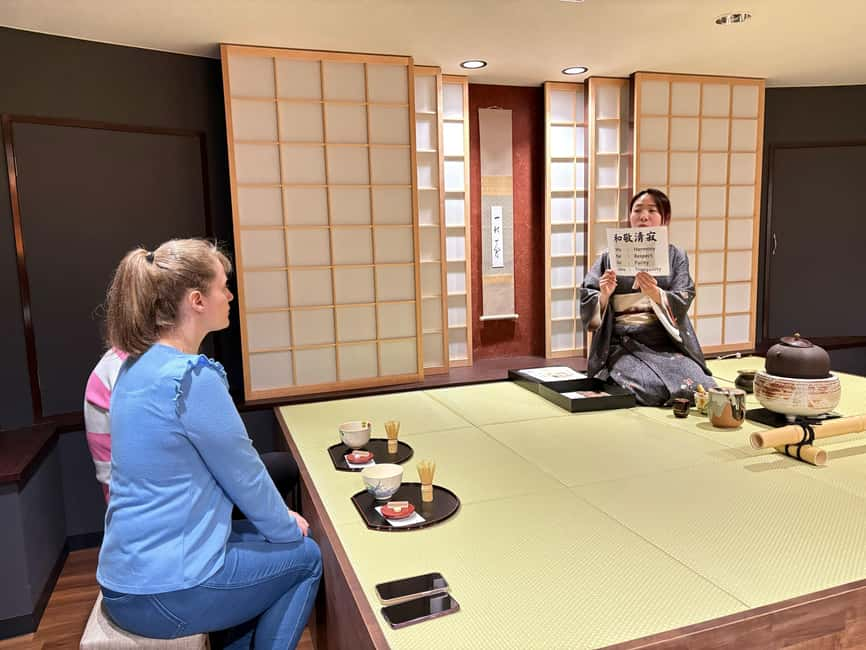
At $22 per person, this is a reasonable price for a guided cultural activity in central Kyoto. You receive instruction from a tea master, a tea demonstration, traditional sweets, matcha from a local family-run farm, your own preparation, and a take-home recipe.
The value depends on what you want from a tea ceremony. If you only want to drink matcha, a café will cost less and take less time. If you want to understand the ritual and try the technique yourself, this price compares well with other structured cultural activities.
The chair seating also adds practical value. You are paying for access to the experience without needing to kneel on tatami or endure an uncomfortable posture. That can make the hour or two feel much more enjoyable.
The rating is 4.9 from 27 reviews, with repeated praise for the host’s warmth, clear explanations, and calm atmosphere. I would not treat a high score as a guarantee that every person will love the pace, but it does match the details of the activity. This is built around personal guidance and hospitality, not a large show.
Who will enjoy this tea ceremony most
I would recommend it to first-time visitors who want a gentle introduction to Japanese culture. You get enough history to understand the ceremony, but the hands-on section keeps the experience from becoming a lecture.
It also suits families and older adults because of the chair seating. Parents should note the caffeine guidance for children under five. Infants and toddlers may attend free, but they do not receive their own matcha to prepare.
Couples, solo visitors, and small groups can all make good use of the session. The Q&A works particularly well if you like asking questions and connecting a custom to everyday life.
You may want something else if you are seeking a highly formal, silent, centuries-old school of tea ceremony with strict etiquette from beginning to end. This experience intentionally softens the formality. That is its strength for beginners, but it may feel less rigorous to someone already trained in tea ceremony.
Practical advice for fitting it into your Kyoto day
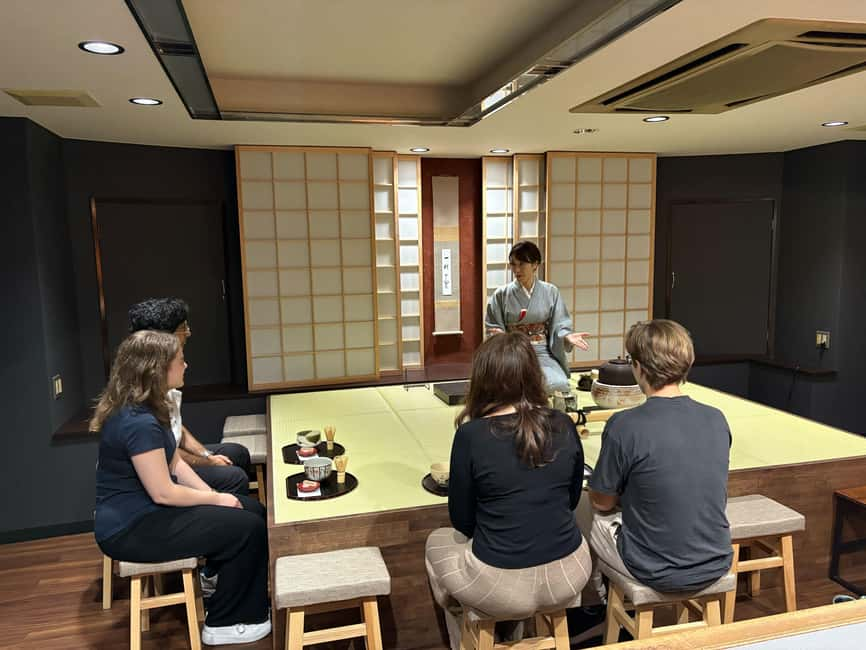
Gion is best explored at an unhurried pace, and this activity fits well between walks through the district. Since the meeting point can change by option, confirm the address before setting out.
Wear something that allows you to sit and move comfortably, even though chairs are provided. If you select the kimono version, follow the rental timing exactly and leave room for the walk from the rental store to the ceremony location.
The cancellation policy allows a full refund if you cancel at least 24 hours ahead. You can also reserve now and pay later, which helps if your Kyoto schedule is still changing. Those terms are useful, but I would still confirm the exact duration and meeting point before committing your afternoon.
Should you book it?
Book this tea ceremony if you want more than a cup of matcha and prefer a friendly lesson over a strict performance. The best reasons are the chair seating, the close demonstration, the chance to whisk your own tea, and the direct access to a tea master for questions.
At $22, it offers solid value for a short cultural activity in Gion. The main cautions are the variable length, caffeine for young children, and the detailed schedule attached to the kimono option.
If you want a comfortable first step into Japanese tea culture, I would book it. If you already know the ceremony well and want a highly formal school-specific ritual, check the format carefully before choosing.
FAQ
How much does the Kyoto tea ceremony cost?
The experience costs $22 per person.
How long does the tea ceremony last?
The duration ranges from one hour to 150 minutes. Check the available options for the exact length and starting time.
Is the tea ceremony held in English?
Yes. The instructor and tea master provide guidance in English.
Do I need to sit on the floor?
No. The tea ceremony uses chairs instead of floor seating, making it easier for people who find tatami seating uncomfortable or difficult.
Is matcha included?
Yes. You receive matcha made with powder sourced from a local family-run tea farm, along with guidance for preparing your own bowl.
Can young children take part?
Infants and toddlers can attend free. If they want to try making tea, they must use a parent or guardian’s bowl and will not receive their own matcha. Matcha is not recommended for children under five because it contains a high level of caffeine.
More Dessert Tours in Kyoto
- Kyoto: Japanese Traditional Sweets Making and Tea Ceremony
★ 4.4 · 314 reviews - Kyoto Wagashi(Japanese sweets) Cooking Class near Fushimiinari
★ 5.0 · 60 reviews - Kyoto: Wagashi (Japanese sweets) Cooking near Fushimiinari
★ 5.0 · 40 reviews - Japanese Traditional Sweets ”Nerikiri” making
★ 4.3 · 17 reviews
More Kyoto Matcha Experiences in Kyoto
- World Heritage Kyoto & Nara Uji Authentic Matcha Experience
★ 5.0 · 1,573 reviews - Kyoto: Arashiyama Bamboo Forest, Monkeys, Matcha & Temple Tour
★ 5.0 · 759 reviews - Kyoto: Tea Museum Tickets and Matcha Grinding Experience
★ 4.9 · 739 reviews - Kyoto: Tea Ceremony Meditation – Make Matcha with Tea Master
★ 4.8 · 406 reviews
Recently added around Kyoto
- Higashiyama | Kyoto: Sakura Season Private Rickshaw Tour★ 5.0 · 3 reviews
- Kyoto Kimono Rental CHAMATSU|Kimono/Yukata Rental FamilyPlan★ 5.0 · 3 reviews
- Kyoto: Half-Day Private Guided Tour to the Old Town of Gion★ 4.4 · 3 reviews
- Nara Private Customizable Half Day Tour★ 5.0 · 3 reviews
- Kansai Region Hiking Adventure in Nara Kobe Kyoto and More★ 5.0 · 3 reviews
- Full Day Nara Deer, Temple, Shrine, Activities & Tea Ceremony★ 5.0 · 3 reviews
- Nara: Essential Private Tour with Deer Park and Temples★ 5.0 · 3 reviews
- Hiking Tour for Sacred Sites in Kyoto with a Guide★ 5.0 · 3 reviews
Gion Geisha District Tours, compared.
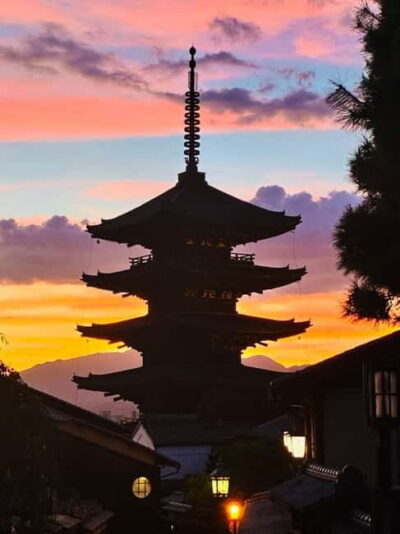
Kyoto Geisha Walking Tour: Gion District & Hidden Gems
Read our review →
Gion Magical Night Walking Tour with Geisha Trivia
Read our review →
Gion Geisha District Walking Tour – Stories of Geisha
Read our review →
Best of Kyoto: Gion, Geisha, Pagodas & Cobblestones
Read our review →
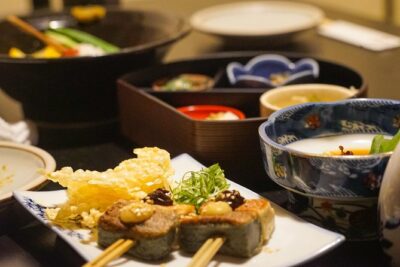
Kyoto Night Foodie Tour in Gion (9+ dishes + 6 Sake tastings)
Read our review →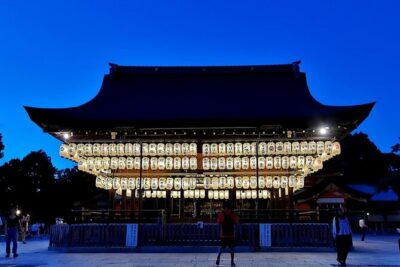
Kyoto Gion Geisha District Walking Tour – The Stories of Geisha
Read our review →
Kyoto Gion: 2-Hour Geisha Culture & History Walking Tour
Read our review →Browse the lists this tour appears in