
REVIEW · KYOTO TEA CEREMONY EXPERIENCES
Kyoto Fushimiinari:Wagashi Making & Small Group Tea Ceremony
Making a Japanese sweet with your own hands, then eating it during a tea ceremony in a tatami room, is the heart of this 75-minute Kyoto experience. You are not simply watching a staged demonstration. You make one kind of wagashi, learn why tea ceremony manners matter, and whisk your own bowl of matcha.
I like the hands-on cooking and the calm setting inside a local Japanese house. I also like that the English-speaking instructors explain the ritual without making you feel you need to know the rules before you arrive. Miho is named as one of the friendly hosts, and the tea master is happy to answer questions.
The main consideration is sitting on a tatami floor, although chairs and tables can be arranged if you ask ahead. The activity is not suitable for children under eight or wheelchair users, and you must wear socks rather than arrive barefoot.
In This Review
- Key Points to Know Before Booking
- A Quiet House Near Fushimi Inari
- Making Wagashi in the Kitchen
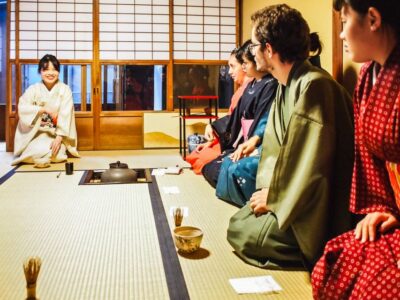
- Entering the Tatami Room
- Learning the Matcha Ritual Step by Step
- What the English Instruction Adds
- Is $55 a Fair Price?
- Practical Details That Matter
- Who Will Enjoy This Experience Most?
- Should You Book It?
- FAQ
- How long does the wagashi and tea ceremony experience last?
- Where does the activity take place?
- How many people can join the group?
- Is the instruction available in English?
- How many bowls of matcha are included?
- Do I make the Japanese sweets myself?
- Can the wagashi differ from the photographs?
- What should I bring?
- Can I sit on a chair instead of the tatami floor?
- Are children and wheelchair users allowed?
Key Points to Know Before Booking
- Make your own wagashi: You prepare one type of seasonal Japanese sweet instead of only watching a chef work.
- Whisk your own matcha: Two bowls are included, with one prepared by you using a bamboo tea whisk.
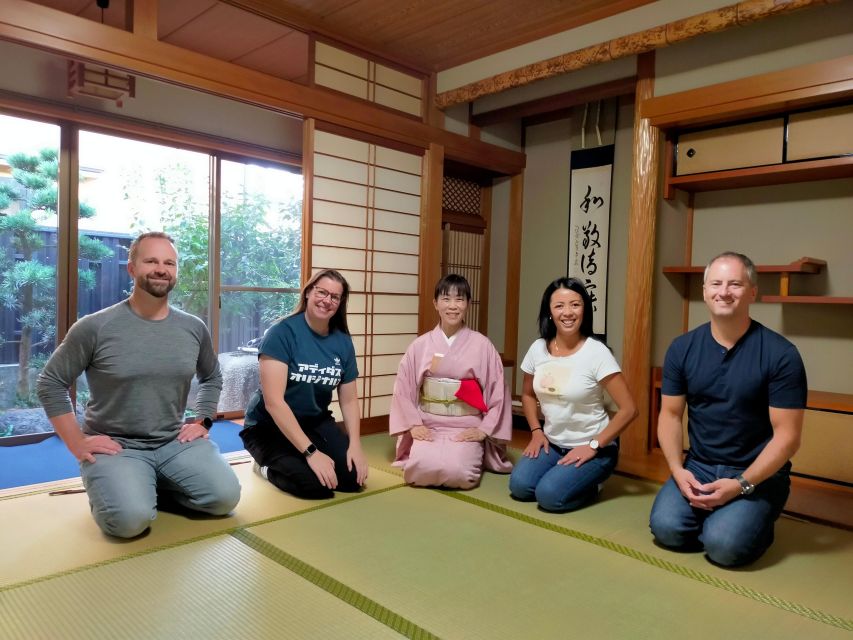
- Enter a real Japanese-style room: The ceremony takes place in a tatami room with a garden view when weather allows.
- Learn the meaning behind the ritual: The instructor explains tea history, manners, and even the hanging scroll in the alcove.
- Keep the group small: A maximum of six people makes it easier to ask questions and follow each step.
- Bring socks: Bare feet are not allowed, and some photography or video may be restricted during the ceremony.
A Quiet House Near Fushimi Inari
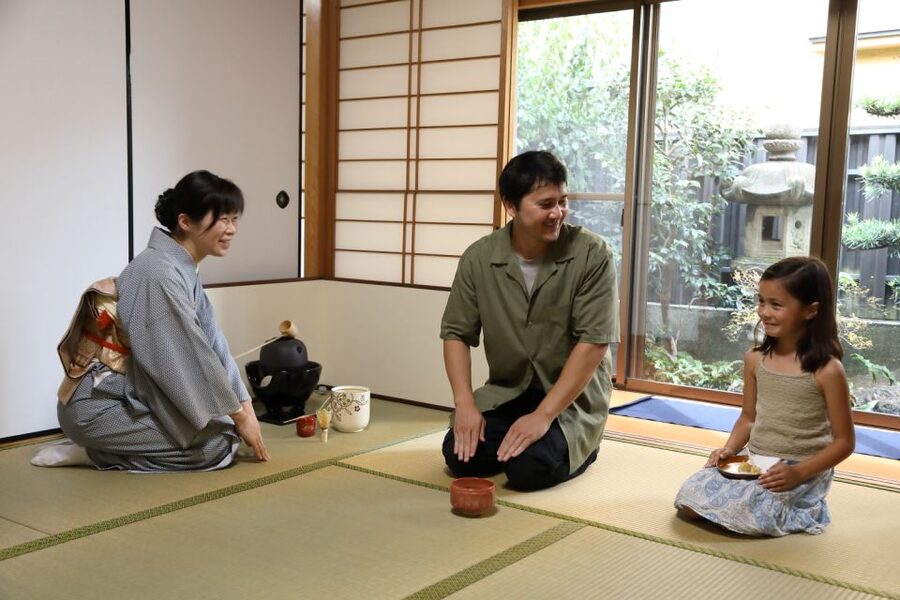
Fushimi Inari is known for its long rows of red torii gates, but this experience gives you a different way to spend time in the area. Instead of remaining in the crowds and noise around a major Kyoto sight, you enter a local house with Japanese-style rooms and a small garden.
The setting matters here. Tea ceremony is built around attention to a particular room, a seasonal sweet, the tea bowl, and the movements of the host. A quiet garden and tatami floor make those details easier to notice than they would be in a large public venue.
When you arrive, an English-speaking host welcomes you and leads you to the kitchen. The instructors are licensed guide interpreters, so you can ask questions about both the practical steps and the cultural background without relying on guesswork.
The group limit of six is useful. You will not be lost at the back of a demonstration, and the instructor can watch how you handle the ingredients and tea whisk. The small size also suits anyone who wants to ask direct questions about Japanese customs.
More tea ceremonies in Kyoto:
- Kyoto: Tea Ceremony in a Traditional Tea House in Kiyomizu
★ 4.9 · 3,519 reviews - Kyoto: Tea Ceremony Ju-An at Jotokuji Temple
★ 4.9 · 3,207 reviews - Kyoto: 45-Minute Tea Ceremony Lesson Experience
★ 4.3 · 2,378 reviews
Making Wagashi in the Kitchen
The class begins with wagashi, Japanese traditional confectionery. You learn to make one kind of sweet in a hands-on session, not just watch someone prepare it from a distance.
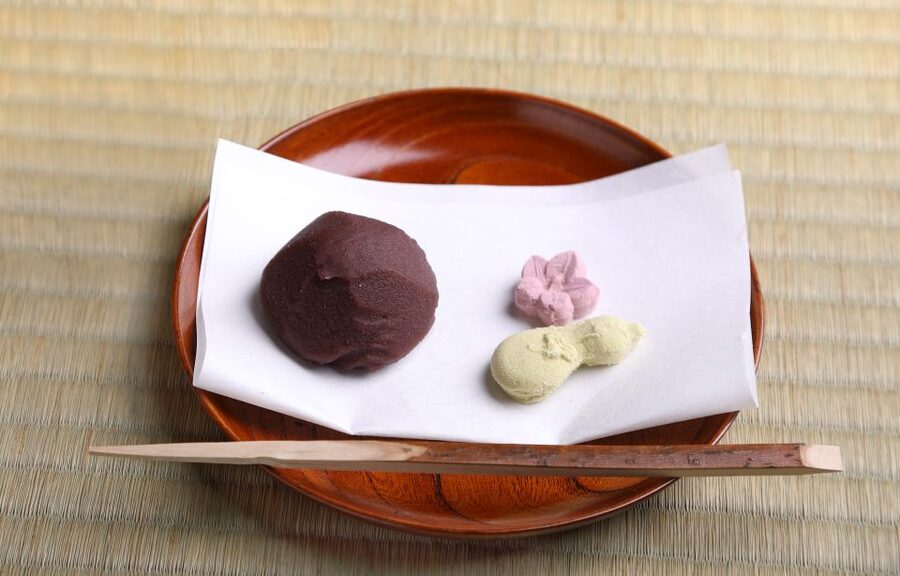
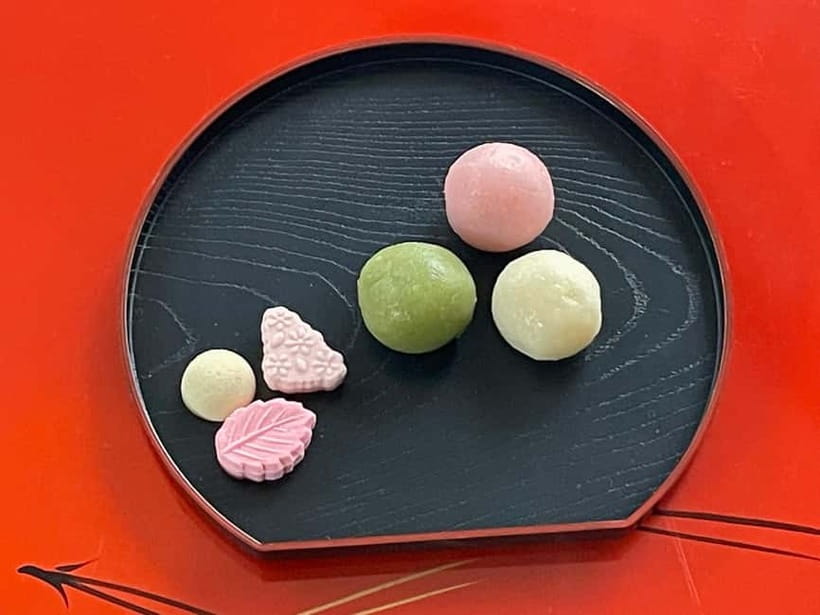
The precise sweet can change with the season, so do not expect the same design shown in every photograph. One session included mochi with red bean paste and white bean paste, which gives you a good idea of the simple but satisfying format: shape the outside, work with the filling, and create a sweet that is ready to eat during the tea ceremony.
This part is valuable because wagashi is not just a snack placed beside matcha. Its sweetness balances the bitterness of the tea, and its shape can reflect the season. You do not need to become a pastry chef in 20 minutes, but you will understand more about the care that goes into a small Japanese confection.
The instruction is designed for beginners. Steps are explained clearly, and the host demonstrates what to do before you try it yourself. That makes this a good choice if you enjoy making things but do not want a long cooking class.
You receive one type of traditional confectionery as part of the experience. The sweet you make is eaten later in the tea ceremony, which gives the first part of the activity a clear purpose. You are not making something that gets packed away and forgotten. You prepare it, present it, and taste it in the proper setting.
If you have food restrictions or allergies, tell the provider in advance. The activity includes sweet bean fillings and other ingredients, but the available information does not promise substitutions, so it is best to ask before booking.
Entering the Tatami Room
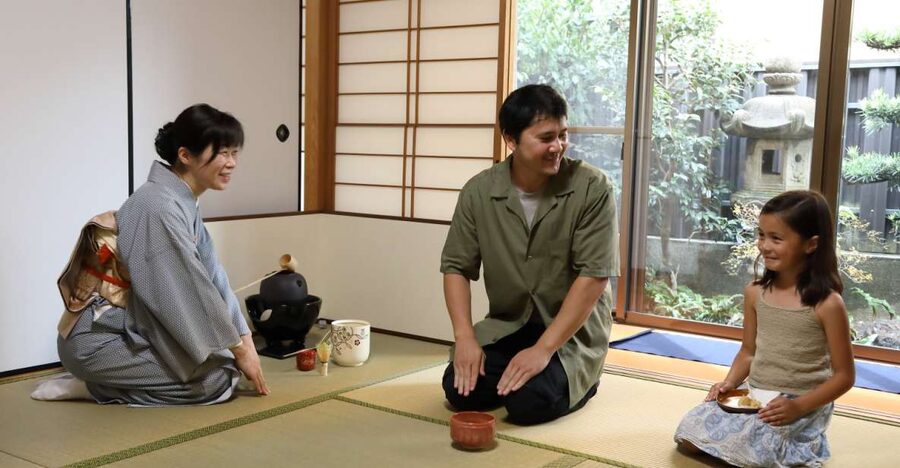
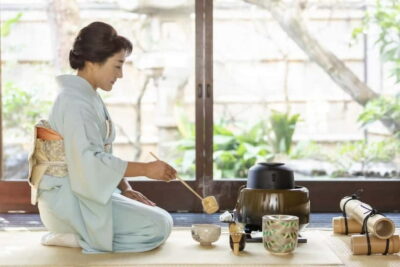
After the wagashi class, the host explains how to attend a tea ceremony and describes basic manners for the Japanese room. If it is not raining, you walk through a small garden before entering an authentic Japanese-style room.
That short walk helps mark a change in pace. You leave the kitchen and enter a room arranged for tea, where the details have a purpose. You sit on tatami and face the alcove at the back of the room. The instructor explains the hanging scroll and why it is part of the setting.
This is one of the better features of the experience. You are not simply handed a bowl of green tea and told to copy someone. You learn why the room looks the way it does and how the ceremony connects the host, the guest, the season, and the objects in front of you.
The sitting arrangement may be a challenge if you have stiff knees or trouble getting up from the floor. Chairs and tables are available for people who find floor sitting difficult, but you need to request them in advance. This is a practical detail worth handling before the day of your visit.
Learning the Matcha Ritual Step by Step
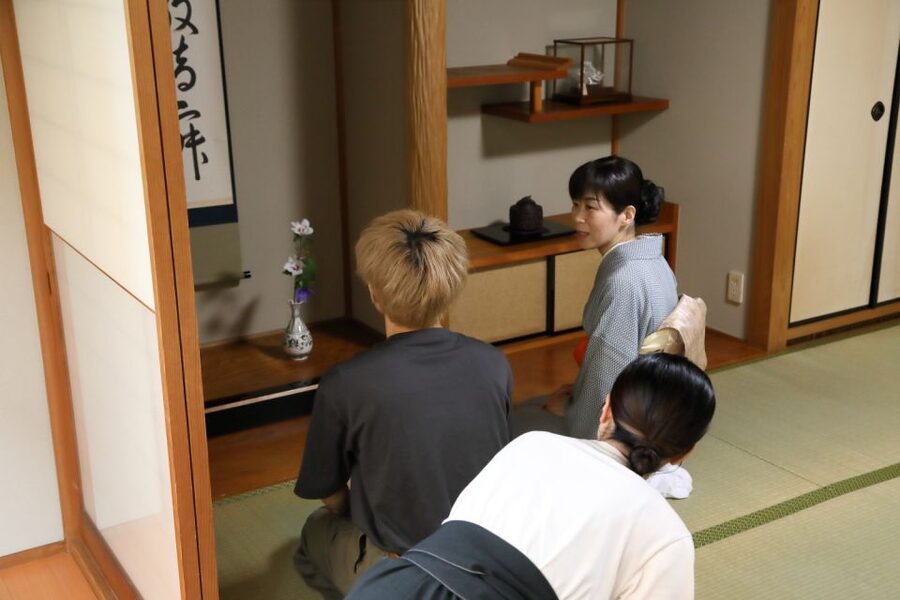
The instructor first demonstrates how to drink a bowl of matcha. You will learn how to receive the tea, how to approach the sweets, and how to drink in the expected manner.
The rules are explained in a friendly, usable way. You are not expected to perform a formal ceremony for experts. The goal is to help you understand the sequence and take part respectfully, even if this is your first experience with Japanese tea.
You then eat the wagashi you made earlier. This is a small but important moment because it connects the two halves of the activity. The sweetness prepares your palate for matcha, and you can taste the result of your own work in the room where the tea is served.
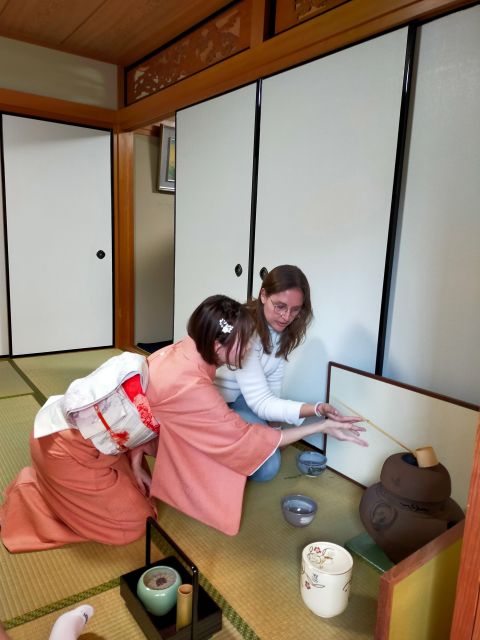
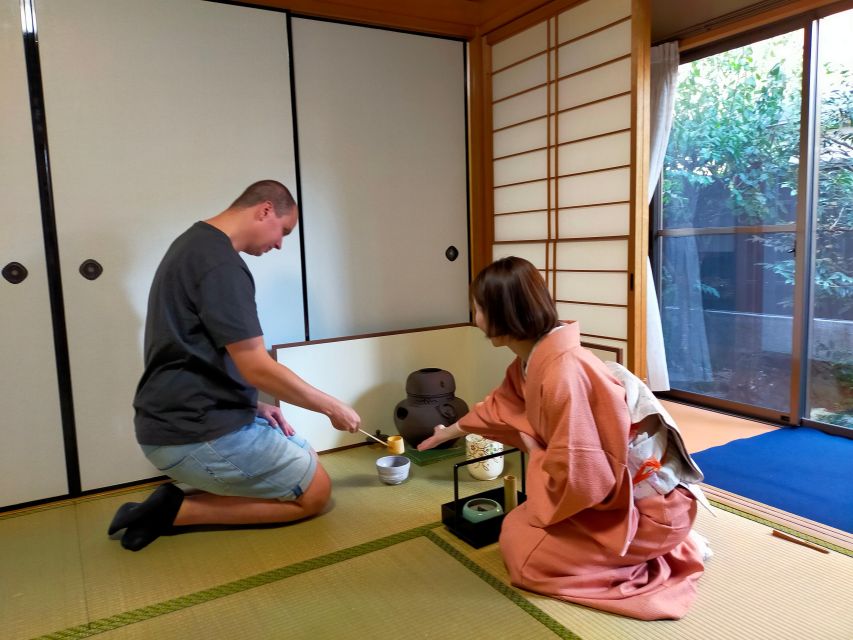
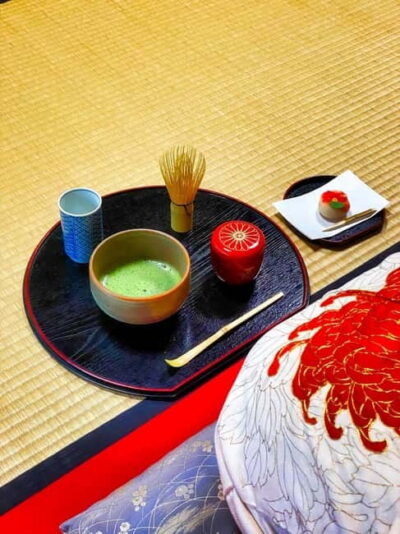
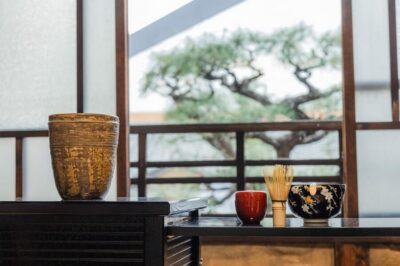
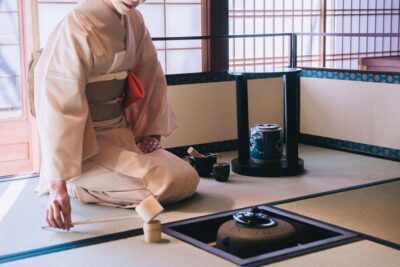
Next, the tea master demonstrates the ceremonial preparation of matcha. You watch the movements, the bowl, the bamboo whisk, and the way the tea is brought together. The experience includes two bowls of matcha in total. One is prepared for you, and the other is the bowl you make yourself.
After the demonstration, you prepare a bowl of matcha using the bamboo whisk. The instructor guides you through the process and helps you understand the basic motion. You do not simply receive a souvenir lesson in theory. You actually make the tea and drink it.
The tea master is described as friendly and willing to answer cultural questions. That makes a difference because tea ceremony can seem mysterious if you only watch it in silence. Here, you have room to ask why a gesture is made or what a particular object means.
The result is a practical souvenir. After the session, you should know enough to prepare wagashi and serve matcha in the right way to friends or family. You will not master every formal rule in 75 minutes, but you will leave with a clear foundation.
More wagashi sweet-making classes:
- Kyoto Food Tour of 10 Tastings with Wagyu, Mochi & More Surprises
★ 5.0 · 85 reviews - Kyoto Wagashi(Japanese sweets) Cooking Class near Fushimiinari
★ 5.0 · 60 reviews - Kyoto: Wagashi (Japanese sweets) Cooking near Fushimiinari
★ 5.0 · 40 reviews - 2 Types of Japanese Sweets making and Tea Ceremony
★ 4.6 · 17 reviews
What the English Instruction Adds
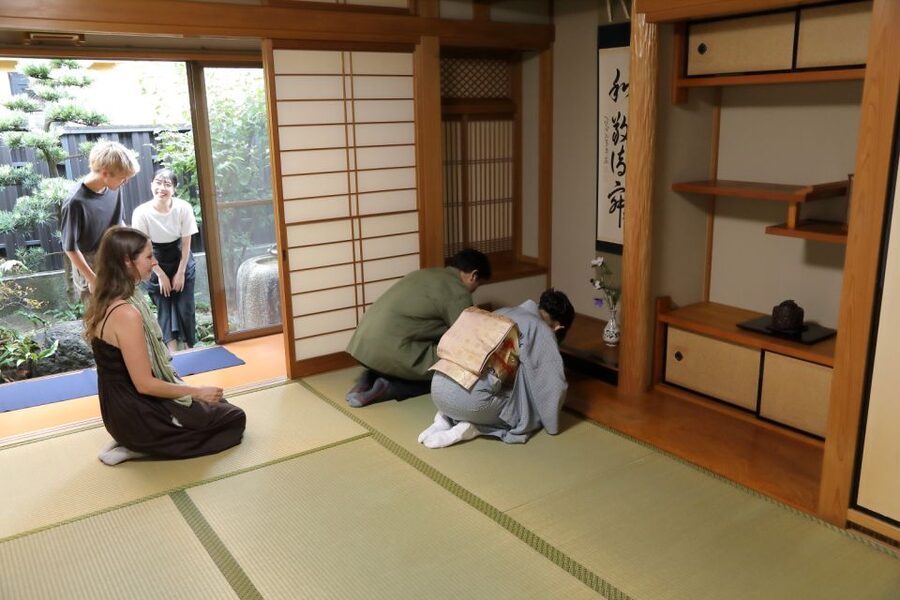
The activity is conducted in English, and all instructors are licensed guide interpreters. That is more useful than simply having someone translate the recipe or repeat a memorized speech.
Tea ceremony has many details that are easy to miss. The position of the scroll, the order of the sweet and tea, and the way you handle the bowl all carry meaning. Clear explanations help you see the ceremony as a social practice rather than a set of motions to copy.
The English-speaking hosts also make the cooking class more relaxed. You can ask about the ingredients, the season, or the customs connected with the room. Miho is one named host associated with the experience, and the tea master leads the ceremony and answers questions.
The tone is not overly strict. You are shown the correct way to take part, but you can move at your own pace. That balance works well for first-time visitors who want guidance without feeling tested.
Is $55 a Fair Price?
At $55 per person, this is not the cheapest way to drink matcha in Kyoto. You could find a tea or sweet for much less at a café. The value comes from the combination of instruction, setting, participation, and small group attention.
The price includes the English-speaking instructor, all fees and taxes, two bowls of matcha, one type of wagashi, the confectionery lesson, and explanations of how to make tea and eat the sweets. You are paying for a 75-minute cultural class, not just the food and drink.
I consider the price reasonable for someone who wants an organized introduction to tea ceremony without committing to a longer formal program. The hands-on wagashi lesson also makes it better value than a short ceremony where you only sit and watch.
The value is strongest if you care about context. If you only want a cup of matcha, this is more than you need. If you want to understand the room, the sweets, the tea, and the manners, the added instruction earns its cost.
Hotel pickup and drop-off are not included, and the provider does not call a taxi for you. You will need to make your own way to the house. The exact starting time depends on availability, so check the schedule before planning other activities around it.
Practical Details That Matter
Plan to wear socks. Bare feet are not allowed in the house, and this is easy to overlook when you are packing for a warm day in Kyoto.
Flash photography and video recording are not allowed. You may also be asked not to take photographs during parts of the session so everyone can focus on the ceremony. Bring your camera if you wish, but be ready to put it away when requested.
The wagashi can differ from the pictures because the design changes with the seasons. That is a positive part of the tradition, but it means you should book the activity for the process and lesson rather than for one exact sweet.
Children under eight cannot join, and the experience is not suitable for wheelchair users. The provider can arrange chairs and tables for people who have difficulty sitting on the floor, but you need to give advance notice.
Cancellation is flexible: you can cancel up to 24 hours before the activity for a full refund. You can also reserve now and pay later, which is helpful if your Kyoto schedule is still taking shape.
Who Will Enjoy This Experience Most?
I would recommend this to first-time visitors who want a manageable introduction to Japanese tea ceremony. The 75-minute length fits neatly into a busy Kyoto day, and the small group keeps the session personal.
It also suits couples, solo visitors, and families with older children who can follow instructions and sit respectfully in a traditional room. The activity offers enough explanation for someone curious about Japanese culture, while the cooking gives you something active to do.
This is a particularly good fit if you have already seen the main sights around Fushimi Inari and want a quieter activity nearby. It offers a change of pace without requiring a full-day trip.
You may want to skip it if you dislike sweet bean fillings, cannot sit on tatami even with a chair, or mainly want an unscripted local visit with no set teaching format. You should also check food restrictions in advance, since the class centers on Japanese sweets.
Should You Book It?
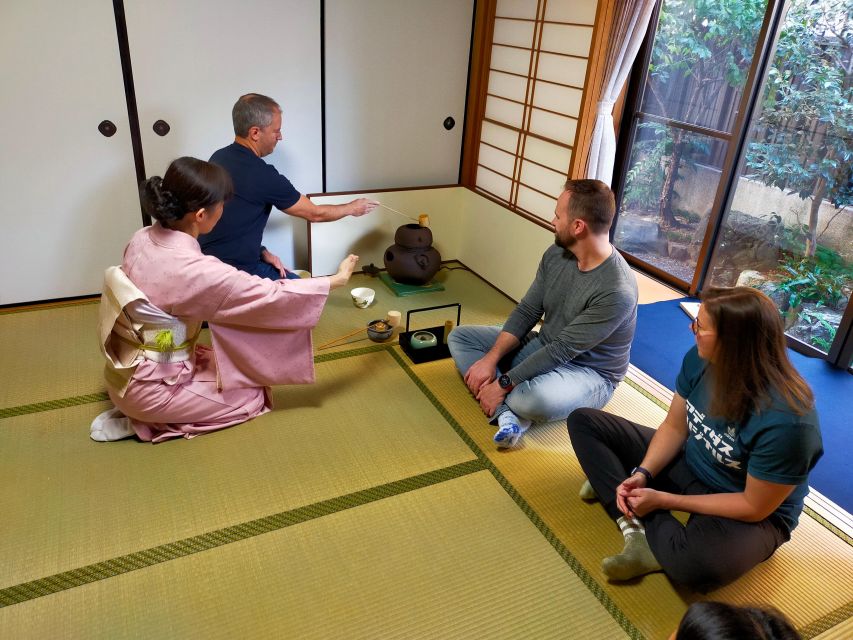
Book this experience if you want to do more than watch a tea ceremony. The combination of making wagashi, eating it in a tatami room, learning the meaning of the tea setting, and whisking your own matcha gives you a fuller picture of the tradition.
The strongest reasons to choose it are the small group, clear English instruction, and gentle approach to ceremony manners. The main drawbacks are the fixed 75-minute format, the need to arrange your own transport, and the limits around photography.
For $55, you receive a practical cultural lesson rather than a quick tasting. If that sounds like a good use of your time near Fushimi Inari, this is an easy activity to recommend.
FAQ
How long does the wagashi and tea ceremony experience last?
The activity lasts 75 minutes.
Where does the activity take place?
It takes place in a local Japanese house in the Fushimi Inari area of Kyoto, on Honshu.
How many people can join the group?
The group is limited to six participants.
Is the instruction available in English?
Yes. The instructor speaks English, and the instructors are licensed guide interpreters.
How many bowls of matcha are included?
Two bowls of matcha are included. One is prepared by the instructor, and you prepare the other yourself.
Do I make the Japanese sweets myself?
Yes. The wagashi class is hands-on, and you make one kind of Japanese sweet.
Can the wagashi differ from the photographs?
Yes. The Japanese sweets may change depending on the season.
What should I bring?
You should bring socks. Bare feet are not allowed.
Can I sit on a chair instead of the tatami floor?
Chairs and tables are available for people who find it difficult to sit on the floor. You need to request this in advance.
Are children and wheelchair users allowed?
Children under eight are not suitable for the activity, and the experience is not suitable for wheelchair users.
Recently added around Kyoto
- Higashiyama | Kyoto: Sakura Season Private Rickshaw Tour★ 5.0 · 3 reviews
- Kyoto Kimono Rental CHAMATSU|Kimono/Yukata Rental FamilyPlan★ 5.0 · 3 reviews
- Kyoto: Half-Day Private Guided Tour to the Old Town of Gion★ 4.4 · 3 reviews
- Nara Private Customizable Half Day Tour★ 5.0 · 3 reviews
- Kansai Region Hiking Adventure in Nara Kobe Kyoto and More★ 5.0 · 3 reviews
- Full Day Nara Deer, Temple, Shrine, Activities & Tea Ceremony★ 5.0 · 3 reviews
- Nara: Essential Private Tour with Deer Park and Temples★ 5.0 · 3 reviews
- Hiking Tour for Sacred Sites in Kyoto with a Guide★ 5.0 · 3 reviews
Kyoto Tea Ceremony Experiences, compared.
Tea Ceremony in a Traditional Tea House in Kiyomizu
Read our review →
Tea Ceremony in 100-year-old Kyo-Machiya Townhouse
Read our review →
Browse the lists this tour appears in