
REVIEW · KYOTO TEA CEREMONY EXPERIENCES
2 Types of Japanese Sweets making and Tea Ceremony
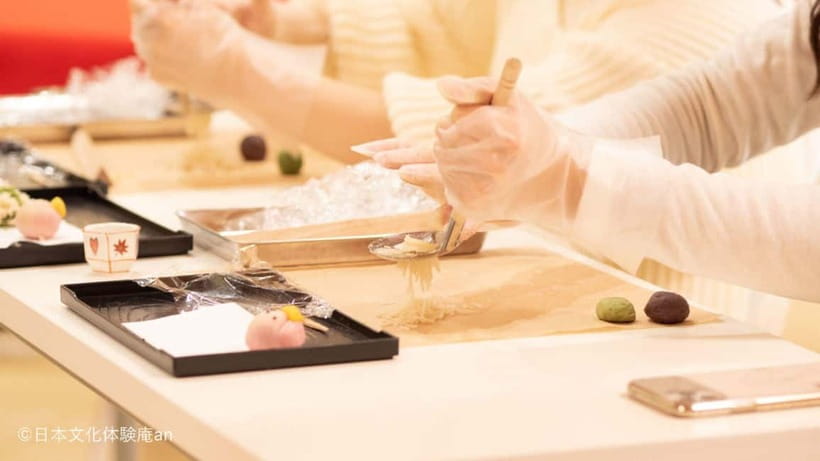
The best part of this Kyoto-area workshop is that you do not simply watch a tea ceremony. You make three Japanese sweets, including Wasanbon Ohigashi and two seasonal Nerikiri, then prepare your own matcha. The sweets use bean paste from long-established Kyoto shops, which gives the class a useful link to everyday Japanese confectionery.
I especially like the $28 price, since it covers a 125-minute hands-on session rather than a quick demonstration. I also like the seasonal element: your Nerikiri shapes change with the time of year, so the class feels tied to Japan’s calendar. The main consideration is that the tea portion is casual and instructional, not a formal, highly ritualized ceremony. English help is provided as much as possible, but the instructor’s main language is Japanese.
In This Review
- Key points to know before booking
- Three Japanese sweets in one compact Kyoto class
- Ohigashi and Wasanbon sugar at the start
- Seasonal Nerikiri shapes and Kyoto bean paste
- The matcha section is relaxed and practical
- What the $28 price really covers
- The room and group atmosphere
- Timing, arrival, and access
- Who will enjoy this Japanese sweets workshop
- Should you book the Gojo Station sweets and tea experience?
- FAQ
- Where is the Japanese sweets and tea experience held?
- How long does the activity last?
- What sweets will I make?
- Is matcha included?
- Is this a formal Japanese tea ceremony?
- Is English instruction available?
- What is included in the price?
- Are there extra charges?
- Can I cancel for a full refund?
Key points to know before booking
- Three sweets-focused activities: Make Wasanbon Ohigashi, a flower-shaped Nerikiri, and a Kinton Nerikiri.
- Kyoto bean paste: The white and red bean pastes come from long-established Kyoto producers.
- Single-origin matcha: You see a matcha-grinding demonstration, then make your own cup.
- Maiko may lead the session: A recent class participant found her attentive and informative, with useful English translation.
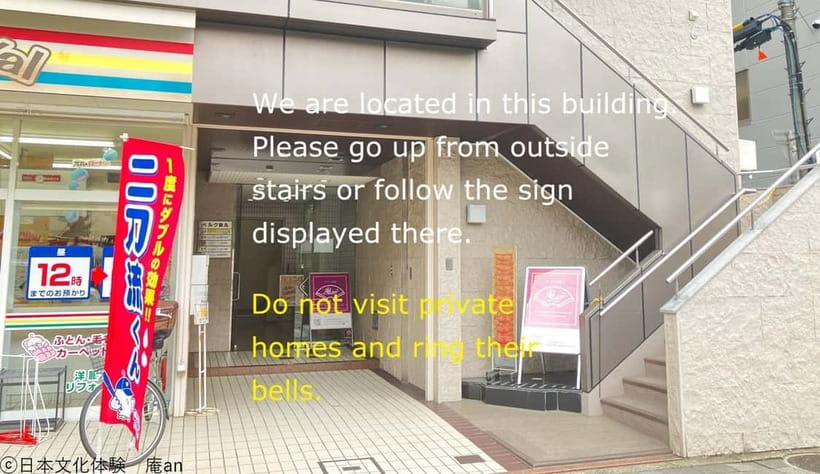
- Easy Gojo access: The venue is one minute from Exit 1 of Gojo Station, with the entrance facing Gojo-dori.
- Casual rather than formal tea ceremony: Expect an approachable lesson and tea-making experience, not a full traditional performance.
Three Japanese sweets in one compact Kyoto class
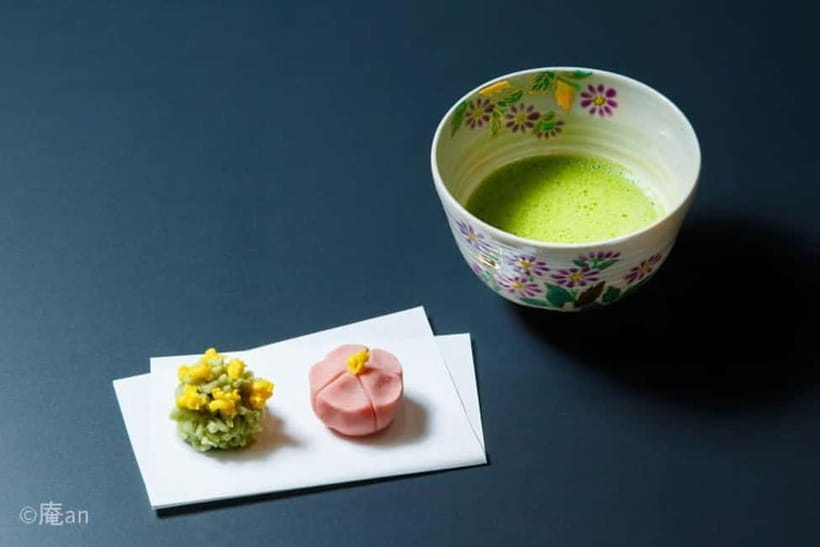
This workshop gives you a practical introduction to three parts of Japanese confectionery. You make Ohigashi, a dry sweet pressed from Wasanbon sugar, followed by two Nerikiri sweets made with bean paste. At the end, you prepare matcha and take part in a casual tea experience.
That combination is unusual at this price. Many cultural activities focus on one craft, then move on quickly. Here, you spend most of the 125 minutes handling ingredients, shaping sweets, and learning how the tea fits with them.
The class is held in Honshu, Japan, near Kyoto’s Gojo Station. From Exit 1 of the Subway Karasuma Line, the meeting point is about a one-minute walk. The entrance faces the main street, Gojo-dori, so you should not need a long search through side lanes.
The instructor is Japanese, and English translation is provided as much as possible. Maiko led at least one recent session and was described as attentive and informative. Another participant found the instructor friendly and enthusiastic, with good English. Still, you should contact the provider in advance if you need detailed English instruction throughout.
More tea ceremonies in Kyoto:
- Kyoto: Tea Ceremony in a Traditional Tea House in Kiyomizu
★ 4.9 · 3,519 reviews - Kyoto: Tea Ceremony Ju-An at Jotokuji Temple
★ 4.9 · 3,207 reviews - Kyoto: 45-Minute Tea Ceremony Lesson Experience
★ 4.3 · 2,378 reviews
Ohigashi and Wasanbon sugar at the start
The class opens with an explanation of traditional Japanese sweets. You then make Ohigashi, the dry-style sweet in the program.
Ohigashi is made with Wasanbon, a traditional Japanese sugar known for its fine texture and delicate sweetness. Unlike soft Nerikiri, Ohigashi is firm and dry. It is often pressed into small decorative forms, so the appeal comes from both taste and shape.
This first section gives you a good feel for the difference between Japanese sweets and many Western confections. The sweetness is designed to work with bitter matcha, not to overwhelm it. The sugar itself is part of the lesson, and the hands-on work helps you understand why small Japanese sweets can be so carefully formed.
The published schedule places Ohigashi making at the beginning, with a short break at about 20 minutes. That is useful pacing. You get an early success with a relatively focused task before moving into the softer and more detailed Nerikiri work.
Seasonal Nerikiri shapes and Kyoto bean paste
After the opening section, you make two kinds of Nerikiri. The first is a flower-shaped Nerikiri, followed by a Kinton Nerikiri.
Nerikiri is a soft Japanese sweet made from white bean paste and other ingredients. It can be shaped and colored to suggest flowers, leaves, seasonal scenes, or other delicate forms. Kinton Nerikiri has a different texture and appearance, with fine strands or small pieces arranged into a decorative shape.
The exact seasonal designs can change. That is one of the appealing features of this class, but it also means you should not expect one fixed set of souvenirs every month. Your sweets will reflect the season being taught at the time of your visit.
The bean paste comes from long-established Kyoto shops. That detail matters because the paste is the heart of Nerikiri. It affects sweetness, smoothness, and how easily the dough can be shaped. You are not just pressing supermarket ingredients into molds. You are working with a preparation linked to Kyoto’s confectionery tradition.
Adding color costs an extra 200 yen. If you want the full visual effect of seasonal sweets, budget for that small charge. A take-out box costs 100 yen, which is also worth considering if you want to protect your finished sweets after class.
The Nerikiri section begins around the 30-minute mark and runs until about 85 minutes, with a break afterward. That gives you the largest block of hands-on time. It also means the class is better suited to people who enjoy careful craft work than to anyone looking for a quick photo opportunity.
The matcha section is relaxed and practical
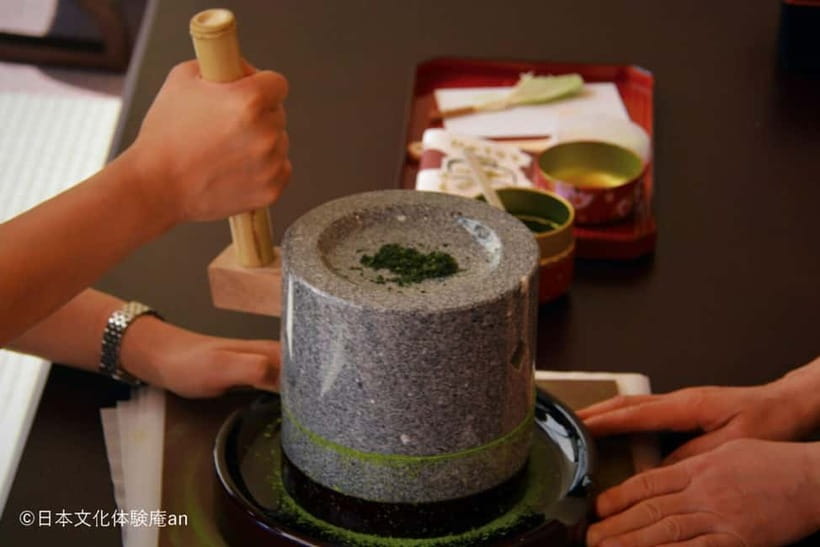
At about 95 minutes, the focus shifts from sweets to tea. You receive an explanation of tea, watch a matcha-grinding demonstration, and then make your own matcha.
The use of single-origin special matcha adds a clear point of interest. You can compare the preparation process with the sweets you have just made, since the bitterness and aroma of matcha are meant to balance the sweetness of Japanese confections.
The tea portion is described as a casual tea ceremony experience. You should read that wording carefully. This is not presented as a long, formal tea ceremony with every traditional movement performed in full. Instead, you learn about the tea, see how matcha is prepared, and make a cup yourself.
That difference matters. One person expected a more formal ceremony and found that the session was mainly informative, followed by making a cup of matcha. If your main goal is to observe a highly ritualized tea ceremony, this may feel lighter than expected. If you want to participate without needing prior knowledge, the relaxed format is likely easier.
After the tea preparation, there is picture time, followed by eating and drinking time. The scheduled end of the experience is at 115 minutes, and you leave the room at about 125 minutes. You therefore have a little space at the end to enjoy what you made rather than being rushed out immediately after the final instruction.
More wagashi sweet-making classes:
- Kyoto Food Tour of 10 Tastings with Wagyu, Mochi & More Surprises
★ 5.0 · 85 reviews - Kyoto Wagashi(Japanese sweets) Cooking Class near Fushimiinari
★ 5.0 · 60 reviews - Kyoto: Wagashi (Japanese sweets) Cooking near Fushimiinari
★ 5.0 · 40 reviews - Kyoto Fushimiinari:Wagashi Making & Small Group Tea Ceremony
★ 5.0 · 14 reviews
What the $28 price really covers
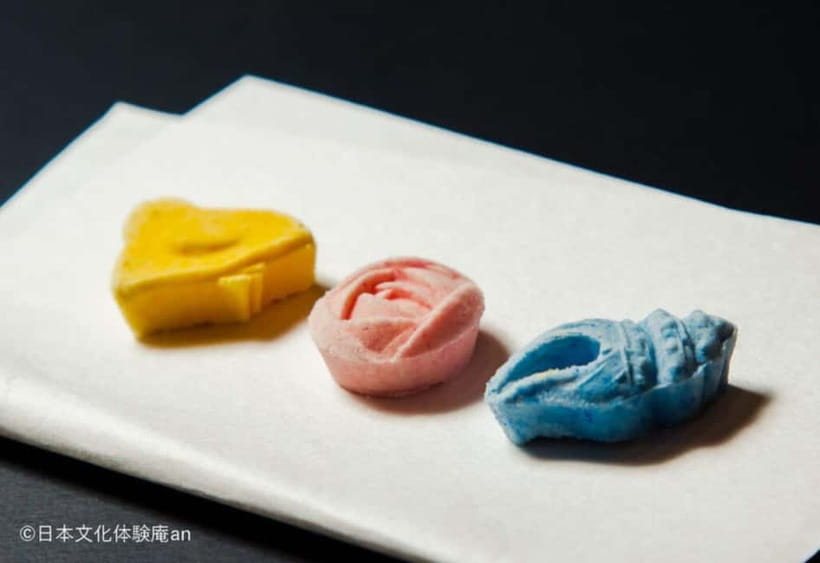
At $28 per person, this is a strong value for a two-hour cultural activity. The price includes all three parts of the program: Ohigashi making, two Nerikiri preparations, and the matcha experience.
The value comes from the amount of participation. You are not paying only for a talk or a demonstration. You spend time making several sweets and your own tea, with seasonal designs and Kyoto-produced bean paste included in the experience.
There are a few small add-ons. Coloring costs 200 Japanese yen, a sweets take-out box costs 100 yen, and a completion certificate costs 300 yen. None is a large expense, but the listed price is not the final amount if you choose all three extras.
I would skip the certificate unless you collect these kinds of mementos. The take-out box makes more practical sense if you want to carry the sweets safely. The color option is useful for anyone who wants more decorative results, especially because seasonal Nerikiri depends heavily on appearance.
The class has an overall rating of 4.6 from 17 ratings, with especially strong praise for the friendly instruction, the amount of hands-on work, and the value for making several sweets. One four-star assessment also praised the English translation and found the sweet making interesting.
The room and group atmosphere
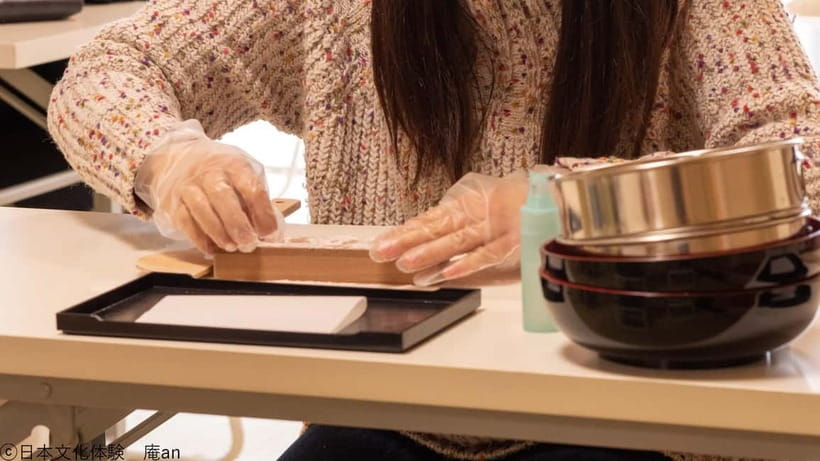
The class takes place indoors in a teaching setting. That can be a benefit if you want clear instructions and a steady schedule. It can also feel more like a classroom than an intimate tea room.
One recent session was affected by a noisy, disrespectful group. That is not something the provider can fully control, but it is worth keeping in mind. A class with disruptive participants will feel less calm, especially during the tea portion, where quiet attention is part of the appeal.
Another person found the setting clinical and less personal than other cultural activities. I would book this with the right expectations. You are signing up for a structured workshop, not a private meeting in a family home or a secluded tea house.
The format has a practical advantage: you know what comes next, and the schedule gives each activity a defined place. It also means the experience may feel less spontaneous. For many people, especially first-time visitors to Japan, that trade-off is fair at this price.
Timing, arrival, and access
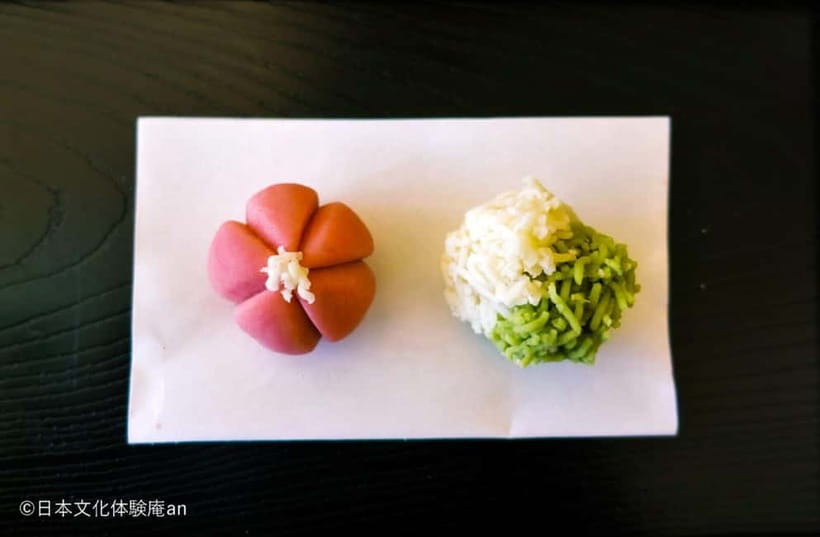
The full session lasts 125 minutes. The program begins with sweets instruction, moves through the two Nerikiri designs, then covers matcha and the tea experience. The activity ends at about 115 minutes, followed by eating and drinking time before room departure at 125 minutes.
Arrive early. The provider will not hold the event for late arrivals, and travel expenses are not compensated if you miss it. Gojo Station makes the venue easy to reach, but you still need time to find Exit 1 and identify the entrance facing Gojo-dori.
The operating hours are 10:00 to 17:00. Reservations received after 17:00 are processed the next day. Cancellation is free up to 24 hours in advance for a full refund, though cancellation charges apply after that point. Changes made after a cancellation fee has been incurred can also bring an additional specified fee.
The information describes the activity as wheelchair accessible, but it also says the building has no elevator and that you must use stairs to reach each venue. If you use a wheelchair or have difficulty with stairs, contact the provider before booking and ask for a clear access answer for your specific needs.
Children under two who sit on a parent’s lap are free. Anyone who is not taking part cannot enter the experience, so plan for all members of your group to participate.
Who will enjoy this Japanese sweets workshop
I would recommend this class to you if you want a short cultural activity that combines making, tasting, and a little explanation. It works especially well during a Kyoto visit when you want a break from temples and walking.
It is also a good fit for families with children old enough to follow instructions, couples, and anyone interested in Japanese food culture. The two Nerikiri designs provide enough variety to keep the session from feeling repetitive, while the Ohigashi section introduces a completely different type of sweet.
You should book it if you value participation more than polished ceremony. The best part is putting the sweets together and then tasting them with matcha. You will leave with a better sense of how texture, sweetness, seasonal design, and tea work together.
I would choose another activity if your priority is a formal tea ceremony in a quiet, highly traditional setting. The tea segment here is casual and informative. English support is available as much as possible, but this is still a Japanese-language program, so people who need detailed step-by-step English may want to contact the provider before reserving.
Should you book the Gojo Station sweets and tea experience?
Book it if you want good hands-on value, easy subway access, and three connected activities in one session. The $28 cost is modest for making Ohigashi, two seasonal Nerikiri sweets, and matcha with single-origin tea.
Go in expecting a workshop, not a formal ceremony. Allow time to arrive early, consider the 200-yen color option and 100-yen take-out box, and contact the provider about English or stair access if either is important to you. With those expectations in place, this is a useful and enjoyable introduction to Kyoto-style sweets and casual matcha preparation.
FAQ
Where is the Japanese sweets and tea experience held?
The meeting point is one minute from Exit 1 of Gojo Station on the Subway Karasuma Line in Honshu, Japan. The entrance faces the main street, Gojo-dori.
How long does the activity last?
The full experience lasts 125 minutes. The main program ends at about 115 minutes, followed by eating and drinking time before room departure at 125 minutes.
What sweets will I make?
You will make one dry-style Ohigashi sweet from Wasanbon sugar, a flower-shaped Nerikiri, and a Kinton Nerikiri. The Nerikiri designs match the season.
Is matcha included?
Yes. You will receive an explanation of tea, watch a matcha-grinding demonstration, take part in the tea experience, and make your own matcha.
Is this a formal Japanese tea ceremony?
It is a casual tea ceremony experience with explanations and hands-on matcha preparation. It is not described as a full formal ceremony with every traditional ritual.
Is English instruction available?
The instructor’s language is Japanese, and English translation is provided as much as possible. Contact the provider in advance if you would like to request English support.
What is included in the price?
The $28 price includes the experience of making the two types of Japanese sweets and taking part in the tea activity. It does not include optional coloring, a take-out box, or a completion certificate.
Are there extra charges?
Adding color costs 200 Japanese yen, a sweets take-out box costs 100 yen, and an experience completion certificate costs 300 yen.
Can I cancel for a full refund?
You can cancel up to 24 hours in advance for a full refund. Cancellation fees apply after that time, and late reservations received after 17:00 are processed the next day.
More Dessert Tours in Kyoto
- Kyoto: Japanese Traditional Sweets Making and Tea Ceremony
★ 4.4 · 314 reviews - Kyoto: Traditional Tea Ceremony with Matcha & Sweets in Gion
★ 4.9 · 27 reviews - Japanese Traditional Sweets ”Nerikiri” making
★ 4.3 · 17 reviews - Traditional Tea Ceremony with Matcha and Sweets in Kyoto
★ 5.0 · 13 reviews
Recently added around Kyoto
- Higashiyama | Kyoto: Sakura Season Private Rickshaw Tour★ 5.0 · 3 reviews
- Kyoto Kimono Rental CHAMATSU|Kimono/Yukata Rental FamilyPlan★ 5.0 · 3 reviews
- Kyoto: Half-Day Private Guided Tour to the Old Town of Gion★ 4.4 · 3 reviews
- Nara Private Customizable Half Day Tour★ 5.0 · 3 reviews
- Kansai Region Hiking Adventure in Nara Kobe Kyoto and More★ 5.0 · 3 reviews
- Full Day Nara Deer, Temple, Shrine, Activities & Tea Ceremony★ 5.0 · 3 reviews
- Nara: Essential Private Tour with Deer Park and Temples★ 5.0 · 3 reviews
- Hiking Tour for Sacred Sites in Kyoto with a Guide★ 5.0 · 3 reviews
Kyoto Tea Ceremony Experiences, compared.
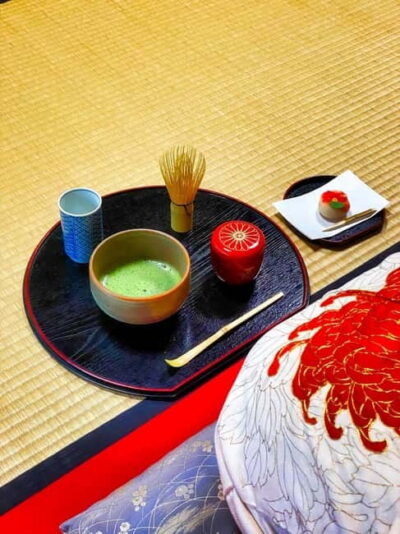
Tea Ceremony in a Traditional Tea House in Kiyomizu
Read our review →
Tea Ceremony in 100-year-old Kyo-Machiya Townhouse
Read our review →
Browse the lists this tour appears in