
REVIEW · KYOTO SUSHI EXPERIENCES
Kyoto: Cooking class, learning how to make authentic sushi
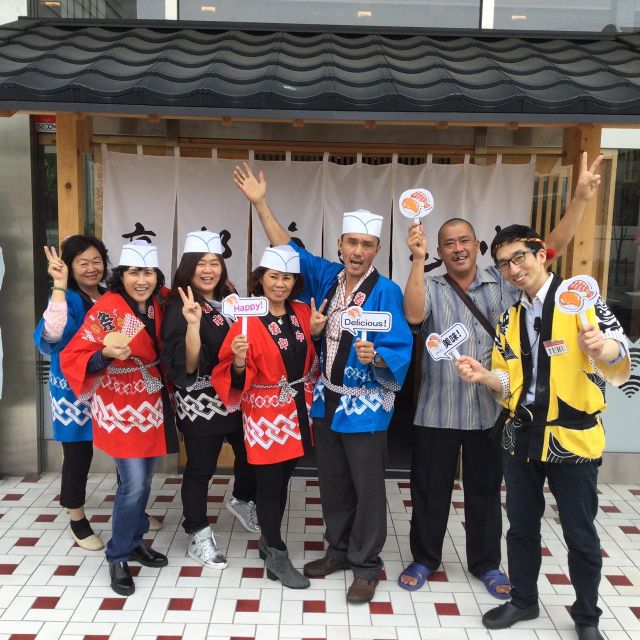
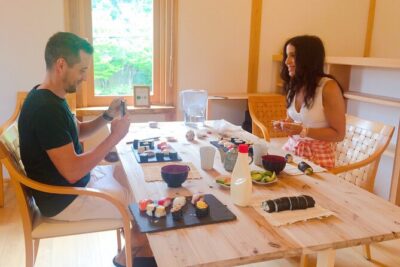
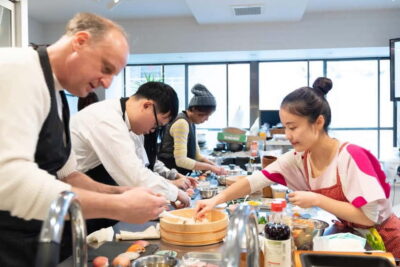
The best part of this Kyoto cooking class is that you do not just watch a chef work. You mix the vinegar into freshly cooked rice, shape your own sushi, add toppings, and then sit down to eat the results. You also wear a traditional happi coat, which gives the 90-minute lesson a cheerful Japanese touch.
I like the friendly setup for beginners, and I like that the staff can adjust the menu for vegetarians, vegans, Muslims, allergies, gluten-free diets, and people who do not eat raw fish. The main drawback is value: at $113 per person, the class may feel short and basic if you want detailed fish-cutting instruction or a broad Japanese cooking lesson.
In This Review
- Key points to know before booking
- What the 90-minute sushi lesson is really like
- Starting with shari, the heart of sushi
- Shaping nigiri and making a simple roll
- From fatty tuna to seasonal toppings
- The happi coat and the Japanese spirit of the class
- Is $113 a fair price for 90 minutes?
- Getting to the class near Takeda Station
- Who will enjoy this Kyoto cooking class?
- How the food options affect your booking
- The certificate and graduation ceremony
- Booking details worth knowing
- Should you book this sushi class?
- FAQ
- How long does the sushi-making class last?
- How much does the experience cost?
- How many pieces of sushi are included?
- Can I take the class if I do not eat raw fish?
- How do I reach the meeting point?
- Is the class wheelchair accessible?
Key points to know before booking
- Make your own sushi: Learn how to prepare sushi rice, shape nigiri, and assemble a simple roll before eating your work.
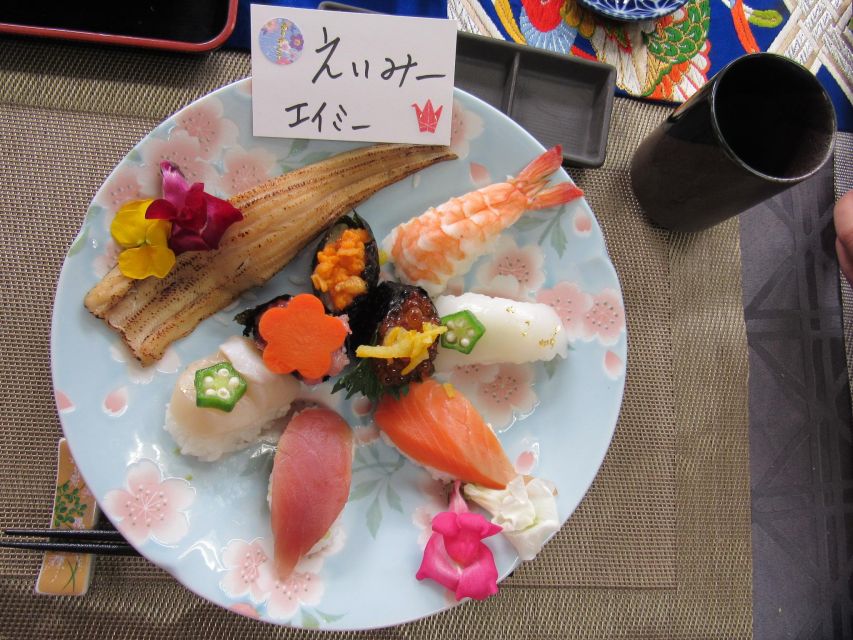
- Try special toppings: Ingredients can include fatty tuna and sweet red shrimp, though toppings change with the season.
- Wear a happi coat: Choose from different rental garments and take souvenir photos during the class.
- Friendly for many diets: Vegetarian, vegan, Muslim-friendly, gluten-free, allergy-aware, and non-raw choices are available.
- Near Takeda Station: The meeting point is reached from the west entrance of Takeda Station, followed by a city bus ride and a short walk.
- Short, social format: The class lasts 90 minutes and ends with a certificate and a small graduation ceremony.
What the 90-minute sushi lesson is really like
This is a hands-on sushi class, not a long chef-training course. You arrive, put on a happi coat, listen to an English or Japanese instructor, and work with ingredients that have already been cut.
That last point matters. You do not need knife skills to take part, so the class suits first-time cooks and families with older children. It also keeps the lesson moving. You spend your time on sushi rice, shaping, topping, and eating instead of watching a long preparation session.
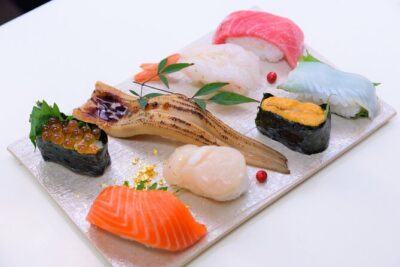
The class has been described as including eight pieces of sushi, with one reported format featuring eight nigiri and one simple roll. The exact toppings can change by season, so you should treat the seafood list as flexible rather than guaranteed.
The experience has a lively, welcoming feel without requiring you to know much about sushi first. One verified booking described the content as quite basic for the price, while other feedback praised the food, the people, and the overall atmosphere. That split gives you a useful picture: this works best as a fun cultural activity, not as a serious professional sushi course.
More sushi counters and classes:
- Sushi Making in Kyoto! Same-day bookings welcome!
★ 5.0 · 713 reviews - The Original Small-Group Sushi Making Class in Kyoto
★ 5.0 · 436 reviews - Kyoto: Small-Group Authentic Sushi Making Workshop
★ 5.0 · 137 reviews
Starting with shari, the heart of sushi
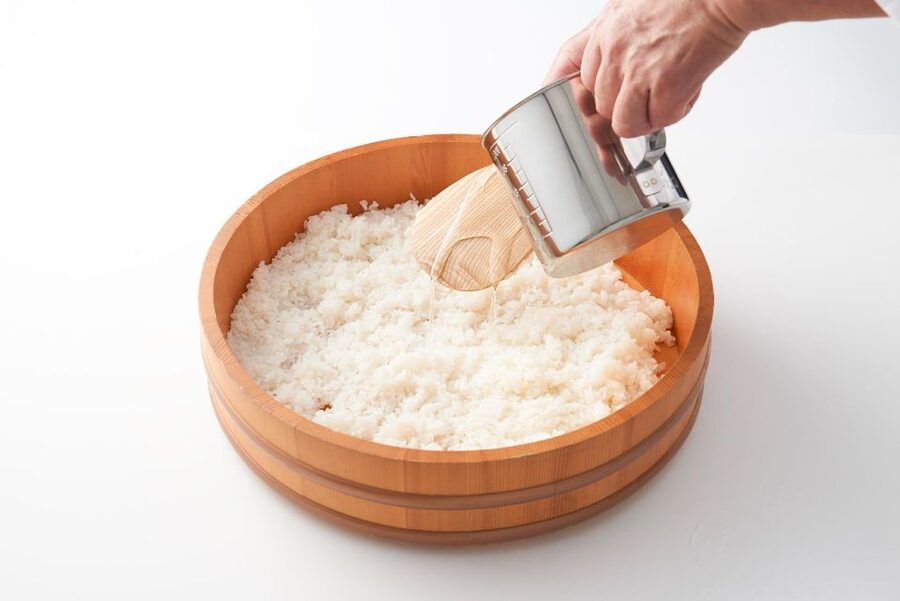
Before shaping sushi, you learn about shari, also called sumeshi. This is the seasoned vinegar rice used for sushi, and the class has you mix a special sushi vinegar blend into freshly cooked rice.
It sounds simple, but the mixing has a trick. You need to combine the vinegar properly without treating the rice like ordinary cooked rice. This is one of the more useful parts of the lesson because good sushi depends as much on the rice as on the fish placed on top.
You are not just handed a bowl and told to copy someone. The instructor explains the process, then gives you a chance to handle it yourself. For a visitor who has eaten plenty of sushi but never thought about the rice, this short lesson adds some welcome context.
Still, keep your expectations in check. The class does not promise an advanced study of rice varieties, aging, temperature control, or knife technique. You get the essential beginner lesson, then move on to assembling sushi.
Shaping nigiri and making a simple roll
Once the rice is ready, you work on the sushi itself. Nigiri looks easy when an experienced chef makes it, but getting the rice into a neat, firm shape takes some care.
You will likely make several pieces, add seafood or other toppings, and learn the basic rhythm of forming and presenting sushi. The ingredients are prepared ahead of time, so you can focus on your hands and the finished shape.
A simple roll is also part of the hands-on work described in the class format. That gives you a small change of pace from nigiri, though it is not meant to be an elaborate makizushi workshop with many complicated fillings.
The topping choices add a personal touch. Green onion, ginger, and other garnishes are available, and you can select the ones you prefer. This is helpful if you have strong tastes or need to avoid certain foods.
You can also ask about fish cutting. The class says staff will try to meet that request, but fish-cutting should be treated as an optional possibility rather than the central lesson. If knife work is your main reason for booking, ask in advance so you know what can be arranged.
From fatty tuna to seasonal toppings
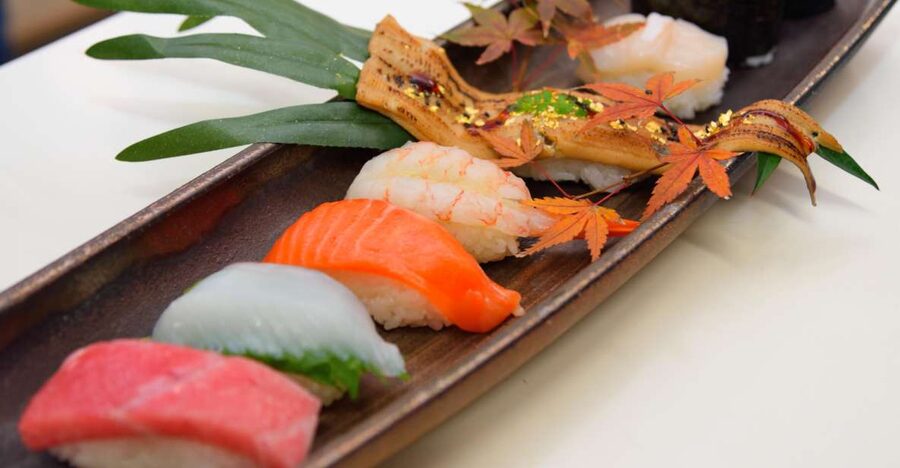
The ingredients are one of the more appealing reasons to choose this class. The experience may include gourmet toppings such as extra-fatty tuna or sweet red shrimp with a creamy texture.
Those ingredients can make the meal feel more special than a basic home sushi kit. At the same time, the provider clearly notes that toppings change with the season. You should not book expecting one exact fish or shellfish selection.
That seasonal approach is sensible in Japan, where availability affects what appears on a menu. It also means two visits may not offer exactly the same plate. If you have allergies or avoid raw seafood, share that information before the lesson or at booking.
Vegetarian, vegan, Muslim-friendly, gluten-free, allergy-aware, and non-raw options are available. The wording suggests flexibility, but no special infant meals are provided. Ask about your needs rather than assuming every substitution is automatic.
The class includes eight pieces of sushi. That is enough for a light meal or substantial snack, but not a full Japanese feast. Drinks are not included, and warm udon, tempura, tofu, pork shabu-shabu, and other Japanese foods cost extra if available as optional additions.
More cooking classes in Kyoto:
- Kyoto: Ramen Cooking Class at a Ramen Factory with Souvenir
★ 4.9 · 532 reviews - Kyoto: Ramen, Gyoza, and Onigiri Cooking Class
★ 5.0 · 445 reviews - Kyoto: Japanese Washoku Bento Small Group Cooking Class
★ 5.0 · 380 reviews - Kyoto Ramen and Gyoza Cooking Class with Professional Chefs
★ 5.0 · 282 reviews
The happi coat and the Japanese spirit of the class
The rental clothing is more than a costume photo opportunity. Wearing a happi coat helps mark the activity as a cultural lesson rather than an ordinary restaurant meal.
You can choose from different garments, then take souvenir photos during the experience. The photo element gives you a small record of the class, especially useful if you are building a day around food and local traditions.
The activity also aims to introduce Japanese spirit and manners while you make sushi. That does not mean a long lecture on customs. Instead, the cultural element comes through the clothing, the food, the class setting, and the way the lesson is presented.
This is a good fit if you want something social and approachable. It is less suitable if you prefer a quiet, highly technical kitchen session. The atmosphere has been described as pleasant and welcoming, and several high-scoring comments praised both the food and the people running the class.
Is $113 a fair price for 90 minutes?
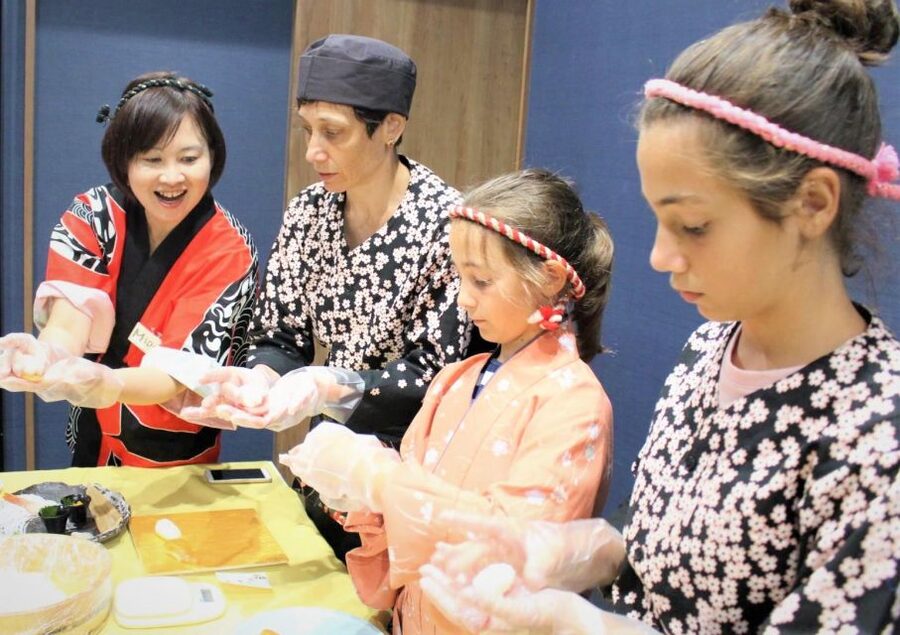
At $113 per person, this is not a cheap way to get lunch. The price needs to cover instruction, ingredients, clothing rental, photos, a certificate, and the organization of a short English-friendly class.
I can see the value for someone who wants an easy cultural activity with a finished meal and no previous cooking experience. You get to make the food yourself, wear a happi coat, choose some garnishes, and receive a certificate at the end. For a first sushi lesson in Kyoto, those extras make the price easier to understand.
The calculation is less favorable if your main goal is quantity or serious technique. Eight pieces of sushi is a modest serving, and the lesson may cover only the basics. One participant rated the class poorly because the content felt limited and the hands-on variety did not match the price.
My advice is simple: book this for the activity, not for the amount of food. If you would happily pay for a short Japanese cultural workshop with a meal attached, the cost may be reasonable. If you want a long cooking lesson, a large lunch, or detailed fish preparation, you may find better value elsewhere.
Getting to the class near Takeda Station
The meeting point is near Takeda Station on the Kintetsu or Subway Line. Leave through the west entrance, take a city bus, and get off at the stop in front of Puls Plaza.
From there, walk down the street and turn right at the first corner. Turn left at the first corner after that, and the school should be on your right.
Allow extra time for this route. The directions involve both a bus and several turns, so arriving at Takeda Station at the last minute is not wise. Keep the school name, Umenosushi School, available on your phone in case you need to confirm the final location.
The building is near public transportation, but there is no elevator. The activity is listed as wheelchair accessible, and staff can help elderly or disabled participants up the stairs. If you use a wheelchair or have trouble with stairs, contact the provider before booking so the access arrangement is clear.
The class runs in rain or shine. That is useful on a wet Kyoto day when outdoor sightseeing is less appealing, and the fixed 90-minute length makes it easy to fit between other plans.
Who will enjoy this Kyoto cooking class?
I would recommend it most strongly to beginners, couples, families with children aged three or older, and anyone who wants a short food activity rather than a full-day course.
It also suits people who enjoy taking photos and bringing home a physical reminder of an experience. The happi coat, souvenir photography, certificate, and small graduation ceremony give the class a playful structure.
The dietary flexibility is another plus. You do not have to eat raw seafood to take part, and the class can offer vegetarian, vegan, Muslim-friendly, gluten-free, allergy-aware, and non-raw options. You still need to communicate your needs clearly.
Children under three are not permitted. There are no special infant meals, so parents with very young children should plan around that restriction.
I would hesitate to recommend it to an experienced home cook who already knows how to season sushi rice, form nigiri, and make simple rolls. You may finish wishing there had been more knife work, more recipes, or a wider range of Japanese dishes.
How the food options affect your booking
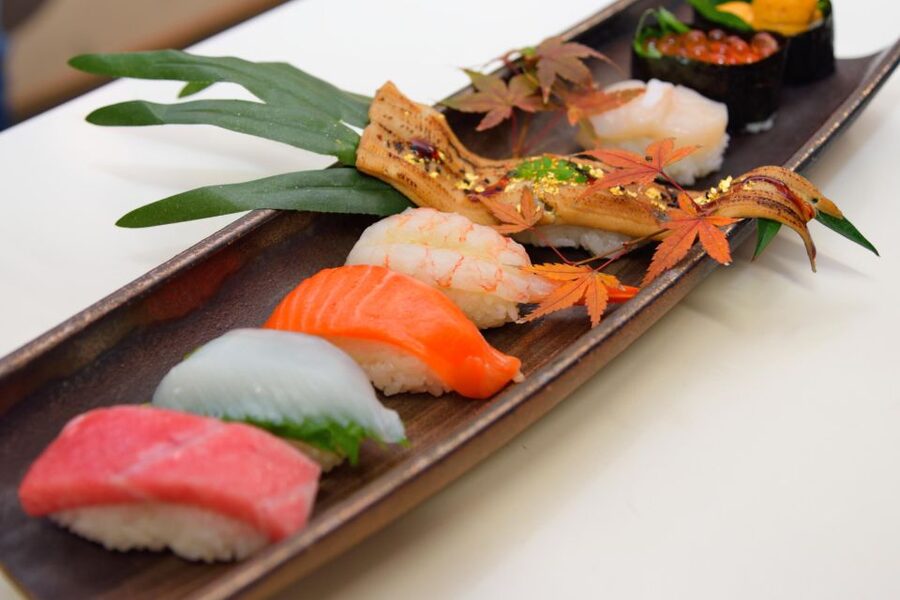
The standard experience centers on sushi and includes eight pieces. Toppings and garnishes vary, with choices such as green onion and ginger, but the exact selection depends on the season.
Drinks are separate. Warm udon and other foods such as tempura, tofu, and pork shabu-shabu are also optional rather than part of the basic price. If you are expecting a broad Japanese meal, check the extra menu and budget accordingly.
For dietary requests, the class gives you more flexibility than many seafood-focused cooking activities. Non-raw options are available, which helps if you enjoy Japanese food but do not eat raw fish. The provider also mentions allergies and gluten-free needs.
Do not assume that every dish can be changed on the spot. State your requirements when arranging the booking, especially for serious allergies or strict religious diets.
The certificate and graduation ceremony
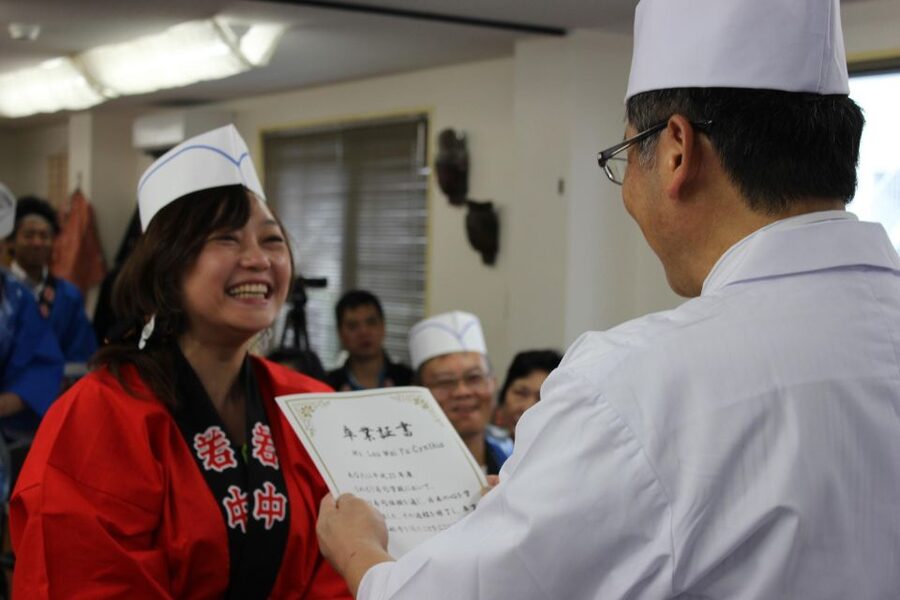
The certificate at the end is a lighthearted touch. You are declared a sushi master, at least for the day, and the small graduation ceremony gives the lesson a clear finish.
It will not replace formal culinary training, but it helps children and first-time cooks feel that they completed something. If you are booking the class as a family activity, this may be one of the details that makes the experience more memorable.
The certificate also separates this from simply eating sushi at a restaurant. You leave having handled the rice, assembled the pieces, and taken part in a planned cultural activity.
Booking details worth knowing
The class is offered in English and Japanese, with an English-speaking instructor available. No instructor name is provided, so do not expect to request a particular teacher.
Free cancellation is available up to 24 hours before the activity for a full refund. You can also reserve now and pay later, which helps if your Kyoto schedule is still shifting.
Pets are not allowed, although assistance dogs are permitted. Smoking is not allowed indoors.
The overall rating is 4.2 from nine reviews, with praise focused on the welcoming people, tasty food, and entertaining format. The lower score centered on limited content and the price, so read the class as a friendly introduction rather than an intensive workshop.
Should you book this sushi class?
Book it if you want to make sushi in Kyoto, try seasonal toppings, wear a happi coat, and eat a small meal that you prepared yourself. It is especially appealing for beginners and for people who need a menu adjusted around dietary restrictions.
Think twice if $113 feels high for 90 minutes or if you want advanced fish cutting, many dishes, or a large lunch. The strongest reason to choose this class is the combination of hands-on food, Japanese clothing, photos, and a certificate. The weakest is the limited amount of cooking for the price.
For a short, cheerful introduction to sushi making near Takeda Station, it is a sensible choice. Just book with the right expectation: you are signing up for a polished cultural activity and beginner lesson, not a full sushi apprenticeship.
FAQ
How long does the sushi-making class last?
The class lasts 90 minutes. Starting times vary, so check availability when choosing a date.
How much does the experience cost?
The listed price is $113 per person.
How many pieces of sushi are included?
The basic experience includes eight pieces of sushi. The exact format and toppings can vary by season.
Can I take the class if I do not eat raw fish?
Yes. Non-raw options are available. Vegetarian, vegan, Muslim-friendly, gluten-free, and allergy-aware options are also offered.
How do I reach the meeting point?
Get off at the west entrance of Takeda Station on the Kintetsu or Subway Line. Take a city bus to the stop in front of Puls Plaza, then follow the walking directions provided by the school.
Is the class wheelchair accessible?
The activity is listed as wheelchair accessible, but the building has no elevator. Staff can help elderly or disabled participants up the stairs, so contact the provider ahead of time if you need assistance.
More Workshops in Kyoto
- Kyoto: 45-Minute Tea Ceremony Lesson Experience
★ 4.3 · 2,378 reviews - Kyoto : Chopsticks Making Workshop in Gion with Engraving Option
★ 5.0 · 958 reviews - Kyoto: Samurai Sword Class by Experts in Traditional Arts
★ 4.9 · 657 reviews - Ninja 1-hour Hands-on Lesson by Japanese master in Kyoto -Entry
★ 5.0 · 489 reviews
Recently added around Kyoto
- Higashiyama | Kyoto: Sakura Season Private Rickshaw Tour★ 5.0 · 3 reviews
- Kyoto Kimono Rental CHAMATSU|Kimono/Yukata Rental FamilyPlan★ 5.0 · 3 reviews
- Kyoto: Half-Day Private Guided Tour to the Old Town of Gion★ 4.4 · 3 reviews
- Nara Private Customizable Half Day Tour★ 5.0 · 3 reviews
- Kansai Region Hiking Adventure in Nara Kobe Kyoto and More★ 5.0 · 3 reviews
- Full Day Nara Deer, Temple, Shrine, Activities & Tea Ceremony★ 5.0 · 3 reviews
- Nara: Essential Private Tour with Deer Park and Temples★ 5.0 · 3 reviews
- Hiking Tour for Sacred Sites in Kyoto with a Guide★ 5.0 · 3 reviews
Kyoto Sushi Experiences, compared.
The Original Small-Group Sushi Making Class in Kyoto
Read our review →
Sushi – Authentic Japanese Cooking Class – the best souvenir from Kyoto!
Read our review →
Private Kyoto Sushi Cooking Class & Tea Ceremony with Emika
Read our review →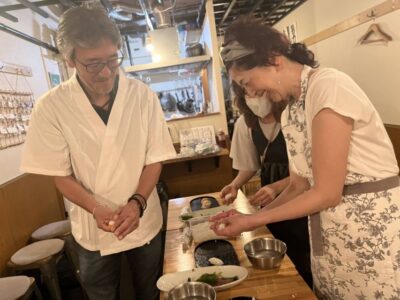
Enjoy Sushi & Market Tour! Best for Family & Couple!
Read our review →
Sushi or Traditional Japanese Cuisine in a Kyoto Home with Emika
Read our review →Browse the lists this tour appears in