
REVIEW · KYOTO SUSHI EXPERIENCES
Sushi or Traditional Japanese Cuisine in a Kyoto Home with Emika
Kyoto cuisine makes the most sense at a family table, not under bright restaurant lights. At Emika’s home, you sit down for seasonal obanzai cooking, sushi, miso soup, rice, and sweets, with conversation about local food and daily life. Her father may prepare the matcha, adding a small tea ceremony to the meal.
I like the private setting, where your group can ask questions without competing with a crowd. I also like the fresh, local character of the food, including vegetables from Emika’s own garden when available. The main consideration is time: at about 90 minutes, this is a focused meal and cultural visit, not a long cooking class.
In This Review
- Key Points at a Glance
- What This Kyoto Home Meal Is Really Like
- Meeting Emika in Nishikyo Ward
- Starting With Matcha and Kyoto Hospitality
- The Obanzai Meal: Seasonal Food Instead of a Fixed Menu
- Garden Produce and the Taste of Home Cooking
- Conversation With a Kyoto Native
- Is $79 a Good Value?
- Who Should Book This Experience?
- Practical Details Before You Reserve
- Should You Book Emika’s Kyoto Home Meal?
- FAQ
- Where does the experience take place?
- How long does the experience last?
- Is the meal private?
- What food is included?
- Is matcha included?
- Is alcohol included?
- Is transportation provided?
- Can I cancel for a full refund?
Key Points at a Glance
- Emika’s Kyoto home: Share a private meal with a local host rather than eating in a formal restaurant.
- Traditional obanzai dishes: Expect seasonal vegetables, seafood, rice, miso soup, and other home-cooked foods.
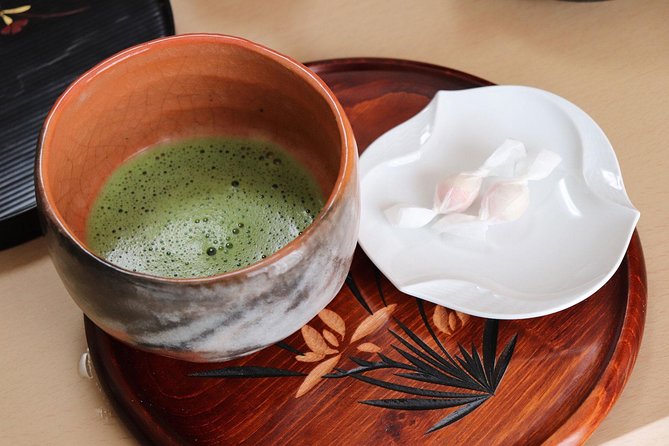
- Matcha prepared in the traditional style: Emika or her father may serve tea and sweets, with her father described as a tea ceremony master.
- Fresh ingredients: Food may include produce from Emika’s own garden and other locally sourced ingredients.
- Lunch or dinner choice: The 90-minute format can fit neatly around a day of sightseeing.
- A personal experience: Your group participates privately, with no larger tour group sharing the table.
What This Kyoto Home Meal Is Really Like
This experience gives you something most food tours cannot: time inside a Kyoto resident’s home. You meet Emika at 31-30 Katsurainariyamachō in Kyoto’s Nishikyo Ward, then sit together around a dining table for a home-cooked meal.
The tone is personal rather than showy. You are not entering a restaurant with a printed menu and a fixed performance. You are sharing food with Emika and talking about Japanese cooking, Kyoto, drinks, and everyday life. That makes the experience especially useful if you want cultural context along with lunch or dinner.
The meal is private, so only your group participates. That matters if you are shy about asking questions or want a quieter setting. It also means the experience depends partly on the natural rhythm of conversation. Some people will enjoy that relaxed quality. If you prefer a tightly scripted tour with constant instruction, this may feel more informal.
More sushi counters and classes:
- Sushi Making in Kyoto! Same-day bookings welcome!
★ 5.0 · 713 reviews - The Original Small-Group Sushi Making Class in Kyoto
★ 5.0 · 436 reviews - Kyoto: Small-Group Authentic Sushi Making Workshop
★ 5.0 · 137 reviews
Meeting Emika in Nishikyo Ward
The meeting point is Emika’s home in Nishikyo Ward, at 31-30 Katsurainariyamachō. The location is near public transportation, but hotel pickup and drop-off are not included, so you need to make your own way there.
That small planning detail is worth taking seriously. Kyoto sightseeing days often involve several train and bus connections, and a home visit requires you to arrive at the correct residential address. Build in enough time to find the meeting point without rushing. Your confirmation arrives at booking, so keep those details available on the day.
The activity ends back at the same meeting point. There is no separate restaurant stop or transfer to another part of Kyoto. You begin and finish at Emika’s home, making this a compact choice before or after other plans in the area.
Starting With Matcha and Kyoto Hospitality
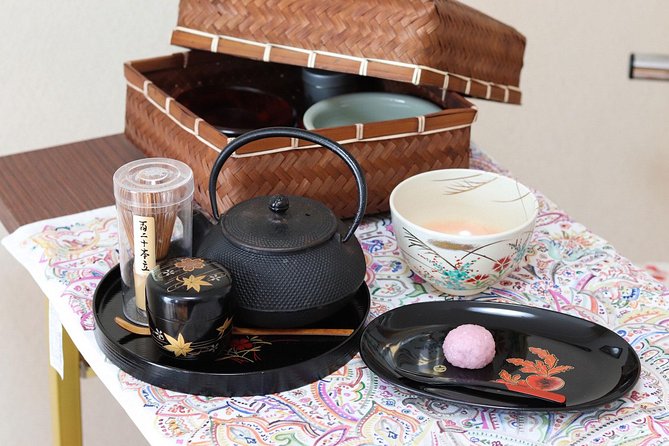
The meal may start or end with matcha prepared in the traditional style. Emika or her father serves the tea, and several accounts describe a small tea ceremony as one of the most memorable parts of the visit.
This is not presented as a long formal tea-school lesson. Instead, it is a charming introduction to the care and ritual behind matcha. You receive tea alongside a sweet chosen to pair with it, giving the visit a clear cultural shape beyond simply eating lunch.
Emika’s father is described as a master of the tea ceremony. If he serves the matcha during your visit, you may gain a closer look at a tradition that can seem mysterious when encountered only in a temple or tea house. The setting also makes it easier to ask simple questions and observe the preparation at close range.
For many people, this tea service will be the emotional center of the experience. The food is important, but the combination of tea, family home, and conversation gives the visit its distinct character.
The Obanzai Meal: Seasonal Food Instead of a Fixed Menu
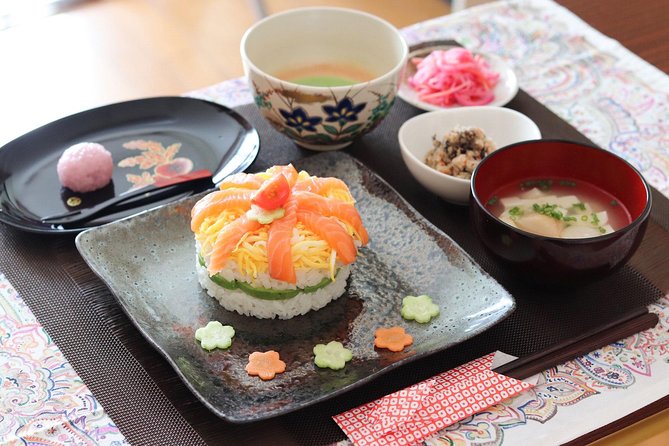
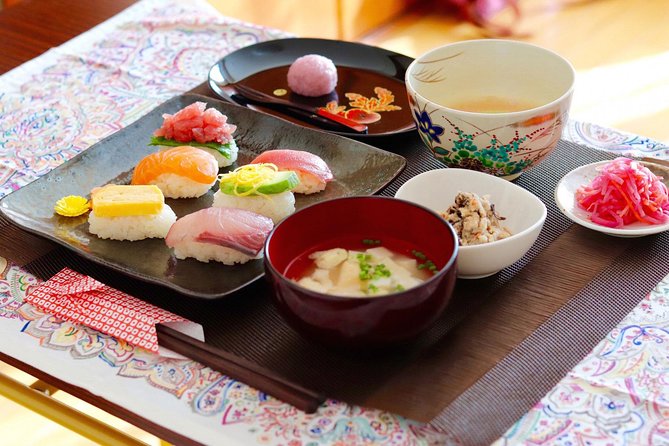
The central meal is based on obanzai, the traditional Kyoto style of cooking that makes use of seasonal vegetables and seafood. You can expect a spread that may include sushi, miso soup, rice, several obanzai dishes, and a sweet for matcha.
The menu changes with the season. That is good news if you value freshness and local cooking, but it also means you should not book this expecting a specific list of dishes. Sushi is highlighted, yet the experience is broader than sushi alone. The meal presents several parts of a Japanese home table, including soup, rice, side dishes, and dessert.
Several dishes may be prepared traditionally in front of you. You can learn how sushi and miso soup are made, while also seeing how seasonal ingredients fit into a home meal. The emphasis is less on restaurant-style presentation and more on how food is selected, prepared, and served in Kyoto.
That distinction matters. If your goal is to master sushi rolling in a hands-on class, this is not described as that kind of lesson. If you want to taste a home-cooked meal and understand the role of everyday dishes, it is a better match.
A completely different side of Kyoto:
- PERFECT KYOTO 1-Day Bus Tour
★ 5.0 · 13,518 reviews - Kyoto: Fushimi Inari, Kinkakuji, Bamboo Grove 1 Day Bus Tour
★ 4.8 · 4,316 reviews - Kyoto: Tea Ceremony in a Traditional Tea House in Kiyomizu
★ 4.9 · 3,519 reviews - Kyoto Geisha Walking Tour: Gion District & Hidden Gems
★ 4.7 · 3,273 reviews
Garden Produce and the Taste of Home Cooking
One particularly appealing detail is that Emika has served food grown mostly in her own garden. That does not mean every dish will come from the garden, but it points to the local and personal nature of the meal.
Produce from a home garden changes the meaning of the plate. You are not simply sampling a famous Japanese dish. You may be eating ingredients connected to the host’s own daily life, served in the same home where they were grown or prepared.
The food is repeatedly described as fresh, traditional, and delicious. I would place the greatest value here on variety and context rather than portion size. The experience gives you multiple small tastes and an explanation of how they fit together, rather than a single oversized restaurant course.
Local alcohol is included, adding another way to talk about Japanese food and drinks. If you do not drink, the meal still includes plenty of other cultural elements, including tea, sweets, and conversation.
Conversation With a Kyoto Native
Emika shares her experiences and lifestyle as someone from Japan, and the meal gives you time to talk about Kyoto, food, and daily routines. This conversation is a major reason to choose a home visit over a standard restaurant meal.
You can ask about the ingredients in front of you, the way sushi or miso soup is made, and the customs surrounding matcha. You may also hear about how seasonal cooking works at home. The information is likely to feel more useful because it is connected to the meal you are eating at that moment.
Emika is described as quiet, kind, polite, witty, warm, and informative. Those details suggest a gentle hosting style rather than a loud, high-energy presentation. That will suit you if you like calm conversation and personal contact. If you want a rapid-fire guide who fills every pause, you may find the mood more subdued.
The private format helps here. You are not sharing the table with a large group, so the conversation can follow your interests. It also allows the host to focus on your dietary needs and questions, provided you mention those requirements when booking.
Is $79 a Good Value?
At $79 per person, this is not the cheapest lunch in Kyoto. You can eat well for less at many casual restaurants. The price makes more sense when you separate the meal from the setting and instruction.
You are paying for a private home visit, a multi-part traditional meal, local alcohol, cultural conversation, and matcha prepared in the traditional style. You may also see food prepared in front of you and learn how sushi and miso soup are made. The tea ceremony element can add a level of access that a regular restaurant meal will not provide.
The experience lasts about 1 hour and 30 minutes. That is short enough to fit into a busy itinerary, but long enough for a full meal and conversation. I see it as good value for someone who wants a meaningful cultural stop and would otherwise pay separately for lunch, a tea experience, and a food-focused tour.
The value is lower if you only want to eat sushi. In that case, a sushi restaurant gives you more choice and perhaps a more polished service style for the money. Here, the appeal comes from the combination of food, family home, seasonal cooking, and tea.
The experience is booked, on average, 25 days ahead. That is a useful planning signal. If this is important to your Kyoto schedule, reserve early rather than waiting until the final days of your trip.
Who Should Book This Experience?
I would recommend it to couples, families, and small private groups who want a meal with a strong personal element. It also suits first-time visitors who want an easy introduction to obanzai, matcha, and Japanese home cooking without committing to a full-day food tour.
Food lovers will appreciate the seasonal menu and locally sourced ingredients. Culture-minded visitors will value the tea service and the chance to talk with a Kyoto native. The private format can also work well for anyone who prefers a quiet meal over a crowded group activity.
Families should consider the 90-minute length. It is long enough to feel like a real meal but short enough to avoid turning into an exhausting event. Because the setting is a private home, parents should also decide if their group is comfortable with a more intimate, seated experience.
This may not be the best choice for someone looking for extensive hands-on cooking instruction, a large number of sushi pieces, or a formal restaurant atmosphere. The menu varies by season, and the experience centers on hospitality rather than a guaranteed dish list.
Practical Details Before You Reserve
Confirmation is provided at the time of booking, and lunch or dinner times are available. The mobile ticket makes it easy to keep the booking on your phone while moving around Kyoto.
Tell the provider about specific dietary requirements in the Special Requirements box when you book. Do not wait until arrival, since the menu is prepared around seasonal ingredients and may include seafood, miso, rice, and other traditional dishes.
Service animals are allowed. The home is near public transportation, but transportation to and from the meeting point is your responsibility.
Free cancellation is available if you cancel at least 24 hours before the local start time. Changes or cancellations made less than 24 hours before the start are not accepted for a refund.
Should You Book Emika’s Kyoto Home Meal?
Book this if you want your Kyoto meal to feel personal. The strongest reasons are the private home setting, Emika’s warm hosting style, seasonal obanzai cooking, garden produce when available, and the chance to receive matcha from Emika or her father.
I would especially choose it for a lunch or dinner slot on a day when you want one calm cultural experience rather than another packed sightseeing stop. Reserve ahead, allow time to reach Nishikyo Ward, and share dietary needs at booking.
Skip it if you want a formal sushi class or a fixed menu. For everyone else, $79 buys more than food. It buys time at a local table, with tea, conversation, and a direct look at how traditional Kyoto cooking fits into home life.
FAQ
Where does the experience take place?
It takes place at Emika’s home at 31-30 Katsurainariyamachō, Nishikyo Ward, Kyoto, 615-8025, Japan.
How long does the experience last?
The experience lasts approximately 1 hour and 30 minutes.
Is the meal private?
Yes. This is a private activity, and only your group participates.
What food is included?
The meal may include sushi, miso soup, rice, traditional obanzai dishes made with seasonal vegetables and seafood, and a sweet served with matcha. The menu changes with the season.
Is matcha included?
Yes. The experience includes matcha prepared in the traditional style by Emika or her father. A small tea ceremony may also be part of the visit.
Is alcohol included?
Local alcohol is included.
Is transportation provided?
Hotel pickup and drop-off are not included. The meeting point is near public transportation, and the activity ends back at the same meeting point.
Can I cancel for a full refund?
Yes. You can cancel for a full refund up to 24 hours before the experience start time. Cancellations or changes made less than 24 hours before the start time are not refunded or accepted.
Recently added around Kyoto
- Higashiyama | Kyoto: Sakura Season Private Rickshaw Tour★ 5.0 · 3 reviews
- Kyoto Kimono Rental CHAMATSU|Kimono/Yukata Rental FamilyPlan★ 5.0 · 3 reviews
- Kyoto: Half-Day Private Guided Tour to the Old Town of Gion★ 4.4 · 3 reviews
- Nara Private Customizable Half Day Tour★ 5.0 · 3 reviews
- Kansai Region Hiking Adventure in Nara Kobe Kyoto and More★ 5.0 · 3 reviews
- Full Day Nara Deer, Temple, Shrine, Activities & Tea Ceremony★ 5.0 · 3 reviews
- Nara: Essential Private Tour with Deer Park and Temples★ 5.0 · 3 reviews
- Photo Shoot with a Private Vacation Photographer in KYOTO, JAPAN★ 5.0 · 3 reviews
Kyoto Sushi Experiences, compared.
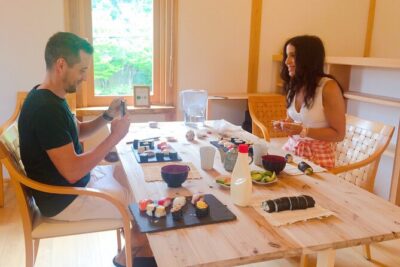
The Original Small-Group Sushi Making Class in Kyoto
Read our review →
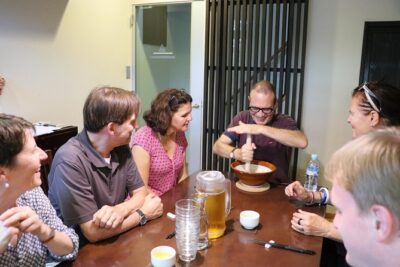
Sushi – Authentic Japanese Cooking Class – the best souvenir from Kyoto!
Read our review →
Private Kyoto Sushi Cooking Class & Tea Ceremony with Emika
Read our review →
Enjoy Sushi & Market Tour! Best for Family & Couple!
Read our review →
Kyoto Sushi Making Experience with a Professional Sushi Chef
Read our review →Browse the lists this tour appears in