
REVIEW · KYOTO SUSHI EXPERIENCES
Kyoto: Sushi Making Class with Sushi Chef
Fresh fish, a patient chef, and the chance to eat what you make give this Kyoto class its real appeal. You begin with a toy sushi model, then move to nigiri sushi and rolls, so you can learn the hand movements without feeling rushed. The market fish is purchased early each morning and prepared before class.
I especially like the small size, limited to eight people, and the useful extras: Japanese-style dashi soup, tea or water, and photos and videos sent after the class. The chefs, including Hide, Yutaka, Nami, Yone, and Yukihide, are praised for clear teaching and patience.
The main consideration is that you do not prepare the rice or cut the fish yourself. One participant wanted more of that hands-on kitchen work, so this suits you best if you want to shape and assemble sushi rather than take a full sushi-chef training course.
In This Review
- Key points to know before booking
- Starting with a sushi model in central Kyoto
- Handling the fish for handmade nigiri
- Making maki rolls with a special tool
- Turning your work into a Kyoto lunch
- Photos and videos without stopping your lesson
- Is $74 fair for the experience?
- Who will enjoy this class most?
- Practical details for fitting it into Kyoto
- My final call on the Kyoto sushi class
- FAQ
- Where does the sushi class meet?
- How long does the class last?
- What types of sushi will I make?
- Is food included after the lesson?
- Is the class taught in English?
- Can I cancel for a full refund?
Key points to know before booking
- Fresh Kyoto market fish: Fish is bought at Kyoto Central Wholesale Market early each morning and prepared before your lesson.
- A gentle start: You practice with a sushi sample toy before handling real ingredients.
- Two sushi styles: You make nigiri by hand, then prepare maki rolls with a special tool.
- Small and family-friendly: Groups are capped at eight, and children have enjoyed the clear, patient instruction.
- Useful Japanese food lessons: Chefs explain sushi etiquette, how to eat sushi, and sometimes the purpose of different knives.
- Photos without interrupting class: The team takes photos and videos during the session and shares the files afterward.
Starting with a sushi model in central Kyoto
The class meets at one of two venues around Shijo Karasuma. The exact location depends on the number of people booked, and the organizer sends a Google Maps link by email. At the meeting time, look for a welcome board.
That arrangement is practical, but it means you should not assume the venue until you receive the message. Shijo Karasuma is a useful central area, and one location has been described as close to Kyoto-Kawaramachi Station. Still, check the map rather than relying on a familiar address.
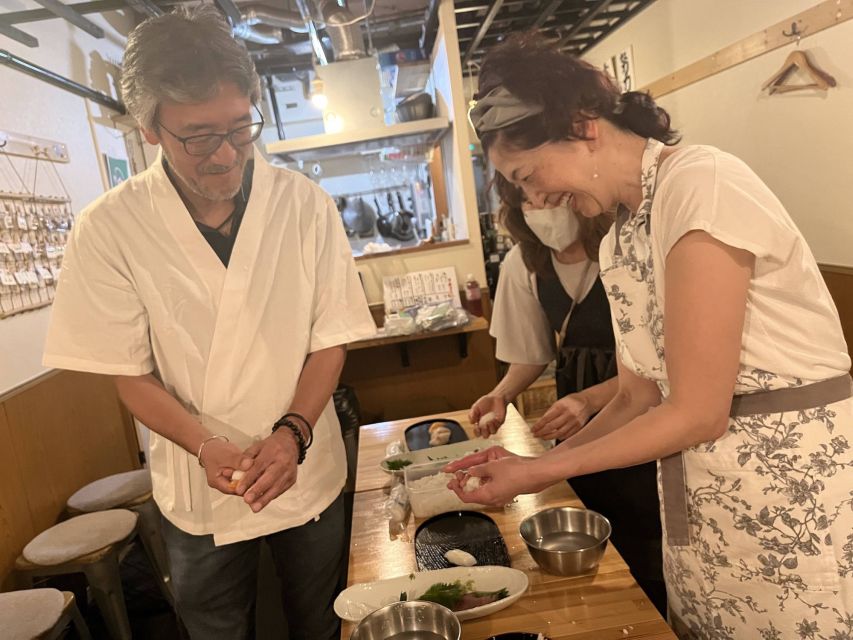
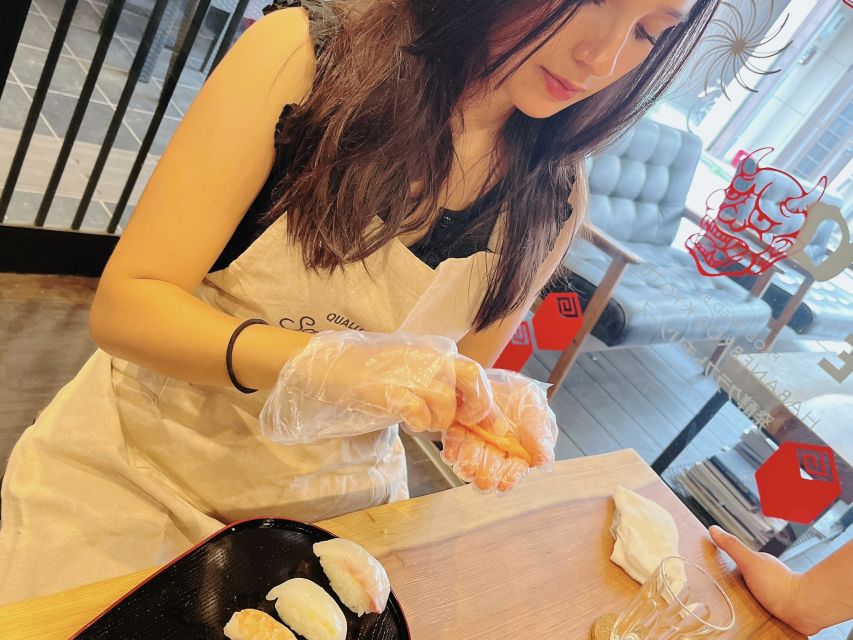
Once you arrive, the lesson starts with a sushi sample toy. This is a smart touch, especially for children or anyone who has never shaped sushi. You can learn the basic pressure and movement first, without worrying about wasting rice or damaging a piece of fish.
The class is taught in English and Japanese. The language support is aimed at practical instruction, and the teaching style is meant to be easy to follow. Hide, Yutaka, Nami, Yone, and Yukihide have each been praised for calm explanations, friendly guidance, and the patience to help individuals at their own pace.
The total duration is listed as 90 minutes to three hours. That is a wide range, so check the available start times and the exact length when you book. A shorter session may suit a tight sightseeing day, while a longer class gives you more time for explanations, shaping, photos, and lunch.
More sushi counters and classes:
- Sushi Making in Kyoto! Same-day bookings welcome!
★ 5.0 · 713 reviews - The Original Small-Group Sushi Making Class in Kyoto
★ 5.0 · 436 reviews - Kyoto: Small-Group Authentic Sushi Making Workshop
★ 5.0 · 137 reviews
Handling the fish for handmade nigiri
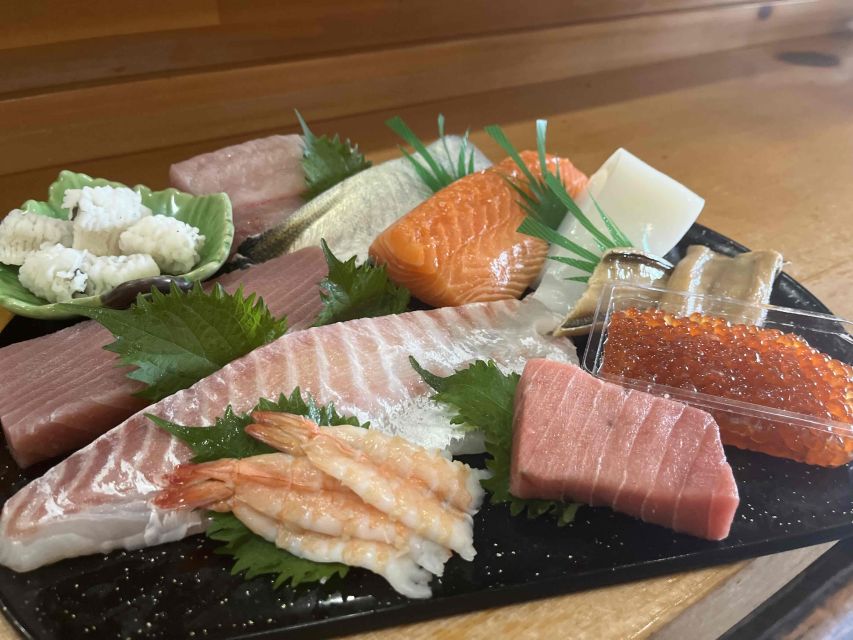
After the practice round, you move to real nigiri sushi. The fish is bought early each morning at Kyoto Central Wholesale Market, then prepared just before the class. That timing matters: you are not working with a generic prepacked kit, but with fish selected for the day’s lesson.
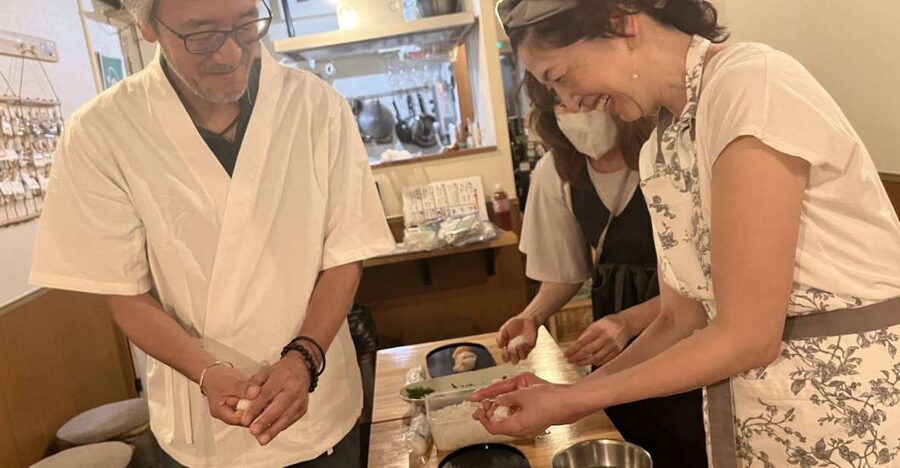
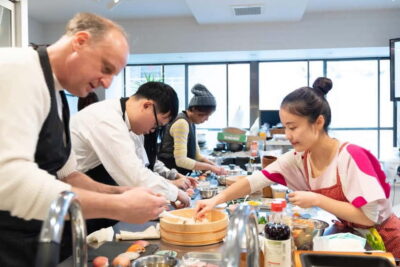
The chef demonstrates each step before you try it. You will work on forming the rice and placing the fish correctly, with guidance as you go. Nigiri looks simple on a restaurant plate, but the class shows how much control is needed to make a neat piece that holds together without being compressed too firmly.
This is where the class offers more than a meal. You learn the basic craft behind a sushi style that is easy to underestimate. Several people have found that their finished pieces looked surprisingly good, but that result comes from the chef’s instruction and close help, not from a casual do-it-yourself setup.
The fish quality is one of the strongest reasons to book. Fresh seafood can make a major difference when you eat sushi without heavy sauces or elaborate cooking. If you are unsure about raw fish, the experience may still work for you, but the class is built around sushi ingredients and is not suitable for people with food allergies.
One useful detail from the teaching is the explanation of dining etiquette. The chef can show you how sushi is traditionally approached and eaten, which adds context you would not get from simply ordering a plate at a restaurant. The lesson may also include information about the fish and the knives used by a sushi chef.
Making maki rolls with a special tool
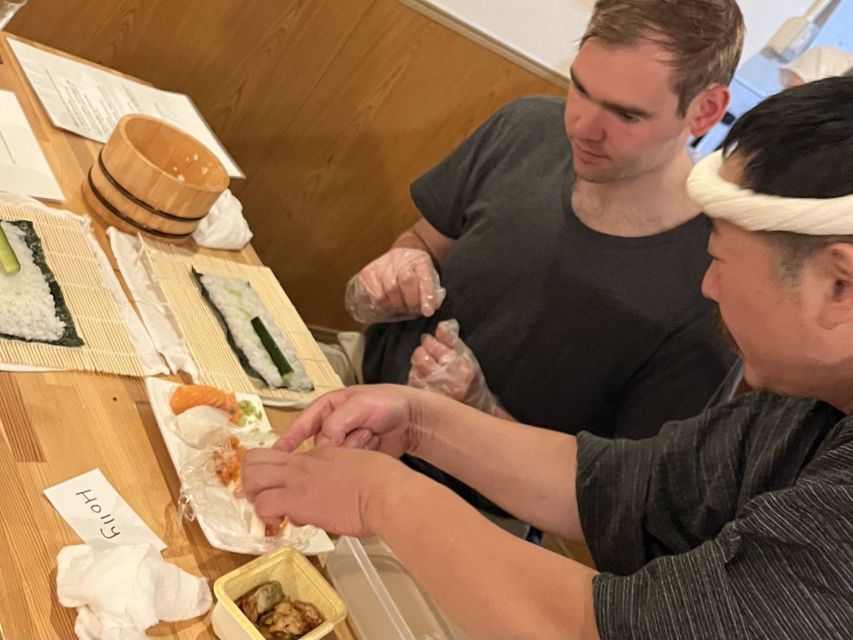
Once the nigiri is complete, you make a sushi roll. The class uses a special tool to help shape the maki, making this part more manageable for beginners. You still take part in the assembly, but the tool helps produce a firm, even roll.
Maki is a good contrast to nigiri. Nigiri depends on small hand movements and gentle pressure, while a roll gives you a broader set of ingredients and a different way to build the finished piece. Making both styles lets you compare the techniques rather than repeating one task for the whole class.
The class is particularly well suited to families. A five-year-old child was able to enjoy the activity, and teenagers have also found it easy to follow. The toy practice stage, simple demonstrations, and patient corrections help keep the lesson from becoming too technical.
You should still expect to pay attention. This is not only a photo opportunity with a chef doing all the work for you. The point is to shape the sushi yourself, and your first pieces may not look perfect. That is part of the fun, and the chef is there to help you improve rather than judge the result.
Turning your work into a Kyoto lunch
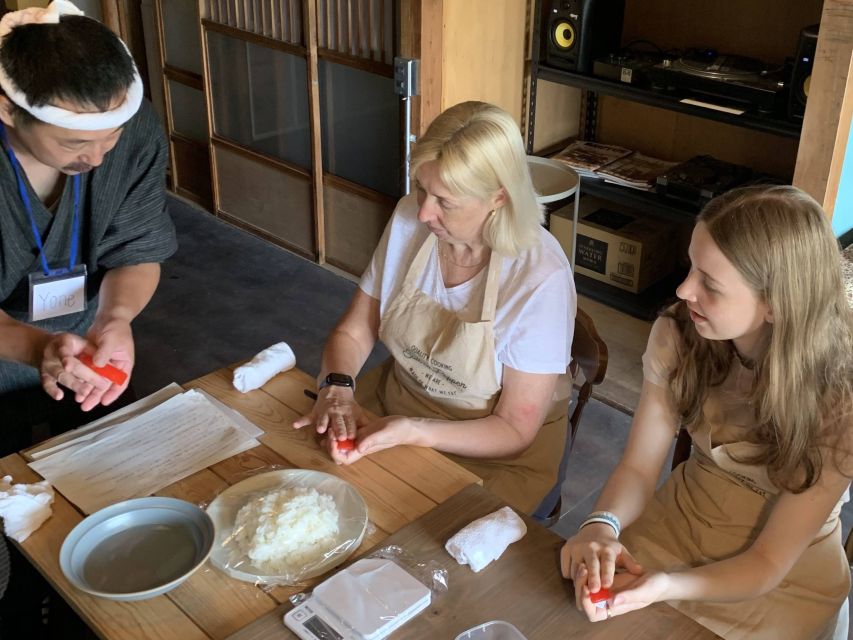
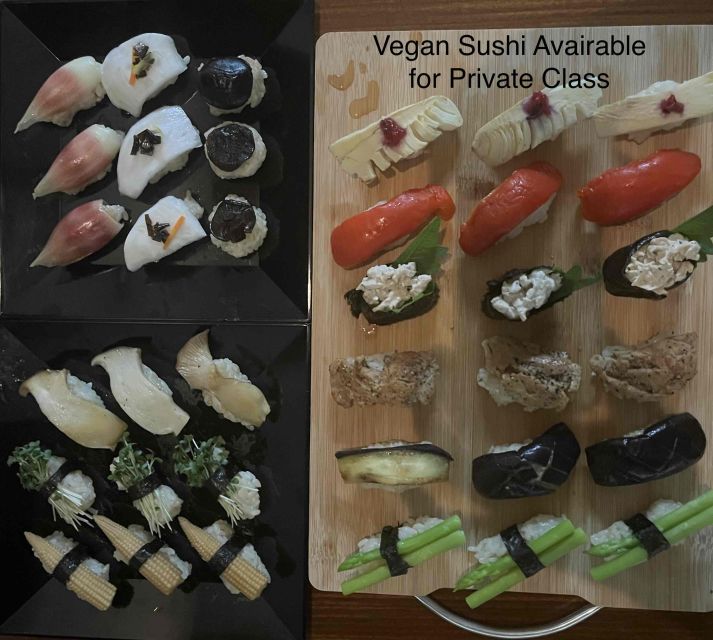
At the end, you arrange the nigiri and rolls on a sushi plate. This final presentation gives the class a satisfying finish. You see the full meal in front of you, including pieces you shaped yourself, rather than eating each item immediately as it is made.
Then you eat the sushi for lunch. Tea or water is included, along with Japanese-style dashi soup. The soup is a small but welcome addition, since it gives you something warm to pair with the cool sushi and makes the meal feel complete.
The food is not merely a sample served after a demonstration. You make the sushi under instruction, then eat it as the main reward. Fresh fish, properly prepared rice, and the chance to compare your nigiri with your maki give the meal more meaning than a standard restaurant stop.
Some people with little experience of raw fish have enjoyed the finished sushi, but you should not book this expecting a cooked-food class. Food allergies are listed as a restriction, and strong fragrances are not allowed. Tell the organizer about dietary needs before booking rather than waiting until the class begins.
One venue has been described as cozy and welcoming, with a view toward the river. Because the class may take place at one of two venues, treat that setting as possible rather than guaranteed.
More workshops and classes in Kyoto:
- Kyoto: 45-Minute Tea Ceremony Lesson Experience
★ 4.3 · 2,378 reviews - Kyoto : Chopsticks Making Workshop in Gion with Engraving Option
★ 5.0 · 958 reviews - Kyoto: Samurai Sword Class by Experts in Traditional Arts
★ 4.9 · 657 reviews - Kyoto: Ramen Cooking Class at a Ramen Factory with Souvenir
★ 4.9 · 532 reviews
Photos and videos without stopping your lesson
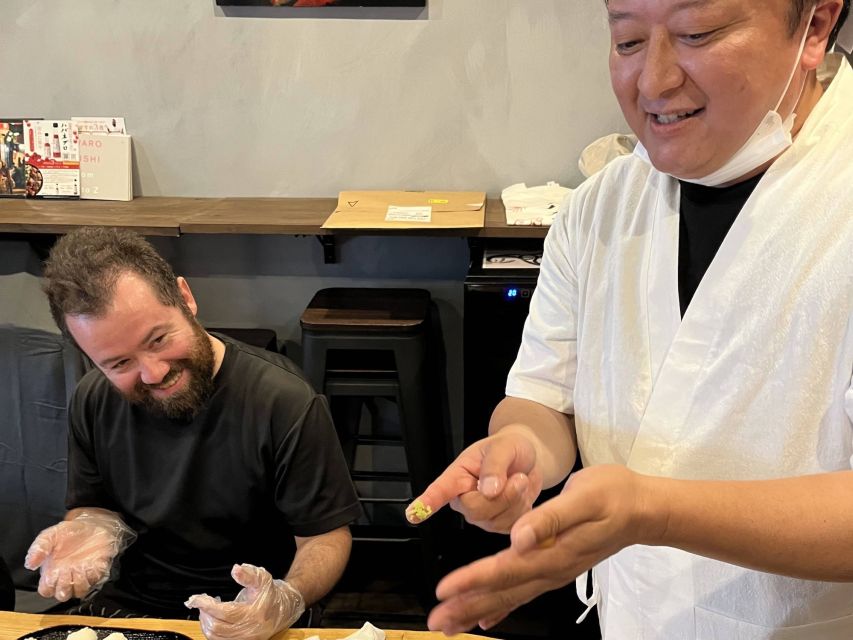
The team takes photographs and videos during the class, then shares the data with you afterward. This is a useful service because it lets you concentrate on shaping sushi instead of asking someone in your group to document every stage.
The photos can also show the progression from practice model to finished lunch. For families, that means you can stay involved with your children rather than splitting your attention between instruction and a phone camera.
You should think of this as a record of the activity, not a separate professional photo shoot. The available information promises photo data after class, but does not specify the number of images, delivery method, or editing style.
Is $74 fair for the experience?
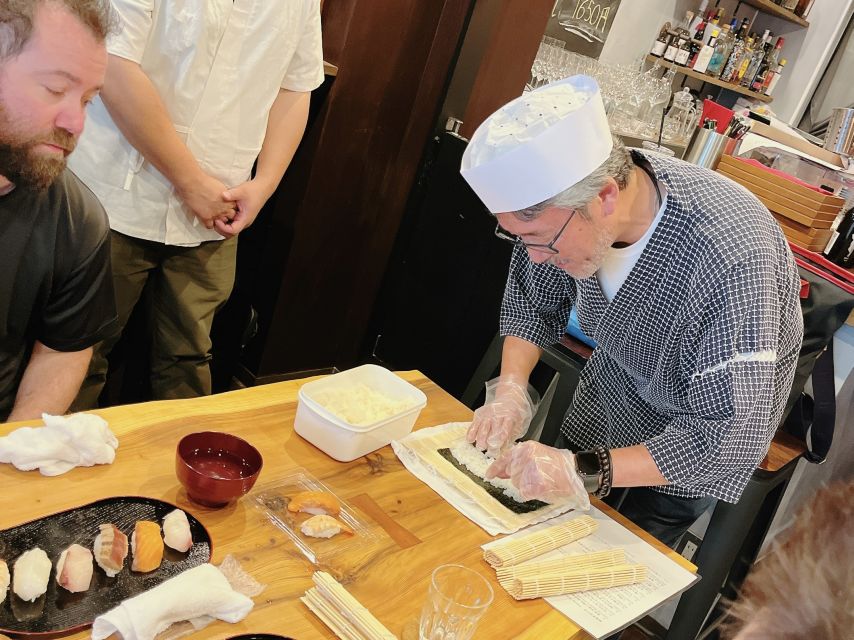
At $74 per person, this is not the cheapest way to eat sushi in Kyoto. You can order sushi without paying for a lesson, and a budget meal will cost less. The comparison changes when you count the fresh market fish, chef-led instruction, lunch, dashi soup, drinks, small group size, and shared photos.
I see the price as fair for a special activity, especially if you value learning a skill you can use at home. The class shows you how to make both nigiri and maki, and several participants have returned home planning to practice. That lasting value is a key advantage over a meal that ends when you leave the restaurant.
The value is strongest for families and small groups. Three people from one family called it one of their favorite memories in Japan, while another parent said the class was a five-year-old child’s favorite activity. Those are good signs that the lesson offers more than technical instruction.
The value is less clear if you already make sushi regularly or want professional-level knife training. You do not cut the fish or prepare the rice from the beginning. The chef handles those parts, while you focus on forming, rolling, plating, and eating.
Who will enjoy this class most?
This is a good choice if you want a hands-on food activity during a Kyoto visit. It suits couples, families, teenagers, first-time sushi makers, and anyone curious about Japanese dining customs.
It also works well for people who want a structured activity rather than a long restaurant meal. The small group limit of eight gives the chef room to watch each person, and the instruction is designed for beginners.
You may particularly enjoy it if you want to learn something you can repeat at home. The class covers basic sushi forms, and the explanations about fish, knives, etiquette, and preparation give you useful ideas beyond the single lunch.
I would be more cautious if you have food allergies, dislike raw fish, use strong fragrance products, or want to prepare every ingredient yourself. Gluten-free needs have been accommodated in at least one class, but that does not replace the need to confirm your requirements in advance.
Practical details for fitting it into Kyoto
Allow extra time around the stated duration, since the class can last from 90 minutes to three hours. Do not place a tightly timed temple visit, train departure, or restaurant reservation immediately afterward until you know the session length.
The two venues are around Shijo Karasuma, but the final meeting point is sent by email. Check your messages and open the Google Maps link before leaving your hotel. At the venue, the welcome board should help you identify the group.
The class is offered in English and Japanese. The small-group format is limited to eight participants, which is helpful when you need a demonstration repeated or want individual assistance with shaping the sushi.
Cancellation is free up to two days in advance for a full refund. That gives you some flexibility if your Kyoto plans change, but the exact booking terms should still be checked at the time you reserve.
My final call on the Kyoto sushi class
I would book this class if you want a personal Kyoto food experience with a clear beginning, a useful skill, and a meal at the end. The strongest points are the fresh fish from Kyoto Central Wholesale Market, patient chefs such as Hide and Yutaka, the family-friendly teaching, and the chance to learn both nigiri and maki.
I would skip it only if your main goal is full sushi-chef training. Since the rice and fish are prepared before you arrive, your hands-on work centers on shaping and rolling rather than knife work or cooking.
For most first-time participants, $74 is reasonable for a small class, fresh ingredients, lunch, soup, drinks, instruction, and photos. Book it when you want to eat sushi with a better understanding of the care behind each piece, not simply when you need another meal in Kyoto.
FAQ
Where does the sushi class meet?
The class uses two venues around Shijo Karasuma. The organizer chooses the venue based on the number of participants and sends a Google Maps link by email. A welcome board is displayed at the meeting time.
How long does the class last?
The listed duration ranges from 90 minutes to three hours. Check the available starting times and session length when booking.
What types of sushi will I make?
You will practice and make nigiri sushi, then prepare sushi rolls using a special tool. You will arrange the finished pieces on a sushi plate before eating them.
Is food included after the lesson?
Yes. You eat the sushi you make, with tea or water and Japanese-style dashi soup included.
Is the class taught in English?
Yes. Instruction is available in English and Japanese.
Can I cancel for a full refund?
You can cancel up to two days in advance for a full refund.
Recently added around Kyoto
- Higashiyama | Kyoto: Sakura Season Private Rickshaw Tour★ 5.0 · 3 reviews
- Kyoto Kimono Rental CHAMATSU|Kimono/Yukata Rental FamilyPlan★ 5.0 · 3 reviews
- Kyoto: Half-Day Private Guided Tour to the Old Town of Gion★ 4.4 · 3 reviews
- Nara Private Customizable Half Day Tour★ 5.0 · 3 reviews
- Nara: Essential Private Tour with Deer Park and Temples★ 5.0 · 3 reviews
- Kansai Region Hiking Adventure in Nara Kobe Kyoto and More★ 5.0 · 3 reviews
- Full Day Nara Deer, Temple, Shrine, Activities & Tea Ceremony★ 5.0 · 3 reviews
- Hiking Tour for Sacred Sites in Kyoto with a Guide★ 5.0 · 3 reviews
Kyoto Sushi Experiences, compared.
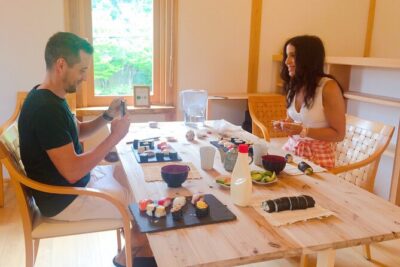
The Original Small-Group Sushi Making Class in Kyoto
Read our review →
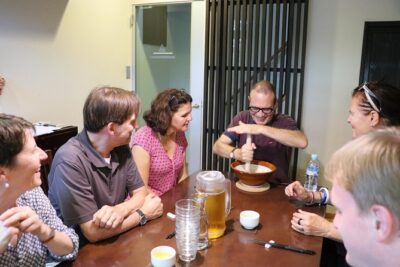
Sushi – Authentic Japanese Cooking Class – the best souvenir from Kyoto!
Read our review →
Private Kyoto Sushi Cooking Class & Tea Ceremony with Emika
Read our review →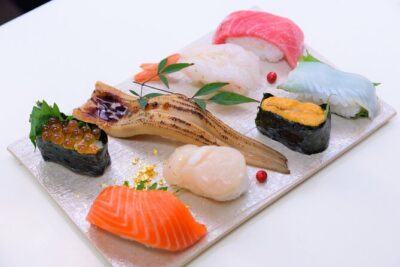
Enjoy Sushi & Market Tour! Best for Family & Couple!
Read our review →
Sushi or Traditional Japanese Cuisine in a Kyoto Home with Emika
Read our review →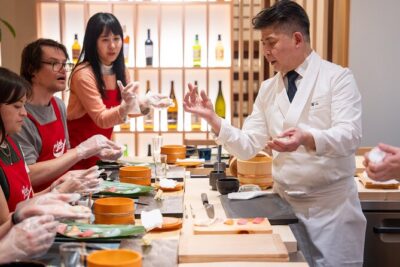
Kyoto Sushi Making Experience with a Professional Sushi Chef
Read our review →Browse the lists this tour appears in