
REVIEW · KYOTO MATCHA EXPERIENCES
Kyoto: Tea Museum Tickets and Matcha Grinding Experience
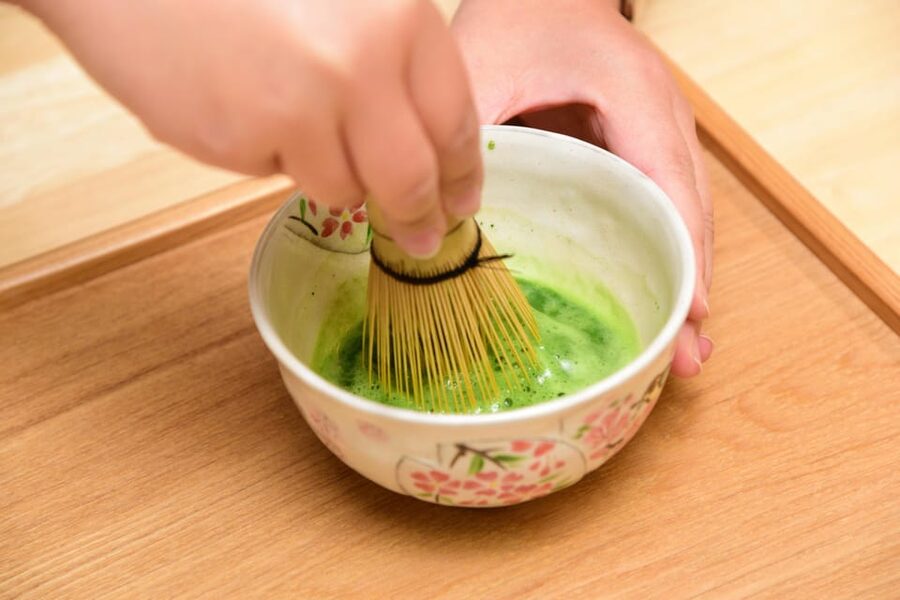
The best part of this Uji experience is the simple, hands-on work: you turn tea leaves into powder in a stone mill, then whisk the matcha you made and drink it. I like the fresh aroma and the chance to see tea production as a physical process, not just a museum display. I also like that your ticket includes the interactive Chazuna museum, so the one-hour class has useful context before or after the cup.
The main consideration is timing. You need to reach the reception desk 15 minutes early, and entry can be refused after 30 minutes from the start. The museum is compact, so this suits you best if you want a focused introduction to Uji tea rather than a full-day tea school.
In This Review
- Key points at a glance
- Why grinding matcha changes the way you taste it
- Starting at Chazuna in Uji
- The museum’s giant 10-yen coin and digital town
- From tea leaves to a bowl of matcha
- The taste of matcha you prepare yourself
- The summer-only ice cream option
- How the $23 price measures up
- Planning the hour without a rush
- Who will enjoy this most
- Should you book the Chazuna matcha workshop?
- FAQ
- How long does the Kyoto Tea Museum and matcha experience last?
- Where is the meeting point?
- How far is Chazuna from Uji Station?
- Is the experience available in English?
- Do I need to arrive early?
- Is the experience wheelchair accessible?
Key points at a glance
- Grind your own tencha: Use a traditional tea mill to turn tea leaves into fine matcha powder.
- Learn the whisking method: An instructor explains how to prepare and enjoy the tea you have made.
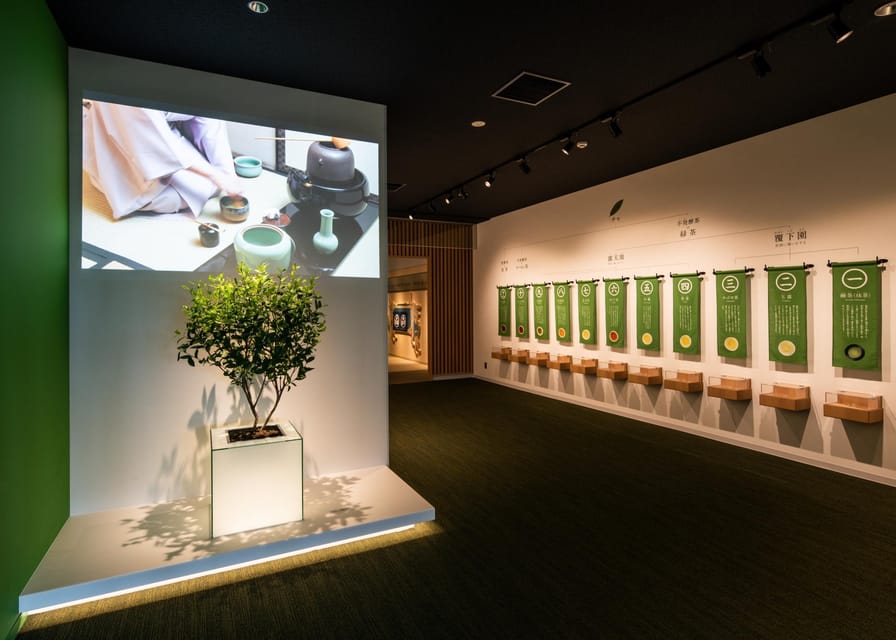
- Explore Chazuna’s interactive displays: Touch-based exhibits, digital drawings, videos, and a large 4K screen explain Uji tea and the town.
- Meet at an easy-to-reach Uji center: Chazuna is about four minutes from Keihan Uji Station and 12 minutes from JR Uji Station.
- Enjoy a seasonal summer treat: At the 2:45 p.m. summer session, you can pour your matcha over ice cream.
- Good value at $23: The price includes the class, instructor, and museum admission for a compact but active cultural experience.
Why grinding matcha changes the way you taste it
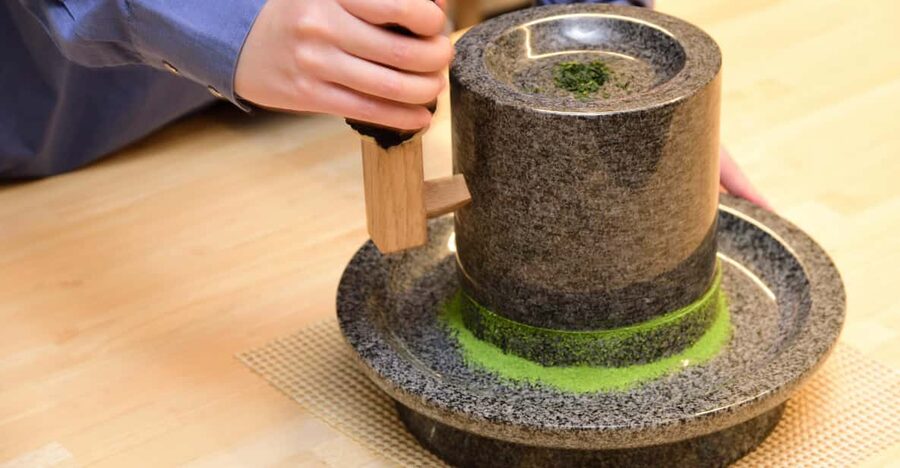
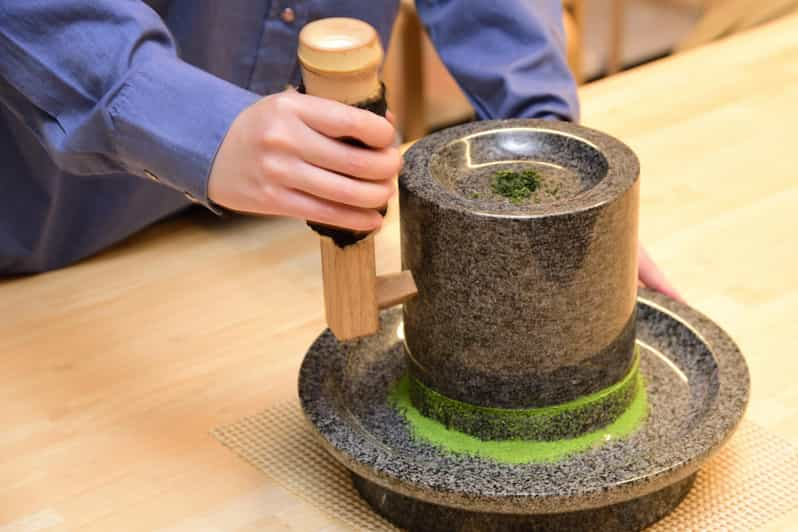
Matcha is often presented in Kyoto as a bright green drink, a dessert flavor, or a souvenir tin. Here, you get to see what sits behind that familiar powder. Tea leaves go into the mill, and the slow grinding produces the matcha used in your cup.
That small act makes the tea feel less anonymous. You can notice the scent before you taste anything, then compare the powder with the finished drink. The session gives you a better sense of the care involved in moving from cultivated leaves to a bowl of matcha.
The work is gentle and hands-on rather than strenuous. You are not expected to operate a large production machine or master a formal tea ceremony. Instead, the instructor guides you through the basic steps and helps you prepare the drink properly.
I especially like this format for first-time matcha drinkers. You can ask questions as you go, and the process gives you something to focus on. It also works well for families, couples, solo visitors, and small groups of friends because the activity creates an easy shared rhythm.
More matcha tastings and workshops:
- World Heritage Kyoto & Nara Uji Authentic Matcha Experience
★ 5.0 · 1,573 reviews - Matcha Grinding Experience and Walking Tour in Uji Kyoto
★ 5.0 · 26 reviews - Slow Cycling Tour at Uji’s Matcha Green Tea Fields and Heritage
★ 5.0 · 25 reviews
Starting at Chazuna in Uji
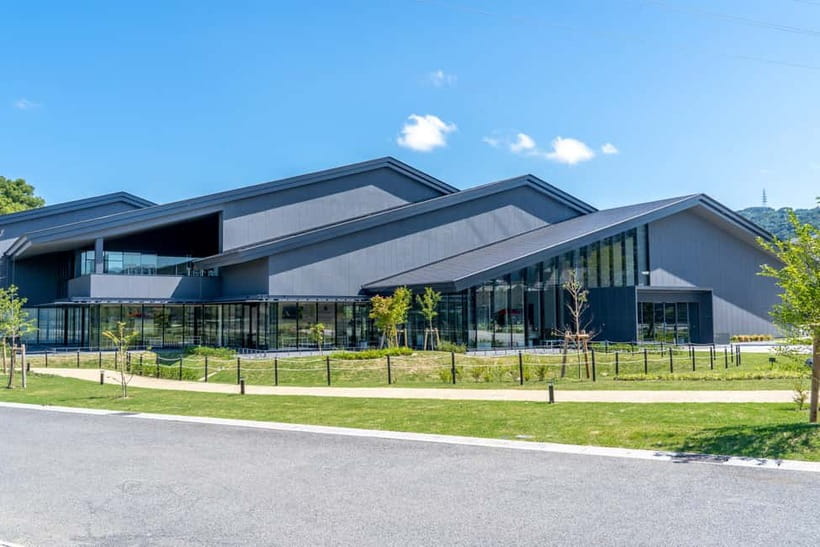
Chazuna sits in the Historical Park of Tea and Uji Town. You begin at the first-floor reception area, where you check in before the class. The building combines the museum, activity space, and other facilities, so arriving early gives you time to find the desk without rushing.
From Keihan Uji Station, the walk is about four minutes. From the south exit of JR Uji Station, allow about 12 minutes. That difference matters when you are planning around a train, especially if you are coming from Kyoto and have booked a fixed session.
The center is also close enough to pair with other Uji sights. One useful plan is to schedule the experience around a visit to Byodoin Temple, the market street, or the river area. You can use the tea class as the central booking of your Uji visit, then spend the rest of the day exploring at a slower pace.
If you are driving from Osaka, the directions point you toward the Uji Nishi exit of the Keiji Bypass, followed by about 10 minutes on the side road toward Uji. From Tokyo or Nagoya, use the Uji-higashi exit, then turn left at the traffic light, with roughly three minutes to the destination.
The museum’s giant 10-yen coin and digital town
The museum portion introduces Uji tea in a way that does not require specialist knowledge. You can use touchable displays to learn how tea is grown, processed, and connected with the town. That makes the information easier to follow than a room of text panels alone.
In the History Room, a large 10-yen coin featuring Byodoin Phoenix Hall provides an immediate local reference. Byodoin is one of Uji’s most recognizable symbols, and the coin links the town’s famous temple imagery with its tea identity.
A large 4K digital screen presents modernized drawings of Uji’s townscape, based on Meisho-zue, illustrated guides to notable places. This section helps you picture Uji as a tea-producing town with its own traditions and landmarks, rather than simply an excursion stop from Kyoto.
The museum is not large. That is useful if your schedule is tight, but you should not expect hours of gallery viewing. Several people who enjoyed the class also found the museum short but full of useful information, especially the videos and displays about the processing of different teas.
One playful feature is a photo area where you can appear to swim in matcha. It is a light ending to the more serious displays, and it gives children or friends a reason to spend a few extra minutes inside.
From tea leaves to a bowl of matcha
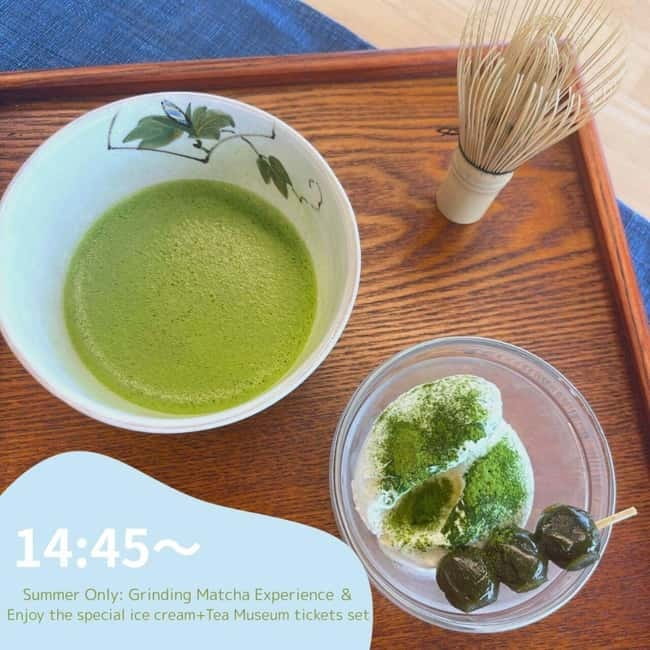
The class moves from explanation to action. You receive tea leaves and use a mill to grind them into powder. The view toward the tea fields and gardens adds a pleasant setting, though the main attraction remains the work in front of you.
Your instructor explains the purpose of the steps and shows you how to brew the matcha. The lesson also covers the place of matcha in Japanese tea culture and may include elements of a traditional tea ceremony. You then whisk the powder and drink what you have prepared.
This is not a silent ceremony where you simply watch a specialist perform. You take part. That makes the activity more memorable, but it also means you should expect a practical lesson rather than a polished stage presentation.
The English support is part of the appeal. The experience is offered in Japanese and English, and instructors work directly with participants. Guides named in past sessions include Hideko, Keiko, Yano-san, and Sukimoto. The exact instructor is not guaranteed, but the teaching style is generally warm, patient, and lightly humorous.
English delivery may vary from instructor to instructor. One guide used a script often while building confidence in English, so explanations can occasionally feel more prepared than conversational. That is a minor tradeoff for clear step-by-step instruction and the chance to ask questions in a small class setting.
More museums in Uji:
- Kyoto: Uji Matcha Tea Museum Entry Ticket
★ 5.0 · 5 reviews - Skip the lines Basic Ticket at SAMURAI NINJA MUSEUM KYOTO
★ 4.5 · 632 reviews - Kyoto : Geiko Maiko Dance of Kyoto & Visits of Gion Museum
★ 4.6 · 415 reviews - Kyoto Sword Experience – includes Museum Ticket/Ninja Experience
★ 4.5 · 149 reviews
The taste of matcha you prepare yourself
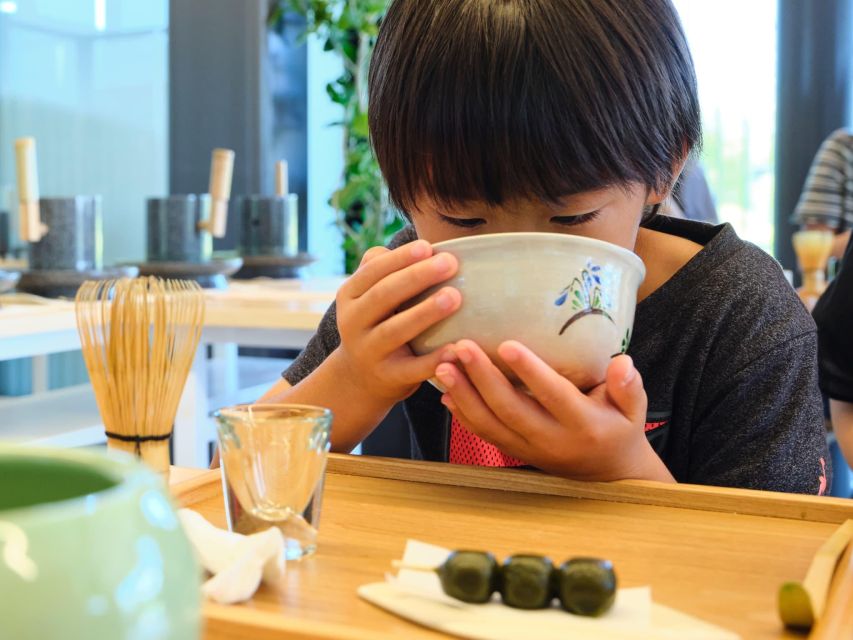
The final drink is more than a free sample. You have handled the leaves, watched them become powder, and followed the brewing method. That sequence makes it easier to understand why fresh matcha can smell so different from a sweet matcha dessert.
You may also receive sweets alongside the tea. Past sessions have included treats such as sweets or mochi, and the combination gives you a pleasant contrast with the tea’s flavor. The focus remains on the matcha, but a small sweet helps make the tasting feel complete.
The class is especially rewarding if you already drink matcha at home. You can watch the whisking technique closely and leave with a better idea of how to prepare your own bowl. If you are new to matcha, the instructor’s guidance helps prevent the experience from becoming a confusing lesson in unfamiliar tools.
The amount you grind is intended for the activity, not as a large take-home supply. I would not book this expecting to leave with a packet of your freshly milled matcha. If you want tea, matcha, or equipment to use later, the center and nearby Uji shops provide opportunities to buy them separately.
The summer-only ice cream option
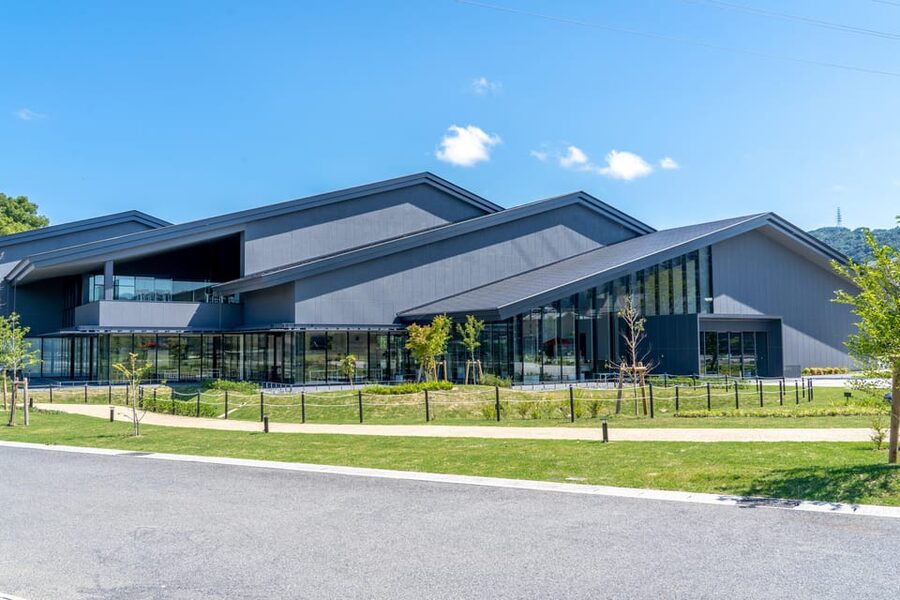
At the 2:45 p.m. session during summer, the restaurant offers a cool variation. You can pour the matcha you ground over ice cream, drink the tea, and eat the ice cream with the powder and liquid.
This option changes the mood from a traditional cup to a playful seasonal dessert. It is useful on a hot Kyoto day, when a bowl of warm tea may feel less appealing. The summer add-on also gives children and dessert lovers another reason to choose the later session.
The timing is very specific. It is offered only in summer and only at 2:45 p.m., so you should not assume it is available at other start times or throughout the year. If the ice cream matters to you, confirm the date and session before booking.
How the $23 price measures up
At $23 per person, the price is fair because it covers two connected activities: the matcha workshop and the Chazuna museum ticket. A basic museum visit would offer information, while a simple tea tasting might give you a cup without showing how the powder was made. This experience joins the two.
The value improves if you are already planning to visit Uji. You avoid adding a separate museum stop, and the one-hour duration leaves room for Byodoin Temple, the market street, or other sights. The class also gives your Uji visit a clear focus instead of leaving you to browse tea shops without much context.
I would not call it the cheapest way to drink matcha in Kyoto. Uji has plenty of cafés and sweets shops, and you can spend less on a prepared tea. But those options do not give you the mill, the instructor, the tea-making lesson, and museum admission.
It is also good value for families. The touchable displays, grinding activity, digital screen, and photo area create several points of interest beyond simply sitting with a cup. Children may need help with the process, but the class gives them something real to do.
Planning the hour without a rush
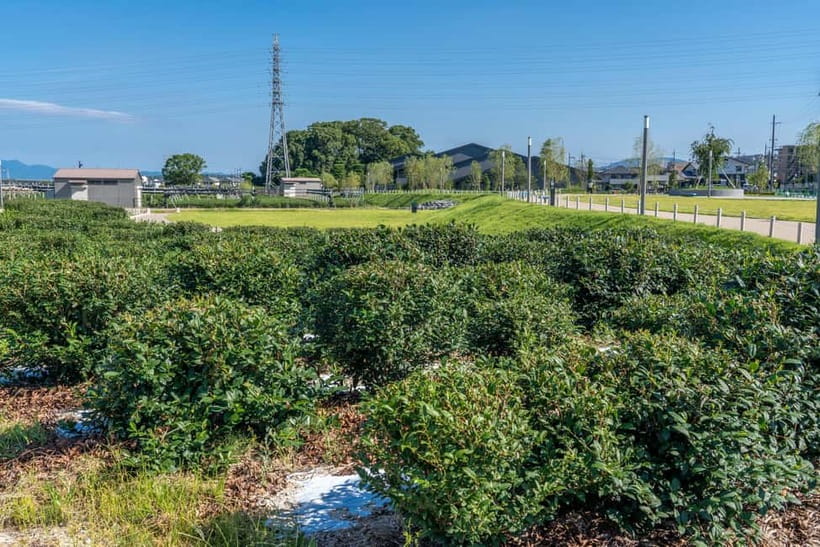
The advertised duration is one hour. Since the museum is included but the activity itself has a fixed start, plan your day around the booking rather than treating it as a flexible stop.
Arrive at the first-floor reception area 15 minutes before your reservation. This is not a casual suggestion. The class needs to begin on time, and participation can be refused after 30 minutes from the scheduled start. Late arrival also risks missing the opening explanation, which provides the context for the hands-on work.
If you are walking from JR Uji Station, use the full 12-minute estimate and add time for finding the correct exit. From Keihan Uji Station, the shorter walk is easier, but early arrival still makes sense.
You can cancel for a full refund up to 24 hours before the activity. The booking also allows you to reserve now and pay later, which helps if your Kyoto plans are still shifting. Date and time changes must be made through the website’s change procedure, not by phone, so handle adjustments as early as possible.
Chazuna is wheelchair accessible. Japanese and English are the listed languages, making the session practical for international visitors who want more than a visual museum visit.
Who will enjoy this most
I would choose this experience for you if you want a short cultural activity with a clear result: you make a drink and learn how to prepare it. It is a particularly good match for:
- Matcha fans who want to understand the drink beyond its flavor
- First-time visitors to Uji
- Families looking for a hands-on activity
- Couples or friends who enjoy food-based experiences
- Solo visitors who are comfortable joining a shared class
- Anyone with only an hour between Uji sights
It is less suitable if you want a long formal tea ceremony, a large amount of tea to take home, or an extensive museum with many galleries. The museum is compact, and the class follows a set format.
The activity also suits a mixed group. A dedicated matcha drinker can focus on tea production and whisking, while someone less interested in tea can enjoy the digital exhibits, the photo spot, and the seasonal ice cream option.
Should you book the Chazuna matcha workshop?
Book it if you are visiting Uji and want an active introduction to its tea culture. The $23 price includes the museum, the instructor, and a genuine hands-on step that most tea cafés cannot offer. Grinding your own leaves gives the hour a purpose, and drinking the result makes the lesson feel complete.
I would place it high on a Uji day plan, especially before exploring Byodoin Temple and the nearby market street. Just arrive early, confirm the exact session time, and remember that the matcha you make is for the class rather than a large souvenir portion.
If you prefer a grand, extended tea ceremony, choose something more formal. If you want a friendly, practical, family-friendly activity that explains Uji tea without taking half a day, this is an easy recommendation.
FAQ
How long does the Kyoto Tea Museum and matcha experience last?
The scheduled duration is one hour. The museum admission is included, so you can visit the Chazuna exhibits as part of the same outing.
Where is the meeting point?
Meet at the first-floor reception area at Chazuna, in the Historical Park of Tea and Uji Town.
How far is Chazuna from Uji Station?
Chazuna is about a four-minute walk from Uji Station on the Keihan Uji Line. It is about a 12-minute walk from the south exit of JR Uji Station on the Nara Line.
Is the experience available in English?
Yes. The listed languages are Japanese and English, and an instructor guides you through the tea grinding and matcha preparation.
Do I need to arrive early?
Yes. Arrive at reception 15 minutes before your reservation. Entry or participation can be refused after 30 minutes from the start, and the participation fee is not refunded in that situation.
Is the experience wheelchair accessible?
Yes. The activity is listed as wheelchair accessible.
Recently added around Uji
- Uji Walking Tour – Byodo-in temple and Tea Ceremony from Kyoto★ 3.5 · 3 reviews
- Kyoto: Uji Matcha Tea Museum Entry Ticket★ 5.0 · 5 reviews
- Utilising upcycled Matcha! Creating matcha incense (Uji, Kyoto)★ 5.0 · 6 reviews
- Kyoto Hidden Riverside Zen Mediation and Uji Matcha Experience★ 5.0 · 9 reviews
- Cycling Tour at Uji’s Matcha Green Tea Fields and Heritage★ 5.0 · 10 reviews
- Uji: Private immersion into Kyoto’s tea and reglious culture★ 5.0 · 17 reviews
- Kyoto Early Bird Tour in Uji and Fushimi Inari★ 5.0 · 18 reviews
- Uji Tea Ceremony and UNESCO Heritage Walking Tour★ 5.0 · 20 reviews
Kyoto Matcha Experiences, compared.
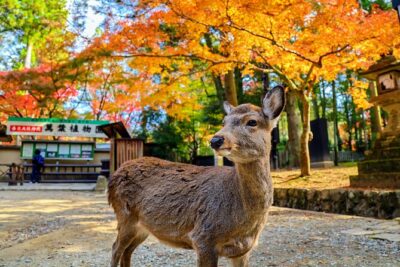
World Heritage Kyoto & Nara Uji Authentic Matcha Experience
Read our review →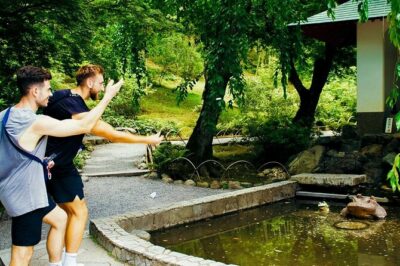
Arashiyama Bamboo Forest, Monkeys, Matcha & Temple Tour
Read our review →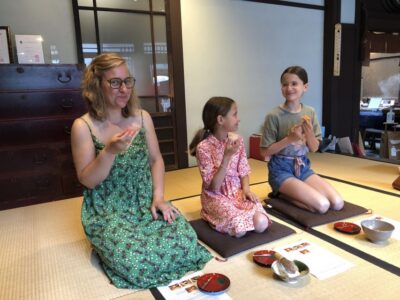
Tea Ceremony Meditation – Make Matcha with Tea Master
Read our review →Arashiyama Bamboo, Matcha, Monkeys & Temple Tour
Read our review →
Arashiyama Bamboo, Temple, Matcha, Monkeys & secret spots
Read our review →

Nara:Authentic Tea Ceremony(Max 5 ppl) -Master Matcha Making
Read our review →Browse the lists this tour appears in