
REVIEW · KYOTO RAMEN TOURS
Kyoto Ramen Bowl Painting and Michelin Cooking Class
Musoshin Ramen Academy pairs two very different Japanese pleasures: a hands-on lesson in Michelin-nominated ramen and the chance to paint your own serving bowl. Chef Shin leads the cooking class, explains the recipes, and helps you make a meal you can eat right away.
I like the use of ingredients brought from the nearby Musoshin Gion shop, since you are working with the same restaurant’s food rather than a generic cooking kit. I also like the bowl painting, which gives the short class a lasting souvenir. The main consideration is time: at about 90 minutes, this is a compact introduction, not a long chef-training course.
In This Review
- Key points to know before booking
- Cooking Michelin-nominated ramen with Chef Shin
- What the 90-minute format really gives you
- Vegetarian and vegan ramen are part of the plan
- Painting your own ramen bowl upstairs
- A bandana and a meal you made yourself
- The location and the temple information need a careful look
- Is $78.18 a fair price?
- Who will enjoy this most?
- Booking, cancellation, and group size
- Should you book Musoshin Ramen Academy?
- FAQ
- How long does the ramen and bowl painting experience last?
- Where does the experience start?
- Where does the experience end?
- Who operates the experience?
- Who teaches the ramen class?
- Can I choose vegetarian ramen?
- Can I choose vegan ramen?
- What happens during the bowl painting?
- Can I fire the bowl after painting it?
- What souvenirs are included?
- How many people can join the activity?
- Is the ticket available on a mobile device?
- Can I cancel for a full refund?
Key points to know before booking
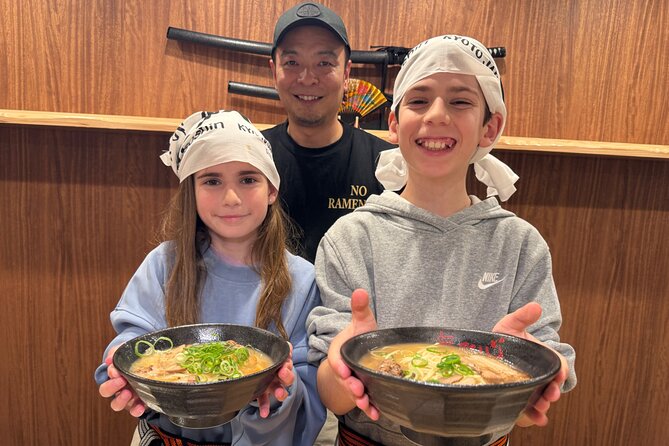
- Chef Shin leads the class: You learn directly from the owner and chef, with time to ask about ramen and his approach to food.
- Cook with restaurant ingredients: The ramen ingredients come from Musoshin’s nearby Gion location and are prepared by the chef the day before.
- Classic, vegetarian, and vegan options: You can request a vegetarian or vegan version instead of the standard ramen.
- Paint a bowl on the second floor: The bowl can be taken home as painted, or fired in a special oven for later use.
- The class fits into 90 minutes: It works well before or after sightseeing in eastern Kyoto.
- A small group keeps it personal: The maximum is 12 people, and a bandana is included as a souvenir.
Cooking Michelin-nominated ramen with Chef Shin
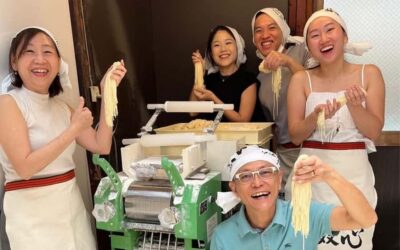
The best part of this experience is the chance to make ramen under the guidance of Chef Shin, rather than simply watching a demonstration. Musoshin Ramen Academy is operated by Musoshin Ramen, a restaurant group with three Kyoto locations and three in Toronto. The Toronto restaurant has received three Michelin nominations.
That Michelin connection matters, but you should read it in the right way. This is not a claim that you will become a Michelin-level chef in one short lesson. It means you are learning within the cooking tradition of an established ramen restaurant, with recipes and ingredients tied to its own kitchen.
Chef Shin is described as the host and owner who teaches the class personally. That can make a big difference. A cooking lesson led by the person behind the restaurant usually feels more direct than a large demonstration where a staff member simply repeats set instructions. You can ask about the recipe, the cooking process, and his interest in food as the class moves along.
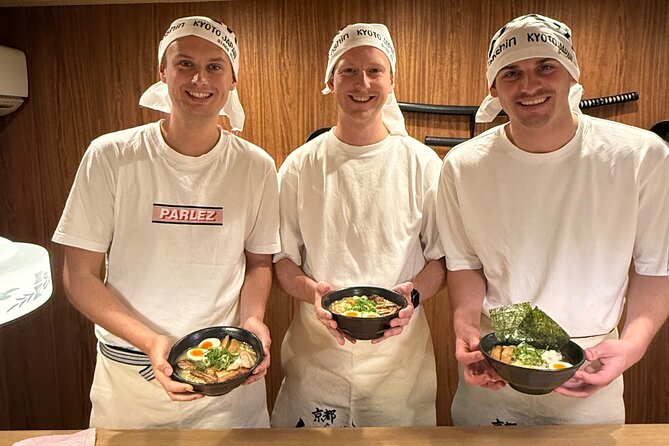
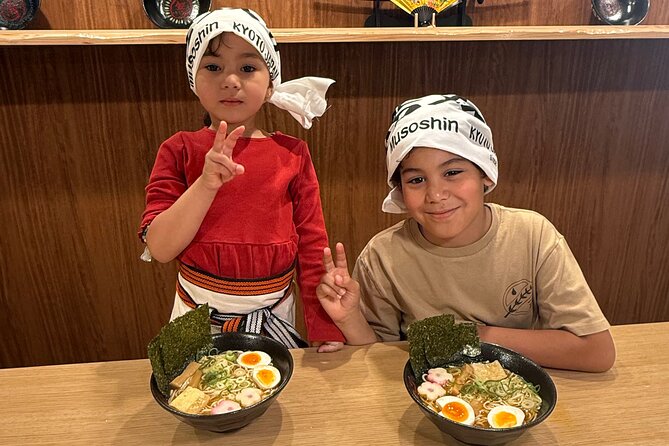
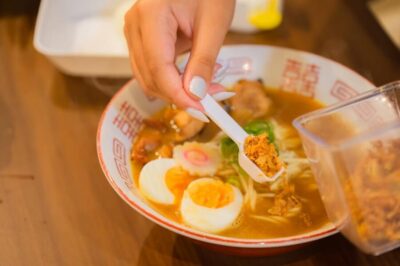
The class takes place on the first floor. You will make your ramen and then eat the bowl you prepared. That simple finish is part of the appeal. You are not carrying a boxed meal away or tasting a sample prepared entirely by someone else. Your meal becomes the result of the steps you followed in class.
The ingredients come from the nearby Musoshin Gion store. They are brought over as ingredients used for the restaurant’s ramen, with preparation handled by the chef the day before. For you, this adds a useful connection between the workshop and the working restaurant. You are learning about ramen through a real local business, not through a separate tourist-only operation.
More Kyoto ramen crawls:
- Kyoto: Ramen Cooking Class at a Ramen Factory with Souvenir
★ 4.9 · 532 reviews - Kyoto: Ramen, Gyoza, and Onigiri Cooking Class
★ 5.0 · 445 reviews - Kyoto Ramen and Gyoza Cooking Class with Professional Chefs
★ 5.0 · 282 reviews
What the 90-minute format really gives you
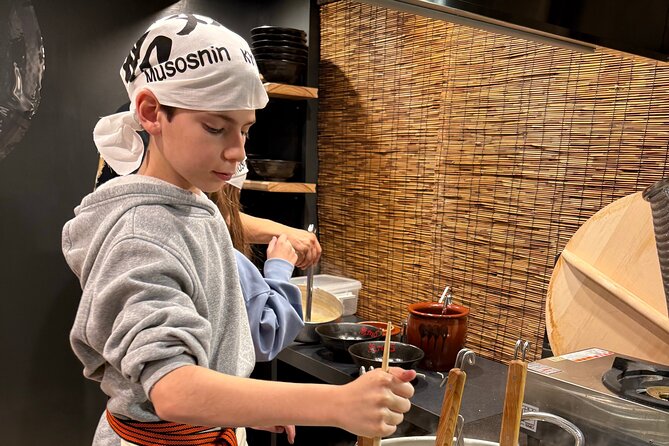
Ninety minutes is enough time for a focused food activity, especially in a city where you may want to fit in temples, shopping, and a meal afterward. You can expect a clear sequence: instruction on the ramen, hands-on preparation, eating what you made, and bowl painting upstairs.
I like this length for families and first-time cooking participants. It gives you an activity with substance without using half a day. A 12-year-old joined the class with her parents and enjoyed both the cooking and the bowl painting, so the format can work for a family as well as for adults.
The trade-off is depth. The available details do not promise a long lesson covering every part of ramen production, and the 90-minute schedule leaves limited room for extended practice. If you want a full study of noodles, broth, toppings, and restaurant management, you may find this too brief.
For most people, though, the short format is a strength. You get a practical introduction, a meal, a creative activity, and a souvenir in one compact visit. I would place it on a Kyoto day when you want something more active than temple viewing but less demanding than a full cooking school.
Vegetarian and vegan ramen are part of the plan
Many ramen classes focus on pork, chicken, or seafood, which can leave vegetarian and vegan diners with a reduced experience. Musoshin Ramen Academy specifically allows the ramen to be changed to vegetarian or vegan ramen.
That makes this class easier to book for mixed groups. One person can choose a standard bowl while another chooses a plant-based version, rather than the whole group needing to follow one menu. Still, you should select or communicate the required option at booking, since the available information confirms that substitutions are possible but does not describe every ingredient or preparation detail.
I also like that vegetarian and vegan participants are not treated as an afterthought here. The academy already has many customers who choose those options. For a food activity, that flexibility can be the difference between a genuine shared experience and a meal where one person receives a limited replacement.
Painting your own ramen bowl upstairs
After cooking, you can go to the second floor to paint a ramen bowl. This changes the mood from kitchen work to a quieter craft activity, and it gives you a personal object tied to the meal.
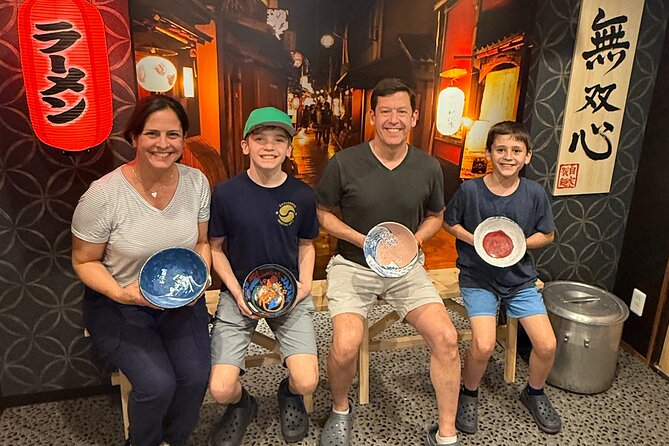
You may take the bowl home in its painted state. There is also a free option to place it in a special oven so the design is baked and the bowl becomes suitable for later meals. If you choose firing, you must return the next morning or later to collect it.
That pickup rule is the most important practical detail in the whole experience. If you are leaving Kyoto immediately after the class, the fired bowl may not be convenient. If you have another night in the city, the return visit is easier and gives you a reason to pass through the area again.
The bowl painting also makes this a stronger choice for families. Cooking can be exciting, but children may remember the painted bowl more clearly because it is their own design. Adults who prefer useful souvenirs may appreciate it too, since the fired bowl can become part of an everyday meal.
The information does not specify the exact size of the bowl, the available painting designs, or how the finished item is packaged. I would therefore treat it as a personal craft souvenir rather than expect a large, professionally finished piece.
More cooking classes in Kyoto:
- Kyoto: Japanese Washoku Bento Small Group Cooking Class
★ 5.0 · 380 reviews - Kyoto: Afternoon Japanese Izakaya Cooking Class
★ 4.9 · 241 reviews - Izakaya Style Cooking Class
★ 5.0 · 219 reviews - Gyoza Cooking Class in Kyoto: Traditional Japanese Dumplings
★ 5.0 · 210 reviews
A bandana and a meal you made yourself
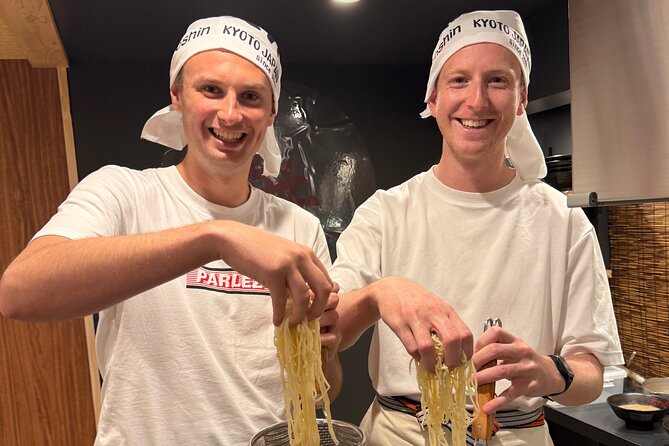
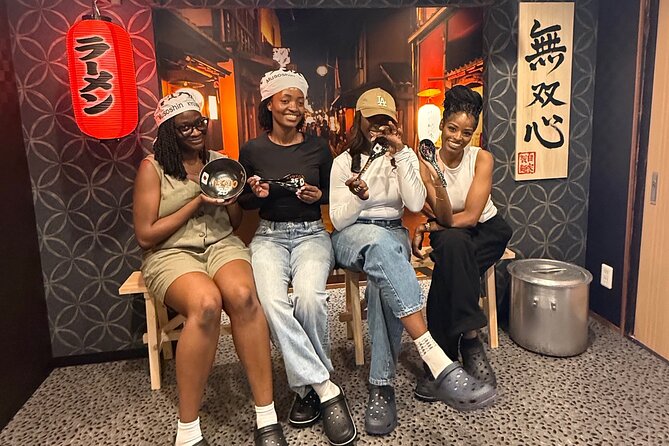
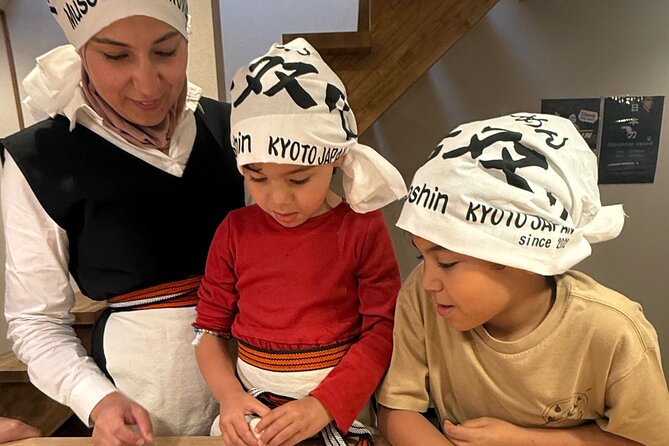
You receive a bandana as a souvenir. It is a small item, but it fits the setting better than a generic key ring. You can wear it during the cooking activity and take it home as a reminder of the class.
The main souvenir, of course, is the bowl. The bandana adds a second keepsake without changing the price or making the activity feel like a shopping stop.
The meal itself is also part of the value. You do not simply pay for a craft session with a snack attached. You learn how the ramen comes together and then eat the finished dish. For many people, that combination makes the class more memorable than a standard restaurant visit.
I would not book this only because of the Michelin reference. Book it because you want to understand ramen through preparation, ask questions of a chef, and take part in a creative activity afterward. The reputation gives the lesson useful context, but the hands-on format is the real reason to go.
The location and the temple information need a careful look
The meeting point is 440-5 Nishigomonchō in Kyoto’s Higashiyama Ward, postal code 605-0816. The activity begins and ends at that same point, and it is described as being near public transportation.
The supplied sightseeing details also name Kiyomizu-dera, Kennin-ji, and Sanjusangendo Temple. These are important Kyoto sights, but the experience details describe the ramen academy as the place where the activity occurs and do not explain a guided route or transport between those temples.
I would not assume that temple visits are included in the 90-minute ramen class. Treat the three temple names as separate itinerary information that needs confirmation before you book if seeing them is important to your plans. The cooking and bowl painting are the clearly described parts of the experience.
This part matters because Kyoto planning depends heavily on timing. Kiyomizu-dera, Kennin-ji, and Sanjusangendo each require their own visit time, and none should be casually squeezed into a short cooking class unless the operator confirms the arrangement. You can use the academy as an anchor for a day in Higashiyama, but keep your temple schedule separate until you know exactly what is included.
Is $78.18 a fair price?
At $78.18 per person, the class is not the cheapest way to eat ramen in Kyoto. A restaurant meal will cost less, and you can paint ceramics at other craft venues. The value comes from combining several parts in one visit: instruction from a ramen chef, a prepared meal, the bowl painting, the option of firing the bowl at no extra charge, and a bandana.
The restaurant connection strengthens the price. Ingredients are brought from the Musoshin Gion shop, and the academy is run by the same ramen business. You are paying for access to a guided process and a meal connected to an operating restaurant, not simply for noodles and a souvenir.
The price makes the most sense for you if you would otherwise book both a food class and a small craft activity. It is also reasonable for a family group that wants an activity everyone can share. The value is weaker if you only want a quick bowl of ramen or if you cannot stay long enough to collect a fired bowl.
Remember that the bowl pickup is optional. You can take it home painted without returning, while the fired version requires a later visit. That choice lets you control how much practical value you get from the craft portion.
Who will enjoy this most?
I would recommend this experience to several types of visitors:
- First-time visitors to Japan who want an activity tied to a familiar Japanese dish.
- Families, especially those with older children who can take part in cooking and bowl painting.
- Vegetarian and vegan diners who want a planned alternative rather than a last-minute substitute.
- Ramen fans who care about recipes, ingredients, and the restaurant behind the meal.
- Couples and small groups looking for a shared souvenir with a personal design.
- Visitors with a free morning or afternoon who want a 90-minute activity near Kyoto’s eastern sights.
I would be more cautious if you are looking for advanced culinary training. The lesson is short, and the available information does not promise professional knife skills, noodle-making from scratch, or a detailed study of broth production. It is best understood as an accessible introduction led by a restaurant chef.
It may also be less suitable for anyone leaving Kyoto the same day after the class. You can take the painted bowl with you, but the fired bowl requires pickup the next morning or later.
Booking, cancellation, and group size
The maximum group size is 12 people. That is small enough to make the activity feel more personal than a large food demonstration, while still allowing the academy to host several bookings together.
Confirmation is provided when you book, and the ticket is mobile, so you do not need to manage a paper voucher. The location is near public transportation, but the available details do not identify a specific station or give walking directions. Check the meeting point carefully before setting out.
Free cancellation is available if you cancel at least 24 hours before the local start time. Cancellation inside that window is not refundable, and changes made less than 24 hours before the start are not accepted. I would make your dietary choice and your temple schedule clear before the cutoff.
Should you book Musoshin Ramen Academy?
Book this if you want more than a restaurant meal. The strongest reasons are Chef Shin’s personal instruction, the use of ingredients from Musoshin’s Gion shop, the choice of vegetarian or vegan ramen, and the bowl you paint yourself.
I would especially choose it for a family, a ramen-loving couple, or anyone with at least one more night in Kyoto after the class. That extra night gives you the option to collect the fired bowl, turning a short activity into a useful souvenir from the city.
Skip it if you only want a quick lunch, need an advanced cooking course, or cannot manage a later pickup for the fired bowl. Also confirm the role of the named temples before booking, since the clearly described experience centers on the academy rather than a temple tour.
For the right visitor, $78.18 buys a meal, a lesson, a craft activity, and a story you can carry home. That is a fair deal for a compact Kyoto experience with a clear local connection.
FAQ
How long does the ramen and bowl painting experience last?
The activity lasts approximately 1 hour and 30 minutes.
Where does the experience start?
It starts at 440-5 Nishigomonchō, Higashiyama Ward, Kyoto, 605-0816, Japan.
Where does the experience end?
The activity ends back at the meeting point.
Who operates the experience?
It is operated by Musoshin Ramen Academy, written as 無双心ラーメンアカデミー.
Who teaches the ramen class?
Chef Shin, the owner and chef, hosts the class and teaches you how to make ramen.
Can I choose vegetarian ramen?
Yes. The ramen can be changed to a vegetarian version.
Can I choose vegan ramen?
Yes. The ramen can also be changed to a vegan version.
What happens during the bowl painting?
You paint your own ramen bowl on the second floor of the academy.
Can I fire the bowl after painting it?
Yes. As a free option, you can place the bowl in a special oven. You must return the next morning or later to collect the baked bowl.
What souvenirs are included?
You receive a bandana. You can also take your painted bowl home, either before firing or after returning to collect the baked version.
How many people can join the activity?
The maximum group size is 12 people.
Is the ticket available on a mobile device?
Yes. The experience includes a mobile ticket.
Can I cancel for a full refund?
Yes, if you cancel at least 24 hours before the experience start time. Cancellations made less than 24 hours before the start are not refunded.
More Workshops in Kyoto
- Kyoto: 45-Minute Tea Ceremony Lesson Experience
★ 4.3 · 2,378 reviews - Kyoto : Chopsticks Making Workshop in Gion with Engraving Option
★ 5.0 · 958 reviews - Kyoto: Samurai Sword Class by Experts in Traditional Arts
★ 4.9 · 657 reviews - Ninja 1-hour Hands-on Lesson by Japanese master in Kyoto -Entry
★ 5.0 · 489 reviews
Recently added around Kyoto
- Higashiyama | Kyoto: Sakura Season Private Rickshaw Tour★ 5.0 · 3 reviews
- Kyoto Kimono Rental CHAMATSU|Kimono/Yukata Rental FamilyPlan★ 5.0 · 3 reviews
- Kyoto: Half-Day Private Guided Tour to the Old Town of Gion★ 4.4 · 3 reviews
- Nara Private Customizable Half Day Tour★ 5.0 · 3 reviews
- Kansai Region Hiking Adventure in Nara Kobe Kyoto and More★ 5.0 · 3 reviews
- Full Day Nara Deer, Temple, Shrine, Activities & Tea Ceremony★ 5.0 · 3 reviews
- Nara: Essential Private Tour with Deer Park and Temples★ 5.0 · 3 reviews
- Hiking Tour for Sacred Sites in Kyoto with a Guide★ 5.0 · 3 reviews
Kyoto Ramen Tours, compared.
Ramen Cooking Class at a Ramen Factory with Souvenir
Read our review →
Kyoto Ramen and Gyoza Cooking Class with Professional Chefs
Read our review →
Kyoto Michelin Ramen Workshop or Painting Ramen Essentials
Read our review →Kyoto Ramen & Gyoza Cooking Class with Professional Chefs
Read our review →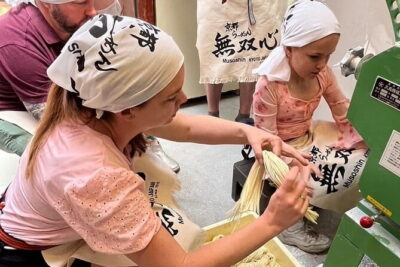
Browse the lists this tour appears in