
REVIEW · COOKING CLASSES
Kyoto: Morning Japanese Bento Cooking Class
Kyoto’s bento cooking class turns a familiar Japanese lunch into a hands-on cultural lesson. Over about three hours, you prepare sushi, tempura, teriyaki chicken, miso soup, and several smaller dishes, then arrange them in a bento box and eat what you made. The food is practical to recreate at home, not just pretty to photograph.
I like the small-group feel and the patient English instruction. I also like that the class gives you recipes and useful ingredient tips, including advice on finding Japanese products after you return home. The main consideration is that ingredients are already prepared, so this is a cooking and cultural class, not a full knife-skills workshop.
In This Review
- Key points at a glance
- Why a bento class fits a Kyoto morning
- Arriving at Cooking Sun in Shimogyo Ward
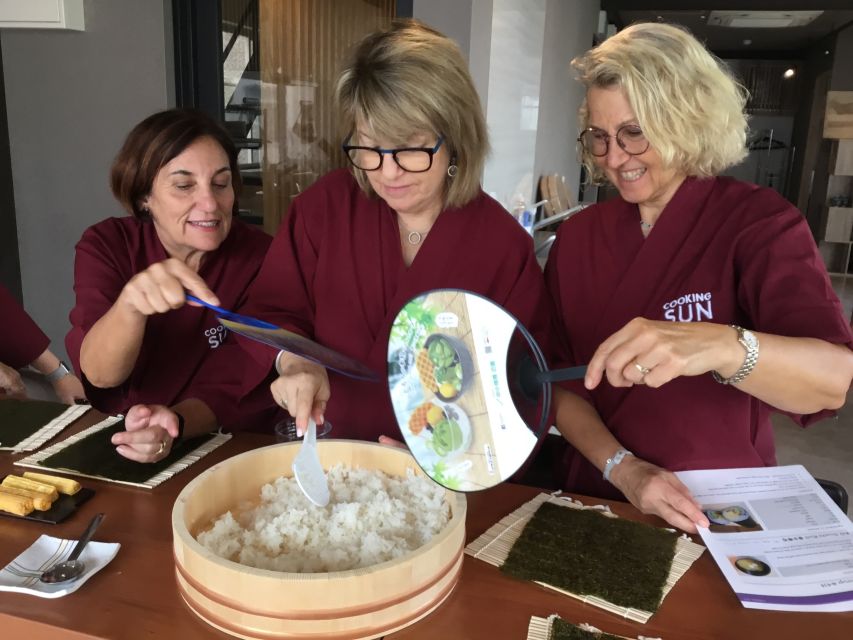
- Getting started with ingredients and equipment
- Making sushi, tempura, and teriyaki chicken
- What the instructors add to the morning
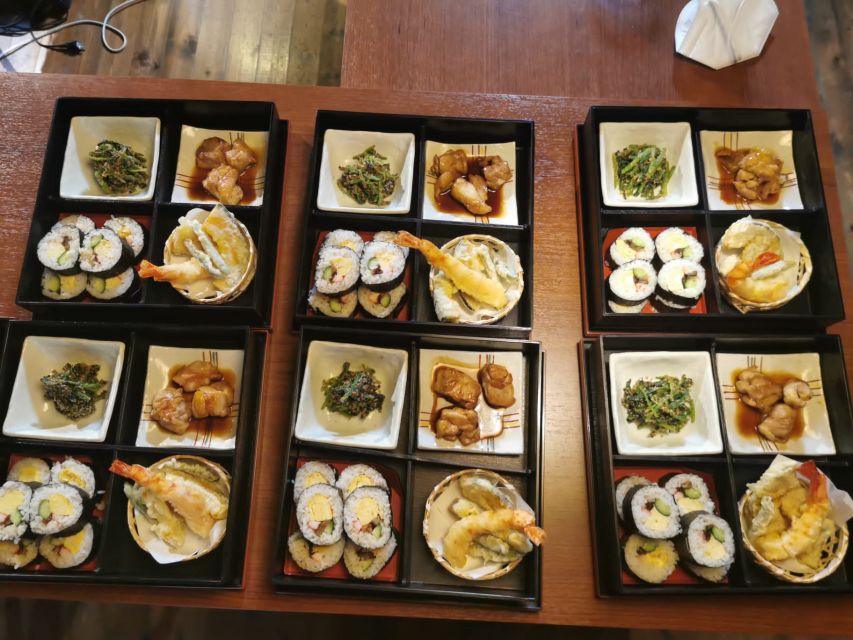
- Sitting down to your handmade bento
- Value at $67 per person
- Who will enjoy this class most
- Timing, cancellation, and useful planning tips
- Should you book the Kyoto bento cooking class?
- FAQ
- How long does the Kyoto bento cooking class last?
- What dishes will I learn to make?
- Is lunch included?
- Is the class taught in English?
- Where does the class meet?
- Is hotel pickup included?
- Can dietary requirements be accommodated?
- Can I cancel for a refund?
Key points at a glance
- A full bento meal in one morning: Prepare sushi, tempura, teriyaki chicken, miso soup, and other Japanese dishes before sitting down to lunch.
- Small groups with personal help: Classes have included groups as small as four and around eight to ten people, with more than one instructor.
- English-speaking guidance: Instructors such as Mei, Mae, Tomoko, and Yukari have taught clear, step-by-step lessons.
- Recipes you can use at home: Written recipes and shopping advice make the class useful beyond your Kyoto stay.
- Good for families and dietary needs: Children around age 10 have taken part, and vegetarian and no-shellfish versions have been accommodated.
- Central Kyoto meeting point: The class begins at Cooking Sun on Funayacho in Shimogyo Ward, with no hotel transportation included.
Why a bento class fits a Kyoto morning
A bento is more than a lunch packed into a box. It is a way of arranging several tastes, textures, and colors in one compact meal. The tradition reaches back to the late Kamakura Period, from 1185 to 1333, and remains part of everyday Japanese food culture.
That makes this class a useful choice if you want more than a quick sushi-making demonstration. You are not simply watching someone prepare a meal. You are learning how separate dishes work together in a bento, why certain foods appear in it, and how small portions can still make a satisfying lunch.
The morning timing also works well in Kyoto. You finish with a substantial meal, leaving the rest of the day open for temples, markets, or a walk along the Kamo River. At three hours, the class takes enough time to teach several dishes without filling an entire day.
More cooking classes in Kyoto:
- Kyoto: Ramen Cooking Class at a Ramen Factory with Souvenir
★ 4.9 · 532 reviews - Kyoto: Ramen, Gyoza, and Onigiri Cooking Class
★ 5.0 · 445 reviews - Kyoto: Japanese Washoku Bento Small Group Cooking Class
★ 5.0 · 380 reviews
Arriving at Cooking Sun in Shimogyo Ward
The meeting point is Cooking Sun, Funayacho, in Kyoto’s Shimogyo Ward. Hotel pickup and drop-off are not included, so you need to make your own way there and allow time to find the cooking school.
One practical warning comes from an otherwise very positive experience: the location was not easy for one participant to find. I would save the address before leaving your hotel and check your route in advance. A cooking class has a fixed start time, and arriving late can be awkward when the group is already measuring ingredients or watching a demonstration.
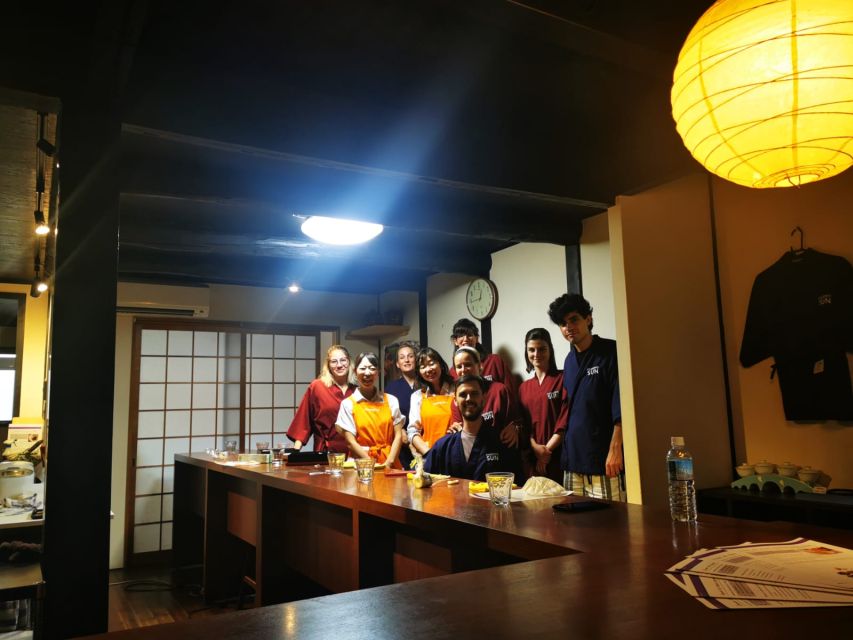
The venue is described as a pleasant kitchen with a friendly atmosphere. Group sizes can vary. Some sessions have been very intimate, including one with only two participants, while others have had eight or up to ten people with several instructors. A smaller class means more chances to ask questions and get help with technique.
The activity is wheelchair accessible. If you have dietary requirements, tell the operator when booking. Vegetarian and no-shellfish adjustments have been handled, but it is better to arrange this ahead of time rather than explain it once cooking has started.
Getting started with ingredients and equipment
At the beginning, you collect the ingredients, apron, and utensils needed for the lesson. The equipment is supplied, so you do not need to bring cooking tools with you.
The format is a demonstration followed by hands-on work. Your instructor shows the method, explains the reason behind it, and then guides you as you prepare the dish yourself. English is the listed teaching language, and the class has been praised for clear explanations that are easy to follow.
The ingredients are prepared in advance. That is important to understand before booking. You will learn how the dishes are assembled and cooked, but you should not expect an extended lesson in chopping, slicing, or other basic knife work.
I see this as a sensible choice for a short holiday class. Prepped ingredients let you cover more dishes in three hours, including sushi, tempura, chicken, soup, and smaller side dishes. If your goal is to practice Japanese knife skills from start to finish, this class may feel limited. If you want a manageable introduction to a complete Japanese meal, the preparation saves time and keeps the pace moving.
Making sushi, tempura, and teriyaki chicken
The main appeal is the range of food. You are not spending the entire session on one roll or one complicated dish. The class covers familiar Japanese favorites, including sushi, tempura, teriyaki chicken, and miso soup. Several participants have also described making six or seven traditional dishes in total.
Sushi gives you a chance to work with rice and learn how a simple roll is put together. The satisfaction comes from making something recognizable with your own hands, even if your first roll is not perfectly shaped.
Tempura brings a different lesson. You learn how a light coating and hot oil produce the crisp texture associated with the dish. One participant left planning to make tempura and use mirin at home, which says something useful about the class: the recipes are intended to be repeated, not treated as a one-off holiday stunt.
Teriyaki chicken is likely to be the most immediately practical dish for home cooks. It uses familiar ingredients and provides a clear example of how Japanese seasoning creates a glossy, savory sauce. Miso soup adds another everyday staple and helps show how a bento meal balances a main dish with soup and smaller portions.
The class also includes presentation. A bento should look inviting, and arranging several foods in one box is part of the lesson. You learn that a Japanese lunch is not only about flavor. Color, portion size, and neat placement matter too.
More workshops and classes in Kyoto:
- Kyoto: 45-Minute Tea Ceremony Lesson Experience
★ 4.3 · 2,378 reviews - Kyoto : Chopsticks Making Workshop in Gion with Engraving Option
★ 5.0 · 958 reviews - Kyoto: Samurai Sword Class by Experts in Traditional Arts
★ 4.9 · 657 reviews - Ninja 1-hour Hands-on Lesson by Japanese master in Kyoto -Entry
★ 5.0 · 489 reviews
What the instructors add to the morning
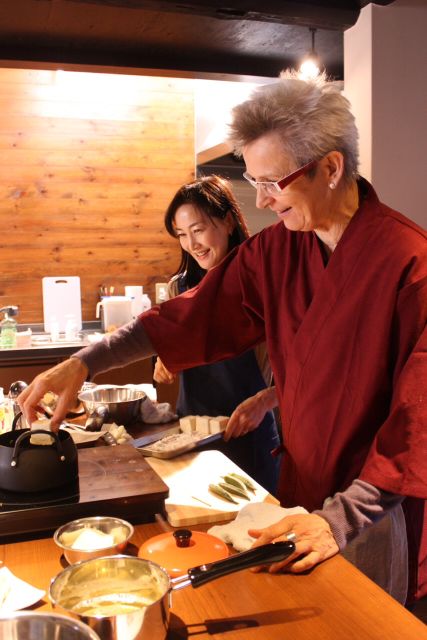
The instructors are a major part of the experience. Names that have appeared in past sessions include Mei, Mae, Tomoko, Yukari, Coco, and Ikari, though the teacher assigned to your class may differ.
The teaching style is practical. Instructors demonstrate each stage, then offer help as you work. They have also been described as patient with children and teenagers, giving extra guidance when needed. In one family class, two 10-year-old children took part and enjoyed the food, making this a realistic option for families with older children.
Written recipes are provided, which is one of the class’s best features. It is easy to forget quantities and cooking steps after a busy trip through Japan. A recipe sheet gives you something concrete to use later, especially when you are trying to find ingredients outside Japan.
The instructors have also offered tips about where to buy Japanese ingredients at home. That small detail matters. A holiday cooking class is much more useful when it explains possible substitutes or shopping sources rather than leaving you with a recipe you cannot reproduce.
The group setting adds a social side without requiring forced entertainment. You meet people from other countries, share a kitchen, and eat together afterward. Some sessions have included multilingual instructors, including German, but English is the stated language for the activity.
Sitting down to your handmade bento
Once the cooking is finished, you eat the bento lunch you prepared. This is not a separate restaurant meal, and that is part of the charm. You can see the final result of each technique while the instructions are still fresh in your mind.
The meal is substantial for a morning activity because it includes multiple dishes. You may have sushi, tempura, teriyaki chicken, miso soup, and several additional items, depending on the class menu. The exact number of dishes can vary, but the format is designed to produce a complete bento rather than one small sample.
I like the built-in reward. Cooking classes can become tiring when the food is prepared but not eaten until much later. Here, lunch follows naturally, and you get to compare the different textures and flavors in the same meal.
It is also a good moment to ask final questions. You have just handled the ingredients and tasted the result, so advice about seasoning or home preparation is easier to understand. Some instructors have taken photographs and videos during the class, which can be a thoughtful extra for families or couples who want a record of the morning. Do not assume this is guaranteed every time, but it has happened in past sessions.
Value at $67 per person
At $67 per person, this is not the cheapest way to eat lunch in Kyoto. You can buy a bento at a station or convenience store for far less. The price makes sense only if you value the lesson, the supplied ingredients, the use of equipment, the recipes, and the social experience.
For that price, you receive about three hours of instruction, an apron and utensils, all cooking ingredients, and the meal you prepare. You also leave with techniques you can use again. That is stronger value than a short demonstration, especially if Japanese food is one of your main interests.
The class is particularly worthwhile for people who cook at home. Several participants have planned to repeat the dishes after returning home, and some have bought equipment or ingredients for that purpose. If you are unlikely to cook Japanese food again, the value is more about the cultural experience and the lunch itself.
Group size affects the value. A class of four with two instructors gives you much more personal attention than a large workshop. Even groups around eight to ten have had several teachers, but you should check the available session details when booking if individual help is important to you.
Who will enjoy this class most
This suits first-time visitors who want an approachable introduction to Japanese food. You do not need advanced cooking skills, and the recipes are presented at a manageable level.
It is also a good fit for families with children old enough to follow instructions at a kitchen counter. The class has accommodated children around 10 and teenagers, with instructors offering extra support when needed.
Vegetarians and people avoiding shellfish should ask about arrangements before booking. Adjustments have been made in the past, but the activity specifically asks you to advise of dietary requirements when reserving your place.
Experienced home cooks should not dismiss it. One participant arrived with plenty of Japanese cooking experience and still learned new tips. The class may not challenge a professional cook, but it can sharpen your understanding of seasoning, presentation, and everyday Japanese methods.
I would be less likely to recommend it to someone focused on knife training or advanced culinary technique. The ingredients are prepped, and the main goal is a broad, enjoyable bento lesson.
Timing, cancellation, and useful planning tips
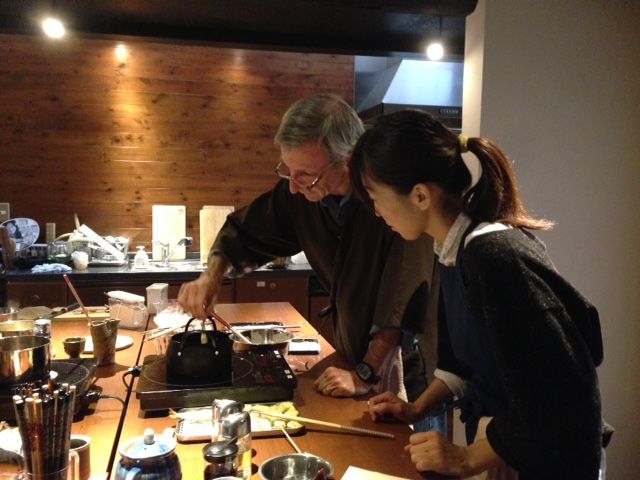
The class lasts about three hours, with starting times depending on availability. Plan your day around that fixed morning appointment rather than trying to squeeze it between tightly timed sightseeing stops.
Wear something comfortable for kitchen work. An apron is supplied, along with utensils, so you can travel light. You should also arrive ready to participate, not simply observe.
Free cancellation is available up to 24 hours before the activity for a full refund. You can also reserve and pay later, which helps if your Kyoto schedule is still changing.
The activity is in English and wheelchair accessible. Since transportation is not included, arrange your own route to Funayacho and allow extra time for locating the entrance.
Should you book the Kyoto bento cooking class?
Book it if you want a friendly, practical food experience that gives you lunch and useful skills in the same morning. The strongest reasons are the small-group format, clear English instruction, wide menu, written recipes, and the chance to make several dishes instead of only one.
Families, couples, solo visitors, and home cooks can all get something from it. I would especially recommend it to anyone who has eaten bento in Japan and wants to understand how the different parts come together.
Skip it if you want a serious knife-skills course, a professional culinary workshop, or a cheap meal. At $67, you are paying for instruction and cultural context as much as for food.
For most visitors with three free morning hours, it is a sensible Kyoto choice. You leave with a full lunch, a better feel for Japanese home cooking, and recipes that can keep the trip going after you return home.
FAQ
How long does the Kyoto bento cooking class last?
The class lasts about three hours. The activity information gives a duration of three hours, with the session itself described as taking approximately two and a half to three hours.
What dishes will I learn to make?
The class includes sushi, tempura, teriyaki chicken, and miso soup. Past class menus have also included several additional traditional Japanese dishes, with some participants preparing six or seven dishes in total.
Is lunch included?
Yes. You eat the bento lunch you prepare during the class. Ingredients, an apron, utensils, and the cooking lesson are also included.
Is the class taught in English?
Yes. English is the listed teaching language. Instructors in past sessions have included Mei, Mae, Tomoko, Yukari, Coco, and Ikari.
Where does the class meet?
The meeting point is Cooking Sun, Funayacho, Shimogyo Ward, Kyoto, Kyoto 600-8466.
Is hotel pickup included?
No. You need to make your own way to the Cooking Sun meeting point.
Can dietary requirements be accommodated?
You should advise the operator of dietary requirements when booking. Vegetarian and no-shellfish versions have been accommodated in past classes.
Can I cancel for a refund?
Yes. You can cancel up to 24 hours in advance for a full refund. Reserve-now, pay-later booking is also available.
More Morning in Kyoto
- Kyoto Early Morning Tour with English-Speaking Guide
★ 5.0 · 1,427 reviews - Kyoto: Early Morning Tour with English-Speaking Guide
★ 4.9 · 1,128 reviews - Nara Early Morning Tour (Kyoto or Osaka Departure Available)
★ 5.0 · 676 reviews - From Kyoto: Nara Guided Morning Tour
★ 4.6 · 335 reviews
Recently added around Kyoto
- Higashiyama | Kyoto: Sakura Season Private Rickshaw Tour★ 5.0 · 3 reviews
- Kyoto Kimono Rental CHAMATSU|Kimono/Yukata Rental FamilyPlan★ 5.0 · 3 reviews
- Kyoto: Half-Day Private Guided Tour to the Old Town of Gion★ 4.4 · 3 reviews
- Nara Private Customizable Half Day Tour★ 5.0 · 3 reviews
- Kansai Region Hiking Adventure in Nara Kobe Kyoto and More★ 5.0 · 3 reviews
- Full Day Nara Deer, Temple, Shrine, Activities & Tea Ceremony★ 5.0 · 3 reviews
- Nara: Essential Private Tour with Deer Park and Temples★ 5.0 · 3 reviews
- Hiking Tour for Sacred Sites in Kyoto with a Guide★ 5.0 · 3 reviews
Cooking Classes, compared.
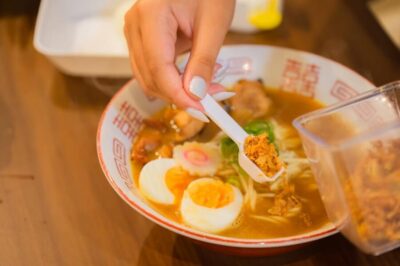
Ramen Cooking Class at a Ramen Factory with Souvenir
Read our review →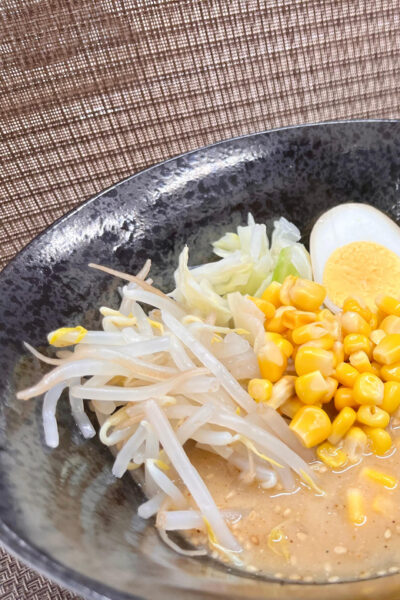
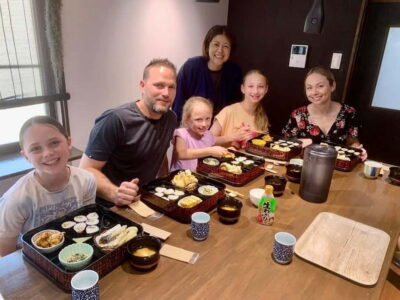
Japanese Washoku Bento Small Group Cooking Class
Read our review →
Kyoto Ramen and Gyoza Cooking Class with Professional Chefs
Read our review →
Gyoza Cooking Class in Kyoto: Traditional Japanese Dumplings
Read our review →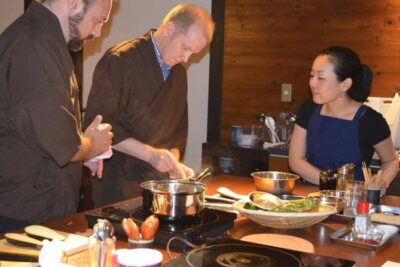
Browse the lists this tour appears in