
REVIEW · ARASHIYAMA BAMBOO GROVE TOURS
Arashiyama’s Best Vegan Ramen & Gyoza Class
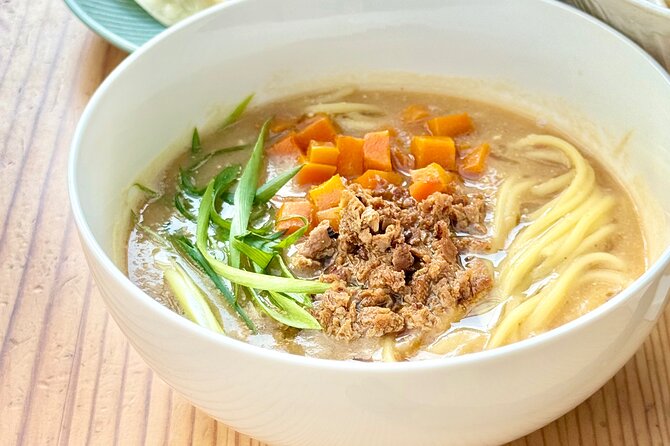
Arashiyama’s most memorable flavor may come from a bowl of ramen made without pork, fish, or animal products. This private class builds two broths from kombu, shiitake, and Kyoto vegetables, then pairs them with handmade gyoza. The aim is not merely to provide a vegan substitute, but to show you how plant ingredients create serious umami.
I like the small private format, which gives your group room to ask questions and work at a comfortable pace. I also like the practical takeaway: you leave with recipes, not just a full stomach. The main consideration is the home setting, where a dog lives, so this is not a good choice if you have animal allergies.
In This Review
- Key points to know before booking
- Why this ramen class is different from a standard Kyoto food tour
- Meeting near Arashiyama Station
- Inside the private cooking experience
- Building the two secret umami broths
- Folding and crisping handmade gyoza
- What the two-hour schedule means for you
- Is $65.15 a fair price?
- Vegan, vegetarian, and gluten-free needs
- Who will get the most from this experience?
- Booking, timing, and cancellation details
- Should you book Arashiyama’s vegan ramen class?
- FAQ
- Where does the ramen and gyoza class start?
- How long does the experience last?
- What food will I make?
- Is the meal fully vegan?
- Are gluten-free options available?
- Are drinks and cooking supplies included?
Key points to know before booking
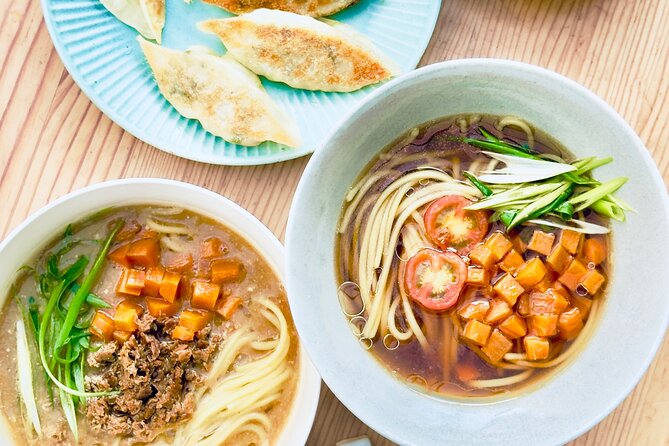
- Two ramen broths from scratch: You prepare two plant-based broths rather than tasting only one finished soup.
- Crispy gyoza included: The class covers handmade dumplings as well as ramen.
- Private, English-speaking instruction: Only your group participates, with an instructor guiding the cooking.
- Near Arashiyama Station: The class starts and ends at Arashiyama Station, making it easy to pair with sightseeing.
- Recipes and kitchen basics supplied: Aprons, towels, water, tea, and cooking recipes are included.
- Dog in the home: Tell the provider about food allergies in advance, but skip this experience if animal allergies are a concern.
Why this ramen class is different from a standard Kyoto food tour
Many food activities in Kyoto take you from one shop to another. This one keeps you in the kitchen. In about two hours, you learn how plant-based ingredients can produce a broth with the body and savory depth usually associated with pork-based ramen.
The class is built around two ideas: ramen and gyoza should be made properly, and vegan food should not feel like a compromise. The kitchen team spent months working on a broth based on kombu, shiitake, and fresh Kyoto vegetables. It is 100 percent plant-based and dashi-free, yet designed to rival the richness of tonkotsu-style soup.
That distinction matters. In Japan, dashi often depends on bonito flakes, even when a dish appears vegetarian. This class avoids fish-based stock altogether. If you are vegan or vegetarian, that makes the meal easier to assess. If you eat meat, the class gives you a useful lesson in flavor building rather than asking you to settle for a thin vegetable soup.
You will also make crispy gyoza from scratch. That adds a hands-on element that a simple ramen demonstration would lack. You are not only watching someone ladle soup into a bowl. You are working through a complete meal and then eating it at the same place.
More of Arashiyama and the bamboo grove:
- Kyoto: Fushimi Inari, Kinkakuji, Bamboo Grove 1 Day Bus Tour
★ 4.8 · 4,316 reviews - Kyoto/Osaka: Nara, Fushimi Inari Taisha, Arashiyama Bus Tour
★ 4.7 · 1,275 reviews - Kyoto Arashiyama Walking Tour: Bamboo, Monkeys, Gardens & Secrets
★ 5.0 · 1,216 reviews
Meeting near Arashiyama Station
The meeting point is Arashiyama Station in Higashichikawacho, in Kyoto’s Nishikyo Ward. The activity ends back at the meeting point, and the location is near public transportation.
That makes the timing useful. You can plan the class around a visit to Arashiyama rather than treating it as a distant side trip. Since the class lasts about two hours, it can fit into a morning, midday, or evening plan, depending on the reservation you choose.
Still, allow yourself a little breathing room. Arashiyama is one of Kyoto’s busiest sightseeing areas, and the class itself is not designed as a walking tour. You need to arrive at the station meeting point on time and be ready to move into the cooking portion.
The meeting point also gives you a clear end to the experience. You do not need to figure out your return route from an unfamiliar neighborhood. For a private food activity, that simple arrangement is helpful.
Inside the private cooking experience
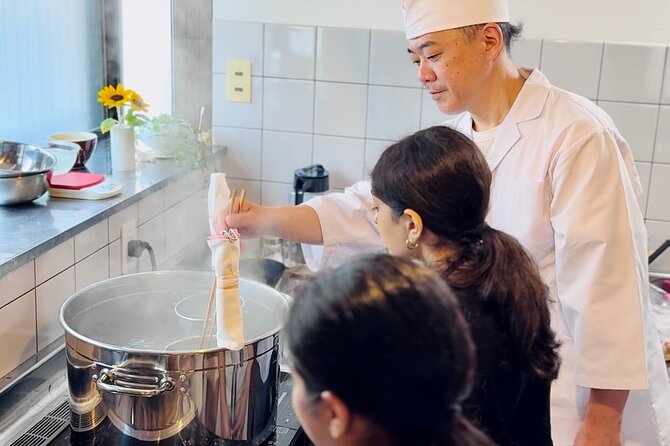
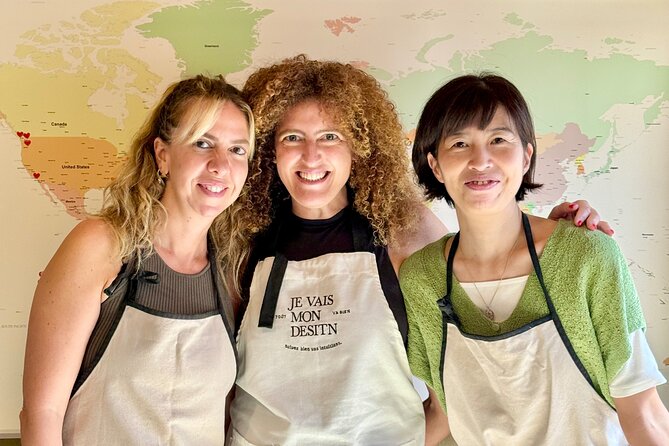
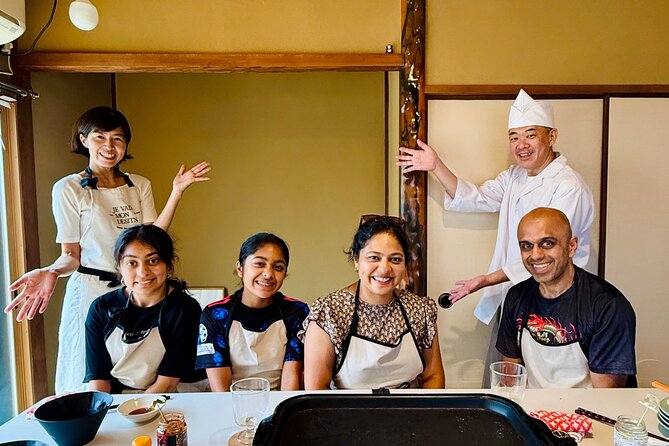
The class is a private activity, so only your group takes part. That is a meaningful advantage for a cooking lesson. You can ask for clarification, slow down during a tricky step, or ask about ingredients without competing with a large group.
Instruction is provided in English. Aprons and towels are available at no charge, which means you do not need to pack special clothing or worry too much about kitchen spills. Water and tea are also freely available.
The experience takes place in a home setting. Earlier cooking activities associated with Kyoto green cuisine were held in a clean, welcoming home, with clear instruction and a relaxed pace. That personal setting is part of the appeal, though it is not the same as cooking in a restaurant school with a large professional classroom.
Satoru and Akiko are the names connected with Kyoto green cuisine, and their correspondence presents the operation as a hands-on, family-style cooking experience. The current activity information confirms an English-speaking instructor, but it does not specify which instructor will lead your particular session. If meeting a particular teacher matters to you, ask before booking.
Building the two secret umami broths
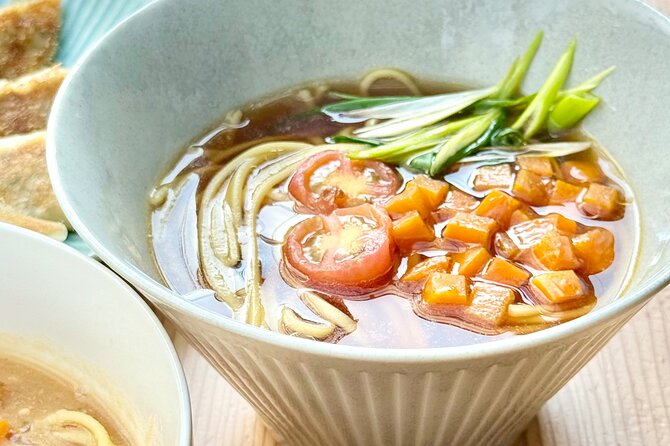
The centerpiece is the broth work. You make two different ramen broths, both plant-based, rather than simply adding toppings to premade soup.
Kombu supplies a savory foundation. Shiitake adds another layer of earthy flavor. Fresh Kyoto vegetables bring sweetness and freshness to the stock. The point is to show how several modest ingredients can build a full bowl when treated carefully.
The class describes the result as creamy, rich, and satisfying, with a texture meant to compare with tonkotsu. You should understand that this is a cooking goal, not a promise that the soup will taste like pork. The flavor profile comes from vegetables, mushrooms, and kelp, so it remains its own style of ramen.
I like this part of the class because it has value beyond the meal. Broth is the part of ramen most home cooks find difficult to reproduce. A useful recipe can change the way you approach soups, sauces, noodle dishes, and even simple vegetable meals.
You also get to compare two broth styles during one session. The supplied information does not give the exact names or flavor profiles of the broths, so do not book expecting a detailed tasting menu. The clear promise is that you will prepare two plant-based ramen broths and learn the method behind them.
More Kyoto ramen crawls:
- Kyoto: Ramen Cooking Class at a Ramen Factory with Souvenir
★ 4.9 · 532 reviews - Kyoto: Ramen, Gyoza, and Onigiri Cooking Class
★ 5.0 · 445 reviews - Kyoto Ramen and Gyoza Cooking Class with Professional Chefs
★ 5.0 · 282 reviews - Home style Ramen and Homemade Gyoza in Kyoto
★ 5.0 · 152 reviews
Folding and crisping handmade gyoza

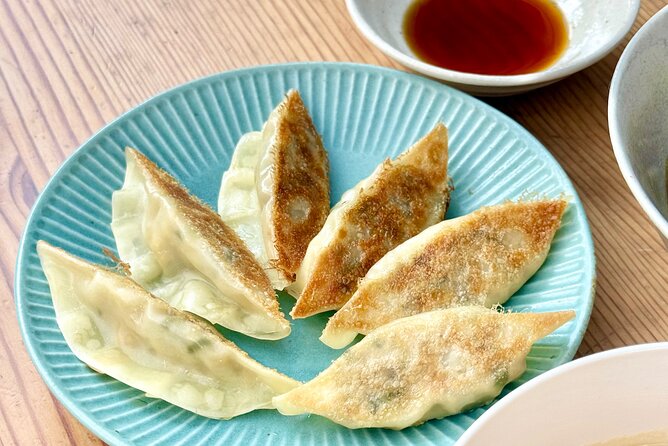
The gyoza gives the class a second rhythm. Ramen broth takes time and layering. Dumplings are more tactile. You handle the filling, shape the wrappers, and work toward a crisp finish.
The activity description identifies the gyoza as crispy and made from scratch. It does not list the exact filling or number of dumplings, so you should not assume a particular vegetable mix. What you can expect is a plant-based dumpling component taught alongside the ramen.
This is a good fit for couples, families, and friends who want to cook together. One person can focus on the gyoza while another works with the broth, then everyone can share the finished meal. Since the class is private, the group format should feel more cooperative than competitive.
The meal is cooked and eaten during the class. Lunch reservations include lunch, and evening reservations include dinner. You do not finish by receiving a takeaway box or being sent to a restaurant. The food you prepare is the meal.
What the two-hour schedule means for you
Two hours is enough time for a focused lesson, but not enough for a long culinary seminar. The class needs to keep moving through preparation, cooking, assembly, and eating.
That compact length works well in Kyoto. You get a real activity without surrendering half a day. It also suits a sightseeing schedule that includes Arashiyama’s temples, riverfront, and bamboo area.
The tradeoff is that you may not receive a long explanation of every ingredient or technique. The emphasis is on making the dishes. If you want an extended lesson about Japanese food culture, regional agriculture, or noodle production, this class may feel narrow. If you want to learn a meal you can repeat at home, the short format is more practical.
The class has received a high overall rating of 4.7 from six reviews, though that is a small sample. The strongest praise centers on organization, clear instruction, a friendly atmosphere, and the sense of being welcomed into a clean home. One review specifically praised the chance to ask detailed cooking questions, while another highlighted the good timing and careful structure.
Some older comments refer to rice, miso soup, tempura, and sushi, which may reflect other Kyoto green cuisine classes rather than this ramen and gyoza session. I would use those comments as evidence of the teaching style, not as a promise that those dishes appear here.
Is $65.15 a fair price?
At $65.15 per person, this costs more than ordering a bowl of ramen and a plate of gyoza in Kyoto. That comparison misses the main point. You are paying for instruction, ingredients, private use of the class, a full meal, and recipes you can use later.
The value is strongest if you care about cooking. A restaurant meal gives you a finished dish. This class shows you how to build the broth and prepare the dumplings, then lets you eat what you made. The recipes are especially important because they extend the experience beyond your time in Kyoto.
The private format also changes the price calculation. A large group class can be cheaper, but you may spend more time waiting for a turn. Here, your questions and pace matter. For a couple or small group that wants a personal activity, the higher cost can make sense.
The value is weaker if you only want a quick meal or if your itinerary is already packed with food stops. This is not a budget lunch. It is a two-hour cooking experience that happens to include lunch or dinner.
Alcohol and soda are not included. Water and tea are available, so you will not be left without a drink, but plan to purchase alcoholic beverages elsewhere if you want them with the meal.
Vegan, vegetarian, and gluten-free needs
The menu is fully plant-based and dashi-free. That is useful for vegans and vegetarians who want to avoid hidden fish stock, a common concern in Japanese cooking.
Gluten-free options are available, but you should ask about them before the class. The information does not specify which noodles, wrappers, or sauces can be changed, so do not wait until you arrive to raise the issue.
You must also notify the provider about food allergies in advance. This is standard advice for any cooking class, but it matters more when you are preparing several dishes from shared ingredients.
There is a dog in the home. If you have an animal allergy, this experience is not recommended. This is a firm practical limitation, not a minor footnote. Even a careful cleaning routine cannot make a dog-containing home suitable for everyone.
Who will get the most from this experience?
I would recommend the class to several types of visitors:
- Vegans and vegetarians who want a Japanese meal without fish-based dashi.
- Meat-eaters who are curious about serious plant-based cooking.
- Couples and families who prefer a private activity.
- Home cooks who want recipes rather than a one-time tasting.
- Visitors staying or sightseeing in Arashiyama.
- Anyone who enjoys a relaxed, personal setting more than a formal cooking school.
I would be more cautious if you have animal allergies, need a strictly controlled gluten-free kitchen, or want a class centered on traditional meat or seafood ramen. I would also skip it if you are looking for a broad survey of Kyoto cuisine. The focus is specific: two vegan ramen broths and crispy gyoza.
Booking, timing, and cancellation details
The experience is often booked about 11 days ahead, so do not leave it until the last moment if your Kyoto dates are fixed. Confirmation is sent within 48 hours of booking, subject to availability.
Free cancellation is available if you cancel at least 24 hours before the local start time. Cancellations or changes made less than 24 hours ahead are not refunded or accepted.
Bring your appetite, but do not worry about bringing an apron or towel. Both are supplied. You will also have water and tea, while alcohol and soda are your responsibility.
Should you book Arashiyama’s vegan ramen class?
Book it if you want a private, hands-on meal and like the idea of learning broth technique in addition to eating noodles. The combination of two broths, handmade gyoza, English instruction, and recipes gives the $65.15 price a reasonable purpose.
The class is particularly useful for vegans and vegetarians who want dashi-free Japanese cooking, but it is not limited to them. Meat-lovers may find the broth lesson surprisingly useful because it focuses on umami, texture, and careful layering rather than imitation alone.
Skip it if you have animal allergies, need extensive gluten-free guarantees, or prefer a fast restaurant meal. For everyone else, this is a compact and personal way to turn an Arashiyama visit into a meal you can recreate after returning home.
FAQ
Where does the ramen and gyoza class start?
It starts at Arashiyama Station in Higashichikawacho, Nishikyo Ward, Kyoto. The activity ends back at the meeting point.
How long does the experience last?
The class lasts approximately two hours.
What food will I make?
You will prepare two types of plant-based ramen broth and crispy gyoza from scratch.
Is the meal fully vegan?
Yes. The class is 100 percent plant-based and dashi-free.
Are gluten-free options available?
Yes, gluten-free options are available. Tell the provider about your needs before the class.
Are drinks and cooking supplies included?
Water and tea are freely available, and aprons and towels are supplied. Alcoholic drinks and soda are not included.
More Vegan & Vegetarian in Kyoto
- 3 Hour Vegan Walking Tour with Lunch
★ 5.0 · 3 reviews
More Kyoto Gyoza Experiences in Kyoto
- Gyoza Cooking Class in Kyoto: Traditional Japanese Dumplings
★ 5.0 · 210 reviews - Kyoto Ramen & Gyoza Cooking Class with Professional Chefs
★ 4.8 · 100 reviews - Ramen Gyoza Onigiri Japanese Cooking Class in Kyoto
★ 5.0 · 44 reviews - Private Ramen or Gyoza Cooking Class in Kyoto with Chef Midori
★ 5.0 · 18 reviews
Recently added around Kyoto
- Higashiyama | Kyoto: Sakura Season Private Rickshaw Tour★ 5.0 · 3 reviews
- Kyoto Kimono Rental CHAMATSU|Kimono/Yukata Rental FamilyPlan★ 5.0 · 3 reviews
- Nara Private Customizable Half Day Tour★ 5.0 · 3 reviews
- Kyoto: Half-Day Private Guided Tour to the Old Town of Gion★ 4.4 · 3 reviews
- Kansai Region Hiking Adventure in Nara Kobe Kyoto and More★ 5.0 · 3 reviews
- Full Day Nara Deer, Temple, Shrine, Activities & Tea Ceremony★ 5.0 · 3 reviews
- Nara: Essential Private Tour with Deer Park and Temples★ 5.0 · 3 reviews
- Hiking Tour for Sacred Sites in Kyoto with a Guide★ 5.0 · 3 reviews
Arashiyama Bamboo Grove Tours, compared.
Fushimi Inari, Kinkakuji, Bamboo Grove 1 Day Bus Tour
Read our review →
Kyoto/Osaka: Nara, Fushimi Inari Taisha, Arashiyama Bus Tour
Read our review →
Kyoto Arashiyama Walking Tour: Bamboo, Monkeys, Gardens & Secrets
Read our review →
Arashiyama Bamboo, Temple, Monkeys, or Secret Sake Brewery
Read our review →
Arashiyama Bamboo Forest, Monkeys, Matcha & Temple Tour
Read our review →
Nijo, Kinkaku-ji, Arashiyama, Kiyomizu & Fushimi Inari
Read our review →
Kyoto Ghost Tour: Dark Tales, Urban Legends, Bamboo Forest Night
Read our review →
Arashiyama Bamboo Forest & Hidden Gems Bike Tour (Early Bird)
Read our review →Browse the lists this tour appears in