
REVIEW · COOKING CLASSES
Kyoto: Hands-on Takoyaki and Okonomiyaki Cooking (1 Hour)
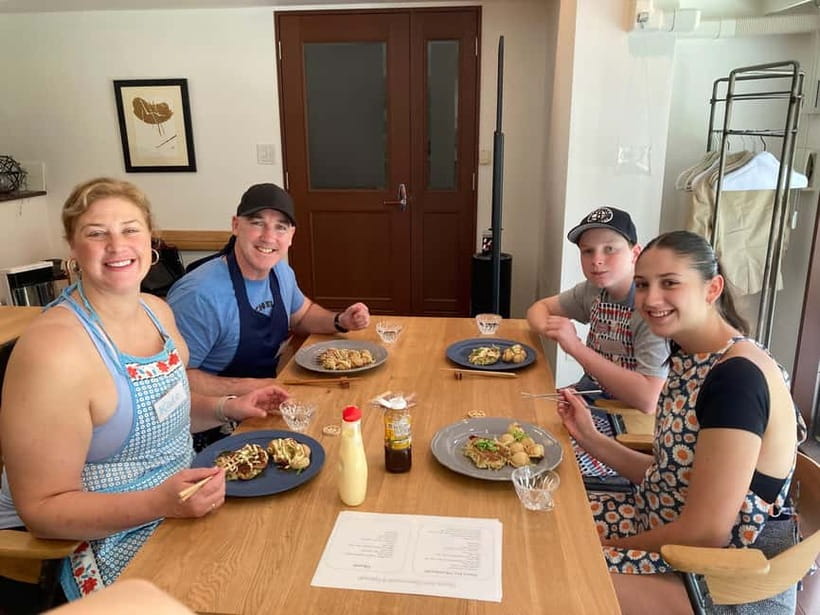
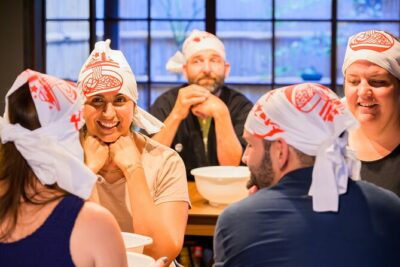
Takoyaki and okonomiyaki are not fancy restaurant food. They are warm, casual Kansai favorites, and this one-hour cooking class lets you make both rather than simply watch someone else do it. You will cook at your own pace, ask questions, and sit down to eat your work.
I like the small maximum of six people, which leaves room for personal help. I also like the practical pairing of the two dishes: they use related ingredients and cooking methods, but each has its own rhythm and texture. The main consideration is time. One hour is enough for a friendly introduction, not a full lesson in Japanese cuisine.
The class is easy to reach from Shijo Station or Karasuma Station, and it suits a short opening in a packed Kyoto day. The December 2025 update says experienced instructors now lead or supervise every class, an important improvement after one earlier session was described as rushed and not fully prepared.
In This Review
- Key points to know before booking
- Making two Kansai favorites in a single hour
- Why okonomiyaki and takoyaki belong together
- What the hour is likely to feel like
- The value of cooking instead of just eating
- A small group with room for conversation
- Dietary requests need to be made at booking
- Getting there from Shijo, Karasuma, or Nishiki Market
- Who will get the most from this experience
- Booking, timing, and cancellation details
- Should you book the Kyoto takoyaki and okonomiyaki class?
- FAQ
- How long does the cooking experience last?
- Which dishes will I make?
- Is the class suitable for beginners?
- What languages are available?
- How many people can join the class?
- Are gluten-free ingredients available?
- Can the class accommodate vegan or halal-friendly diets?
- Where is the meeting point?
- Is transportation included?
Key points to know before booking
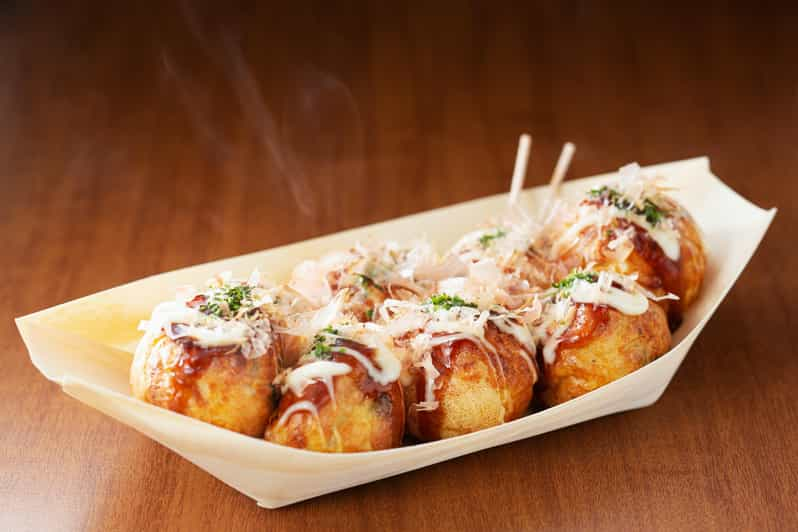
- Two Kansai classics in one hour: Make both okonomiyaki and takoyaki, then eat them during the same visit.
- A true hands-on format: You prepare and cook the food yourself instead of sitting through a long demonstration.
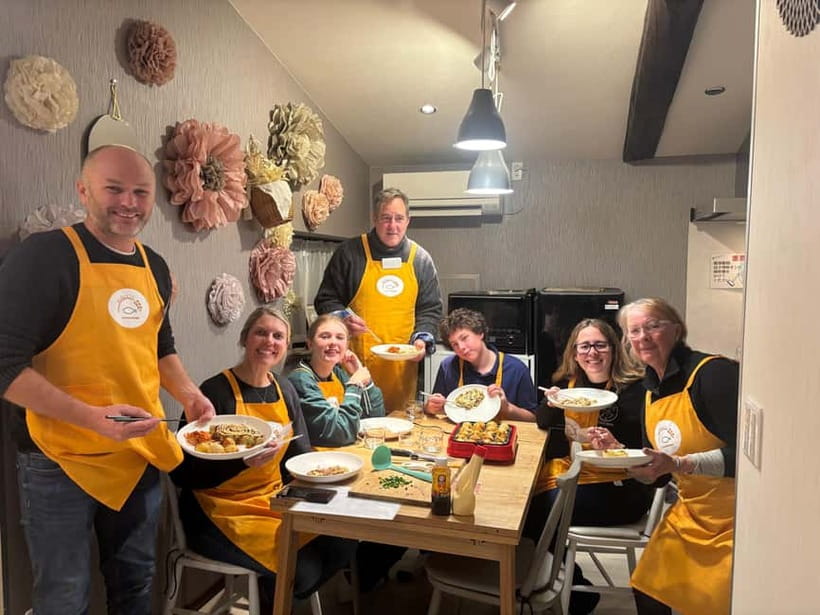
- Small groups of up to six: The size allows more direct help and conversation with the instructor.
- English and Japanese guidance: The class is available in both languages, with support for beginners.
- Dietary requests are possible: Gluten-free, vegan, halal-friendly, and allergy-conscious ingredients can be arranged if requested when you book.
- Central Kyoto location: Walk about 10 minutes from Shijo or Karasuma Station, or about 15 minutes from Nishiki Market.
Making two Kansai favorites in a single hour
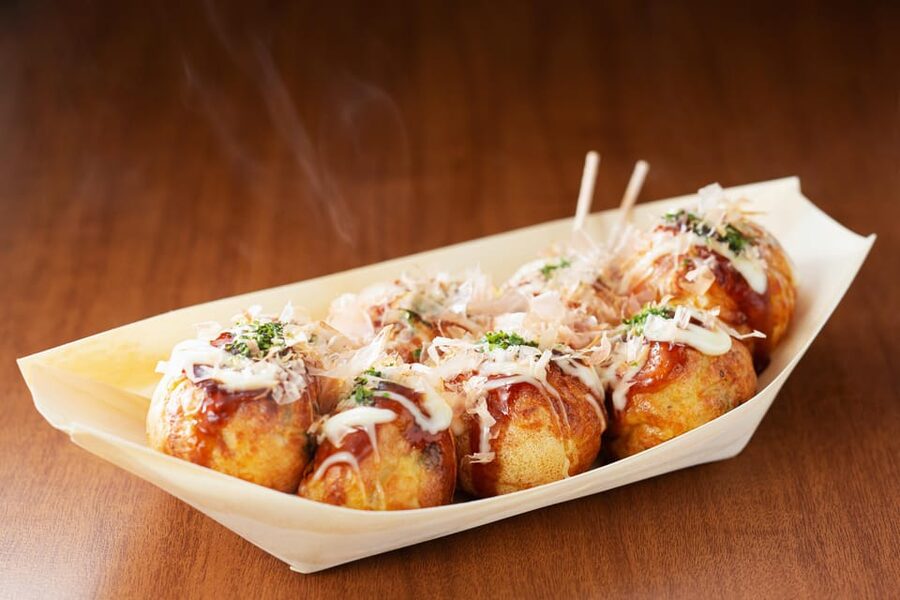
The appeal here is simple: you get to make two foods that are closely tied to everyday eating in western Japan. Okonomiyaki is a savory pancake or griddled mixture, while takoyaki are small round batter balls, traditionally filled with octopus. Both are cooked on a hot surface, but the techniques feel different enough to keep the hour active.
You will prepare the ingredients, cook the dishes, and receive help as you go. This is not built around a long lecture, a formal kitchen demonstration, or a stack of culinary theory. You learn by doing, which makes it a good fit if you have never cooked Japanese food before.
The pace is intentionally casual. You can work through the steps with guidance rather than trying to copy a chef at high speed. That matters in a one-hour class, since a rushed demonstration would leave little time for you to handle the food yourself.
Once the cooking is finished, you sit down and eat the okonomiyaki and takoyaki. The meal is included in the $56 price, along with the ingredients, apron, and cooking utensils. You are not paying only for lunch or dinner. You are paying for the activity, the instruction, and the chance to leave with a better sense of how these dishes come together.
More cooking classes in Kyoto:
- Kyoto: Ramen Cooking Class at a Ramen Factory with Souvenir
★ 4.9 · 532 reviews - Kyoto: Ramen, Gyoza, and Onigiri Cooking Class
★ 5.0 · 445 reviews - Kyoto: Japanese Washoku Bento Small Group Cooking Class
★ 5.0 · 380 reviews
Why okonomiyaki and takoyaki belong together
Okonomiyaki has been enjoyed in Japan since the Taisho era, from 1912 to 1926. Takoyaki became popular during the Showa era, from 1926 to 1989. Both are now familiar comfort foods, especially in the Kansai region, where Kyoto and nearby Osaka are important food destinations.
That background gives the class a useful cultural angle without turning it into a history lecture. You are working with foods that Japanese people eat as part of ordinary life, not only dishes made for formal occasions.
The two recipes also make sense together. You use some related ingredients and cooking ideas, but the final forms are very different. Okonomiyaki gives you a broad, flat surface to work with. Takoyaki asks you to manage small portions and shape them as they cook.
This contrast is one of the best reasons to choose the class over a single-dish lesson. You get a wider taste of Kansai cooking in a short amount of time, and you can compare the two dishes while they are still fresh.
What the hour is likely to feel like
The class begins at the cooking location, where you take the elevator to the third floor and press the doorbell for room 302. That meeting instruction is quite specific, so keep it handy rather than wandering around the building looking for a shopfront.
After introductions, the instructor guides you through the ingredients and cooking process. The exact order may vary, but the format is clear: prepare, cook, ask questions, and eat. The experience is designed for active participation, so expect to spend most of the hour handling ingredients and utensils.
You cook at your own pace, with the instructor stepping in when you need help. That should make the class comfortable for beginners, including people who have never used a takoyaki pan before. You can also ask questions about the dishes, Japanese food, or cooking methods while you work.
The updated format is worth noting. Since December 2025, experienced instructors lead or supervise all classes, with the aim of keeping the process smooth within the short time limit. This matters because one earlier booking described a late start, missing preparation, and an instructor checking recipe notes during the session. Another earlier account described the class as feeling rushed at the end.
I would treat those comments as a reason to pay attention to the updated supervision policy, not as a reason to dismiss the experience. The more recent five-star account praised Marie for being kind and fun, while other high ratings describe personal attention, friendly hosts, and useful conversation. Still, if you expect a polished culinary school, this casual home-style format may feel light.
The value of cooking instead of just eating
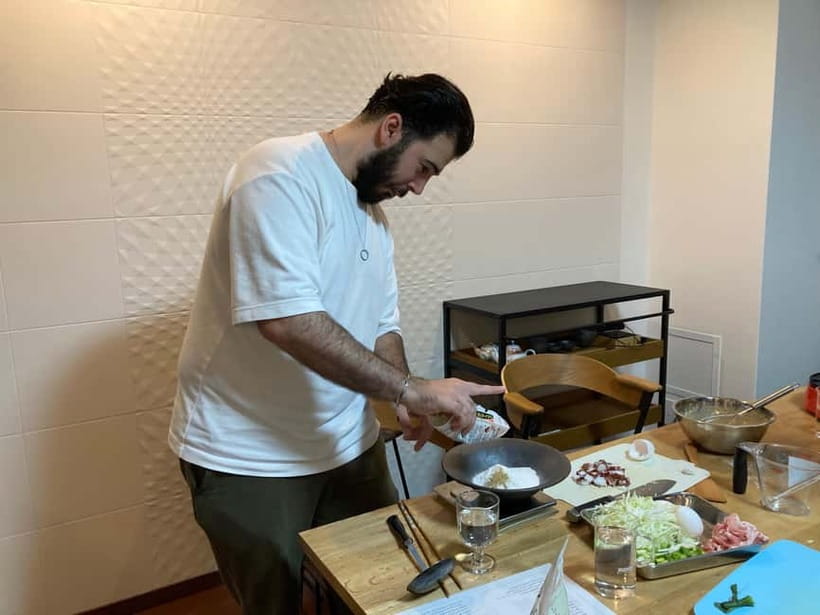
At $56 per person, this is not the cheapest way to have okonomiyaki and takoyaki in Kyoto. A restaurant meal will likely cost less, though the provided information does not give restaurant prices for comparison. The value here comes from the activity itself.
You are supplied with the ingredients, apron, utensils, and the food you make. You also receive direct instruction in a small group, with a maximum of six participants. If you want a short cultural activity that includes lunch or dinner, the price is easier to justify than if you only want a quick meal.
I especially see value for people who want to recreate the dishes at home. One participant described learning a local version of both foods and coming away with something they could make after returning home. That is a useful test for any cooking class: do you leave with more than a full stomach?
The answer here is probably yes, but keep your expectations in check. The class lasts only one hour, so it cannot cover every variation, regional difference, or ingredient choice. You should expect a friendly introduction and practical cooking help, not professional chef training.
More workshops and classes in Kyoto:
- Kyoto: 45-Minute Tea Ceremony Lesson Experience
★ 4.3 · 2,378 reviews - Kyoto : Chopsticks Making Workshop in Gion with Engraving Option
★ 5.0 · 958 reviews - Kyoto: Samurai Sword Class by Experts in Traditional Arts
★ 4.9 · 657 reviews - Ninja 1-hour Hands-on Lesson by Japanese master in Kyoto -Entry
★ 5.0 · 489 reviews
A small group with room for conversation
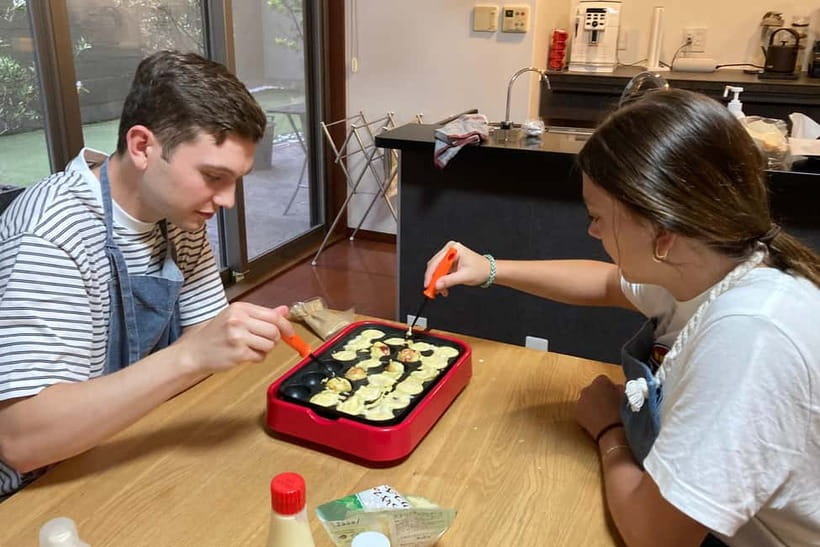
The group limit of six is one of the strongest practical features. A large class can turn cooking into a series of half-seen demonstrations, with too many hands competing for one pan. Six people is still social, but it should allow the instructor to notice when you need help.
Some bookings may be private or nearly private. One couple described having a private session, and another pair had only two participants. A small group can make the experience feel more like cooking with a local host than attending a tourist production.
That personal side is important because the food itself is only half the point. The cooking gives you an easy subject for conversation, and the instructor can answer questions as they come up. English and Japanese are offered, so you can choose the language listed for your booking.
The experience provider is the Japan Association of Washoku Lifestylists. The class is presented as an everyday food activity rather than a formal restaurant workshop, which fits the dishes well. You are not being asked to dress up or treat the meal as a ceremony.
Dietary requests need to be made at booking
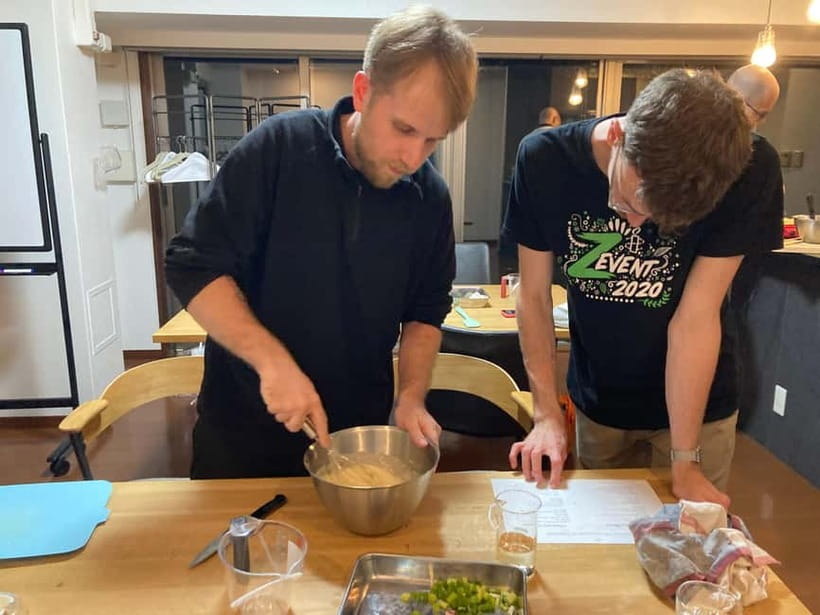
Gluten-free, vegan, halal-friendly, and allergy-conscious ingredients are available, but you must state your needs when booking. Do not wait until you arrive. The ingredients are adjusted in advance, so the kitchen needs notice.
This is a useful option for mixed groups. One person can request a special version while others receive the standard ingredients. The important point is that the class does not claim every dish is automatically suitable for every diet. The adjustment depends on advance communication.
If you have a serious allergy, give clear details when you book and confirm the arrangement before the class. The supplied information says allergy-free preparation is possible, but it does not list specific substitution ingredients or describe separate kitchen equipment.
Getting there from Shijo, Karasuma, or Nishiki Market
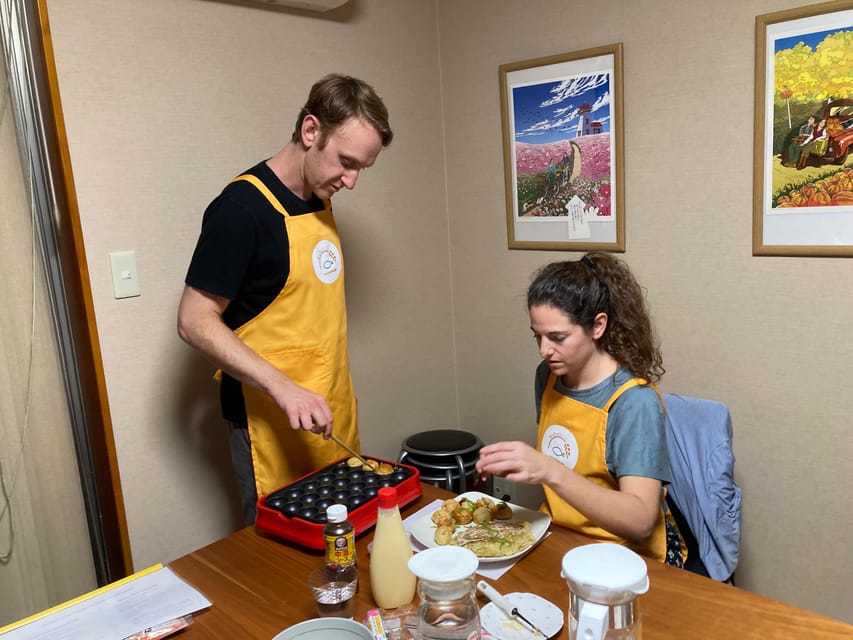
The location is about a 10-minute walk from Shijo Station or Karasuma Station. It is also around 15 minutes from JR Kyoto Station by train or bus, followed by a short walk. From Nishiki Market, you can walk in about 15 minutes.
That makes the class easy to pair with central Kyoto sightseeing. You could schedule it near a visit to Nishiki Market, though I would allow enough time to arrive without hurrying. Since the class begins at a residential-style room on the third floor, finding the correct entrance may take a moment.
Round-trip transport is not included. This is not a problem for most people staying in central Kyoto, but factor in your local train or bus fare if you are coming from farther away. Check the meeting details before setting out, especially the instruction to use the elevator and ring room 302.
Who will get the most from this experience
I would recommend this class to first-time visitors who want an activity that feels connected to local daily food. It is also a good choice if you have only one free hour and do not want to commit half a day to a longer cooking school.
Families and couples may like the active format, provided everyone is comfortable working in a shared cooking space. The small group also suits solo participants who want some conversation without joining a large tour.
Food lovers who already know okonomiyaki and takoyaki may still enjoy the class, especially if they want to understand the basic cooking process. But if you already make both dishes regularly, the short lesson may not add much.
I would be more cautious if you want a formal, highly structured class with printed recipes, detailed instruction, or a long sit-down meal. Those features are not promised here. The class is casual, compact, and built around doing the work yourself.
Booking, timing, and cancellation details
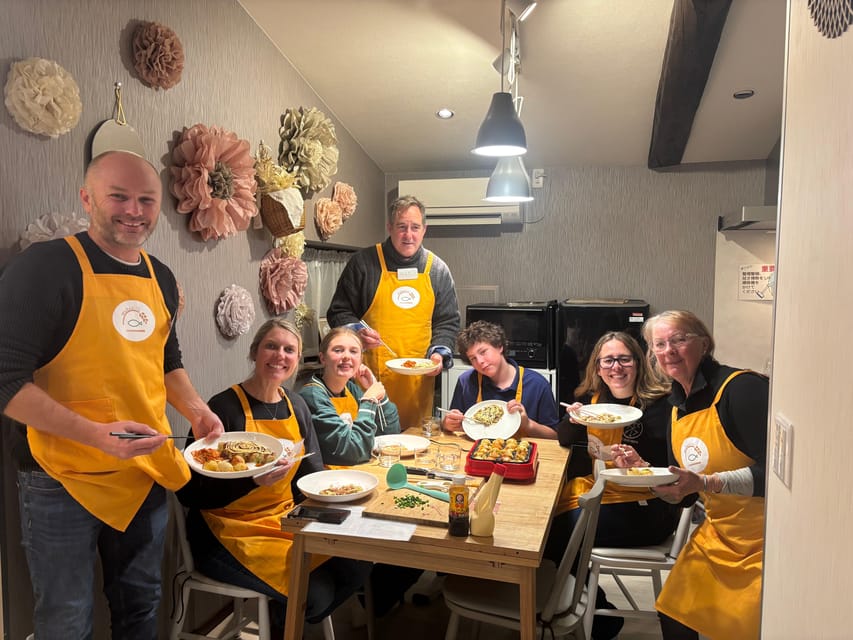
The duration is one hour, with starting times shown according to availability. That short length makes it easy to fit between sightseeing stops, but it also means you should arrive ready to begin. The class includes food, an apron, and cooking utensils, but not transportation.
You can reserve now and pay later, which helps if your Kyoto schedule is still shifting. Cancellation is free up to 24 hours before the activity for a full refund. Dietary requests should be submitted at the time of booking, even if you plan to pay later.
The overall rating is 4.7 from 25 ratings, with especially strong praise for personal attention, friendly instruction, and the chance to learn local versions of both dishes. The one notable criticism concerned preparation and timing in an earlier session, so the December 2025 instructor update is a useful detail to keep in mind.
Should you book the Kyoto takoyaki and okonomiyaki class?
Book it if you want a short, hands-on food activity and value personal contact more than a polished culinary production. The combination of two dishes, a six-person limit, central location, and dietary flexibility gives it a clear purpose.
I would book this as a pleasant Kyoto break, not as the main food event of your trip. You will cook, eat, and learn enough to recognize the difference between the two dishes when you order them later. If you want a relaxed hour with a friendly instructor, it is a sensible choice. If you want advanced technique or a long, detailed cooking course, spend your $56 elsewhere.
FAQ
How long does the cooking experience last?
The experience lasts one hour.
Which dishes will I make?
You will prepare and cook both okonomiyaki and takoyaki, then eat the dishes you made.
Is the class suitable for beginners?
Yes. The format is hands-on and designed to be easy to follow, including for first-time visitors to Japan and people with little cooking experience.
What languages are available?
Instruction is available in English and Japanese.
How many people can join the class?
The small group is limited to six participants.
Are gluten-free ingredients available?
Yes. Gluten-free ingredients can be arranged if you request them when booking.
Can the class accommodate vegan or halal-friendly diets?
Yes. Vegan and halal-friendly ingredients are available by advance request.
Where is the meeting point?
Take the elevator to the third floor and press the doorbell for room 302.
Is transportation included?
No. Round-trip transportation to and from the location is not included.
More 1-Hour Experiences in Kyoto
- 1 Hour Geisha Show in Kyoto
★ 5.0 · 452 reviews - One Hour Geisha Show in Kyoto
★ 5.0 · 64 reviews - One Hour Geisha Show in Gion Kyoto
★ 5.0 · 59 reviews - Kyoto: Ginkakuji, Silver Pavilion Guided Tour in 1 Hour
★ 4.5 · 5 reviews
Recently added around Kyoto
- Higashiyama | Kyoto: Sakura Season Private Rickshaw Tour★ 5.0 · 3 reviews
- Kyoto Kimono Rental CHAMATSU|Kimono/Yukata Rental FamilyPlan★ 5.0 · 3 reviews
- Kyoto: Half-Day Private Guided Tour to the Old Town of Gion★ 4.4 · 3 reviews
- Nara Private Customizable Half Day Tour★ 5.0 · 3 reviews
- Kansai Region Hiking Adventure in Nara Kobe Kyoto and More★ 5.0 · 3 reviews
- Full Day Nara Deer, Temple, Shrine, Activities & Tea Ceremony★ 5.0 · 3 reviews
- Nara: Essential Private Tour with Deer Park and Temples★ 5.0 · 3 reviews
- Hiking Tour for Sacred Sites in Kyoto with a Guide★ 5.0 · 3 reviews
Cooking Classes, compared.
Ramen Cooking Class at a Ramen Factory with Souvenir
Read our review →
Japanese Washoku Bento Small Group Cooking Class
Read our review →
Kyoto Ramen and Gyoza Cooking Class with Professional Chefs
Read our review →
Gyoza Cooking Class in Kyoto: Traditional Japanese Dumplings
Read our review →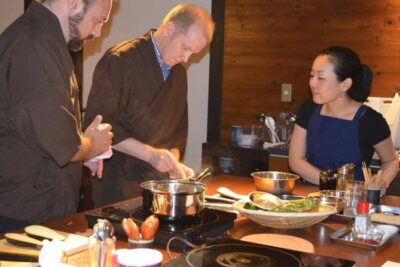
Browse the lists this tour appears in