
REVIEW · GION GEISHA DISTRICT TOURS
One Hour Geisha Show in Kyoto
Seeing a real Maiko up close is the heart of this Kyoto experience. She performs two elegant dances, answers questions through the guide, joins a traditional game, and poses for photographs. Guides such as Genki, Rin, Akari, Ai, and Taira Yoshino have helped make the cultural details clear and friendly.
I like the chance to ask direct questions about the Maiko’s clothing, makeup, hair, work, and daily life. I also like the small cultural touches: matcha or water, Japanese snacks, a name sticker for luck in some sessions, and the chance to play Konpira Fune Fune. The main consideration is that the Maiko does not perform continuously for one hour. The dances are short by design, so book this for personal contact and cultural explanation, not a long stage show.
In This Review
- Key points before you book
- Why a Maiko performance feels different from a stage show
- Choosing between the Tea House and Gion Theater
- The opening: costume, context, and a warm welcome
- Watching the two dances from close range
- The Q&A is where the activity earns its price
- The traditional game and the photo session
- The Kitano Tenmangu Shrine add-on
- Price, group size, and practical value
- What to wear and who should book
- Final verdict: book it for contact, not for a long show
- FAQ
- How long does the Maiko show last?
- Is the Maiko a real Geisha?
- Can I take photographs and videos?
- Is the shrine visit included in both tour options?
- What is the difference between the Tea House and Gion Theater options?
- Is tea included?
- What languages are available?
- Is the experience wheelchair accessible?
- What should I wear?
- How many people can join the activity?
Key points before you book
- Two short dances: Expect roughly two five-minute performances, not a nonstop hour of dancing.
- Real Maiko encounter: You meet an apprentice Geisha in person, with time for questions and photos.
- Two different settings: Choose between a traditional Kyo-Machi-ya Tea House and the Gion Theater showhouse.
- Shrine visit included only with tea house: The Tea House option adds about 30 minutes at Kitano Tenmangu Shrine with the Maiko.
- Small to medium groups: The Tea House option allows up to 23 people, while the Gion Theater option allows up to 30.
- Come prepared: Wear socks. Bare feet are not allowed, and the Tea House option is not wheelchair accessible.
Why a Maiko performance feels different from a stage show
A Maiko is an apprentice Geisha, still learning the dance, music, manners, and traditional arts that shape Kyoto’s Geisha districts. The performance here is short because Maiko dances are traditionally presented as brief, carefully prepared pieces. That restraint is part of the point.
You will probably notice the Maiko’s posture, hand movements, sleeves, hair ornaments, and controlled pace more than you would in a large theater. The short dances give you time to watch closely. They also leave room for conversation, which is where this activity becomes more than a simple cultural display.
Kyoto is the only place in Japan where you can experience this particular Geisha tradition in its established setting. With about 40 Maikos left in Kyoto, an encounter like this is unusual. The chance to see the details of her costume and ask about her life gives the hour a personal quality that a recorded performance cannot provide.
Still, you should set your expectations correctly. The show is not an hour of uninterrupted dance. The advertised hour includes the performance, introduction, questions, game, photographs, and, for the Tea House option, related activities. Total timing ranges from one hour to about 105 minutes depending on the option.
More evenings in Gion:
- Kyoto Geisha Walking Tour: Gion District & Hidden Gems
★ 4.7 · 3,273 reviews - Kyoto: Gion Magical Night Walking Tour with Geisha Trivia
★ 4.9 · 2,393 reviews - Kyoto: Gion Geisha District Walking Tour – Stories of Geisha
★ 4.7 · 2,187 reviews
Choosing between the Tea House and Gion Theater
The two formats are different tours, not two names for the same room. Read the option carefully before paying.
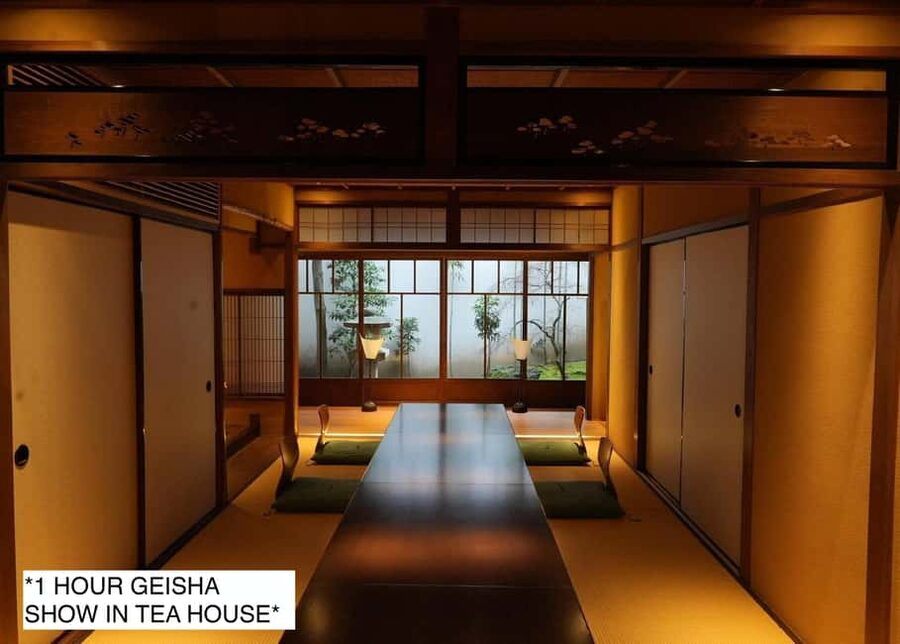
The Tea House option takes place in a Japanese Kyo-Machi-ya, a traditional Kyoto-style house. It includes tea and Japanese snacks, plus a 30-minute guided session at Kitano Tenmangu Shrine with the Maiko. This is the stronger choice if you want a more home-like setting and extra time connected to Kyoto’s older customs.
The Tea House format may also involve removing shoes, which explains the sock rule. Bare feet are not allowed. The setting has atmosphere, but it is not wheelchair accessible, and baby strollers are not permitted.
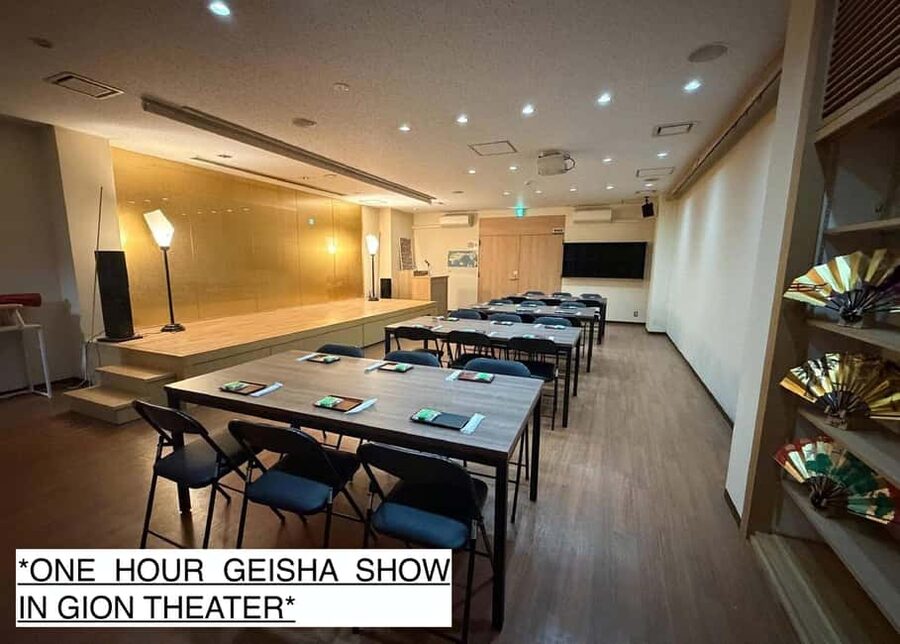
The Gion Theater option is held in a showhouse. It is wheelchair accessible, according to the activity information, and allows up to 30 people rather than 23. You still receive the Maiko performance, Q&A, photographs, and game, but the shrine walk is only part of the Tea House option.
I would choose the Tea House if you can manage a traditional house and want the shrine visit. Choose the Gion Theater if wheelchair access matters or if a purpose-built showhouse is the better fit for your group.
The opening: costume, context, and a warm welcome
Your guide sets the tone before the Maiko dances. Guides have included Genki, Rin, Akari, Ai, Chihiro, and Taira Yoshino, with English and Korean available. The guide’s role matters because many of the questions and explanations are translated between the Maiko and the audience.
The introduction explains what you are seeing. You may learn what the Maiko’s dress, makeup, hairstyle, and accessories mean. This is useful because the costume can look beautiful at first glance, but the details carry information about her stage of training and traditional role.
The guides also help keep the meeting relaxed. Several sessions have included clear explanations, easy conversation, and help during the question period. One practical point: if the group contains several language groups, translations can take longer and the room may feel less focused. The activity offers English and Korean, but it is not described as a private English-only session.
Tea and traditional Japanese snacks are included. Additional food and drinks cost extra. You may be offered hot matcha or water, depending on the session and your choice. This is a modest part of the price, but it helps the event feel like a cultural welcome rather than a quick photo stop.
Watching the two dances from close range
The Maiko begins with a traditional dance of about 10 minutes in the general description, while the detailed timing describes two dances of about five minutes each. In practical terms, plan for two short dances, with each lasting roughly five minutes.
The dances are graceful rather than fast. The Maiko uses small gestures, careful turns, and measured movements. Her kimono sleeves and ornaments make even a slight change in position worth watching. Because the dance is short, you can concentrate on the way she moves instead of wondering when the performance will end.
In at least one Tea House session, the Maiko performed once on each side of the table so everyone could see. That is a thoughtful arrangement in a small room, though your exact seating and presentation may vary.
Photography and video are welcome. Bring a phone or camera, but remember that the value is not only the final picture. Watch the dance first, then use the later photo period to capture a posed memory without interrupting the performance.
If you are hoping for a full theatrical production, this may feel brief. If you want to see the dance at close range and then learn about it directly, the format works well. The performance’s short length is part of the traditional style, not a missing section of the tour.
A few more Kyoto experiences worth comparing
- Kyoto Gion Cultural Walk & Geisha Show with Dining Options
★ 5.0 · 518 reviews - Kyoto Gion Cultural Walk & Geisha Show with Dining Options
★ 5.0 · 483 reviews - 1 Hour Geisha Show in Kyoto
★ 5.0 · 452 reviews - Kyoto: Samurai Kenbu Traditional Sword Dancing Show
★ 4.5 · 426 reviews
The Q&A is where the activity earns its price
The question period gives you access that is hard to arrange independently. You can ask about the Maiko’s art, work, training, clothes, and daily life. The guide translates questions and answers, so you are not left trying to communicate across languages.
The best questions are specific. Ask about an ornament, the meaning of a hairstyle, the preparation for a dance, or the difference between a Maiko and a Geiko. The introduction already covers some costume details, so the Q&A is a good time to ask about the parts that interest you most.
This portion also helps correct the overly glamorous image many people bring to Geisha culture. You see the discipline and tradition behind the makeup and kimono. The Maiko’s openness, combined with the guide’s explanation, is repeatedly treated as a major strength of the event.
The guide can shape how useful this section becomes. Genki, Rin, Akari, Ai, and Taira Yoshino have all been singled out for friendly hosting or clear interpretation in different sessions. Your guide will vary, so the exact style may change, but the activity is designed around guided communication rather than silent observation.
The traditional game and the photo session
After the dances and questions, you can play a traditional Japanese game with the Maiko. Konpira Fune Fune is one game mentioned by name. It involves rhythm and quick reactions, and it is harder than it looks. Losing is common, and that is part of the fun.
The game gives the session a lighter turn. You are no longer only watching a formal performance. You are taking part, usually with plenty of laughter and help from the guide and the people around you.
The photograph session follows. You can take pictures and videos during the activity, and there is time for an individual photograph with the Maiko. In some sessions, the Maiko has also given participants a small name sticker for luck. That detail may not appear every time, so treat it as a possible extra rather than a promise.
Remember that the Maiko is working within a traditional setting. Follow the guide’s instructions about where to stand and when to take pictures. You will get better photographs by waiting for the organized photo period than by trying to capture every moment during the dance.
The Kitano Tenmangu Shrine add-on
The shrine visit belongs only to the Tea House option. It lasts about 30 minutes and takes place with the Maiko, making it a special extension of the meeting rather than a separate sightseeing stop.
Kitano Tenmangu is one of Kyoto’s well-known shrines, but the important point here is the connection between the shrine and the Maiko experience. You are not simply visiting a shrine with a guide. You may walk through the grounds while learning more about the place and continuing the cultural conversation.
The shrine session also changes the pace. After sitting for the dance, questions, and game, you have a short guided walk. If you are booking the Gion Theater option, do not expect this part. The shrine visit is not included in that format.
The full Tea House option can take up to about 105 minutes, depending on the schedule. Allow enough time after the event instead of arranging a tight connection or meal reservation.
Price, group size, and practical value
At about $50 per person, this is not the cheapest cultural activity in Kyoto. The value depends on what you want from it.
You are paying for a live Maiko performance, an English or Korean-speaking guide, translation, tea, traditional snacks, direct questions, a game, and photographs. The Tea House option adds the shrine session. For someone who wants personal contact with Kyoto’s Geisha tradition, that combination is a fair use of an hour to 105 minutes.
You are not paying for a long concert. The dance portion is short, and the group setting means the interaction is shared rather than private. The Tea House option has a maximum of 23 people, and the Gion Theater option has a maximum of 30. Those are not tiny private groups, but they are limited enough for a structured Q&A and photo session.
The activity is especially good value if this is your only chance to meet a Maiko. It is less compelling if you mainly want a polished stage performance or a quiet, private encounter.
You can cancel up to 24 hours before the activity for a full refund, and the reserve-now, pay-later option lets you hold a place without paying at once. A phone number that works during your stay in Japan and on WhatsApp is required so the organizers can send clear information and coordinate with you before the event.
What to wear and who should book
Wear socks. This is essential, especially for the Tea House option. Bare feet are not allowed, and you should not arrive expecting to use a baby stroller.
The Tea House option is not wheelchair accessible. The Gion Theater option is wheelchair accessible, so check the selected format carefully before booking. People over 95 are listed as unsuitable for the activity.
I would recommend this for first-time visitors who want a direct introduction to Kyoto’s traditional arts. It also suits photographers, culture-focused families with older children, and anyone who enjoys asking questions rather than simply watching a performance.
It may not suit you if you dislike group activities, need a fully private setting, or want continuous entertainment. The game and group Q&A are central parts of the format, not optional extras.
Final verdict: book it for contact, not for a long show
I would book the Tea House option if you want the fullest package: traditional house, tea and snacks, two short dances, questions, game, photographs, and the Kitano Tenmangu visit. Pick the Gion Theater option if wheelchair access is important or if you prefer a showhouse.
The strongest reason to go is the chance to meet a real Maiko and speak with her through a guide. The dances are beautiful, but the questions, costume explanation, game, and personal photograph give the event its lasting value.
At $50, it is a sensible choice for a rare Kyoto memory, as long as you understand the format. Expect a carefully presented cultural meeting with short dances, not a one-hour stage performance.
FAQ
How long does the Maiko show last?
The activity lasts from one hour to about 105 minutes, depending on the option booked. The Maiko’s dances are short, with two performances of about five minutes each in the detailed schedule.
Is the Maiko a real Geisha?
The performer is a real Maiko, which means she is an apprentice Geisha.
Can I take photographs and videos?
Yes. Photography and video are welcome, and there is time for a photograph with the Maiko.
Is the shrine visit included in both tour options?
No. The 30-minute Kitano Tenmangu Shrine session with the Maiko is included only with the Tea House option.
What is the difference between the Tea House and Gion Theater options?
The Tea House option takes place in a traditional Japanese Kyo-Machi-ya and includes the shrine visit. The Gion Theater option takes place in a showhouse and does not include the shrine walk.
Is tea included?
Yes. Tea and traditional Japanese snacks are included. Additional drinks and food are not included.
What languages are available?
The activity offers live tour guides in English and Korean.
Is the experience wheelchair accessible?
The Gion Theater option is wheelchair accessible. The Tea House option is not wheelchair accessible.
What should I wear?
You must wear socks. Bare feet are not allowed.
How many people can join the activity?
The Tea House option allows a maximum of 23 people. The Gion Theater option allows a maximum of 30 people.
More 1-Hour Experiences in Kyoto
- Ninja 1-hour Hands-on Lesson by Japanese master in Kyoto -Entry
★ 5.0 · 489 reviews - One Hour Geisha Show in Gion Kyoto
★ 5.0 · 59 reviews - Kyoto: Hands-on Takoyaki and Okonomiyaki Cooking (1 Hour)
★ 4.7 · 25 reviews - Kyoto: Ginkakuji, Silver Pavilion Guided Tour in 1 Hour
★ 4.5 · 5 reviews
Recently added around Kyoto
- Higashiyama | Kyoto: Sakura Season Private Rickshaw Tour★ 5.0 · 3 reviews
- Kyoto Kimono Rental CHAMATSU|Kimono/Yukata Rental FamilyPlan★ 5.0 · 3 reviews
- Kyoto: Half-Day Private Guided Tour to the Old Town of Gion★ 4.4 · 3 reviews
- Nara Private Customizable Half Day Tour★ 5.0 · 3 reviews
- Kansai Region Hiking Adventure in Nara Kobe Kyoto and More★ 5.0 · 3 reviews
- Full Day Nara Deer, Temple, Shrine, Activities & Tea Ceremony★ 5.0 · 3 reviews
- Nara: Essential Private Tour with Deer Park and Temples★ 5.0 · 3 reviews
- Hiking Tour for Sacred Sites in Kyoto with a Guide★ 5.0 · 3 reviews
Gion Geisha District Tours, compared.
Kyoto Geisha Walking Tour: Gion District & Hidden Gems
Read our review →
Gion Magical Night Walking Tour with Geisha Trivia
Read our review →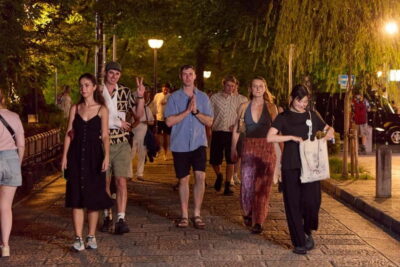
Gion Geisha District Walking Tour – Stories of Geisha
Read our review →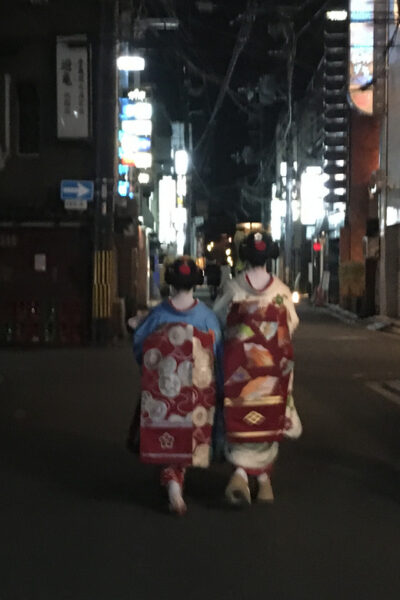
Best of Kyoto: Gion, Geisha, Pagodas & Cobblestones
Read our review →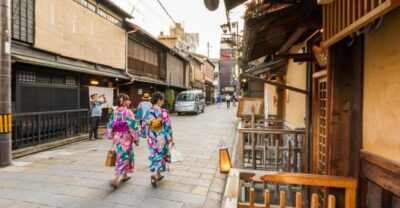

Kyoto Night Foodie Tour in Gion (9+ dishes + 6 Sake tastings)
Read our review →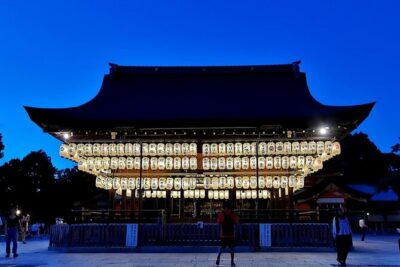
Kyoto Gion Geisha District Walking Tour – The Stories of Geisha
Read our review →
Kyoto Gion: 2-Hour Geisha Culture & History Walking Tour
Read our review →Browse the lists this tour appears in