
REVIEW · GION GEISHA DISTRICT TOURS
1 Hour Geisha Show in Kyoto
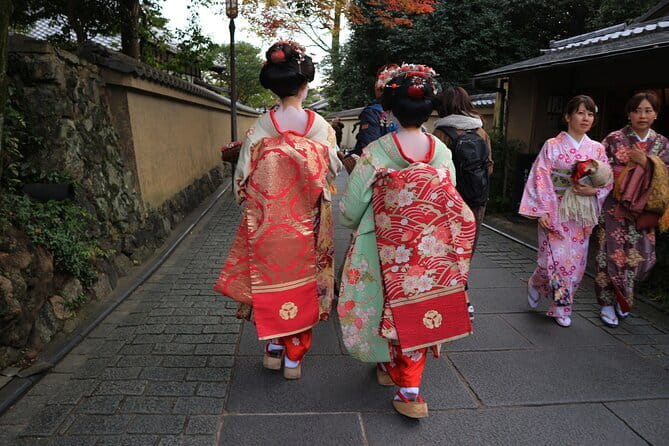
A real maiko, a geiko in training, appears only a few times each day for visitors, so this hour offers an unusually close look at Kyoto’s traditional entertainment world. You watch two short dances, meet her face to face, ask questions through a translator, take photos, and join a Japanese game.
I like the small-group setting, capped at 25 people, and the way the program goes beyond a stage show. The green tea, explanations, Q&A, and game help you understand the person and training behind the elaborate makeup and kimono. The authentic Kyo-Machiya tea house option also gives the event a stronger sense of place.
The main drawback is value. At $79.59 per person, the actual dancing lasts only about 10 minutes because maiko performances are deliberately brief. The rest of the hour is social and educational, which suits curious visitors, but may disappoint you if you expect a full-length dance performance.
In This Review
- Key points to know before booking
- What the one-hour Kyoto maiko show really offers
- Why meeting a maiko matters
- Choosing between the Kyo-Machiya tea house and Gion theater
- Following the program from arrival to farewell
- Seating can affect your view
- The guide and translation make a big difference
- Is $79.59 a fair price?
- Who should book this Kyoto experience?
- Kimono rental option and timing details
- Respecting the setting and the performer
- My booking recommendation
- FAQ
- How long does the 1 Hour Geisha Show last?
- How long are the maiko performances?
- What else happens besides the dances?
- Is translation included?
- Where does the experience take place?
- How many people can join the group?
- Is food or an extra drink included?
- Is kimono rental included?
- Can I cancel for a full refund?
Key points to know before booking
- Two dances last about 10 minutes total: The short performance protects the tradition and leaves time for conversation.
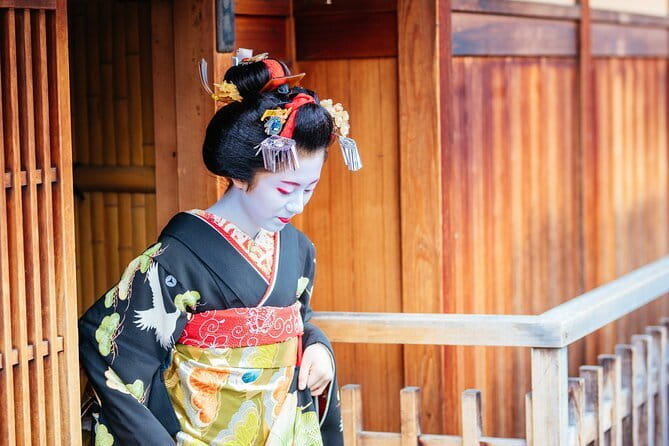
- You meet an active maiko: This is a rare chance to ask questions and take photos together.
- Two settings are available: Choose between an authentic Kyo-Machiya tea house and a dedicated Gion theater.
- Translation makes the session accessible: Guides including Ai, Soichiro, Genki, and Chihiro have helped guests follow the conversation.
- A traditional game follows the Q&A: It adds a relaxed, hands-on part that works well for families.
- The group can reach 25 people: Arrive early and pay attention to seating if a clear view of the dances matters to you.
What the one-hour Kyoto maiko show really offers
This is not a theatrical production with an hour of continuous dancing. It is a compact cultural meeting built around a maiko’s appearance.
You begin with an introduction from the guide, then watch two traditional dances. Together, they take roughly 10 minutes. The maiko’s movements, costume, hair ornaments, and posture carry much of the meaning, so the short format gives you time to watch closely rather than treating the dance as background entertainment.
Afterward, the session shifts into conversation. You can ask about maiko training, daily life, customs, clothing, and the differences between a maiko and a geiko. The guide translates, helping the exchange feel more natural than a recorded explanation.
You also have time for photographs with the maiko. The event ends with a traditional Japanese game, and green tea is included. Some sessions may include a small snack, which can be a nice touch for children, but extra food and drinks are not part of the standard inclusion.
More evenings in Gion:
- Kyoto Geisha Walking Tour: Gion District & Hidden Gems
★ 4.7 · 3,273 reviews - Kyoto: Gion Magical Night Walking Tour with Geisha Trivia
★ 4.9 · 2,393 reviews - Kyoto: Gion Geisha District Walking Tour – Stories of Geisha
★ 4.7 · 2,187 reviews
Why meeting a maiko matters
Kyoto’s geiko and maiko traditions are often seen from a distance, in evening streets or staged cultural displays. Here, you sit near the performer and can ask direct questions.
A maiko is not simply a dancer hired for a tourist show. She is a young woman in training for the geiko profession, learning dance, music, etiquette, conversation, and the formal customs of the karyukai, Kyoto’s traditional entertainment districts. The program does not turn that training into a lecture, but the Q&A gives you a practical way to understand it.
The maiko’s appearance is also carefully planned. The formal hairstyle, long sleeves, white makeup, and kimono are part of a living artistic tradition. I find the direct meeting useful because it helps you see the person as well as the costume. You are encouraged to ask respectful questions, and the interaction can feel warm and personal when the group participates.
The short dances deserve attention. Do not judge them by length alone. The point is not to fill an hour with repeated movement. The dance is a formal art, and the brief performance is followed by the chance to learn what you have just seen.
Choosing between the Kyo-Machiya tea house and Gion theater
You may be offered two versions of the program. Read the booking photos carefully before choosing, because the setting affects the feel of the hour.
The Tea House option takes place inside an authentic Kyo-Machiya, a traditional Kyoto townhouse. This setting is likely the better pick for you if atmosphere matters most. A small tea house can make the meeting feel more intimate and connected to old Kyoto customs.
The Gion Theater option is held in a dedicated showhouse. It may be the more straightforward choice if you prefer a purpose-built venue and a clear performance setup. The theater setting can also make the dance easier to frame as a formal show.
The supplied information does not promise identical seating or activities at both venues. Activities with the maiko can vary by day, so I would choose based on the setting you want rather than expecting every session to follow the same script.
Following the program from arrival to farewell
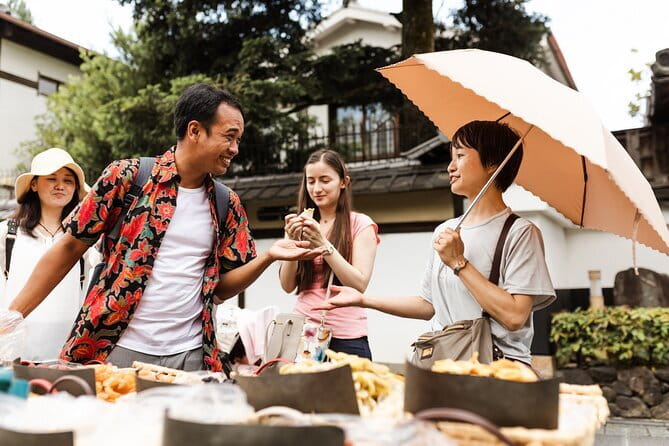
The itinerary identifies Kamishichiken Street as the stop for the show. This is one of Kyoto’s traditional geiko districts, and the location fits the subject of the experience.
Your guide helps you arrive, settle in, and understand how to conduct yourself in the tea house or theater. Guides named in session feedback include Ai, Soichiro, Genki, and Chihiro. Their role is important because translation carries the Q&A, explains customs, and keeps the group involved.
The first formal section introduces the maiko and the cultural setting. Green tea is included, giving you a simple traditional refreshment before or during the program.
Next come the two dances. Watch the details rather than waiting for a long routine. The kimono sleeves, controlled steps, and restrained movements are easier to appreciate when you know that this is a formal discipline, not a pop performance.
The Q&A follows. This is the part that gives the event its substance. You can ask questions rather than simply observe, although the flow depends on the group and the maiko’s schedule. The translator helps connect both sides.
Then comes the photo session. You have the opportunity to take photos with the maiko, an important part of the experience for many people. Keep your camera ready, but also give yourself time to pay attention instead of viewing the whole meeting through a screen.
The final activity is a traditional Japanese game. It brings a playful close to an otherwise formal program. Families often appreciate this section, and children may find it easier to engage with than the dance itself.
A few more Kyoto experiences worth comparing
- Kyoto Gion Cultural Walk & Geisha Show with Dining Options
★ 5.0 · 518 reviews - Kyoto Gion Cultural Walk & Geisha Show with Dining Options
★ 5.0 · 483 reviews - Kyoto: Samurai Kenbu Traditional Sword Dancing Show
★ 4.5 · 426 reviews - Kyoto: Meet-and-Greet, Maiko Show and Experience
★ 4.8 · 286 reviews
Seating can affect your view
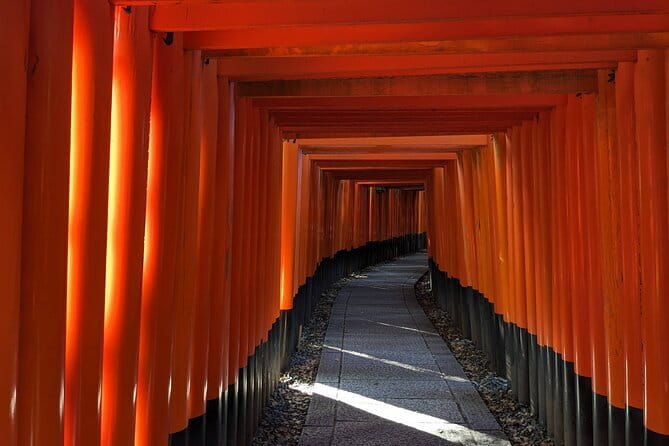
The group size is limited to a maximum of 25 people, which is manageable but not truly private. The room layout may place guests around a tea table, and the seating arrangement can affect your view.
If seeing the dance clearly is a top priority, arrive on time and follow the guide’s instructions closely. You may not be able to choose any seat you want. One reported issue involved a person seated in the middle of the tea table with a poor view, so I would treat seating as a practical concern rather than a minor detail.
The show is designed as a shared cultural meeting, not a theater performance with numbered seats. You may have an excellent view, but the exact angle depends on the venue and the day.
The guide and translation make a big difference
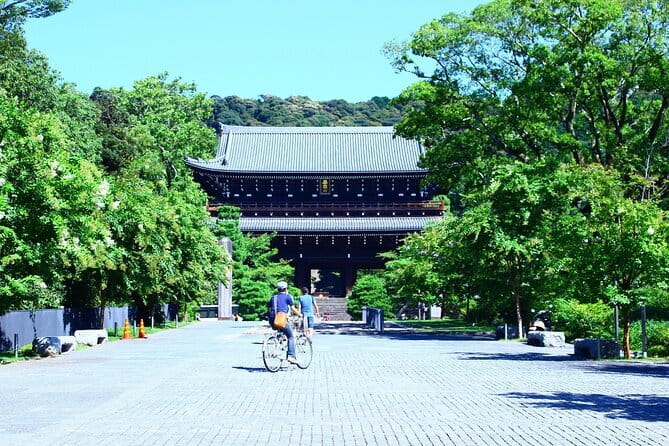
The maiko may speak with the group through a professional guide and translator. This is one of the most useful parts of the booking because the Q&A would be much thinner without clear communication.
Soichiro has been praised for friendly English, humor, and calm organization. Ai has also guided sessions and translated for the maiko. Genki is described as polite, informative, and good at keeping the group involved, while Chihiro has helped explain how to behave in the tea house and made visitors feel comfortable.
Guide quality can vary by date, but these names give you an idea of the role you should expect. The guide is not just pointing out the meeting place. The guide explains the customs, translates questions, manages the group, and helps the session feel less stiff.
This matters especially if you are bringing children or family members. The dance may be quiet and formal, while the guide’s explanations and the game offer more direct ways to take part.
Is $79.59 a fair price?
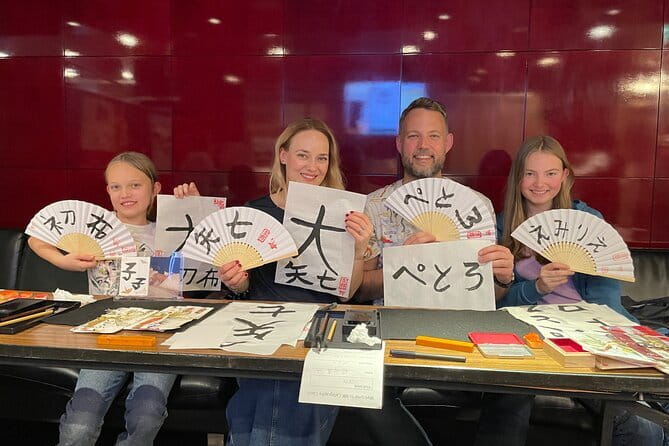
The price is $79.59 per person. That is a sizeable charge for an hour, especially when only about 10 minutes are devoted to dancing.
I would not book this expecting entertainment by the minute. You are paying for access to an active maiko, a private or dedicated cultural setting, translation, green tea, a Q&A, photos, and a game. In Kyoto, direct access to this tradition is difficult to arrange independently, which gives the program a practical value.
Still, value depends on what you want. If you mainly want to see a long dance, the cost will feel high. If you want context, conversation, and a respectful meeting with a maiko, the price is easier to justify.
The group discount option may help if you are booking for a family or larger party. Check the final price before payment, since the supplied rate is listed per person and does not explain the exact discount structure.
Who should book this Kyoto experience?
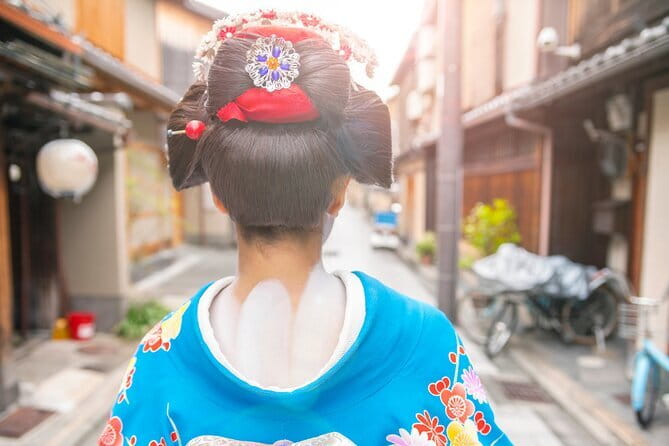
I would recommend it most strongly to you if you want cultural context, not just a photograph. The Q&A and translation make it useful for first-time visitors who want to understand what maiko training involves.
It also suits families. The game gives children a way to participate, and the short dance avoids asking young attention spans to sit through a long formal show. The photo session adds a memorable record of the meeting.
You should also consider it if you have limited time in Kyoto. One hour gives you a focused introduction without taking half a day. The program can fit neatly into a day around Gion or Kamishichiken.
I would hesitate if your budget is tight or if you are uncomfortable paying for a short performance. The dancing is intentionally brief, and the experience depends on your interest in conversation and explanation. I would also be cautious if seating and a perfect dance view matter more to you than the personal meeting.
Kimono rental option and timing details
If you choose the kimono rental and hair set option, go on your own to Kyoto Kimono Rental Mimosa before the show.
The shop is at 362-2 Masuyacho, Higashiyama Ward, Kyoto 605-0826, and is open daily from 8:00 to 18:00. Tell the staff that you are with GuideMe Japan and give your name. No payment is required there because the rental and hair set are included in your booking.
Allow enough time to complete the rental before the show. The program itself lasts about one hour to one hour and 30 minutes, depending on the day’s flow and activities.
The meeting time can change, so check your final confirmation carefully. One serious logistical complaint involved a last-minute time change and strict instructions about arriving early. Since late entry may be restricted, I would build in extra time and avoid scheduling a tight connection immediately afterward.
Mobile tickets are available, and confirmation is provided when you book. Free cancellation is offered up to 24 hours before the start time. Changes or cancellations made less than 24 hours ahead are not accepted for a refund.
Respecting the setting and the performer
This program works best when you treat it as a cultural meeting, not a novelty act. Listen during the introductions, follow the guide’s directions, and ask questions that show interest in the maiko’s work and training.
Photography is included, but the session is still shared with other people. Be prepared for a group setting and follow any instructions about when photos may be taken.
The event’s value comes from the maiko’s presence and skill. The brief dances, conversation, and game are parts of one encounter. I would keep that in mind when comparing this program with a larger stage show.
My booking recommendation
Book this one if you want a rare, close meeting with a maiko and are happy to spend much of the hour learning, talking, and playing a traditional game. The tea house version is likely the best fit if you care about atmosphere, while the theater version may suit you if you want a dedicated show space.
Skip it if you want an extended dance performance or need a low-cost activity. At $79.59, the event asks you to value access and conversation as much as performance.
For most culturally curious visitors, I see this as a worthwhile Kyoto add-on, especially for families and first-time visitors. Go in expecting two short dances, not a full-hour show, and the experience will make much more sense.
FAQ
How long does the 1 Hour Geisha Show last?
The experience lasts approximately one hour to one hour and 30 minutes. The exact flow can vary by day.
How long are the maiko performances?
The maiko performs two short dances lasting about 10 minutes in total. Maiko performances are intentionally brief to preserve the art, so she does not dance for the full hour.
What else happens besides the dances?
The program includes a Q&A, a photo session, traditional Japanese green tea, and a traditional Japanese game. Activities with the maiko may vary by day.
Is translation included?
Yes. A professional tour guide and translator are included to help explain the program and translate the conversation with the maiko.
Where does the experience take place?
The program is associated with Kamishichiken Street in Kyoto. Depending on the option selected, it takes place either inside an authentic Kyo-Machiya tea house or at a dedicated Gion theater.
How many people can join the group?
The maximum group size is 25 people.
Is food or an extra drink included?
Traditional Japanese green tea is included. Additional drinks and food are not included. Some sessions may offer a snack, but this is not listed as a standard inclusion.
Is kimono rental included?
Kimono rental and a hair set are included only if you select that option. You must visit Kyoto Kimono Rental Mimosa on your own before the show and give the staff your name and the GuideMe Japan booking information.
Can I cancel for a full refund?
Yes. You can cancel at least 24 hours before the experience start time for a full refund. Cancellations or changes made less than 24 hours ahead are not accepted for a refund.
More 1-Hour Experiences in Kyoto
- Ninja 1-hour Hands-on Lesson by Japanese master in Kyoto -Entry
★ 5.0 · 489 reviews - One Hour Geisha Show in Kyoto
★ 5.0 · 64 reviews - One Hour Geisha Show in Gion Kyoto
★ 5.0 · 59 reviews - Kyoto: Hands-on Takoyaki and Okonomiyaki Cooking (1 Hour)
★ 4.7 · 25 reviews
Recently added around Kyoto
- Higashiyama | Kyoto: Sakura Season Private Rickshaw Tour★ 5.0 · 3 reviews
- Kyoto Kimono Rental CHAMATSU|Kimono/Yukata Rental FamilyPlan★ 5.0 · 3 reviews
- Nara Private Customizable Half Day Tour★ 5.0 · 3 reviews
- Kyoto: Half-Day Private Guided Tour to the Old Town of Gion★ 4.4 · 3 reviews
- Kansai Region Hiking Adventure in Nara Kobe Kyoto and More★ 5.0 · 3 reviews
- Full Day Nara Deer, Temple, Shrine, Activities & Tea Ceremony★ 5.0 · 3 reviews
- Nara: Essential Private Tour with Deer Park and Temples★ 5.0 · 3 reviews
- Hiking Tour for Sacred Sites in Kyoto with a Guide★ 5.0 · 3 reviews
Gion Geisha District Tours, compared.

Kyoto Geisha Walking Tour: Gion District & Hidden Gems
Read our review →
Gion Magical Night Walking Tour with Geisha Trivia
Read our review →
Gion Geisha District Walking Tour – Stories of Geisha
Read our review →
Best of Kyoto: Gion, Geisha, Pagodas & Cobblestones
Read our review →
Kyoto Night Foodie Tour in Gion (9+ dishes + 6 Sake tastings)
Read our review →
Kyoto Gion Geisha District Walking Tour – The Stories of Geisha
Read our review →
Kyoto Gion: 2-Hour Geisha Culture & History Walking Tour
Read our review →Browse the lists this tour appears in