
REVIEW · KYOTO ZEN MEDITATION EXPERIENCES
Kyoto Zen Meditation & Garden Tour at a Zen Temple with Lunch
Kyoto has plenty of temples you can photograph in ten minutes. This experience asks you to slow down. You walk through the Tofukuji area, study a carefully arranged dry garden, then sit in silence while a Zen monk explains and leads a zazen meditation session. That quiet hour is the main event, not a quick add-on.
I like the small maximum of seven people, which gives you a real chance to ask your guide about Buddhism, Shinto, temple customs, and Kyoto life. I also like that admission and a traditional Buddhist lunch are included, so the price covers more than a simple guided walk. The main consideration is timing: a 10:45 departure may not reach lunch until 14:15, and late arrivals cannot join or receive a refund.
In This Review
- Key points at a glance
- Why the meditation matters more than another temple visit
- Walking through Tofukuji’s Zen setting
- The dry garden and the value of looking slowly
- Meeting a monk and learning the basics of zazen
- What the Buddhist lunch adds
- Guides who shape the experience
- Price, timing, and practical value
- Who should book this experience
- Should you book the Kyoto Zen Meditation and Garden Tour?
- FAQ
- How long does the Kyoto Zen meditation tour last?
- How much does the tour cost?
- Is temple admission included?
- Where does the tour begin?
- Where does the tour end?
- Is lunch included?
- Can people with dietary restrictions join?
- Is the meditation session conducted in silence?
- What is the cancellation policy?
Key points at a glance
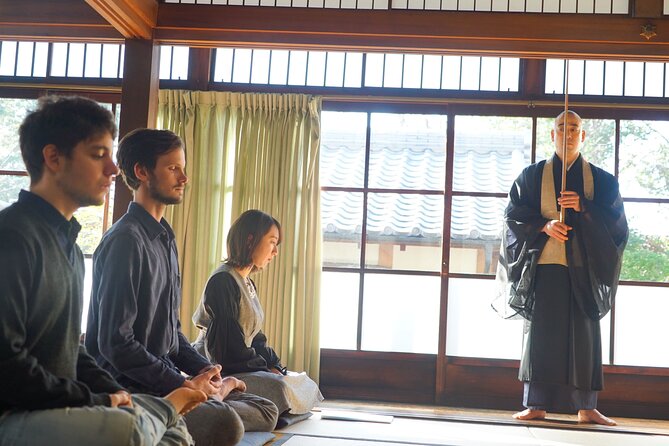
- A monk leads the zazen session: You receive instruction on posture, breathing, and the basic mindset of Zen meditation.
- Tofukuji gives the walk a strong setting: You visit one of Kyoto’s major Zen temple areas and see a dry landscape garden with guidance.
- Lunch is part of the cultural experience: The meal is a traditional Buddhist-style lunch historically served at Zen temples.
- Guides add the context: Yutaka, Hikari, Yuka, and other local guides are praised for clear explanations and a calm manner.
- The group stays very small: No more than seven people take part, making questions and translation easier.
- You need to arrive ready for silence: Private conversation is generally not allowed during meditation, and reading materials are provided instead.
Why the meditation matters more than another temple visit
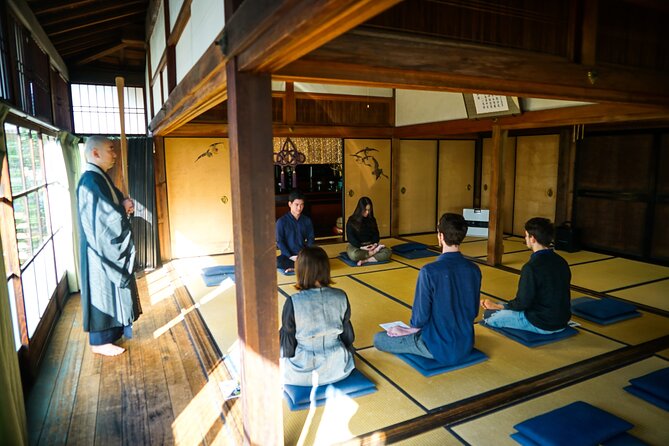
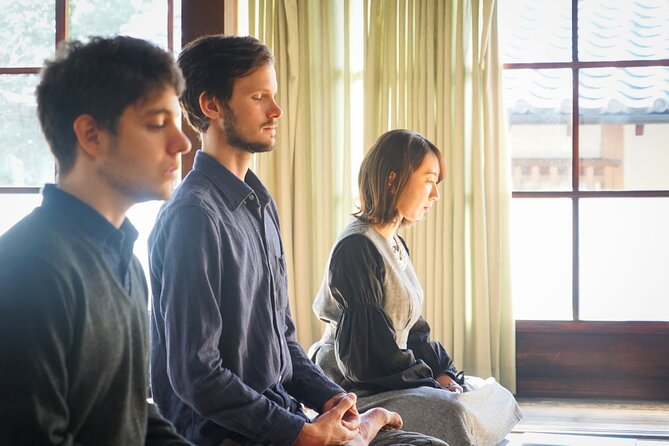
The strongest part of this Kyoto outing is the chance to practice zazen with a resident monk. You are not simply told that Zen values calm and attention. You sit down and try a basic form of the practice in a temple setting, with the monk explaining what to do.
This is a useful distinction. Many Kyoto temple tours focus on architecture, gardens, and photographs. Here, the garden and buildings help prepare you for a different kind of visit. You are encouraged to look carefully, listen, and leave some space between one sight and the next.
The meditation session is described by several participants as lasting about an hour. There is a short break in the middle, and the monk may offer further advice or background. Some guides translate explanations and questions when the monk speaks Japanese, which is especially helpful if you do not understand the language.
You should not expect a retreat or advanced religious training. This is an introduction to zazen. That makes it a good fit for a first session, but perhaps less useful if you already have years of meditation practice and want detailed instruction at an advanced level.
During the sitting, private conversation is generally prohibited out of respect for the group. You may receive material to read silently. This rule is worth knowing before you book. It is part of what protects the atmosphere, but it also means you cannot quietly chat with your companion while waiting.
More Zen sittings in Kyoto:
- Kyoto: Zen Experience in a Hidden Temple
★ 5.0 · 437 reviews - Kyoto: Tea Ceremony Meditation – Make Matcha with Tea Master
★ 4.8 · 406 reviews - Kyoto: Zen Meditation at a Private Temple with a Monk
★ 5.0 · 202 reviews
Walking through Tofukuji’s Zen setting
The experience begins at the FamilyMart Nakai Tofukuji location on Honmachi in Kyoto’s Higashiyama Ward. From there, your guide leads you through the Tofukuji area and toward temples connected with Zen practice.
Tofukuji is one of Kyoto’s major Zen temple complexes, and the walk gives you a wider view than a single room or garden. Your guide explains the relationship between Buddhist temples, Zen traditions, and local customs as you move between stops. The best guides on this experience, including Yutaka and Hikari, are praised for making small details useful rather than simply reciting dates.
You may also learn about the difference between Shinto and Buddhism, an important point for anyone seeing shrines and temples throughout Japan. Kyoto can blur those traditions together when you visit independently. A local guide can help you notice how the two fit into everyday culture and how each site is used.
This is also where the small group helps. With seven people or fewer, you can stop for questions without holding up a large crowd. You might ask about a particular statue, temple layout, or local custom, then keep walking without turning the outing into a formal lecture.
The pace is intended to be reflective, but it still involves walking. Wear comfortable shoes and bring water in summer. Kyoto’s heat and humidity can be severe, so a hat is sensible. In winter, temple floors can feel cold, and thick socks are recommended.
The dry garden and the value of looking slowly
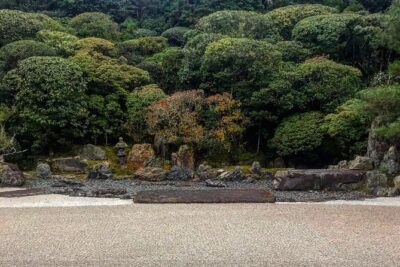
The Zen garden is more than a photo stop. Your guide gives commentary on the dry landscape garden and helps you consider how its stones, gravel, and open space are arranged. You do not need to arrive with a background in Zen aesthetics. The point is to observe and think about what you see.
A garden like this can be easy to rush past. You take a picture, note that it looks peaceful, and move on. With a guide, you receive a little more context about why the setting matters within Zen practice and temple life.
I like this part because it connects the walking tour to the meditation. The garden asks for quiet attention without requiring formal sitting. Then the zazen session gives you a chance to practice that same attention with your body still.
Photography is possible during the sightseeing portions, and one participant particularly appreciated the garden and photo opportunities. Keep in mind that the meditation room is a different matter. You will be expected to follow the temple’s rules and remain quiet.
Meeting a monk and learning the basics of zazen
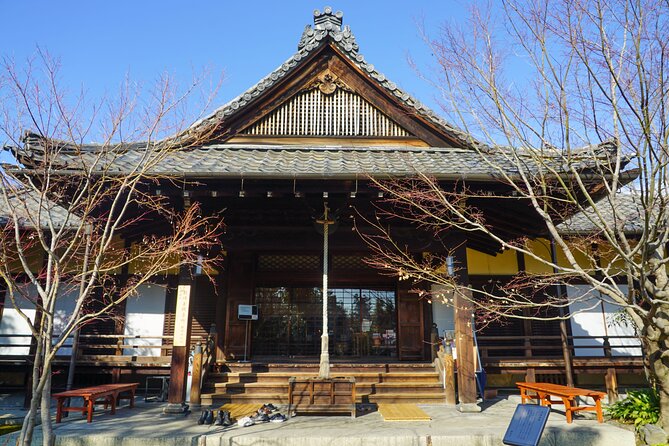
The monk-led session is the element that gives this outing its purpose. Before you sit, your guide prepares you for what to expect. That preparation matters because first-time meditation can feel awkward if you do not know how to sit, where to place your attention, or how long the session will last.
The monk then guides the group through the process. You learn the fundamentals of Zen meditation in a real temple environment rather than in a hotel room or a classroom designed for tourists. The setting does not guarantee a profound personal change, but it does give the practice a clear cultural and religious context.
The monk may speak only Japanese, so translation depends on your guide. Guides such as Hikari and Yutaka have been praised for explaining the monk’s instructions and translating questions afterward. If you want to ask something, save it for the appropriate break or the discussion after the sitting.
This is not a performance staged for the group. You take part in a normal meditation format, with silence and concentration expected. That can feel serious, especially if you are used to fast-moving sightseeing. It can also be the reason this tour becomes one of the most memorable parts of your time in Kyoto.
More Kyoto temples worth a morning:
- Kyoto: Tea Ceremony Ju-An at Jotokuji Temple
★ 4.9 · 3,207 reviews - Arashiyama Bamboo, Temple, Monkeys, or Secret Sake Brewery
★ 4.8 · 886 reviews - Kyoto: Arashiyama Bamboo Forest, Monkeys, Matcha & Temple Tour
★ 5.0 · 759 reviews - Kyoto: Ninnaji Temple Entry Ticket
★ 4.2 · 650 reviews
What the Buddhist lunch adds
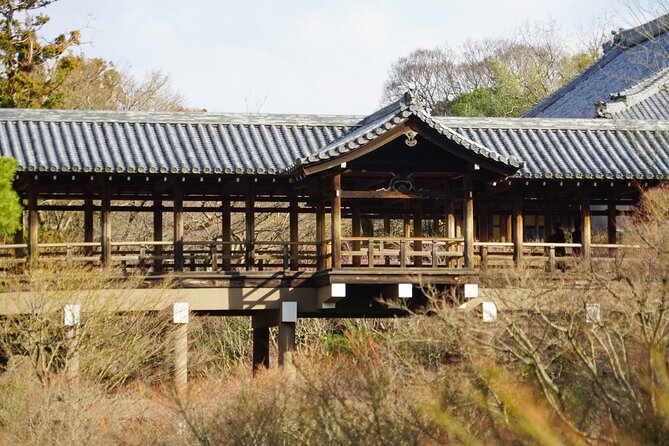
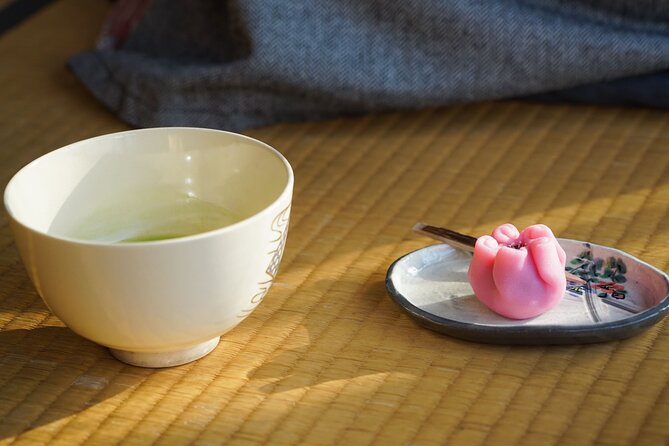
The included meal is a traditional Buddhist lunch associated with food historically served by Zen monks. It gives you a chance to connect the religious setting with Japanese food culture, rather than treating lunch as an unrelated restaurant stop.
The meal is vegetarian, and it has been described as generous and satisfying. That is useful after a morning of walking and meditation, especially if you choose the 10:45 departure. Lunch for that start time is scheduled at about 14:15, so eat a proper breakfast or brunch first.
Do not assume the meal can be adapted to every allergy or dietary restriction. The food is prepared in kitchens outside the tour company’s control, and substitutions may not always be possible. If you have a dietary request, send it by the day before. Requests made on the day cannot be accepted.
The food is one of the tour’s better value points, but it also requires flexibility. You may receive compensation at another stop if a requested substitution cannot be arranged, yet an allergy-free meal cannot be guaranteed. Anyone with a serious allergy should weigh that limitation carefully before booking.
Guides who shape the experience
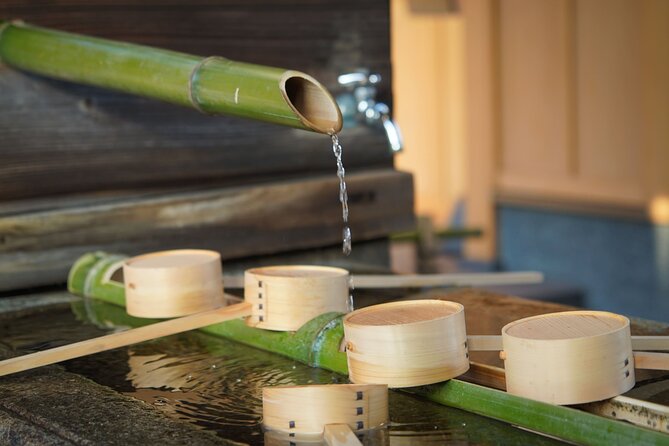
A temple walk can be dry if the guide only points out buildings. This experience depends heavily on the person leading it, and the available guide feedback points to a strong emphasis on personal explanation.
Yutaka is repeatedly praised for his clear English, warm manner, and enthusiasm for Kyoto and Zen Buddhism. He is described as someone who explains details at each site and makes the walk feel relaxed rather than hurried. Hikari is also praised for preparing the group before meditation, translating the monk’s comments, and explaining the organization and history of the temples.
Other guide names appearing in the experience feedback include Yuka and Yukata. Names may vary by departure, so you should not book with the assumption that one particular guide is guaranteed. The useful point is that the guide’s role is substantial: translation, temple background, cultural explanation, and help with questions all shape the day.
The small group limit of seven makes this especially valuable. You are not standing at the back of a crowd trying to hear a speech. You can ask about Zen philosophy, Buddhist customs, or Kyoto neighborhoods as the walk unfolds.
Price, timing, and practical value
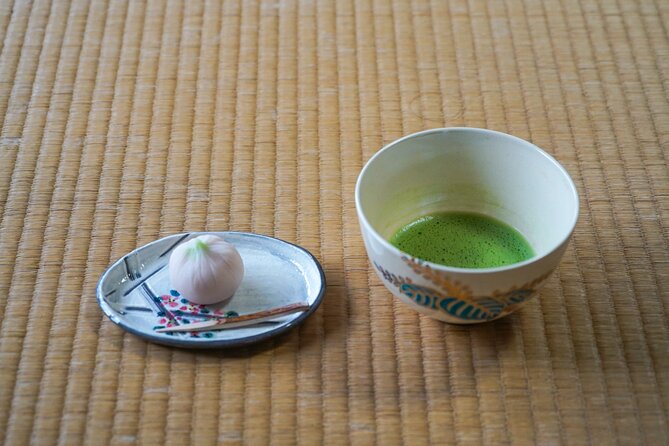
At $110.10 per person, this is not the cheapest temple visit in Kyoto. You could walk around the Tofukuji area independently for less, especially if you only want photographs and a quick look at a garden.
The price makes more sense if you value the parts that are difficult to arrange alone: a monk-led meditation session, a guide who can explain the practice, small-group access, temple admission, and a traditional lunch. You are paying for structure and interpretation, not just entry to a building.
The tour lasts about four and a half hours. That is long enough to create a proper morning or afternoon plan, but short enough to fit alongside other Kyoto sightseeing. The meditation itself requires a slower pace, so do not schedule a major attraction on the other side of the city immediately afterward.
The starting point is near public transportation, and the listed meeting point is the FamilyMart Nakai Tofukuji address. The ending information needs a little attention: the activity is described as ending near Chishaku-in Temple, while the general plan says it returns toward the meeting point. The practical note is that the group may disband at the last shop rather than formally walking everyone back. Ask your guide where you should continue from before separating.
Arrive early. The tour starts on time, and you cannot join later if you miss the group. You also cannot receive a refund or reschedule after missing the start.
Who should book this experience
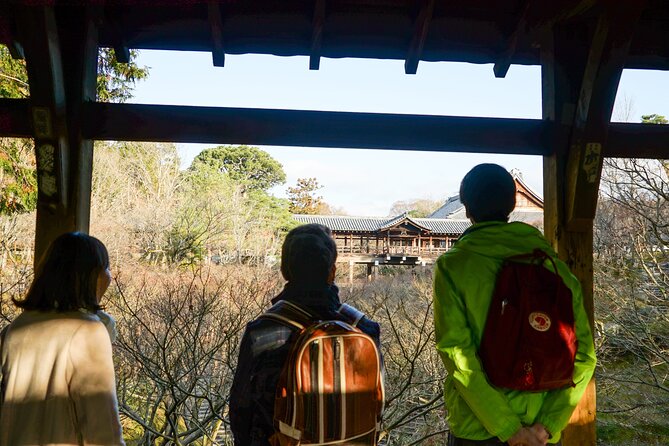
I would choose this for you if you want more than temple photographs and have genuine interest in meditation, Buddhism, Japanese food, or Kyoto culture. It suits solo visitors particularly well because the quiet format does not depend on having a companion, and the small group makes it easier to connect with the guide.
It also works for couples and friends who are willing to spend part of the day in silence. You should be comfortable following temple etiquette and sitting quietly while the monk teaches.
The minimum age is 12. Families with younger children will need another activity, and children over 12 should understand that this is not a casual sightseeing stop. The meditation requires attention and respect.
I would hesitate if you have severe food allergies, need a tightly controlled meal, dislike walking, or want a fast list of famous sights. I would also hesitate if you are late by nature. This outing gives you no cushion for arriving after the group has left.
Should you book the Kyoto Zen Meditation and Garden Tour?
Book it if you want to experience Kyoto through attention rather than speed. The monk-led zazen session, the dry garden, and the Buddhist lunch form a coherent half-day, and the small group gives the guide room to explain what you are seeing.
The best reason to choose it is simple: it lets you practice a little Zen in a real temple setting, with help from a local guide and monk. The main cautions are the late lunch on the 10:45 departure, strict start time, silence during meditation, and limited control over dietary substitutions.
With a 5.0 rating from 441 ratings and a 100 percent recommendation figure, the experience has a strong record. More important for your decision, its appeal is clear and specific. This is not a general Kyoto highlights tour. It is a quiet, guided introduction to Zen practice with food and temple context included.
FAQ
How long does the Kyoto Zen meditation tour last?
The experience lasts approximately 4 hours and 30 minutes.
How much does the tour cost?
The listed price is $110.10 per person.
Is temple admission included?
Yes. Temple admission fees are included, so you do not need to pay them separately during the experience.
Where does the tour begin?
The meeting point is FamilyMart Nakai Tofukuji, 12-chōme-232 Honmachi, Higashiyama Ward, Kyoto, 605-0981, Japan.
Where does the tour end?
The activity is described as ending near Chishaku-in Temple. The general plan mentions returning toward the meeting point, but the group may disband at the last shop instead.
Is lunch included?
Yes. A traditional Buddhist meal historically served at Zen temples is included. The 10:45 departure is scheduled to eat at about 14:15.
Can people with dietary restrictions join?
You may submit a dietary request by the day before, but allergy-free meals and all substitutions cannot be guaranteed. Requests made on the day are not accepted.
Is the meditation session conducted in silence?
Yes. Private conversation is generally prohibited during the zazen session. You may receive materials to read silently, and the guide can help translate suitable questions afterward.
What is the cancellation policy?
You can cancel at least 24 hours before the local start time for a full refund. Cancellations or changes made less than 24 hours before the start are not accepted for a refund.
More Lunch Experiences in Kyoto
- Bike Tour Exploring North Kyoto plus Lunch
★ 5.0 · 1,087 reviews - 4.5-Hour Kyoto Bike Tour with Lunch and UNESCO Zen Temples
★ 5.0 · 122 reviews - From Kyoto: Nara History Guided Half Day Bus Tour with Lunch
★ 4.8 · 114 reviews - Kyoto: Zen Meditation and Garden Tour at a Temple with Lunch
★ 4.9 · 86 reviews
More Gardens in Kyoto
- Kyoto Arashiyama Walking Tour: Bamboo, Monkeys, Gardens & Secrets
★ 5.0 · 1,216 reviews - Kyoto Arashiyama Bamboo forest & Garden Half-Day Walking Tour
★ 5.0 · 413 reviews - Kyoto: Zen Garden, Zen Mind (Private)
★ 5.0 · 126 reviews - Kyoto Kiyomizu Tea Ceremony with Scenic Garden Views
★ 5.0 · 101 reviews
Recently added around Kyoto
- Higashiyama | Kyoto: Sakura Season Private Rickshaw Tour★ 5.0 · 3 reviews
- Kyoto Kimono Rental CHAMATSU|Kimono/Yukata Rental FamilyPlan★ 5.0 · 3 reviews
- Kyoto: Half-Day Private Guided Tour to the Old Town of Gion★ 4.4 · 3 reviews
- Nara Private Customizable Half Day Tour★ 5.0 · 3 reviews
- Kansai Region Hiking Adventure in Nara Kobe Kyoto and More★ 5.0 · 3 reviews
- Full Day Nara Deer, Temple, Shrine, Activities & Tea Ceremony★ 5.0 · 3 reviews
- Nara: Essential Private Tour with Deer Park and Temples★ 5.0 · 3 reviews
- Hiking Tour for Sacred Sites in Kyoto with a Guide★ 5.0 · 3 reviews
Kyoto Zen Meditation Experiences, compared.
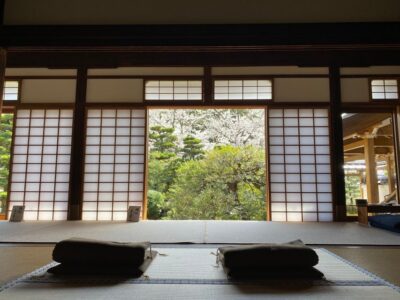
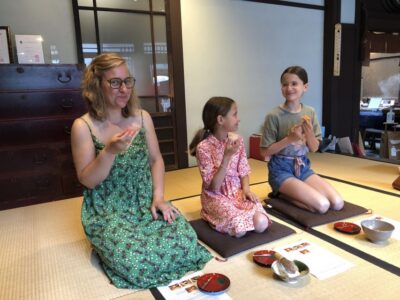
Tea Ceremony Meditation – Make Matcha with Tea Master
Read our review →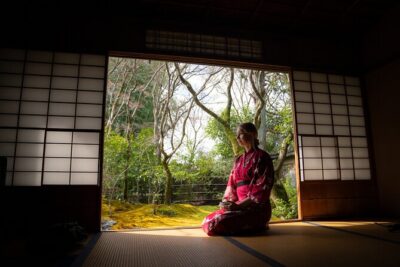
4.5-Hour Kyoto Bike Tour with Lunch and UNESCO Zen Temples
Read our review →
Zen Meditation and Garden Tour at a Temple with Lunch
Read our review →
Arashiyama Guided Tour, Bamboo, Monkey, Zen Temple
Read our review →Browse the lists this tour appears in