
REVIEW · CYCLING TOURS
Hidden Kyoto E-Biking tour
Kyoto’s best moments are often found between its headline sights. This small-group e-bike ride links famous temples with quiet lanes, tucked-away Zen spaces, and a charming tea stop tied to a centuries-old family business. You cover about 4.3 to 4.9 miles, or 7 to 8 kilometers, without wearing out your legs.
I like two things right away: the electric-assist bikes make hills manageable, and a maximum of eight people keeps the ride personal. Guides such as Yuta, Michael, Sean, Henry, and Shizuka have been praised for clear English, lively storytelling, and thoughtful explanations of Zen, Shinto, Japanese history, and local customs.
The main consideration is that this is not a pure sightseeing sprint. You may spend a fair amount of time listening at temple stops, and one person found the historical explanations too long for a short tour. You also need to be comfortable riding a bicycle, even though the route is described as easy.
In This Review
- Key points to know before booking
- Why an e-bike is a smart way to see northern Kyoto
- Starting at NORU near Kitano
- Kinkakuji, Kyoto’s famous Golden Pavilion
- Daitokuji and the quieter side of Zen
- Kitano Tenmangu and local religious tradition
- Koto-in and the appeal of a smaller temple
- Zuihoin and a short Zen reflection
- The tea stop and old Kyoto stories
- What the guides add to the ride
- Weather, fitness, and practical comfort
- Is $116 a fair price?
- Who should book this Kyoto e-bike tour?
- Should you book it?
- FAQ
- How long does the Hidden Kyoto E-Biking tour last?
- How far do you ride?
- What sights are included?
- Is the Golden Pavilion included?
- Are bikes and helmets provided?
- Is water included?
- What is the minimum age?
- How many people can join the tour?
- Where does the tour start and finish?
- What happens if bad weather cancels the tour?
Key points to know before booking
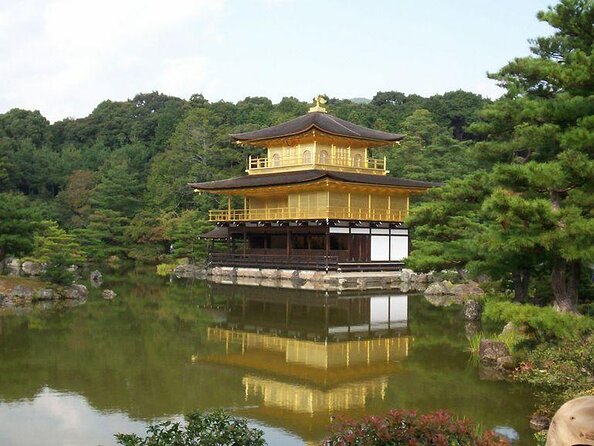
- Kinkakuji and quiet backstreets in one morning: See Kyoto’s famous Golden Pavilion area, then leave the main tourist flow behind.
- Electric-assist bikes included: The bikes help with hills and reduce effort on warm or humid days.
- Small groups of eight or fewer: This allows more room for questions and individual attention.
- Strong cultural storytelling: Guides explain Zen Buddhism, Shinto, geisha and maiko traditions, samurai-era Japan, and temple etiquette.
- Ages 13 and up: The ride suits many casual cyclists, but you must be willing and able to ride.
- Practical half-day length: The 3-hour-45-minute outing fits neatly into a morning or afternoon in Kyoto.
Why an e-bike is a smart way to see northern Kyoto
Kyoto rewards walking, but its major temples and shrines are spread across a broad area. A taxi can move you between them, yet you lose the small streets and neighborhood views that make the city feel human. On foot, you may spend much of your morning simply getting from one famous gate to the next.
This ride offers a useful middle ground. You travel far enough to connect several important sites, but slowly enough to notice side streets, traditional homes, quiet lanes, and ordinary Kyoto life. The route uses rental bikes with electric assistance, helmets, and water included.
The electric motor matters most on hills. Several people found the bikes easy to learn, including riders who had not cycled for years. One older couple in their sixties found the ride manageable, though they noted some steep descents. Another rider who felt nervous about cycling said the guide stayed close and made sure everyone was doing well.
You should still know how to balance, steer, brake, and ride around other bicycles and traffic. The minimum age is 13, and the tour is described as safe and low effort, but it is not a sightseeing bus with occasional walking.
More bike days around Kyoto:
- Bike Tour Exploring North Kyoto plus Lunch
★ 5.0 · 1,087 reviews - Arashiyama Bamboo Forest & Hidden Gems Bike Tour (Early Bird)
★ 5.0 · 613 reviews - 5 Top Highlights of Kyoto Full Day Bike Tour (E-bike option)
★ 5.0 · 511 reviews
Starting at NORU near Kitano
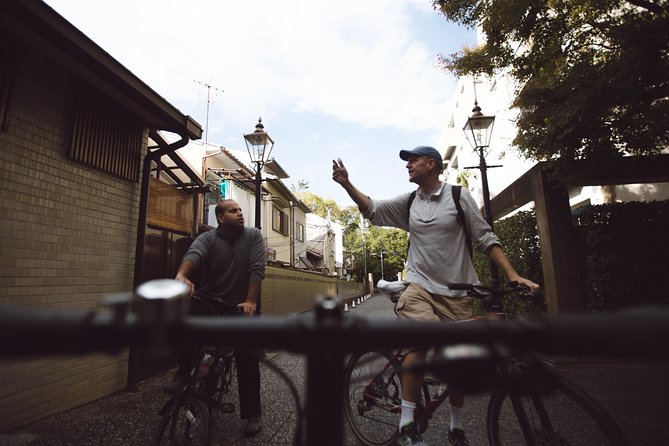
The tour begins at NORU Kyoto Bike Tours, at 429-22 Takigahanacho in Kamigyo Ward. You need to arrive 15 minutes before departure. Available start times are listed as 8:30 a.m., 9 a.m., 12:30 p.m., and 1 p.m.
After fitting your bike and helmet, the route coordinator gives you the basic riding guidance you need. Several riders specifically appreciated the short e-bike training, which is useful if this is your first electric bicycle.
The activity lasts about 3 hours and 45 minutes and returns to the same shop. That round-trip setup is convenient because you do not need to arrange a pickup from a distant temple. The meeting point is near public transportation, though you should allow extra time to reach it since late arrivals cannot join after departure.
The small-group size is one of the tour’s strongest features. With no more than eight participants, the guide can keep an eye on the group, answer questions, and adjust explanations to the interests of the people riding.
Kinkakuji, Kyoto’s famous Golden Pavilion
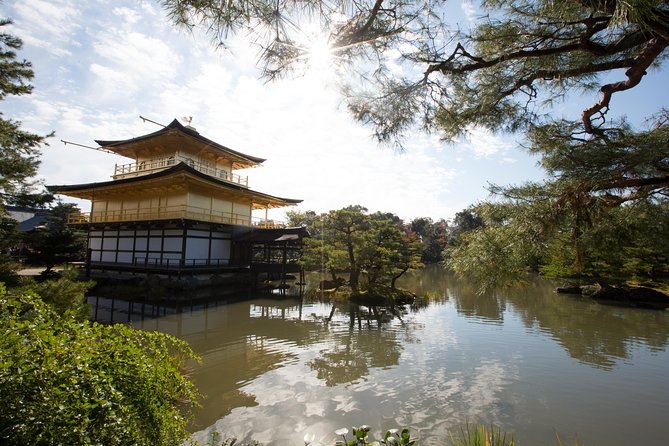
Kinkakuji, also called the Golden Pavilion, is the big-name stop. Its upper stories are covered in gold leaf, and the pavilion sits beside a pond in one of Kyoto’s most recognizable scenes. It is a UNESCO-listed site and one of the places most first-time visitors want to see.
The value here is not simply getting a photograph. A good guide can explain how the temple fits into Kyoto’s Buddhist traditions and why its setting matters. Yuta, Michael, Sean, and other guides have been praised for making historical and religious subjects easy to follow rather than presenting a string of dates.
Kinkakuji is also the stop most likely to feel busy. The tour promises a quieter side of Kyoto, not an empty Golden Pavilion. You should expect the famous sight to draw a crowd, then appreciate the contrast as the group moves away from it.
That contrast gives the ride its shape. You begin with the Kyoto most people recognize, then use the bicycle to reach places that are harder to connect by walking alone.
Daitokuji and the quieter side of Zen
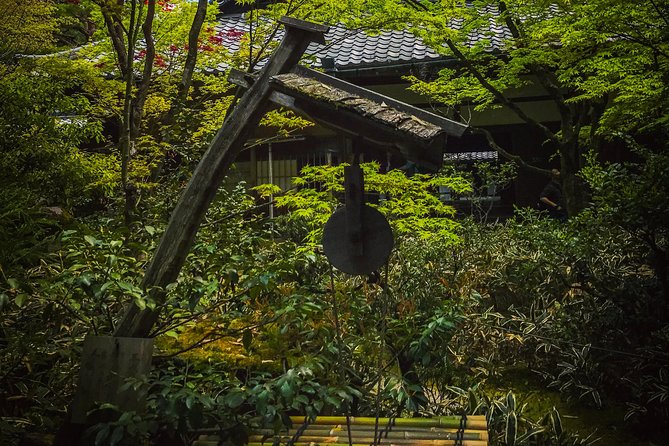
The Daitokuji temple complex offers a calmer setting and a chance to look at Kyoto’s Zen tradition in a more focused way. It is not one single building but a group of temples, making it a good place for a guide to explain how religious compounds developed and how Zen practice shaped Japanese arts and architecture.
The stop can feel more rewarding if you want context. Guides have discussed Zen Buddhism, Shinto and Buddhist differences, meditation ideas, temple behavior, and the meaning of gardens. Yuta was especially praised for explaining cultural customs without turning the talk into a lecture.
That said, this is where the tour’s storytelling style matters most. One person felt the guide spent too long explaining Japanese history and would have preferred more time moving around the sites. If you enjoy background and ask plenty of questions, that pace may suit you. If you prefer a quick look and lots of cycling, it may feel slow.
More e-bike rides around Kyoto:
- E-Bike Tours of the highlights of Kyoto!!!
★ 5.0 · 291 reviews - Kyoto: City Secrets eBike Tour
★ 4.9 · 196 reviews - Pedal Adventure Kyoto’s iconic landmarks on an e-bike tour
★ 5.0 · 189 reviews - Kyoto: Hidden Gems E-Bike Tour with Local Japanese Guide
★ 4.9 · 189 reviews
Kitano Tenmangu and local religious tradition
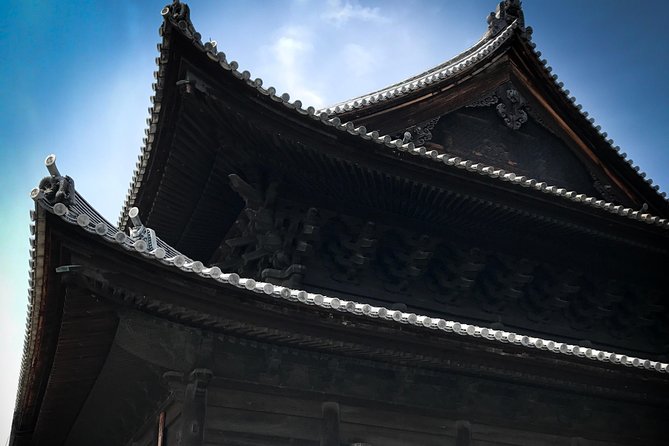
Kitano Tenmangu is a major Shinto shrine dedicated to Sugawara no Michizane, a historical scholar and political figure associated with learning. The shrine adds a different religious perspective after the Buddhist temples.
This mix of Shinto shrines and Buddhist temples is one reason the outing is more useful than a simple scenic ride. You are not only checking off buildings. You are seeing how two traditions appear side by side in Kyoto, with the guide explaining customs such as how to behave at a shrine or temple.
The explanations can also cover Japanese cultural etiquette. That is practical information you can use for the rest of your Kyoto visit. Knowing what to do at a purification fountain, how temple and shrine rituals differ, and how to move respectfully through a religious site makes later sightseeing feel less like a guessing game.
Koto-in and the appeal of a smaller temple
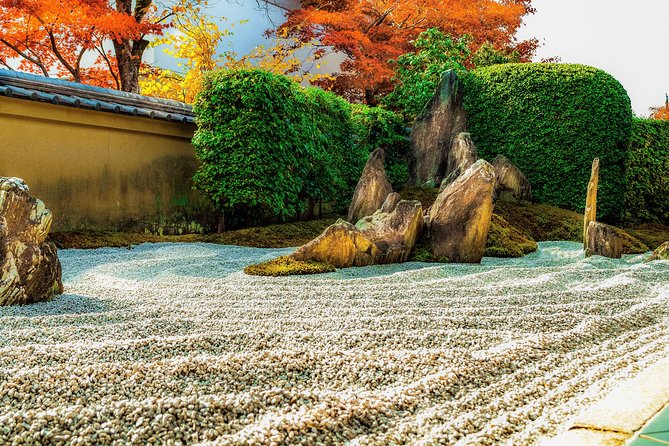
Koto-in is one of the stops that gives the tour its quieter character. Compared with Kinkakuji, it is less likely to dominate a first-time Kyoto itinerary, yet its intimate setting and garden make it a strong choice for a half-day route.
This is the kind of place where a bicycle tour earns its keep. You may not choose to travel across Kyoto for Koto-in alone, but it becomes easy to include when the ride links it with nearby temples and streets.
The garden setting offers a pause from the bike. You can slow down, look at the design, and listen to the guide’s explanation of Zen aesthetics. The tour does not treat every stop as a rushed photo break, which is good for anyone who wants to understand why these spaces matter.
Zuihoin and a short Zen reflection
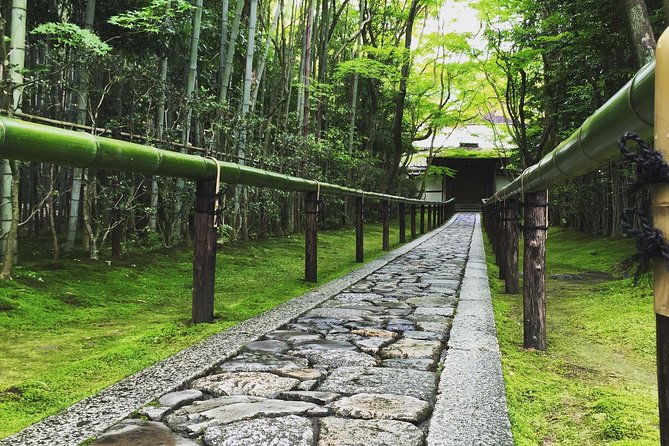
Zuihoin provides another look at Zen temple design and garden symbolism. The stop is especially suited to people who enjoy quiet spaces and want more than the most famous Kyoto sights.
The experience may include a brief Zen element near the end of the tour. Do not expect a full retreat or a long formal practice. Think of it as a small pause that connects the gardens, temples, and ideas discussed during the ride.
This part also shows why guide quality matters. Michael has been described as a strong storyteller, while Yuta has been praised for making Zen teachings approachable. The same route can feel quite different depending on whether your guide keeps the talk focused and connected to what you are seeing.
The tea stop and old Kyoto stories
The route may include a charming tea and sweets stop with a remarkable backstory. One account described a business operating for 1,025 years across 28 generations. That detail gives you a glimpse of Kyoto beyond temples and imperial history: family trades, old neighborhoods, and businesses carried forward over centuries.
Food and drinks are not included unless specifically stated, so check what is covered at your departure. The tea stop itself is valued for its atmosphere and story, not as a full meal. Plan to eat separately before or after the ride.
A short refreshment break is welcome on a warm day, especially since Kyoto can be muggy. It also gives the group time to chat and lets the guide share restaurant suggestions. Yuta has offered recommendations for ramen and udon, among other local food tips.
What the guides add to the ride
The route is the foundation, but the guide makes the experience. The names that appear repeatedly in the tour’s feedback include Yuta, Michael, Sean, Henry, and Shizuka.
Yuta is known for explanations of Zen Buddhism, geisha and maiko history, Shinto, temple etiquette, and Japanese traditions. Michael has been praised for his storytelling and for drawing on experience as a Japanese history teacher. Sean is described as clear, kind, funny, and well prepared for wet or cool weather. Henry brings long experience living in Japan and a strong interest in local culture. Shizuka led a small group through temples, gardens, backstreets, and hillier sections.
You cannot always choose your guide, so book this tour for its overall format rather than one specific person. Still, the consistently strong guide feedback suggests that cultural interpretation is central to the experience, not an afterthought.
Weather, fitness, and practical comfort
The ride requires good weather. If poor weather forces cancellation, you are offered another date or a full refund. Rain does not automatically make the outing impossible, and one group enjoyed the ride in drizzle, but you should bring a raincoat or poncho if rain is forecast. Waterproof gloves are also a useful suggestion from someone who rode in wet conditions.
The route is described as easy and suitable for most people over 13. Electric assistance helps on hills, but you still face some slopes and descents. If you have not ridden a bike in many years, tell the guide at the start and take the practice seriously.
Wear comfortable clothing and shoes suitable for cycling. Food and drinks are not included, aside from the provided water and any specifically included tea or snack. Since the tour can occupy most of a morning or afternoon, avoid scheduling a tight appointment immediately afterward.
Is $116 a fair price?
At $116 per person, this is not the cheapest way to see Kyoto. You could rent a bicycle independently for less, and public transportation will cost less still.
The comparison changes when you count what is included: an e-bike, helmet, water, route planning, a small group, and an English-speaking guide who explains the religious and cultural setting. You are also covering several sites in one ride, including places that are not as simple to connect on foot.
I think the price makes sense if you want interpretation and a carefully planned route. It is less compelling if you already know Kyoto well, prefer independent wandering, or dislike stopping for extended explanations. The tour is best value early in your visit, when it can help you understand the city and provide ideas for meals and later sightseeing.
Who should book this Kyoto e-bike tour?
I would recommend it to first-time Kyoto visitors who want orientation without spending half a day on crowded buses. It also suits returning visitors who have already seen the major central sights and want quieter temples and residential streets.
Families with teenagers can consider it, since the minimum age is 13. Couples and older riders may also find the electric bikes useful, provided they are comfortable cycling. The small group and attentive guides are a plus for anyone who wants to ask questions.
I would be cautious if you cannot ride a bicycle, are uncomfortable on hills, or want a fast-moving tour with minimal commentary. Anyone who chooses not to participate or cannot ride does not receive a refund.
Should you book it?
Book the Hidden Kyoto E-Biking tour if you want to connect famous Kyoto landmarks with quieter temples, gardens, and local streets in one well-paced outing. The best reasons are the electric bikes, the small group, and the guides’ attention to Zen, Shinto, etiquette, and everyday culture.
Skip it if you want complete independence or a short, photo-focused ride. For most visitors, though, $116 buys more than transportation. It buys a thoughtful route and the cultural background that helps the rest of Kyoto make better sense.
FAQ
How long does the Hidden Kyoto E-Biking tour last?
The tour lasts approximately 3 hours and 45 minutes.
How far do you ride?
The route is described as approximately 4.3 to 4.9 miles, or about 7 to 8 kilometers.
What sights are included?
The route includes Kinkakuji Temple, Daitokuji Temple Complex, Kitano Tenmangu Shrine, Koto-in, and Zuihoin.
Is the Golden Pavilion included?
Yes. Kinkakuji, also known as the Golden Pavilion, is one of the planned stops.
Are bikes and helmets provided?
Yes. A rental bike and helmet are included in the price.
Is water included?
Yes. Water is included. Food and drinks are not included unless specifically stated.
What is the minimum age?
The minimum age is 13.
How many people can join the tour?
The tour has a maximum of eight participants.
Where does the tour start and finish?
It starts at NORU Kyoto Bike Tours at 429-22 Takigahanacho, Kamigyo Ward, Kyoto. The tour ends back at the same meeting point.
What happens if bad weather cancels the tour?
If poor weather causes cancellation, you are offered another date or a full refund. You can also cancel for a full refund if you do so at least 24 hours before the start time.
Recently added around Kyoto
- Higashiyama | Kyoto: Sakura Season Private Rickshaw Tour★ 5.0 · 3 reviews
- Kyoto Kimono Rental CHAMATSU|Kimono/Yukata Rental FamilyPlan★ 5.0 · 3 reviews
- Nara Private Customizable Half Day Tour★ 5.0 · 3 reviews
- Kyoto: Half-Day Private Guided Tour to the Old Town of Gion★ 4.4 · 3 reviews
- Kansai Region Hiking Adventure in Nara Kobe Kyoto and More★ 5.0 · 3 reviews
- Full Day Nara Deer, Temple, Shrine, Activities & Tea Ceremony★ 5.0 · 3 reviews
- Nara: Essential Private Tour with Deer Park and Temples★ 5.0 · 3 reviews
- Hiking Tour for Sacred Sites in Kyoto with a Guide★ 5.0 · 3 reviews
Cycling Tours, compared.
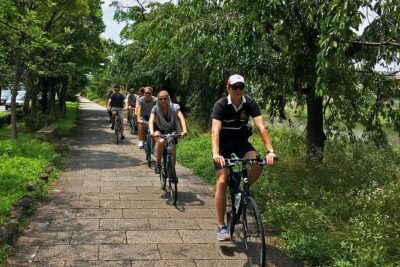
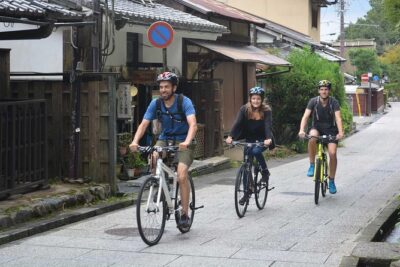
Arashiyama Bamboo Forest & Hidden Gems Bike Tour (Early Bird)
Read our review →
5 Top Highlights of Kyoto Full Day Bike Tour (E-bike option)
Read our review →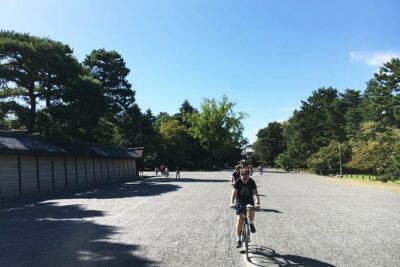
Full Day Biking Tour Exploring the Best of Kyoto
Read our review →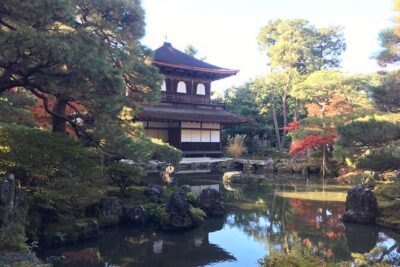
Afternoon Kyoto Bike Tour: Bamboo Forest, Monkeys & Hidden Spots
Read our review →
South Kyoto in a Nutshell: Gentle Backstreet Bike Tour!
Read our review →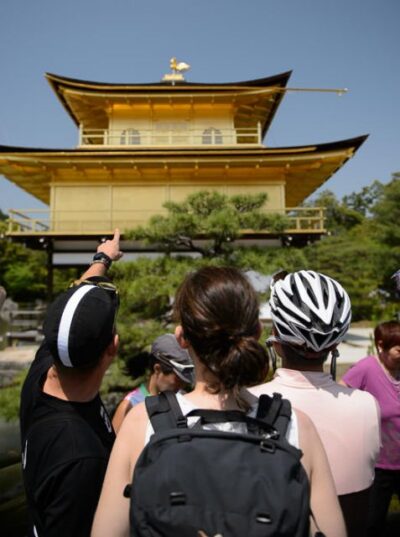
Browse the lists this tour appears in