
REVIEW · GION GEISHA DISTRICT TOURS
Gion Night Walk:Discover Geisha Culture in Kyoto
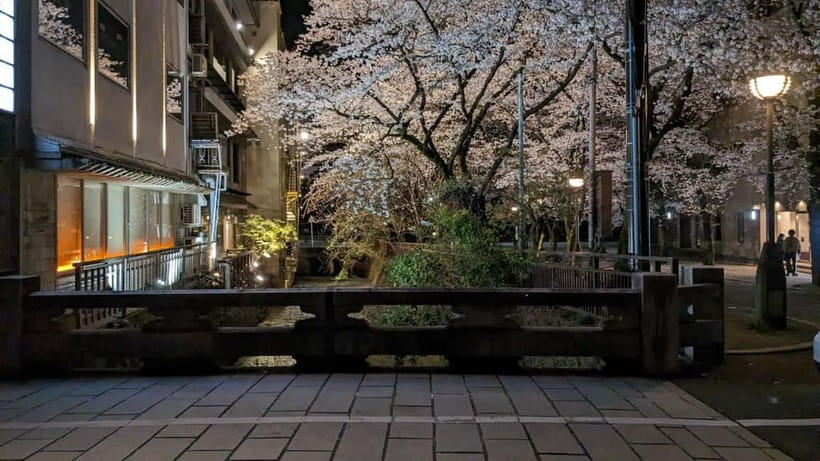
Gion after dark is not a stage show. It is a working neighborhood where geisha, known in Kyoto as geiko and maiko, may be heading between appointments. This walking tour helps you read the streets, understand the customs, and see why a quiet lane or closed doorway can matter. I like the local perspective and the focus on present-day geisha life, not just old Kyoto legends. I also like that the route includes famous Gion landmarks along with less obvious corners.
The main catch is simple: you may not see a geisha, and you will not visit a geisha house. An 8 p.m. start may also miss some public performances advertised around 6 and 7 p.m. If seeing a geisha is your only goal, this tour carries a real risk of disappointment.
In This Review
- Key points about the Gion night walk
- Entering Gion from Keihan Exit 5
- Reading Gion’s old houses and quiet lanes
- Geisha culture beyond the postcard image
- The real chance of seeing a geisha
- Why the guide matters more than the route
- What you will and will not visit
- Timing, comfort, and practical fit
- Who will get the most from this $27 experience?
- Should you book the Gion night walk?
- FAQ
- Where does the Gion night walk begin?
- Where does the activity end?
- Is the tour offered in English?
- How much does the tour cost?
- Is a photo shoot included?
- What should I bring?
- Are geisha sightings guaranteed?
- Who should not book this activity?
Key points about the Gion night walk
- Meet at a clear Kyoto landmark: Start beside the man’s stone statue at Keihan Railway’s Exit 5.
- Learn how Gion works today: The guide explains geisha culture, local customs, and the current situation for working geisha.
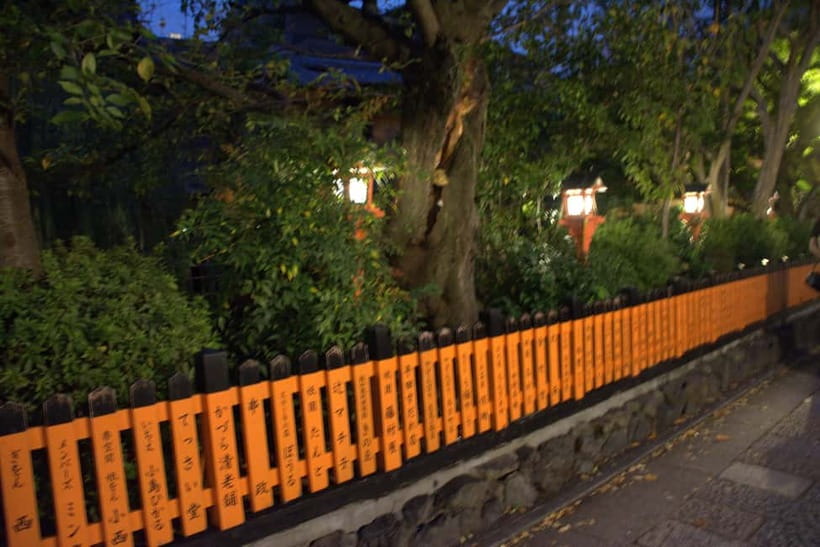
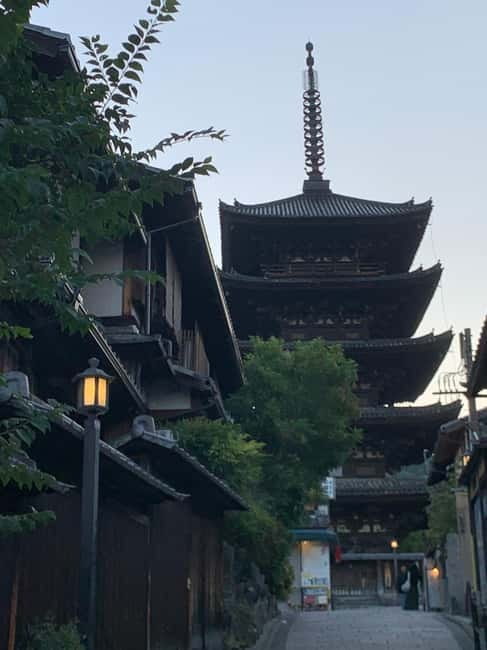
- Walk historic streets: Expect traditional Japanese houses, narrow lanes, and well-known Gion sights.
- Hear information beyond basic guidebook facts: The tour focuses on lesser-known details and local knowledge.
- Possible geisha sighting, never a promise: The timing is chosen for a chance encounter, but the tour does not guarantee one.
- A roughly two-hour evening outing: You return to the meeting point, with a photo shoot included.
Entering Gion from Keihan Exit 5
Your evening begins at the man’s stone statue outside Keihan Railway, Exit 5. This is a practical meeting place because it gives you a fixed point near Gion rather than leaving you to search through a maze of side streets.
I recommend arriving early enough to find the statue without rushing. Kyoto’s station exits can feel confusing, especially after dark, and a late arrival can be awkward once the group has moved into the district. The tour ends back at this same meeting point, so you do not need to work out a new pickup location at the end of the night.
From there, you walk into Gion with an English-speaking local guide. The outing is on foot, so wear shoes you can comfortably use on pavement for about two hours. Comfortable clothes matter too, since this is a walking lesson in the city rather than a seated performance.
More evenings in Gion:
- Kyoto Geisha Walking Tour: Gion District & Hidden Gems
★ 4.7 · 3,273 reviews - Kyoto: Gion Magical Night Walking Tour with Geisha Trivia
★ 4.9 · 2,393 reviews - Kyoto: Gion Geisha District Walking Tour – Stories of Geisha
★ 4.7 · 2,187 reviews
Reading Gion’s old houses and quiet lanes
The best part of the walk is the setting itself. Gion gives you historic streets and traditional Japanese houses, but the value is not simply in looking at attractive buildings. The guide explains how the area developed and what you are seeing as you move through it.
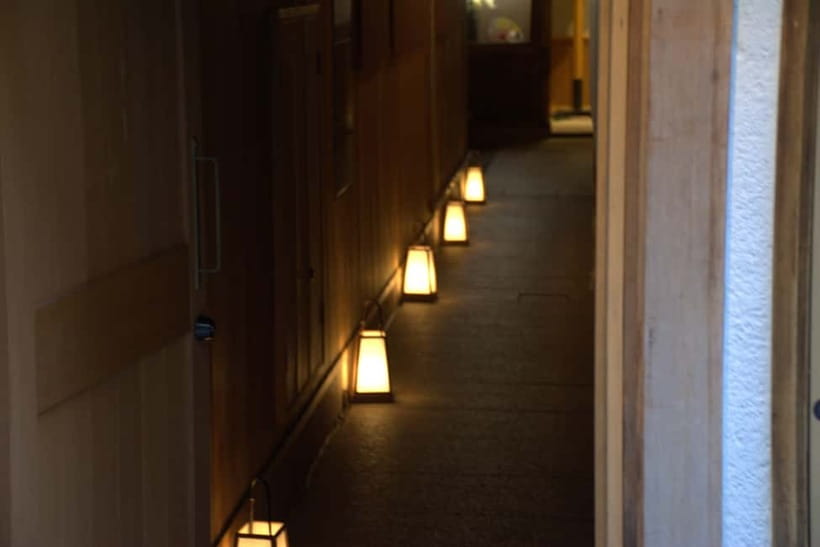
You will visit some of Gion’s familiar landmarks, then look for smaller details that are easy to miss when you explore alone. A doorway, street layout, or old-style building can mean more once someone explains its place in the district. That turns a pleasant stroll into a clearer picture of how Gion functions.
Do not expect a long list of formal attractions with indoor visits. The supplied details describe a street walk, and the experience is strongest when you treat the neighborhood as the main subject. The houses and lanes provide the setting, while the guide supplies the context.
This also means the tour depends on your interest in walking and listening. If you want a ticketed show, a meal, or a guaranteed encounter, this is not that kind of evening. If you want to understand what lies behind Gion’s polished appearance, the format makes sense.
Geisha culture beyond the postcard image
The guide’s central job is to explain geisha culture in a useful, respectful way. You learn about the history of geisha and the Gion area, but the tour also addresses the current situation of actual geisha. That present-day focus is important because many visitors arrive with an old-fashioned picture based on costumes, photographs, or entertainment districts elsewhere.
The tour also covers little-known facts that are not easy to find online. That does not mean every detail will be a secret revelation, but it does give you a chance to ask questions and get answers linked to the streets around you. One strong point of a live guide is the ability to explain why a custom matters, rather than simply handing you a list of dates and definitions.
I would use the question period well. Ask about the difference between a geiko and a maiko, local etiquette, the way appointments shape evening movement, or how visitors should behave if they see someone in traditional dress. The supplied information does not promise a formal lecture on each subject, so your questions can help shape the experience.
The tone also appears to be friendly and inclusive. That matters in a subject that can easily be presented as distant or mysterious. A good guide helps you understand the people and working customs behind the image, rather than treating geisha as scenery.
The real chance of seeing a geisha
The tour is timed for a period when geisha are more likely to be seen. That improves your odds, but it does not make a sighting certain. Geisha may be working, moving quickly, using a different route, or simply not visible during your walk.
That distinction is worth keeping clear before you book. The experience is about Gion and geisha culture whether or not a geisha appears. A sighting would be an extra moment, not the product being guaranteed.
You will also receive guidance on precautions to take if you do see a geisha. This is one of the most useful parts of the tour because Gion is a real neighborhood, not a photo set. You should follow the guide’s instructions, avoid blocking the street, and treat anyone you encounter with respect. The information provided does not promise a photo with a geisha, and you should not assume that a sighting means you can approach.
A timing detail deserves attention. One visitor found that an area poster advertised performances at 6 and 7 p.m., and felt an 8 p.m. tour began too late for that possibility. That does not mean those performances are guaranteed or part of this walking tour. It does mean you should ask yourself what you want from the evening. If you hope to catch activity earlier in the night, a 5 p.m. start could suit you better than 8 p.m., if that departure is offered when you book.
More Kyoto walks after dark:
- Night Walk in Gion: Kyoto’s Geisha District
★ 4.5 · 2,003 reviews - Kyoto Gion Night Walk & Geisha District Guided Tour
★ 5.0 · 786 reviews - Kyoto Bar Hopping Night Tour
★ 5.0 · 613 reviews - Kyoto Foodie Night Tour
★ 5.0 · 376 reviews
Why the guide matters more than the route
You can walk through Gion without paying for a tour. The streets are accessible, and you can photograph the architecture on your own. The $27 price therefore needs to be judged by the explanation, not by the pavement beneath your feet.
I see the value in paying for a local guide when you want more than a self-guided stroll. You get an English-language explanation of the district, answers to questions, practical etiquette, and details about present-day geisha life. Those are the parts you cannot reliably gather by simply following a map.
The strongest praise for this experience centers on the guide’s friendly, inclusive manner and ability to answer questions. That suggests the walk works best as a conversation, not as a rigid speech. You should come prepared to listen, but also to ask. The more curious you are, the more useful the two hours are likely to feel.
The value is weaker if your main aim is a guaranteed geisha performance or a visit inside a house. Neither is included. You are paying for interpretation and access to local understanding, not for a staged encounter.
A photo shoot is included, though the details of its format are not specified. Do not assume this means a professional portrait session, a geisha photograph, or a long stop at a studio. Treat it as an included photo opportunity connected with the walking experience, and confirm the exact arrangement if photos are especially important to you.
What you will and will not visit
The route includes famous Gion landmarks and lesser-known places within the district. You can expect to see historic streets and Japanese houses while the guide explains their connection to the area.
You should not expect to enter a geisha house. That limitation caused disappointment for one participant who had hoped to visit one. It is a fair concern, so set your expectations before booking: this is an outdoor walking tour, not an interior cultural visit.
You also should not expect the guide to control what happens on the street. A geisha sighting depends on chance and timing. Even a well-planned route cannot guarantee that someone will appear during your two hours.
The walk’s simplicity is also its strength. You remain in the Gion district, focus on one subject, and return to where you started. There is no need to fit a train transfer, meal, or separate show into the activity itself.
Timing, comfort, and practical fit
The tour lasts about two hours, based on the description of the outing as a two-hour walk. Evening conditions can make the old streets pleasant to explore, but you still need to dress for walking rather than a formal night out.
Bring comfortable shoes and comfortable clothing. That advice may sound basic, but it is the most relevant preparation given. The activity is not suitable for wheelchair users, and the listing also says it is not suitable for people with altitude sickness. Gion is not a high-altitude destination, but those restrictions should still be taken seriously when deciding if the activity fits your needs.
The tour is offered in English. If you need another language, this experience may not be the right match. No group size is provided, so you should not book expecting either a private walk or a small group unless the booking page confirms it separately.
Drones, alcohol, and drugs are not allowed. Those rules fit the tone of the district and the need to protect privacy in a working neighborhood. Carry only what you need, stay attentive to the guide, and be ready to walk at a steady pace.
You can reserve now and pay later, which helps if your Kyoto plans are still shifting. Cancellation is allowed up to 24 hours in advance for a full refund. That gives you some room to adjust around weather, train plans, or an earlier evening activity.
Who will get the most from this $27 experience?
I would recommend this walk to a first-time Kyoto visitor who wants a clear introduction to Gion. It suits you especially well if you care about local customs, street-level history, and the difference between a real working district and a tourist display.
It also fits photographers who want to understand when and how to take pictures respectfully. The included photo shoot adds some value, but the walk should not be bought as a dedicated photography session unless you confirm what that part involves.
Couples, solo visitors, and families with older children who can manage two hours on foot may all find the format easy to fit into an evening. The friendly, inclusive guide style is a plus if you like asking questions instead of simply following a script.
I would be cautious if you have limited mobility, dislike walking, or want guaranteed entertainment. I would also reconsider if the only acceptable outcome is seeing a geisha. The tour can improve your chance of a sighting, but it cannot produce one on demand.
At $27 per person, the price is reasonable for a guided introduction to one of Kyoto’s most famous districts. It is good value if you use the guide’s local knowledge and ask questions. It is less convincing if you view the experience as a paid way to watch geisha pass by.
Should you book the Gion night walk?
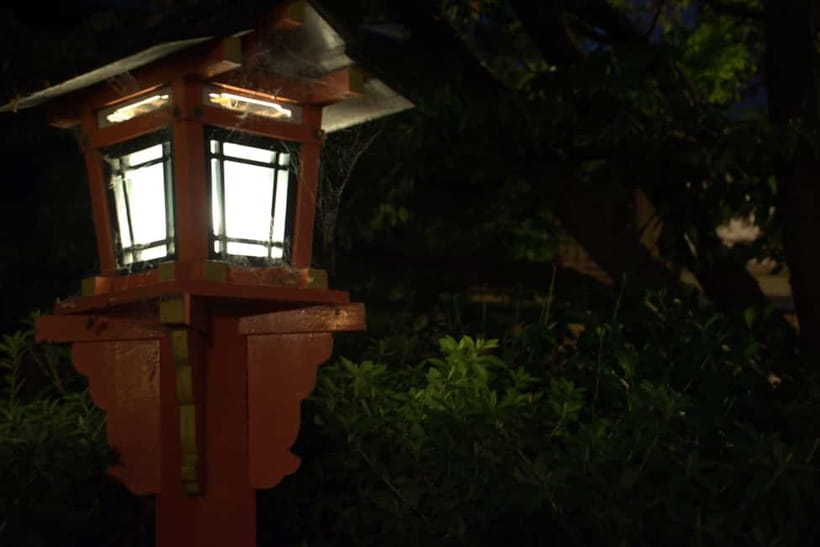
Book it if you want to understand Gion while walking its historic streets, and if you are comfortable with an experience built around explanation rather than certainty. The guide’s friendly approach, local details, and focus on modern geisha life give the outing more substance than a simple night stroll.
Before choosing your start time, consider the possibility that earlier evening performances or activity may be more relevant to you than a later geisha sighting window. And go in knowing that there is no house visit and no guaranteed geisha encounter.
For $27, I think this is a sensible choice for curious visitors who value context, etiquette, and conversation. It is not the right pick for anyone seeking a staged show or a promise of seeing a geisha.
FAQ
Where does the Gion night walk begin?
It begins at the man’s stone statue near Keihan Railway, Exit 5.
Where does the activity end?
The walk ends back at the meeting point where it began.
Is the tour offered in English?
Yes. English is the listed tour language.
How much does the tour cost?
The listed price is $27 per person.
Is a photo shoot included?
Yes. A photo shoot is included, though the provided information does not explain its exact format.
What should I bring?
Bring comfortable shoes and comfortable clothes for the walking route.
Are geisha sightings guaranteed?
No. The tour is timed for a period when geisha are more likely to be seen, but a sighting is not guaranteed.
Who should not book this activity?
The activity is not suitable for wheelchair users or people with altitude sickness. Drones, alcohol, and drugs are also not allowed.
More Kyoto Evenings
- Kyoto Night Foodie Tour in Gion (9+ dishes + 6 Sake tastings)
★ 5.0 · 1,762 reviews - Kyoto Ghost Tour: Dark Tales, Urban Legends, Bamboo Forest Night
★ 5.0 · 625 reviews - Kyoto Night All-Inclusive Eats and Streets, Gion and Beyond
★ 4.7 · 601 reviews - Gion Walking Tour by Night
★ 4.5 · 429 reviews
More Walking Tours in Kyoto
- Kyoto Gion Geisha District Walking Tour – The Stories of Geisha
★ 5.0 · 1,441 reviews - Nishiki Market Brunch Walking Tour (7 Tastings + Brunch)
★ 5.0 · 1,355 reviews - Kyoto Arashiyama Walking Tour: Bamboo, Monkeys, Gardens & Secrets
★ 5.0 · 1,216 reviews - Kyoto Gion: 2-Hour Geisha Culture & History Walking Tour
★ 5.0 · 1,186 reviews
Recently added around Kyoto
- Higashiyama | Kyoto: Sakura Season Private Rickshaw Tour★ 5.0 · 3 reviews
- Kyoto Kimono Rental CHAMATSU|Kimono/Yukata Rental FamilyPlan★ 5.0 · 3 reviews
- Nara Private Customizable Half Day Tour★ 5.0 · 3 reviews
- Kyoto: Half-Day Private Guided Tour to the Old Town of Gion★ 4.4 · 3 reviews
- Kansai Region Hiking Adventure in Nara Kobe Kyoto and More★ 5.0 · 3 reviews
- Full Day Nara Deer, Temple, Shrine, Activities & Tea Ceremony★ 5.0 · 3 reviews
- Nara: Essential Private Tour with Deer Park and Temples★ 5.0 · 3 reviews
- Hiking Tour for Sacred Sites in Kyoto with a Guide★ 5.0 · 3 reviews
Gion Geisha District Tours, compared.

Kyoto Geisha Walking Tour: Gion District & Hidden Gems
Read our review →
Gion Magical Night Walking Tour with Geisha Trivia
Read our review →
Gion Geisha District Walking Tour – Stories of Geisha
Read our review →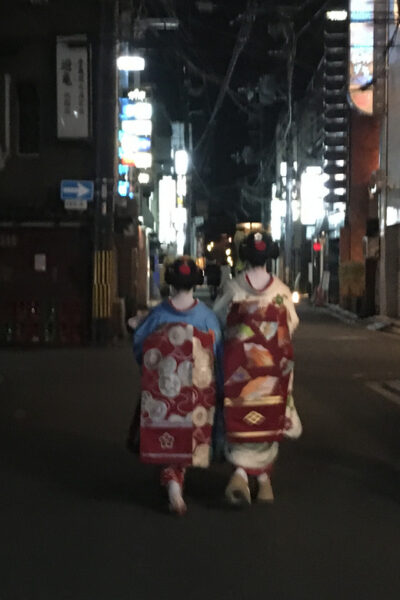
Best of Kyoto: Gion, Geisha, Pagodas & Cobblestones
Read our review →

Kyoto Night Foodie Tour in Gion (9+ dishes + 6 Sake tastings)
Read our review →
Kyoto Gion Geisha District Walking Tour – The Stories of Geisha
Read our review →
Kyoto Gion: 2-Hour Geisha Culture & History Walking Tour
Read our review →Browse the lists this tour appears in