REVIEW · GUIDED
Kyoto 6hr Private Tour with Government-Licensed Guide
Kyoto’s biggest advantage is also its main challenge: the city is packed with temples, shrines, gardens, old streets, and markets. This private six-hour tour lets you choose just three or four places, then gives you a local guide to explain what you are seeing and keep the day moving. Guides such as Yuji, Yuka, Rie, Ken, and Kiyoshi have been praised for clear English, patience, and good pacing.
I like the freedom to shape the day around your interests, and I like that you use public transportation rather than sit inside a tour bus. You can ask questions as you go, learn how Kyoto’s trains work, and get practical suggestions for food and shopping.
The trade-off is simple: six hours is not enough for the enormous list of possible stops. Lunch is not included, transportation and entrance fees are extra, and this is a walking tour, so choosing four nearby sights is far wiser than trying to cross the whole city.
In This Review
- Key points to know before booking
- Why a custom Kyoto day makes sense
- Fushimi Inari and Kyoto’s eastern sights
- Nijo Castle and central Kyoto
- Northern Kyoto’s famous temples
- Arashiyama, bamboo, and quieter temple paths
- Northern mountains, Uji, and special requests
- How your guide can change the day
- Public transportation, walking, and the real pace
- Who should book this Kyoto tour?
- Should you book it?
- FAQ
- How long is the Kyoto private tour?
- Is the tour private?
- How many sights can I choose?
- Is hotel pickup included?
- How do you get around during the tour?
- Is lunch included?
- Are temple admission fees included?
- Is the guide licensed and English speaking?
- Can I visit Byodoin Temple in Uji?
- What is the cancellation policy?
Key points to know before booking
- Choose only three or four sights: The long list includes nearly every major corner of Kyoto, but the tour is designed around a small custom selection.
- Travel like a local: Your guide leads you by train, subway, and on foot. There is no private vehicle.
- Private means personal: Only your own group participates, giving you room to ask questions and adjust the pace.
- The guides shape the experience: Yuji, Yuka, Rie, Ken, Kiyoshi, and others have been praised for history, transport help, planning, and warm communication.
- Budget for extras: Temple admissions, transportation, lunch, and personal purchases are not included in the listed price.
- Plan ahead: Booking at least two weeks before your preferred date is advised, with free cancellation up to 24 hours in advance.
Why a custom Kyoto day makes sense
At $155.86 per person, this is not the cheapest way to see Kyoto. It can be good value for a couple, family, or small private group that wants help making decisions in a city where the choices can quickly become overwhelming.
The price pays for a licensed local English-speaking guide and six hours of private time. You are not paying for a coach, a private car, or a fixed script. Instead, you get help deciding which places fit together and how to reach them. That matters in Kyoto, where two famous sights may look close on a map but require different train lines, buses, or long walks.
The group discount may improve the value for larger parties, though the exact savings are not provided. Since admission fees and transport are extra, compare the total cost with a standard group tour before you book.
The strongest reason to choose this experience is flexibility. One family used its day for Fushimi Inari, Sanjusangendo, Kiyomizu-dera, and the Miyako Odori Museum and Geisha Theatre. Another group visited the Suntory Yamazaki Distillery, Fushimi Inari, and Kiyomizu-dera, including the atmospheric torii gates after dark.
You should contact the guide before the day and agree on a realistic route. Several guides have done this well. Kazuo Sumi proposed a rough plan weeks ahead and refined it through WhatsApp. Yuki tailored a route to Fushimi Inari, Byodoin in Uji, and Nijo Castle. That early planning is not a minor detail. It is the difference between a relaxed day and a six-hour race.
A few more Kyoto experiences worth comparing
- Fushimi Inari Hidden Hiking Tour (Private Option Available)
★ 5.0 · 1,750 reviews - Private Kyoto Tour with a Local, Highlights & Hidden Gems, Personalised
★ 5.0 · 1,543 reviews - 10 Must-see Spots in Kyoto One Day Private Tour (up to 7 people)
★ 5.0 · 1,108 reviews
Fushimi Inari and Kyoto’s eastern sights
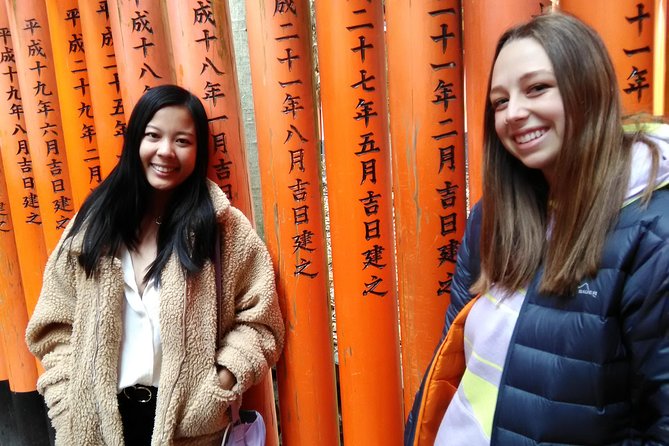
Fushimi Inari-taisha is the natural choice if you want one of Kyoto’s most recognizable scenes. The shrine is famous for its long tunnels of vermilion torii gates, which climb into the wooded hills behind the main buildings.
A guide adds more than a photograph stop here. You can ask about Shinto customs, the meaning of the shrine, and the stories connected with the site. The gates continue far beyond the first photogenic section, so your guide can help you decide how far to walk within the time available.
Pairing Fushimi Inari with nearby eastern Kyoto sights makes practical sense. Sanjusangendo Temple is known for its 1,001 statues of Kannon, the Buddhist figure associated with mercy. Kiyomizu-dera offers a large temple complex, city views, and the old streets of Higashiyama nearby.
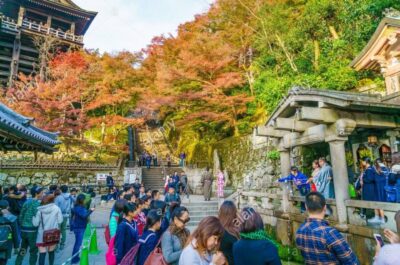
Kiyomizu-dera deserves real time, not a quick glance. The supplied plan allows about an hour of guided exploration, but the surrounding streets can easily extend the visit. Ninenzaka and Sannenzaka are traditional-looking lanes filled with shops, food, and souvenir stalls, though crowds can slow your pace.
Higashiyama is one of the best areas for a first introduction to old Kyoto. It also involves slopes, steps, and steady walking. If you have limited mobility, tell the guide in advance and make the route more modest.
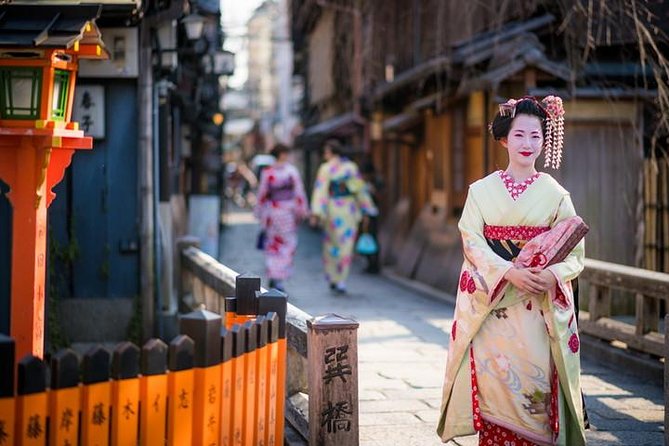
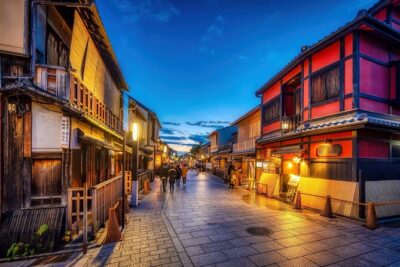
Gion completes the eastern Kyoto picture. Its narrow lanes and traditional buildings are best approached with respect. Your guide can help you understand the district without treating it like a stage set, and can point out the difference between public streets, restaurants, teahouses, and private spaces.
Kennin-ji, close to Gion, offers spacious grounds and dry gardens. It can be a calmer alternative to spending the whole afternoon in crowded lanes. The tour can also include Eikando or Nanzenji, two temple areas known for their gardens and seasonal color.
Nijo Castle and central Kyoto
Nijo Castle gives you a different side of Kyoto. Instead of a shrine or Zen temple, you get a powerful reminder of the shogun era and the political role of the city.
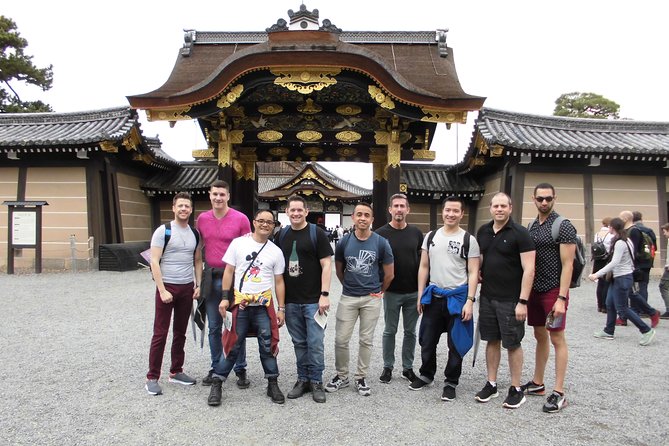
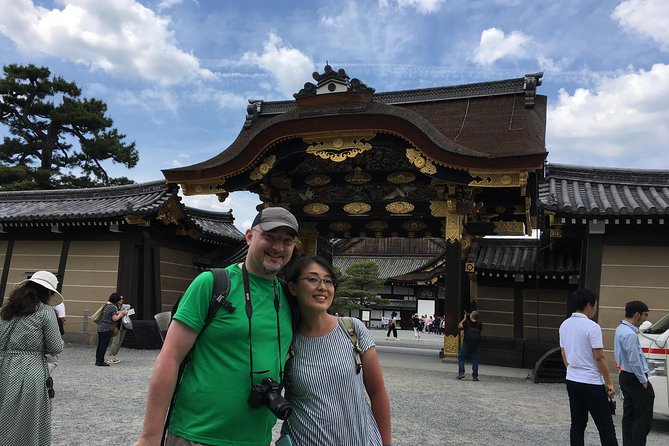
The castle’s ornate design was meant to display the authority of Tokugawa Ieyasu. Its famous interiors and decorative details reward explanation, since the visual symbols can be easy to miss on your own. Admission is not included, so add the entrance cost to your budget.
Nishiki Market is another useful central Kyoto stop. This narrow, five-block shopping street is lined with more than 100 shops and restaurants and is known as Kyoto’s Kitchen. It is a good place to see local food traditions and browse small specialties.
The drawback is that Nishiki Market can become very crowded, and it is not a quiet place for a long conversation. Keep your group together, be considerate around food stalls, and ask before photographing vendors or products.
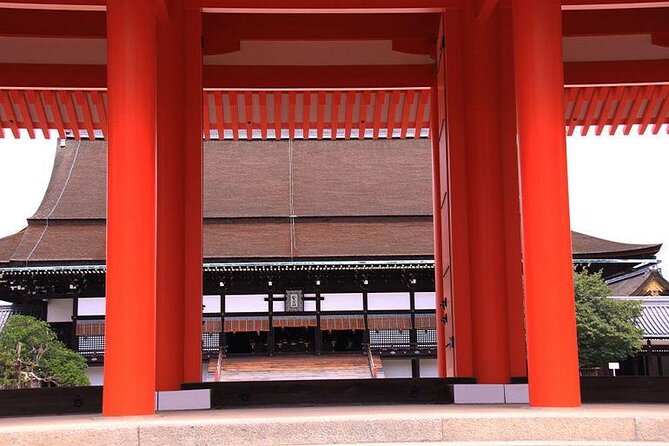
The Kyoto Imperial Palace offers more open space and a change of pace. It was the Imperial Family’s residence until 1868, when the emperor and capital moved to Tokyo. The surrounding Kyoto Gyoen grounds are spacious, making this a better choice for a less compressed route.
Pontocho, the narrow dining alley beside the Kamogawa River, works well late in the day. You can walk through and see one of Kyoto’s atmospheric evening areas, though a meal there would be at your own expense. Since lunch is not provided, ask your guide to suggest a restaurant that fits your route and budget.
Northern Kyoto’s famous temples
Kinkakuji, the Golden Pavilion, is among Kyoto’s most familiar sights. The upper two floors are covered in gold leaf, and the pavilion is set beside a pond and garden.
The view is memorable, but the visit is usually more about seeing and photographing the main scene than wandering through a huge complex. It is wise to combine Kinkakuji with nearby Ryoanji rather than pair it with a distant part of Kyoto.
Ryoanji contains Japan’s best-known rock garden. Its restrained design invites a slower look, even though the site can be busy. A guide can explain the Zen setting and help you appreciate why the garden is presented as a place for quiet observation rather than a collection of decorative features.
Ninna-ji adds another layer of Kyoto’s Buddhist tradition. Founded in 888, it is a UNESCO-listed temple and the head temple of the Omuro school of Shingon Buddhism. The grounds are broad, and the buildings have a different character from the Golden Pavilion and Ryoanji.
Daitoku-ji and Myoshin-ji are large temple complexes with many subtemples. They suit you if you want to understand how Zen institutions functioned as large religious communities, though not every subtemple is open in the same way. Ask your guide which sections make sense for your date and interests.
A northern route is one of the best uses of six hours. Kinkakuji, Ryoanji, and Ninna-ji are far more realistic together than Kinkakuji followed by Fushimi Inari and Arashiyama.
A completely different side of Kyoto:
- PERFECT KYOTO 1-Day Bus Tour
★ 5.0 · 13,518 reviews - Kyoto: Fushimi Inari, Kinkakuji, Bamboo Grove 1 Day Bus Tour
★ 4.8 · 4,316 reviews - Kyoto: Tea Ceremony in a Traditional Tea House in Kiyomizu
★ 4.9 · 3,519 reviews - Kyoto Geisha Walking Tour: Gion District & Hidden Gems
★ 4.7 · 3,273 reviews
Arashiyama, bamboo, and quieter temple paths
Arashiyama is Kyoto’s western district, known for the Togetsukyo Bridge, bamboo groves, and major temples. It is attractive, easy to recognize, and often crowded.
Tenryu-ji is the area’s most important temple and a UNESCO World Heritage Site. Its garden and temple buildings make it a strong anchor for an Arashiyama route. Admission is extra, as it is at most paid temples on this tour.
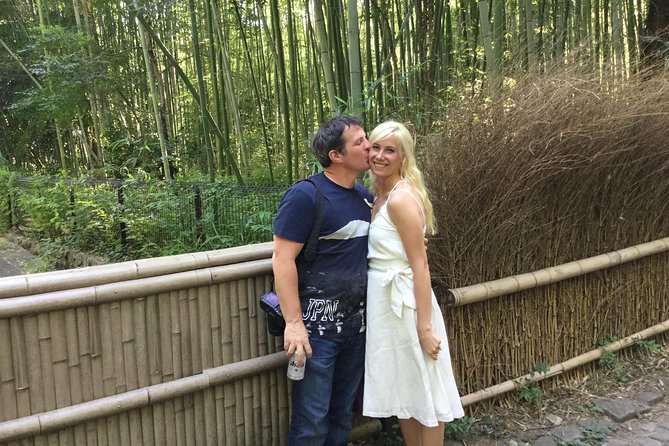
The bamboo grove provides one of Kyoto’s classic walks. The paths are pleasant when the tall bamboo sways in the wind, but the main paths do not guarantee solitude. If you want a longer, quieter walk, ask about adding Jojakko-ji, Nison-in, Gio-ji, or Otagi Nenbutsu-ji.
These smaller temples give Arashiyama more texture. Jojakko-ji has a quiet hillside setting with moss and maple trees. Nison-in has larger buildings and shaded paths. Gio-ji is known for its moss garden and small thatched-roof structures.
Otagi Nenbutsu-ji is particularly distinctive for its 1,200 stone statues, each with a different expression. It lies about ten minutes beyond Adashino Nenbutsu-ji, at the end of the preserved Saga-Toriimoto street. The extra walking makes it a poor choice if you are trying to fit several distant sights into the same six hours.
Okochi Sanso Garden, the former villa of actor Okochi Denjiro, lies at the back of the bamboo groves. It includes several gardens and buildings, but admission is not included. You may find it worthwhile if gardens and views matter more to you than checking off another major temple.
The Togetsukyo Bridge is free to view and provides Arashiyama’s defining river scene. Still, an Arashiyama-only route can fill the entire tour. Do not ask your guide to add Fushimi Inari, Nijo Castle, and Arashiyama unless you accept very short visits and a lot of transit time.
Northern mountains, Uji, and special requests
The tour can reach places beyond the usual central circuit, but distance becomes the main concern. Kibune and Kurama lie in Kyoto’s northern mountains, less than an hour from the city center to Kurama according to the provided information.
Kibune grew around Kifune Shrine in a forested valley. Kurama is known for Kurama-dera and its hot spring. These places offer a more rural feeling, but they are not sensible additions to a route already packed with central temples.
Shugakuin Imperial Villa and Katsura Imperial Villa appeal to visitors interested in gardens and Japanese architecture. Shugakuin was built in the 17th century for Emperor Gomizuno and is managed by the Imperial Household Agency. Katsura is considered one of Japan’s finest examples of garden and architectural design.
Byodoin Temple in Uji is another special request. Its Phoenix Hall is a National Treasure and a UNESCO World Heritage Site, but extra travel time is expected because Uji lies outside Kyoto city. One successful custom route combined Byodoin with Fushimi Inari and Nijo Castle, showing that it can work if the rest of the day is kept tight.
Yoshimine-dera, in Kyoto’s western mountains, is built along the slopes and resembles Kiyomizu-dera in its hillside setting. It is a beautiful choice for a temple-focused day, but the extra travel and walking need to be part of the plan from the beginning.
How your guide can change the day
The guide is the heart of this experience. The strongest guide feedback centers on preparation, clear English, cultural explanation, and the ability to adjust the pace.
Rie planned a route that reached each chosen site and answered questions in fluent English. Noriko helped explain the train and subway system while also suggesting places to eat. Akira used photos and diagrams to explain the sights and kept a pace suitable for an older couple.
Parents and families also have useful examples. Emi adjusted the day for a mother, brother, and another family member. Michi looked after two teenagers during a Kinkakuji, Ryoanji, and Arashiyama route. Yuka was praised for energy, preparation, and fitting in most of a family’s requested stops.
For history and local perspective, Kiyoshi, Louis, Ken, Andy, and Kazuhiko Goto received particularly warm praise. Ken was noted for matching the group’s pace. Kazuhiko helped a first day in Kyoto make sense by explaining temples, shrines, the bamboo forest, and the city’s past, leaving the group better prepared to explore independently afterward.
Still, private tours depend heavily on the individual guide assigned. One poor experience involved a guide losing track of the group, weak English communication, and no lunch break during an 8 a.m. to 2 p.m. schedule. You can reduce that risk by confirming the meeting point, route, pace, meal plan, and language expectations before the tour.
Public transportation, walking, and the real pace
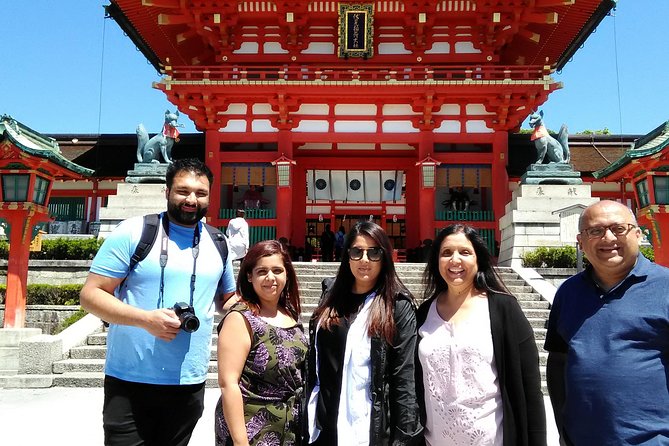
This is a walking tour with pickup and drop-off on foot within a designated area of Kyoto. The guide does not provide a private vehicle, and transportation costs are not included.
That arrangement is a strength if you want to learn Kyoto’s transport system. You will see how the city connects by train, subway, and walking routes rather than viewing it through a bus window. It also lets you stop for food or shopping more naturally.
It can be tiring. Kyoto’s major sights are spread across the city, and many temple grounds include steps or sloping paths. Ask for a realistic pace. A slower group should choose three sites, or four places in the same district, rather than chase a long wish list.
Lunch is not included. Build in a meal during the planning stage, especially for a family or anyone who needs regular breaks. The guide can suggest food, but the cost is yours.
Entrance fees are also extra at Kiyomizu-dera, Nijo Castle, Kyoto Imperial Palace, Ginkakuji, Kinkakuji, Ninna-ji, and many other sites. Several stops on the list are free to enter or view, including Fushimi Inari, Gion, Nishiki Market, Pontocho, Higashiyama, and Toji’s exterior areas, but do not assume every part of a temple complex is free.
Who should book this Kyoto tour?
I would choose this tour for a first visit when you have only one day in Kyoto, for families that need a flexible pace, or for anyone uneasy about navigating trains and subways.
It also suits repeat visitors who want a focused theme: Zen temples, traditional neighborhoods, gardens, food, imperial sites, or a route through Uji. The private format gives you space to ask questions that a large group tour rarely allows.
I would not choose it if you want a luxury vehicle, a fixed lunch, or a slow, unhurried visit to many temples. I would also avoid trying to cover both northern and southern Kyoto in one day. The tour is strongest when you accept that three well-chosen sites can be more rewarding than ten rushed photo stops.
Free cancellation is available up to 24 hours before the start time. The experience is private, confirmation is provided at booking, service animals are allowed, and most people can participate. Reserve at least two weeks ahead, especially if you want a particular guide or date.
Should you book it?
Book this Kyoto tour if personal planning help is worth more to you than the convenience of an all-inclusive package. The best day will come from choosing a compact route with your guide before arrival, then leaving enough time for explanation, photos, food, and a little wandering.
For a first-time visit, I would consider Fushimi Inari, Kiyomizu-dera, and Gion, with Nishiki Market or Sanjusangendo as a fourth stop. For temple lovers, choose Kinkakuji, Ryoanji, Ninna-ji, or Arashiyama. For a special day, ask about Uji and Byodoin, but accept the extra travel.
At $155.86 per person, the value depends on your group size and how much you want help with logistics. The tour earns its keep when the guide communicates well, plans carefully, and keeps the route realistic. Confirm those details in advance, and this can be an excellent way to get your bearings before exploring more of Kyoto on your own.
FAQ
How long is the Kyoto private tour?
The tour lasts approximately six hours.
Is the tour private?
Yes. Only your own group participates, and multiple tour groups cannot be combined.
How many sights can I choose?
The included service allows you to customize the tour around three or four sites from the available selection.
Is hotel pickup included?
Meetup and pickup are provided on foot within a designated area of Kyoto. A private vehicle is not included.
How do you get around during the tour?
The tour uses public transportation and walking. Private transportation is not provided.
Is lunch included?
No. Lunch and personal expenses are not included.
Are temple admission fees included?
No. Admission tickets for places such as Kiyomizu-dera, Nijo Castle, Kinkakuji, Ginkakuji, and many other temples are paid separately.
Is the guide licensed and English speaking?
The experience includes a licensed local English-speaking guide.
Can I visit Byodoin Temple in Uji?
Yes, Byodoin can be requested, but extra travel time is expected because it is in Uji city, outside Kyoto.
What is the cancellation policy?
You can cancel at least 24 hours before the start time for a full refund. Cancellations or changes made less than 24 hours before the experience are not accepted for a refund.
Recently added around Kyoto
- Higashiyama | Kyoto: Sakura Season Private Rickshaw Tour★ 5.0 · 3 reviews
- Kyoto Kimono Rental CHAMATSU|Kimono/Yukata Rental FamilyPlan★ 5.0 · 3 reviews
- Kyoto: Half-Day Private Guided Tour to the Old Town of Gion★ 4.4 · 3 reviews
- Nara Private Customizable Half Day Tour★ 5.0 · 3 reviews
- Kansai Region Hiking Adventure in Nara Kobe Kyoto and More★ 5.0 · 3 reviews
- Full Day Nara Deer, Temple, Shrine, Activities & Tea Ceremony★ 5.0 · 3 reviews
- Nara: Essential Private Tour with Deer Park and Temples★ 5.0 · 3 reviews
- Hiking Tour for Sacred Sites in Kyoto with a Guide★ 5.0 · 3 reviews
Guided, compared.
Kyoto Early Morning Tour with English-Speaking Guide
Read our review →Early Morning Tour with English-Speaking Guide
Read our review →
Nijo-jo Castle and Ninomaru Palace Guided Tour
Read our review →
Kyoto Gion Night Walk & Geisha District Guided Tour
Read our review →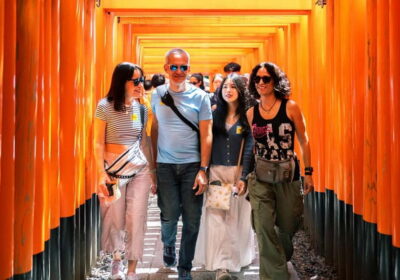
From Kyoto/Osaka: Kyoto Top Highlights 1-Day Guided Bus Tour
Read our review →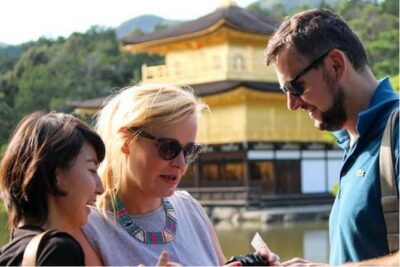
Kyoto 4hr Private Tour with Government-Licensed Guide
Read our review →