

REVIEW · UJI TOURS
Uji Tea Ceremony and UNESCO Heritage Walking Tour
Uji’s best feature is that its tea culture and old temples fit into one easy, well-paced walk. You’ll see the UNESCO-listed Byodoin Temple, take part in a traditional ceremony at Taihoan, then cross bridges and visit two quiet shrines with an English-speaking guide.
I like the small group size, capped at nine, and the way the route mixes major sights with simple riverside walks. I also like that guides such as Naoki, Maru, Katsuhiko, and Nobumasa Myake have been praised for clear explanations and friendly conversation. The main drawback is the tea ceremony’s length: the stop is scheduled for about 40 minutes, but the included ceremony itself is listed as 30 minutes, so this is an introduction rather than a long formal lesson.
In This Review
- Key Details Before You Book
- Why Uji Makes a Good Half-Day from Kyoto
- Byodoin Temple and the Phoenix Hall
- Taihoan and a Short Japanese Tea Ceremony
- Suspension Bridges and Riverside Views
- Uji Shrine and Ujigami Shrine
- Ending at Uji Bridge and the Matcha Streets
- Guide Style and Group Size
- Is $70 a Fair Price?
- Timing, Meeting Point, and Weather
- Who Should Book This Uji Walk?
- Should You Book the Uji Tea Ceremony and UNESCO Heritage Walking Tour?
- FAQ
- How long is the Uji Tea Ceremony and UNESCO Heritage Walking Tour?
- Where does the tour begin?
- Where does the tour end?
- Is admission to Byodoin Temple included?
- Is the tea ceremony included?
- How many people can join the tour?
- Is hotel pickup and drop-off included?
- What happens if the weather is poor?
Key Details Before You Book
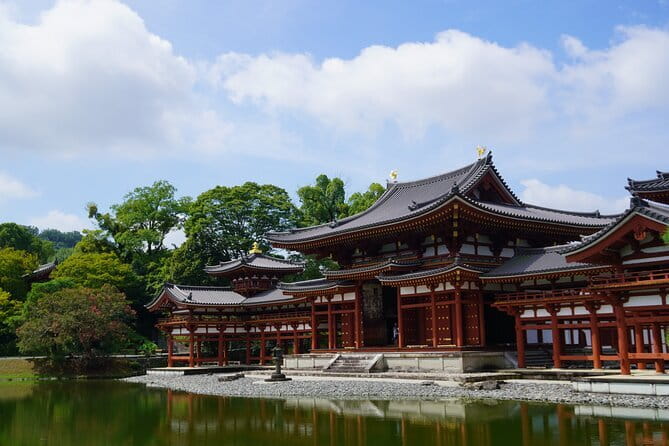
- Byodoin’s Phoenix Hall is the tour’s main historical sight, with admission included and about an hour set aside for the temple visit.
- The tea ceremony takes place at Taihoan, a fitting setting for learning about Uji’s long connection with green tea.
- The group is limited to nine people, which should make it easier to hear the guide and ask questions.
- The walk includes Asagiri and Tachibana suspension bridges, offering short pauses for river views and photographs.
- The tour finishes near Uji Bridge, where you can continue sampling matcha and local treats on your own.
- The $70 price includes the English-speaking guide, tea ceremony, and Byodoin admission, but not personal spending or hotel transfers.
Why Uji Makes a Good Half-Day from Kyoto
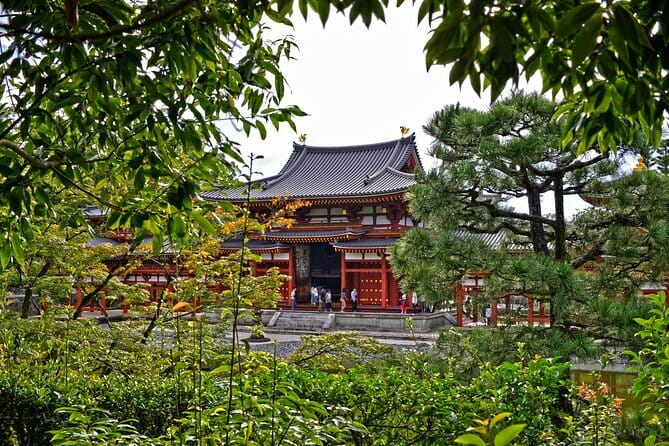
Uji gives you a different side of the Kyoto area. The town is closely tied to green tea, but it is not only a food stop. Its temples, shrines, river crossings, and old religious sites give the town a calm sense of place.
This three-hour route is useful if you want an introduction without giving up an entire day. You start at Uji Station at 9:45 a.m. and end at Uji Bridge, so the tour works well as a morning plan followed by lunch, matcha shopping, or more independent sightseeing.
I especially like the route’s balance. Byodoin gives you a major cultural sight, Taihoan provides a guided activity, and the bridges and shrines slow the pace. You are not spending three straight hours inside temples or listening to one long lecture.
The group limit of nine matters here. Uji is easier to understand when you can stop and ask why a shrine matters, how tea is prepared, or what you are looking at on a temple roof. The guides have been described as friendly, funny, and good at explaining both local history and Japanese customs. That personal contact is a large part of the tour’s value.
More time in Uji:
- World Heritage Kyoto & Nara Uji Authentic Matcha Experience
★ 5.0 · 1,573 reviews - Uji: Green Tea Tour with Byodoin and Koshoji Temple Visits
★ 4.8 · 72 reviews - Uji: UNESCO Heritage & Tea Ceremony Walking Tour
★ 4.6 · 54 reviews
Byodoin Temple and the Phoenix Hall
The tour opens with about an hour at Byodoin Temple. This is the strongest stop for architecture and formal history, and admission is included in the price.
The Phoenix Hall is the visual centerpiece. It dates back more than 1,000 years and is famous for its elegant shape and strong connection to Japanese Buddhist art. Even if you have seen many temples in Kyoto, Byodoin has a different feel. Its position beside the water helps explain why the building is so often photographed.
Your guide adds the context that photographs cannot provide. You can expect explanations about the temple’s historical importance, its architecture, and the meaning behind what you see. One guide, Nobumasa Myake, was singled out for making the temple and local history easy to understand. That kind of explanation is useful because Byodoin can otherwise become a quick photo stop.
The visit may also include time connected with the Byodoin Museum, which has been a highlight for some people on this route. The museum gives you a closer look at the temple’s art and objects, while the grounds show how the building relates to its setting.
One practical point: an hour goes quickly. You will see the main temple area, take photographs, and receive an overview, but you should not expect an exhaustive study of every hall or artifact. If Byodoin is your main reason for visiting Uji, you may want to return independently after the tour.
Still, including admission makes the opening stop strong value. You avoid arranging a separate entry and gain a guide who can explain why the site matters instead of simply pointing out the Phoenix Hall.
Taihoan and a Short Japanese Tea Ceremony
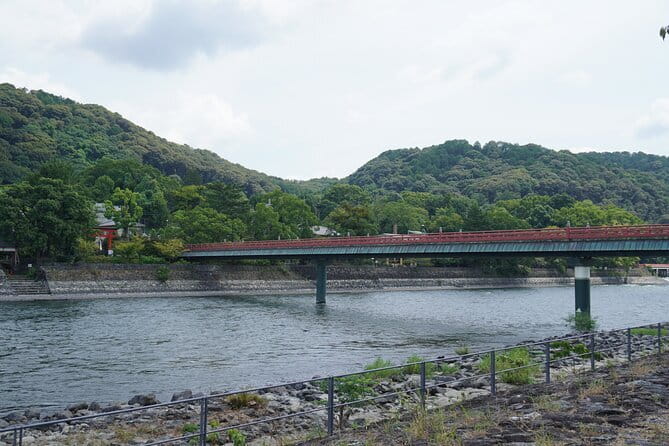
Taihoan is the most distinctive part of the tour. This is where you learn the basic form of a Japanese tea ceremony in Uji, a town closely associated with green tea.
The scheduled stop lasts about 40 minutes, while the included ceremony is listed as 30 minutes. That timing tells you what to expect: a compact introduction to tea preparation and etiquette, not a lengthy private ceremony.
You’ll learn how the tea is prepared and how the ceremony is carried out. The value is not just the cup itself. A guide can help you understand the careful movements, the quiet rhythm, and the respect given to the setting. For someone new to Japanese tea culture, this makes the experience more approachable.
Families may find this stop especially useful. One parent noted that a daughter enjoyed the tea ceremony very much, and another group found the overall timing worked well with children. The short format helps keep the activity manageable, though younger children may still need help following the formal parts.
I would set your expectations clearly. If you want a long, highly formal tea experience with extended instruction, this tour may feel brief. One person specifically found the tea portion too short, even while enjoying the rest of the route. If you see the ceremony as a focused cultural lesson within a wider Uji walk, it fits better.
The tour also concludes with opportunities to taste Uji green tea and local food near the final part of the route. The included tea ceremony and later chance to explore matcha make this more useful than a simple temple walk for anyone interested in Japanese tea.
Suspension Bridges and Riverside Views
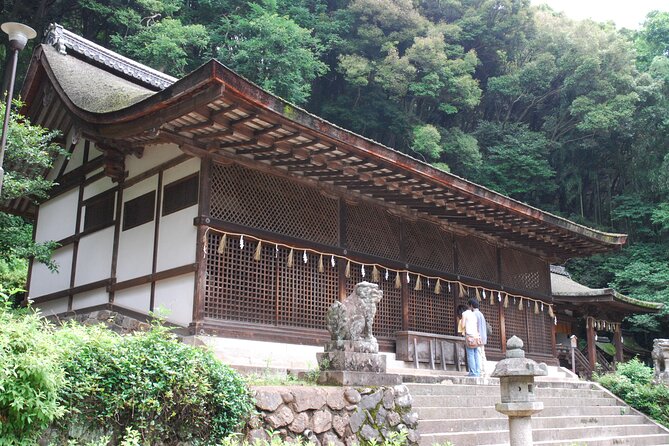
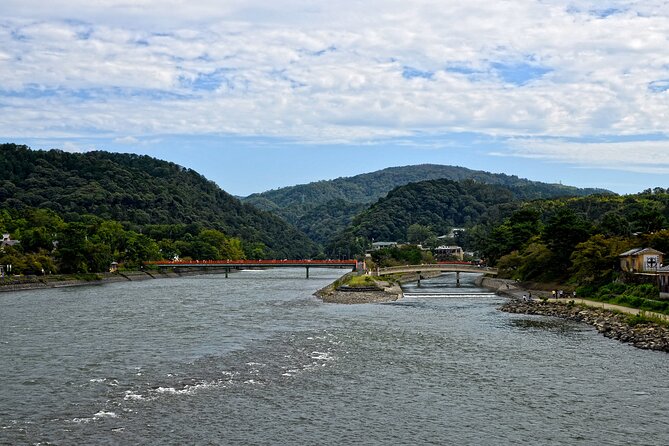
After Taihoan, the route moves outdoors to Asagiri Bridge and the Tachibana and Asagiri suspension bridges. This part is short, about 15 minutes, but it gives the tour a welcome change of pace.
You can expect views of the Uji River and time for photographs. The bridges are not presented as a major hike or adventure activity. They are scenic links in the walk, giving you a look at Uji from the water and a chance to enjoy the town between indoor cultural stops.
The route’s appeal changes with the season. Autumn colors were especially appreciated by one group, and the quieter areas made the walk more pleasant. The supplied information does not promise a particular seasonal display, so you should treat fall color as a possible bonus rather than a guarantee.
This is also one reason comfortable walking shoes make sense. The tour covers several stops in three hours, including temple grounds, shrines, bridges, and the walk between them. No demanding physical requirement is given, and most people can participate, but you are still on your feet for most of the morning.
The bridges are brief stops, so do not book this expecting a long riverside walk. Their value comes from how they break up the route and show you a less formal side of Uji.
More tea ceremonies in Uji:
- Uji Walking Tour – Byodo-in temple and Tea Ceremony from Kyoto
★ 3.5 · 3 reviews - Kyoto: Tea Ceremony in a Traditional Tea House in Kiyomizu
★ 4.9 · 3,519 reviews - Kyoto: Tea Ceremony Ju-An at Jotokuji Temple
★ 4.9 · 3,207 reviews - Kyoto: 45-Minute Tea Ceremony Lesson Experience
★ 4.3 · 2,378 reviews
Uji Shrine and Ujigami Shrine
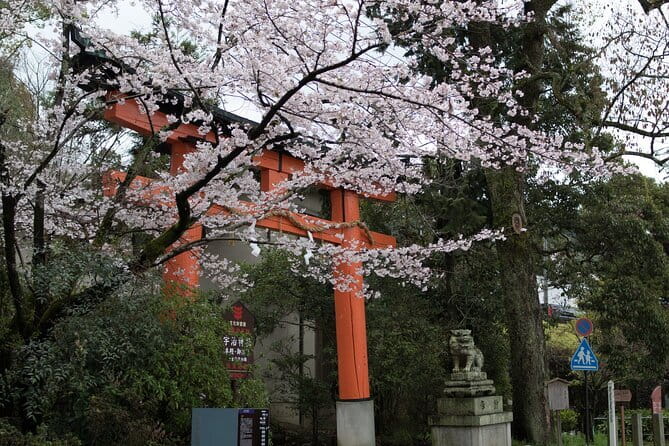
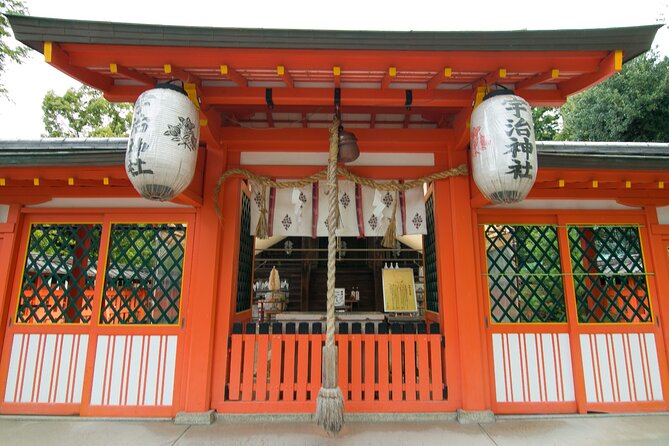
The tour then visits Uji Shrine and Ujigami Shrine, with about 20 minutes set aside for both. These sacred sites offer a quieter contrast to Byodoin.
Here, the guide can explain the religious and cultural importance of the shrines and help you notice details you might otherwise pass without understanding. The route is not simply a checklist of famous buildings. It gives you a chance to see how worship and daily local life fit into Uji’s older streets.
Twenty minutes is enough for a short visit and explanation, but it is not a long period for reflection or detailed photography. If you prefer slow temple visits, you may wish to return later. The advantage of the group tour is that your guide keeps the morning moving while still giving you the basic story.
I like this pairing because it prevents the experience from becoming too focused on one famous temple. You see Uji’s Buddhist and Shinto sides, then continue toward the river and town center.
Ending at Uji Bridge and the Matcha Streets
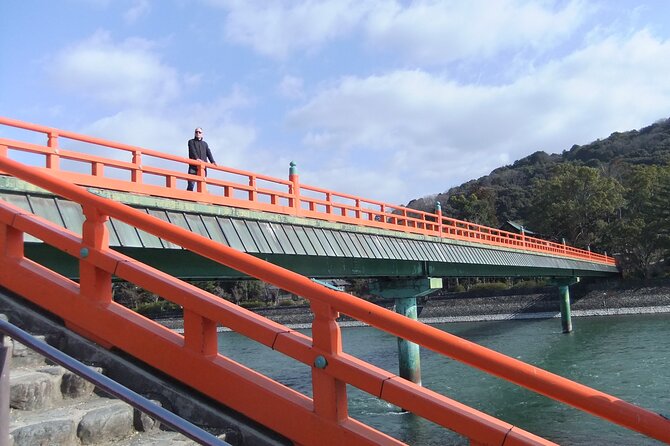
The tour ends at Uji Bridge, with about 45 minutes devoted to the final part of the route. This is a useful finish because you are left in an area where you can continue exploring rather than being returned to the station.
You can use this time to sample Uji’s famous green tea and local delicacies. Matcha shops and food stops are part of the town’s appeal, and guide Naoki was praised for offering suggestions about places to visit after the tour. Those recommendations can help you turn a short guided walk into a fuller afternoon.
The ending is especially practical if you want lunch or a little shopping. You can follow the guide’s ideas, choose your own café, or walk back toward the station. Since the tour does not include personal expenses, plan to pay separately for any tea, sweets, or other food you choose.
The final location also makes the tour easy to combine with independent sightseeing. You can stay in Uji, return to Uji Station, or continue with plans in the wider Kyoto area. Hotel pickup and drop-off are not included, so you need to make your own way to the 9:45 a.m. meeting point.
Guide Style and Group Size
The guide is central to the experience. The tour is conducted in English, and several guides have been praised for being friendly, funny, clear, and easy to talk with.
Naoki was noted for keeping a good pace while covering plenty of information. Maru was described as insightful and able to make the history of both Uji and tea engaging. Katsuhiko received praise for prompt communication, seasonal observations, and working well with a group that included children. Nobumasa Myake was appreciated for his explanations at Byodoin.
Guide assignments can vary, so you should not assume a particular person will lead your tour. Still, the repeated praise for different guides points to a consistent focus on explanation and personal attention.
The maximum of nine people is another strong point. You are not likely to feel lost in a large crowd, and the guide can respond to questions more easily. A small group also helps with timing at the tea ceremony and shrines, where a very large party could feel awkward.
Is $70 a Fair Price?
At $70 per person, the tour is not the cheapest way to walk around Uji. You could visit the town independently and pay only for the places you choose. The price makes more sense if you want a guide to connect the sites and explain the customs.
The fee includes:
- An English-speaking guide
- Admission to Byodoin Temple
- The tea ceremony
- A three-hour guided route
It does not include hotel transfers, personal expenses, or food and tea purchases beyond the included ceremony. You should budget extra if tasting local treats is an important part of your plan.
For me, the value comes from the combination rather than any single stop. Byodoin admission has a clear cost, the tea ceremony is a special activity, and the guide gives meaning to the shrines and bridges. If you are staying in or near Kyoto and want a compact introduction to Uji without planning each piece yourself, the price is reasonable.
The tour has received a 4.9 rating from 20 reviews, with 100 percent recommending it. That is a small sample, so I would not treat the number as a guarantee. The written feedback does offer useful patterns: guides are consistently praised, the pace works well for families, and the main reservation concerns the short tea ceremony.
Timing, Meeting Point, and Weather
You meet at Uji Station at 9:45 a.m. The station is near public transportation, which makes the starting point practical if you are coming from elsewhere in the Kyoto area.
The tour ends at Uji Bridge rather than returning you to the station. This is convenient for continuing your day, but remember that your transport after the tour is your responsibility.
Most people can participate, and no special physical requirement is listed. You should still expect a walking morning with temple grounds, bridges, shrines, and outdoor sections. Wear shoes that are comfortable for steady walking.
The experience depends on good weather. If poor weather causes cancellation, you are offered another date or a full refund. You can cancel for a full refund up to 24 hours before the start time. Cancellations or changes inside that 24-hour window are not accepted for a refund.
Who Should Book This Uji Walk?
I would choose this tour if you want a clear introduction to Uji and prefer having local history explained as you go. It suits first-time visitors, families, and anyone staying near Kyoto who wants to see a different town without arranging a full day of research.
It is also a good fit if the tea ceremony is important to you but you want temples and shrines in the same morning. The experience gives you several cultural subjects without requiring specialist knowledge.
You may want a different plan if you want a long, formal tea ceremony, extensive free time at each shrine, or a slow solo visit to Byodoin. The route covers a lot in three hours, so the pace is purposeful rather than leisurely.
Should You Book the Uji Tea Ceremony and UNESCO Heritage Walking Tour?
Book it if you value context, a small group, and a well-organized route that joins Uji’s main sights. The strongest reasons are the included Byodoin admission, the English-speaking guide, and the chance to take part in a tea ceremony in Uji rather than simply buying a matcha drink.
Go in expecting a short ceremony and a broad introduction, not an in-depth workshop. If that balance suits you, $70 is a fair price for a morning that combines the Phoenix Hall, tea culture, historic shrines, scenic bridges, and useful suggestions for exploring after the guide says goodbye.
FAQ
How long is the Uji Tea Ceremony and UNESCO Heritage Walking Tour?
The tour lasts approximately three hours.
Where does the tour begin?
It begins at Uji Station in Uji, Kyoto, at 9:45 a.m.
Where does the tour end?
The tour ends at Uji Bridge in Uji.
Is admission to Byodoin Temple included?
Yes. The entrance fee to Byodoin Temple is included.
Is the tea ceremony included?
Yes. The tour includes a tea ceremony. The ceremony is listed as 30 minutes, within a Taihoan stop of about 40 minutes.
How many people can join the tour?
The maximum group size is nine people.
Is hotel pickup and drop-off included?
No. Hotel pickup and drop-off are not included. You must make your own way to Uji Station and arrange your return after the tour.
What happens if the weather is poor?
The experience requires good weather. If it is canceled because of poor weather, you can choose another date or receive a full refund.
More Walking Tours in Uji
- Matcha Grinding Experience and Walking Tour in Uji Kyoto
★ 5.0 · 26 reviews - Kyoto Geisha Walking Tour: Gion District & Hidden Gems
★ 4.7 · 3,273 reviews - Kyoto: Gion Magical Night Walking Tour with Geisha Trivia
★ 4.9 · 2,393 reviews - Kyoto: Gion Geisha District Walking Tour – Stories of Geisha
★ 4.7 · 2,187 reviews
More History Walks in Uji
- Slow Cycling Tour at Uji’s Matcha Green Tea Fields and Heritage
★ 5.0 · 25 reviews - Cycling Tour at Uji’s Matcha Green Tea Fields and Heritage
★ 5.0 · 10 reviews - Kyoto Gion: 2-Hour Geisha Culture & History Walking Tour
★ 5.0 · 1,186 reviews - Kyoto Gion Historical Walking Tour
★ 5.0 · 188 reviews
Recently added around Uji
- Uji Walking Tour – Byodo-in temple and Tea Ceremony from Kyoto★ 3.5 · 3 reviews
- Kyoto: Uji Matcha Tea Museum Entry Ticket★ 5.0 · 5 reviews
- Utilising upcycled Matcha! Creating matcha incense (Uji, Kyoto)★ 5.0 · 6 reviews
- Kyoto Hidden Riverside Zen Mediation and Uji Matcha Experience★ 5.0 · 9 reviews
- Cycling Tour at Uji’s Matcha Green Tea Fields and Heritage★ 5.0 · 10 reviews
- Uji: Private immersion into Kyoto’s tea and reglious culture★ 5.0 · 17 reviews
- Kyoto Early Bird Tour in Uji and Fushimi Inari★ 5.0 · 18 reviews
- Uji and Wazuka Matcha Farm Half Day Private Guided Tour★ 5.0 · 21 reviews
Uji Tours, compared.
World Heritage Kyoto & Nara Uji Authentic Matcha Experience
Read our review →
Green Tea Tour with Byodoin and Koshoji Temple Visits
Read our review →
Matcha Grinding Experience and Walking Tour in Uji Kyoto
Read our review →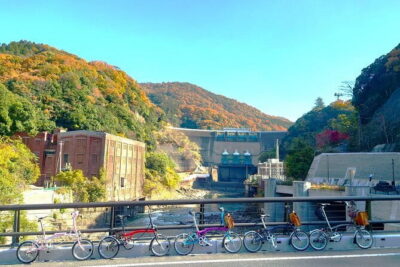
Slow Cycling Tour at Uji’s Matcha Green Tea Fields and Heritage
Read our review →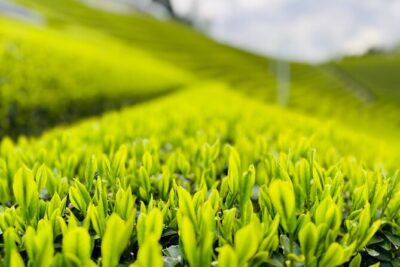
Uji and Wazuka Matcha Farm Half Day Private Guided Tour
Read our review →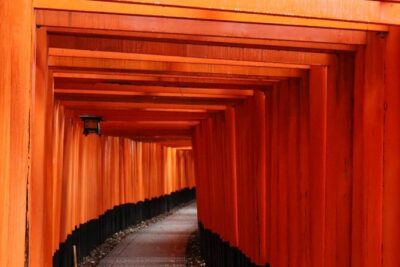

Private immersion into Kyoto’s tea and reglious culture
Read our review →Browse the lists this tour appears in