
REVIEW · UJI TOURS
Kyoto: Uji Matcha Tea Museum Entry Ticket
Uji’s tea story comes alive through hands-on digital exhibits at Chazuna, where you can explore how Uji tea is made, why it became famous, and how Gyokuro differs from Sencha. The museum also links tea to the town itself, using large digital displays and a giant 10-yen coin showing Byodoin Phoenix Hall.
I like the low price, which makes this an easy add-on to a day in Uji. I also like the mix of tea facts, local history, and photo-friendly displays, since children and adults can follow the visit at their own pace.
The main consideration is that this is a museum entry ticket, not a guided tea tasting or a hands-on tea-making class. If you want to drink tea or learn preparation from a tea expert, you may need another activity as well.
In This Review
- Key points to know before you go
- A small museum with a big tea story
- Starting in the Uji Tea Room
- Seeing Uji change in the History Room
- Finishing at the tea-themed photo spot
- Why the digital format matters
- Is $3.87 good value?
- Who will enjoy this most?
- Booking flexibility and timing
- Should you book the Uji Matcha Tea Museum?
- FAQ
- Where is the Uji Matcha Tea Museum located?
- What does the admission ticket include?
- How long is the ticket valid?
- Can I cancel the booking?
- Can I reserve now and pay later?
- Is the museum wheelchair accessible?
- What can I see in the Uji Tea Room?
- Is there a photo opportunity inside the museum?
Key points to know before you go
- Touchscreen tea lessons: Explore the origins, production, and varieties of Uji tea through digital displays you can operate yourself.
- Gyokuro and Sencha explained: Learn how these well-known Japanese teas differ and how preparation affects flavor.
- Uji’s past on a giant screen: The History Room uses a huge 4K HDTV display to show changing views of the town and Uji River.
- Family-friendly format: Children and adults can learn together without needing specialist tea knowledge.
- Tea-themed photo stop: Save time for the final photo area, designed around the museum’s tea theme.
- Very low admission price: At $3.87 per person, the museum offers a useful indoor stop for little money.
A small museum with a big tea story
Uji is closely linked with high-quality Japanese tea, and this museum gives you a simple way to understand why. Instead of presenting tea as a finished drink alone, the visit follows the questions that shape its story: where Uji tea came from, how it is grown and produced, and how different kinds of tea are prepared.
That approach suits you if you enjoy learning the background behind a food or drink you already know. You do not need to arrive with tea vocabulary or prior knowledge. The displays are designed so that children can follow the basics while adults pick up more detail about production and preparation.
The visit is also compact in cost. At $3.87 per person, you are not making a large financial commitment. I see it as a practical choice for a spare hour or as a cultural stop during a day focused on Uji.
The supplied duration is one day, which refers to the ticket’s validity rather than a fixed guided schedule. You should check the available starting times when booking, since the activity asks you to select from the times offered.
More time in Uji:
- World Heritage Kyoto & Nara Uji Authentic Matcha Experience
★ 5.0 · 1,573 reviews - Uji: Green Tea Tour with Byodoin and Koshoji Temple Visits
★ 4.8 · 72 reviews - Uji: UNESCO Heritage & Tea Ceremony Walking Tour
★ 4.6 · 54 reviews
Starting in the Uji Tea Room
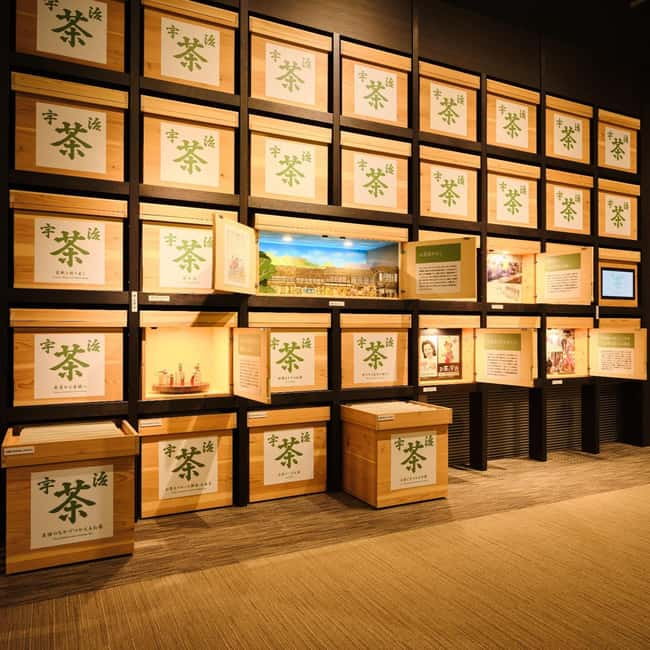
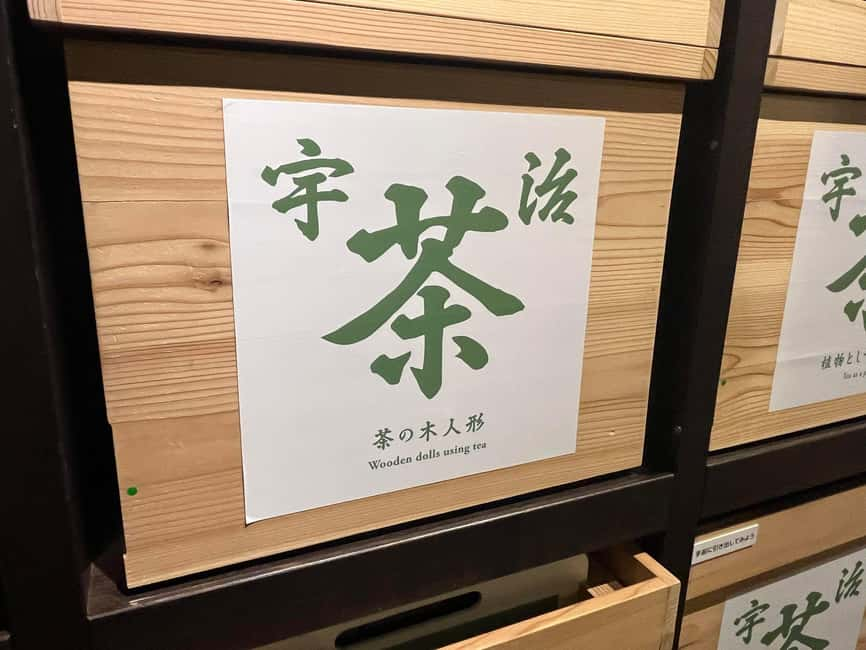
The Uji Tea Room, called Uji-cha no Ma, forms the main tea-focused part of the visit. Here, digital exhibits answer the questions most people have about Uji tea.
You can learn about the birth story of Uji tea and the methods used to produce it. The displays are touchable and interactive, giving you more to do than simply read panels on a wall. That matters if you are visiting with children or if you learn better by trying things rather than standing in front of text.
A key feature is the explanation of tea varieties. Gyokuro and Sencha are both Japanese green teas, but the museum helps you understand the difference between them. The information also covers ways to make tea taste better, giving the visit a practical edge.
I like this section because it connects production with the cup you eventually drink. You are not only told that Uji tea is high quality. You are shown the questions behind that reputation and given a clearer idea of why preparation and variety matter.
Do not expect this ticket to include a formal tea ceremony or a named guide leading a tasting. No guide names, tasting menu, or tea-serving session are provided. Think of the Uji Tea Room as a self-directed digital learning space.
Seeing Uji change in the History Room
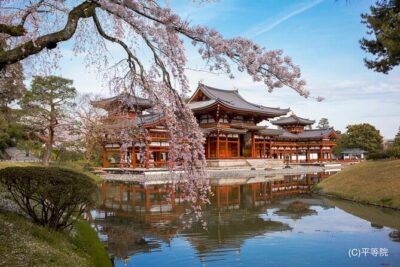
The History Room shifts attention from the tea itself to the town that helped make it famous. A huge 10-yen coin featuring Byodoin Phoenix Hall welcomes you into this part of the museum.
That coin is more than a decorative object. It points to Uji’s connection with one of Japan’s best-known historic buildings, while the surrounding displays explain how Uji and the Uji River changed over time.
The strongest feature here is the large 4K HDTV digital screen. It presents townscape drawings known as Meisho-zue, allowing you to see Uji through detailed illustrated views. The screen is described as a major highlight, and it gives the room a more visual feel than a standard local-history display.
I find this connection useful because it places tea within a wider setting. Uji tea did not develop in isolation. The town, river, landmarks, and changing patterns of life all form part of the story. After visiting the History Room, you should have a better sense of Uji as a place, not just as a name attached to matcha.
The tradeoff is that the museum offers an introduction rather than a full historical study. If you want extensive details about every period of Uji’s past, this will likely feel brief. Its strength is clarity and visual presentation.
Finishing at the tea-themed photo spot
The final corner includes a tea-themed photo spot. Make time for it instead of rushing out after the History Room.
This area gives you a light ending after the more educational exhibits. It also works well for families, since children can shift from reading and touching displays to taking pictures. If you are documenting your Kyoto trip, the setting gives you something more specific than another ordinary indoor snapshot.
The photo area is not a substitute for the museum’s main content, but it helps the visit feel complete. You begin with the making of tea, move through Uji’s story, and finish with a visual reminder of the theme.
Because the museum information does not specify the size or design of the photo installation, I would keep expectations reasonable. Think of it as a final photo opportunity, not a large attraction requiring a separate block of time.
More matcha tastings and workshops:
- Kyoto: Arashiyama Bamboo Forest, Monkeys, Matcha & Temple Tour
★ 5.0 · 759 reviews - Kyoto: Tea Museum Tickets and Matcha Grinding Experience
★ 4.9 · 739 reviews - Kyoto: Tea Ceremony Meditation – Make Matcha with Tea Master
★ 4.8 · 406 reviews - Kyoto: Arashiyama Bamboo, Matcha, Monkeys & Temple Tour
★ 4.9 · 291 reviews
Why the digital format matters
The museum’s use of digital displays is central to the experience. You can touch and operate parts of the exhibits, which gives you control over how quickly you move through the material.
That is useful when a group has different interests. One person can spend more time on tea production, another can focus on the differences between Gyokuro and Sencha, and children can explore the interactive elements without needing to follow a long lecture.
The format also helps explain processes that are difficult to show with objects alone. Tea production involves stages and choices, and digital material can present those steps in a more direct way. The same is true of Uji’s changing townscape, where a large screen can show visual comparisons more clearly than a few still images.
Still, you should know what kind of experience you are booking. This is not described as a live demonstration, workshop, or tasting. The value comes from the presentation and the chance to explore the information yourself.
Is $3.87 good value?
At $3.87 per person, I consider the ticket good value if you have even a modest interest in tea, Japanese food culture, or Uji’s local past.
The price is low enough that you do not need to build your whole day around the museum. You can add it to a visit in Uji without feeling that you have paid for a major attraction you must spend hours inside. The one-day validity also gives you flexibility around the available starting times.
The ticket includes museum admission only. There is no stated inclusion of tea, food, a guide, or a tea ceremony. That distinction matters because the word matcha can lead people to expect a tasting. Here, the experience is primarily educational.
I would be especially comfortable recommending it to families, budget-conscious visitors, and anyone who wants an indoor cultural stop. For serious tea students, it may serve better as an introduction than as a complete study of Uji tea.
Who will enjoy this most?
I think the museum suits you best if you want a short, affordable activity with clear visual content. It works for adults who want context before visiting tea shops, and for children who may lose interest in a conventional museum.
It is also a sensible choice if your group does not share one interest. The tea exhibits offer food and drink culture, the History Room covers Uji itself, and the final photo area adds a relaxed finish.
You may want to choose another activity if your priority is drinking freshly prepared tea, attending a ceremony, or seeing tea production in the field. None of those are stated as part of this ticket.
The museum is wheelchair accessible, which makes it a practical option for visitors who need an accessible attraction. Specific details about routes, seating, or facilities are not provided, so you may wish to confirm those points before booking if they are important to your plans.
Booking flexibility and timing
You can cancel up to 24 hours before the activity for a full refund. You can also reserve now and pay later, which helps if your Kyoto plans are still moving around.
The ticket is valid for one day, and you should check availability for the starting times offered. Since this is not described as a fixed guided tour, you should not expect a guide to keep a group moving through each room.
No language list is clearly provided in the activity details. If you need exhibits in a particular language, confirm that before paying.
Should you book the Uji Matcha Tea Museum?
Book it if you want an inexpensive, family-friendly introduction to Uji tea and local history, especially if interactive displays appeal to you. The combination of the Uji Tea Room, the large Meisho-zue screen, and the tea-themed photo spot gives the visit more variety than a simple display of tea equipment.
Skip it if your main goal is a tea tasting, ceremony, or guided lesson. For $3.87, though, the risk is small. I would treat it as a useful cultural stop in Uji, not as the full tea experience.
FAQ
Where is the Uji Matcha Tea Museum located?
The experience is located in Uji, Kyoto, on Honshu, Japan. It is provided by Chazuna.
What does the admission ticket include?
The ticket includes museum entry.
How long is the ticket valid?
The ticket is valid for one day.
Can I cancel the booking?
Yes. You can cancel up to 24 hours in advance for a full refund.
Can I reserve now and pay later?
Yes. The activity allows you to reserve your spot and pay nothing at the time of booking.
Is the museum wheelchair accessible?
Yes. The activity is listed as wheelchair accessible.
What can I see in the Uji Tea Room?
You can explore digital exhibits about the origins of Uji tea, tea production, Gyokuro and Sencha, and methods for preparing delicious tea.
Is there a photo opportunity inside the museum?
Yes. A tea-themed photo spot is located in the last corner of the museum.
More Museums in Kyoto
- Skip the lines Basic Ticket at SAMURAI NINJA MUSEUM KYOTO
★ 4.5 · 632 reviews - Kyoto : Geiko Maiko Dance of Kyoto & Visits of Gion Museum
★ 4.6 · 415 reviews - Kyoto Sword Experience – includes Museum Ticket/Ninja Experience
★ 4.5 · 149 reviews - Kyoto: Samurai Ninja Museum guided tour
★ 4.8 · 145 reviews
Recently added around Kyoto
- Higashiyama | Kyoto: Sakura Season Private Rickshaw Tour★ 5.0 · 3 reviews
- Kyoto Kimono Rental CHAMATSU|Kimono/Yukata Rental FamilyPlan★ 5.0 · 3 reviews
- Kyoto: Half-Day Private Guided Tour to the Old Town of Gion★ 4.4 · 3 reviews
- Nara Private Customizable Half Day Tour★ 5.0 · 3 reviews
- Kansai Region Hiking Adventure in Nara Kobe Kyoto and More★ 5.0 · 3 reviews
- Full Day Nara Deer, Temple, Shrine, Activities & Tea Ceremony★ 5.0 · 3 reviews
- Nara: Essential Private Tour with Deer Park and Temples★ 5.0 · 3 reviews
- Hiking Tour for Sacred Sites in Kyoto with a Guide★ 5.0 · 3 reviews
Uji Tours, compared.
World Heritage Kyoto & Nara Uji Authentic Matcha Experience
Read our review →
Green Tea Tour with Byodoin and Koshoji Temple Visits
Read our review →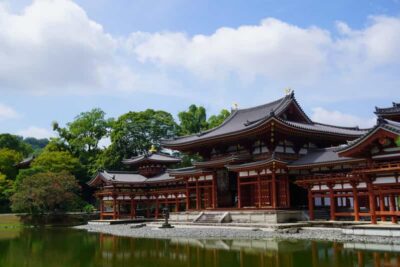
Matcha Grinding Experience and Walking Tour in Uji Kyoto
Read our review →
Slow Cycling Tour at Uji’s Matcha Green Tea Fields and Heritage
Read our review →
Uji and Wazuka Matcha Farm Half Day Private Guided Tour
Read our review →
Uji Tea Ceremony and UNESCO Heritage Walking Tour
Read our review →
Browse the lists this tour appears in