
REVIEW · UJI TOURS
Uji and Wazuka Matcha Farm Half Day Private Guided Tour
Uji and Wazuka offer two very different views of Japanese tea. In Uji, you stroll beside the river, pass tea shops and cafes, and see famous cultural landmarks. Then a private vehicle carries you into Wazuka, where tea fields cover the hills and farming still shapes daily life. The real prize is the tea farm walk, paired with a tasting of at least three local teas.
I like the personal scale of this four-hour outing. Only your group takes part, so guide Masae can adjust the pace and explain tea in a direct, friendly way. I also like that the experience includes a Japanese bento lunch, private transport, and local tea rather than just a quick photo stop. The main drawback is price: at $360 per person, this is a serious splurge for a half-day tour, especially for solo visitors.
In This Review
- Key points at a glance
- Why Uji and Wazuka belong together
- Starting at JR Uji with tea in view
- Uji Shrine and the old bridge
- The road into Wazuka’s tea valley
- What you learn from a tea family
- Comparing three local teas
- Is $360 per person fair?
- Who will get the most from this tour?
- Timing, comfort, and what to bring
- Should you book the Wazuka matcha tour?
- FAQ
- How long does the Uji and Wazuka matcha tour last?
- Where does the tour begin?
- Does the tour end at the same place?
- Is transportation included?
- How many teas are included in the tasting?
- Is lunch included, and can I request a vegetarian meal?
- Is the farm walk suitable for everyone?
Key points at a glance
- Uji in miniature: Walk beside the Uji River, browse tea shops and cafes, visit Uji Shrine, and cross historic Ujibashi Bridge.
- Wazuka’s working tea country: Spend about three hours among rural tea fields and mountain valleys away from central Kyoto.
- Masae’s local perspective: Expect clear explanations about tea farming, production, culture, and her connection to a tea-farming family.
- Three or more teas: The tasting gives you a chance to compare local tea styles rather than simply drink one prepared cup.
- Private comfort: An air-conditioned vehicle links Uji and Wazuka, making the rural section practical in warm or wet weather.
- A full half-day: Tea, scenery, lunch, transport, and guiding are bundled together, but the high price deserves careful thought.
Why Uji and Wazuka belong together
Uji is the name most visitors know. It is easy to reach, attractive, and filled with tea-related shops. Wazuka is the quieter side of the story, a rural tea-producing area where fields follow the slopes and a river runs through the valley.
That contrast gives this tour its purpose. Uji shows you how tea appears in the public face of Japanese culture. Wazuka shows you where the crop is grown and how much work sits behind a small bowl of matcha.
The tour is especially useful if your time in Kyoto is short. You do not need to arrange separate trains, buses, farm visits, and lunch. The private vehicle keeps the outing moving, while the guide connects the sights into one clear story.
The four-hour schedule is compact. You will not have a long, leisurely visit at every stop, and this is not a full agricultural day. Still, the balance is sensible: a short introduction in Uji followed by most of the time in Wazuka.
More time in Uji:
- World Heritage Kyoto & Nara Uji Authentic Matcha Experience
★ 5.0 · 1,573 reviews - Uji: Green Tea Tour with Byodoin and Koshoji Temple Visits
★ 4.8 · 72 reviews - Uji: UNESCO Heritage & Tea Ceremony Walking Tour
★ 4.6 · 54 reviews
Starting at JR Uji with tea in view
The meeting point is Itoh Kyuemon near JR Uji Station. That location is practical if you are coming from Kyoto by train, though you should check the exact end point before booking because the activity finishes somewhere different from the start.
The first walk takes you along the Uji River and through the small town around Uji tea. This is a gentle way to begin. You can see specialty tea shops, matcha cafes, and the polished retail side of Uji’s tea culture before heading into the countryside.
The riverfront stop lasts about 30 minutes and has no admission charge. It is not a formal museum visit. Think of it as an orientation walk, with time to see how strongly tea is tied to the town’s identity.
If you want to buy tea or sweets, this part may tempt you. Extra drinks, snacks, and street purchases are not included, so bring room in your budget and luggage. The short timing also means you should not count on a long shopping session.
Uji Shrine and the old bridge
Uji Shrine gets about 10 minutes. It is described as one of Japan’s oldest shrines, and the brief stop gives you a taste of the area’s religious tradition without turning the tour into a shrine circuit.
Ten minutes is enough for a quick look, a few photographs, and a short explanation from Masae. It is not enough for a slow architectural study. If shrine visits are your main interest, this will feel more like a useful pause than a complete visit.
The following stop is Ujibashi Bridge, another short visit of about 10 minutes. The bridge is presented as one of Japan’s oldest, and its position over the Uji River makes it an easy visual link between town, water, and the surrounding hills.
I like these two stops because they prevent the tour from becoming tea-only. You get a little of Uji’s sacred and civic character before the day turns toward farming. The tradeoff is clear: the focus is on tea, so these landmarks receive only a quick introduction.
The road into Wazuka’s tea valley
Wazuka receives roughly three hours, making it the heart of the experience. After the compact Uji stops, the private air-conditioned vehicle takes you into a rural valley surrounded by hills and crossed by a river.
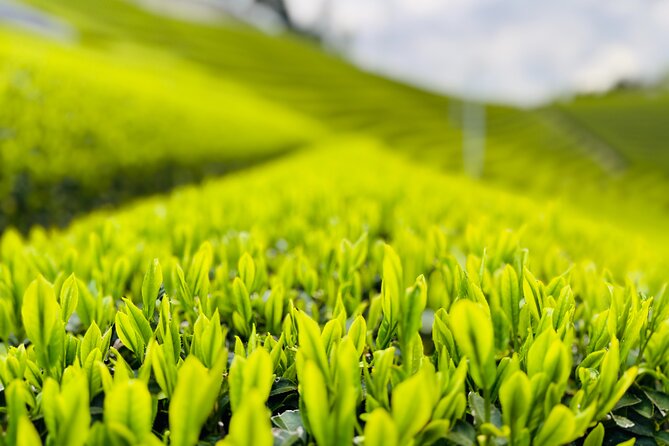
This is where the tour becomes different from a standard Uji visit. You are not just looking at packaged matcha in a shop. You are walking near tea fields and seeing the setting in which Uji tea is produced.
The farm access can be bumpy and muddy. Wear shoes that you do not mind getting dirty, and choose clothes that work for uneven ground. The tour is open to most people, but the farm section is not a polished paved attraction. That is part of its appeal, but it also sets a practical limit for anyone who needs very smooth paths.
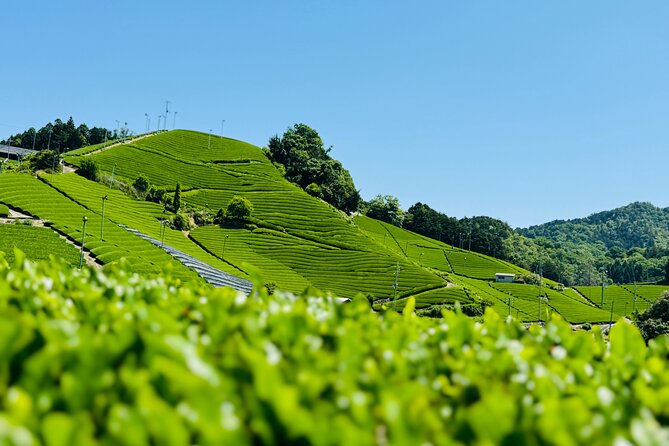
The scenery is a major reason to make the trip. The fields, valley, river, and slopes create a calm rural setting, quite unlike the tighter streets of central Kyoto. A viewpoint visit is included, so you should have a chance to stop and take in the wider view rather than walk only between individual rows of plants.
More matcha tastings and workshops:
- Matcha Grinding Experience and Walking Tour in Uji Kyoto
★ 5.0 · 26 reviews - Slow Cycling Tour at Uji’s Matcha Green Tea Fields and Heritage
★ 5.0 · 25 reviews - Cycling Tour at Uji’s Matcha Green Tea Fields and Heritage
★ 5.0 · 10 reviews - Kyoto Hidden Riverside Zen Mediation and Uji Matcha Experience
★ 5.0 · 9 reviews
What you learn from a tea family
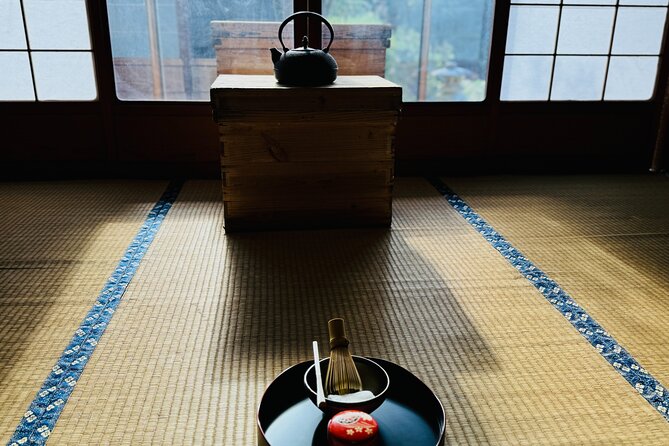
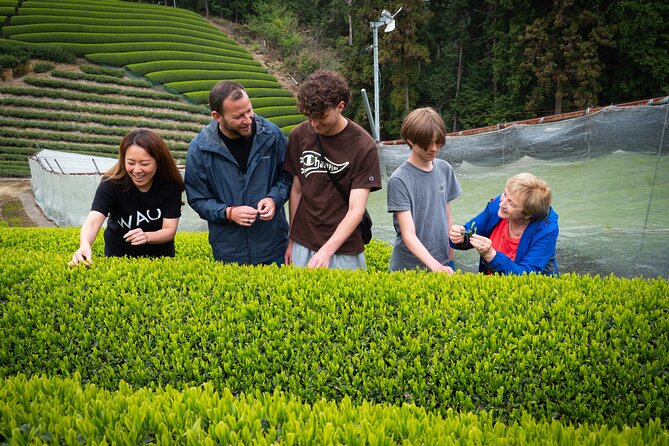
Masae is the guide most closely associated with this experience. Her approach combines tea instruction with a local family perspective on the industry. That matters because matcha can easily become a set of vague claims about quality and tradition. A guide who can explain farming and production in practical terms gives the subject more weight.
You can expect to learn about tea farming, the manufacturing process, and the role of Wazuka in Japanese tea culture. The valley has produced Uji tea for about 800 years and was once linked with tea reserved for the Imperial Family. Those details help explain why this quiet place matters, but the value is in seeing current farming alongside the story.
The best part of a local guide is the chance to ask ordinary questions. You can ask how different teas taste, how matcha differs from other green teas, or what makes the area suitable for tea. The private format gives you more room for that than a large coach tour.
Masae also hosts lunch and explains the food and tea in an easy, personal setting. Past outings have included making and eating mochi, though that activity is not listed as a guaranteed part of the tour. Treat it as a possible extra moment, not something to book solely for that reason.
Comparing three local teas
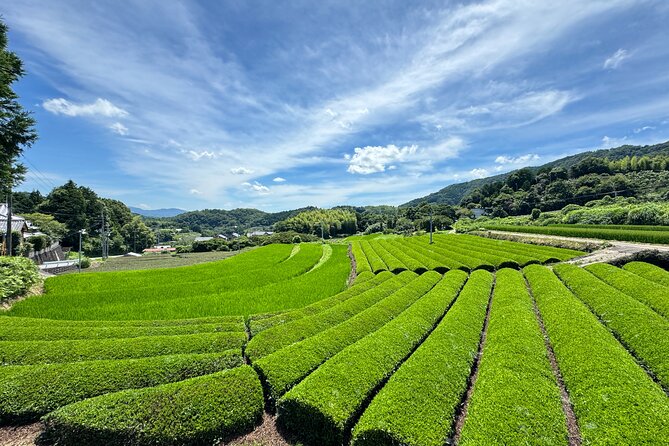
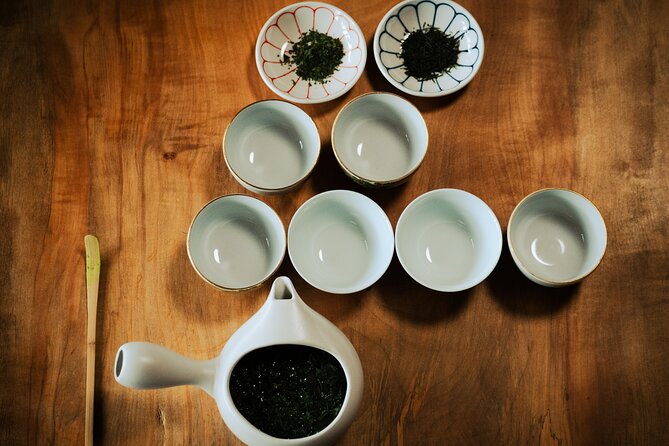
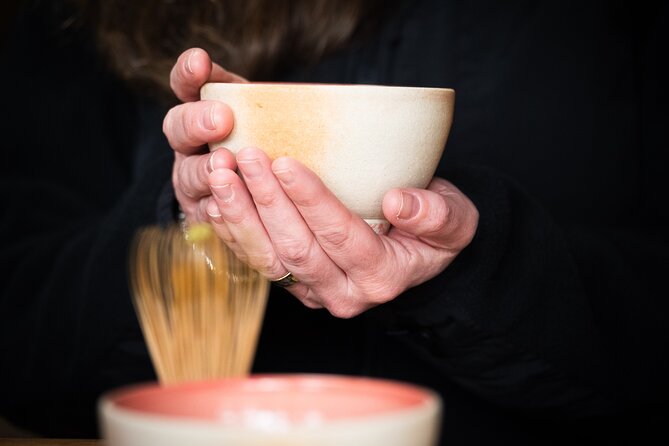
The tasting includes at least three different kinds of local tea. This is one of the strongest practical features because it turns the visit into a comparison exercise.
You may notice differences in aroma, bitterness, sweetness, color, and texture. Even if you already drink matcha, comparing several teas in one sitting can sharpen your sense of what you like. If you are new to Japanese tea, the tasting gives you a better base than buying the first attractive tin in a shop.
The experience includes coffee and tea, with local tea tasting as the focus. Extra drinks and snacks purchased along the way cost more. Lunch is included as a Japanese bento set, and a vegetarian option is available with advance notice.
A bento is a good fit for this schedule. It keeps lunch organized and lets you spend the middle of the day on the tea valley rather than searching for a restaurant. The meal has also been praised for being generous, but anyone with dietary needs should make the vegetarian request before the tour.
Is $360 per person fair?
The price is $360 per person, with group discounts available. That is expensive for four hours, especially when Uji Shrine, Ujibashi Bridge, and the river walk do not charge admission.
You are paying for more than entry tickets, though. The package includes a private, air-conditioned vehicle, a guide, a farm walk, a viewpoint, a tasting of at least three teas, and a bento lunch. The drive to Wazuka is the part that would be hardest to arrange smoothly on your own, and private transport adds comfort and time control.
For two or more people who care strongly about tea, the price may feel reasonable as a special half-day outing. It is also more defensible if you value direct access to a rural tea-growing area and personal instruction. For a solo visitor on a tight budget, the cost is harder to justify.
Group discounts could change the calculation, so check the final rate for your party. I would compare this tour with the cost of arranging transport and meals separately, but I would not choose it simply because you want to see Uji. Uji itself is easy to visit without a guide. Choose this experience for Wazuka, the tea farm, and Masae’s personal teaching.
Who will get the most from this tour?

This is a strong match for people who want more than a cafe cup of matcha. It suits tea enthusiasts, culture-focused visitors, families, couples, and solo visitors who prefer a private guide.
Families should note the uneven and potentially muddy farm access. Most people can take part, and service animals are allowed, but the rural path may not suit every mobility level. Ask practical questions before booking if anyone in your group has difficulty with uneven ground.
It also works well for visitors staying in Kyoto who want a break from major temples and crowded shopping streets. Wazuka offers a slower setting and a closer look at a working rural community.
You may want a different tour if you prefer a long museum visit, a formal tea ceremony, or a full-day agricultural program. The schedule is short, and the experience centers on walking, tasting, scenery, and conversation.
Timing, comfort, and what to bring
The tour lasts about four hours. The early Uji stops are brief, while Wazuka receives most of the time. That structure makes sense, but it means you should not expect extended shopping or a detailed visit inside every shrine.
Wear sturdy shoes because the farm route may be muddy and uneven. An air-conditioned vehicle helps during hot weather, yet you will still spend meaningful time outdoors. A small amount of cash or extra spending money is useful for optional drinks, snacks, and tea purchases.
The meeting point is near JR Uji Station at Itoh Kyuemon. Confirmation arrives when you book, and the activity is available as a private experience for your group alone. Free cancellation is allowed up to 24 hours before the start time. After that point, refunds are not available, and late changes are not accepted.
Should you book the Wazuka matcha tour?
Book it if tea is one of your main reasons for visiting Japan, and you want to connect Uji’s famous name with the farms that support it. The strongest reasons are the three-tea tasting, the rural farm walk, the private vehicle, and Masae’s warm local instruction.
Think twice if you mainly want a cheap introduction to Uji or a quick matcha dessert. You can explore the town for less, and four hours at $360 per person is a premium choice.
For the right audience, this is a thoughtful and unusually personal half-day. You leave with more than photographs of green fields. You gain a clearer sense of how tea is grown, prepared, sold, and valued in this corner of Kyoto.
FAQ
How long does the Uji and Wazuka matcha tour last?
The tour lasts approximately four hours. About 30 minutes is allotted to the Uji riverfront, 10 minutes to Uji Shrine, 10 minutes to Ujibashi Bridge, and about three hours to Wazuka.
Where does the tour begin?
It begins at Itoh Kyuemon near JR Uji Station, at SaboUmonji-16-1, Uji, Kyoto 611-0021, Japan.
Does the tour end at the same place?
No. The activity ends at a different location from the starting point. The specific end point should be checked in the booking details.
Is transportation included?
Yes. The tour includes private transportation in an air-conditioned vehicle.
How many teas are included in the tasting?
The local tea tasting includes at least three different kinds of tea. Coffee and tea are also included.
Is lunch included, and can I request a vegetarian meal?
Yes. A Japanese bento lunch set is included. A vegetarian option is available when requested in advance.
Is the farm walk suitable for everyone?
Most people can participate, and service animals are allowed. Farm access can be bumpy and muddy, so sturdy footwear is advisable.
More Farms in Uji
- 7hr Private Wazuka True Hidden Kyoto Matcha Farm Experience
★ 5.0 · 3 reviews
Recently added around Uji
- Uji Walking Tour – Byodo-in temple and Tea Ceremony from Kyoto★ 3.5 · 3 reviews
- Kyoto: Uji Matcha Tea Museum Entry Ticket★ 5.0 · 5 reviews
- Utilising upcycled Matcha! Creating matcha incense (Uji, Kyoto)★ 5.0 · 6 reviews
- Kyoto Hidden Riverside Zen Mediation and Uji Matcha Experience★ 5.0 · 9 reviews
- Cycling Tour at Uji’s Matcha Green Tea Fields and Heritage★ 5.0 · 10 reviews
- Uji: Private immersion into Kyoto’s tea and reglious culture★ 5.0 · 17 reviews
- Kyoto Early Bird Tour in Uji and Fushimi Inari★ 5.0 · 18 reviews
- Uji Tea Ceremony and UNESCO Heritage Walking Tour★ 5.0 · 20 reviews
Uji Tours, compared.
World Heritage Kyoto & Nara Uji Authentic Matcha Experience
Read our review →
Green Tea Tour with Byodoin and Koshoji Temple Visits
Read our review →
Matcha Grinding Experience and Walking Tour in Uji Kyoto
Read our review →
Slow Cycling Tour at Uji’s Matcha Green Tea Fields and Heritage
Read our review →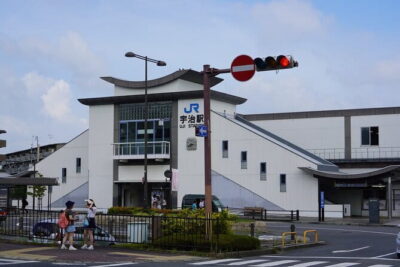
Uji Tea Ceremony and UNESCO Heritage Walking Tour
Read our review →
Private immersion into Kyoto’s tea and reglious culture
Read our review →Browse the lists this tour appears in