
REVIEW · UJI TOURS
Uji: Private immersion into Kyoto’s tea and reglious culture
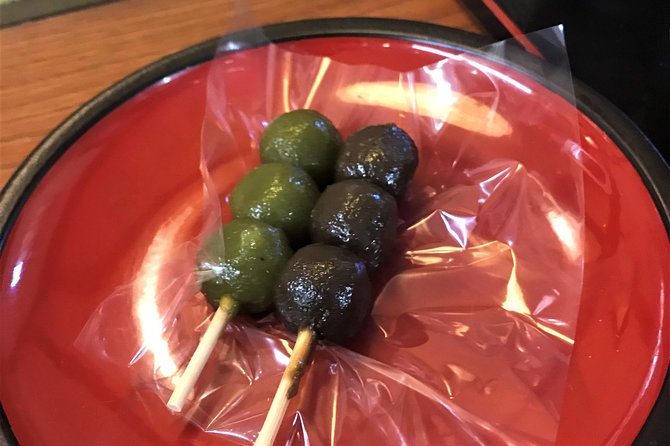
The most unusual part of this Uji tour is the Gyokuro tea experience. You learn to prepare Japan’s highest-grade green tea by slowly steeping the leaves in water that grows warmer, then pair it with a Japanese sweet. It is a careful, almost meditative start to a morning that connects tea with Buddhism and local worship.
I like the way the tour links Ujigami Shrine and Byodoin Temple instead of treating them as isolated photo stops. I also like the small-group format, capped at eight people, which gives your guide room to explain tea customs, temple details, and the meaning behind what you are seeing.
The main consideration is pace. Four hours covers a lot, and the route includes many stairs. The $162.41 price is fair if you want admissions, a private guide, and a focused cultural introduction, but it is not the cheapest way to see Uji.
In This Review
- Key points about the Uji tea and culture tour
- Why Uji makes a better morning than another Kyoto temple
- Gyokuro at Takumi-no Yakata
- Ujigami Shrine and the meaning of Uji water
- Koshoji Temple and tea’s Zen connection
- Byodoin Temple and the 10-yen coin
- Byodoin Omotesando, where tea becomes everyday life
- Uji Park and the river
- What the private format adds
- Is $162.41 a fair price?
- Who will enjoy this morning most?
- Booking, timing, and cancellation
- Should you book this Uji tour?
- FAQ
- How long does the Uji tea and culture tour last?
- What time does the tour start?
- Where does the tour begin?
- Where does the tour end?
- Is the tour private?
- Is tea included?
- Are temple and museum admissions included?
- Are meals included?
- Can the route be changed for people who have trouble with stairs?
Key points about the Uji tea and culture tour
- Gyokuro preparation: Watch top-grade green tea being brewed slowly in increasingly warm water, with a Japanese sweet included.
- Two UNESCO sites: Visit Ujigami Shrine and Byodoin Temple, with entry to the Byodoin museum included.
- Tea and Zen connection: Koshoji Temple helps explain how Zen Buddhism shaped Japanese tea practice.
- Small private group: The experience allows up to eight people, making conversation with your guide easier.
- River and tea-shop setting: Walk through Uji Park, along the river, and down Byodoin Omotesando.
- Useful practical note: Bring cash, since one direct account recommends it, and tell the operator in advance if stairs are a problem.
Why Uji makes a better morning than another Kyoto temple
Uji sits outside central Kyoto and offers a calmer change of pace. Its identity is tied to tea, the Uji River, Shinto shrines, Buddhist temples, and the old route toward Byodoin. You still see major landmarks, but the morning has a more local rhythm than a standard temple circuit.
This tour works because it gives those sights a common thread. Tea is not treated as a single tasting activity. You see how it connects with water, trade, spiritual practice, Zen discipline, and the shops that still sell tea along the approach to Byodoin.
The meeting point is the information centre at Keihan Uji Station, with a 9:00 a.m. start. That is useful because you begin near public transportation rather than trying to find a temple entrance in an unfamiliar part of town. The tour returns to the same meeting point after about four hours.
You will be walking between stops, and the route includes stairs. The operator says a moderate level of fitness is needed, but modifications can be made if stairs are a problem. Tell them before the tour, not once you are already on the route.
More time in Uji:
- World Heritage Kyoto & Nara Uji Authentic Matcha Experience
★ 5.0 · 1,573 reviews - Uji: Green Tea Tour with Byodoin and Koshoji Temple Visits
★ 4.8 · 72 reviews - Uji: UNESCO Heritage & Tea Ceremony Walking Tour
★ 4.6 · 54 reviews
Gyokuro at Takumi-no Yakata
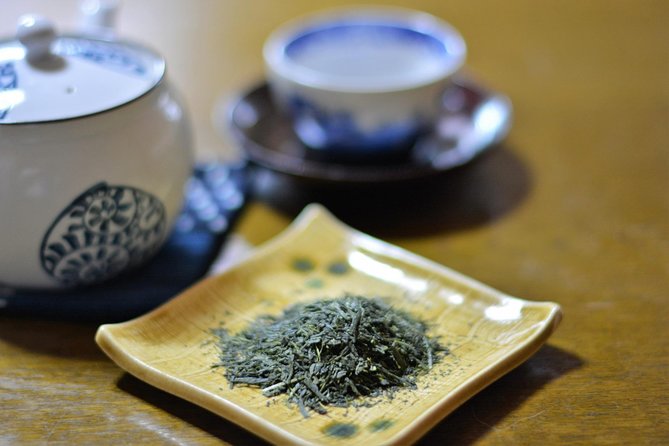
The morning begins at Takumi-no Yakata, a 12th-century teahouse, for about 30 minutes. This is not simply a cup poured from a pot. Gyokuro leaves are prepared slowly in water that becomes warmer in stages, allowing you to notice how temperature changes the taste.
That method gives the tea experience real value. You are not only sampling a premium product. You are learning that Japanese tea drinking depends on timing, temperature, proportion, and attention. The included Japanese sweet helps balance the tea and gives you a small taste of the custom surrounding the drink.
Gyokuro is described as the highest grade of green tea in Japan. The tour uses it to introduce the care behind tea production and preparation, rather than rushing you through several unrelated samples.
You should expect this stop to be instructional as well as relaxing. The process can feel complex if you have never taken part in a formal Japanese tea setting. That is where a guide matters, especially if you want to ask why the leaves are steeped in increasingly warm water or how the ceremony differs from an everyday cup of tea.
Food and drink outside this tea experience are not included. If you need breakfast, plan for it separately.
Ujigami Shrine and the meaning of Uji water
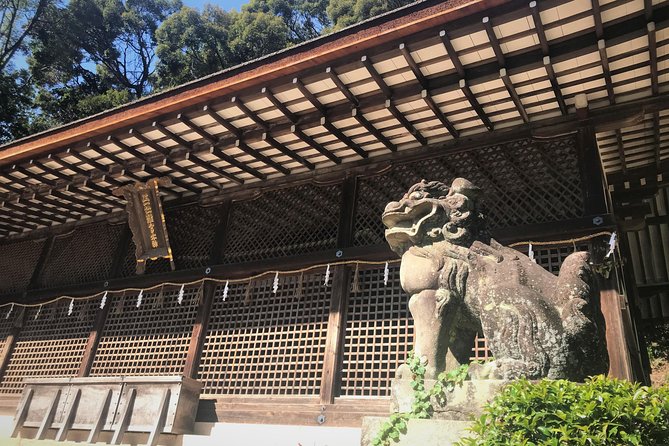
Ujigami Shrine is the next stop, with about 30 minutes set aside. It is presented as the oldest original shrine in Japan and is also a UNESCO World Heritage site. The tour gives you a chance to see an important Shinto place without losing the morning’s focus on water and tea.
The shrine is linked to one of Uji’s last naturally bubbling underground springs. Local tea shops collect this water, which makes the stop more than an architectural visit. It shows how local resources became part of Uji’s tea identity.
I like this connection because it helps you understand why Uji is associated with tea in the first place. Tea does not come from leaves alone. Water, soil, preparation, and local custom all affect the final drink.
The half-hour visit is enough for a guided introduction, but not for an extended religious study. You will want to listen closely as your guide points out what matters. David, one of the named guides, speaks English and Japanese and has led visitors through the details of tea drinking and temple culture. Guide assignments can vary, so do not book on the assumption that one particular person will lead your tour.
Koshoji Temple and tea’s Zen connection
Koshoji Temple receives another 30 minutes. It is described as the oldest Soto Zen temple in Kyoto, and it provides the clearest link between Japanese tea and Buddhism.
Zen Buddhism came from China and helped shape the tea ceremony in Japan. The tour uses Koshoji to explain how a drink could become a practice built around focus, restraint, hospitality, and precise movement.
This stop adds meaning to the tea tasting earlier in the morning. Without it, Gyokuro preparation might feel like an interesting food demonstration. With the temple visit, you can see how tea developed within a wider religious and cultural setting.
Thirty minutes is a short time for any temple, so you should not expect a long period of quiet contemplation or a detailed survey of Soto Zen. The benefit is the connection between stops. You are building a story about tea rather than checking off another temple.
A few more Uji experiences worth comparing
- Uji and Wazuka Matcha Farm Half Day Private Guided Tour
★ 5.0 · 21 reviews - Fushimi Inari Hidden Hiking Tour (Private Option Available)
★ 5.0 · 1,750 reviews - Private Kyoto Tour with a Local, Highlights & Hidden Gems, Personalised
★ 5.0 · 1,543 reviews - Kyoto 6hr Private Tour with Government-Licensed Guide
★ 5.0 · 1,369 reviews
Byodoin Temple and the 10-yen coin
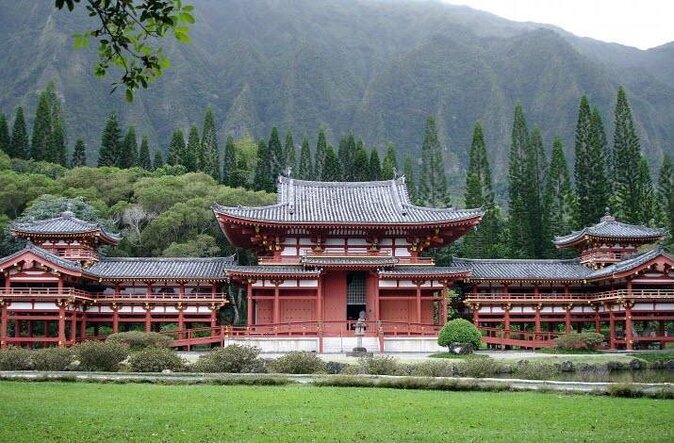
Byodoin Temple is the major architectural stop. You have about 45 minutes to visit the temple and its museum, with admission included.
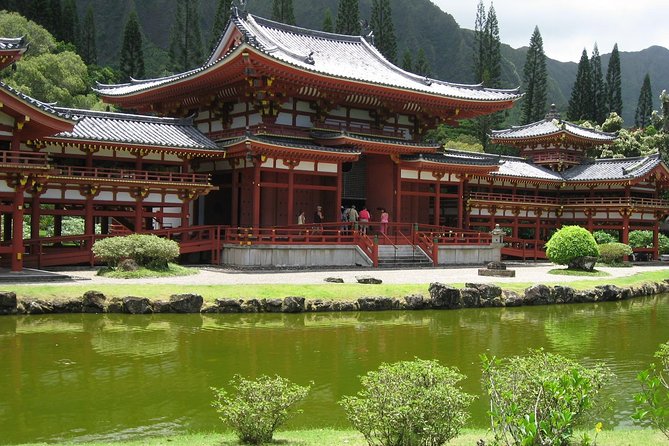
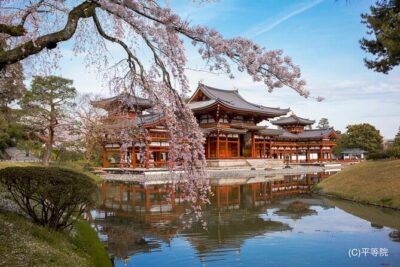
The temple dates to the Heian period, and its famous hall sits on a man-made lake. The building is also depicted on Japan’s 10-yen coin, a small detail that makes the visit easier to remember. Your guide can point out that connection, as Kevin did for one group, and it gives you a quick visual reference before you see the real structure.
The museum is worth your time. It adds objects and background that help explain the temple beyond its exterior view. One account specifically found the museum well worth visiting, and I agree with the logic: when a site is as recognizable as Byodoin, the museum helps turn a familiar image into a place with context.
The tour’s timing may also help you see Byodoin before the day becomes more crowded. Kevin has taken groups inside ahead of larger crowds, though exact conditions will depend on the day and the temple’s operations. The private format gives you someone who can help you focus on details rather than simply directing you toward the best photograph.
The drawback is that 45 minutes moves quickly. You will see the principal temple setting and museum, but you may need to choose between lingering by the lake, studying the hall, and spending more time indoors. If Byodoin is your main reason for visiting Uji, you may wish you had longer.
Byodoin Omotesando, where tea becomes everyday life
After the temple, the tour follows Byodoin Omotesando for about 45 minutes. This is the historic pilgrimage street leading to Byodoin, lined with tea shops, including businesses with roots reaching back to the medieval period.
Here, tea is not presented as a museum subject. You see it as part of commerce, food, smell, packaging, and daily life. The aroma of fresh tea comes from the shops, and the street displays the range of tea produced in Uji.
This can be one of the most useful sections for shoppers. You can compare the polished presentation of premium tea with the more practical products sold for everyday use. The tour does not include food or drinks beyond the Gyokuro stop, so budget separately if you want to buy tea or eat along the way.
A guide is helpful here because it is easy to walk past shopfronts without understanding what makes them significant. Lito, another guide named in the tour information, has also helped groups connect the cultural stops with a relaxed meal afterward, although lunch is not part of the stated tour inclusions.
Uji Park and the river

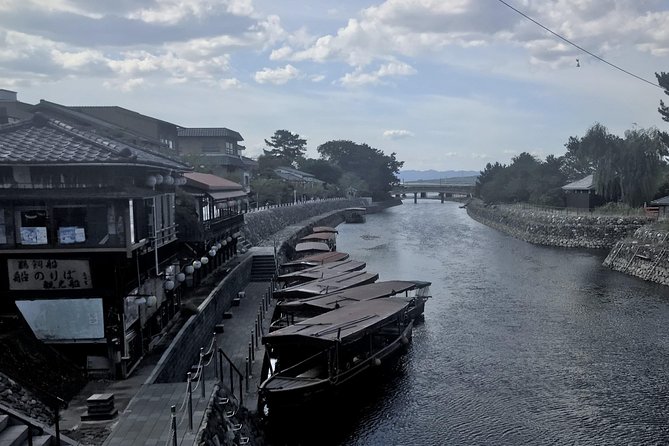
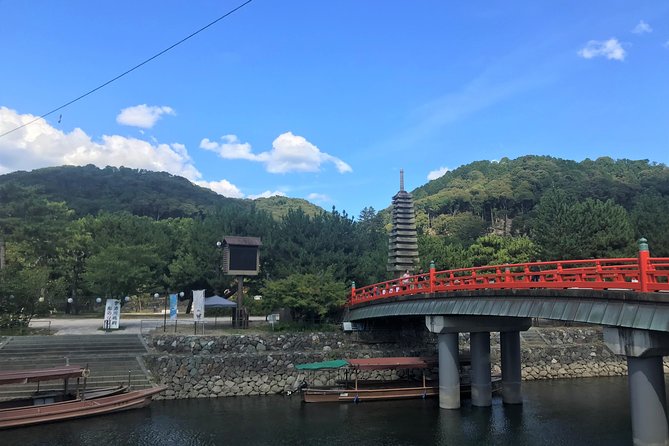
The final scheduled stop is Prefectural Uji Park, where you stroll on an island in the middle of the river for about 30 minutes. The walk brings the morning back to the natural setting that supports Uji’s culture.
The river was once a major trade route linking the capitals of Kyoto and Nara. Tea, sake, and goods from across Japan and other parts of Asia moved through this waterway. Today it is shallow, but its role explains why Uji became an important place rather than just a pretty temple town.
You also learn about cormorant fishing, an old practice using trained birds. It is a brief but distinctive subject, and it gives the riverside walk more substance than a simple break between temples.
The park is a good place to slow down after the denser temple visits. You get water views, open air, and a sense of how Uji’s religious and tea traditions fit within the town’s geography. The walk is pleasant, though weather will affect how enjoyable it feels.
What the private format adds
The group limit is eight people. That does not guarantee a silent or highly personal tour, but it is small enough for questions and conversation. You can ask why tea is prepared at a particular temperature, what a shrine feature means, or how Zen practice shaped tea customs.
The guides named in the tour information include Ferdi, also referred to as Ferdinand, Damian, David, Kevin, Mika, and Lito. Their backgrounds and presentation styles may differ, but the strongest pattern is clear: the tour depends heavily on the individual guide. Ferdi has been described as friendly and well informed, Damian as especially effective at explaining the tea tasting, and Kevin as someone who communicated before the tour and helped groups reach Byodoin before heavier crowds.
That guide-led element is important in Uji. You can visit Byodoin and Ujigami Shrine independently, but you might miss the links between spring water, tea preparation, Zen, trade, and pilgrimage streets. This experience is for someone who wants those connections explained in plain language.
The private format also allows some flexibility. The operator says the route can be modified if stairs create a problem. Ask about that ahead of time, since the standard route includes many stairs and walking between several sites.
Is $162.41 a fair price?
At $162.41 per person, this is a premium half-day outing. You are paying for a private guide, admission to the temples and Byodoin museum, the Gyokuro tea-house experience, and a carefully connected route through Uji.
The value is strongest if you would otherwise pay for separate admissions, arrange your own transport between sites, and spend time researching what connects them. The tea experience is also more distinctive than a basic green tea tasting because it focuses on Gyokuro and the slow preparation method.
The price is less attractive if you mainly want to see Byodoin, take photographs, and return to Kyoto quickly. Uji can be visited independently, and this tour spends only about 30 to 45 minutes at most stops. You are buying explanation and structure, not a long, unhurried stay at each site.
Group discounts may be available, which could improve the cost for a party. The experience is often booked about 38 days ahead, so early planning is sensible if your Kyoto dates are fixed.
Who will enjoy this morning most?
I would choose this tour if you want a cultural introduction to Uji rather than a temple-only excursion. It suits you especially well if you are curious about Japanese tea but do not know how formal tea preparation works.
It is also a good choice for:
- First-time visitors who want the main Uji sights connected by one theme
- Couples or families who prefer a private group over a large departure
- People interested in the relationship between Buddhism, Shinto, and tea
- Visitors who value a guide’s explanation more than free time for shopping
- Anyone looking for a quieter morning away from central Kyoto crowds
I would hesitate if you dislike stairs, want a slow photographic itinerary, or plan to spend hours shopping for tea. The route has a firm structure, and the four-hour length leaves limited time to linger.
You should also bring cash. One direct account specifically recommends it, and it is useful advice for a morning that passes tea shops and a historic shopping street, even though purchases are not included.
Booking, timing, and cancellation
The tour begins at 9:00 a.m. at the Keihan Uji Station Information Centre, inside the Keihan Uji Building on the first floor. It ends back at the same meeting point.
Confirmation is provided when you book, and the meeting point is near public transportation. An earlier version of the meeting information caused some confusion, but the location has since been made more specific. Still, arrive with enough time to identify the information centre rather than assuming the station exit will be obvious.
Free cancellation is available until 24 hours before the local start time. Cancellations or changes made inside that window are not accepted for a refund.
Should you book this Uji tour?
Book it if you want Uji explained as a connected place, where tea, Buddhism, Shinto, and river trade belong in the same story. The Gyokuro preparation, Byodoin museum entry, and small group make the price easier to justify, especially for a first visit.
Skip it if you only need transportation and temple admission, or if you want to set your own pace. For most visitors who enjoy guided cultural detail, this is a thoughtful and well-balanced way to spend four hours outside central Kyoto. Just prepare for stairs, bring cash, and keep your schedule open enough to enjoy the tea instead of rushing to the next sight.
FAQ
How long does the Uji tea and culture tour last?
The tour lasts approximately four hours.
What time does the tour start?
It starts at 9:00 a.m.
Where does the tour begin?
It begins at the Keihan Uji Station Information Centre, located at the Keihan Uji Building, first floor, in Uji, Kyoto.
Where does the tour end?
The activity ends back at the meeting point.
Is the tour private?
The experience is described as a private tour, with a maximum of eight participants.
Is tea included?
Yes. The tour includes a Gyokuro tea-house experience and a Japanese sweet.
Are temple and museum admissions included?
Yes. Admission to all listed temples and the museum at Byodoin is included.
Are meals included?
No. Food and drink outside the tea experience are not included.
Can the route be changed for people who have trouble with stairs?
The standard route includes many stairs. The operator says suitable modifications can be made if stairs are a problem, so you should notify them in advance.
Recently added around Uji
- Uji Walking Tour – Byodo-in temple and Tea Ceremony from Kyoto★ 3.5 · 3 reviews
- Kyoto: Uji Matcha Tea Museum Entry Ticket★ 5.0 · 5 reviews
- Utilising upcycled Matcha! Creating matcha incense (Uji, Kyoto)★ 5.0 · 6 reviews
- Kyoto Hidden Riverside Zen Mediation and Uji Matcha Experience★ 5.0 · 9 reviews
- Cycling Tour at Uji’s Matcha Green Tea Fields and Heritage★ 5.0 · 10 reviews
- Kyoto Early Bird Tour in Uji and Fushimi Inari★ 5.0 · 18 reviews
- Uji Tea Ceremony and UNESCO Heritage Walking Tour★ 5.0 · 20 reviews
- Uji and Wazuka Matcha Farm Half Day Private Guided Tour★ 5.0 · 21 reviews
Uji Tours, compared.
World Heritage Kyoto & Nara Uji Authentic Matcha Experience
Read our review →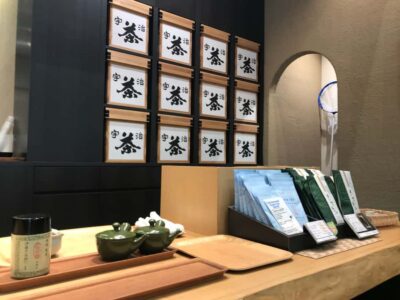
Green Tea Tour with Byodoin and Koshoji Temple Visits
Read our review →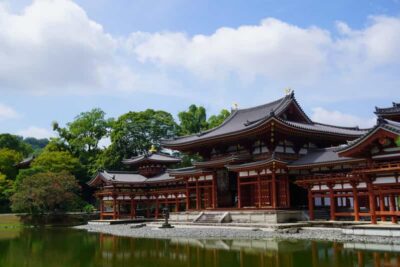
Matcha Grinding Experience and Walking Tour in Uji Kyoto
Read our review →
Slow Cycling Tour at Uji’s Matcha Green Tea Fields and Heritage
Read our review →
Uji and Wazuka Matcha Farm Half Day Private Guided Tour
Read our review →
Uji Tea Ceremony and UNESCO Heritage Walking Tour
Read our review →
Browse the lists this tour appears in