
REVIEW · UJI TOURS
Uji: Green Tea Tour with Byodoin and Koshoji Temple Visits
Uji’s best story is told in a cup of tea. This four-hour walk links high-grade gyokuro, samurai-era tea traditions, Shinto practice, Buddhist art, and two remarkable temples without the heavy crowds of central Kyoto. I like the tasting because you learn how brewing changes the flavor, then eat the softened leaves with ponzu sauce. I also like the route itself, which follows the Uji River, slips into the hills, and connects places that make more sense together than they do on a quick sightseeing stop.
The main catch is physical. You’ll walk for four hours, climb stairs, and tackle uneven or sloping ground at Koshoji and the shrines. The tour runs rain or shine, so comfortable shoes and weather-ready clothing matter. If you have limited mobility, back problems, or heart problems, this is not a good fit.
In This Review
- Key points to know before you go
- Why Uji makes a better tea trip than a quick matcha stop
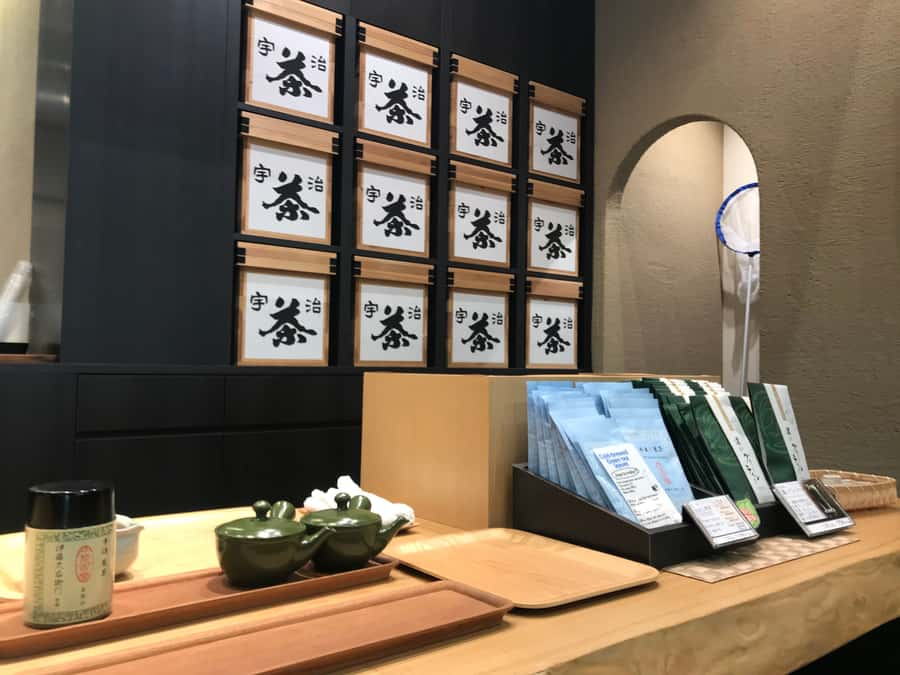
- Starting at the tea house that opened in 1160
- The gyokuro tasting, where tea becomes the main event
- Ujigami Shrine and the spring that still serves tea makers
- Crossing the Uji River toward Byodoin
- Byodoin and the Phoenix Hall
- Koshoji, the quiet finish in the hills
- What the four-hour format really gives you
- Is the $111 price good value?
- Who should book this Uji walk?
- My verdict on the Uji tea and temple tour
- FAQ
- How long does the Uji green tea tour last?
- Where does the tour begin?
- Where does the tour end?
- Which temples are included?
- Is tea tasting included?
- What languages are available?
- Is the tour suitable for people with limited mobility?
Key points to know before you go
- Tea with a proper lesson: Taste premium gyokuro, learn how it is grown and brewed, and try the leaves with ponzu sauce.
- A 1160 tea house: Begin at the world’s oldest operating tea house, still run by the same family for 24 generations.
- Two very different sacred sites: See Byodoin’s polished museum and Phoenix Hall, then visit quiet mountain-side Koshoji.
- Ujigami Shrine’s spring water: Visit the oldest extant Shinto shrine and its natural spring, linked to Uji’s tea-making tradition.
- A smaller-scale Kyoto outing: Uji is about 30 minutes by local train from Kyoto Station or the Gion area and feels calmer than central Kyoto.
- A guide who adds the missing context: Guides including Damien, Ferdinand, Brian, Bryan, David, Lito, Kevin, and Mardi have led versions of this walk, with particular praise for clear explanations and flexible pacing.
Why Uji makes a better tea trip than a quick matcha stop
Uji is famous for green tea, but the point of this tour is not simply to buy matcha sweets and take a picture beside a tea shop. The walk explains how tea became tied to military power, religion, family businesses, and daily etiquette.
That wider story gives the tasting some weight. You are not just sipping an expensive leaf. You are learning why Uji’s water, growing conditions, brewing methods, and long-running tea families matter.
The setting helps. Uji lies between Kyoto and Nara, with the river running through town and mountains close by. From central Kyoto, the local train ride takes roughly 30 minutes, making this a sensible half-day escape. You get a different pace without committing to a full day away from Kyoto.
The meeting point is the only exit at Keihan Uji Station. An escalator reaches ground level, which makes the station easy to identify. The tour returns to this same point, useful if you want to continue exploring Uji on your own afterward.
More time in Uji:
- World Heritage Kyoto & Nara Uji Authentic Matcha Experience
★ 5.0 · 1,573 reviews - Uji: UNESCO Heritage & Tea Ceremony Walking Tour
★ 4.6 · 54 reviews - Matcha Grinding Experience and Walking Tour in Uji Kyoto
★ 5.0 · 26 reviews
Starting at the tea house that opened in 1160
The first major stop is the oldest tea house still operating, dating to 1160. Its story connects tea with the samurai world: one vassal of a famous warrior became head of a family business that has continued for 24 generations.
That detail is more than a record-breaking fact. It shows how tea in Uji was preserved through family skill and social connections, not just modern branding. A guide can help you see the shop as part of a long chain of trade, status, and local craft.
This is also a good place to ask questions. The tour is designed for conversation in a small or private group, and the strongest guide reports describe plenty of time for explanations. Damien has been praised for explaining Shinto and Buddhist customs in a clear way. Ferdinand is known for taking time with history and traditions, while Brian and Bryan have been singled out for lively storytelling.
Guide assignments can change, so you should not book on the assumption that one named guide will lead your group. The useful point is that the tour depends heavily on the guide’s ability to connect the stops, and the available feedback suggests that this has been one of its strongest features.
The gyokuro tasting, where tea becomes the main event
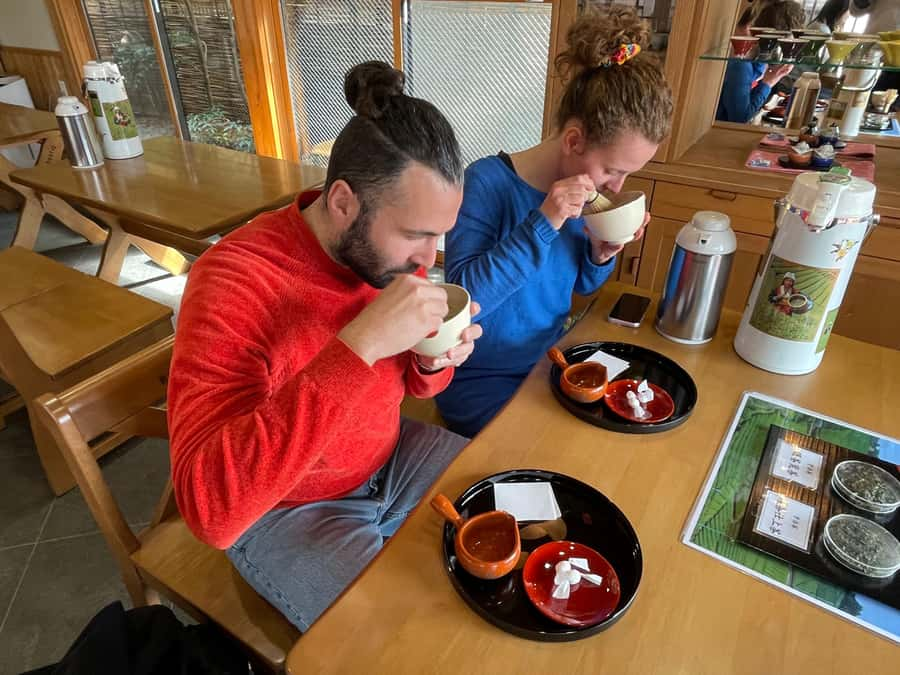
The tasting is the heart of the tour. You try Japanese green tea of the highest grade, including gyokuro, and learn how it is grown, prepared, and served.
Gyokuro is not treated here as an ordinary cup of green tea. You’ll see how brewing choices affect its flavor profile, then taste several cups prepared with care. That makes this a better choice for curious tea drinkers than for someone who only wants a quick sweet drink.
One especially memorable detail is what happens to the leaves afterward. Instead of discarding them, you mix the remaining leaves with ponzu sauce and eat them. It is a small but useful lesson in Japanese food culture: ingredients are handled with respect, and the leaf itself can be part of the meal.
The tea session has also proved adaptable. One group arrived to find that the planned tasting had sold out, but the guide adjusted the visit rather than letting the morning unravel. That is worth keeping in mind when judging the tour. Tea shop availability can affect the exact flow, even though tea tasting is part of the advertised experience.
Food and drink beyond the tea activity are not included. If you want lunch, matcha noodles, sweets, or ice cream, plan to pay separately. The route passes a street lined with tea shops and places serving matcha-flavored food, so you can add that afterward if time and appetite allow.
Ujigami Shrine and the spring that still serves tea makers
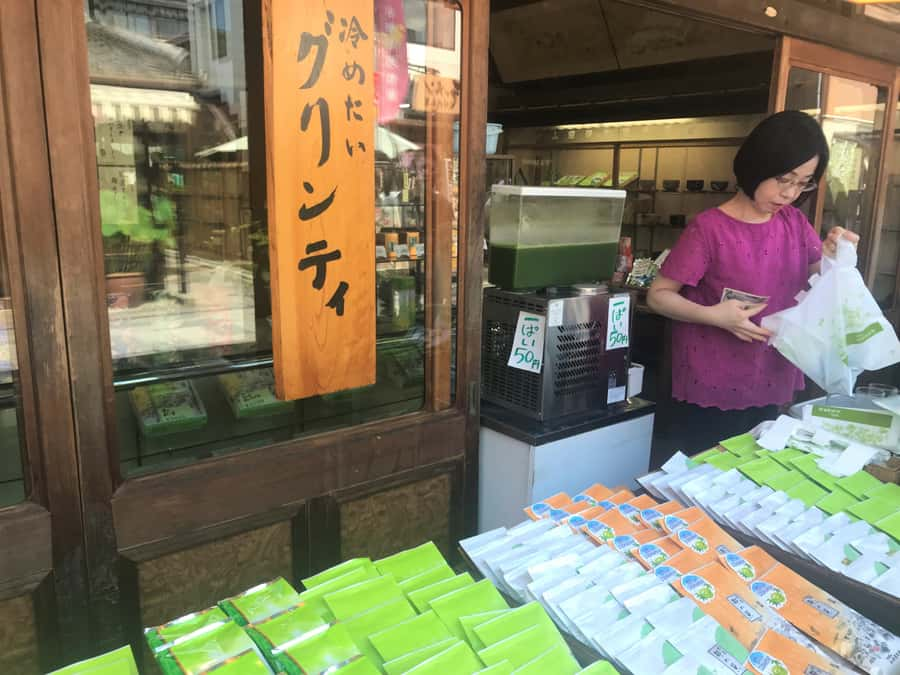
After the tea stop, the route moves into greener, quieter ground toward Ujigami Shrine. The shrine is described as the oldest original Shinto shrine in Japan and the oldest extant Shinto shrine in the world. It is also a UNESCO World Heritage Site.
This is one of the tour’s most useful contrasts. Byodoin is grand and highly polished, while Ujigami feels closer to the forest and mountain. The shrine houses Uji’s guardian deities, and its position helps explain why nature is not separate from religious practice here.
You’ll also visit the last remaining source of natural spring water in Uji, water that tea houses still collect for brewing. The route includes a stone grotto where you can purify yourself with the spring water.
A guide is especially helpful at this point. Shinto purification can seem mysterious if you only copy what other people are doing. Guides such as Brian and Bryan have helped visitors understand how to act respectfully at shrines and temples, without making the process feel like a test you can fail.
There are stairs along the tour, and the forest section is not designed for people who need a fully level route. In wet weather, stone and sloping paths may require extra care.
More Kyoto temples worth a morning:
- Uji Walking Tour – Byodo-in temple and Tea Ceremony from Kyoto
★ 3.5 · 3 reviews - Kyoto: Tea Ceremony Ju-An at Jotokuji Temple
★ 4.9 · 3,207 reviews - Arashiyama Bamboo, Temple, Monkeys, or Secret Sake Brewery
★ 4.8 · 886 reviews - Kyoto: Arashiyama Bamboo Forest, Monkeys, Matcha & Temple Tour
★ 5.0 · 759 reviews
Crossing the Uji River toward Byodoin
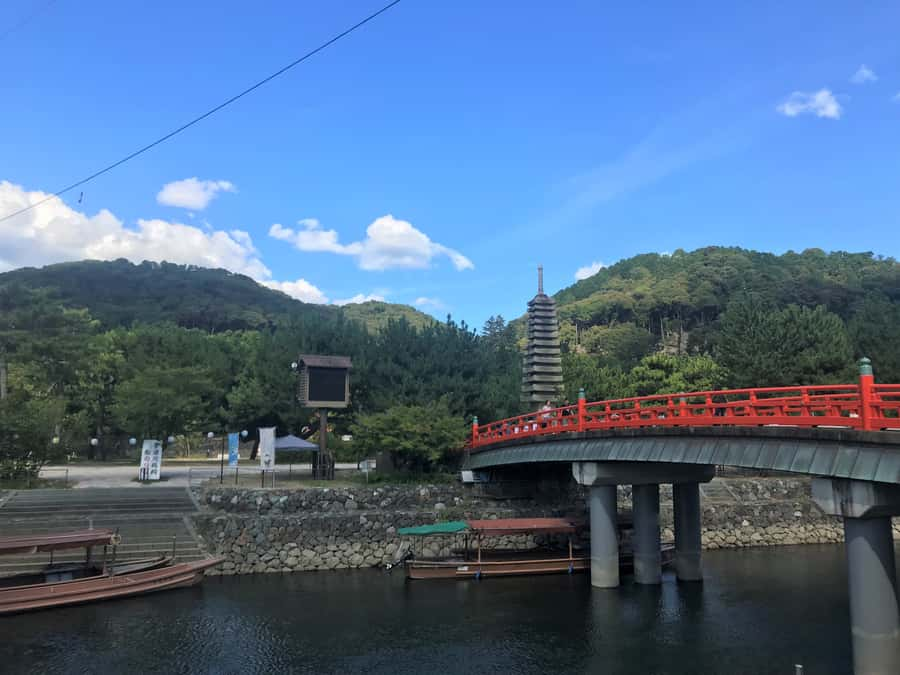
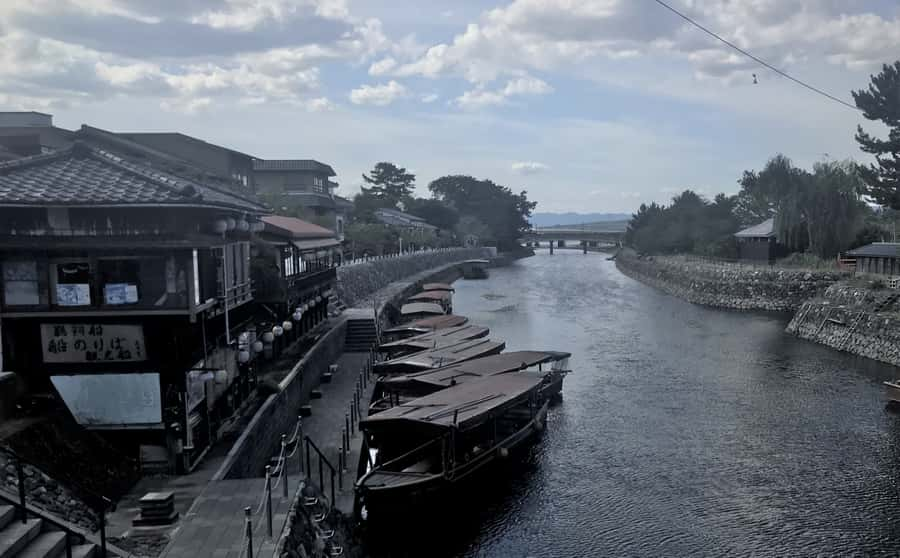
The route then crosses the Uji River and follows the pilgrimage path toward Byodoin. The river views give the walk a welcome pause after the indoor tea lesson and shrine visit.
The approach is lined with tea shops reaching back to the medieval period. Today, the area is more commercial than the quiet shrine path, but that contrast is part of the point. Uji’s tea trade is not a museum display. It remains visible in shops, food, souvenirs, and the way the town presents itself to visitors.
This section is a good time to browse without rushing. The formal tour continues to Byodoin, but the street gives you a preview of what you may want to return to later for matcha noodles, tea sweets, or gifts.
Byodoin and the Phoenix Hall

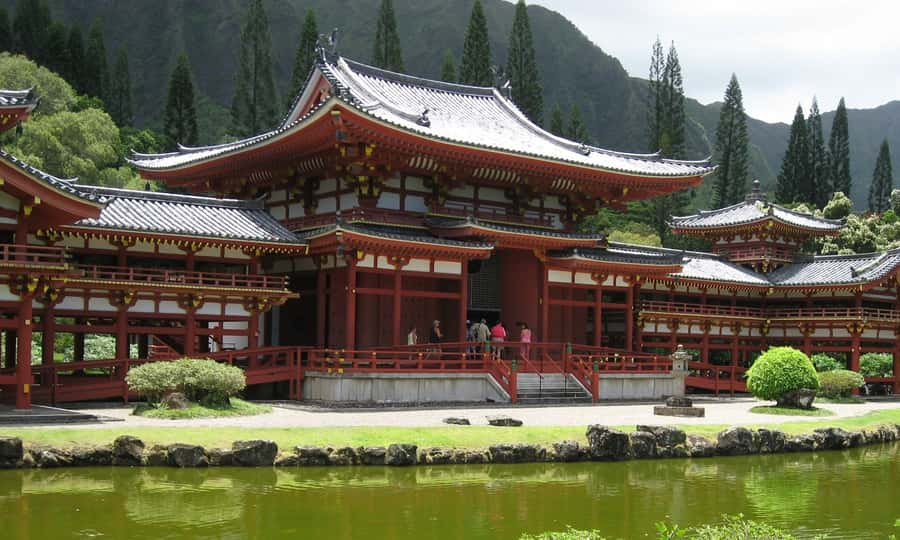
Byodoin is the major architectural prize of the outing. This UNESCO World Heritage temple is best known for Phoenix Hall, the elegant building pictured on Japan’s 10-yen coin.
The tour includes admission, which matters because Byodoin is not a place you should reduce to a quick exterior photograph. The modern museum holds Buddhist images and old objects that help explain the temple’s religious purpose and artistic style.
The Phoenix Hall brings together the threads introduced earlier. Samurai power, tea merchants, religious practice, and Heian Period culture all meet here. The Heian Period lasted from 794 to 1185, and the temple’s architecture carries the refined style associated with that era, along with stories shaped by war and changing political power.
Your guide’s explanation can make a large difference. Mardi, for example, has led groups through the museum and connected its Buddhist imagery with the surrounding buildings in a calm, story-driven way. Ferdinand and David have also been praised for explaining temples, shrines, customs, and tea in a way that goes beyond naming dates.
The museum gives you a break from the walking, but Byodoin is still a popular sight. Do not expect the same quiet mood found at Ujigami Shrine or Koshoji. The value here is the quality of the art and the clear connection between the temple and Uji’s larger story.
Koshoji, the quiet finish in the hills
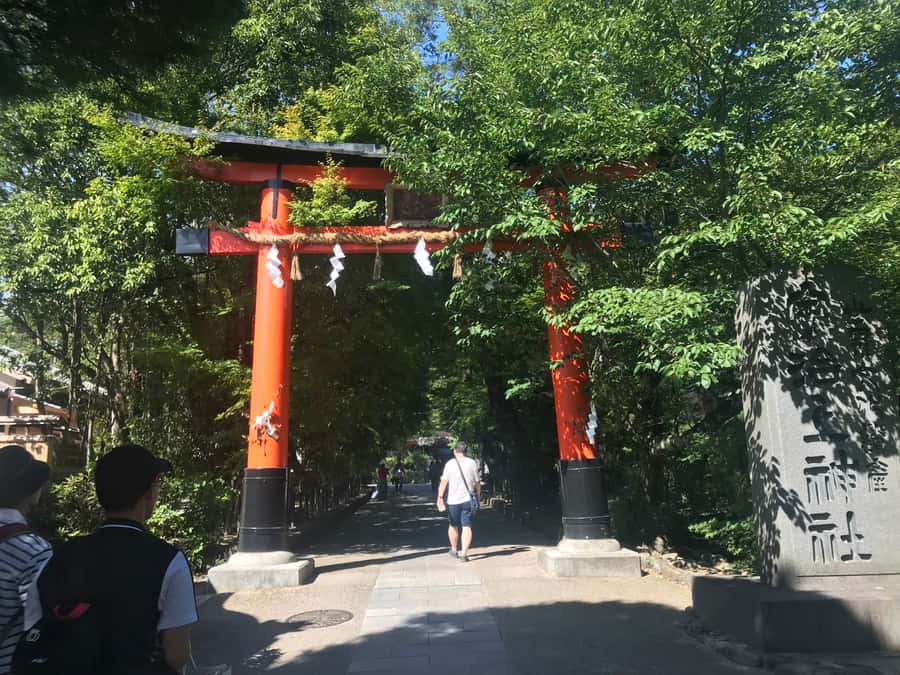
The final major stop is Koshoji Temple, which hugs the mountainside and offers a very different mood from Byodoin. The temple is a fitting place to finish because the route returns to nature after tea shops, river views, and the grand Phoenix Hall.
Koshoji is where you get some quiet time. The hillside setting gives the visit a sense of retreat, and the temple invites a little stillness before you head back to the station.
Do not confuse quiet with effortless. The mountain-side setting means stairs and walking on slopes. If you have trouble with your knees, back, balance, or endurance, this stop may be the part that limits your enjoyment.
The route can be adjusted in some cases. One guide skipped a temple when a couple preferred to slow down and eat matcha soba at an old tea house overlooking the river. That flexibility is a real advantage of a private or small group, though you should discuss changes with your guide rather than assume every stop can be removed.
What the four-hour format really gives you
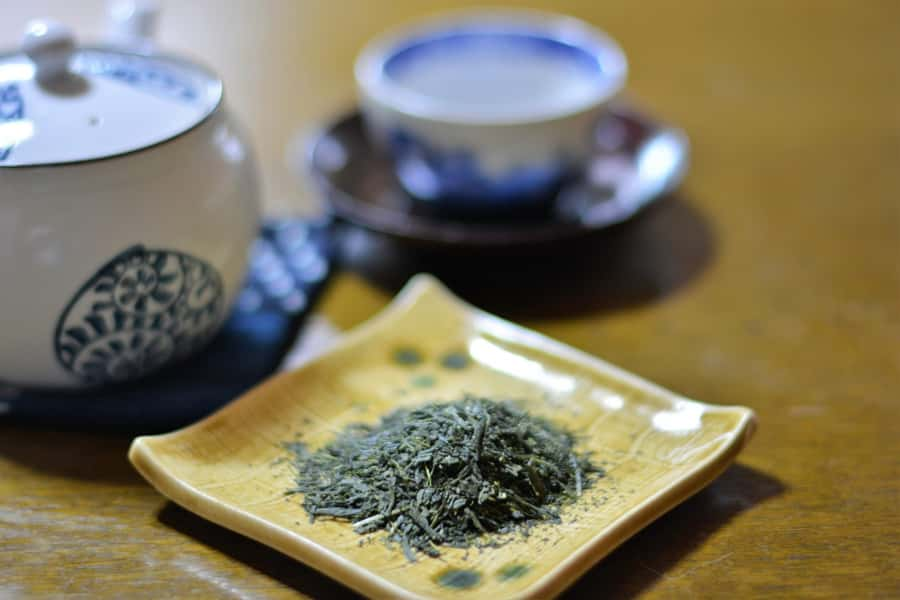
Four hours is long enough for context but short enough to fit beside a Kyoto sightseeing plan. You cover tea, a shrine, the river, Byodoin, and Koshoji without spending an entire day on the excursion.
The pace is more walking-focused than transportation-focused. You should expect to move between stops on foot, with stairs along the way. Comfortable shoes are essential. The tour is not recommended for people with mobility impairments, limited mobility, back problems, or heart problems.
The weather policy is simple: the tour runs rain or shine. Bring clothing suited to the forecast, especially because the route includes open river views and wooded paths. One group completed the walk in pouring rain and still found the setting rewarding, but bad weather will make the stairs and stone paths less comfortable.
The experience is offered in English or Spanish, with private and small group options. A small group gives you a better chance to ask about tea preparation, Buddhist images, shrine customs, or the long-running tea families. It also makes it easier for the guide to adjust the pace.
Is the $111 price good value?

At $111 per person, this is not the cheapest way to see Uji. You can walk around town independently, visit the river, enter Byodoin, and buy tea without paying for a guide.
The value comes from what you would otherwise miss. The fee includes the guide, Byodoin admission, Koshoji admission, the gyokuro activity, and the tea tasting. You are also paying for the connection between those pieces: why tea developed in Uji, how religion shaped the area, and how samurai-era politics affected the trade.
I think the price works best for first-time visitors to Japan who want help understanding shrine and temple etiquette. It also suits tea drinkers who would rather learn about high-grade green tea than simply order a matcha latte.
The price is harder to justify if you are comfortable researching temples on your own, dislike guided pacing, or mainly want shopping and food. It is also poor value if stairs and four hours of walking would force you to skip major parts of the route.
Cancellation is free up to 24 hours before the start, and you can reserve now and pay later. Those terms help if your Kyoto schedule is still changing, but they do not remove the need to check the start time and plan your train connection.
Who should book this Uji walk?
I would choose this tour for someone staying in Kyoto who wants a side trip with a clear theme. It suits couples, families, and small groups who enjoy asking questions and taking time at temples rather than rushing through a checklist.
It is especially useful if you know little about Shinto and Buddhism. The guides have helped visitors learn the correct way to approach sacred sites, while also explaining that respectful participation matters more than perfect performance.
Tea lovers get the strongest payoff. The gyokuro lesson, brewing demonstration, tasting, and seasoned leaves give you several ways to think about tea, not just a single cup.
I would be cautious about booking it for very young children who dislike walking, anyone with significant mobility limits, or anyone seeking a relaxed food tour. The route is cultural and active, not a short tasting followed by easy sightseeing.
My verdict on the Uji tea and temple tour
I like this outing because it gives Uji a clear shape. The old tea house explains the trade, the tasting lets you try the product properly, Ujigami Shrine shows the link between nature and ritual, Byodoin supplies the grand art, and Koshoji brings the day back to calm.
Its best feature is the guide-led context. Damien, Ferdinand, Brian, Bryan, David, Lito, Kevin, and Mardi have each been praised for warmth, clear explanations, humor, flexibility, or practical help such as sorting out the return train. The exact guide will vary, but that personal layer is what makes the $111 fee worthwhile.
Book it if you want more than Uji’s famous matcha snacks and a photograph of Phoenix Hall. Skip it if you need a flat, short, independent visit. For an active half-day from Kyoto, this is a thoughtful way to connect Japanese tea with temples, water, mountains, and centuries of local life.
FAQ
How long does the Uji green tea tour last?
The tour lasts four hours. Starting times vary, so check availability when booking.
Where does the tour begin?
It begins at the only exit of Keihan Uji Station. An escalator goes all the way to ground level.
Where does the tour end?
The activity ends back at the meeting point at Keihan Uji Station.
Which temples are included?
The tour includes Byodoin Temple and Koshoji Temple, with admission fees included for both.
Is tea tasting included?
Yes. The tour includes a Japanese gyokuro green tea experience and a tea tasting. Food and drink outside the tea activity are not included.
What languages are available?
Live guiding is available in English and Spanish.
Is the tour suitable for people with limited mobility?
No. The tour is not recommended for people with limited mobility or mobility impairments, and it is also not suitable for people with back or heart problems. Stairs are involved, and the tour runs rain or shine.
Recently added around Uji
- Uji Walking Tour – Byodo-in temple and Tea Ceremony from Kyoto★ 3.5 · 3 reviews
- Kyoto: Uji Matcha Tea Museum Entry Ticket★ 5.0 · 5 reviews
- Utilising upcycled Matcha! Creating matcha incense (Uji, Kyoto)★ 5.0 · 6 reviews
- Kyoto Hidden Riverside Zen Mediation and Uji Matcha Experience★ 5.0 · 9 reviews
- Cycling Tour at Uji’s Matcha Green Tea Fields and Heritage★ 5.0 · 10 reviews
- Uji: Private immersion into Kyoto’s tea and reglious culture★ 5.0 · 17 reviews
- Kyoto Early Bird Tour in Uji and Fushimi Inari★ 5.0 · 18 reviews
- Uji Tea Ceremony and UNESCO Heritage Walking Tour★ 5.0 · 20 reviews
Uji Tours, compared.
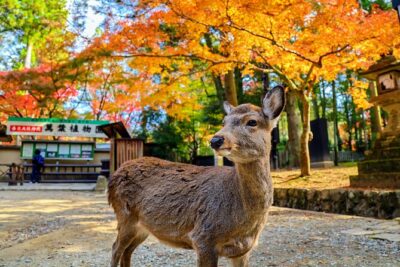
World Heritage Kyoto & Nara Uji Authentic Matcha Experience
Read our review →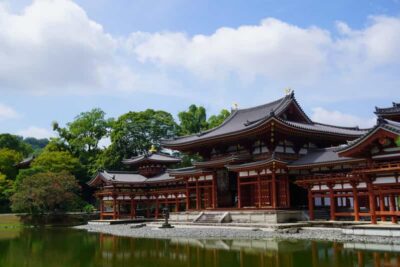
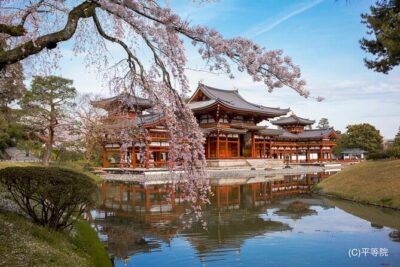
Matcha Grinding Experience and Walking Tour in Uji Kyoto
Read our review →
Slow Cycling Tour at Uji’s Matcha Green Tea Fields and Heritage
Read our review →
Uji and Wazuka Matcha Farm Half Day Private Guided Tour
Read our review →
Uji Tea Ceremony and UNESCO Heritage Walking Tour
Read our review →

Private immersion into Kyoto’s tea and reglious culture
Read our review →Browse the lists this tour appears in