
REVIEW · UJI TOURS
Slow Cycling Tour at Uji’s Matcha Green Tea Fields and Heritage
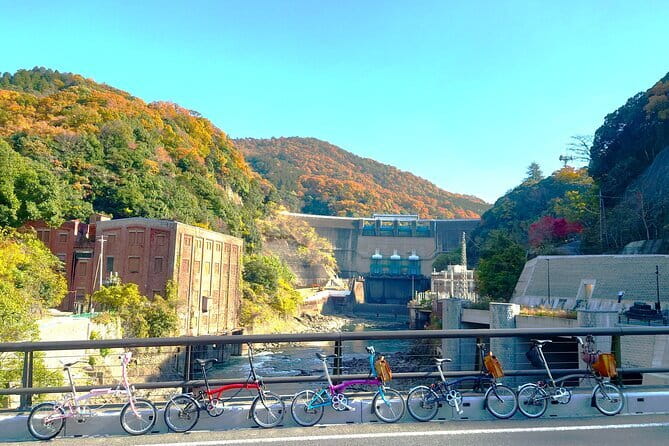
Uji’s best feature is how quickly the town shifts from matcha country to quiet river paths and old religious sites. This four-and-a-half-hour ride uses nimble Brompton bicycles to connect places that are awkward to reach on foot, with a local guide such as Takashi explaining tea culture, temples, and the city’s past along the way.
I like the small group size, limited to six, and the relaxed pace, which lets you stop for photos instead of treating Uji like a checklist. I also like that the route can be adjusted to suit your wishes, including time for a special tea shop or a meal that fits your needs.
The main consideration is that this is still a cycling tour. The pace is gentle, but you will be on a bike for several hours, and the outing depends on good weather. Admission to Chazuna, Byodo-in’s Phoenix Hall, food, and optional insurance cost extra.
In This Review
- Key points to know before you book
- Why cycling works so well in Uji
- Starting beside Uji Station at 10 a.m.
- Chazuna: begin with Uji’s tea culture
- Uji Shrine and Ujigami Shrine
- Asagiri Bridge and the Uji River
- Koshoji Temple and the stone path to the gate
- Amagase Dam and the quietest hour of the ride
- Returning through Byodo-in Omotesando
- What the $130.46 price really covers
- Who will enjoy this Uji ride most
- Practical details that affect your decision
- Should you book the Slow Cycling Tour in Uji?
- FAQ
- Where does the Uji cycling tour start and finish?
- How long does the experience last?
- What is included in the tour price?
- Are admission fees included?
- Is food included?
- What happens if the weather is poor?
Key points to know before you book
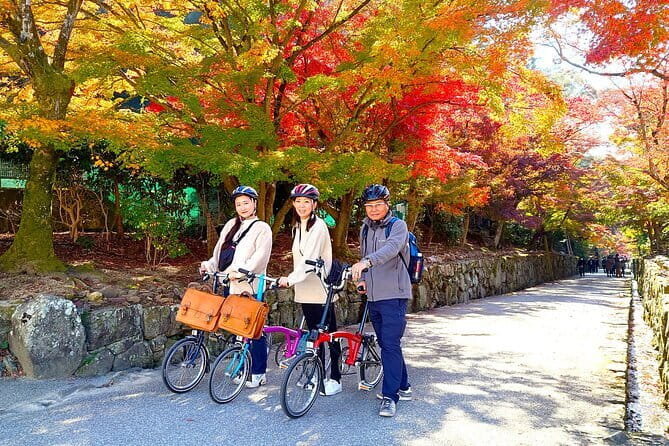
- Brompton bicycles make a compact fit for Uji: The folding bikes are stylish, easy to handle, and well suited to narrow streets and riverside paths.
- Takashi is one guide you may ride with: He has led visitors through Uji’s tea culture, shrines, temples, and scenic spots in English.
- The route mixes tea, faith, and nature: You move from the Chazuna tea center to ancient shrines, Koshoji Temple, the Uji River, and Amagase Dam.
- The group is capped at six people: That matters when you want to ask questions or request a change to the route.
- Extra costs are modest but real: Chazuna costs 600 yen, and Byodo-in Phoenix Hall costs 700 yen if you enter.
- Plan ahead: The experience is often reserved about 49 days in advance, and confirmation depends on availability.
Why cycling works so well in Uji
Uji is easy to reach from Kyoto, but its attractions are spread across a larger area than the famous Byodo-in approach might suggest. Walking works for the central sights, yet a bicycle gives you a better sense of the town’s quieter edges.
That is the strength of this outing. You are not simply pedaling from one major attraction to the next. You are moving between tea culture, old shrines, temple grounds, and the Uji River, with the guide filling in the links.
The word slow is important here. This is not a fitness ride or a race. The route is intended for people who may not feel confident about long-distance cycling, and the guide can shape the course around your interests. You still need to be comfortable riding a bicycle, but the emphasis is on stopping, looking, and listening.
All cycling equipment is supplied, including the bike, helmet, and bags for wheeled transport. You do not need to bring riding gear. The small group limit also helps the experience feel more like a private outing than a large organized procession.
The Brompton itself adds a little character. It is compact and photogenic, and the bike’s small frame suits Uji’s narrow lanes. If you enjoy good design, you will probably appreciate riding something different from the standard city rental.
More time in Uji:
- World Heritage Kyoto & Nara Uji Authentic Matcha Experience
★ 5.0 · 1,573 reviews - Uji: Green Tea Tour with Byodoin and Koshoji Temple Visits
★ 4.8 · 72 reviews - Uji: UNESCO Heritage & Tea Ceremony Walking Tour
★ 4.6 · 54 reviews
Starting beside Uji Station at 10 a.m.
The meeting point is the Chatsubo PostboxJapan location at Uji Station, postal code 611-0021, in Uji’s Umonji area. The tour begins at 10 a.m. and returns to the same place, which makes the morning start and end point easy to manage by train.
I would arrive early enough to find the meeting spot without rushing. You will need a little time to meet the guide, receive the bicycle, and get comfortable before setting off.
The stated maximum is six people. That is small enough for a guide to keep the pace together and respond to questions. It also makes a difference if you want to ask about tea production, Japanese religious customs, or the best place to stop for matcha.
The guide is described as an exclusive navigator, not simply someone handing over a rental bike and a map. That distinction matters in Uji, where much of the pleasure comes from knowing why a shrine, water source, bridge, or temple path is worth your time.
Chazuna: begin with Uji’s tea culture
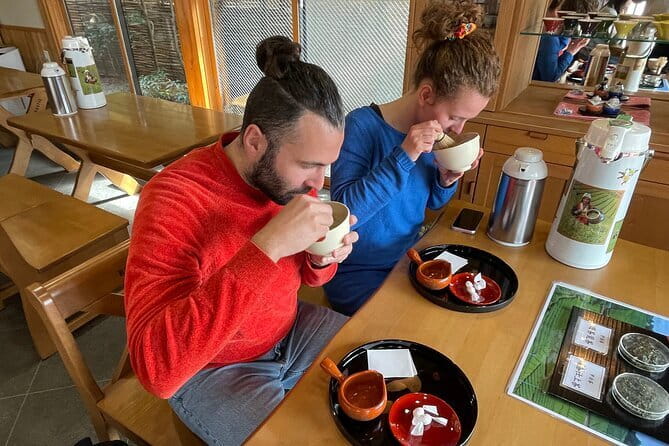
The first planned stop is Tea and Uji Community Center Chazuna, a place devoted to Kyoto’s tea culture and history. You have about 45 minutes here, enough time to get context before seeing the tea-growing area and tea shops by bicycle.
This is a smart opening stop. Uji is widely associated with matcha, but the word can become a travel label unless you understand how important tea is to the town’s identity. Chazuna gives you a foundation for the rest of the day.
Admission is not included and costs 600 yen. That is an optional expense, so you can decide if the center fits your interests and budget. I would consider it worthwhile if you are especially interested in matcha, tea preparation, or the background behind Uji’s tea reputation.
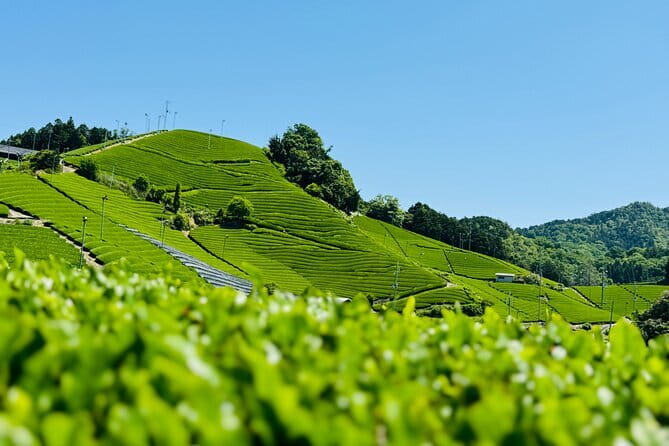
The tour summary refers to Uji’s matcha green tea fields, but the listed stops focus on the wider tea culture of the town rather than promising a long visit inside a working farm. Keep that distinction in mind when booking. You should expect tea-related interpretation and local tea stops, not a dedicated agricultural tour.
Uji Shrine and Ujigami Shrine
After Chazuna, the route turns to two important religious sites. Uji Shrine is said to have more than 1,700 years of history and is associated with academic and childbirth success.
You get about 30 minutes here, with no admission fee. That is enough for a focused visit, though not a long, slow exploration of every corner. The bicycle makes it easy to continue when you have seen what interests you.
Next comes Ujigami Shrine, paired with neighboring Uji Shrine. A spring called Kirihara Water, one of Uji’s seven famous waters, still flows from the grounds. Again, the planned stop is 30 minutes and admission is free.
The value here is the contrast. Chazuna explains a cultural tradition that still shapes Uji’s shops and food. The shrines take you into older layers of local belief. With an English-speaking guide, you can ask questions rather than simply photograph gates and buildings.
I would not expect a dramatic blockbuster sight at either shrine. Their appeal is quieter and more thoughtful. If you prefer calm religious sites to famous buildings packed with tour groups, these stops should suit you. If you want long interior visits or elaborate ceremony, the time allowed may feel brief.
More matcha tastings and workshops:
- Matcha Grinding Experience and Walking Tour in Uji Kyoto
★ 5.0 · 26 reviews - Uji and Wazuka Matcha Farm Half Day Private Guided Tour
★ 5.0 · 21 reviews - Cycling Tour at Uji’s Matcha Green Tea Fields and Heritage
★ 5.0 · 10 reviews - Kyoto Hidden Riverside Zen Mediation and Uji Matcha Experience
★ 5.0 · 9 reviews
Asagiri Bridge and the Uji River
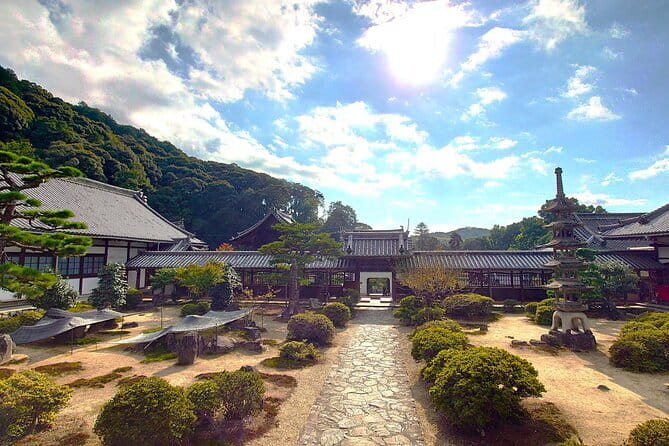
Asagiri Bridge receives a shorter 15-minute stop, but it has a clear purpose: photography. The bridge crosses the Uji River and gives you a pleasing view of the water, town, and surrounding setting.
This is where the bicycle format pays off. You can reach the bridge without arranging another bus or taxi, pause for pictures, then continue. The stop is not padded with a long lecture, and that keeps the outing moving.
The Uji River is one of the tour’s recurring pleasures. It provides open space between the denser town sights, and the route later follows the river toward Amagase Dam. If the weather is kind, you will have several chances to trade temple roofs for water, trees, and valley views.
The ride is not presented as a technical cycling route. It is a sightseeing trip, so bring a camera or phone if you enjoy taking pictures. The guide can also suggest places for tea or food later in the day.
Koshoji Temple and the stone path to the gate
Koshoji Temple is a Zen temple with about 800 years of history. The approach is one of the more distinctive parts of the route: Kotosaka slope runs from the stone gate toward the temple grounds, with stone walls lining the path.
You have around 30 minutes here, and admission is listed as free. The time is enough to appreciate the approach and temple setting, though you may want longer if you enjoy sitting quietly or examining details.
I like that this stop is not just another famous building. The path itself is part of the experience. Cycling brings you near the temple, then the focus shifts to walking and looking at the stonework, slope, and quiet setting.
As with the shrines, the tour gives you a sample rather than a full scholarly visit. That is a fair trade on a route that also includes the river and dam. If Koshoji becomes your favorite stop, you may want to return later with more time.
Amagase Dam and the quietest hour of the ride
The longest stop is Amagase Dam, with about one hour allotted. A nature trail along the Uji River leads toward the wooden Amagase Bridge, where the valley becomes peaceful enough to make central Kyoto feel far away.
This is likely the ride’s most scenic section. You are not just crossing between urban attractions. You are following the river into a calmer setting, with time to pause and take in the valley.
The wooden bridge and riverside route also explain why a local navigator is useful. A guide who knows the area can keep the ride practical and point out the places worth stopping. The route is described as tranquil rather than strenuous, but you should still be ready for sustained time on the bicycle.
The exact condition of the path can vary with weather, and the experience may be canceled in poor conditions. That is not a minor footnote. Riverside cycling is much less appealing in heavy rain, and slippery conditions would affect comfort and safety.
If you are visiting Uji only for Byodo-in, Amagase Dam adds a different side of the town. It gives the outing breathing room and helps justify the half-day length.
Returning through Byodo-in Omotesando
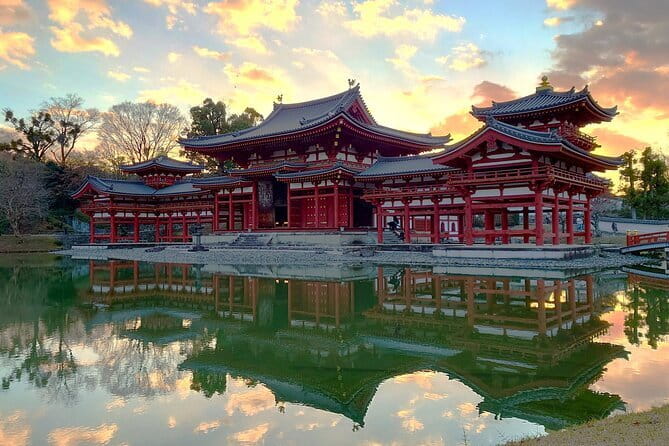
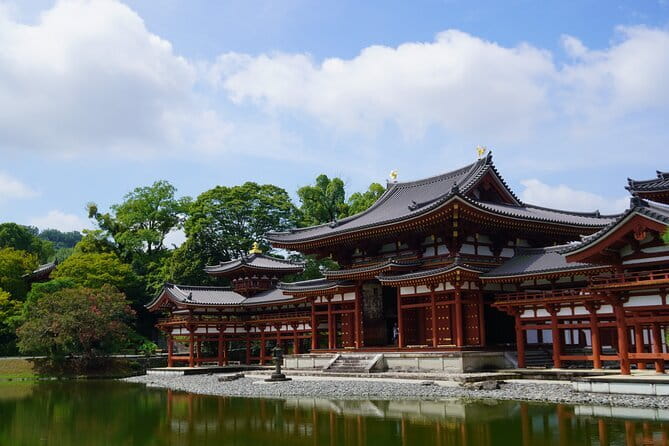
The final hour takes you back toward Byodo-in Omotesando, the approach street leading to one of Uji’s best-known sights. You can choose to visit Byodo-in’s Phoenix Hall, a UNESCO World Heritage Site, or stop for tea at one of Uji’s specialty shops.
Byodo-in admission is not included. The Phoenix Hall entrance costs 700 yen, separate from the general tour price. Since the stop is near the end, you can decide based on how your energy and schedule feel.
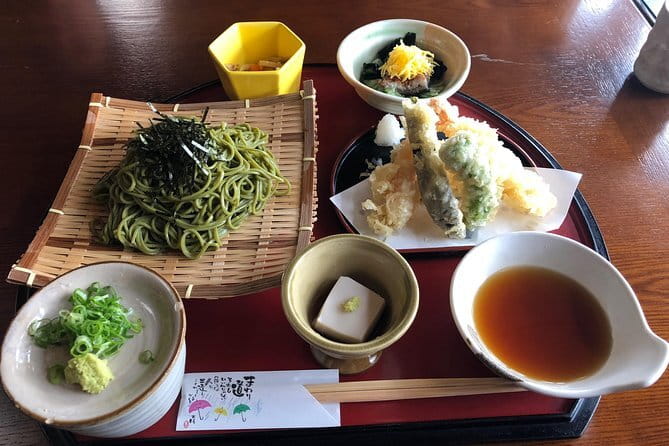
That flexibility is useful. Some people will want the famous architecture and a formal temple visit. Others will be more interested in sampling matcha, browsing tea shops, or finding a local lunch. The guide can suggest restaurants according to your wishes, and past tour routes have included vegan and gluten-free lunch options.
Food is also not included, so budget separately for lunch, snacks, and drinks. This is not a flaw, but it means the final cost depends on how many extras you choose.
I would not assume that the tour price includes a matcha tasting or meal simply because tea is central to the experience. The guide may recommend a shop or restaurant, but purchases are your responsibility.
What the $130.46 price really covers
At $130.46 per person, this is not the cheapest way to see Uji. You could walk around the central sights for much less, and the two shrines and Koshoji Temple do not charge admission.
The price makes more sense if you value the bicycle, equipment, English guidance, and route planning. You are paying to connect several parts of Uji in one organized outing, including the quieter river section that is easy to skip when traveling independently.
The maximum group size of six improves the value. A guide can adjust the pace and answer questions in a way that is difficult with a large bus group. The option to shape the route around your wishes also gives the price more flexibility.
You should add up the optional costs before booking:
- Chazuna entrance: 600 yen
- Byodo-in Phoenix Hall entrance: 700 yen
- Optional insurance: 500 yen
- Food, tea, and snacks: extra
Group discounts are available, although the exact discount is not specified. If you are traveling with friends or family, check the total before payment rather than assuming a particular saving.
The tour is often reserved about 49 days ahead, so I would not leave it until the last moment if the date matters to you. Confirmation arrives within 48 hours of booking, subject to availability.
Who will enjoy this Uji ride most
I would recommend this experience to you if you want more than a quick visit to Byodo-in. It suits first-time visitors who want the major themes of Uji, tea, temples, shrines, and the river, in one manageable half-day.
It is also a good choice if you are unsure about your cycling fitness. The pace is designed to be easy, and the tour description specifically welcomes people who are not confident about physical fitness. Still, you need to be able to ride for several hours with breaks.
Matcha fans will get the most from the tea focus, especially if you like to connect a drink with its place of origin. History and religious sites also receive meaningful attention, although the ride does not replace a full museum or temple day.
The tour may be less suitable if you want a fast athletic ride, complete control of every stop, or a guaranteed farm visit among tea plants. It may also disappoint anyone looking for an all-inclusive price, since the main admissions and food are separate.
Past outings have worked for couples, small groups, and solo participants. The private-tour option mentioned in the experience details shows how well the format can work for two people, while the six-person cap keeps a shared ride personal.
Practical details that affect your decision
The tour begins and ends at the Uji Station meeting point, and it operates near public transportation. That makes it simple to place on a Kyoto itinerary without arranging a separate return transfer.
All equipment is provided, including the bicycle, helmet, and transport bags. You should still dress for the weather and choose clothing that feels comfortable on a bike. The tour requires good weather, so rain can change your plans.
Free cancellation is available if you cancel at least 24 hours before the 10 a.m. start time. Changes or cancellations inside that window are not accepted for a refund. If poor weather or insufficient enrollment cancels the outing, you are offered another date or a full refund.
The activity is limited to six people, and most people can participate according to the supplied details. Since no more specific mobility information is provided, contact the operator if you have concerns about cycling, balance, or the route.
Should you book the Slow Cycling Tour in Uji?
Book it if you want Uji to feel like a real town rather than a single temple stop. The combination of Chazuna, two old shrines, Koshoji, the Uji River, Amagase Dam, and tea shops gives you a broad look at the area without forcing you to plan every connection yourself.
I especially like the balance between culture and open-air riding. Takashi’s friendly guiding style, the small group, and the option to stop for vegan or gluten-free food make the experience adaptable. The gentle Brompton ride also offers an easy way to see more than you could comfortably cover on foot.
Skip it if your main goal is a low-cost visit to Byodo-in, or if you dislike cycling, variable weather, or paying separately for admissions and meals. For everyone else, this is a well-shaped half-day outing that shows why Uji is worth more than a quick photo at the Phoenix Hall.
FAQ
Where does the Uji cycling tour start and finish?
The tour starts at Chatsubo PostboxJapan near Uji Station in Uji, Kyoto, at 10 a.m. It ends back at the same meeting point.
How long does the experience last?
The tour lasts approximately 4 hours and 30 minutes, including the planned stops at Chazuna, Uji Shrine, Ujigami Shrine, Asagiri Bridge, Koshoji Temple, Amagase Dam, and Byodo-in Omotesando.
What is included in the tour price?
The price includes bicycle rental, an exclusive navigator, bicycle equipment such as helmets and wheeled transport bags, and an English guide.
Are admission fees included?
No. Chazuna admission costs 600 yen, and the entrance fee for Byodo-in Phoenix Hall costs 700 yen. Both are optional expenses.
Is food included?
No. Snacks, lunch, tea, and other refreshments are not included. The guide can suggest restaurants based on your preferences, including options such as vegan and gluten-free food.
What happens if the weather is poor?
The experience requires good weather. If the operator cancels because of poor weather, you can choose another date or receive a full refund.
More History Walks in Uji
- Uji Tea Ceremony and UNESCO Heritage Walking Tour
★ 5.0 · 20 reviews - Kyoto Gion: 2-Hour Geisha Culture & History Walking Tour
★ 5.0 · 1,186 reviews - Kyoto Gion Historical Walking Tour
★ 5.0 · 188 reviews - Historical Kyoto E-Bike Tour
★ 5.0 · 181 reviews
More Bike Days Around Uji
- Hidden Kyoto E-Biking tour
★ 5.0 · 1,843 reviews - Bike Tour Exploring North Kyoto plus Lunch
★ 5.0 · 1,087 reviews - Arashiyama Bamboo Forest & Hidden Gems Bike Tour (Early Bird)
★ 5.0 · 613 reviews - 5 Top Highlights of Kyoto Full Day Bike Tour (E-bike option)
★ 5.0 · 511 reviews
Recently added around Uji
- Uji Walking Tour – Byodo-in temple and Tea Ceremony from Kyoto★ 3.5 · 3 reviews
- Kyoto: Uji Matcha Tea Museum Entry Ticket★ 5.0 · 5 reviews
- Utilising upcycled Matcha! Creating matcha incense (Uji, Kyoto)★ 5.0 · 6 reviews
- Kyoto Hidden Riverside Zen Mediation and Uji Matcha Experience★ 5.0 · 9 reviews
- Cycling Tour at Uji’s Matcha Green Tea Fields and Heritage★ 5.0 · 10 reviews
- Uji: Private immersion into Kyoto’s tea and reglious culture★ 5.0 · 17 reviews
- Kyoto Early Bird Tour in Uji and Fushimi Inari★ 5.0 · 18 reviews
- Uji Tea Ceremony and UNESCO Heritage Walking Tour★ 5.0 · 20 reviews
Uji Tours, compared.
World Heritage Kyoto & Nara Uji Authentic Matcha Experience
Read our review →
Green Tea Tour with Byodoin and Koshoji Temple Visits
Read our review →
Matcha Grinding Experience and Walking Tour in Uji Kyoto
Read our review →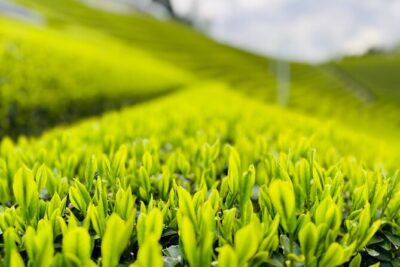
Uji and Wazuka Matcha Farm Half Day Private Guided Tour
Read our review →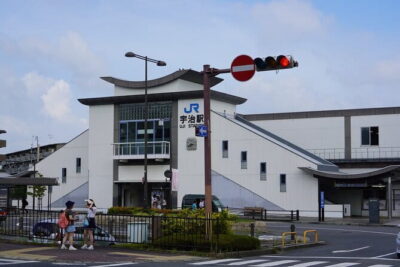
Uji Tea Ceremony and UNESCO Heritage Walking Tour
Read our review →
Private immersion into Kyoto’s tea and reglious culture
Read our review →Browse the lists this tour appears in